Texas Plants That Sting Or Burn When You Touch Them
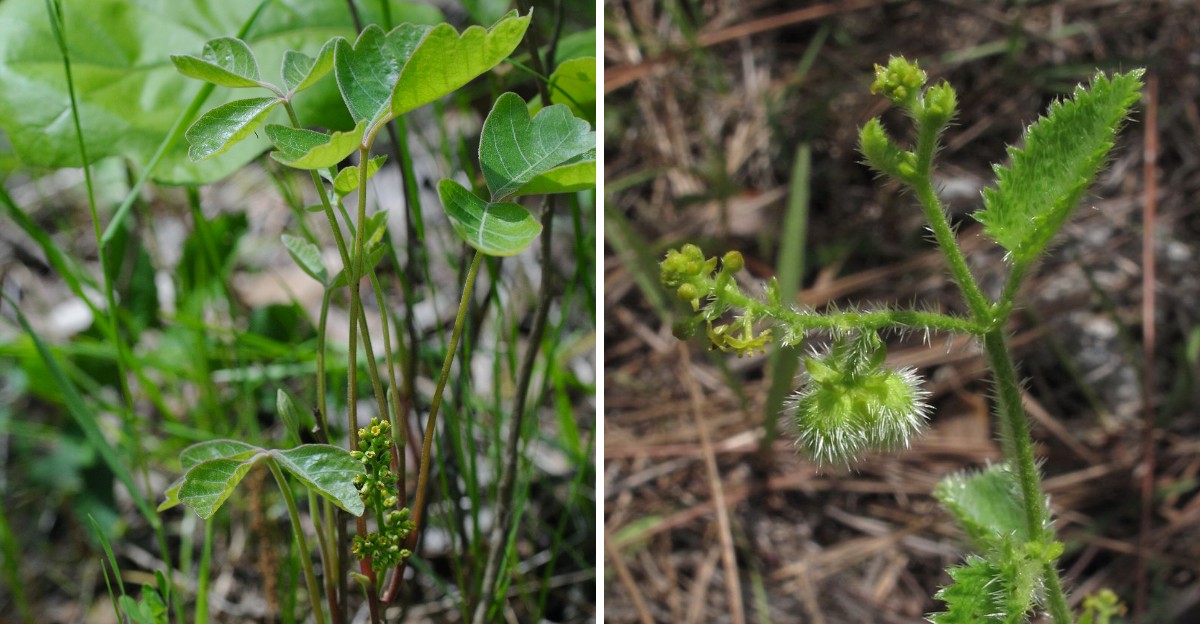
One native wildflower in Texas carries the Spanish nickname mala mujer, which roughly translates to wicked woman. Its pretty white blooms look harmless, yet glassy hairs on its stems can leave your skin burning for hours.
Plenty of other green neighbors play similar tricks, using either tiny hollow needles or invisible oils on their leaves. Some reactions show up within seconds, while others sneak up on you a full day or two later.
I have to admit my first run-in happened while pulling weeds barehanded along a sandy fence line one June. You learn fast when your forearm suddenly feels like it brushed against a hot skillet left on the stove.
Knowing these plants by sight can save you from itchy nights and awkward trips to the pharmacy counter. So which sneaky troublemakers are hiding in your Texas yard right now, waiting for an unprotected hand?
1. Texas Bullnettle
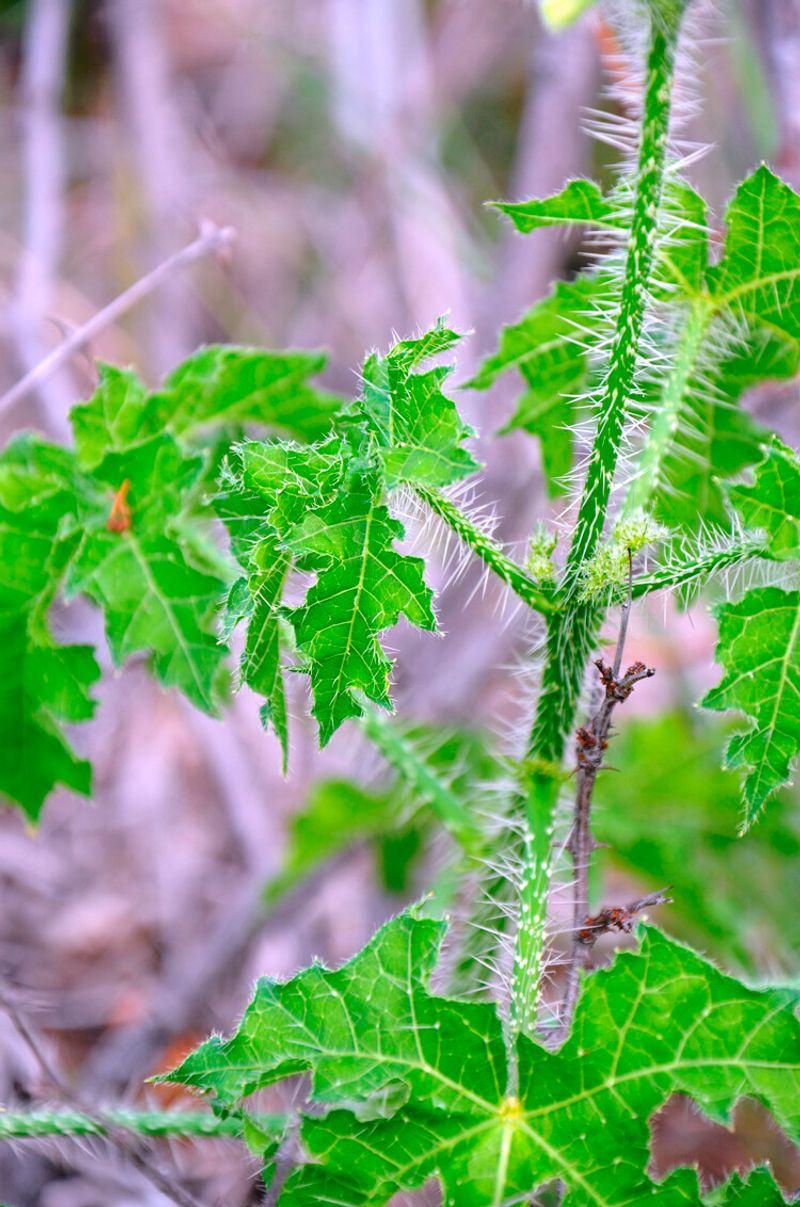
Few garden surprises match the jolt of brushing bare ankles against bullnettle while strolling through a sandy pasture.
The sting arrives instantly, a sharp fiery prickle that makes you hop around like you stepped on embers.
Its stems and leaves bristle with stiff, glassy hairs that snap off in skin and release an irritating chemical. Old-timers call it tread-softly, and honestly I think that nickname offers the smartest advice anyone could give.
The burning often fades within an hour or so, though sensitive people may feel itching much longer afterward.
Washing the area gently and applying a cool compress usually brings relief faster than scratching ever could.
Bullnettle belongs to the spurge family and grows roughly one to three feet tall in loose, sandy soil. Its lobed, deep green leaves are marked with pale veins, giving the plant a strangely handsome look.
Fragrant white flowers open from spring through summer, and pollinators like bees and moths visit them for nectar.
Later come bristly seed capsules that split open, flinging seeds that birds and small mammals readily gather and eat.
A deep, carrot-like root makes bullnettle stubborn to pull, since broken pieces often sprout again the following season. You need thick leather gloves and a sturdy digging fork if it pops up near your garden beds.
I respect this native for feeding wildlife, but I happily leave it in wild corners rather than flower borders. Keeping kids and pets informed about its look will spare everyone a painful afternoon outdoors.
2. Poison Ivy
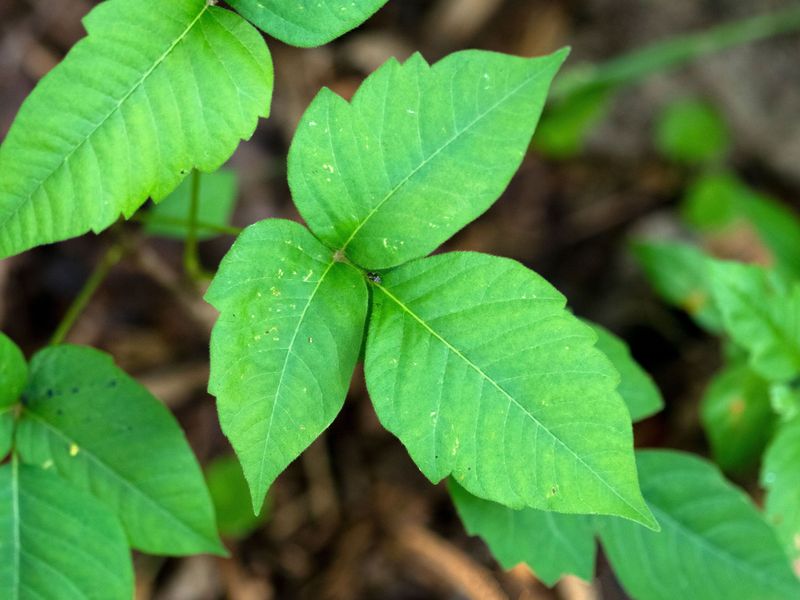
Leaves of three, let it be remains the catchiest gardening advice I know, and poison ivy earns every word. The plant itself does not sting, yet its oil can trigger a blistering, burning itch for weeks.
That oil, called urushiol, coats nearly every part of the plant, including the roots and bare winter stems. A tiny amount is enough to cause a reaction, and most people are sensitive to it at some level.
Symptoms usually appear twelve to forty-eight hours after contact, starting as redness before turning into itchy, weeping blisters. Rinsing your skin with soap and cool water soon after exposure can remove much of the oil.
Poison ivy is a shape-shifter, creeping along the ground or climbing tree trunks with fuzzy, hairy aerial roots. Those fuzzy vines on old oaks look harmless in winter, but they carry just as much oil as summer leaves.
Its leaflets may be smooth-edged or toothed, glossy or dull, which keeps even seasoned gardeners guessing at times. Fall brings brilliant red and orange color, and birds happily eat the small whitish berries that follow.
Please resist the urge to burn piles of pulled vines, because smoke carrying urushiol can seriously irritate your lungs. Bag the plants instead, and wash your gloves and tools separately after every cleanup session.
Pets can carry the oil on their fur, so a quick bath helps after romps through brushy areas. Personally, I keep a dedicated pair of long gloves just for tackling this sneaky vine along my fence.
3. Poison Oak
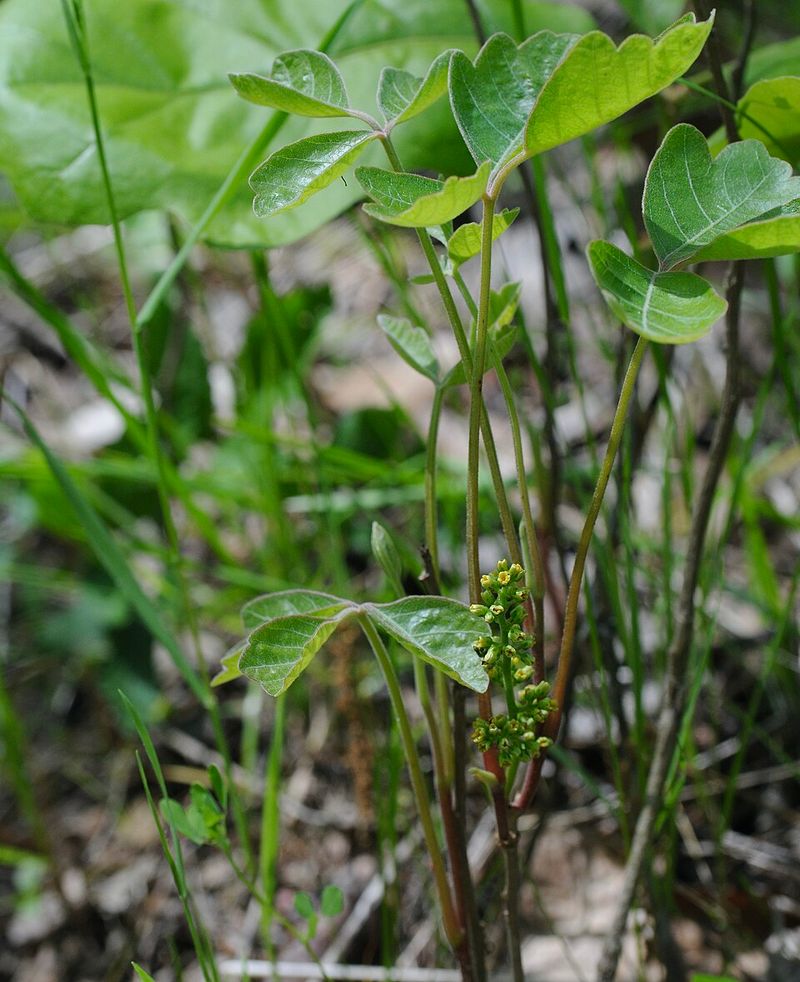
Fuzzy, oak-shaped leaves give Atlantic poison oak a cozy, almost friendly look that hides a nasty surprise. I find it sneakier than poison ivy because so many people simply do not recognize it on the trail.
Known scientifically as Toxicodendron pubescens, this cousin carries the same urushiol oil and causes the same blistering rash. In Texas, it mainly grows in the eastern pine and oak woodlands, often in dry, sandy soil.
Unlike its climbing relative, poison oak usually stays a low, upright shrub about one to three feet tall. Each leaf has three leaflets with rounded lobes, resembling a tiny white oak leaf in miniature form.
Both leaf surfaces feel velvety because of fine hairs, which explains the word pubescens in its scientific name. Small greenish flowers appear in spring, followed by fuzzy, pale berries that wildlife eats during cooler months.
You might notice people confusing it with harmless seedlings of real oak trees growing in the same woods. Real oak seedlings hold single leaves along the stem, while poison oak consistently groups its leaflets in threes.
When clearing brush, wear long sleeves and slip disposable bags over your gloves for easy removal afterward. Wash exposed skin quickly, since the oil starts bonding with skin within minutes of that first contact.
Over-the-counter hydrocortisone creams and cool oatmeal baths can ease mild rashes while your skin slowly heals.
Severe swelling near the eyes or face calls for a doctor visit, so please take those reactions seriously.
4. Poison Sumac
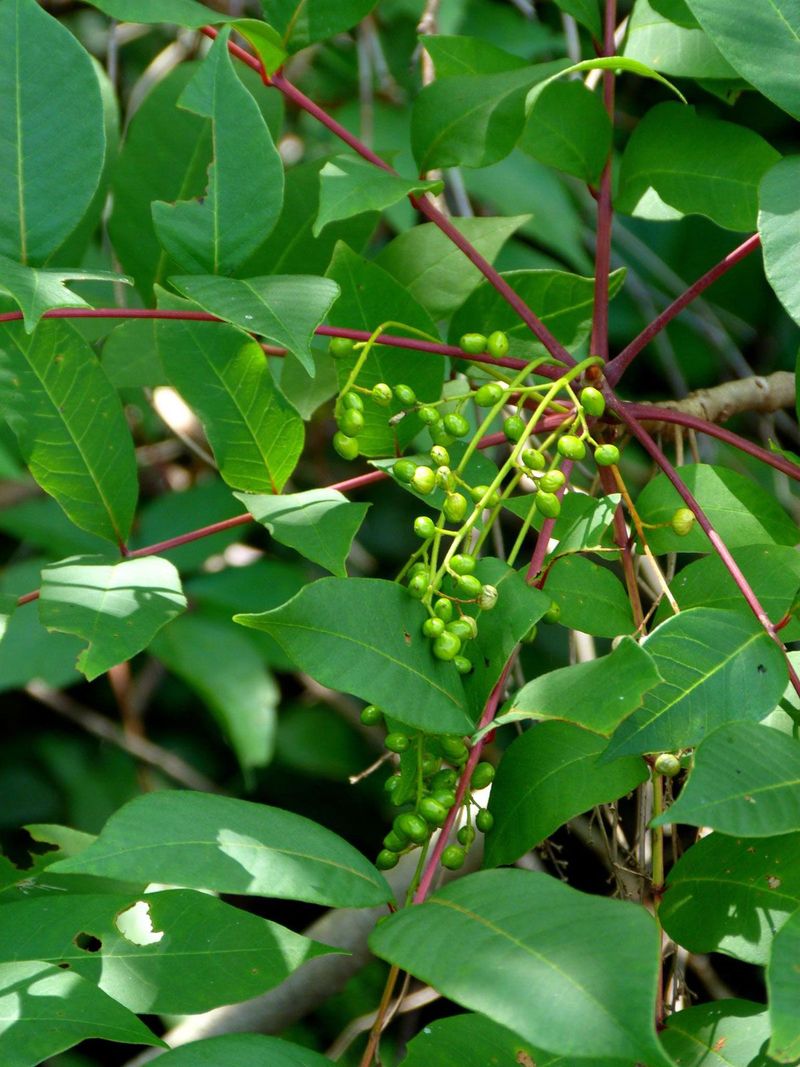
Poison sumac rarely meets most gardeners, which feels lucky since experts rank it among the harshest skin irritants.
In Texas, it hides mostly in soggy bogs and swampy thickets scattered across the far eastern counties.
Scientists know it as Toxicodendron vernix, and its urushiol oil runs through nearly every part except the pollen. Touching a broken twig can lead to a swollen, weeping rash that lingers for a couple of weeks.
Unlike the shorter shrubs, it grows as a tall shrub or small tree around five to twenty feet. Its smooth gray bark looks perfectly ordinary, so the leaves become your best clue for identification.
Each leaf holds seven to thirteen smooth-edged leaflets arranged in pairs, with one extra leaflet at the very tip. The central leaf stalks are often reddish, which stands out nicely against the glossy green foliage.
Late summer brings drooping clusters of whitish or cream-colored berries, quite different from the upright red fruit of safe sumacs.
Personally, I use that fruit color as a quick rule whenever I explore wet woods and creek edges.
Smooth sumac and flameleaf sumac are friendly natives with fuzzy red berry clusters held proudly above the leaves.
Those harmless cousins grow in drier spots, so habitat offers another helpful hint when you are unsure.
Avoid burning any brush cleared from swampy ground, since smoke from this plant can seriously harm your lungs.
Waterproof boots and long sleeves make sense whenever you wander through soggy areas where it might lurk.
5. Prickly Pear Cactus
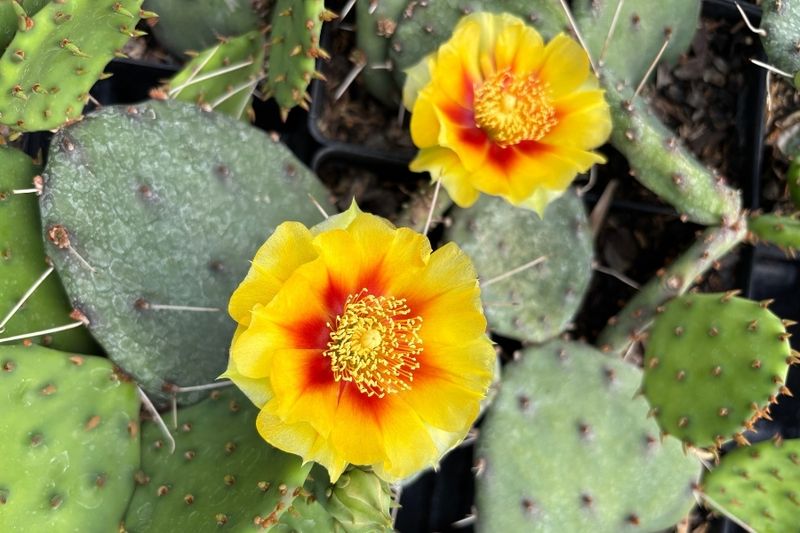
Tiny glochids cause more grief than the big obvious spines on prickly pear, and they float off like fuzz.
You barely notice touching them until your fingers start burning and prickling annoyingly for hours afterward.
Those hair-like barbs sit in little clusters called areoles, and each one carries backward-pointing hooks that grip skin. Lawmakers named prickly pear the official state plant of Texas in 1995, thorny reputation and all.
Removing glochids works best with a strip of duct tape pressed lightly over the skin and peeled away.
Tweezers handle the larger spines, and a magnifying glass helps you spot the stubborn leftovers you might miss.
The flat green pads are actually modified stems, and several native species grow across much of the state. Engelmann’s prickly pear is a common one, forming sprawling clumps several feet wide in dry, rocky ground.
Spring brings gorgeous yellow blooms, sometimes blushing orange or red, that bees love to tumble around inside. Later, the purple fruits called tunas ripen and feed plenty of hungry wildlife, including birds and deer.
Both pads and fruit are edible after careful cleaning, and nopalitos remain a beloved dish in many kitchens.
Use tongs and thick gloves when harvesting, then singe or scrape away the glochids before cooking anything.
In the garden, prickly pear wants full sun and sharp drainage, and it needs little water once established.
I like placing it well back from walkways so nobody accidentally brushes against those sneaky little barbs.
6. Heartleaf Stinging Nettle
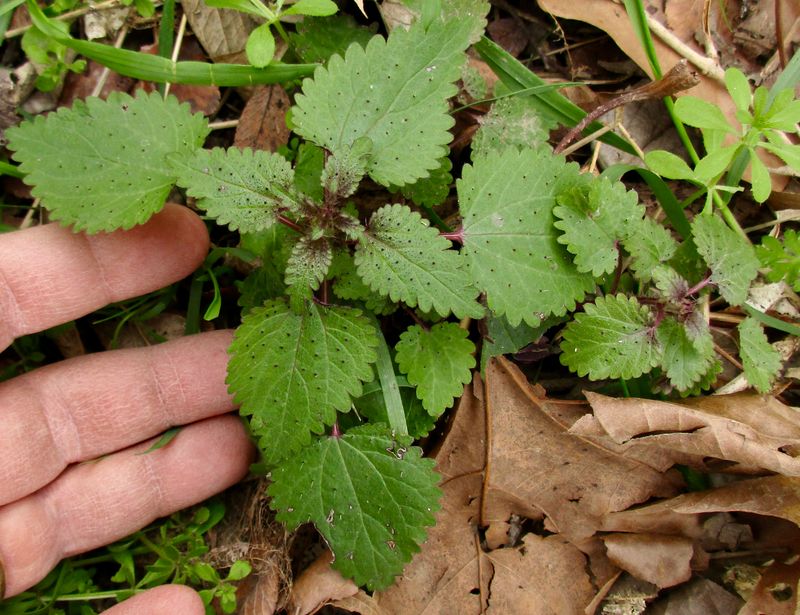
Heartleaf nettle feels like a swarm of tiny ants biting at once, and that tingle can linger all afternoon. Personally, I find it amazing that such a small, soft-looking weed packs such a fiery little punch.
Known as Urtica chamaedryoides, this native annual usually stays under two feet tall with heart-shaped, toothed leaves.
It shows up in shady, moist spots during the cooler months, then fades once summer heat arrives.
Its stems and leaves carry hollow hairs with brittle tips that snap off like microscopic glass needles. Each hair injects irritating compounds, including histamine and formic acid, straight into your unsuspecting skin.
You might notice white welts forming within minutes, followed by a stinging itch that usually fades within a day.
Washing with soap and cool water, then avoiding rubbing, helps those tiny hairs and chemicals clear faster.
Some folks press sticky tape over the area to pull out leftover hairs before they cause more trouble. A paste of baking soda and water may soothe the sting, though results vary from person to person.
Red admiral butterflies lay eggs on nettles, and their spiny caterpillars munch the leaves without any visible complaint. Leaving a small patch in a wild corner can support these butterflies while keeping hands safely away.
Cooking or drying the leaves removes their sting, and foragers enjoy them in soups much like fresh spinach.
Wear sturdy gloves while harvesting, and only collect plants you can identify with full confidence before eating.
7. Noseburn
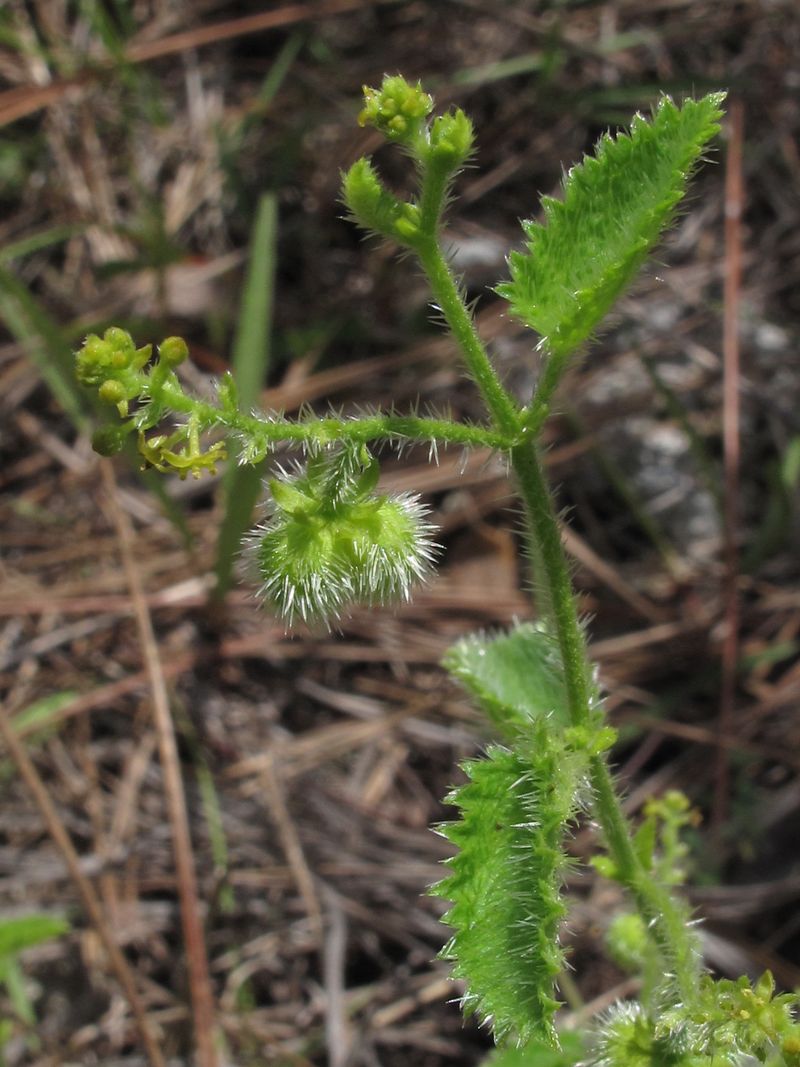
Noseburn earned its funny name honestly, because its stinging hairs can leave skin burning like a mouthful of hot peppers. I love how such a scrappy little plant can slip unnoticed into flower beds and grassy edges.
Several species of Tragia grow in Texas, including catnip noseburn and a sprawling relative called nettleleaf noseburn.
Like bullnettle, they belong to the spurge family, so the burning sting runs right through the family tree.
The leaves are small and toothed, often resembling nettle or catnip, which explains the confusing common names.
Stiff stinging hairs cover the stems and leaves, ready to irritate any wrist or ankle that wanders too close.
Most reactions feel sharp and hot for a short while, then settle into an itch that fades fairly quickly. Cool water and gentle washing usually help, and a cold compress can calm angry red patches on skin.
Tiny greenish flowers bloom without showy petals, so the plant rarely catches your eye before it catches your skin. Later, the three-lobed seed capsules split open and toss their seeds a short distance from the parent plant.
You need to scan sunny prairie edges and rocky slopes carefully, since noseburn hides easily among grasses and wildflowers.
Garden gloves and long pants make weeding much more pleasant once you learn to recognize the plant.
Pulling it with gloved hands works fine, and a thick mulch layer reduces new seedlings in garden beds.
Honestly, I think every gardener deserves fair warning about this underrated stinger before their next weeding session.