8 Spring Bulbs Virginia Gardeners Can Still Plant In November
Bulbs tucked into chilly November soil need weeks of cold before they can bloom well in spring.
That winter chill is not a problem for them, because it acts like a wake-up timer underground.
Many gardeners stash leftover bulb bags in the garage and assume the planting season has quietly slipped away. In much of Virginia, though, the ground stays workable well into late fall, giving you extra time.
I have to admit, my best spring beds came from bulbs I nearly forgot about until the leaves fell. You need a trowel, a free afternoon, and a little faith that cold soil still welcomes new roots.
What surprises me most is how forgiving several popular bulbs are when planted late in Virginia gardens. Which of these eight could still earn a sunny spot in your yard before winter settles in?
1. Daffodils
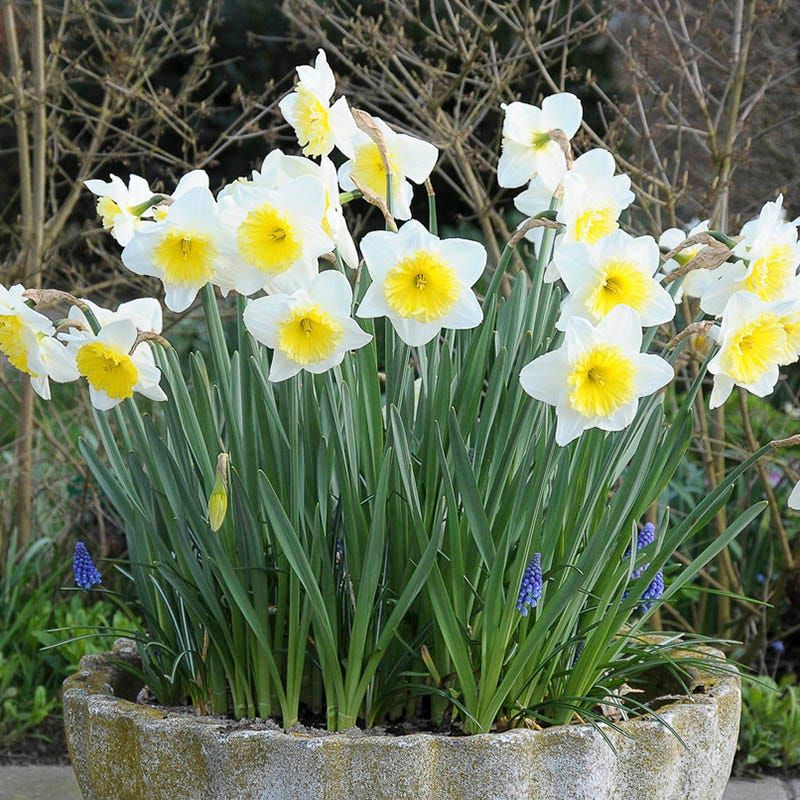
Deer sniff daffodils and walk right past, because the bulbs and leaves contain bitter compounds animals dislike. I love planting them along woodland edges where hungry visitors usually snack on everything else in sight.
Late October through November works well for daffodils, giving roots time to grow before the coldest weeks arrive. Plant each bulb about six inches deep, with the pointed tip facing up toward the sky.
Sunny spots produce the most flowers, though light afternoon shade still gives you a cheerful show in spring.
Soggy ground causes rot, so choose a site where rainwater drains away instead of pooling for days.
After the flowers fade, leave the green leaves standing for about six weeks while they feed the bulb. Cutting them early weakens next year’s blooms, so I tuck daylilies nearby to hide the floppy foliage.
Daffodils come in more shapes than most people expect, including doubles, tiny miniatures, and pale white trumpet types. Many varieties naturalize nicely, meaning a small clump can slowly spread into a generous patch over several years.
One caution matters for families with pets, since daffodil bulbs are toxic if dogs or cats chew on them. Store bags up high, and plant them promptly so curious paws do not find the papery treats first.
For a longer display, mix early, midseason, and late-blooming varieties so fresh flowers keep appearing over several weeks.
2. Tulips
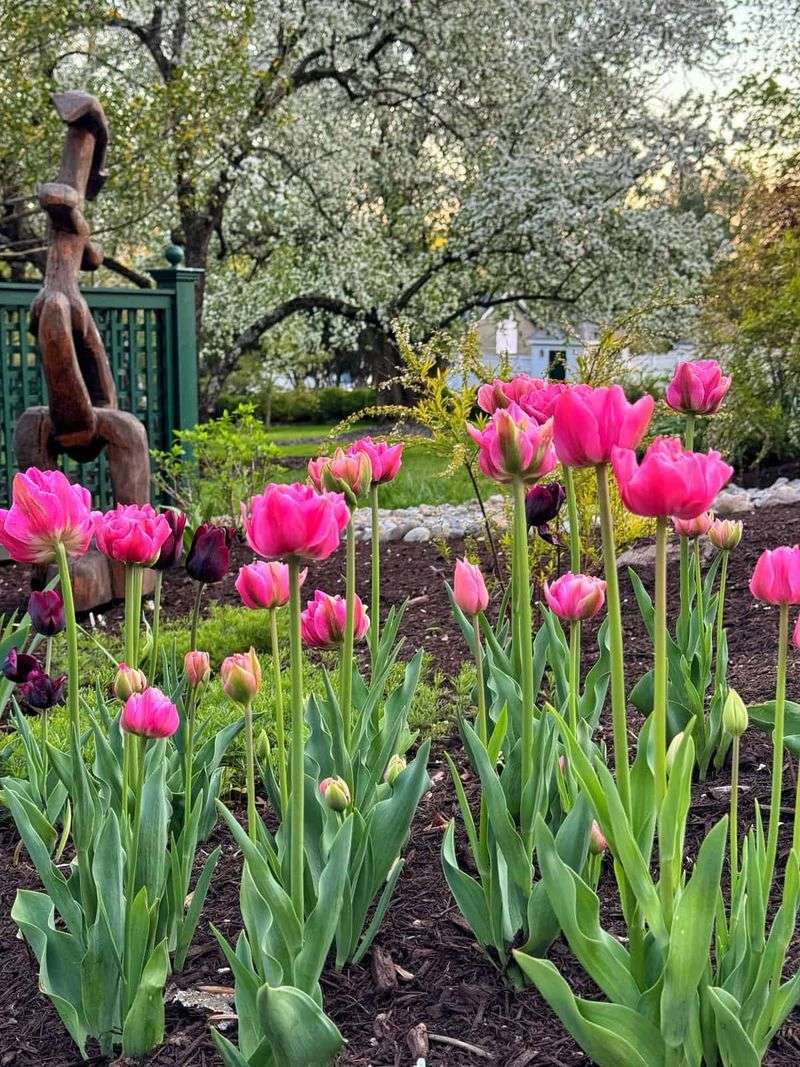
Tulips actually prefer late planting in warm regions, because chilly soil keeps them from sprouting before winter. Personally, I wait until soil drops near fifty-five degrees, which often happens across much of Virginia in November.
Planting can stretch into December in warmer eastern areas, as long as you can still dig the ground.
Set bulbs about six to eight inches deep, with roughly four to six inches between each one.
Full sun keeps stems strong and upright, while a bit of afternoon shade helps petals last longer during warm spells. Drainage matters a lot here, since tulips rot quickly in heavy clay that stays wet for days.
Many hybrid tulips bloom beautifully the first spring and then fade in later years across our warm summers. I treat those as seasonal color, but species tulips and Darwin hybrids often return for several springs.
Deer adore tulips, and they will happily nibble flowers right before you get a chance to enjoy them. Fencing or repellent sprays help, and mixing tulips among daffodils can make the bed less tempting overall.
Squirrels also like digging fresh tulip bulbs, so firm the soil well and clean up papery husks afterward. A layer of chicken wire under the mulch discourages digging without blocking the shoots from growing through in spring.
Planting several bulbs of the same variety together creates a stronger splash of color than spreading them individually throughout the garden.
3. Crocus
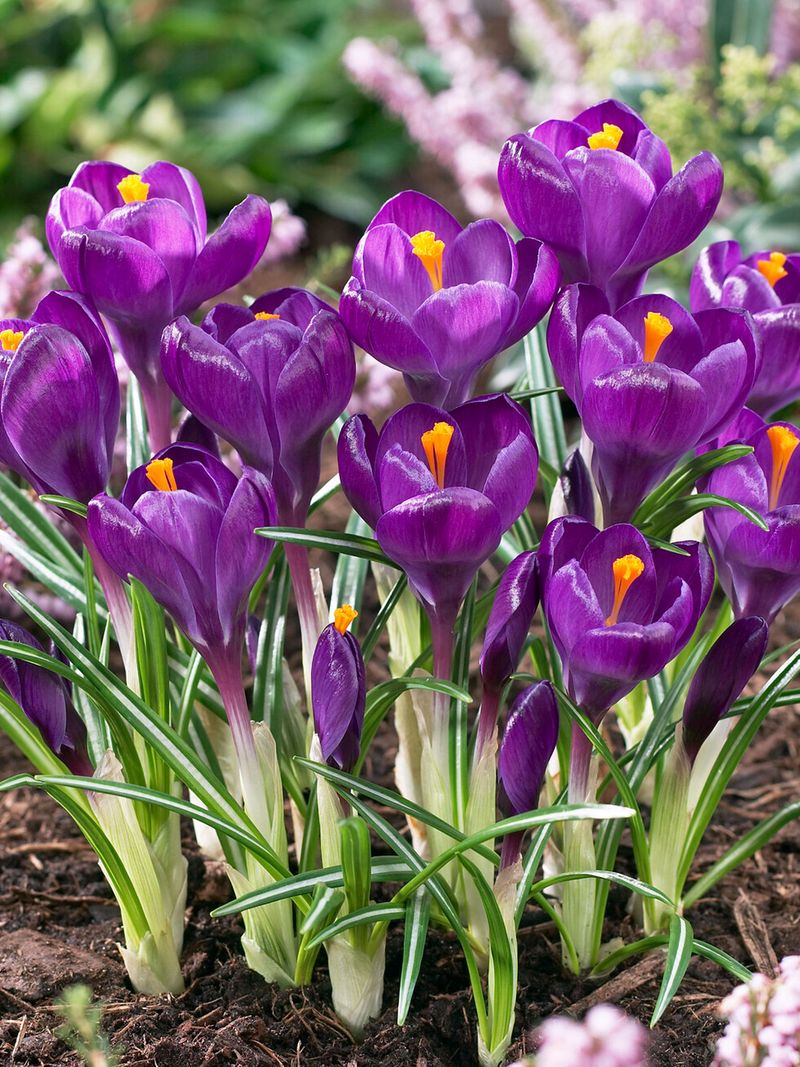
Crocus blooms sometimes pop up while frost still sparkles on the lawn, opening wide whenever sunshine warms their petals. You might notice bees visiting them on mild late winter days, grateful for an early sip of pollen.
November planting still works for these small corms, as long as the soil has cooled and is not frozen.
Plant them about three to four inches deep, spacing each one around three inches from its neighbor.
Full sun or light shade suits them, and they do nicely beneath trees that drop their leaves each fall. Flowers finish before the canopy fills in, so they soak up plenty of early light without any competition.
Squirrels and voles enjoy many crocus types, which can make your carefully planted patch vanish over the winter months. I have had better luck with Crocus tommasinianus, often called tommies, since critters usually seem less interested in them.
Lawn plantings look charming, but hold off mowing until the grassy leaves turn yellow later in spring. Those leaves recharge each corm, helping the patch spread wider and bloom more generously the following year.
Gritty or sandy soil keeps crocus happy, while constantly soggy ground leads to rotting corms in summer. Tuck a handful near your front walk, and you will greet those bright cups every time you leave home.
Planting several dozen corms in loose clusters creates a more noticeable display than scattering just a few across a large bed.
4. Hyacinths
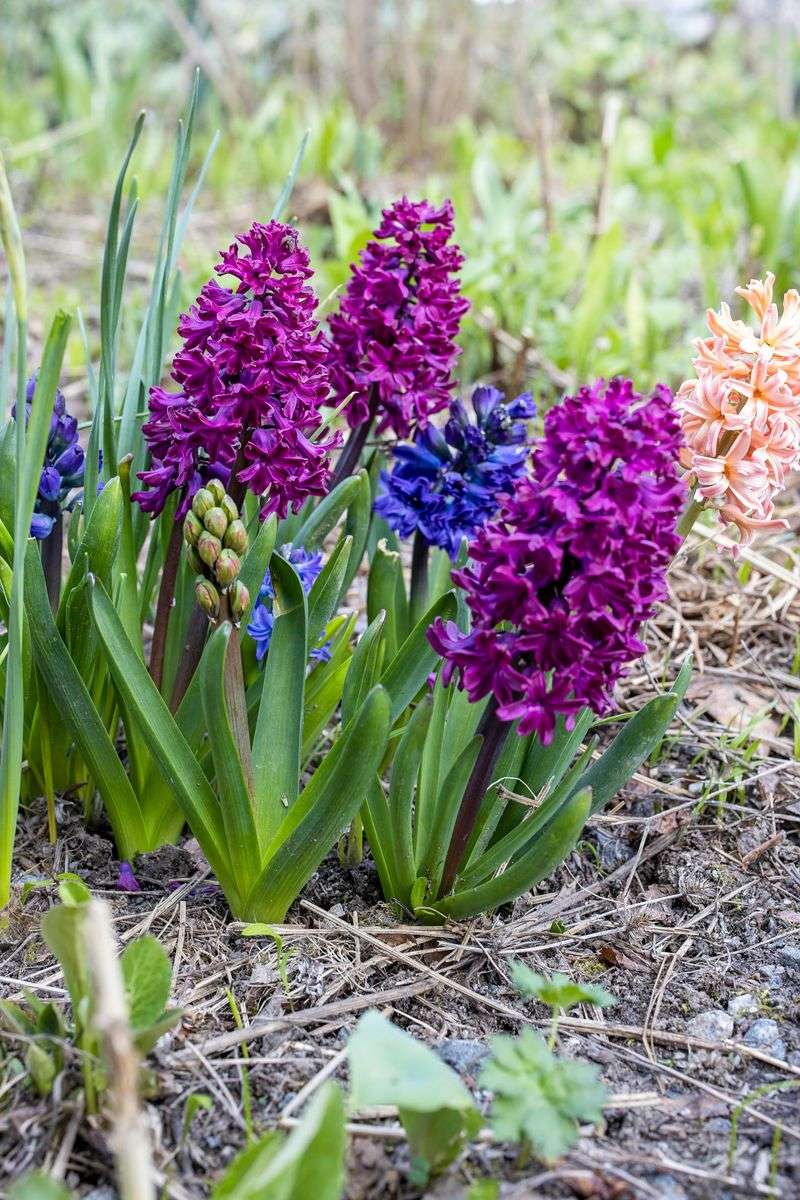
One whiff of a blooming hyacinth can perfume an entire porch, and I swear the scent drifts through open windows. I can’t imagine a spring path without those chunky flower spikes standing guard beside the steps.
Fall planting suits hyacinths, and November works well once the soil has cooled across most of the state. Set bulbs about six inches deep, keeping them roughly five or six inches apart in the bed.
Full sun gives the sturdiest stems, though partial shade still produces lovely flowers in warmer parts of Virginia.
Well-drained soil is essential, since wet roots during winter often lead to mushy bulbs by early spring.
Wear gloves while handling the bulbs, because their papery skins can irritate sensitive hands for some gardeners. Hyacinths are also toxic to pets, so keep curious dogs away from freshly dug planting holes.
Deer tend to leave hyacinths alone, which makes them handy near walkways where tulips might get eaten. Colors range from deep purple and soft pink to white, pale yellow, and a lovely sky blue.
Blooms often look biggest the first year, then return a bit looser and more relaxed in later springs. Personally, I enjoy that softer look, and the fragrance stays just as sweet in each returning season.
Try placing a few near a frequently used doorway, where their fragrance will be easier to appreciate on mild spring days.
5. Alliums
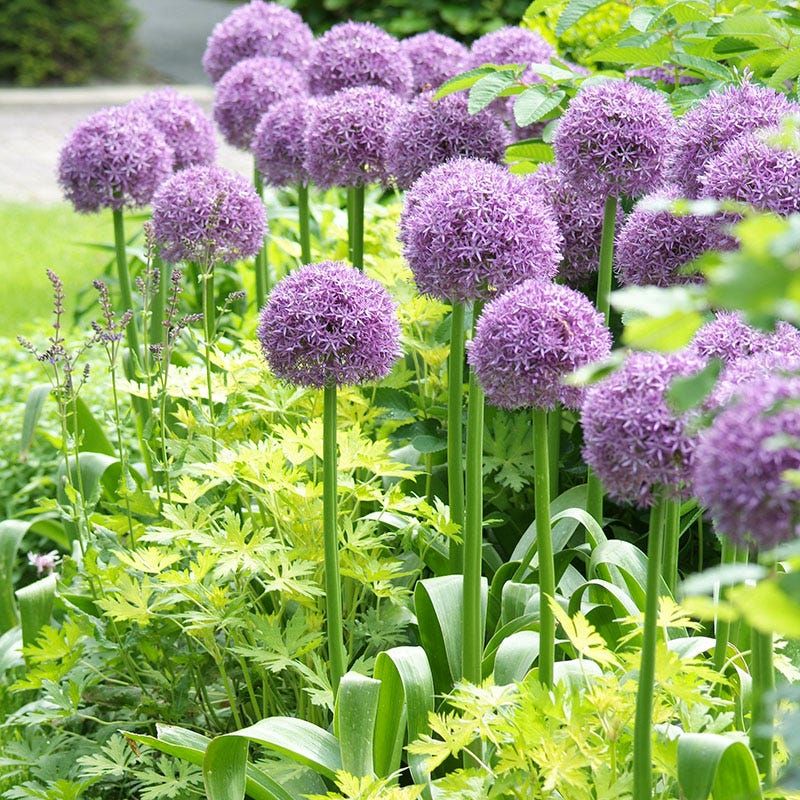
Giant purple globes bobbing on tall stems make alliums look like something drawn by a cheerful child. Ornamental onions bloom after most spring bulbs finish, filling that awkward gap before summer flowers arrive.
November planting works fine for most alliums, and the bulbs settle in quickly once they reach cool soil. A simple rule helps here, since you plant each bulb roughly three times as deep as it is tall.
Sunny spots with loose, well-drained soil produce the biggest blooms and the strongest stems for your garden. Heavy clay that stays wet can rot the bulbs, so mix in compost or choose a raised bed.
That oniony scent usually keeps deer and rodents away, which I find wonderfully convenient in my own backyard. Bees and butterflies feel differently, visiting the starry little florets that make up each round flower head.
Watch for allium leafminer, an invasive insect pest that has been reported in Virginia and harms onion relatives.
Extension experts suggest covering plants with row cover during adult flight periods if your area has confirmed problems.
Faded flower heads dry into tan spheres that still look sculptural standing in the summer border. I leave mine up for weeks, and sometimes I bring a few indoors for a quirky dried arrangement.
Shorter varieties work beautifully near the front of a border, while taller types add height among emerging perennials.
For a more natural look, plant the bulbs between perennials that will gradually cover the alliums’ yellowing leaves as summer approaches.
6. Snowdrops
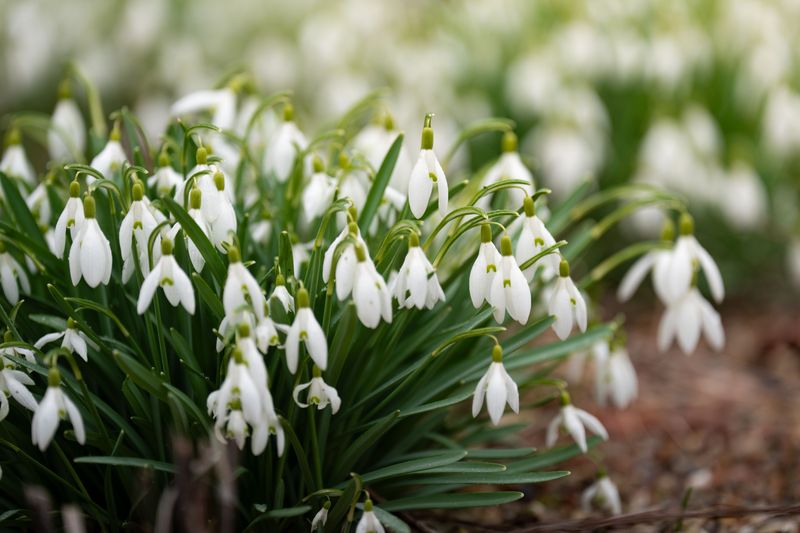
Tiny white snowdrops can open in late winter, often while the rest of the garden still looks brown and sleepy. Their nodding bells hang from slender stems, and I find them impossible to walk past without kneeling closer.
Plant the small bulbs in early to mid-November, about three inches deep and roughly three inches apart. Dried bulbs sometimes struggle, so buy fresh stock from a trusted seller and plant them soon after arrival.
Light shade beneath deciduous trees suits snowdrops nicely, because they receive sunshine before the leafy canopy fills in. Moist but well-drained soil rich in leaf mold mimics their native woodland homes in Europe and beyond.
Deer and rodents rarely bother snowdrops, which makes them a relaxed choice for shady corners near the woods.
Patience pays off here, since a modest first-year showing often grows into larger clumps over several springs.
Let the grassy leaves fade on their own after flowering, giving the bulbs time to store energy. Gardeners often divide crowded clumps right after blooming while the leaves are still green, spreading them around the yard.
A little fun fact surprises many people, since some collectors pay high prices for rare snowdrop varieties. Common snowdrops, Galanthus nivalis, still deliver plenty of charm without any fancy price tag attached.
Mark their planting spots before the foliage disappears, so you do not accidentally disturb the small bulbs while working in summer.
7. Fritillaria
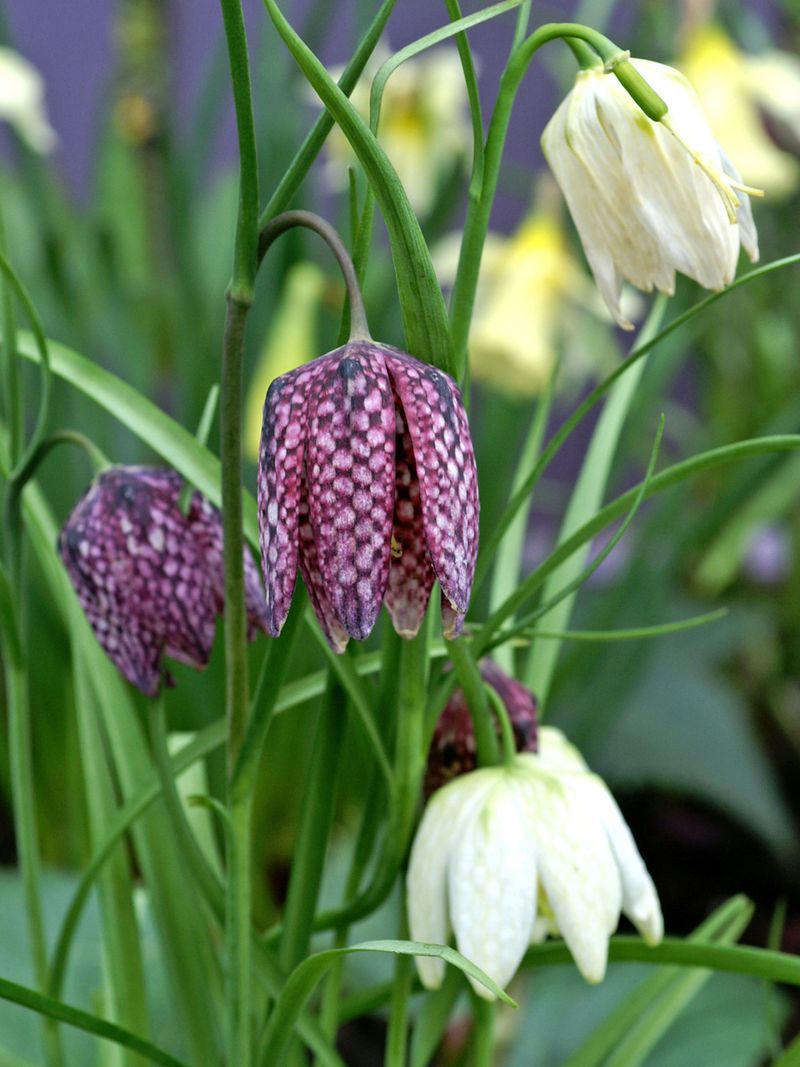
Checkered petals that look printed by hand make Fritillaria meleagris one of the quirkiest flowers in spring. Its cousin, the crown imperial, carries a ring of orange bells topped with a leafy tuft resembling a pineapple.
November planting works for these bulbs in milder climates, though they dislike sitting around dry in paper bags. Plant them as soon as they arrive, because the bulbs can lose moisture faster than sturdier types.
Small checker lilies go about four inches deep, while big crown imperials need closer to six or eight inches.
Crown imperial bulbs have a hollow center, so tilting them slightly sideways helps keep water from collecting inside.
Drainage is the biggest key to success, since fritillaria bulbs rot quickly in soggy, heavy soil conditions. I add grit or compost to clay beds, and I pick a slightly raised spot for these special plants.
Crown imperials give off a musky scent that many gardeners believe helps discourage some rodents and deer. Results vary, so I treat that smell as a bonus rather than a promise for every yard.
Checker lilies enjoy moist spots with light shade, while crown imperials prefer more sunshine and warmer soil. Either way, you will have neighbors stopping to ask what those odd and wonderful blooms might be.
Choose your varieties carefully, since different fritillaria species have noticeably different preferences for moisture and sunlight.
8. Grape Hyacinths
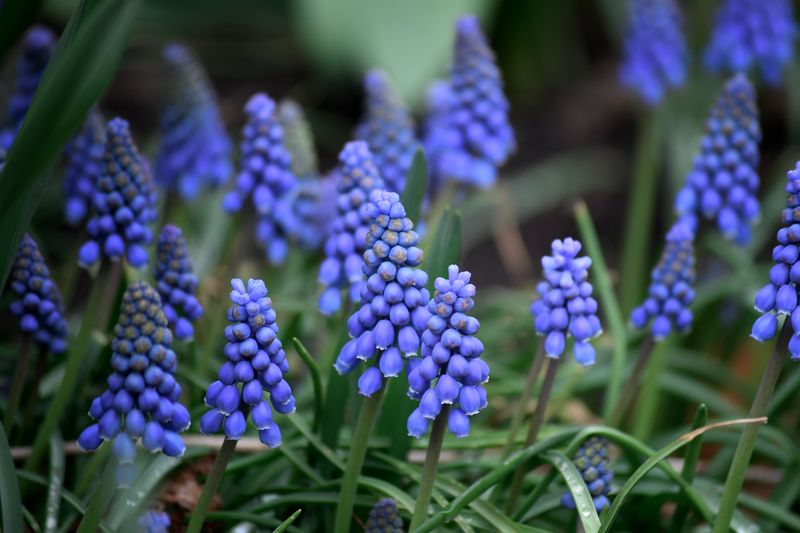
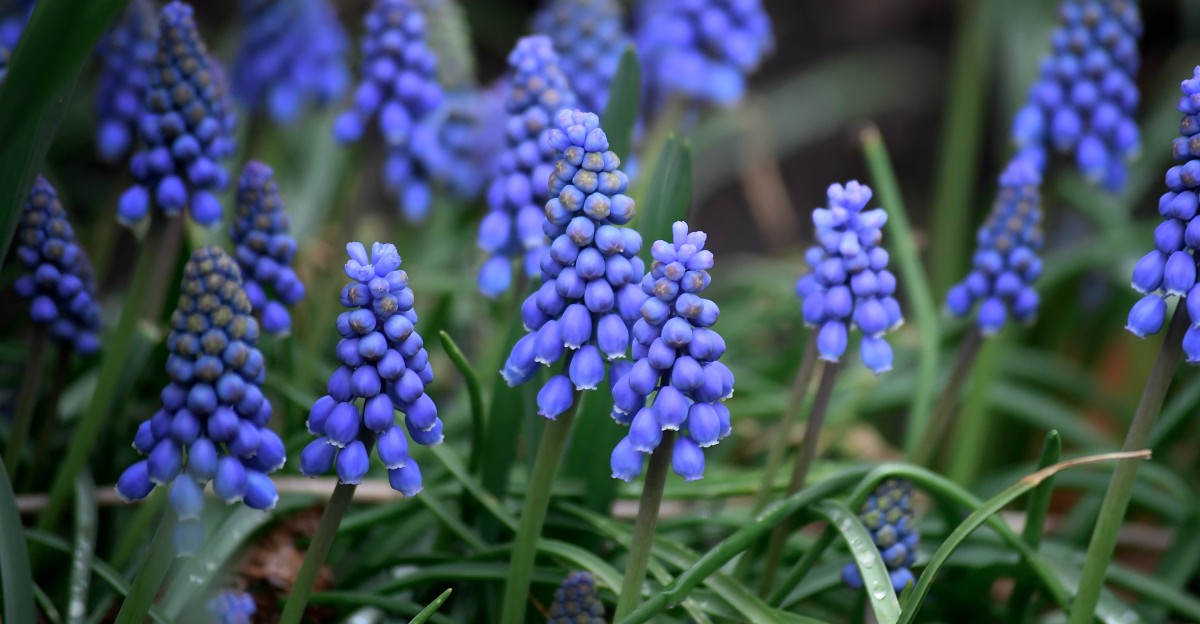
Grape hyacinths look like tiny bunches of blue grapes stuck upside down on short green stems. I love lining them along paths, where they form little rivers of color that kids enjoy pointing out.
Muscari armeniacum and its relatives settle in easily when planted in November across much of Virginia. Set the small bulbs about three to four inches deep, spacing them two or three inches apart.
Sun or partial shade both work, and average soil suits them fine as long as water drains well. Low spots that stay soggy after rain should be avoided, since wet ground can lead to bulb rot.
Deer and rodents usually skip muscari, which gives you worry-free color under trees or along fences.
Early bees appreciate the blooms too, visiting those clustered flowers during cool spring mornings when food is still scarce.
Leaves often appear in fall, and that early foliage is normal rather than a sign of trouble. Allow the leaves to yellow after flowering, because they feed the bulbs for another round of blooms.
Muscari spread readily over time, which feels delightful in beds but less charming in tidy lawns. I plant them where a bit of wandering is welcome, and they reward me with denser patches each spring.
Pairing them with white daffodils creates a striking contrast, especially when both flowers open together in early spring.