What Florida Gardeners Should Know Before Citrus Greening Reaches Their Tree
An insect smaller than a grain of rice has changed the way an entire state grows oranges. Florida orange production fell by more than 90 percent over about two decades, and backyard trees took the hit too.
I still remember tasting a sun-warmed tangerine straight off the branch. It was sweet, juicy, and perfect. Now I look at every glossy leaf a little differently, because the trouble starts quietly.
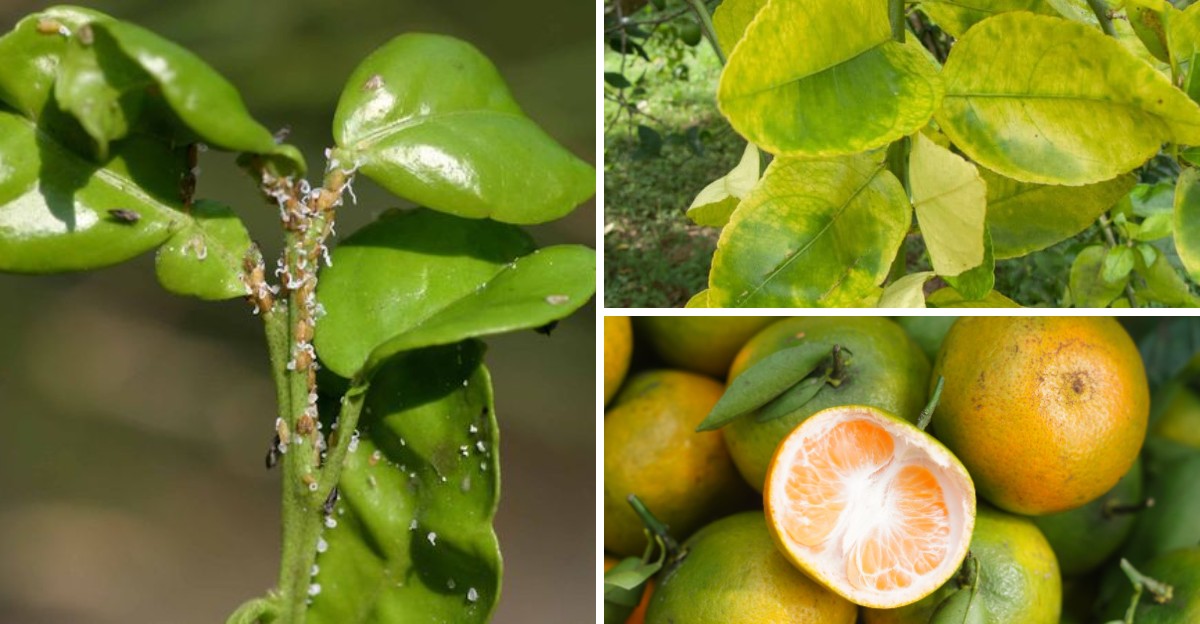
The culprit hitches a ride on a tiny bug and moves through the tree’s inner plumbing. Leaves turn blotchy, fruit stays green on the bottom, and roots slowly weaken. You can’t fix it with fertilizer alone, and you can’t spray it away once it settles in.
Still, gardeners have more control than most people realize. Smart choices made today can buy your tree years of fruit. So what does that tree in your yard need from you right now?
That Tiny Brown Bug on New Citrus Leaves Carries the Real Problem
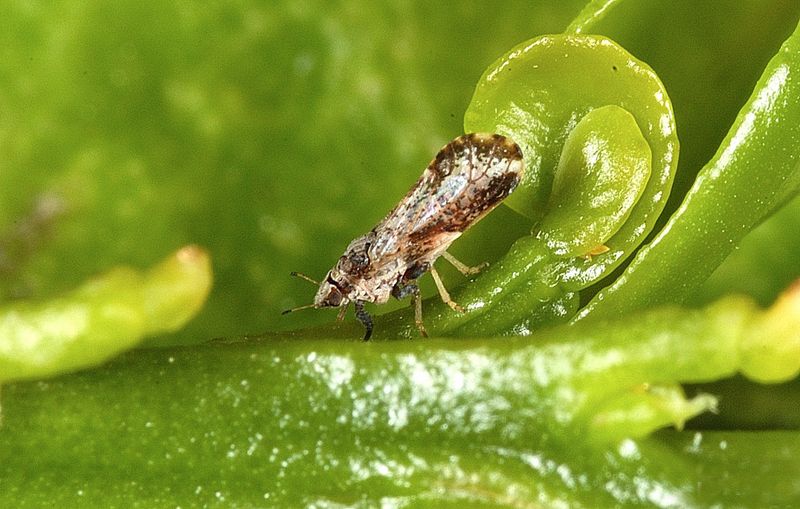
Most backyard trouble begins with a bug you could easily mistake for a speck of dirt. The Asian citrus psyllid is a mottled brown insect about the size of an aphid. It feeds with its rear end tilted up at a sharp 45-degree angle, almost like a tiny thorn sticking off the leaf.
The insect itself is only part of the story. When a psyllid feeds on an infected tree, it picks up a bacterium called Candidatus Liberibacter asiaticus. Then it flies to the next tree and passes that bacterium along while sipping sap.
Once inside, the bacteria clog the tree’s food-carrying tissue. Sugars made in the leaves can’t move properly to the roots and fruit. Over time, the whole tree weakens from the inside out.
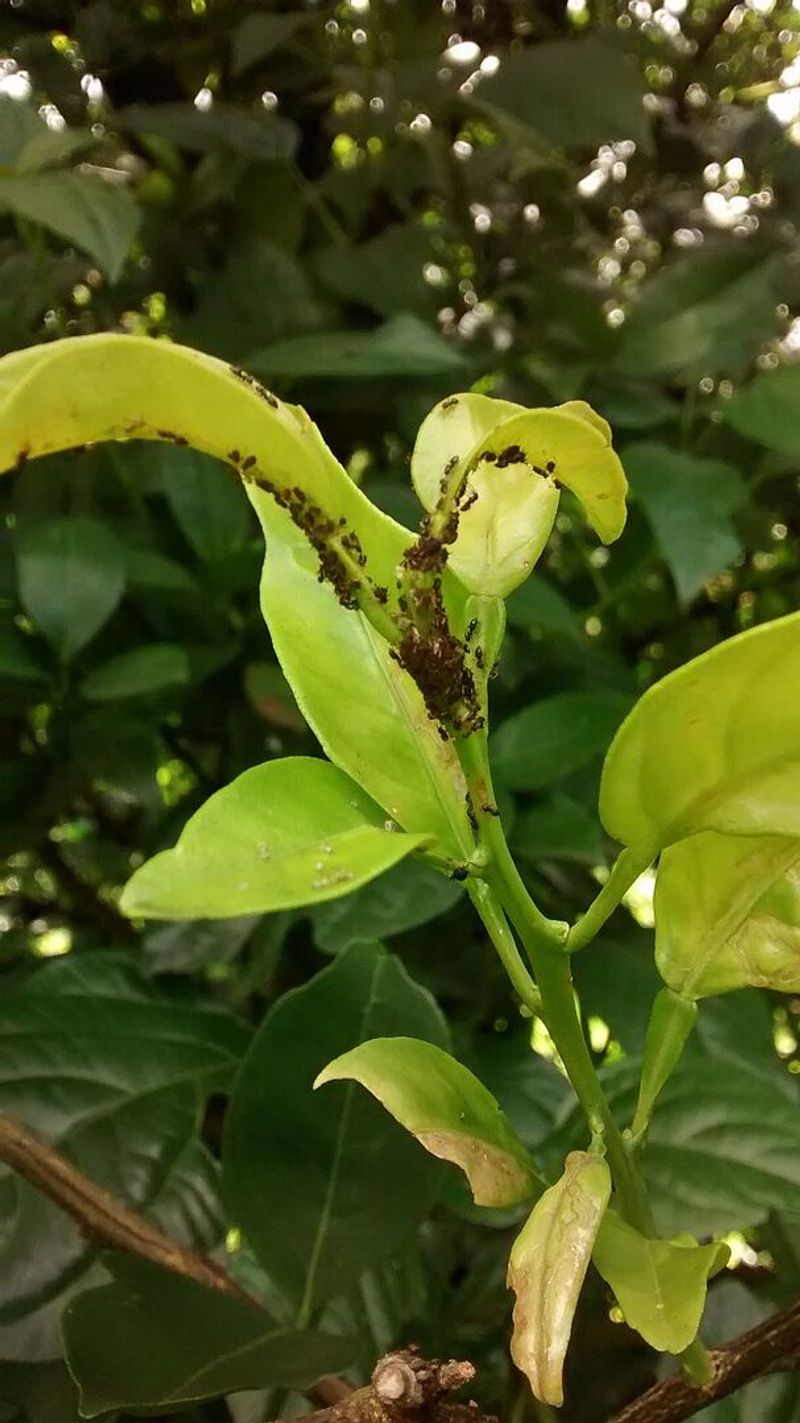
Psyllids love tender new growth, called flush. Females lay bright yellow-orange eggs on those soft shoot tips. The young nymphs leave behind white, waxy, curly strands that look a bit like tiny ribbons.
Personally, I check every fresh flush with a hand lens. Look for those white ribbons, the angled adults, and curled new leaves. Spotting psyllids early is one of the most effective steps you can take toward protecting your tree.
No Cure Exists Yet, So Protecting Healthy Citrus Trees Comes First
Here is the hard truth every citrus lover needs to hear. Once a tree carries the greening bacteria, scientists have no way to cure it. The disease, also called Huanglongbing or HLB, steadily weakens trees over several years.
That fact changes your whole game plan. Instead of waiting for symptoms, focus on keeping healthy trees clean as long as possible. Prevention is far easier than chasing a problem you can’t reverse.
Every type of common citrus is at risk. Oranges, grapefruit, lemons, limes, tangerines, and kumquats can all be infected. Orange jasmine, a popular hedge plant, also attracts psyllids, so keep an eye on it if it grows near your citrus.
Greening was first found in Miami-Dade County in 2005. It has since spread across the citrus-growing parts of the state, so most backyard trees live close to the bacteria.
I like to think of prevention as a daily habit, not a one-time fix. Walk your yard weekly, watch new growth, and keep your tree well fed. A strong, well-cared-for tree also handles stress better if infection eventually arrives, giving you more seasons of fruit.
Fold a Blotchy Citrus Leaf in Half to Spot Greening
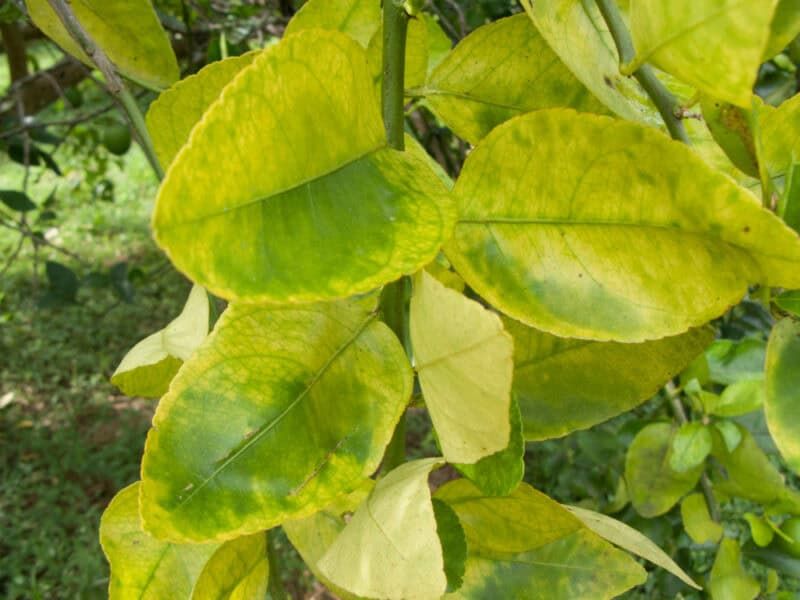
A simple fold of a leaf can tell you a lot. Greening causes a symptom called blotchy mottle, where yellow and green patches spread across the leaf in an uneven way.
Try this quick trick from extension experts. Fold a yellowish leaf along its center vein, called the midrib. If both halves match like mirror images, a nutrient shortage such as zinc or magnesium is more likely. If the patches don’t line up, greening becomes a strong suspect.
Other signs show up on the branches too. Watch for yellow shoots standing out against green canopy, thin foliage, and twigs that wither back from the tips. Leaves may also look small and point upward.
Timing matters when you scout. Symptoms tend to be easiest to see from September through March. Checking on cloudy days or in shaded parts of the canopy helps those uneven patterns pop.
Please don’t panic over one odd leaf. Many issues cause yellowing, from cold snaps to poor drainage. Only a lab test can confirm greening, and your local UF/IFAS Extension office can help with sampling and identification.
Lopsided Oranges With Green Bottoms Point to Trouble Inside
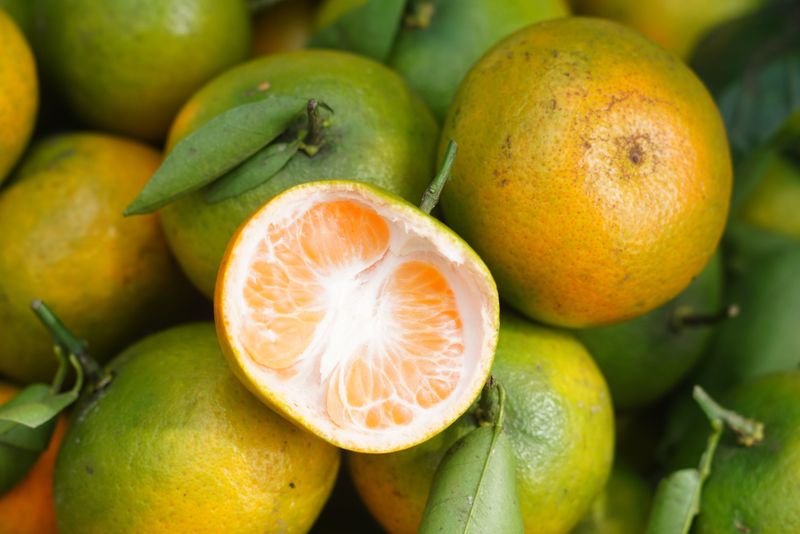
Ever picked an orange that looked half-baked? Greening often leaves fruit small, lumpy, and lopsided. The blossom end, which is the bottom of the fruit, may stay green even when the top colors up nicely.
Slice one open and you might see more clues. The center core can curve to one side instead of running straight. Seeds may look shriveled, dark brown, or never fully form at all.
Flavor takes a hit as well. Juice from affected fruit tends to taste sour, bitter, or salty, with a strange off note. Many gardeners first notice greening because their favorite tree suddenly produces fruit nobody wants to eat.
Fruit drop is another warning sign. Infected trees often shed fruit early, leaving a carpet of small green citrus under the canopy weeks before harvest.
I find fruit symptoms useful because they back up what the leaves suggest. If you see blotchy leaves plus misshapen, green-bottomed fruit on the same branches, it’s time to call extension for testing. The fruit is safe to eat, by the way. Greening affects taste and appearance, not people.
Well-Timed Psyllid Control Makes the Biggest Difference
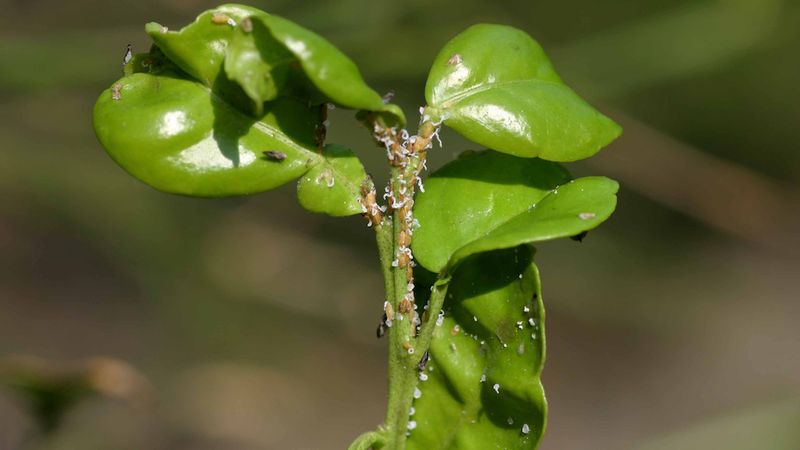
Timing is the secret weapon in the fight against psyllids. University of Florida experts suggest focusing on two key windows each year.
The first is the cooler dormant period, roughly late November through early February. Adult psyllids spend winter on trees with few new leaves. Treating then can reduce the population before spring flush starts.
The second window is during new growth. Psyllids flock to soft shoots, so protecting those flushes matters most. Homeowners can use products like horticultural oils or insecticidal soaps, which need direct contact and repeated coverage.
Young trees that aren’t bearing fruit yet may benefit from soil-applied systemic products. They move through the plant and offer longer protection. Read and follow every label carefully, especially near blooms where bees forage.
Rotating products with different modes of action helps keep psyllids from building resistance. Mixing up your approach keeps them guessing.
Biological help exists too. The Florida Department of Agriculture and Consumer Services has offered a tiny parasitic wasp called Tamarixia radiata to homeowners. It lays eggs on psyllid nymphs and helps lower their numbers naturally, a nice extra layer of defense.
Mesh Bags and Tolerant Varieties Give New Citrus a Head Start
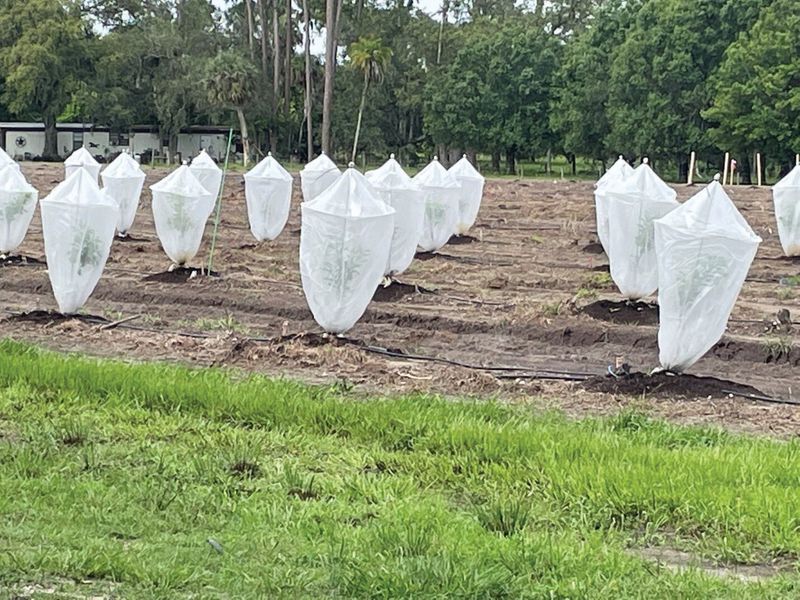
Planning a new citrus tree? Start smart and you’ll save yourself plenty of heartache later.
Buy only from nurseries registered with the state. Florida requires citrus nursery stock to be grown inside insect-proof structures, so certified trees start out clean. Avoid plants from roadside sellers or friends’ cuttings, since they can carry hidden infections.
Variety choice matters more than ever. UF/IFAS has highlighted options with better tolerance to greening, such as the Sugar Belle mandarin and the OLL-4 and OLL-8 sweet oranges. Tolerant doesn’t mean immune, but these trees tend to hold up and produce better.
Physical barriers work surprisingly well for young trees. Individual protective covers, often called IPCs, are fine mesh bags that slip over a small tree. Psyllids can’t reach the leaves, so the tree grows without exposure during its most vulnerable years.
Commercial growers in the state have tested IPCs with promising results. For homeowners, a cover is an affordable way to buy time.
I can’t imagine planting a new tree today without one. Remember to check inside the cover now and then for pests that sneak in.
Steady Fertilizer and Water Keep a Struggling Citrus Tree Producing
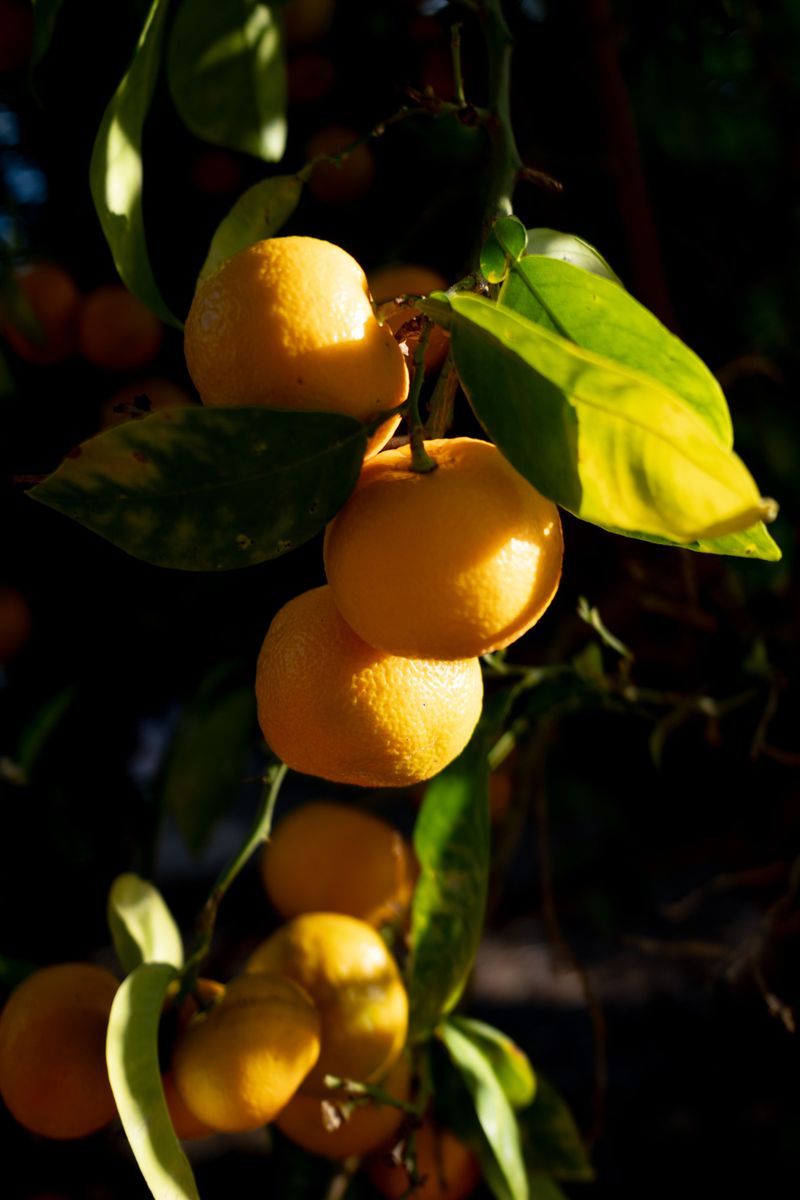
Infected trees can still give you fruit for a while with the right care. Think of it like supporting someone through a long cold. Good food and water won’t cure greening, but they help the tree cope.
Greening damages roots, often before leaves show much. Weaker roots struggle to take up water and nutrients. Small, frequent feedings work better than occasional heavy doses for these trees.
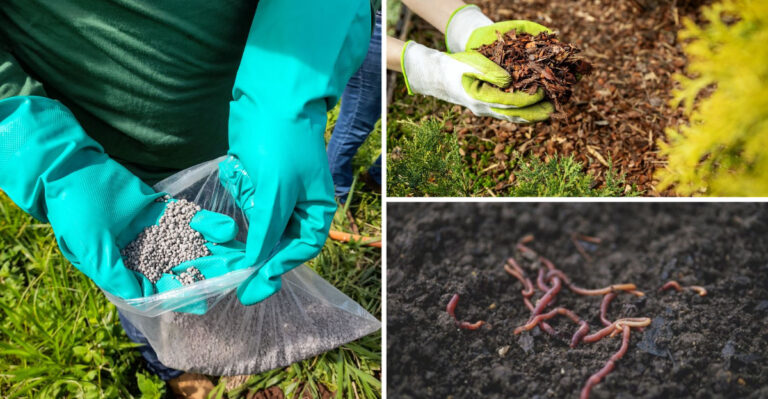
Extension specialists recommend a balanced citrus fertilizer that includes micronutrients like manganese, zinc, and boron. Foliar sprays of these micronutrients can also help leaves stay greener and more productive.
Consistent watering matters, especially during dry spring weeks when fruit is setting. Aim for steady moisture without soggy soil. Sandy soils in many parts of the state drain fast, so drip irrigation or soaker hoses can help.
Watch soil pH as well. Research from UF suggests slightly acidic soil can support healthier roots on infected trees, so a soil test is a worthwhile step.
Mulch around the tree, but keep it a few inches away from the trunk. A calm, well-fed tree can keep yielding decent fruit for several more seasons.
Know When to Remove a Citrus Tree and Who to Call
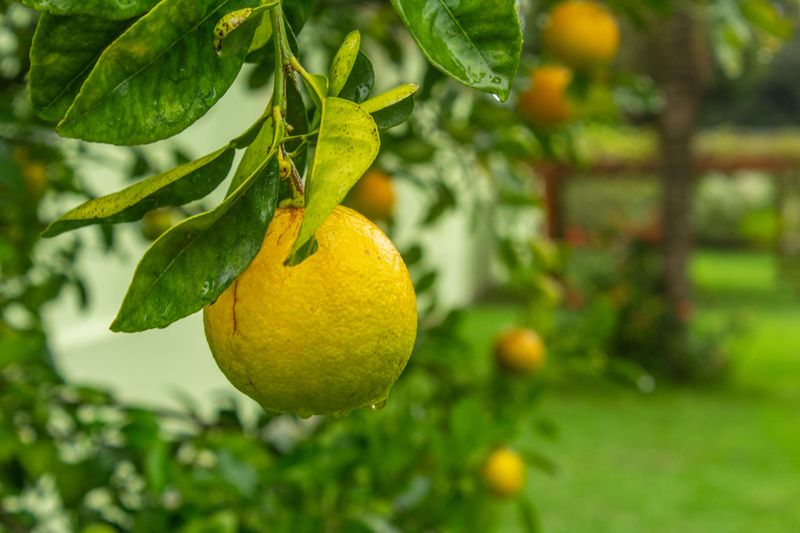
Saying goodbye to a backyard tree is tough. Sometimes, though, removal is the kindest choice for your yard and your neighbors.
When a tree drops most of its leaves, yields bitter fruit, and keeps declining despite care, it may be time. A heavily infected tree acts like a reservoir for bacteria that psyllids can carry to nearby citrus. Removing it lowers the risk for healthier trees around you.
Before you grab a saw, reach out to your county UF/IFAS Extension office. Staff can help confirm the problem and suggest disposal steps. Spraying for psyllids before removal helps prevent insects from flying off to new trees.
Rules matter too. You can share homegrown fruit within Florida, but don’t take or ship citrus fruit, leaves, or plants out of the state, since federal quarantine rules restrict their movement. Leaves, branches, and plants carry even higher risk, so keep them where they are.
My best advice is to stay curious and connected. Join a local extension class, swap notes with fellow growers, and keep checking new flush. Greening is a long challenge, yet informed gardeners keep finding ways to enjoy fresh citrus right in their own backyards.