The Underrated Florida Shrub That Discourages Both Armadillos And Rats From Entering The Yard
Florida yards have a way of turning peaceful weekends into pest patrol, with armadillos tearing up soft soil and rats treating fence lines like private highways.
Yet one overlooked native shrub may be the quiet yard defender most homeowners pass by at nurseries without a second glance.
It looks modest at first, almost too ordinary to earn a prime spot near a patio, hedge, or garden edge. Then its secret becomes clear.
Thorny stems create a natural barrier, dense foliage offers tough cover, and its citrusy character makes the area less inviting to nuisance wildlife.
For gardeners tired of traps, harsh sprays, and constant repair work, this plant offers a smarter kind of protection.
It blends into a Florida landscape while adding structure, texture, and wildlife value. The best part is its low-maintenance nature, which makes this mystery shrub feel like a clever shortcut.
1. Wild Lime Creates A Thorny Border Without Looking Like A Wall
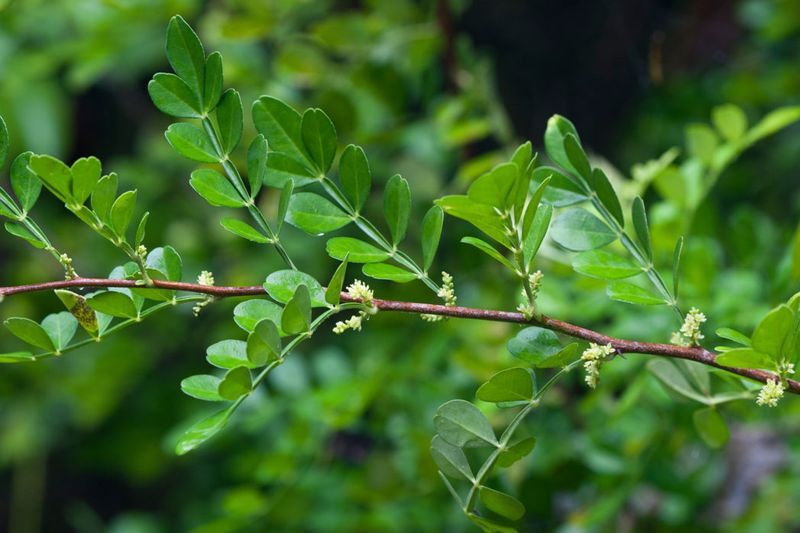
A homeowner needing a native hedge with real structure will find wild lime (Zanthoxylum fagara) worth serious attention.
This shrub grows naturally in warm coastal and inland areas of this state, especially in southern and central regions, where it thrives in full sun and well-drained soil.
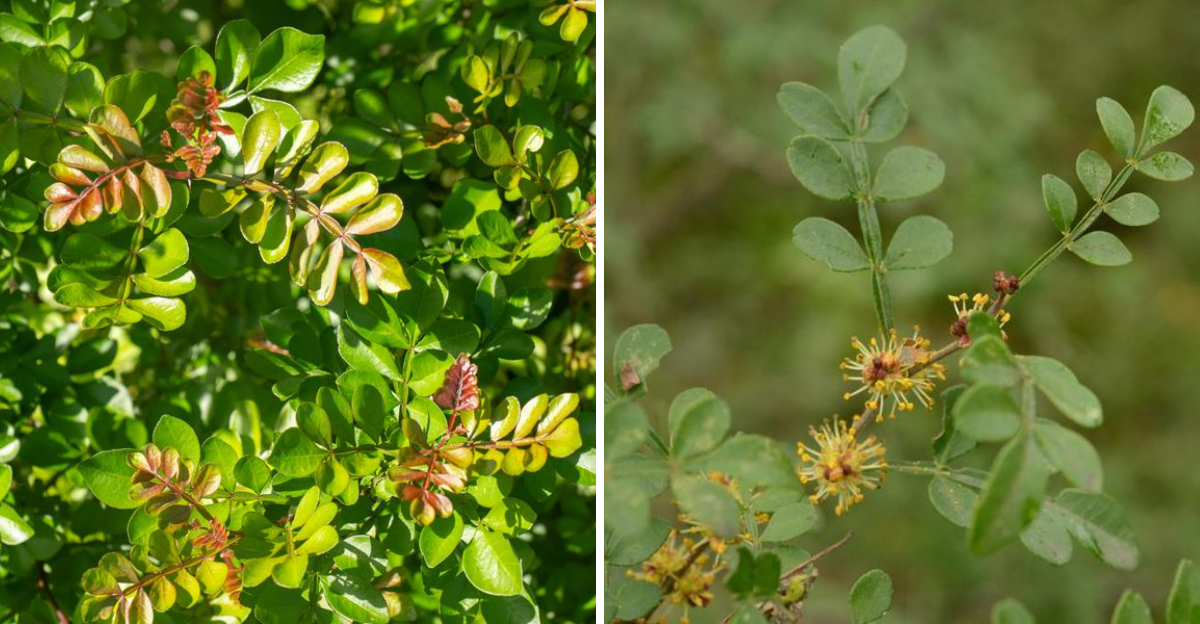
Its small, glossy leaves and dense, tangled branching create a layered texture that reads as a real boundary without looking like a concrete wall or a chain-link barrier.
The thorns are genuine and positioned along stems in a way that makes pushing through the plant genuinely uncomfortable.
Planted along a fence line or property edge, a row of wild lime can form a living hedge that discourages casual movement through that zone.
Spacing plants about four to six feet apart and allowing them to grow together naturally will help fill gaps over time.
Placement and pruning both matter here. A row left completely unpruned can look scraggly and uneven, while light shaping keeps growth dense and the hedge looking intentional.
It is not a solid fence, not a metal barrier, and not a fast-growing privacy screen. What it offers is a native, thorny, layered edge that fits naturally into a warm-region yard without demanding constant attention.
2. Armadillos Prefer Easy Gaps Over Prickly Hedge Lines
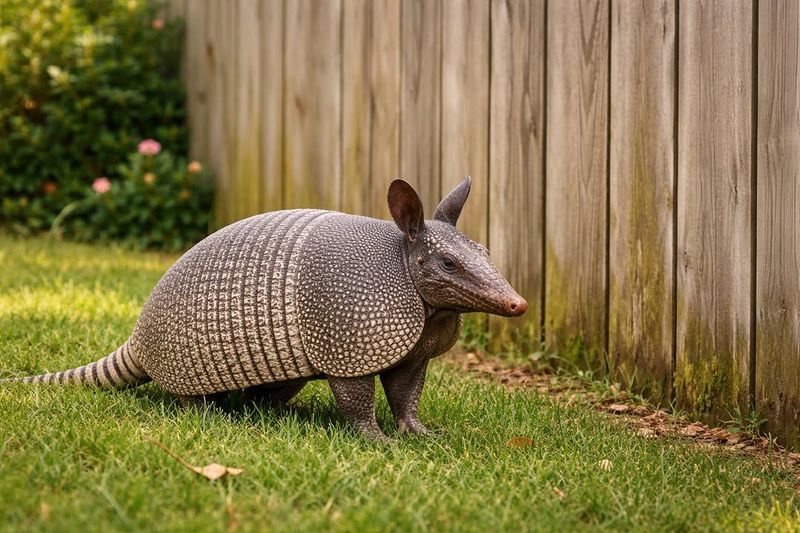
Picture an armadillo nosing along the base of a fence at dusk, following soft soil and looking for the easiest gap to squeeze through. Armadillos are driven by foraging, not by curiosity, and they tend to follow the path of least resistance when moving through a yard.
A thorny shrub line along a fence can make that path a little less convenient, especially when there are no obvious open gaps to slip through nearby.
Wild lime (Zanthoxylum fagara) works best here when it is planted close enough to a fence or wall to reduce open travel lanes along the ground.
The dense branching near the base of a well-maintained hedge adds friction to movement that armadillos would rather avoid.
That said, a thorny shrub will not stop an armadillo from digging underneath it, burrowing near it, or foraging in soft soil close to it.
Your Florida Garden Changes Every Week. Your Plan Should Too.
Gardening in Florida changes quickly throughout the season. Every Friday you’ll receive a simple weekly plan showing exactly what to plant, prune, fertilize, harvest, and protect so you never miss the right timing.
Closing actual fence gaps with hardware cloth or solid barriers matters far more than any plant. Removing fallen fruit, grubs near mulch beds, and loose soil piles near the fence line also reduces the draw.
For persistent armadillo activity near structures, seek local guidance. UF/IFAS Extension and the Florida Fish and Wildlife Conservation Commission can provide legal, humane options specific to your area.
3. Rats Lose Cover When The Base Stays Clean
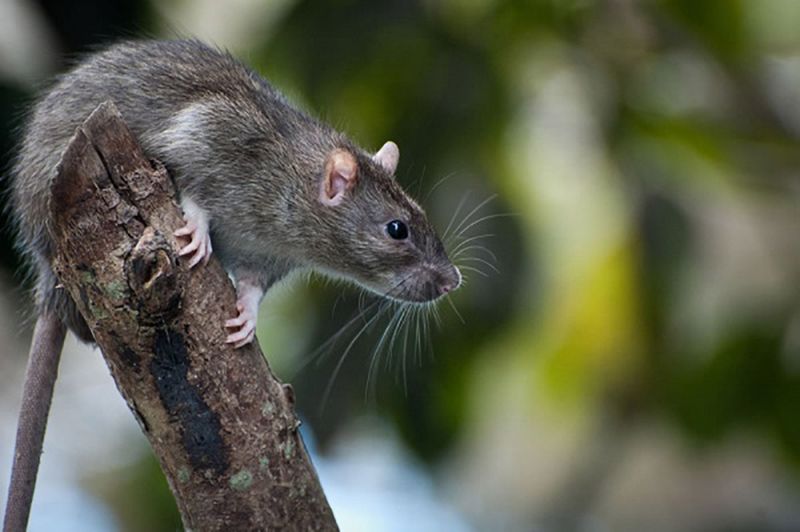
Rats are opportunists, and they rely heavily on cover to move safely between food sources and shelter. Along fence lines, they use stacked wood, fallen palm debris, dense low growth, and clutter to stay hidden while traveling.
A shrub that looks like a defensive hedge but has a messy, debris-filled base can actually give rats more cover, not less.
Wild lime (Zanthoxylum fagara) discourages rat movement most effectively when the area around and beneath it is kept clean, open, and visible.
That means removing fallen fruit from nearby citrus or avocado trees and pulling out accumulated leaf litter at the base.
It also means avoiding stacked materials within a few feet of the hedge. A rat that cannot hide comfortably along a fence line is more likely to move on.
Pet food left outdoors overnight, unsecured trash cans, and accessible birdseed are all draws that no thorny shrub can offset. According to CDC rodent guidance, removing food and shelter sources is the foundation of any rat-prevention approach around a home.
Wild lime can be one useful layer in that plan, but the clean edge matters just as much as the plant itself. If gnaw marks, droppings, or indoor signs appear, contact a licensed pest-management professional.
4. Small Leaves Help The Shrub Look Dense And Intentional
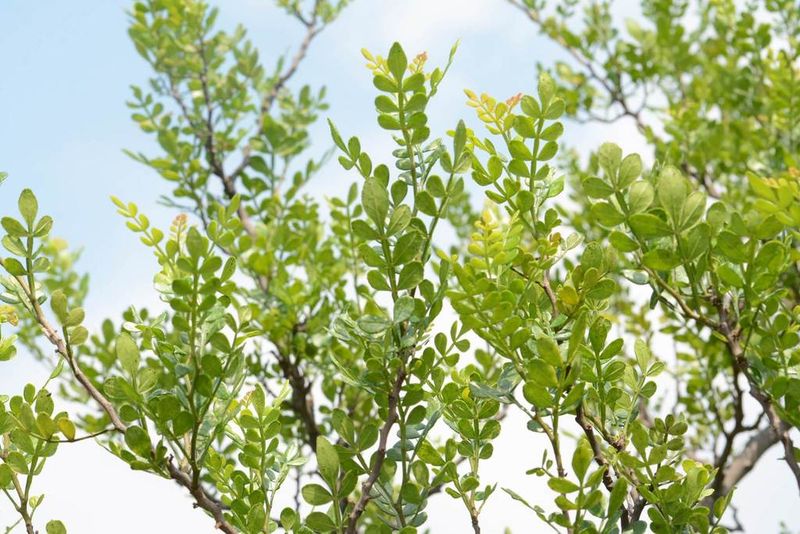
One reason wild lime (Zanthoxylum fagara) gets overlooked in the nursery is that it does not have the bold, dramatic leaves of many ornamental shrubs.
What it does have is a fine-textured, dense canopy of small, glossy leaflets that pack together tightly along the branches.
That texture is exactly what makes it look more polished than many coarser native shrubs when it receives even light shaping.
Homeowners who need a boundary hedge that holds up in a neighborhood setting will appreciate that wild lime can be kept looking intentional with modest effort.
Regular light pruning, done a few times per year, encourages the shrub to branch more densely and fill gaps that might otherwise let animals slip through.
The result is a tighter, more unified hedge line than you get from simply letting it grow wild.
Honest expectations matter here. Wild lime will never look as clipped and geometric as a boxwood or a podocarpus hedge.
It has a more natural, slightly irregular appearance even when well maintained. That informality suits native landscapes and wildlife-friendly yards well.
For anyone willing to work with the plant’s natural growth habit rather than against it, the small-leaf texture becomes an asset rather than a limitation.
5. Pollinators Get Value From A Hedge Built For Defense
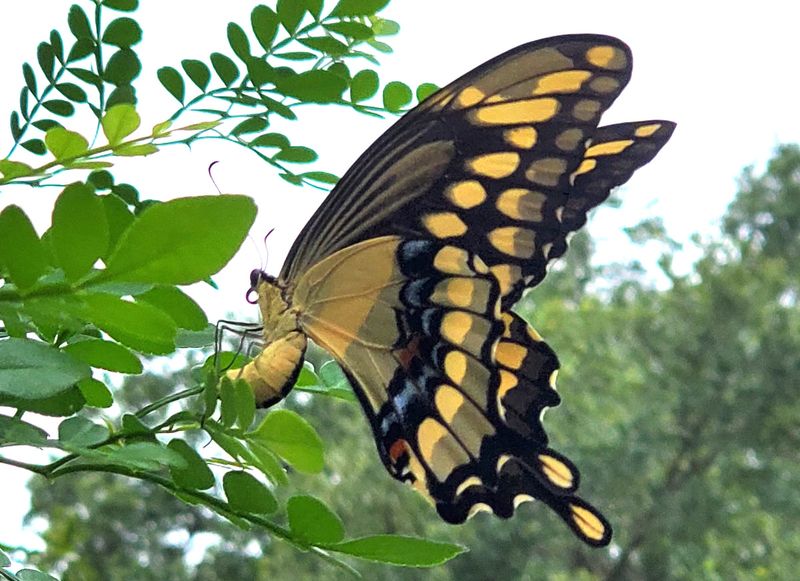
A thorny shrub that also supports butterflies is a rare combination in yard planning. Wild lime (Zanthoxylum fagara) is a verified host plant for the giant swallowtail butterfly, one of the largest and most striking butterflies native to this state.
Female giant swallowtails lay their eggs on the leaves, and the caterpillars feed on the foliage as they develop. That relationship is well documented by the Florida Wildflower Foundation and supported by UF/IFAS resources.
Beyond butterfly hosting, wild lime produces small, inconspicuous flowers that can attract native bees and other pollinators. Its role as a native plant in warm-region ecosystems adds habitat value that purely ornamental hedges simply cannot offer.
A well-placed row of wild lime along a fence line can serve as a boundary plant and a wildlife corridor at the same time.
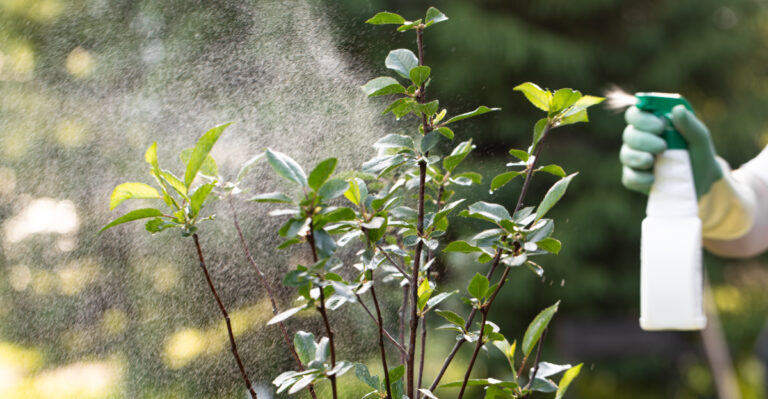
One practical note worth keeping in mind: avoid broad pesticide spraying directly on or near a hedge you want to support wildlife. Insecticides applied to control other pests can harm caterpillars, bees, and beneficial insects using the shrub.
Spot treatments, targeted applications, and pesticide-label guidance should always guide any pest-management decision near a native planting. The ecological value of this shrub is real, and it deserves protection from careless chemical use.
6. Good Spacing Keeps The Thorns Away From Walkways
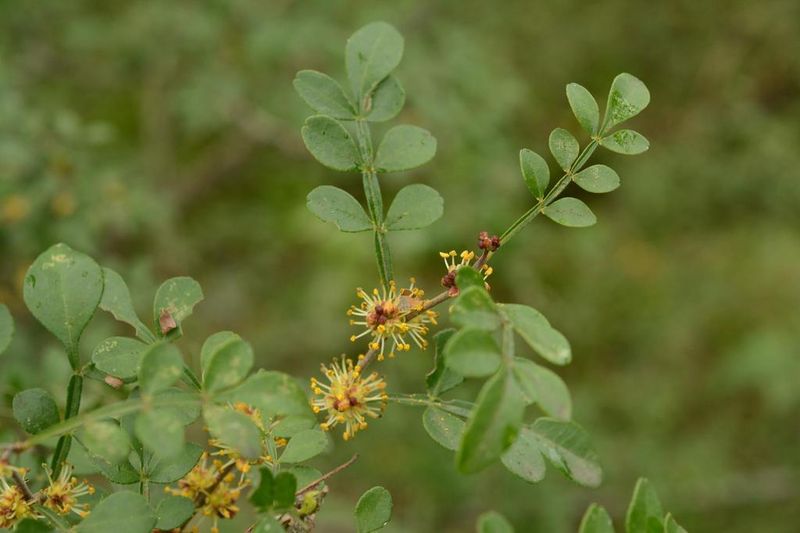
Thorny plants earn their place in a yard by making boundaries less comfortable to cross. That same quality becomes a real problem when they are planted too close to daily foot traffic.
Wild lime (Zanthoxylum fagara) has curved thorns along its stems. They can snag clothing, scratch skin, and cause genuine discomfort if someone brushes against them while walking past.
Placement decisions made at planting time are much easier to get right than corrections made years later.
Keep wild lime away from narrow gates, sidewalks, AC units, utility meter boxes, children’s play areas, and pet runs. A mature plant can spread six feet wide or more, and branches that seem manageable when a shrub is young can crowd a path quickly.
Leaving at least three to four feet of clear space between the plant and any walkway gives room for the shrub to fill in without becoming a daily hazard.
Along a back fence line, a side yard boundary, or a rear property edge, wild lime fits naturally and performs well. Those low-traffic zones let the thorns do their work without creating frustration for the people who live in the yard.
Access for occasional pruning also needs to be factored in. A hedge you cannot safely reach and maintain will become a problem rather than an asset.
7. Pruning Makes The Barrier Stronger Without Making It Messy
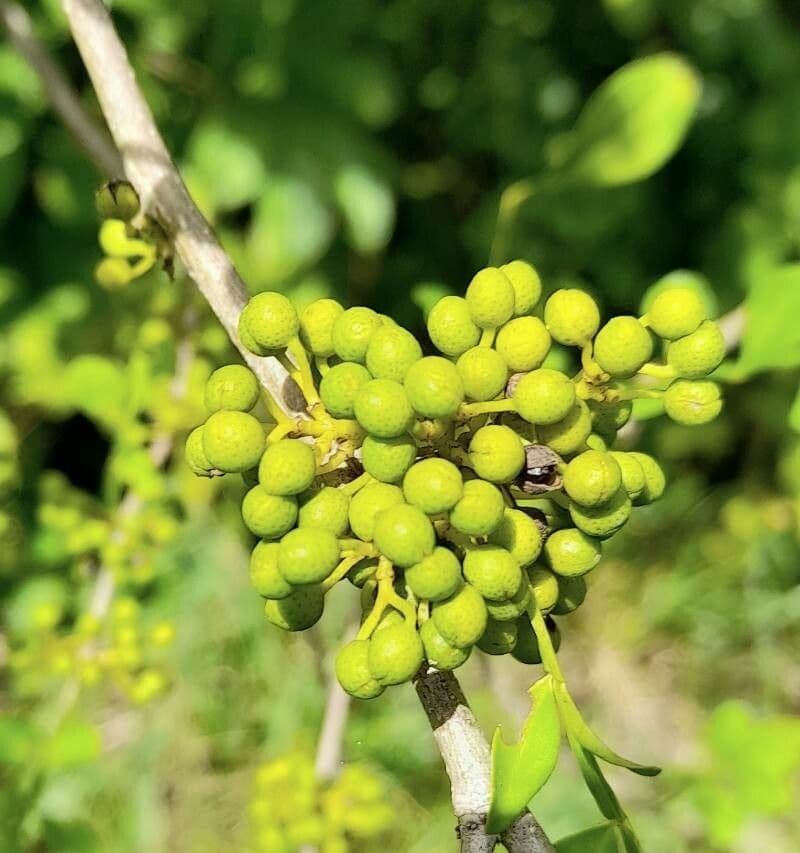
Left completely alone, wild lime (Zanthoxylum fagara) tends to grow in irregular, arching directions that can leave gaps along the base. That can create an abandoned-brush-pile look rather than a purposeful hedge.
Light, regular pruning changes that entirely. Removing awkward outward-reaching branches and trimming back the top a modest amount encourages the shrub to push new growth inward and downward.
That fills the hedge more densely where it matters most.
Gloves are not optional when working with this plant. The thorns are sharp enough to puncture thin garden gloves, so thick leather or heavy-duty puncture-resistant gloves are the right choice.
Pruning two to three times per year, rather than one hard annual cut, keeps the plant looking shaped without stressing it into producing weak, sparse regrowth.
Hard, careless pruning can open gaps along the fence line and temporarily reduce the hedge’s effectiveness as a boundary plant.
Keeping the base visible and relatively open during pruning sessions also supports the sanitation goal. A hedge with a clean, visible base gives rats and other small animals less reason to linger.
Removing withered wood and any accumulated debris from inside the shrub during each pruning session keeps the plant healthy and the boundary functional. The goal is a living, thorny, clean edge, not a tangled wall of neglected growth.
8. This Shrub Works Best With A Clean Fence Line
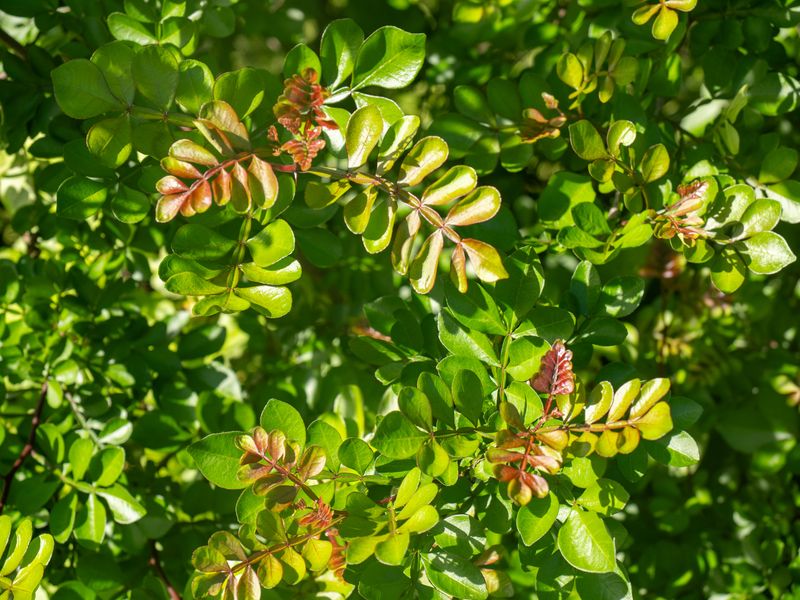
A thorny hedge is only one layer of a working boundary plan. Wild lime (Zanthoxylum fagara) performs best when the rest of the fence line is managed just as carefully.
Gaps at the base of fences are the first thing to address. Hardware cloth or solid panels secured at ground level close the easy routes that armadillos and rats use most often.
A shrub planted in front of an unclosed gap still leaves that gap available.
Sanitation habits carry equal weight. Fallen citrus, avocado, or other fruit should be picked up regularly, especially in summer and fall when fruit drop is heaviest.
Pet food should never be left outdoors overnight. Trash cans should have secure, latching lids.
Woodpiles, stored materials, and dense clutter near the fence line give rats both shelter and travel cover that no plant can offset.
Watching for signs of active animal pressure matters too. Fresh burrows near the fence base, gnaw marks on wood or plastic, and droppings along the fence line are warning signs.
Disturbed soil under the shrub can also signal that the boundary plan needs adjustment. Wild lime can help make a yard edge less inviting and less convenient to cross, but it is one piece of a larger strategy.
A clean, thorny, well-maintained fence line is always more effective than any single plant standing alone.