The Bulb Lasagna Trick New York Gardeners Swear By For Nonstop Spring Color
One flowerpot on a New York stoop can hold three separate waves of spring flowers, stacked on top of each other like hidden floors in a building. The bottom ones bloom last. The top ones wake up first, sometimes poking through late snow.
Dutch growers have used this layered planting idea for years, and it works because every bulb follows its own internal calendar. Tiny crocus bulbs can open in March, while the big tulips wait politely until May.
I tried it after a sad spring of one-week tulips, and I am still a little amazed by the results. You do all the work on one chilly fall afternoon in New York, then walk away for months.
The real magic sits in how deep each layer goes and which bulbs you tuck where. Squirrels, drainage, and timing all get a vote too. The bottom layer decides everything. So which bulb gets the basement?
Stacked Tulip, Daffodil, And Crocus Bulbs Hide A Clever Timing Secret
Gardeners call it bulb lasagna, and the name fits better than you might expect. Instead of noodles and cheese, you stack layers of bulbs and soil in one pot or bed.
The secret is timing. Every spring bulb has a built-in bloom schedule, so early, middle, and late flowers take turns instead of opening all at once.
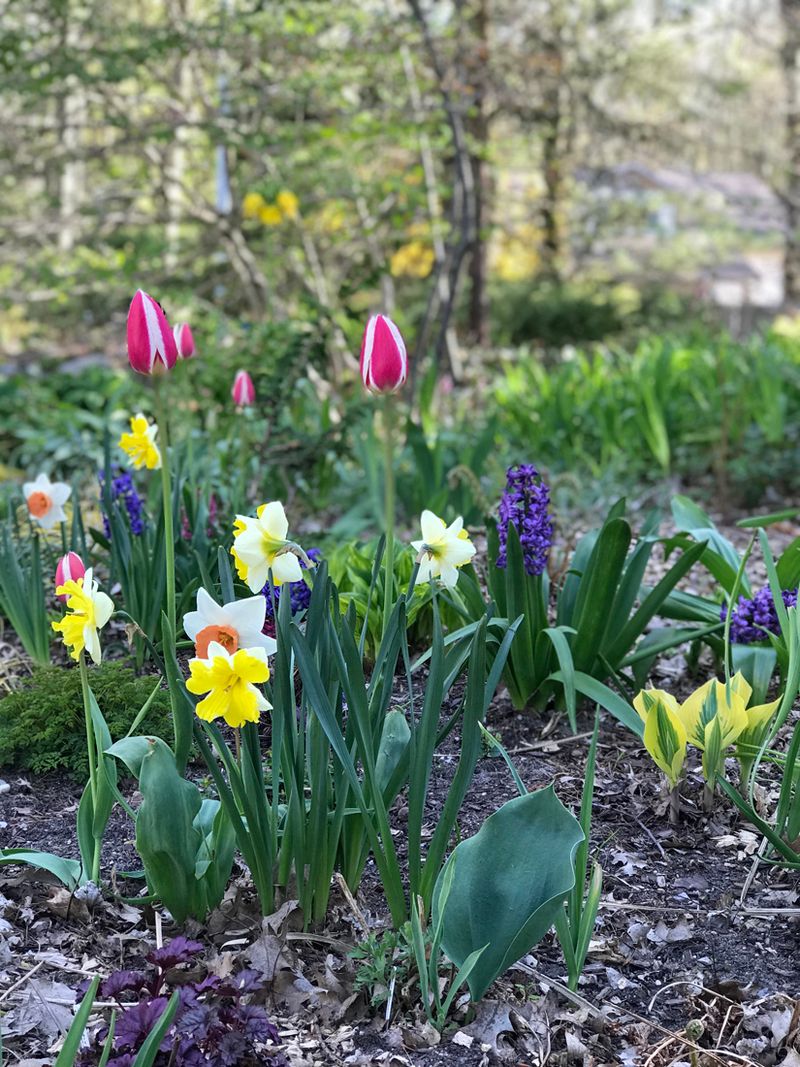
Small crocuses and snowdrops show up first, then hyacinths and mid-season daffodils, and finally tall tulips or alliums close out the show.
Depth does the sorting for you. Big bulbs need deep planting, while tiny bulbs like to sit close to the surface.
Stacking them follows what each bulb already wants, which is why the method works so well.
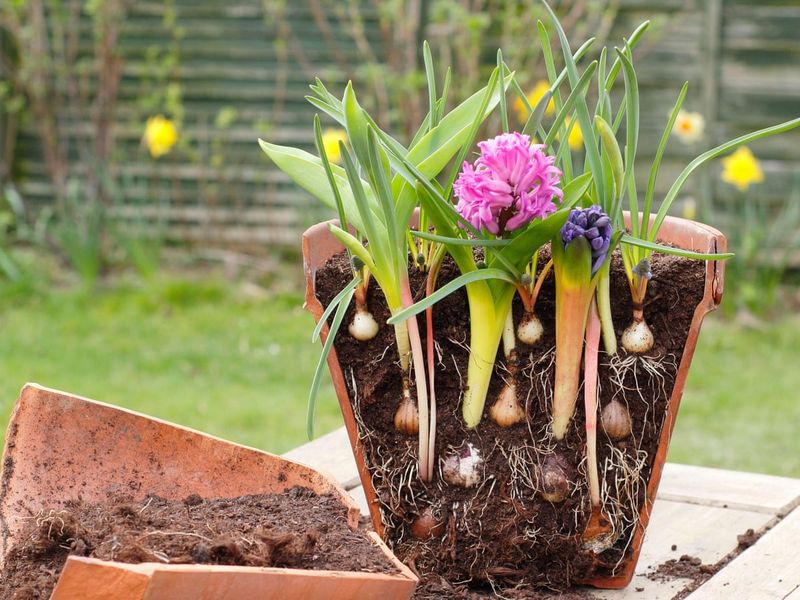
Shoots from the lower layers simply grow around the bulbs above them. They bend and weave through the soil with no trouble, a bit like kids finding their way through a crowded hallway.
A single container can give you color for roughly two to three months. That matters a lot on a small city balcony or a narrow front walk. One pot, one afternoon of planting, and a spring that keeps surprising you week after week.
Big Tulip And Daffodil Bulbs Go Down First, About 8 Inches Deep
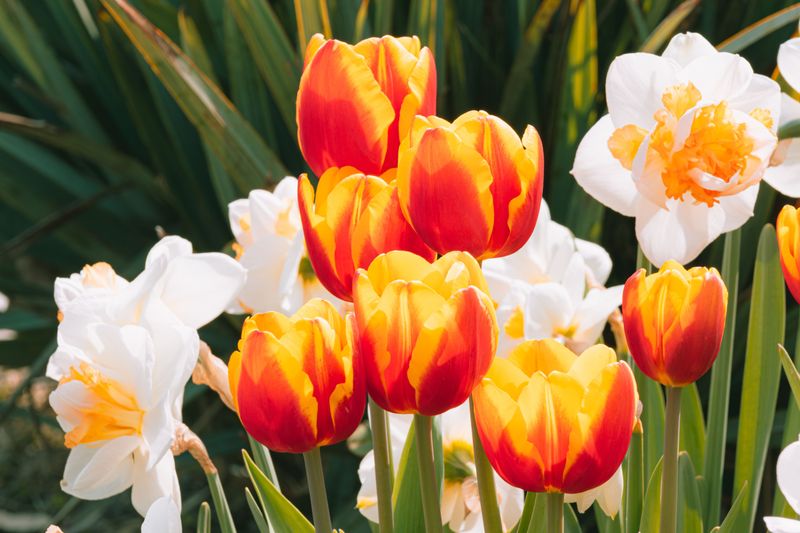
Start at the bottom with the heavy hitters. Large, late-blooming bulbs like Darwin hybrid tulips, lily-flowered tulips, late daffodils, and ornamental alliums belong in this deepest layer.
Fill your container with a few inches of fresh potting mix first. Mixing in a slow-release bulb fertilizer here is optional but helpful, especially if you hope to reuse the bulbs later.
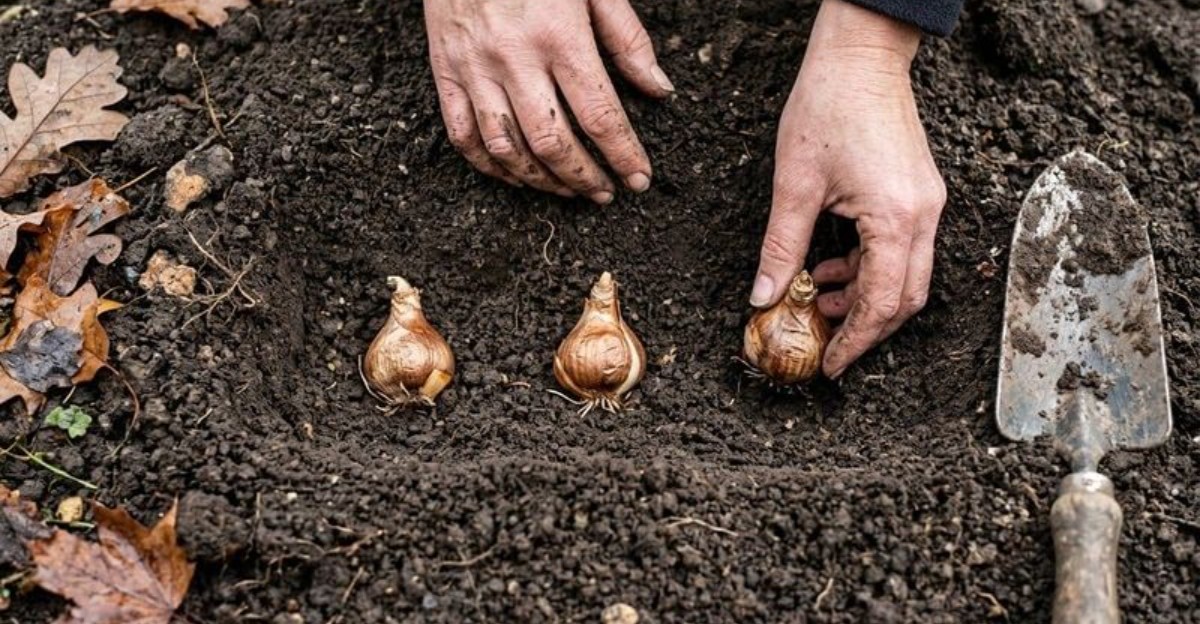
Set the bulbs about 6 to 8 inches below where the final soil surface will be. A handy rule from many extension programs is to plant bulbs two to three times as deep as they are tall. Make sure the pointy tips face up and the flat, root end faces down.
Crowding is fine in a lasagna pot. Bulbs can sit close together, nearly touching, because they only stay there for one big season in most containers. A packed layer gives you that full, lush look in May.
I like to pick one bold color for this bottom tier. Deep purple tulips or bright orange ones make a dramatic finale after softer early blooms.
Once the layer is set, cover the bulbs with 2 to 3 inches of soil before moving on to the next level.
Fragrant Hyacinths And Mid-Season Daffodils Fill The Middle Layer
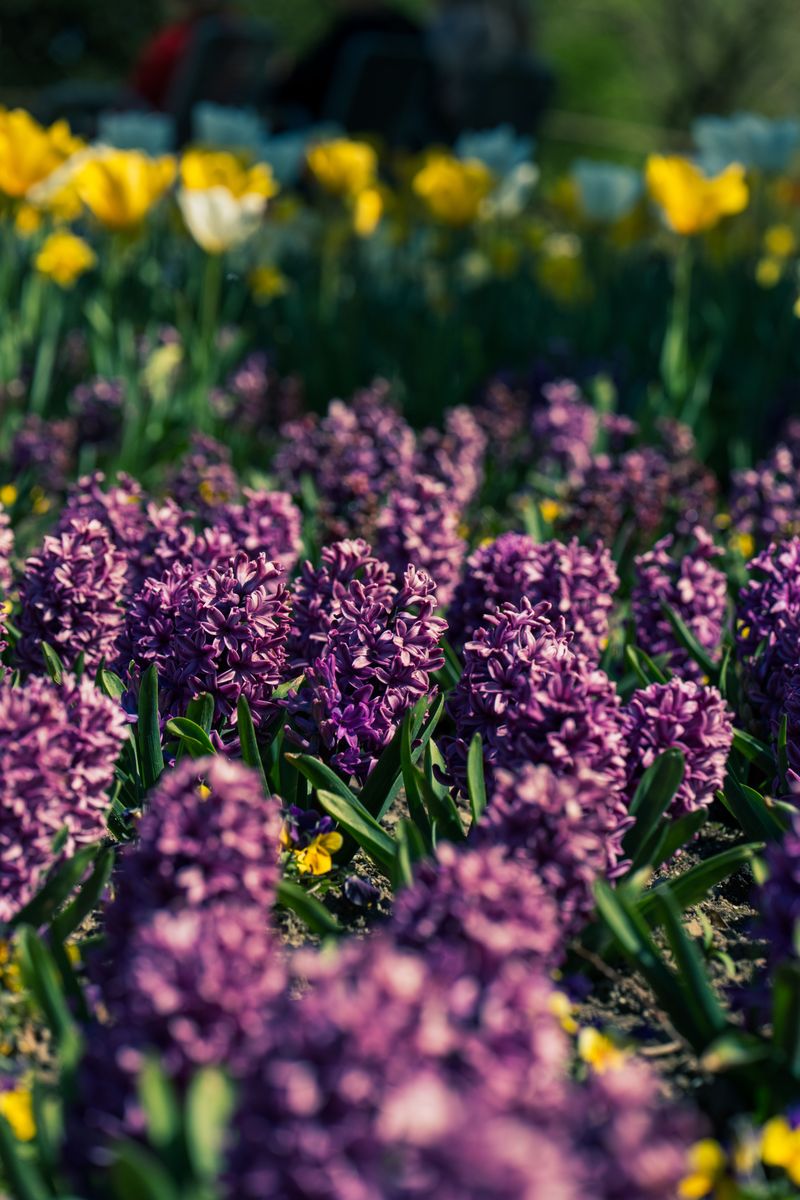
Hyacinths are the reason I keep a pot right next to my front door. Their scent drifts across the steps every time someone walks by in April.
Middle-layer bulbs fill the gap between the first little flowers and the last big tulips. Good choices include hyacinths, mid-season daffodils, and Triumph tulips. They bloom right around the time crocuses start to fade, so the pot never looks empty.
Plant this tier about 4 to 6 inches deep. In practice, that means setting them on the soil you just spread over the bottom layer.
Try to place them in the gaps between the deeper bulbs instead of directly on top, which gives every shoot an easier path upward.
Color planning gets fun here. Soft pinks and creamy whites look lovely with yellow daffodils, while blue hyacinths pop against orange tulips coming later. You can test combinations by laying bulbs out on a table first.
One quick tip helps a lot. Hyacinth bulbs can make some people’s skin itchy, so wear gloves while handling them. After the layer is in place, add another 2 to 3 inches of soil to prepare for the final top tier.
Cheerful Crocus And Snowdrops Sit On Top To Open The Show
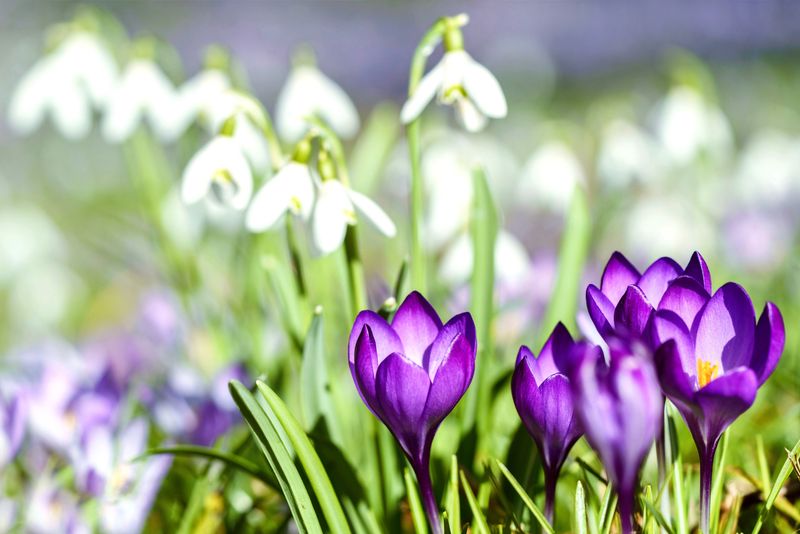
Nothing beats spotting a purple crocus while you still need a winter coat. Those tiny blooms feel like a promise that warmer days are close.
Small, early bulbs belong in the top layer. Crocuses, snowdrops, grape hyacinths, and dwarf irises like Iris reticulata are popular picks.
Plant them about 2 to 4 inches deep, closest to the surface, so they can warm up quickly and bloom as early as late February or March.
Scatter them generously. Small bulbs look best in clusters, so tuck in plenty for a carpet of color instead of a few lonely spots. Grape hyacinths also send up leaves in fall, which is normal and nothing to worry about.
Finish with the rest of your potting mix, leaving an inch or so below the rim for watering. Water thoroughly to settle the soil around every layer.
A light layer of shredded leaves or mulch on top helps even out soil temperatures through freeze and thaw cycles. Some gardeners also lay chicken wire across the pot before mulching.
That simple screen keeps curious critters from digging up your early bloomers before they get their moment.
Planting Bulbs In New York Soil Works Best Once Fall Cools Things Down
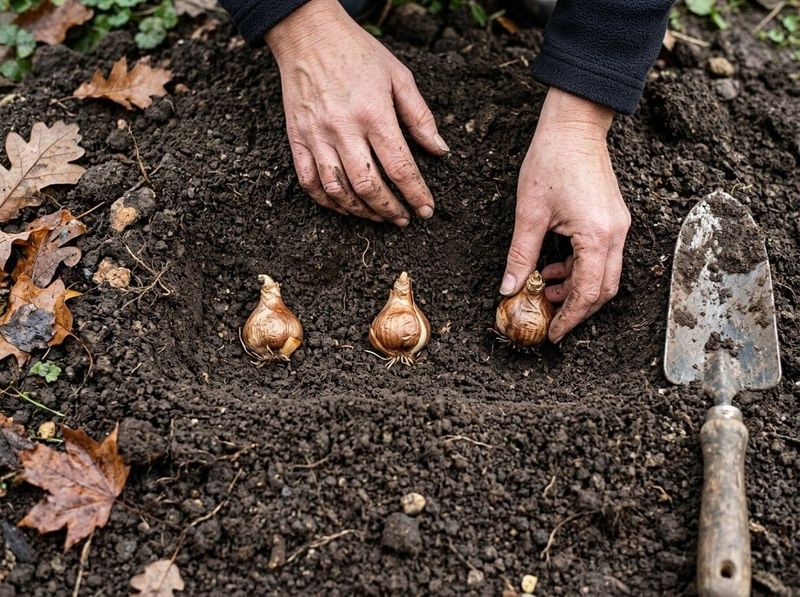
Timing can make or break a bulb lasagna. Spring bulbs need a long stretch of cold, usually around 12 to 16 weeks, to grow roots and form flowers.
Across New York, the planting window generally runs from late September through November.
Cornell Cooperative Extension and other experts suggest waiting until soil temperatures drop to about 55 degrees, then planting before the ground freezes hard. Regional differences matter here. The state spans roughly USDA zones 3b to 7b.
Gardeners in the Adirondacks and the North Country should aim for late September or early October. Folks in the Hudson Valley and Finger Lakes often plant in October, while New York City and Long Island can usually wait until November.
Planting too early in warm soil can push some bulbs to sprout leaves in fall. Planting too late risks frozen ground that makes digging tough and leaves little time for roots to settle.
A simple trick is to watch the trees. When the maples are dropping most of their leaves, the soil is usually cool enough. A cheap soil thermometer takes the guesswork out if you like being precise.
Your Layered Bulb Pots Need Drainage Holes And A Cold-Weather Plan
Soggy soil is the quickest way to ruin months of waiting. Bulbs sitting in water can rot, so drainage matters more than almost anything else.
Pick a container at least 12 to 18 inches deep with drainage holes in the bottom. Use a quality potting mix rather than heavy garden soil, which packs down and holds too much water.
Frost-resistant pots made of thick plastic, fiberglass, or sturdy wood handle freezing weather better than thin terracotta.
Cold is another concern. Bulbs in pots face harsher temperatures than bulbs in the ground, because the soil around them freezes faster on all sides. In colder parts of New York, that can harm the roots.
Many gardeners move their pots into an unheated garage, shed, or cold basement for winter. The goal is chilly but steady temperatures, roughly 35 to 45 degrees.
In milder city spots, grouping pots against a wall and wrapping them in burlap often does the trick.
Check the soil once a month during winter. It should feel lightly moist, not dry or wet. Bring the pots back outside in early spring once the worst cold has passed.
Hungry Squirrels Love Tulip Bulbs, But Daffodils Stay Off The Menu
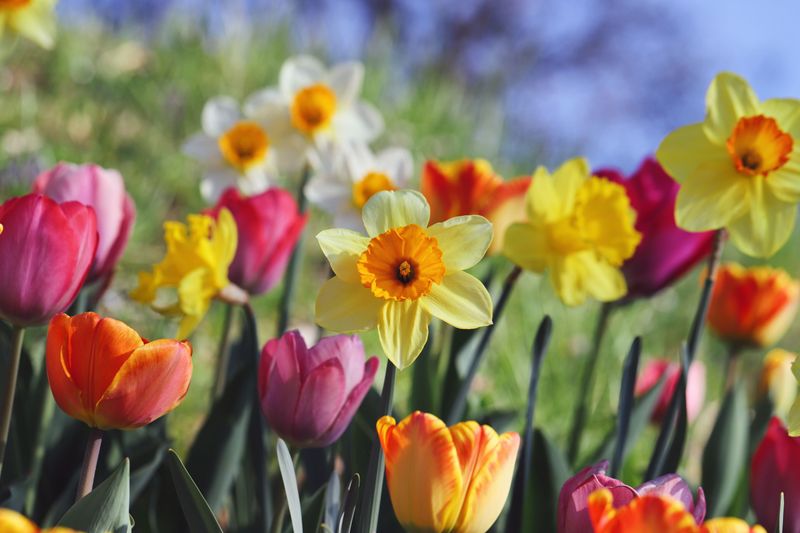
Eastern gray squirrels have a real talent for finding freshly planted tulip bulbs. I once lost half a pot overnight, with only a few papery skins left as evidence.
Tulips and crocuses are favorite snacks for squirrels, voles, and chipmunks. Deer will happily munch tulip leaves and flowers in spring too.
Daffodils are a different story. They contain a bitter compound called lycorine, so most animals leave them alone.
Building your lasagna around critter-resistant bulbs can save heartache. Daffodils, alliums, grape hyacinths, and snowdrops are rarely bothered. Hyacinths also tend to be skipped by deer and rodents.
Still want tulips? Protect them with a layer of hardware cloth or chicken wire just under the soil surface.
Shoots can grow through the openings, but digging paws get blocked. Cleaning up papery bulb skins after planting helps too, since the smell attracts curious noses.
Some gardeners spray deer repellent on emerging tulip leaves in spring and reapply after rain. Placing pots close to the house, where people walk often, also discourages nervous deer from visiting.
A mix of smart choices and a little armor keeps your colorful layers right where you planted them.
Let Yellowing Bulb Foliage Stay Put After The Flowers Fade
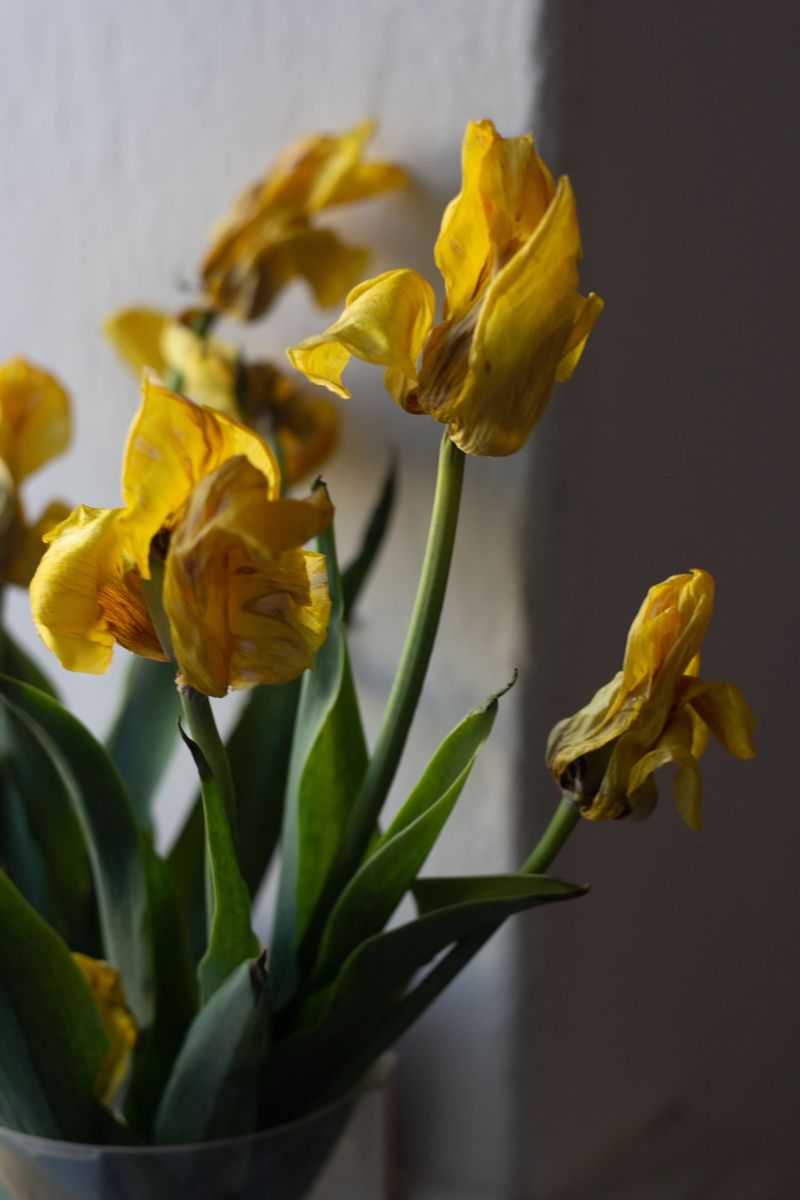
Floppy, yellowing leaves are not pretty, but they are doing important work. After blooming, bulb foliage keeps making food that gets stored for next year.
Cut off faded flower heads so the plant stops putting energy into seeds. Leave the leaves alone until they turn yellow and wither on their own, usually about six weeks after flowering. Trimming or braiding them early weakens the bulb.
Plenty of gardeners treat container lasagnas as a one-season show, since crowded pots rarely bloom as strongly again. You can also move the bulbs into garden beds once foliage fades.
Daffodils, alliums, and many small bulbs often return for years in New York gardens. Tulips are trickier. Many fancy hybrids bloom best in their first year.
Species tulips and Fosteriana types tend to come back more reliably in sunny, well-drained spots.
Keep notes as your pot blooms. Jot down which bulbs opened when and which color combos made you smile. Those notes become your recipe for next fall.
Bulb catalogs start selling in summer, and popular varieties go fast. Plan early, plant in autumn, and let next spring roll out one layer at a time.