The Poinsettia Poison Myth Finally Gets a Reality Check For Virginia Pet Parents
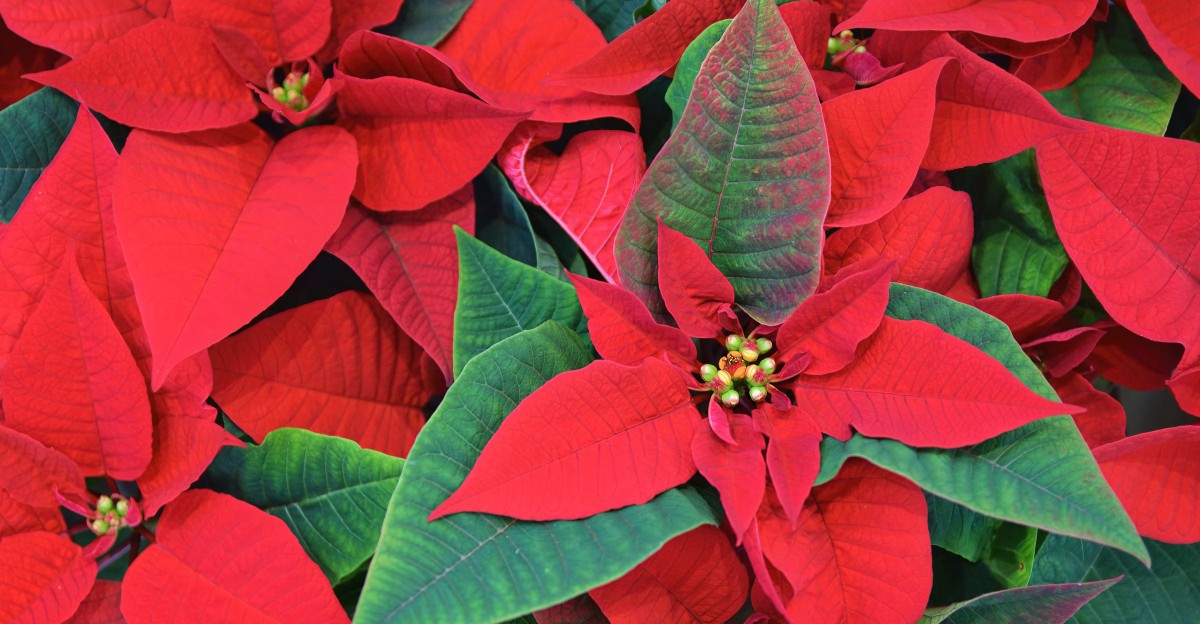
A 50-pound child would need to eat around 500 leaves of a certain red holiday plant to reach a harmful dose, according to an Ohio State study from the 1970s.
Wait, five hundred leaves? I laughed out loud when I first read that number. For decades, I tucked those scarlet pots on top of the fridge like contraband.
My cat stared up at them every December with pure longing. I felt like a guard at a jewel heist, protecting my family from a plant that mostly causes a tummy ache.
You might share that same habit, especially if you live in Virginia, where these cheerful pots fill every grocery store entrance by Thanksgiving.
Here in Virginia, the old warning gets repeated at every holiday gathering, and it sticks around like glitter in the carpet. It gets passed from grandma to mom to you.
The poinsettia’s toxic reputation is a myth born of rumor, not science, and the research on pets tells a far calmer story.
That Milky Poinsettia Sap Tells a Much Calmer Story
Snap a poinsettia stem and you will see a drop of white, milky sap bead up. That sticky latex holds the whole secret behind the plant’s scary reputation.
Inside the sap are compounds called diterpenoid euphorbol esters, plus some soap-like substances. They sound intimidating, but their main effect is irritation.
Pet Poison Helpline and the ASPCA both list poinsettias as only mildly toxic to dogs and cats. Mild is the key word here. Veterinary toxicology experts generally agree with that rating too.
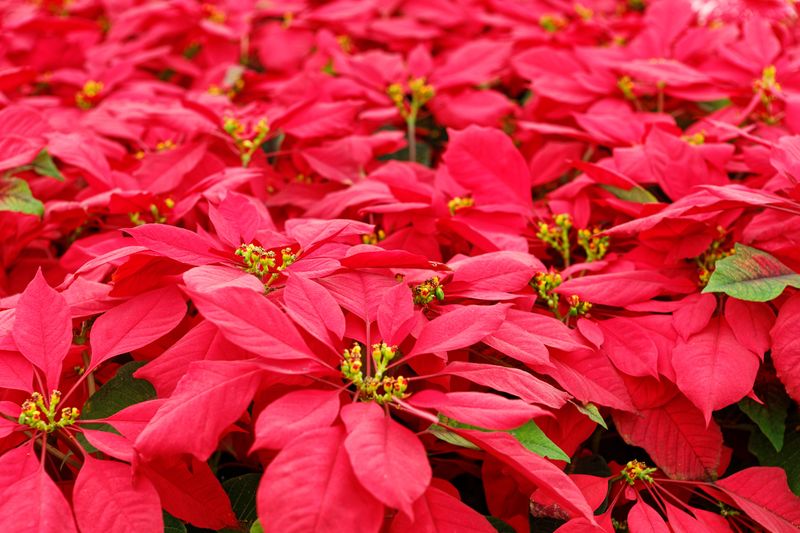
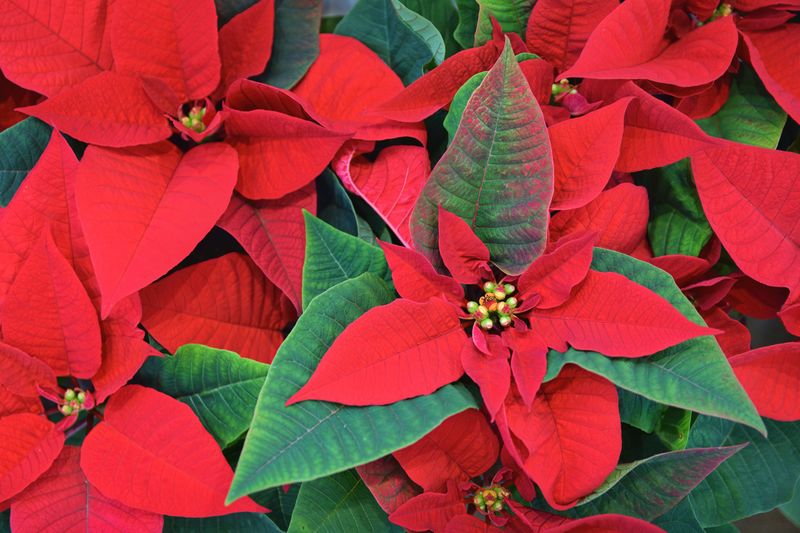
The sap mostly bothers the mouth, the stomach, and sometimes the skin. I find it funny that the plant we fear most at Christmas is one of the gentler ones on the shelf. The red parts, by the way, are not flowers at all.
They are colorful leaves called bracts, and the true flowers are the tiny yellow buttons in the center.
So when your dog sniffs the pot or your cat bats a leaf, you can relax a little. The plant is no snack, and it can cause some discomfort. Still, it sits far from the frightening level that old holiday stories suggest.
A Cat Nibbling Poinsettia Leaves Usually Means Drool and a Grumpy Tummy
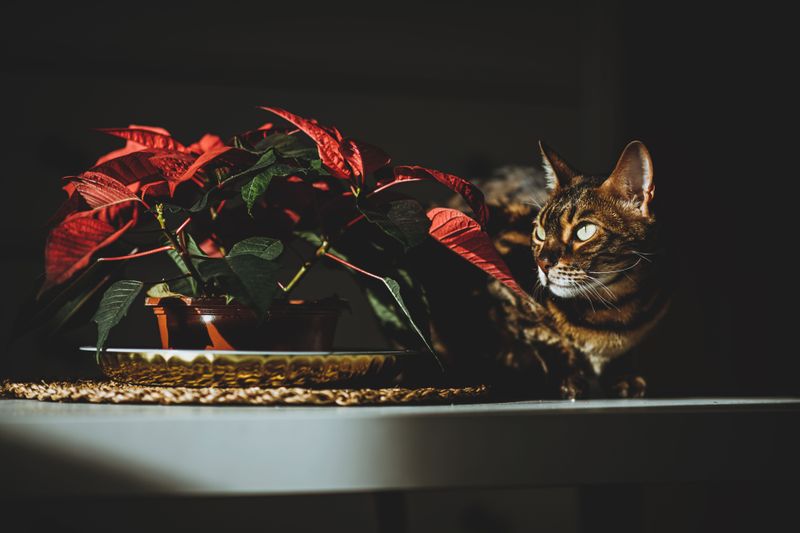
My cat once chewed a corner off a poinsettia leaf while I was wrapping gifts. She drooled a bit, made a sour face, and walked off to sulk under the couch.
That reaction is pretty typical. When a pet chews the leaves, the sap irritates the mouth and stomach. Common signs include drooling, licking lips, pawing at the mouth, vomiting, and once in a while, mild diarrhea.
Most of these symptoms are self-limiting, which means they fade on their own. The bitter taste also works in your favor. Many pets take one bite, decide it tastes awful, and quit before eating much.
Small pets and puppies may feel it a bit more, simply because of their size. A Chihuahua and a Labrador eating the same leaf will not have the same experience. Keep that in mind if you share your home with tiny critters.
Watch your pet for a few hours after a nibble. Offer fresh water and let their stomach settle.
A quiet afternoon on the couch is often the only treatment needed, and your furry friend will likely forget the whole thing by dinner.
Rinse First When Your Dog Gets Into the Poinsettia Pot
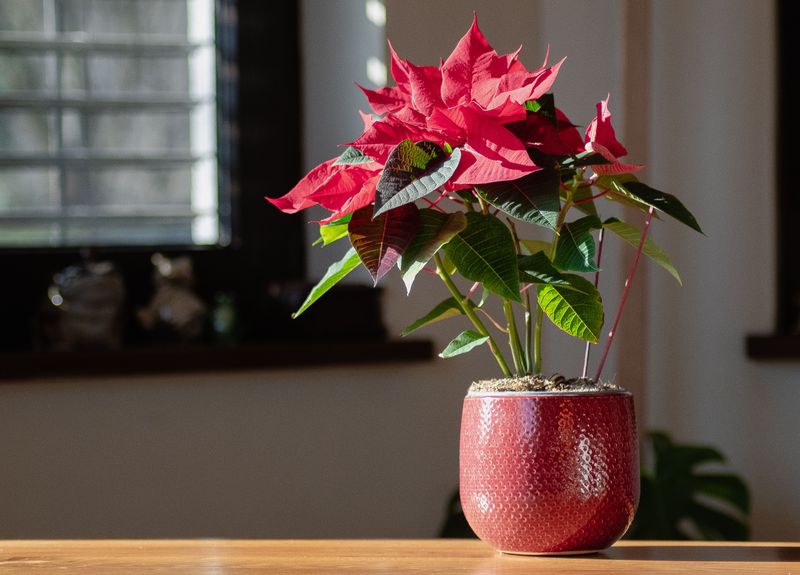
Torn leaves on the rug and a guilty-looking pup are a classic holiday scene. Take a breath, because a few simple steps handle most of these situations at home.
First, pick up any leftover plant pieces so your dog cannot go back for seconds. Next, gently wipe or rinse your pet’s mouth with a damp cloth and cool water.
That removes sap clinging to gums and lips. Then offer a bowl of fresh water. Drinking helps rinse the mouth and may calm a queasy stomach.
Skip trying to make your dog vomit, since that can cause more problems than the plant itself.
Write down roughly how much was eaten and when. That detail helps a lot if you end up calling for advice. Snap a photo of the plant too, just to be sure it really is a poinsettia.
Plenty of holiday greenery looks similar at a glance. Some, like amaryllis or lilies, cause far bigger trouble.
Knowing exactly what your pet chewed lets you respond with the right level of concern, instead of guessing in a panic.
Poinsettia Sap on Fur and Eyes Can Cause a Little Itch
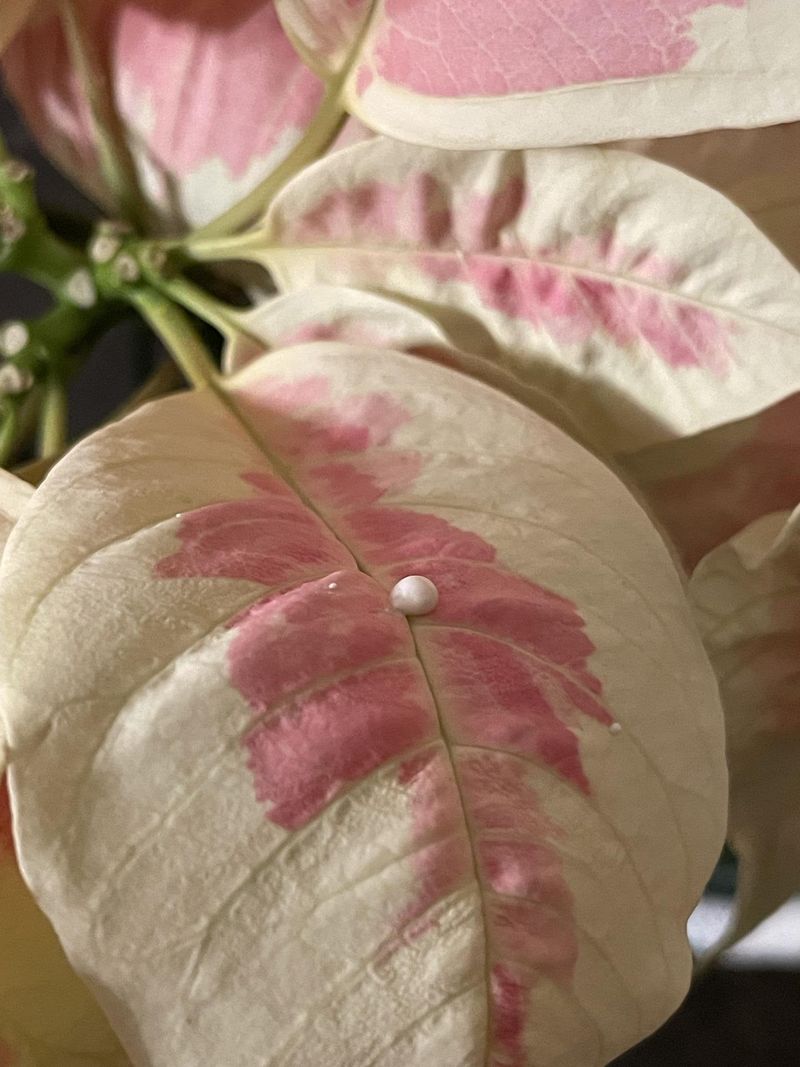
Mouths are not the only spot that sap can bother. A curious nose pushing through the leaves can pick up a sticky smear, and that may lead to a little itching.
On skin, the latex can cause redness, mild swelling, or itchiness. Dogs with short coats or pink bellies tend to show it more clearly. Cats may groom the sap off their fur, which then moves the irritation into their mouths.
Eyes need extra care. If sap gets near your pet’s eyes, gently flush the area with lukewarm water for several minutes. Squinting, redness, or rubbing at the face are signs that the eye feels uncomfortable.
For skin, a mild wash with pet-safe soap and plenty of water usually does the trick. Pat the area dry and keep an eye on it for the rest of the day.
People can react too, especially folks with latex allergies. Poinsettias belong to the same broad plant family as the rubber tree.
Wear gloves when you trim or repot your plant, and wash your hands before petting your furry friends afterward.
How a 1919 Rumor Turned the Christmas Poinsettia Into a Villain
Back in 1919, a story spread that a two-year-old child in Hawaii died after eating a poinsettia leaf. That tale was later shown to be unsupported, yet the rumor stuck like tinsel on a wool sweater.
The family name did not help either. Poinsettias belong to the Euphorbia group, and some relatives carry harsher sap. People lumped them all together and assumed the worst.
Science slowly caught up. Researchers at Ohio State University tested the plant and could not find a harmful dose in rats, even at huge amounts.
Poison control data from many thousands of exposures later showed mostly mild or no symptoms.
Still, old warnings travel fast. Holiday articles, well-meaning relatives, and even some printed plant tags kept the scare alive for generations.
I grew up hearing it from three different aunts. The fun part? The plant is named after Joel Poinsett, the first U.S. minister to Mexico.
He brought cuttings home to South Carolina in the 1820s. In Mexico, the plant is called flor de Nochebuena, or Christmas Eve flower, a much friendlier name than its spooky reputation.
Lilies and Mistletoe Deserve More Worry Than Your Poinsettia
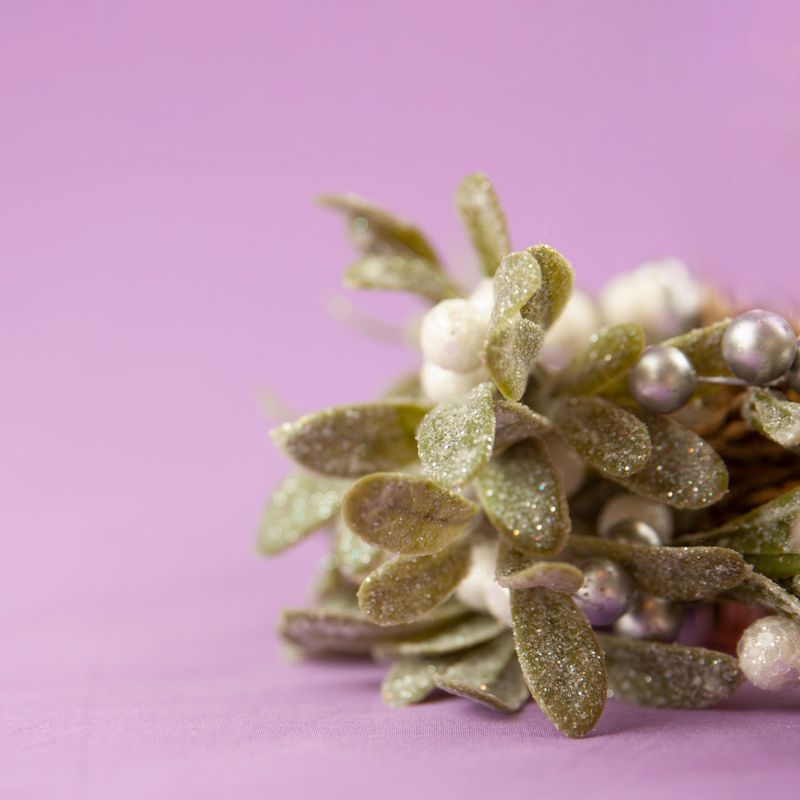
If you want to worry about a holiday plant, point that energy toward lilies. True lilies and daylilies can trigger serious kidney failure in cats, even from a little pollen or vase water.
That warning matters during winter, when lilies often show up in festive bouquets. Many Virginia florists tuck them into arrangements without a second thought. Ask for a lily-free bouquet if you share your home with a cat.
Mistletoe is another one to keep high and away. Eating it can cause vomiting, drooling, and in larger amounts, heart rate and blood pressure trouble. American holly berries and leaves can also upset stomachs quite a bit.
Amaryllis bulbs, a popular holiday gift, cause vomiting and tummy pain too. Christmas tree water can hold bacteria and fertilizer, so cover the stand.
I keep a short list taped inside my kitchen cabinet with these plant names. It saves me from second-guessing when friends drop off a pretty centerpiece.
Compared to this crowd, the poinsettia feels like the friendly guest at the party, the one who might spill punch but rarely causes real trouble.
A High Shelf and a Vet Number Keep Your Poinsettia Season Merry
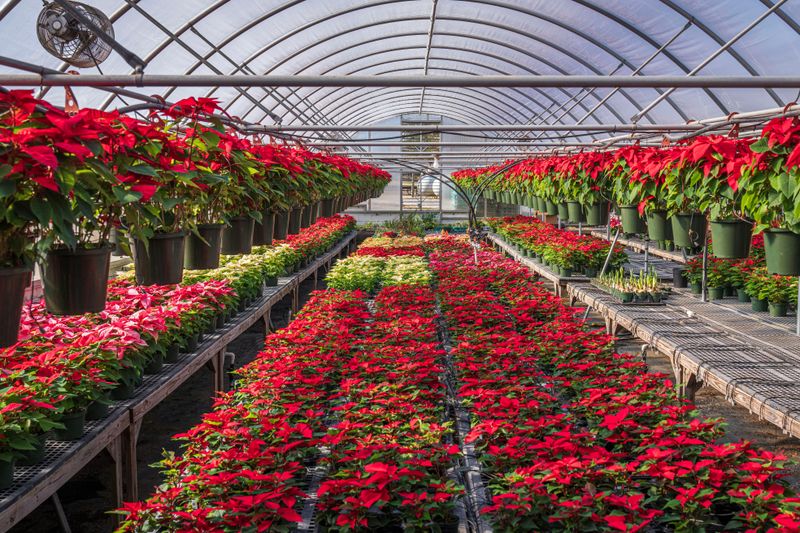
Peace of mind costs almost nothing. A tall mantel, a plant stand, or a room your pets rarely visit keeps leaves out of reach and stops the chewing before it starts.
Wire plant cages or hanging baskets work well for climbing cats. Some pet parents spray leaves with a bitter apple deterrent. Pick up fallen bracts right away, since dropped leaves are tempting toys.
Save the ASPCA Animal Poison Control Center and Pet Poison Helpline in your contacts today. Both charge a fee, though fast advice is worth it.
Call your regular vet or a 24-hour clinic if your pet vomits repeatedly, seems weak, stops eating, or has trouble breathing. Across Virginia, from Richmond to Roanoke, emergency animal hospitals stay busy in December, so knowing your closest one helps.
Remember that poinsettias are tropical plants. Keep yours away from cold drafts and water only when the soil feels dry.
Enjoy that splash of red without the old guilt. Your plant can brighten the room, your pets can stay safe, and the myth can finally rest on the shelf where it belongs.