9 Houseplants That Thrive In Dry Virginia Homes With Minimal Watering
Heated indoor air in winter can slip below 20 percent humidity, which rivals readings from some desert towns. My fingertips crackle with static every January, and my thirstier ferns sulk right along with me in protest.
Virginia homes run forced-air heat for months, and that warm breeze pulls moisture out of potting soil fast. Yet a handful of tough plants evolved in dry places and scarcely notice the seasonal change.
I skipped watering for a month last winter during a busy stretch and expected crispy disappointment on every windowsill. Instead, several pots looked happier than the ones I had fussed over so carefully all season long.
You might notice a pattern once you meet them, since most store water in clever hidden places like swollen trunks. Could your forgetful habits actually be the secret to a greener Virginia living room this year?
1. Cast Iron Plant
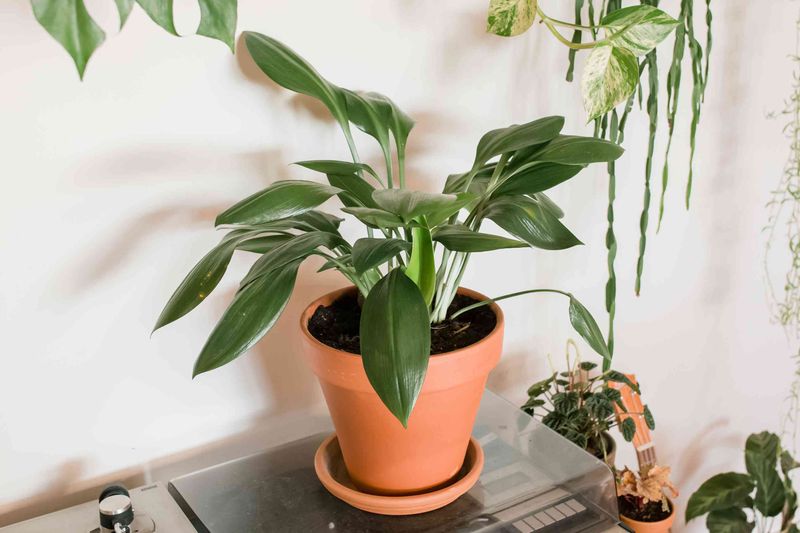
Victorian parlors, from London townhouses to historic homes in Virginia, were dim and smoky from gas lamps, yet this leafy survivor thrived there and earned its tough nickname.
I love that a plant famous for ignoring neglect still looks elegant with its tall, glossy dark green leaves, whether it sits in a Virginia farmhouse or a city apartment.
Aspidistra elatior grows slowly from creeping rhizomes, so it rarely outgrows its pot or demands much from you. Dry air from winter heating barely bothers it, which makes it a natural fit for drafty hallways.
During the cooler months, a monthly drink is often enough once the top half of the soil dries out. In spring and summer, expect to water more often, usually every couple of weeks depending on light.
Overwatering causes far more trouble than thirst, because soggy roots can rot before you notice anything wrong above ground. A pot with a drainage hole and a gritty, well-draining mix keeps those rhizomes firm and healthy.
Low light suits it beautifully, so a north-facing room or a shady corner works better than you might expect. Keep it out of direct afternoon sun, since strong rays can scorch and bleach those handsome leaves.
Wipe dusty foliage with a damp cloth every few weeks to help the plant soak up whatever light it gets. Pet owners can relax too, because the ASPCA lists it as nontoxic to both cats and dogs.
2. Ponytail Palm
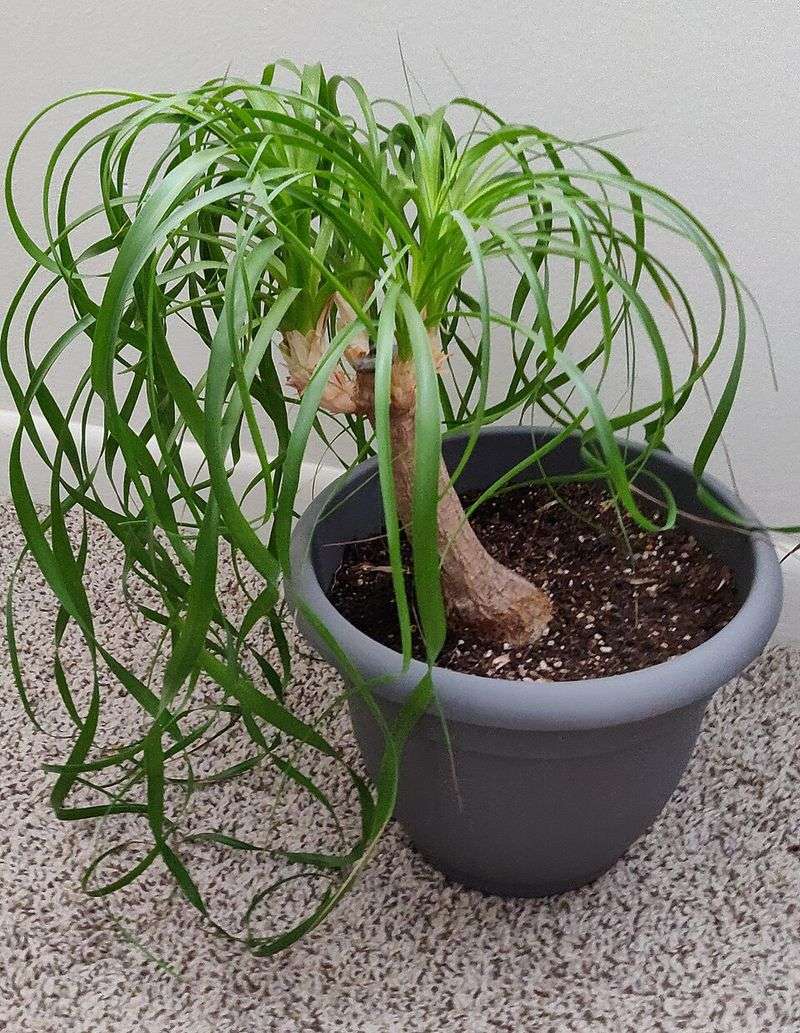
That swollen base on a ponytail palm works like a built-in water tank, and it looks like an elephant foot. Its curly, hair-like leaves spill over the top, giving any shelf a fun, slightly messy personality.
Despite the name, Beaucarnea recurvata is not a true palm at all and actually belongs to the asparagus family. It comes from dry regions of eastern Mexico, so parched indoor air feels close to home for it.
In winter, watering every four to six weeks is plenty, as long as the soil dries fully between drinks. Warmer months bring faster growth, so check the pot every couple of weeks and water when it feels dry.
Bright light makes a big difference here, and a sunny south or west window suits it nicely. A few hours of direct sun are welcome, especially after you ease it into stronger light gradually.
I grow mine in a snug clay pot with cactus mix, which helps extra moisture escape quickly. Ponytail palms like being a little crowded, so repotting every few years is usually enough for them.
Brown leaf tips can show up in dry rooms, but a quick trim with clean scissors tidies them right up. Households with curious cats will appreciate that the ASPCA lists this plant as nontoxic to pets.
3. Snake Plant
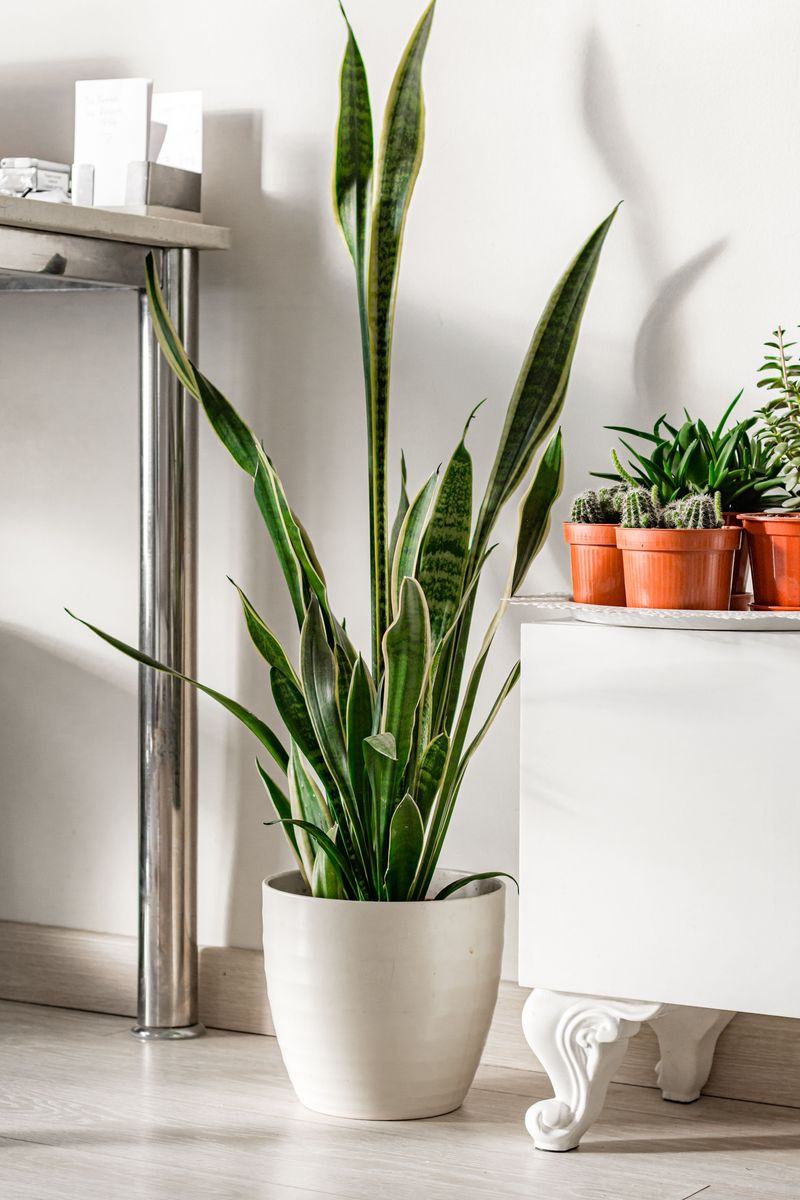
Few houseplants handle forgetful owners quite like the snake plant, with its stiff leaves pointing straight at the ceiling. I once moved one to a new apartment and forgot it in a box for weeks.
Botanists now call it Dracaena trifasciata, though many plant tags still use the older name Sansevieria trifasciata. Those thick, upright leaves hold water reserves, which is why dry winter air rarely troubles this plant.
Once growth slows in late fall, cut back to watering about once a month, or even less. Push a finger deep into the soil first, and wait if you feel any moisture down there.
Root rot is the main threat, so pick a heavy pot with drainage and a fast-draining succulent mix. Terra cotta works especially well because it breathes and helps that tall plant stay balanced and upright.
Light needs are flexible, ranging from a dim bedroom corner to a bright spot near an eastern window. More light means faster growth and stronger color, while low light simply slows everything down a bit.
Those crisp leaves can bend or crease if knocked, so keep it away from busy walkways and doors. Place it out of reach of nibbling pets too, since the ASPCA lists it as toxic to cats and dogs.
4. Jade Plant
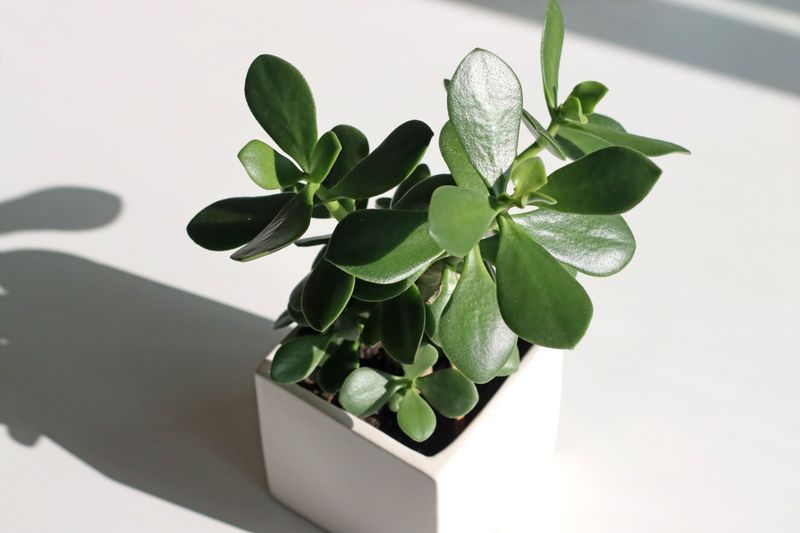
Grandparents often pass jade plants down through families, and some of these chunky little trees live for decades. I still smile at the plump, coin-shaped leaves that earned it nicknames like money plant and lucky plant.
Crassula ovata hails from South Africa, where it handles long dry spells by storing water inside those fleshy leaves. Low humidity suits it just fine, so a heated home in January feels surprisingly comfortable to it.
Through fall and winter, watering every four to six weeks usually keeps it happy once the soil is dry. Soak the pot thoroughly, then empty the saucer afterward so the roots are not left sitting in water.
Wrinkled leaves hint at thirst, while soft, yellowing leaves usually point to too much water at the roots. Learning that difference saved my oldest jade, which nearly rotted during my overeager first year of plant care.
Sunlight fuels this plant, so aim for at least four hours of direct light from a southern window. With enough brightness, some leaf edges blush red, which adds a lovely glow to winter windowsills.
Heavy branches can tip lightweight containers, so a sturdy clay pot with gritty cactus soil works best here. Keep it away from cats and dogs, because the ASPCA notes that jade is toxic to pets.
5. ZZ Plant
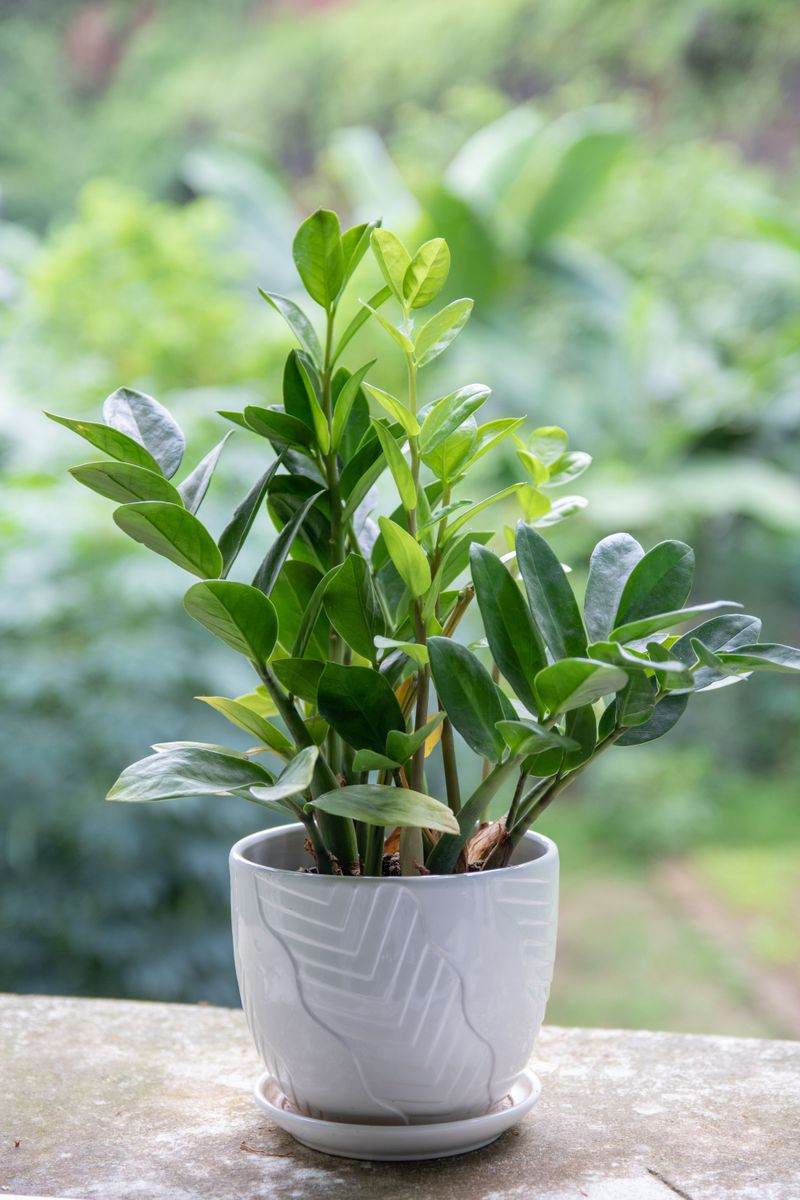
Dig into a ZZ plant’s pot and you will find chunky rhizomes that look surprisingly like small potatoes. Those underground storage tanks explain why this glossy beauty handles long weeks without a single drink.
Zamioculcas zamiifolia comes from eastern Africa, where it rides out dry seasons by leaning on those stored reserves. Average household humidity suits it well, so you can skip misting and humidifiers for this one.
Most growers water every two to three weeks in summer, letting the soil dry fully before the next round. In winter or in dimmer rooms, stretching that to about once a month often works beautifully.
Overwatering is its weak spot, and yellow leaves or mushy stems usually mean the rhizomes are staying too wet. When in doubt, I wait another week, because this plant forgives thirst far more readily than soggy soil.
Low light is tolerated, but bright indirect light keeps the stems sturdy and encourages fresh new shoots. Very dim corners can make it stretch and lean, so rotate the pot a quarter turn whenever you remember.
Office workers love it for windowless cubicles, since fluorescent lighting can be enough to keep it going. All parts are toxic if eaten, so place it beyond the reach of pets and small children.
6. Aloe Vera
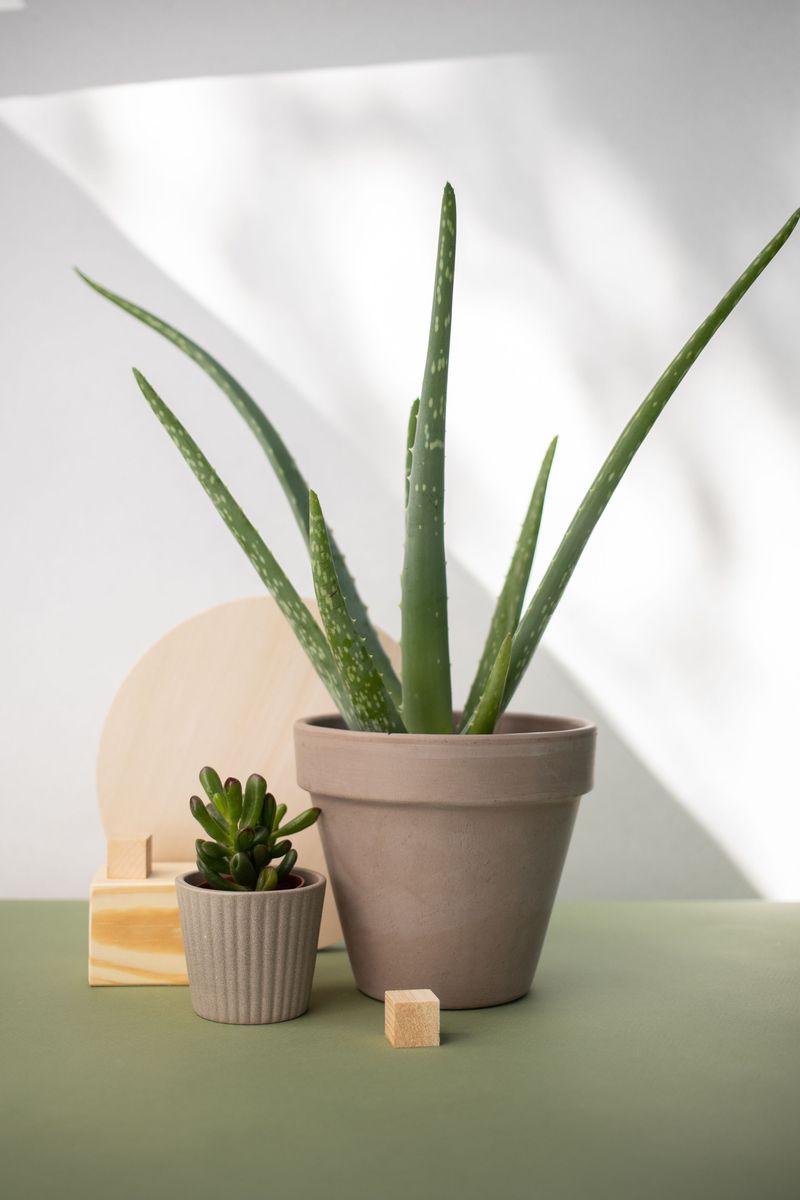
Snap open an aloe leaf and you will find a cool, slippery gel that people have treasured for centuries. Keeping one on a sunny kitchen sill feels a bit like having a living first aid kit.
Aloe vera, sometimes labeled Aloe barbadensis, stores moisture in thick, spiky leaves built for hot, dry conditions. Indoor air that feels harsh on your skin in winter is perfectly comfortable for this tough succulent.
Water deeply about every three to six weeks in winter, once the soil has dried out all the way. Summer growth may call for more frequent drinks, though letting the pot dry between waterings stays essential.
Bright light matters most, so a south or west window giving several hours of brightness keeps leaves firm. Too little light makes the leaves flop and stretch, which happens often in shady winter rooms.
Leaves turning reddish brown usually signal too much harsh sun, so slide the pot back a little. Soft, mushy leaves point the other way, telling you the roots have been sitting wet far too long.
Little offset pups pop up around the base, and I love potting them up as gifts for friends. Keep the plant away from pets, though, because the ASPCA lists aloe as toxic to cats and dogs.
7. Christmas Cactus
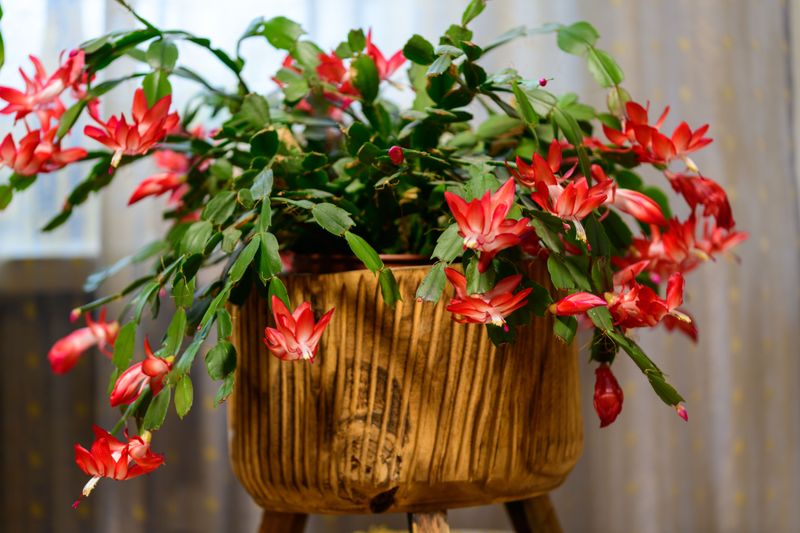
Despite the cactus label, this holiday favorite grows naturally on tree branches in the misty mountain forests of Brazil. Every December, mine bursts into bloom with hot pink flowers that dangle like tiny lanterns from the stem tips.
Most plants sold today belong to the Schlumbergera group, including hybrids and the similar Thanksgiving cactus. Their flat, segmented stems hold some moisture, so they tolerate occasional forgetfulness better than many leafy plants.
Honesty matters here, because this plant wants a bit more water than the desert dwellers on this list. During its rest period after blooming, watering every three to four weeks is usually plenty for it.
While buds are forming, keep the soil lightly moist so those precious flower buds stay firmly attached. Sudden dryness or a cold draft can make buds drop, which is a heartbreaking sight right before the holidays.
Bright, indirect light from an east or north window suits it far better than harsh afternoon sun. Cool nights and long dark evenings in autumn help trigger blooms, so avoid lamps near it then.
Dry Virginia furnace air can leave the segments looking a bit limp, so grouping plants together may help slightly. Families with pets can breathe easy, since the ASPCA lists this cheerful bloomer as nontoxic to cats and dogs.
8. Golden Pothos
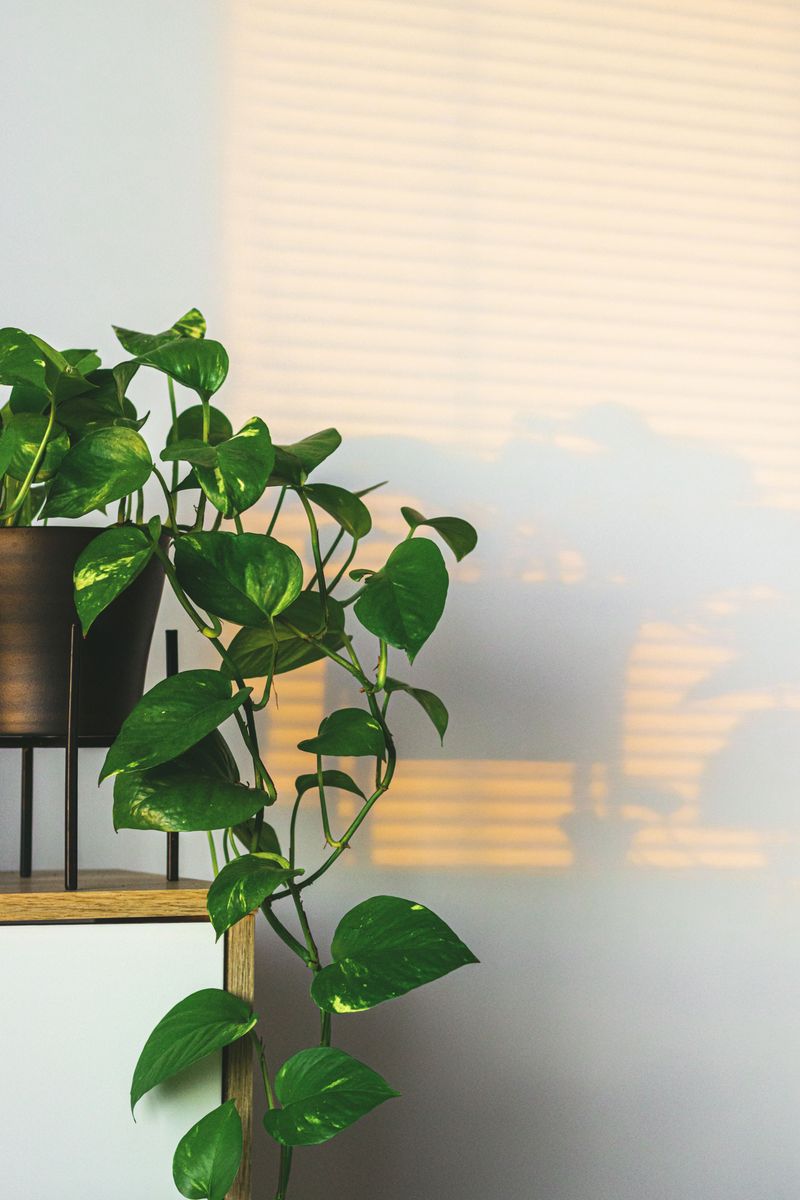
Pothos vines can trail several feet across a bookshelf, and they will happily remind you when they need a drink. Droopy leaves are the signal, and they usually perk right back up within hours of watering.
Epipremnum aureum is a tropical climber from the Society Islands, yet it adapts well to ordinary household humidity. Its heart-shaped leaves come in many patterns, including buttery yellow swirls and bright solid neon green.
Honestly, monthly watering is a stretch for pothos during summer, when it usually needs a drink every week or two. In winter, a healthy plant in moderate light can often wait four to six weeks between drinks.
Let the top inch or two of soil dry before watering, and check the pot by lifting it. A light pot means thirsty roots, while a heavy one tells you to wait a few more days.
Medium to bright indirect light keeps the variegation vivid, though pothos tolerates dimmer rooms better than most plants. Strong direct sun can scorch the leaves, so filter it with a sheer curtain on sunny windows.
Trimming long vines encourages fuller growth, and the cuttings root easily in a glass of water. Hang it high or set it on a tall shelf, since pothos is toxic to cats and dogs.
9. Zebra Haworthia
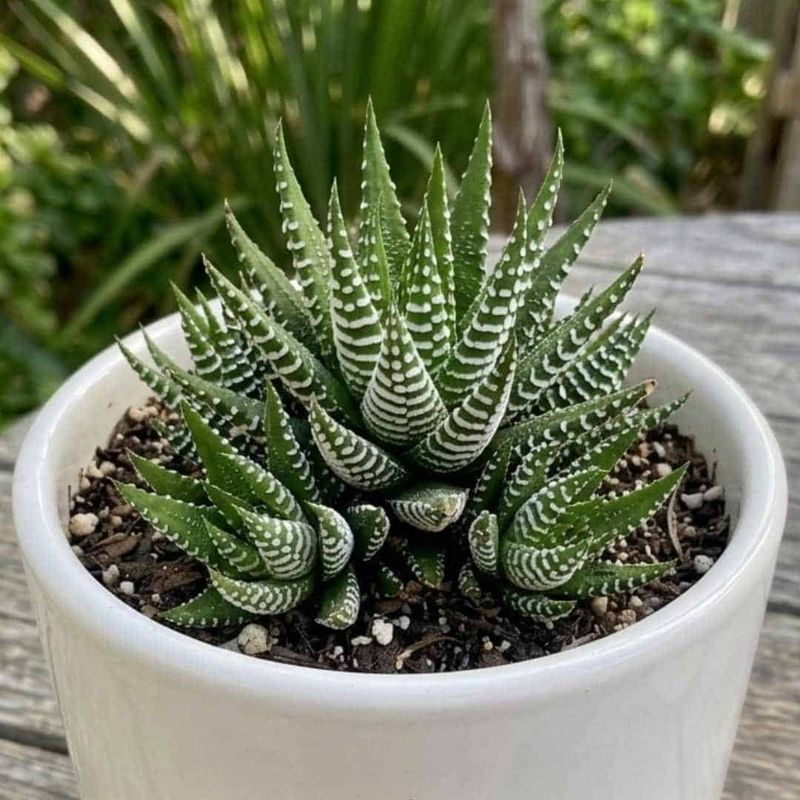
Some haworthia leaves have tiny translucent windows at their tips, letting sunlight reach deeper inside the chunky plant. The zebra haworthia, meanwhile, wears bumpy white stripes that look hand-painted on its dark green leaves.
Many of these compact South African succulents rarely grow taller than a few inches, so they fit tiny desks. Botanists recently moved the striped types into Haworthiopsis, though most nurseries still sell them as haworthia.
Their thick leaves stockpile water, so watering about once a month in winter usually keeps them content. Wait until the soil is bone dry, then soak it and let every extra drop drain away fully.
Interestingly, many haworthias grow most actively in spring and fall and slow down during the hottest summer weeks. I learned to ease off watering in July, which stopped the soft, rotting leaves I used to see.
Bright, indirect light works best, and a little gentle morning sun from an east window is welcome. Leaves turning reddish or bleached usually mean too much sun, so shift the pot a few feet back.
A shallow pot with gritty cactus mix suits their roots, and they look adorable grouped on a sunny windowsill. For Virginia plant lovers with curious pets, the ASPCA lists haworthia as nontoxic to cats and dogs.