9 Perennials That Triple In Size In One Season And Fill Texas Beds Fast
A shrub that freezes to the ground in winter can still stand taller than me by August. Gardeners across Texas watch this happen every year, and it still feels like a magic trick each time.
Rapid growth is common among heat-loving perennials that rest underground and burst back once the soil warms up. A few spread by underground roots, and a few simply shoot upward faster than most shrubs could manage.
I have to admit that I love a bed that looks finished before the Fourth of July arrives. You also get fewer weeds sneaking in, plus far more hummingbirds zipping past your porch in summer.
Honest sizes matter, though, because fast growth depends heavily on your soil and how much rain your yard receives. Here are the plants that earn a spot in a bed that needs filling quickly this year.
1. Pride Of Barbados
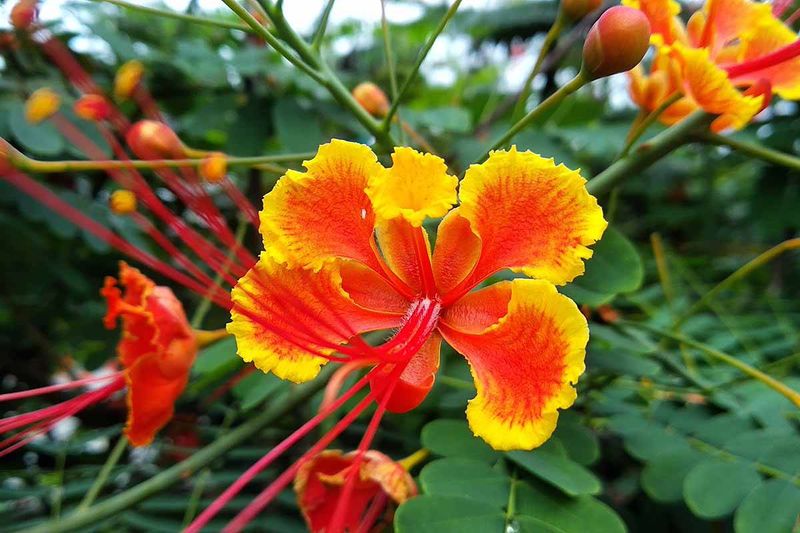
Few sights stop traffic like a Pride of Barbados flaming orange and red against a blistering August sky. Personally, I think its long red stamens look like tiny fireworks frozen in the middle of exploding.
Known botanically as Caesalpinia pulcherrima, this tropical shrub handles heat that sends many garden flowers into a sulk. It grows as a reliable perennial in zones 8 through 11, where roots survive most winter cold.
In cooler spots, frost often knocks the top back to the ground by December or January each year. Roots stay alive below, and warm spring soil wakes them up later than you might expect, sometimes in May.
Once growth starts, plants often reach four to six feet by late summer, which feels wildly fast. Give it full sun and well-drained soil, since soggy roots cause far more trouble than drought ever does.
Hummingbirds and large butterflies visit the blooms all summer and well into fall when nights start cooling. Feathery, fern-like leaves add a soft texture that balances the loud flower color beautifully in mixed beds.
One caution matters here, because the seeds and seed pods are poisonous if eaten by people or pets. Snip off the flat pods as they form if curious kids or dogs spend time near your plants.
Wait to prune frozen stems until new shoots appear, so you know exactly where living wood begins. Patience in spring pays off when this plant lights up your yard while everything else looks tired.
2. Turk’s Cap
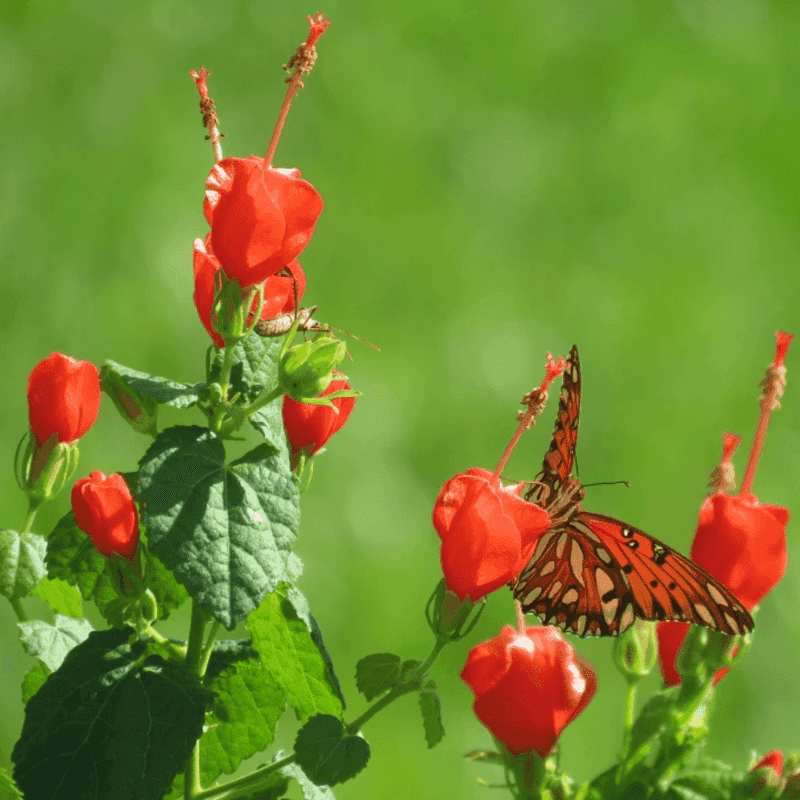
Hummingbirds treat Turk’s cap like a roadside snack bar, darting between the twisted red blooms all summer long. I love how the petals stay wrapped tight, like little swirled turbans that refuse to open fully.
This tough native, Malvaviscus arboreus var. drummondii, grows in zones 7 through 11 across much of Texas. Texas A&M AgriLife even named it a Superstar plant for its dependable performance in rough conditions.
Few flowering plants handle shade this well, and it blooms surprisingly well beneath large oak trees too. It also grows in full sun, although it may need extra water during long, scorching dry spells.
Freezes usually knock it back to the ground, and fresh stems rise quickly once spring warms up. By midsummer, a clump can stand three to five feet tall and spread just as wide.
Underground roots slowly widen the clump, and seedlings sometimes pop up a short distance from the parent plant.
Pull extra seedlings while they are small, or share them with a neighbor who wants easy color.
Small red fruits follow the flowers and taste mildly like apples, which earns it the nickname Mexican apple. Birds and small mammals happily eat the fruits, so do not expect many to linger on branches.
Cut old stems down to a few inches in late winter to keep the clump tidy and full. Personally, I can’t imagine a shady corner without one of these cheerful, nearly carefree native plants.
3. Hardy Hibiscus
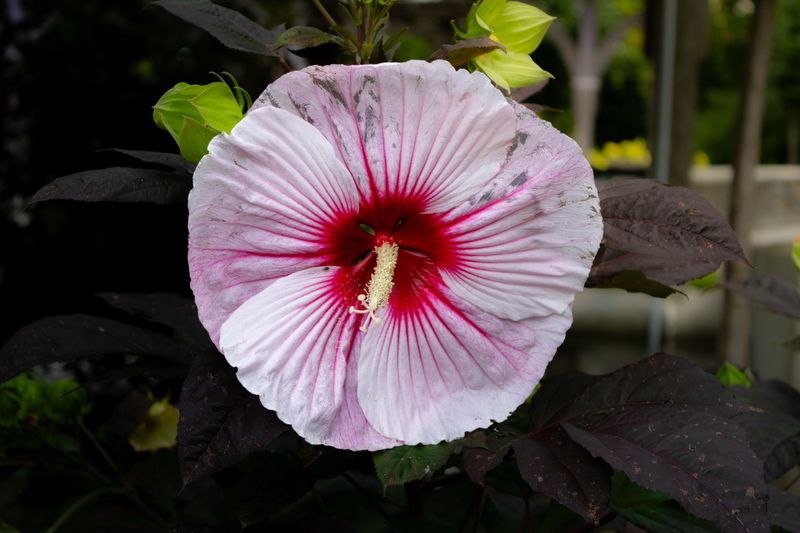
Flowers the size of dinner plates sound like a joke until you see a hardy hibiscus in July. You might notice neighbors slowing down on the sidewalk just to stare at those giant pink saucers.
Hibiscus moscheutos, often called rose mallow, grows wild in wet ditches and marshes across the eastern United States. It thrives in zones 5 through 9, so it handles cold snaps far better than tropical hibiscus.
Every winter the stems go dormant, and new shoots appear late in spring, often after other perennials wake. Mark the spot with a stake so you do not dig into it by mistake in April.
Once those shoots emerge, they race upward to three to six feet tall by midsummer in good conditions. Moist, rich soil makes the biggest difference, and occasional soggy spots rarely bother this water-loving plant.
Rain gardens and low areas near downspouts suit it beautifully, since constant moisture fuels its rapid growth.
In dry western regions, plan on deep weekly watering during summer heat to keep leaves from scorching.
Bees crawl deep inside the huge blooms, and each flower usually lasts only a single day before closing. New buds keep opening for weeks, so the show continues from midsummer into early fall in most gardens.
Watch for hibiscus sawfly larvae chewing leaves into lace, and hose them off or pick them by hand. Cut the woody stems to the ground in late winter, and fresh growth will follow without fuss.
4. Texas Lantana
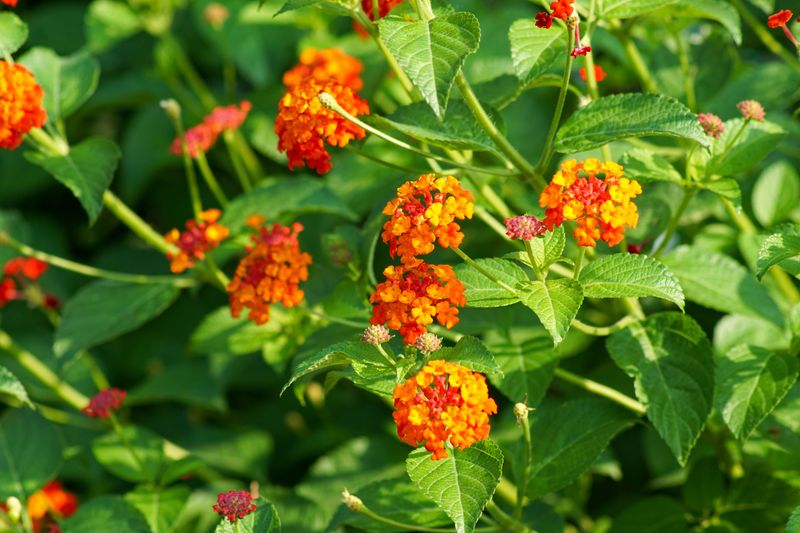
Butterflies seem to find Texas lantana within hours of planting, like they received a secret invitation in the mail. Each flower cluster shifts from yellow to orange as it ages, creating a cheerful two-tone effect.
Lantana urticoides is the native species, and it handles poor soil and brutal heat with almost no complaints. It grows reliably in zones 8 through 11 and returns from the roots after a winter freeze.
In one season, a small nursery pot can spread three to five feet wide in full sun. That speedy sprawl makes it a smart choice for hot slopes and patches beside baking concrete driveways.
Please choose the native species over Lantana camara, which escapes gardens and causes trouble in natural areas. Local native plant nurseries often label it clearly, so ask staff if the tag seems confusing.
The leaves and green berries are toxic to people and pets, so keep curious toddlers away from fruit. Rough, scented leaves also discourage deer, which makes this plant a favorite in rural Hill Country yards.
Water new plants weekly for the first summer, then let rainfall handle most of the work afterward. Too much fertilizer produces floppy leaves and fewer flowers, so go easy on the feeding schedule each year.
Trim frozen stems to six inches in late winter once the hardest freezes are behind you. I believe few native shrubs give this much color for so little effort through long summers.
5. Mexican Bush Sage
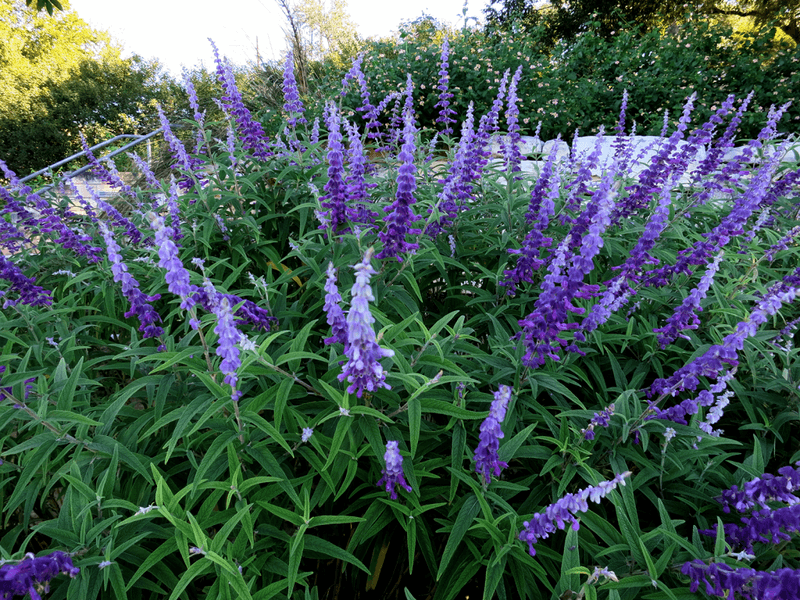
Velvety purple spikes that feel like soft fabric make Mexican bush sage one of the most touchable plants around. Kids love petting the fuzzy flowers, and honestly, I do too every time I walk past one.
Salvia leucantha comes from Mexico and Central America, and it grows as a perennial in zones 8 through 10. In colder northern areas, many gardeners treat it as an annual or mulch the crown heavily.
After a hard winter trim, the clump bounces back and often reaches three to four feet by fall. Give each plant plenty of room, since one small start can easily fill a four-foot circle.
Full sun and sharp drainage matter most, because heavy wet clay can rot the roots over winter. Raised beds or slopes help in areas with sticky soil, and a gravel mulch keeps crowns drier.
Flowers usually appear in late summer and continue until frost, just when migrating hummingbirds need extra fuel. Monarchs passing through in fall also stop for a sip, which feels like a lovely bonus.
Pinch stem tips once or twice in early summer to keep the plant shorter and less likely to flop. Stop pinching by midsummer so flower buds have time to form before the cooler weather arrives.
Deer mostly leave this fuzzy sage alone, which matters a lot in neighborhoods with hungry visitors. Cut stems back to a few inches after the last freeze, then enjoy watching fresh shoots appear.
6. Autumn Sage
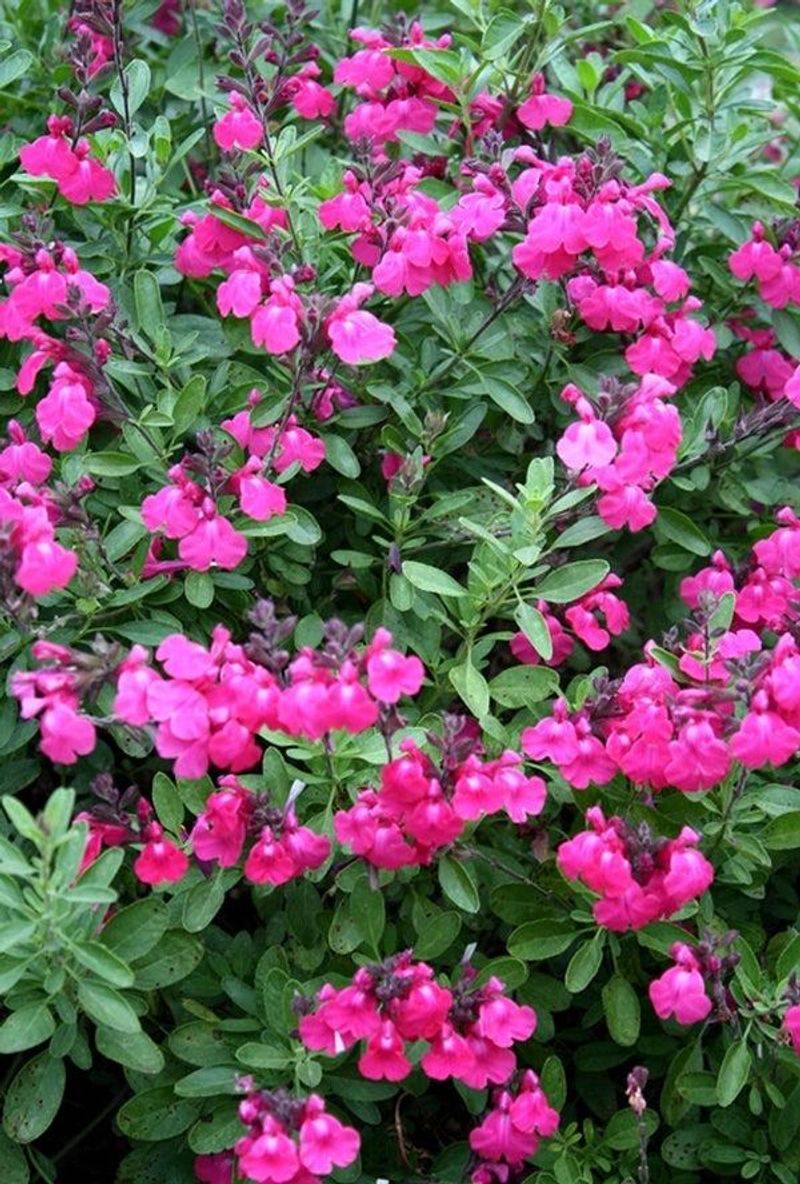
Brush past autumn sage on a warm afternoon, and a fruity, minty scent rises from the small leaves. I like how this little shrub keeps blooming in spurts from spring until the first hard frost.
Salvia greggii grows wild in rocky parts of west and central Texas and in northern Mexico. It is hardy in zones 7 through 9, though extra drainage helps it survive cold, wet winters.
Despite the name, flowers appear far beyond autumn, with heavy flushes in spring and again in fall. Colors range widely, and named varieties offer red, pink, coral, and white to match nearly any bed.
Young plants grow fast, often reaching two to three feet tall and wide within their first full season. That quick spread works nicely along walkways, where the tidy mounds soften hard edges and hot concrete.
Well-drained soil is the secret, since constantly wet roots lead to rot and sudden decline in summer. Rocky beds and sandy berms suit it best, and it even tolerates some salty conditions near the coast.
Shear the plant back by about one third in late winter to prevent woody, leggy stems. A light trim after each bloom flush encourages fresh buds and keeps the shape compact and neat.
Hummingbirds visit nearly every tubular flower, and bees cling to the lower lip while they gather nectar. You need at least one of these near a window, because the bird traffic is pure entertainment.
7. Yarrow
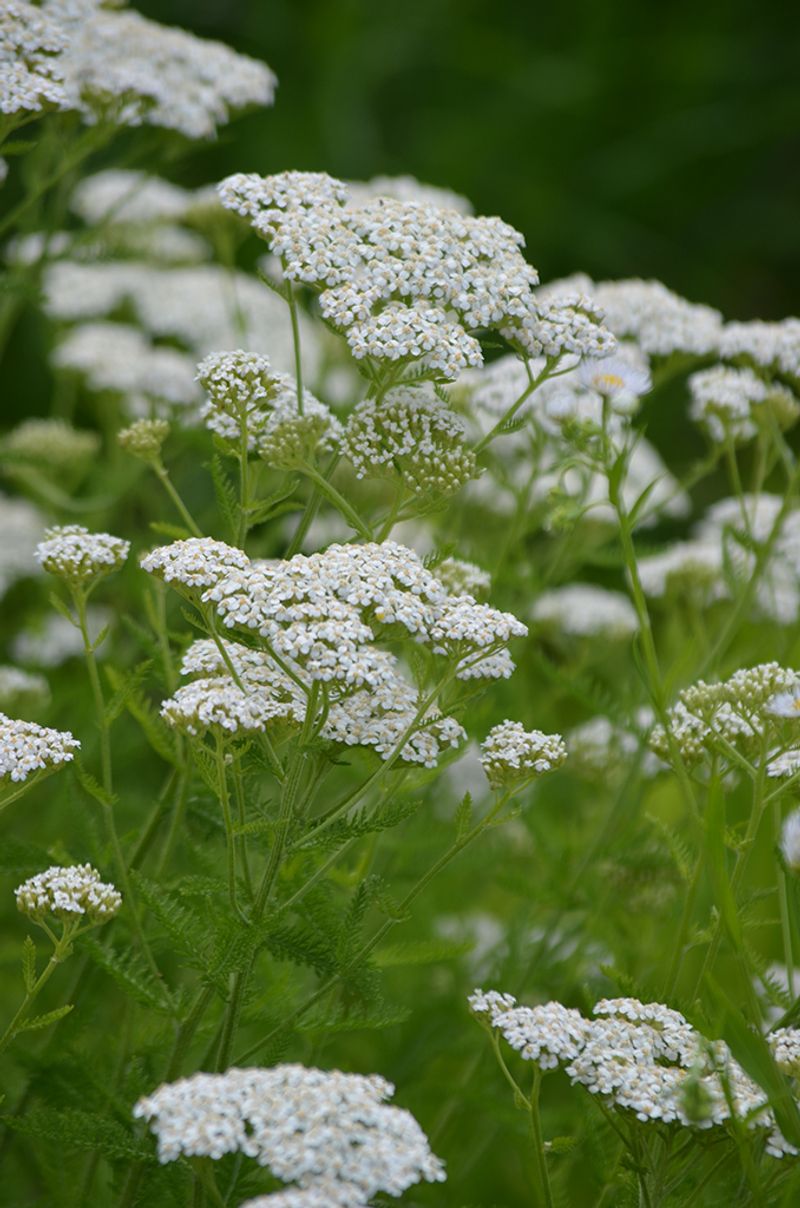
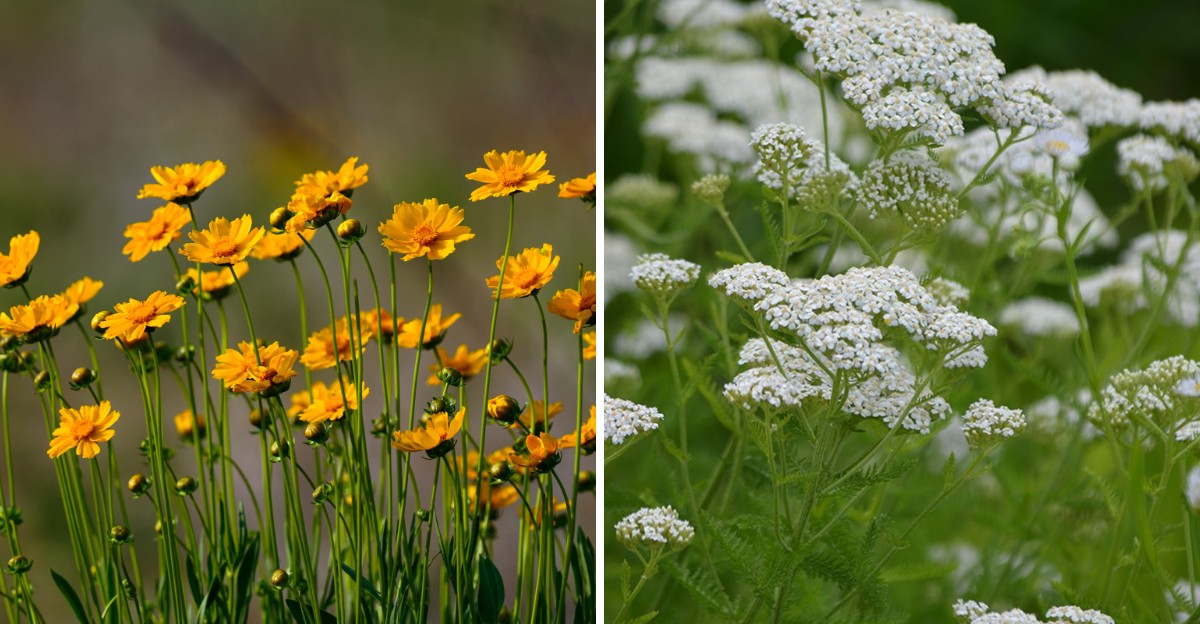
Rub a yarrow leaf between your fingers, and you get a sharp, herbal smell that lingers for minutes. Its feathery foliage looks almost like a green fern rug spreading quietly across the front of the bed.
Achillea millefolium grows in zones 3 through 9 and includes forms native to large parts of North America. Native white forms appear naturally along roadsides and prairie edges throughout many regions of the state.
Underground rhizomes push outward through the season, so a small clump can widen quickly in loose soil. Flower stems usually rise one to three feet, topped with flat clusters of tiny white blooms.
Lean, well-drained soil keeps it sturdy, while rich soil and heavy watering cause floppy, sprawling stems. Full sun works best, although a bit of afternoon shade helps in the hottest southern areas.
That spreading habit can become pushy, so plant it where smaller neighbors cannot be overrun too easily by its roots. Dig out extra pieces in early spring and replant them elsewhere, or share them with friends.
Ladybugs and tiny beneficial wasps visit the flat flower heads, which helps control aphids around your garden. Butterflies also land on the broad clusters, since they make an easy landing pad for small wings.
Cut faded flower stems to encourage a second round of blooms later in the summer season. Cut stems also dry beautifully, so hang a bundle upside down in a dark closet for winter bouquets.
8. Lanceleaf Coreopsis
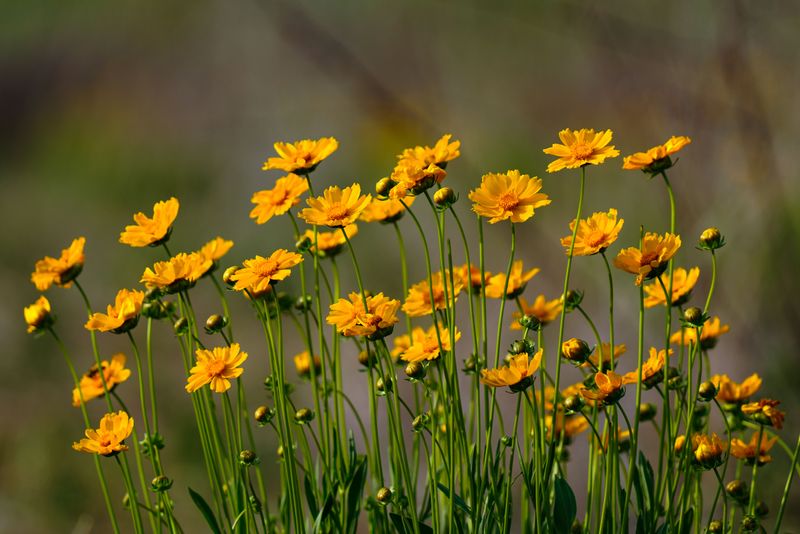
Golden coreopsis flowers bob in the breeze like hundreds of tiny suns waving at anyone walking by. Personally, I think a spring meadow without these cheerful yellow daisies feels like something is missing.
Lanceleaf coreopsis, Coreopsis lanceolata, is a native perennial found across much of the eastern and central United States. It grows in zones 4 through 9 and handles poor, sandy, or rocky soil with real enthusiasm.
Plants stay fairly compact, usually one to two feet tall, yet they multiply surprisingly fast through self-seeding. Leave some flower heads in place, and baby plants will pop up around the clump next spring.
Fast growth here means filling gaps, since a few starter plants quickly turn into a golden patch. Expect the fullest coverage in the second year, when seedlings join the original clumps in bloom.
Full sun and good drainage keep plants healthy, while soggy clay often shortens their life considerably. Water new plants regularly until roots settle in, then reduce watering as the weather warms up.
Bees and small butterflies visit constantly, and goldfinches pick at the seed heads once flowers fade. Deadheading by shearing the tops in early summer often triggers a fresh flush of flowers later.
Individual plants can be short-lived, so letting a few go to seed keeps the patch going for years. You’re in for a pleasant surprise when new clumps appear in spots you did not plant yourself.
9. Aromatic Aster
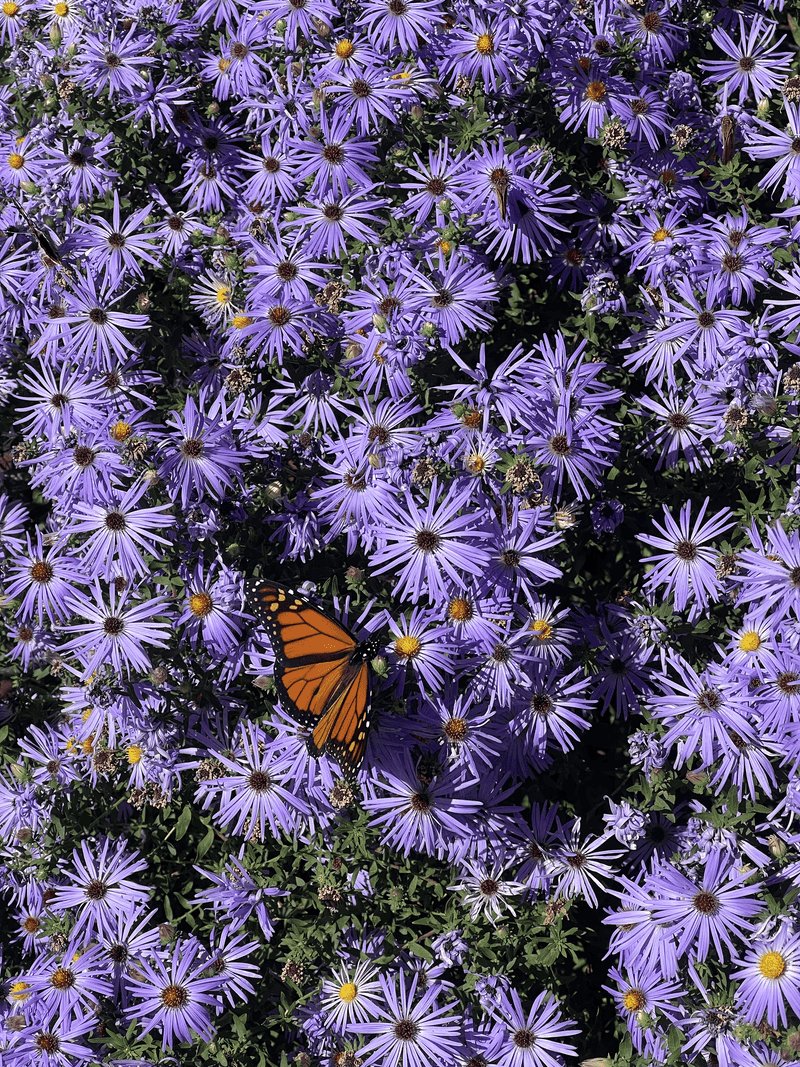
Just when summer gardens start looking tired, aromatic aster explodes into a cloud of violet blue flowers. I love how bees swarm these mounds on cool October mornings, buzzing louder than a small fan.
Symphyotrichum oblongifolium, often called aromatic aster or fall aster, is native to Texas and much of the Midwest. It handles cold winters easily, and it tolerates hot summers in sunny beds with decent drainage.
Underground rhizomes help the clump widen each year, and one plant can stretch three feet across quickly. Height usually stays between one and three feet, depending on water and how often you prune the stems.
Pinch or shear stems by half in late spring and again in early summer for denser mounds. Stop trimming by July, so plenty of flower buds can form before the fall season arrives.
Full sun brings the heaviest bloom, though light afternoon shade still produces a respectable show in hot areas.
Once established, it needs very little extra water and handles rocky, alkaline soil quite well in most yards.
Late flowers matter for monarchs and native bees, which need nectar while fueling up for winter. Crushed leaves release a pleasant scent, and deer usually browse other plants before bothering this aster.
Cut old stems back in late winter, leaving seed heads standing until then for birds to enjoy. Divide crowded clumps every few years in spring, and you will have extra plants to share.