8 Strong Scents That Draw Coyotes Into Florida Yards
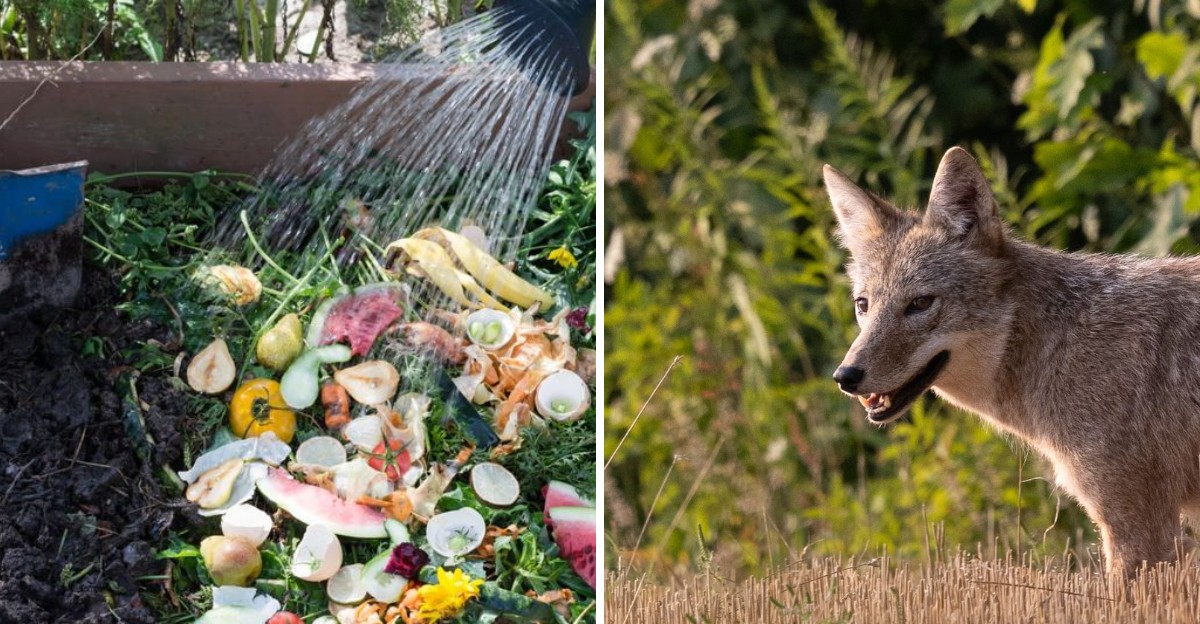
A wild dog that once roamed mostly western prairies now trots through suburban cul-de-sacs across Florida after dark. Biologists confirm these sly visitors have reached all 67 counties, from Panhandle pine woods to busy Miami-Dade suburbs.
Their noses work like powerful radar, picking up faint odors that drift far beyond our backyard fences. What surprises me most is how ordinary household smells can act like a dinner bell for them.
I have to admit I used to leave plenty of tempting clues around my garden without a second thought. You might notice a few of those same clues sitting in your yard right now, quietly sending invitations.
Some of these scents seem harmless, and a couple might honestly make you laugh out loud.
Could tonight’s four-legged visitor be following a scent trail you laid out yourself?
1. Smoky Grill Grease And Leftover Meat Scraps

Nothing announces a backyard feast quite like the smoky perfume of burgers drifting off a hot grill. Long after the party ends, that greasy aroma keeps hanging around the patio like an uninvited guest.
Coyotes have a sense of smell far sharper than ours, so a crusty grill grate reads like an open menu. Charred fat drippings in the catch pan can pull a hungry wanderer straight toward your deck.
Personally, I scrub my grill grates while they are still warm, because the gunk wipes away much easier then. A stiff wire brush and a quick scrape of the grease tray take only about five minutes.
Meat scraps and gnawed bones deserve special attention, since tossing them over the fence sends a loud invitation. Bag them tightly and store the bag in a sealed bin or freezer until trash pickup day.
Florida cookouts happen nearly year-round, which means our grills see far more action than those up north. That steady use also means grease builds up quickly if you skip regular cleaning sessions between meals.
I love keeping a grill cover handy, since it adds one more barrier between curious noses and lingering smells. Rolling the grill into a garage or shed overnight works even better if you have the space.
Wildlife officials remind residents that fed coyotes can lose their natural fear of people over time. Cleaning up after every barbecue is a simple habit that keeps your backyard far less interesting to them.
2. Overflowing Garbage Cans Left Out Overnight
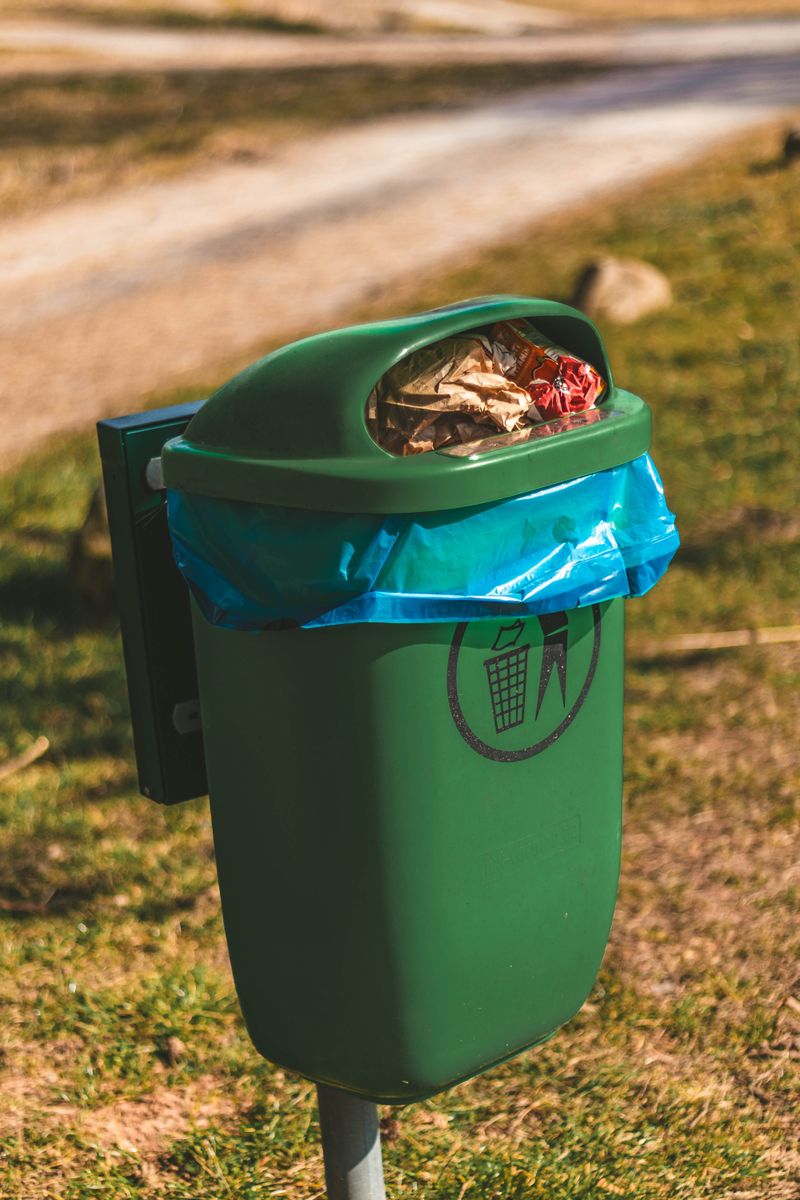
A single tipped trash can at sunrise, with soggy wrappers scattered across the lawn, tells a clear story. Something with a curious snout and clever paws spent part of the night sorting through your leftovers.
Garbage bins pack a powerful mix of odors, especially chicken bones, greasy pizza boxes, and spoiled produce together. Warm weather speeds up rotting, which makes those smells stronger and easier for wildlife to detect from far away.
I believe the biggest mistake people make is rolling the can to the curb the evening before pickup. Putting bins out on the morning of collection cuts down the hours that tempting smells sit unattended.
Lids matter more than most folks realize, and a loose or cracked lid offers almost no protection at all. Look for sturdy bins with tight latches, or add bungee cords to keep hungry animals from prying.
Rinsing your cans every few weeks with soapy water helps remove the sticky residue that clings to the bottom. A splash of diluted vinegar afterward can also knock down lingering odors without using harsh chemicals.
Storing bins inside a garage or a closed shed makes a real difference during long stretches between pickups. If that is not possible, tuck them against a wall where they are much harder to tip over.
You might also double-bag especially smelly scraps like fish skins or shrimp shells before tossing them out. That small extra step keeps your trash corner from becoming the most popular stop on the block.
3. Pet Food Bowls Sitting On The Back Porch
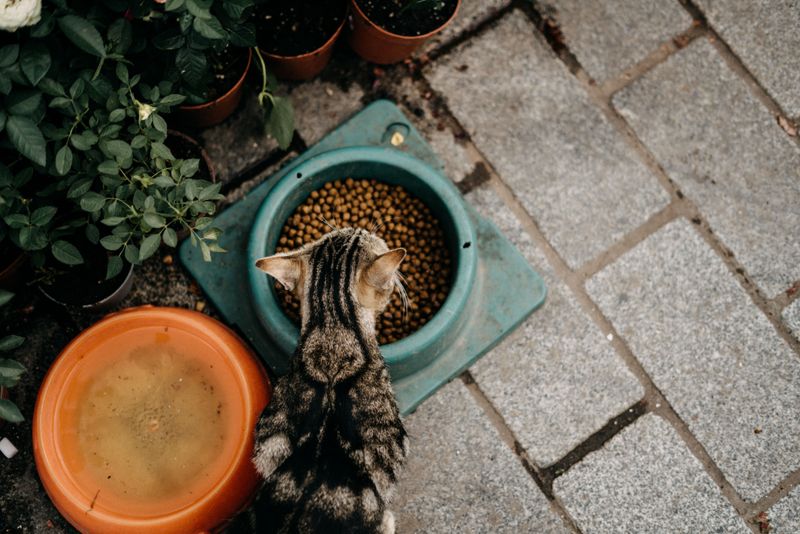
Cats and dogs may turn up their noses at yesterday’s kibble, but wild visitors happily treat it like a buffet. A bowl left on the porch overnight can quietly train a coyote to check your yard every single evening.
Pet food is packed with meaty proteins and fats, so its scent carries well on humid Florida nights. Wet food smells even stronger than dry kibble, especially after sitting in the warm air for a few hours.
State wildlife officials recommend feeding pets indoors whenever possible to cut down on unwanted backyard encounters. If your pets eat outside, pick up the bowls as soon as they finish rather than leaving them out.
Personally, I think feeding time works best as a short routine, with bowls coming inside after about twenty minutes. Pets usually adjust quickly once they learn that meals do not linger around for snacking later.
Water bowls deserve a quick thought too, since they can attract thirsty wildlife during dry stretches of weather. Bringing them in at night removes one more reason for a coyote to linger near your door.
Small pets need extra care, because coyotes may see cats and little dogs as possible prey. Keeping cats indoors and walking small dogs on a short leash, especially at dawn and dusk, lowers that risk.
Stored pet food can draw attention as well, so keep big bags inside sealed plastic or metal containers. A tidy feeding area protects your pets and sends wandering noses somewhere else for dinner.
4. Open Compost Piles With Kitchen Scraps
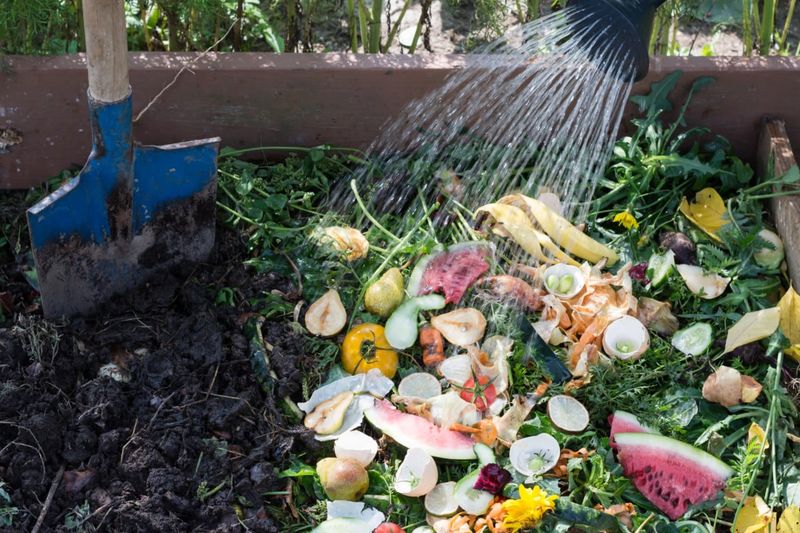
Compost piles are a gardener’s pride, turning banana peels and coffee grounds into crumbly black gold for flower beds. Unfortunately, that same earthy stew can smell like a snack bar to a wandering coyote at midnight.
Fruit rinds and veggie scraps give off sweet, fermenting odors as they break down in the summer heat. Those smells also attract rodents and insects, which add a second layer of temptation for a hunting predator.
The biggest rule is to keep meat and dairy products out of your backyard compost bin. Those items rot with a strong odor that carries far, and they are much more likely to invite digging.
I love using an enclosed tumbler or a bin with a snug lid instead of an open heap. Closed systems hold smells inside and make it much harder for curious paws to scatter your hard work.
Burying fresh scraps under a layer of dry leaves or shredded paper helps mask odors in an open pile. Aim for roughly two or three parts brown material for every part of green kitchen scraps.
Turning your pile regularly keeps air moving and helps it break down faster with fewer funky smells. A well-balanced pile should smell earthy, so a sour or rotten odor signals it needs more browns.
Placing the bin away from fences and thick shrubs also gives visitors fewer hiding spots while they investigate. With a few smart tweaks, you can keep making rich compost without hosting nighttime guests.
5. Fallen Citrus And Overripe Backyard Fruit
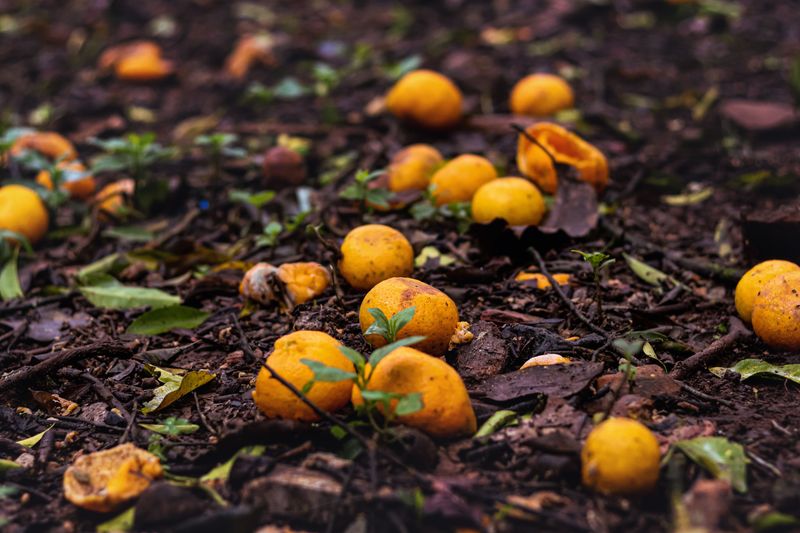
Few things smell sweeter than a backyard fruit tree dropping ripe, juicy treasures onto warm grass. To a coyote, that sticky, fermenting carpet is basically a free dessert table that restocks itself daily.
Coyotes are omnivores, and researchers have found fruit makes up a real part of their diet in many areas. Fallen citrus and soft berries are easy pickings that require no hunting effort from a hungry visitor.
Many Florida yards grow citrus or mangoes, which can drop dozens of fruits during a heavy season. Once those fruits split open on the ground, their sugary scent spreads quickly through the humid air.
Rotting fruit also brings in rats and insects, which gives coyotes a second reason to patrol your yard. You end up with a small food chain forming right under your favorite shade tree.
Personally, I walk under my fruit trees most mornings with a bucket during peak season, scooping up the drops. It takes just a few minutes and keeps the lawn tidy and much less smelly overall.
Harvesting fruit as soon as it ripens is even better, since fewer pieces reach the ground in the first place. Sharing extras with neighbors or a local food pantry turns a wildlife magnet into something genuinely helpful.
Spoiled fruit can go into a sealed compost bin, though very large amounts may be better bagged for trash. Keeping the ground clear under your trees is one of the easiest ways to make your yard less inviting.
6. Animal Remains Hidden In The Yard
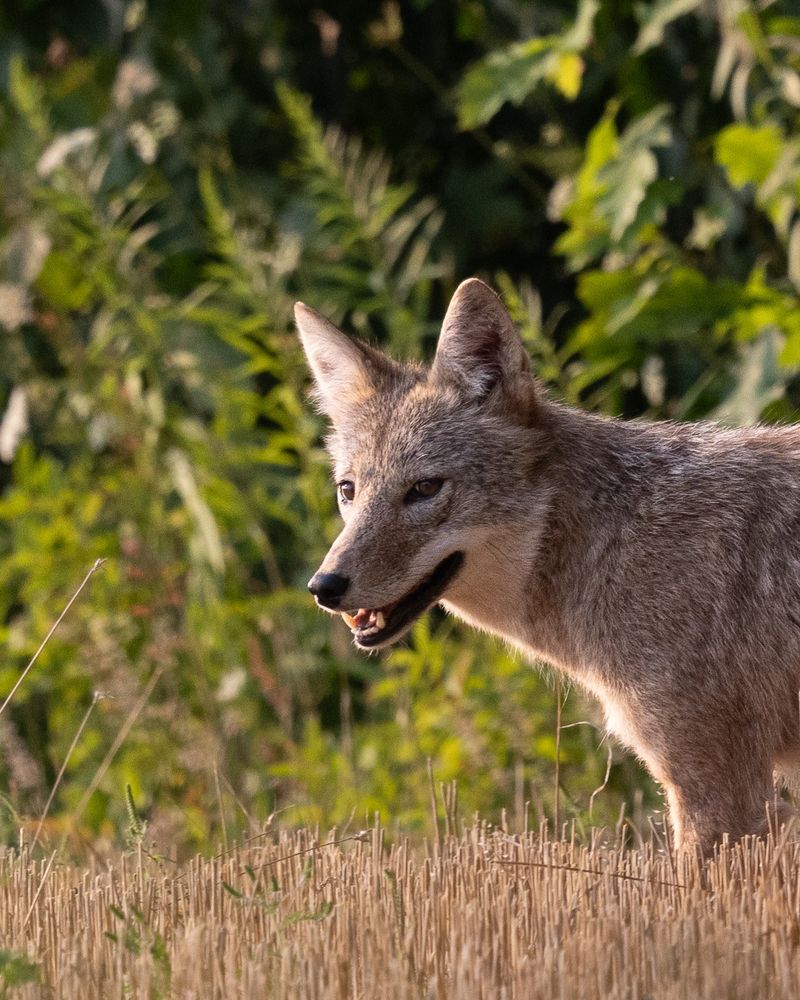
Sometimes the strongest smell in your yard is one you have not even discovered yet. A squirrel or rat that passed away under a deck can release odors that coyotes notice long before you do.
Coyotes are skilled scavengers, and decaying animals give off powerful gases that travel easily on the breeze. Even roadkill near your driveway can draw one closer to investigate your property during the quiet night hours.
You might notice a sudden swarm of flies or a sour, heavy odor near crawl spaces and woodpiles. Those clues usually point to something that needs removing before it starts attracting larger visitors.
Wear thick gloves and use a shovel to place small remains inside a double plastic bag. Seal it tightly and put it in a covered outdoor bin, or check your local rules for proper disposal options.
For larger animals or roadkill on public streets, call your city or county services for pickup help. Many local governments handle this task at no cost, and it saves you from a truly unpleasant job.
I believe sealing gaps under decks and sheds is the smartest long-term fix, since critters often crawl there seeking shelter. Hardware cloth buried a few inches deep along the base keeps small animals from tunneling underneath.
Fishing and hunting fans should also clean fish or game away from home, or bag scraps right away. Leftover parts tossed in the bushes create a scent trail that hungry noses follow with impressive accuracy.
7. Spilled Bird Seed Beneath Backyard Feeders
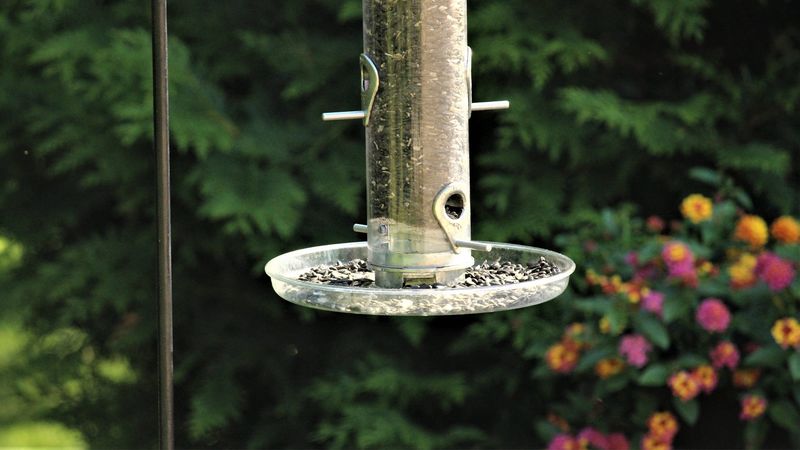
Bird feeders bring cardinals and blue jays right to the window, which is half the fun of gardening. The messy part happens below, where scattered seed piles up and starts sending signals to a whole different crowd.
Coyotes are not usually after the seed itself, though they may nibble some fallen sunflower kernels now and then. Their real interest is the rats and squirrels that gather nightly to feast on the spilled buffet.
I like how a simple seed tray mounted under the feeder catches most of the falling mess. Choosing no-waste blends with hulled seeds also means less debris piling up and rotting in damp grass.
Sweeping or raking beneath feeders every few days makes a noticeable difference, especially after heavy summer rains. Wet seed can mold quickly in Florida heat, creating a musty smell that draws even more small critters.
Bringing feeders inside at night is another trick, since rodents do most of their foraging after dark. Some gardeners also pause feeding for a couple of weeks if they notice regular coyote activity nearby.
Hang feeders away from dense shrubs where predators like to hide while watching for an easy meal. A clear open area around the feeder gives birds a better chance to spot trouble coming their way.
Native plants such as American beautyberry and firebush offer berries for birds with much less spilled seed. You still enjoy colorful visitors while giving rodents fewer reasons to throw a nightly party.
8. Dog Urine Marks Along The Fence Line
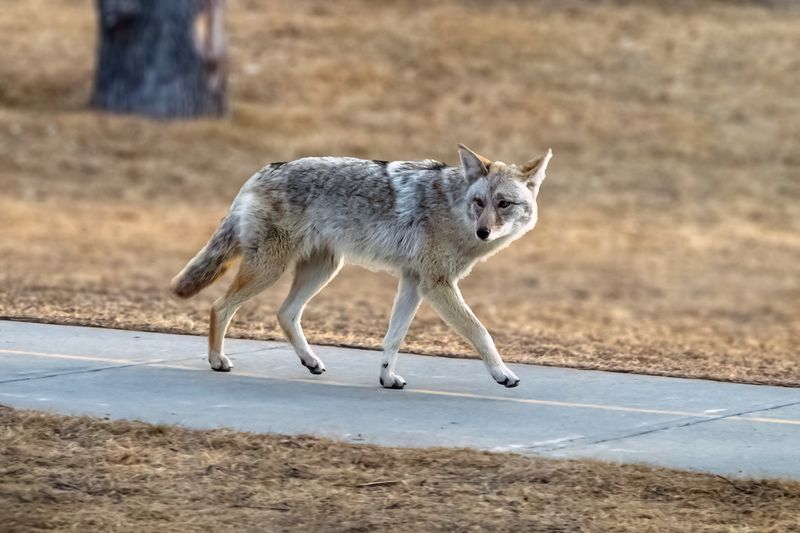
Your loyal dog might think marking every fence post is important work, and in the animal world it truly is. Those scent marks act like social media posts, sharing information with any canine passing nearby.
Coyotes are close relatives of dogs and communicate heavily through urine and droppings along their territory edges. Researchers believe fresh dog scent can catch their attention, though how strongly it draws them is not fully proven.
Some experts suggest coyotes may investigate dog markings out of territorial curiosity, especially during their winter breeding season. That uncertainty is worth respecting, so treat pet waste as one possible attractant rather than a guaranteed lure.
Picking up dog droppings daily is a smart habit regardless, since waste also attracts flies and can spread parasites. I keep a small lidded bucket and some bags by the back door to make cleanup easy.
Hosing down favorite pee spots on patios or fences helps dilute the strongest smells after a busy day. Litter from outdoor cat boxes should be bagged and sealed rather than dumped in the yard or garden beds.
Supervise dogs outside after dark, and stay close during dawn and dusk when coyotes are most active. A motion-activated light near your door can also help you spot visitors before letting pets out.
Hazing works well too, so wave your arms and make loud noises if a coyote lingers nearby. Teaching wildlife that your yard feels busy and unwelcoming is one of the best ways to keep them moving along.