Minnesota’s Tiny Venomous Mammal You’ve Probably Never Seen
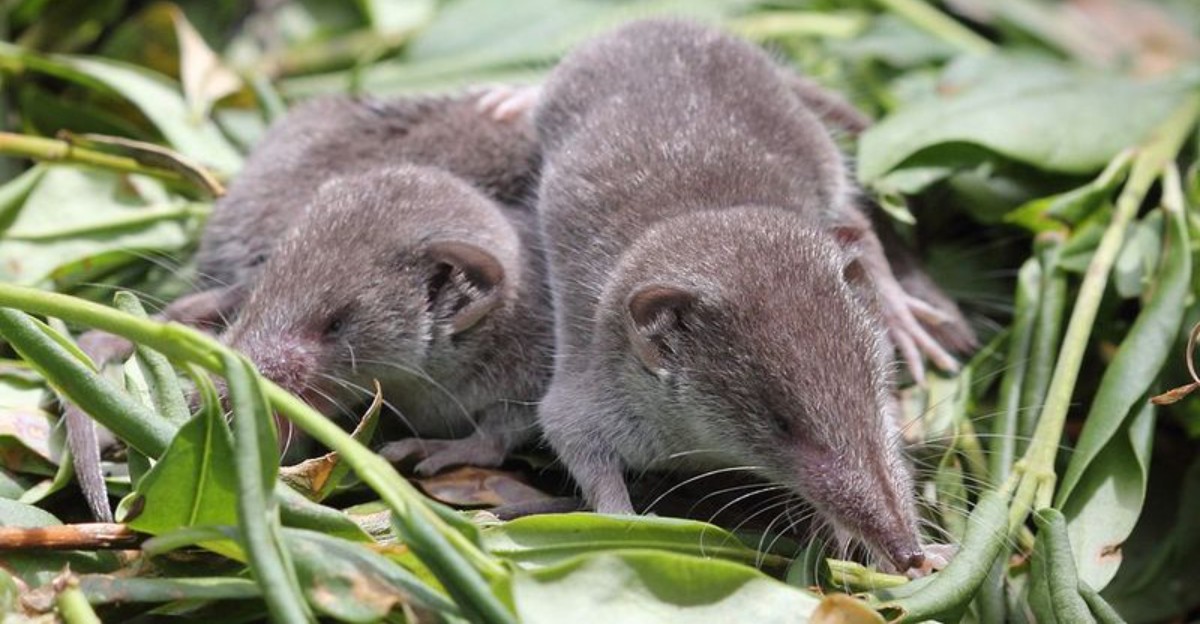
A furry animal smaller than a candy bar carries venom in its spit. It lives in Minnesota, and it might be tunneling under your tomato bed this very minute.
I learned this while turning a pile of old leaves in my Minnesota garden one fall afternoon. Something gray zipped past my glove faster than I could blink. My first guess was a mouse, and I was wrong.
The little critter has a pointed snout, tiny hidden eyes, and fur as soft as velvet. It hunts slugs, beetles, and grubs with a bite that can stun prey much bigger than itself. Scientists also say it uses squeaky clicks to find its way in the dark.
You could garden for twenty years and spot one only once or twice. Still, there are signs it leaves behind, if you know where to look. A tiny venomous hunter is already working your soil.
A Pointy-Nosed Gray Hunter Lives Under Your Garden Mulch
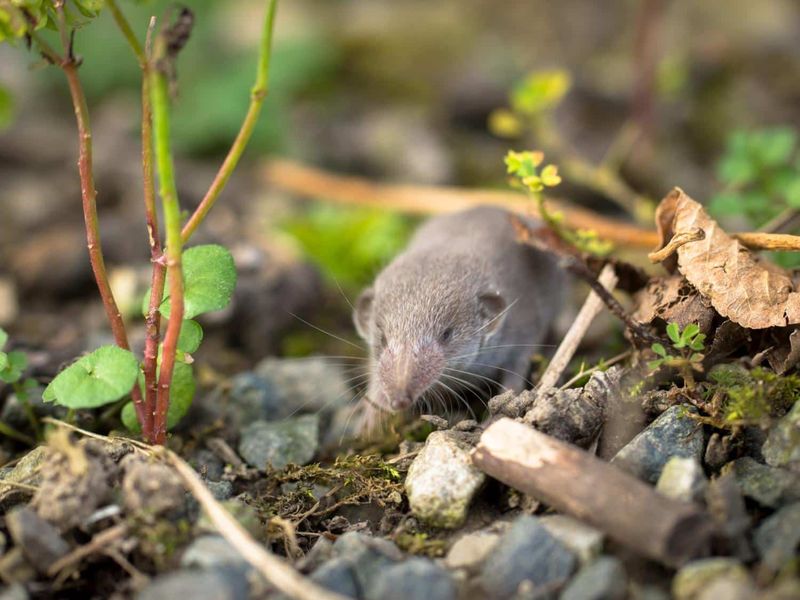
Meet your mystery neighbor by name: the northern short-tailed shrew, known to scientists as Blarina brevicauda. It is one of the very few mammals in the world that produces venom.
The Minnesota Department of Natural Resources lists it as a common resident across much of the state. It shows up in woods, wet meadows, brushy edges, and plenty of backyards.
Even so, most people go years without a good look at one. Why so sneaky? This shrew spends most of its life under leaves, mulch, logs, and snow.
It runs through shallow tunnels and the paths of other small animals. When it does pop out, it moves in quick, jerky bursts that look like a gray blur.
I find it funny that one of the most unusual animals in the region is also one of the plainest looking. No bright colors, no flashy tail, no loud calls you would notice.
Here is a handy clue for gardeners. If you lift a board or a flat stone in damp shade and see a small tunnel opening about the width of your finger, a shrew might be nearby. Put the cover back gently so its home stays cozy and moist.
That Shrew Bite Works Through Venomous Saliva, Not Fangs
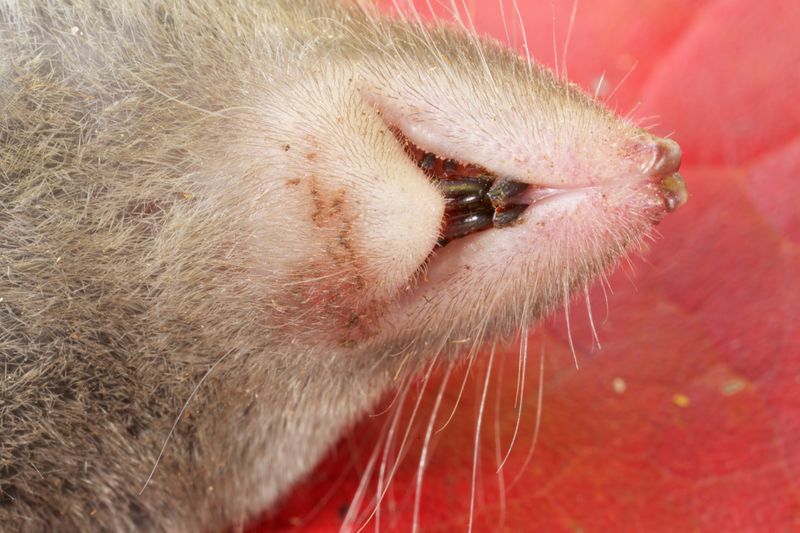
Forget the idea of hollow fangs like a rattlesnake has. The shrew’s secret weapon sits in glands under its lower jaw.
Those glands make saliva loaded with a nerve-affecting toxin. When the shrew bites, the venom flows along grooves near its front teeth and seeps into the wound. Researchers have studied this toxin for years because it is so unusual among mammals.
For a beetle, worm, or snail, the bite is a big deal. The venom can slow or freeze small prey, and scientists believe shrews sometimes store stunned insects to eat later. Think of it as a tiny pantry that stays fresh.
Shrews also tackle animals close to their own size, like young mice or voles. That takes guts for a creature weighing less than an ounce.
So should you worry? For people, the answer is mostly no. The amount of venom is tiny, and the teeth are small.
Experts report that a bite on a human usually causes local pain, swelling, or burning that fades within a few days.
The key takeaway is simple. Respect the bite, but there is no reason to panic if you see one darting through the garden.
Handling a Wild Shrew Is a Mistake You Will Feel
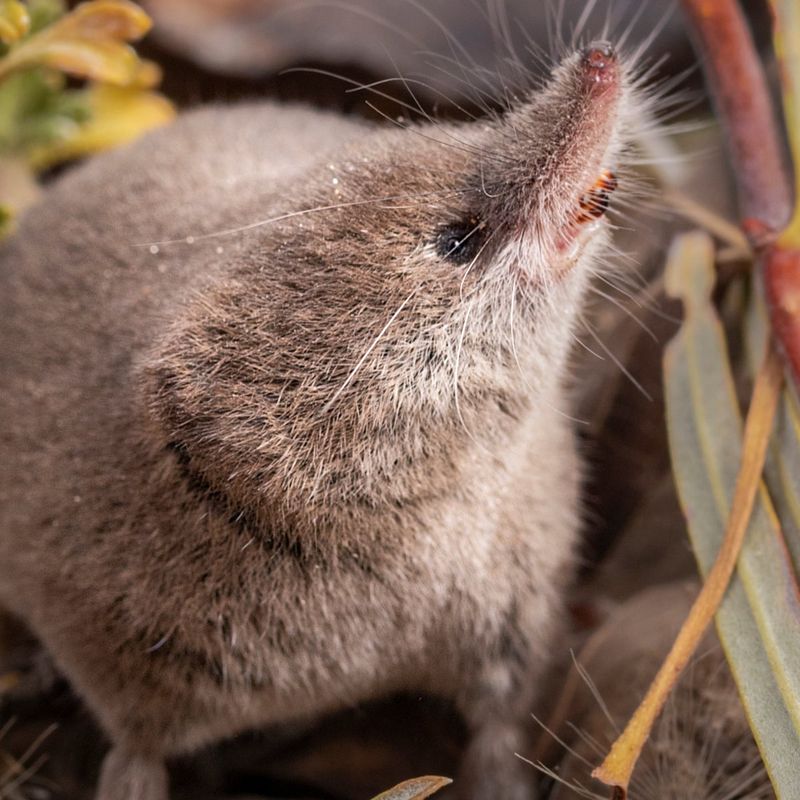
Here is my honest advice: keep your bare hands away from any shrew. Keep your bare hands away from any shrew, no matter how cute or sluggish it seems.
Shrews are shy, but they get feisty when trapped or grabbed. People who have been bitten often describe a burning pain that spreads around the spot, plus swelling that can last several days. Some compare it to a strong bee sting.
Cats bring shrews indoors more often than you might guess. If that happens, use thick gloves or slide a container over the animal and a piece of cardboard underneath. Carry it outside to a shady, leafy spot and let it go.
Should a bite happen anyway, wash the area well with soap and water. Watch for redness or swelling that gets worse.
Health experts recommend calling a doctor for any wild animal bite, since infection is a bigger risk than the venom itself.
Shrews have one more defense too. Glands on their sides release a strong musky smell when they feel threatened.
That odor is why many cats catch shrews and then leave them alone. A little caution keeps both you and your garden helper safe.
Five Toes and Tiny Eyes Set This Shrew Apart From Mice
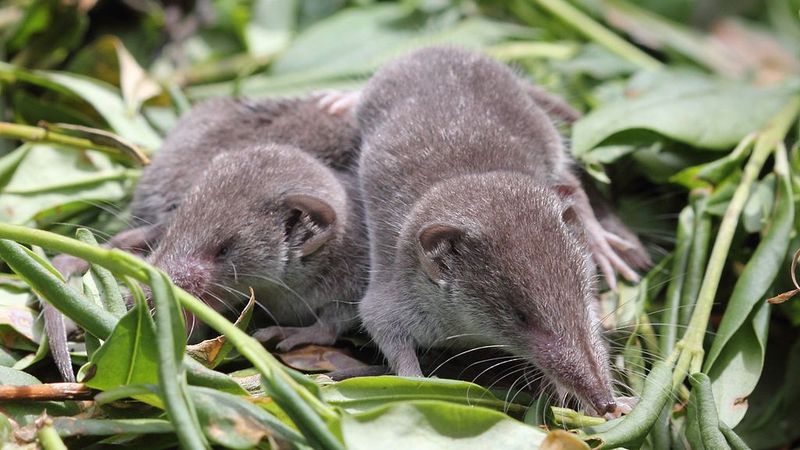
Mice and shrews get mixed up all the time. Once you know a few clues, though, telling them apart gets much easier.
Start with the face. A shrew has a long, pointed, twitchy snout and eyes so small they look like pinheads.
Its ears hide almost completely in its fur. A mouse has big round eyes, larger visible ears, and a shorter nose.
Next, look at the tail. The northern short-tailed shrew lives up to its name with a stubby tail, usually about an inch long. Most mice carry long tails nearly as long as their bodies.
The fur tells a story too. This shrew wears thick, slate-gray fur that feels like velvet and lies smooth in any direction. That helps it slip through tunnels both ways.
Size is another hint. It is one of the largest shrews in Minnesota, measuring about four to five inches including the tail.
Shrews are not rodents at all. They belong to a different group of mammals more closely related to moles.
And unlike mice, they have five toes on every foot. Snap a quick photo next time and compare.
Slugs and Grubs Are on This Little Predator’s Daily Menu
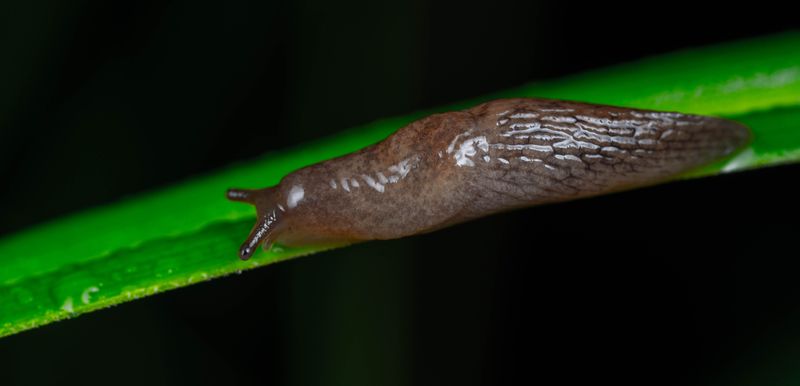
Hungry does not begin to describe it. A short-tailed shrew burns energy so fast that it eats roughly its own body weight in food or more each day.
That nonstop appetite works in a gardener’s favor. Shrews munch on slugs, snails, beetle grubs, caterpillars, cutworms, and many other insects. They also eat earthworms, spiders, and centipedes, so not every meal is a pest.
I started noticing fewer slug-chewed hostas in one shady corner after leaving a thick layer of leaves there. Was it the shrews? I cannot prove it, but their diet makes it a fair guess.
They also go after small mice and young voles. Studies show voles are among their larger prey, which may help a bit with critters that nibble roots and bark.
Shrews can also eat some seeds and fungi when bugs get scarce. In winter, they lean more on stored food and whatever insects they find in the soil.
Because they eat around the clock, they hunt day and night in short bursts. A shrew that goes several hours without food can get into trouble quickly. That is a lot of patrol shifts for one small garden worker.
Squeaky Clicks Help Shrews Find Their Way Through Dark Tunnels
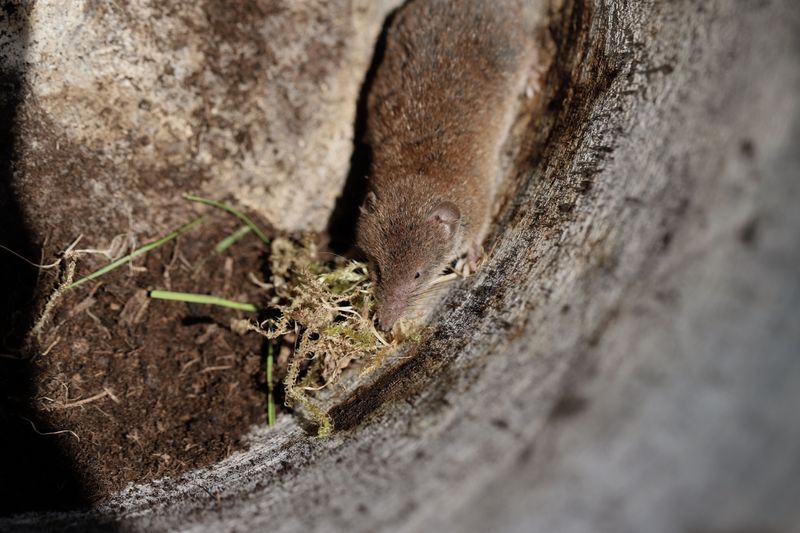
Bats get all the fame for echolocation. Yet scientists have found that short-tailed shrews use a simple version of this trick too.
They give off high, rapid clicks and squeaks, many too high for most people to hear. The echoes bouncing back seem to help them sense tunnels, holes, and objects nearby. Researchers think it works mainly for getting around, not for pinpointing prey.
That makes sense when you consider those tiny eyes. In a dark tunnel or under snow, sight does not help much.
For actual hunting, shrews lean on touch and smell. Their long whiskers and wiggly snouts sweep the ground constantly. They can sniff out a buried grub before you would ever spot it.
On quiet evenings, you might hear faint, high twittering coming from leaf piles or a brushy edge. Kids and younger adults often catch these sounds more easily than older ears can.
Fun fact for your next garden chat. Shrews may also use sounds to communicate with each other, especially during tense meetings. Two shrews crossing paths can get very chatty and grumpy. Next time you rake in the dusk, pause and listen closely.
Snowy Minnesota Winters Will Not Stop These Busy Burrowers
Shrews do not hibernate. While your garden sleeps under snow, they keep hunting all winter long.
Their secret is the space between the ground and the snowpack. Scientists call it the subnivean zone. Snow acts like a blanket, keeping temperatures there far milder than the frosty air above.
Inside that hidden world, shrews run tunnels, raid insect hideouts, and dig up sleeping grubs. They also build cozy nests of grass and leaves under logs or roots.
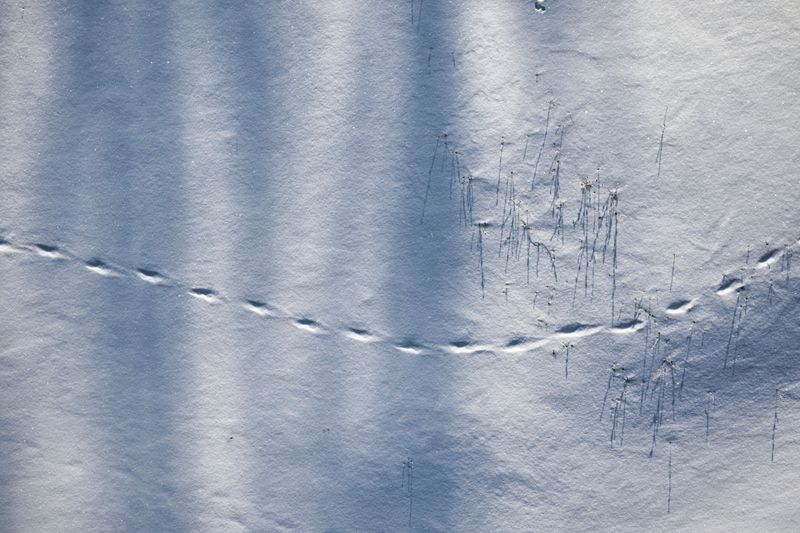
Here is a cool trick for winter walks. After a fresh snow, look for tiny tracks or small holes near shrubs, fences, and woodpiles. Little trails that start and end at a hole often belong to shrews, voles, or mice.
Spring melt can reveal more clues. You may find shallow, winding paths pressed into the grass where tunnels once ran. Many of these belong to voles, so look for other signs before you decide.
Shrews also have short lives, often around one to two years in the wild. That fast pace means they breed in warmer months, raising several litters. In a good year, your yard could host a few generations.
Leaf Piles and Native Ground Cover Welcome Your Venomous Helper
Ready to roll out the welcome mat? Good shrew habitat looks a lot like a slightly messy, well-loved garden.
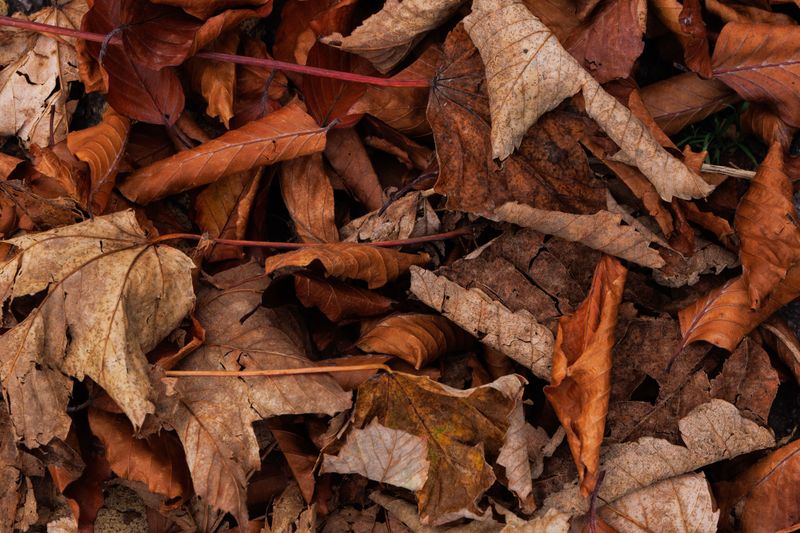
Start by keeping some leaves on the ground in fall. A layer in shady beds or under shrubs gives shrews cover and attracts the bugs they eat. Your soil will thank you too.
Native ground covers help as well. Wild ginger, wild strawberry, and Pennsylvania sedge are good choices for many Minnesota yards. A log or a flat stone tucked in the shade adds a cool, moist hideout.
Go easy on pesticides and slug baits. Those products can reduce the insects shrews depend on and may harm the shrews themselves. Hand-picking slugs works nicely alongside your new helpers.
Keep cats indoors when you can. Outdoor cats catch many small mammals, even if they skip eating shrews.
One fair warning. Shrews sometimes wander into garages or basements, especially in fall. Sealing gaps around doors and foundations keeps them outdoors where they belong.
You may still rarely see your venomous neighbor. Knowing it is quietly working the soil feels like a small gift, though. Leave a leafy corner and let the hunt carry on.