10 Perennials Virginia Gardeners Can Divide and Replant in November
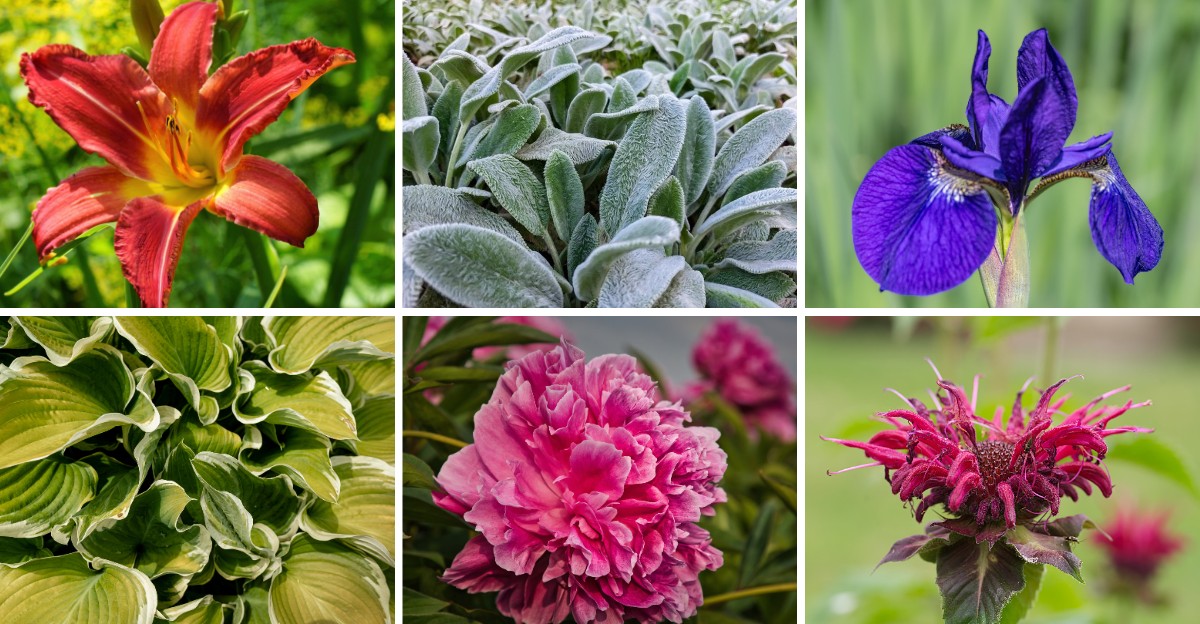
Roots keep growing in cool autumn soil long after the leaves above them have slumped and turned brown. Soil temperatures often lag behind the air, so the ground stays workable well into late autumn.
Across much of Virginia, the first hard freeze usually arrives somewhere between late October and early December. That gap gives patient gardeners a quiet bonus window for one of the thriftiest chores in the yard.
I love how one shovel and an hour outdoors can turn a single crowded clump into several healthy plants. You get free plants for new beds, plus a good excuse to linger outside in the crisp air.
Personally, I think late autumn work in the beds pays off more than anything I do in spring. Which tough garden favorites are ready for a split, and which ones should you leave alone until warmer days?
1. Hosta
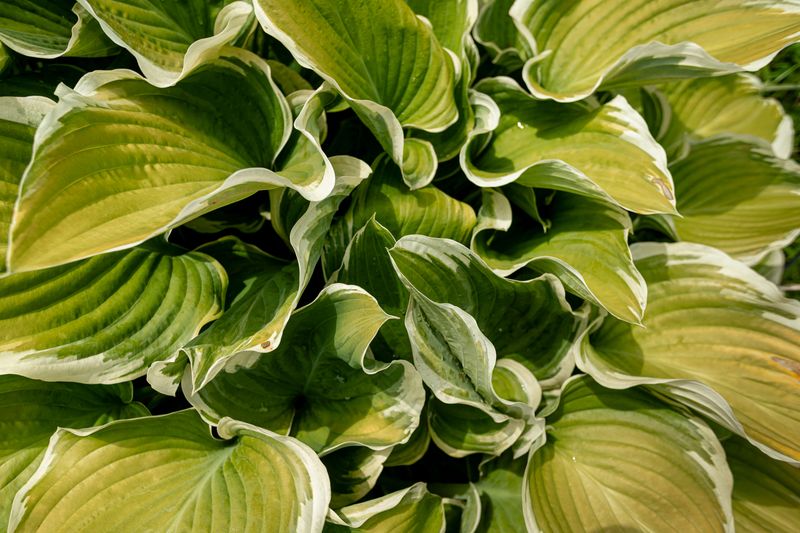
Hostas shrug off a shovel blade better than almost any plant in the shade garden, and I find that oddly comforting. Those tough crowns can be sliced like a pie, and each wedge usually grows into a full plant.
Early November works best for hostas while the soil still feels slightly warm under your fingers. In colder mountain areas, finish sooner so the roots settle before the ground starts freezing hard.
Start by cutting the floppy, yellowed leaves down to a few inches so you can see the crown clearly. Then dig a wide circle around the clump and lift it out with as much root as possible.
A sharp spade or old bread knife cuts through the dense crown faster than tugging ever will. Aim for divisions with at least two or three growing buds, called eyes, plus a healthy chunk of roots.
Replant each piece at the same depth it grew before, since burying the crown deeper can invite rot. Water deeply after planting, then spread a light layer of shredded leaves or bark mulch around it.
Hostas prefer rich, moist soil with plenty of organic matter, especially when they compete with nearby tree roots. Mixing a little compost into each planting hole helps the young divisions bounce back next spring.
You might notice older clumps with an empty center or smaller leaves than they once produced. Dividing fixes that tired look, and you will have extra plants to share with friends or tuck under shrubs.
2. Daylily
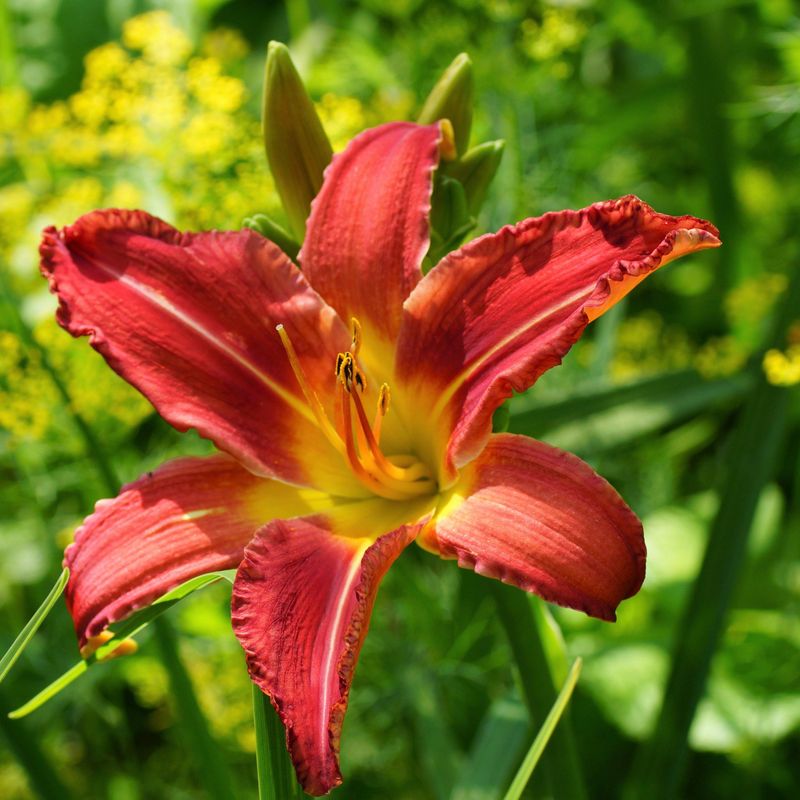
Daylilies earned the nickname perfect perennial because they bounce back from nearly any rough handling a gardener dishes out. Each bloom lasts only one day, yet a healthy clump keeps sending up fresh buds for weeks.
Crowded clumps often produce fewer flowers, which tells you it is time to grab a sturdy garden fork. Most growers suggest dividing every three to five years to keep the summer show strong and steady.
Before digging, trim the long grassy leaves back to about six inches so the plant is easier to handle. Then loosen the soil around the whole clump and pry it up gently from underneath with care.
I like to hose off the roots so I can see where the natural fans separate from each other. Many clumps pull apart by hand, though older ones may need two garden forks pushed back to back.
Keep at least two or three fans of leaves with each division for faster flowering next summer. Smaller single fans still grow, but they may take an extra season before producing a decent show.
Set each piece on a small mound of soil in the hole and spread the roots over it. Keep the crown about an inch below the surface, then water well and add mulch after the soil cools.
Daylilies bloom best in full sun, but they handle light shade with somewhat fewer flowers each summer. Avoid the orange ditch lily, Hemerocallis fulva, which spreads aggressively and is considered invasive in many areas.
3. Siberian Iris
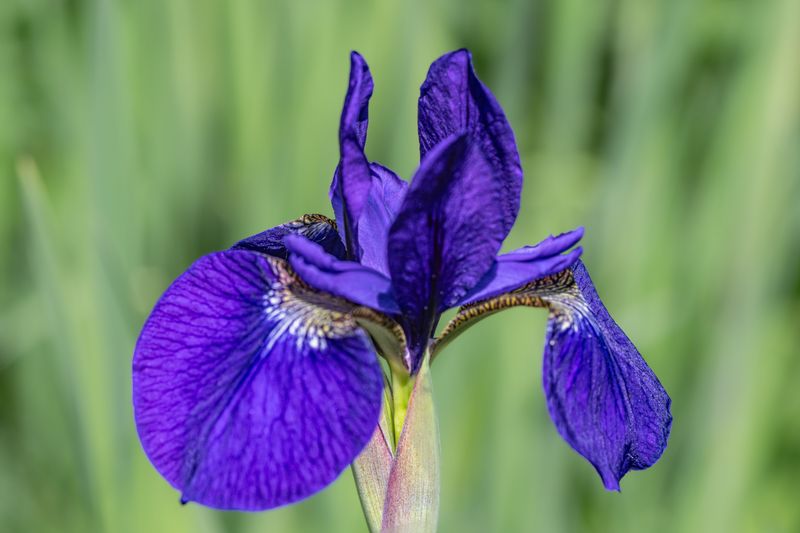
Siberian iris looks delicate in bloom, yet its roots form a mat so tough you may need a saw. That stubborn root mass is exactly why this plant welcomes a fresh start every few years.
When a clump develops a hollow ring with no leaves in the middle, division is clearly overdue. Fall division works well here, though you should finish early in the month so new roots can anchor.
Cut the foliage back to about six inches first, which makes the individual fans much easier to see. Then dig deeply around the clump, because those fibrous roots spread wider than you might expect.
I have to admit this one tests my patience, so I reach for a sharp spade or pruning saw. Each division should hold several fans of leaves, since tiny pieces often sulk before blooming again.
Unlike bearded iris, Siberian iris grows fibrous roots rather than thick rhizomes sitting on the soil surface. Plant divisions about one to two inches deep, then firm the soil gently and water thoroughly.
This iris enjoys full sun to light shade and soil that stays evenly moist without turning soggy. Keep the new plants watered during dry spells this fall, because young roots can dry out quickly.
Siberian iris flowers in late spring with blue, purple, white, or yellow blooms on tall slender stems. Its narrow leaves stay attractive all summer, which makes it a handsome partner for daylilies and hostas.
4. Peony
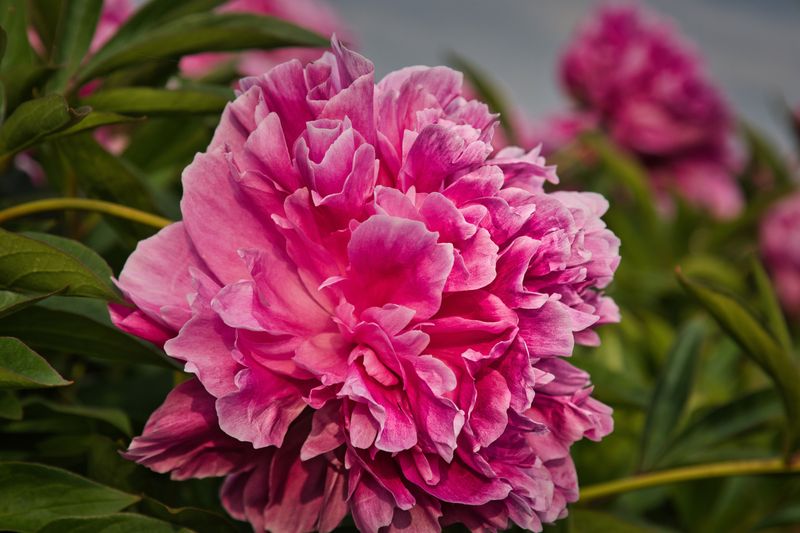
Herbaceous peonies can bloom in the same garden spot for fifty years or more, which makes moving them a big decision. They resent frequent disturbance, so divide only when flowering drops off or the plant needs a new home.
Fall is the recommended season for dividing peonies, and early November still works in the warmer parts of the state. Gardeners in cooler mountain counties should aim for September or October instead for better rooting.
Cut the stems to the ground, then dig a wide circle and lift the heavy root clump carefully. Rinse away the soil so you can spot the pink or red buds, often called eyes, near the top.
Each division should carry three to five eyes and a solid portion of the thick storage roots. Smaller pieces may survive, but they often take several years before producing any flowers worth cutting.
Planting depth matters more with peonies than with almost any other perennial in the sunny border. Set the eyes no more than two inches below the soil surface, or the plant may refuse to bloom.
Choose a sunny spot with well-drained soil and good air flow to reduce fungal problems like botrytis blight. Water the new divisions well once, then let steady autumn rain handle most of the work afterward.
You need to stay patient, because newly divided peonies often skip blooming for a year or two. Personally, I think the wait feels worth it when those big fragrant flowers finally return in late spring.
5. Garden Phlox
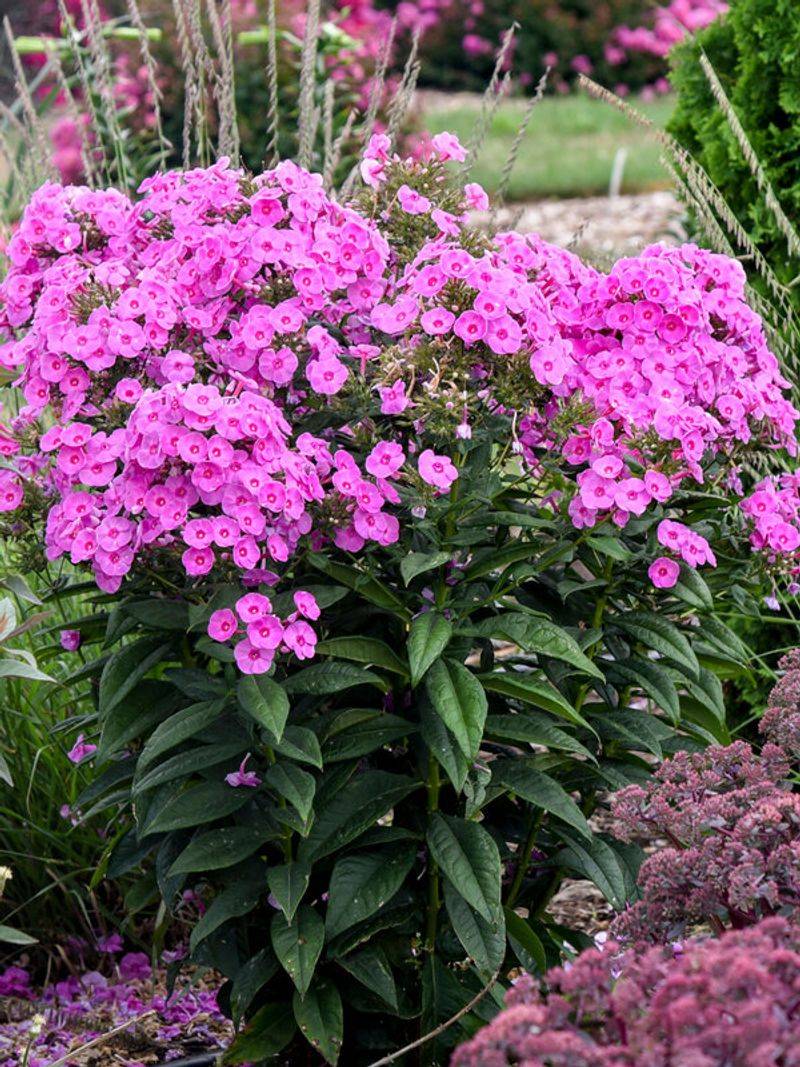
Garden phlox fills summer evenings with a sweet scent that drifts surprisingly far on still, humid nights. Butterflies and hummingbird moths visit those tall flower heads often, which makes the plant a backyard favorite.
After three or four years, clumps often thin out in the center and send up weaker stems. Dividing in fall refreshes the plant and opens space between stems for better air movement next summer.
Air flow matters because garden phlox is famous for powdery mildew, a gray coating on the leaves. Thinner clumps dry faster after rain, though choosing resistant types like David helps even more.
Cut the old stems down to a few inches, then lift the whole clump with a sturdy fork. Pull or slice it into pieces with several shoots each, tossing the woody center into the compost pile.
Replant divisions at their original depth, spacing them about eighteen to twenty-four inches apart in the bed. That generous spacing may look sparse at first, but the plants fill in quickly by midsummer.
Phlox paniculata is a native wildflower of eastern North America, and it grows wild in parts of Virginia. It grows best in full sun with rich soil that stays moist, so add compost to each hole.
Water well after planting and add a layer of mulch once the ground cools down for winter. I can’t imagine a summer border without these fragrant giants, so extra divisions rarely go to waste.
6. Orange Coneflower
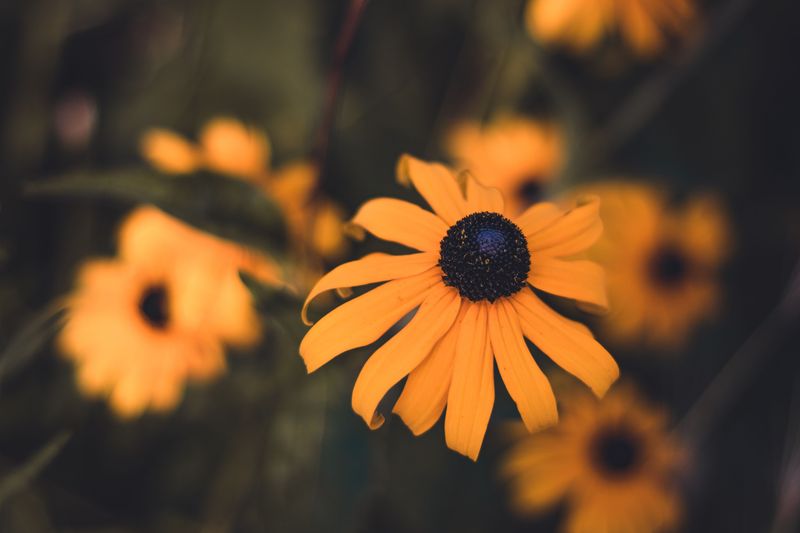
Orange coneflower spreads by short underground stems, so one plant slowly becomes a golden patch without any help. That steady creeping makes it one of the simplest native perennials to divide and share.
Don’t confuse it with the common black-eyed Susan, Rudbeckia hirta, which often lives only a year or two. Rudbeckia fulgida is the long-lived perennial cousin, and it handles division like a champ.
The cheerful yellow daisies with dark centers bloom from midsummer into early fall, feeding bees and butterflies. Goldfinches also pick at the seed heads, so I leave a few standing on undivided plants.
Lift the clump with a spade, then pull apart the rooted sections growing along the outer edges. Young outer pieces usually grow faster than the crowded middle, which can be tossed into the compost.
Replant divisions about eighteen inches apart in full sun, matching the depth they grew at before. The plants tolerate average soil well and even handle clay better than many showy summer perennials.
Water after planting and again once a week if autumn turns dry, since new roots still need moisture. A thin layer of shredded leaves helps hold that moisture and protects the crowns from freeze cycles.
Popular cultivars like Goldsturm behave the same way and divide just as easily as the wild native form. You might notice your patch needs splitting every three or four years to stay vigorous and full.
7. Astilbe
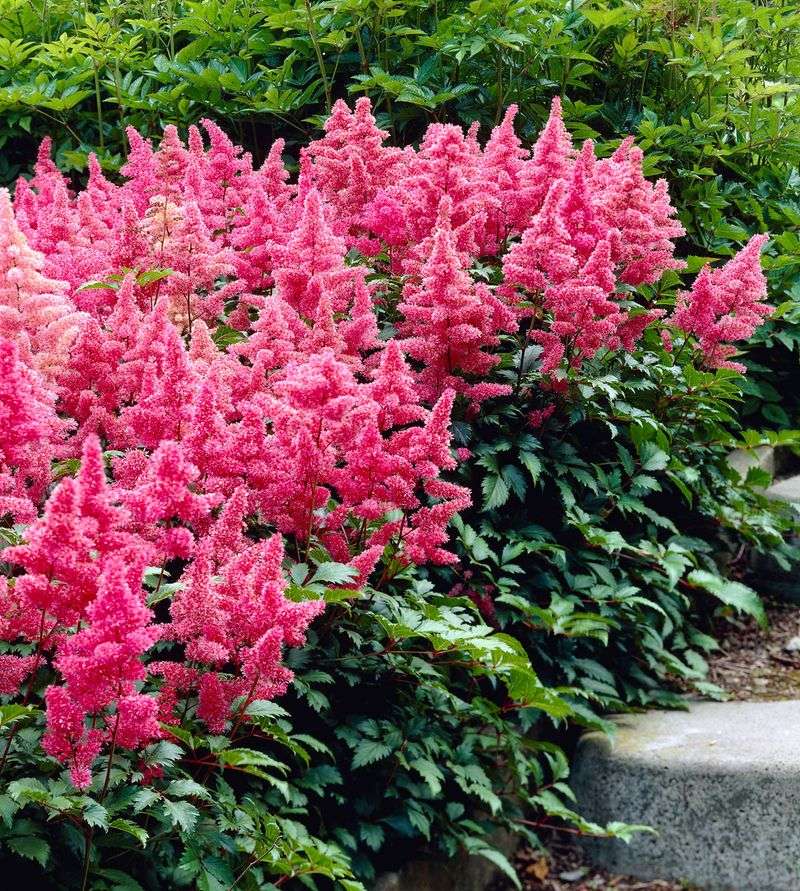
Astilbe plumes look like feathery dusters glowing in the shade, and the dried seed heads stay attractive into winter. Under that soft display sits a woody crown that slowly rises above the soil over time.
When crowns start poking out of the ground, the plant is telling you it needs dividing soon. Most gardeners split astilbe every three to four years to keep the flowering strong and plentiful.
Cut the faded stems back, then dig around the clump and lift it out of the ground carefully. A sharp knife or spade helps here, because older astilbe crowns get surprisingly tough and stringy.
Make sure each piece holds at least three or four buds and a good handful of fibrous roots. Trim off any woody or hollow sections, since they rarely produce healthy new growth after replanting.
Replant with the buds sitting about an inch below the soil surface in a freshly prepared bed. Astilbe needs steady moisture, so water deeply and keep checking the soil until the ground cools for winter.
Hot Southern summers can scorch astilbe leaves, so pick a spot with morning sun and afternoon shade. Rich soil with plenty of compost helps the roots hold water during dry stretches next July and August.
I believe astilbe rewards steady care more than almost any other shade plant I grow each year. Mulch the new divisions with shredded leaves, and they should bloom in pink, red, or white by early summer.
8. Creeping Phlox
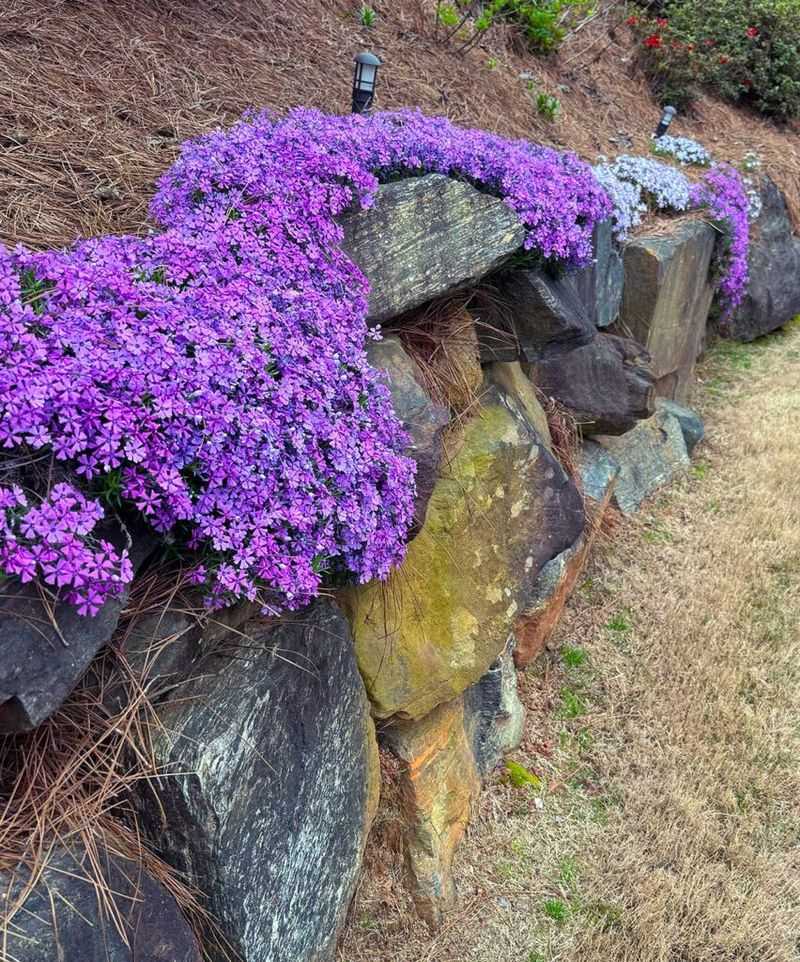
Creeping phlox turns slopes into sheets of pink, lavender, and white each spring, almost like a painted rug. Its needle-like evergreen leaves keep that rug green through much of the cold season ahead.
Phlox subulata is native to the eastern United States, including Virginia, where it grows wild on rocky banks. That rugged background explains why it handles poor soil and sunny slopes better than fussier groundcovers.
Older mats often get bare and woody in the center while the edges keep growing vigorously outward. Dividing pieces from those healthy edges gives you fresh plants and fills gaps elsewhere in the bed.
Slide a trowel under a section of the mat and lift it out with plenty of roots attached. Many stems root where they touch the soil, so small pieces often separate easily by hand.
Replant divisions slightly apart in full sun, pressing the soil firmly around their shallow young roots. Water them in well, because tiny root systems dry out faster than bigger perennial clumps nearby.
Skip heavy mulch around creeping phlox, since thick layers can trap moisture and smother the low foliage. Gravel or a thin layer of fine mulch keeps weeds down without causing any crown problems.
You’re in for a big surprise next spring when those small pieces start blooming right on schedule. Keep them watered during dry winter spells, and they will knit together within a season or two.
9. Bee Balm
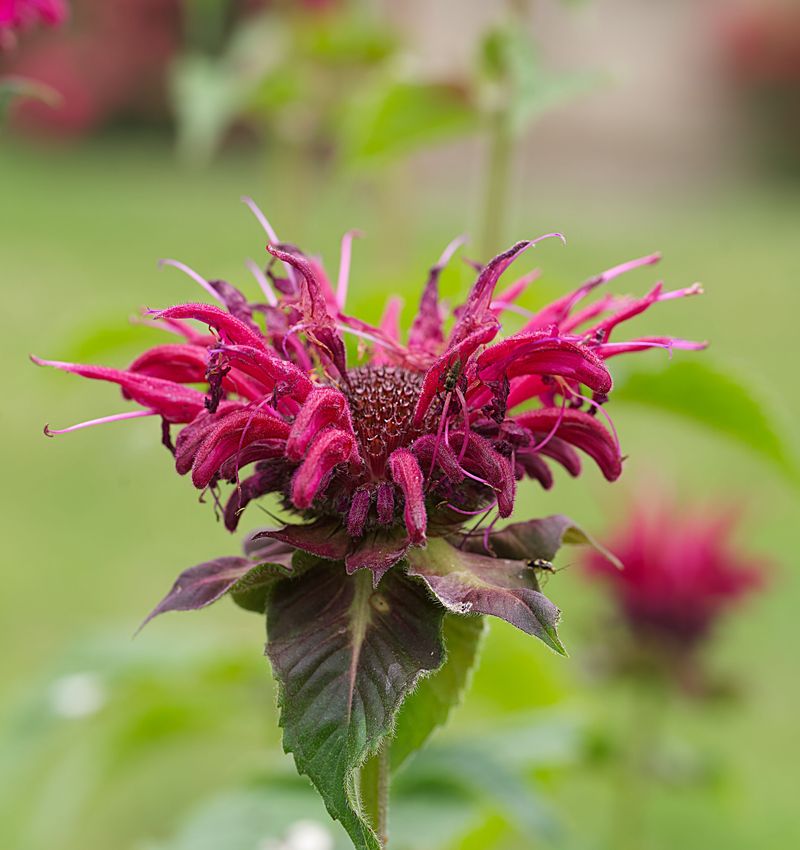
Bee balm leaves smell like a blend of mint and citrus when you brush against them, and I love that. The plant belongs to the mint family, so it spreads by shallow runners and wanders quite freely.
That wandering habit means the center often thins out after a few years, leaving a ring of stems. Dividing every two or three years brings the patch back together and keeps the spread under control.
Monarda didyma, the scarlet bee balm, is native to the eastern United States and draws hummingbirds like a magnet. Wild bergamot, Monarda fistulosa, is a lavender native cousin that handles drier soil much better.
Dig up the clump and pull apart the rooted runners, keeping the youngest pieces from the outer edges. Compost the woody center, since it rarely produces strong stems again after years of crowding.
Replant divisions in full sun or light shade, spacing them about eighteen to twenty-four inches apart. Wide spacing improves air flow, which helps reduce powdery mildew during long, humid summers.
Scarlet bee balm likes moist, rich soil, so water deeply and keep the ground evenly damp this fall. Wild bergamot prefers leaner, well-drained soil and needs much less fussing after you finish planting.
I have to admit extra bee balm pieces are the easiest plants to give away to my neighbors. Mildew-resistant cultivars like Jacob Cline make those gifts even more welcome when summer flowers arrive.
10. Lamb’s Ear
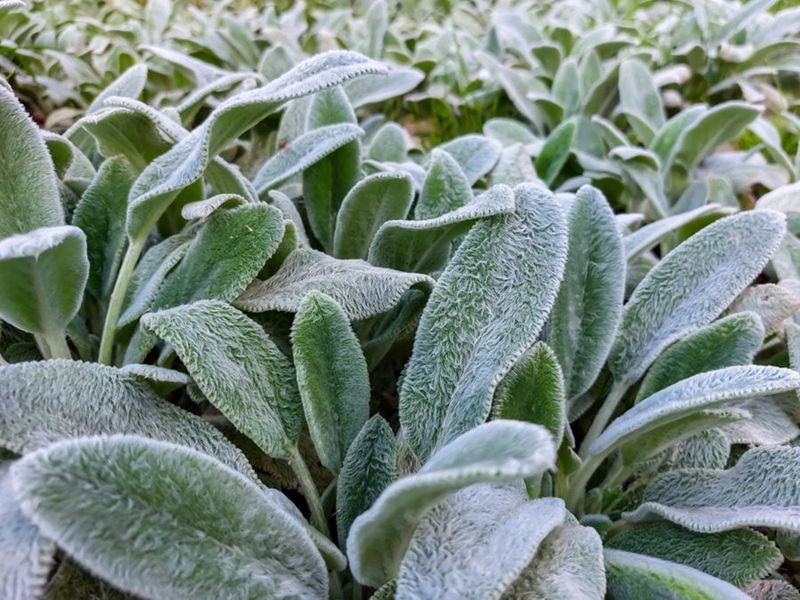
Lamb’s ear leaves feel like soft flannel, and kids rarely walk past them without reaching out for a touch. Those silvery hairs help the plant reflect hot sun and handle long stretches of dry weather.
Stachys byzantina spreads by creeping stems that root as they go, forming a thick silver mat over time. After a few years, the middle often turns patchy or mushy while the outer edges stay healthy.
Humid summers in the Southeast can cause leaf rot, especially in crowded clumps with poor drainage underneath. Dividing opens up the planting and gives the remaining leaves room to dry out after rain.
Lift sections with a trowel and pull apart the rooted rosettes, tossing any brown or soggy leaves. Each piece only needs a few roots and a small cluster of fresh foliage to grow well.
Plant divisions in full sun with sandy or gravelly soil that drains quickly after heavy summer storms. Heavy clay holds too much water, so add some grit or plant on a slight raised mound.
Water once after planting, then let the soil dry out between drinks for the rest of this fall. Too much moisture causes more trouble for lamb’s ear than any amount of cold winter weather.
Deer and rabbits usually leave the fuzzy leaves alone, which makes this plant handy near woodland edges. Helen von Stein is a popular big-leaved cultivar that sends up far fewer flower stalks than most.