9 Native Virginia Plants That Feed Birds All Winter Long
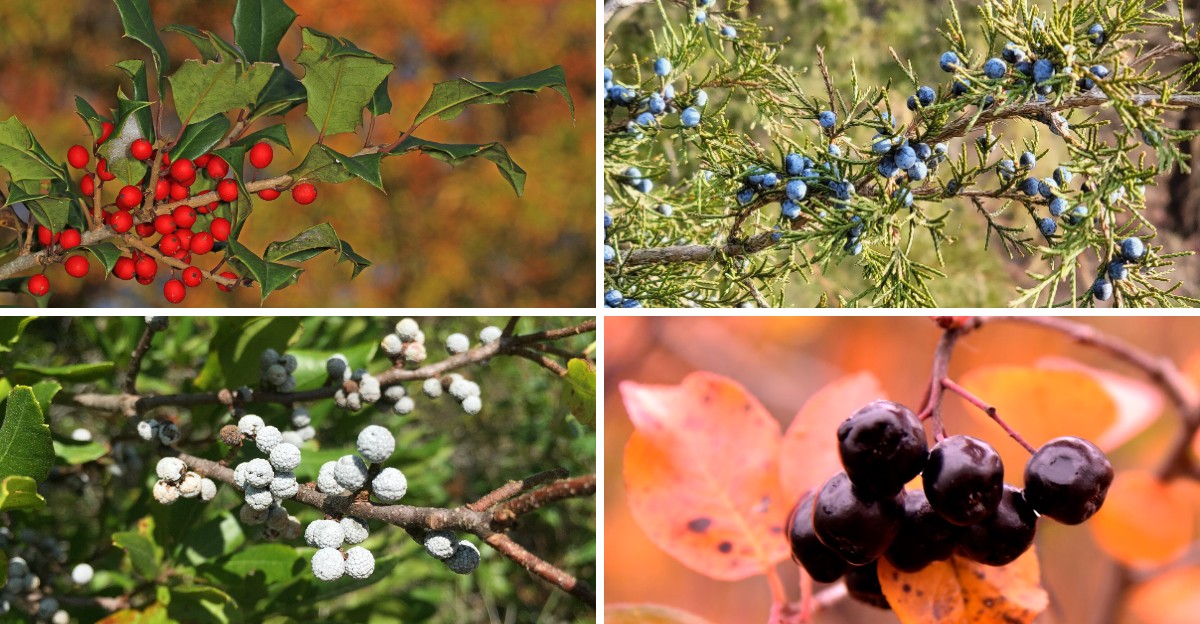
The brightest red berries in my yard often hang untouched for months, as if the birds forgot them. Then a cold snap arrives, and suddenly a flock of robins strips every branch bare in one afternoon.
Many winter fruits soften after repeated freezing and thawing, which seems to make them easier for birds to eat. Other plants hold dry seeds or waxy fruits that stay useful long after summer bugs have disappeared.
I love how a few well-chosen shrubs can turn a sleepy January yard into a busy bird cafe. A huge property is not required, since a handful of native plants near a window can do the job.
What surprises me most is how many of these winter heroes grow wild along Virginia roadsides without any fuss. So which ones deserve a spot in your yard before the next hungry flock comes looking for lunch?
1. Winterberry
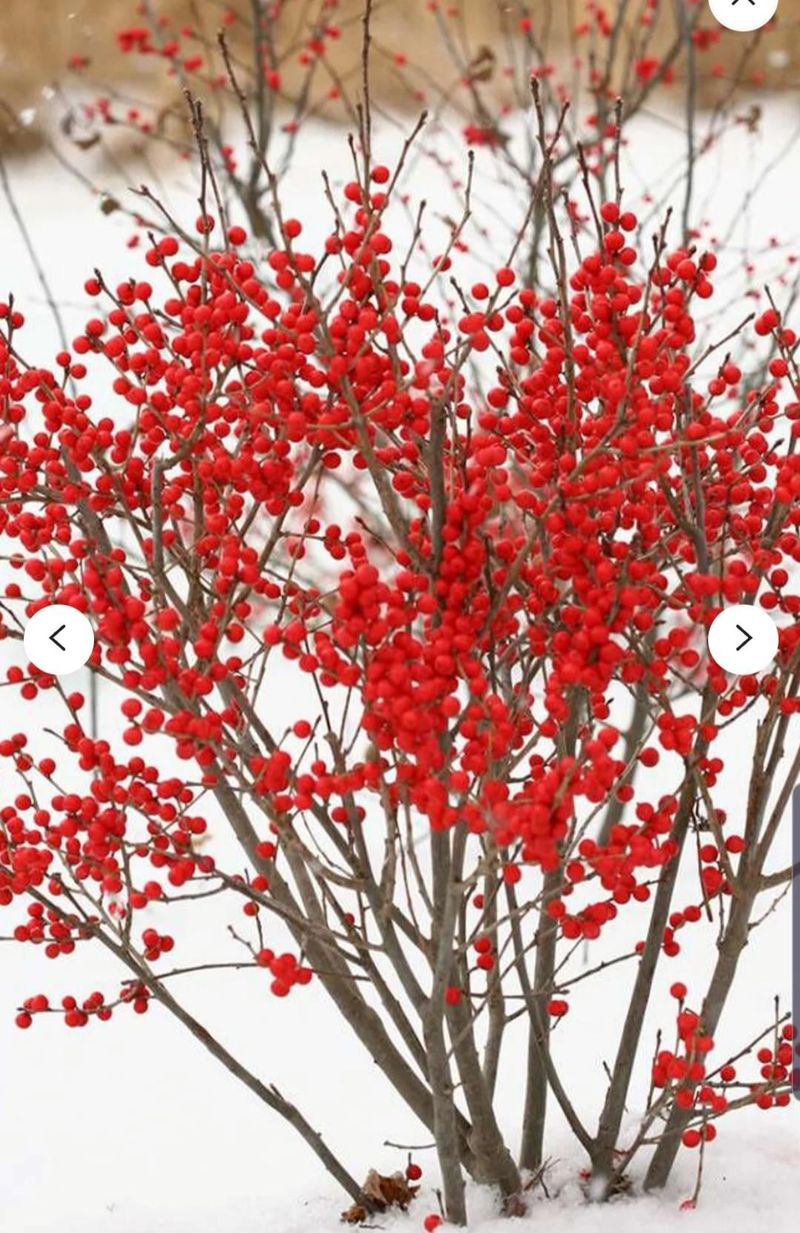
Bare gray twigs studded with glowing red berries make winterberry look like someone strung holiday lights in the swamp. Ilex verticillata is a holly, yet it drops every leaf in fall and puts all its drama into fruit.
Birds often skip the berries at first, then return in late winter when the fruit has softened a bit. I have watched robins and bluebirds clean off a whole shrub in a single February morning.
Male and female flowers grow on separate plants, so only females produce the famous berries you want. Plan on one male nearby for several females, and ask your nursery for a matching bloom time.
Winterberry naturally grows in wet woods and along streams, so soggy spots in your yard suit it well. Acidic soil keeps the leaves green, while alkaline ground can turn them yellow and weak over time.
Full sun gives the heaviest crop, though the shrub still fruits decently in partial shade at the woodland edge. Most plants reach six to ten feet tall and slowly spread into a dense, twiggy clump.
Compact cultivars stay closer to three or four feet, which makes them handy for foundation beds near windows. Personally, I like grouping several together because a mass of red looks stunning against snow or dark mulch.
Keep in mind that the berries are mildly toxic to people and pets, so admire them without tasting. Cutting a few branches for indoor arrangements is fine, as long as you leave plenty for the birds.
2. American Holly
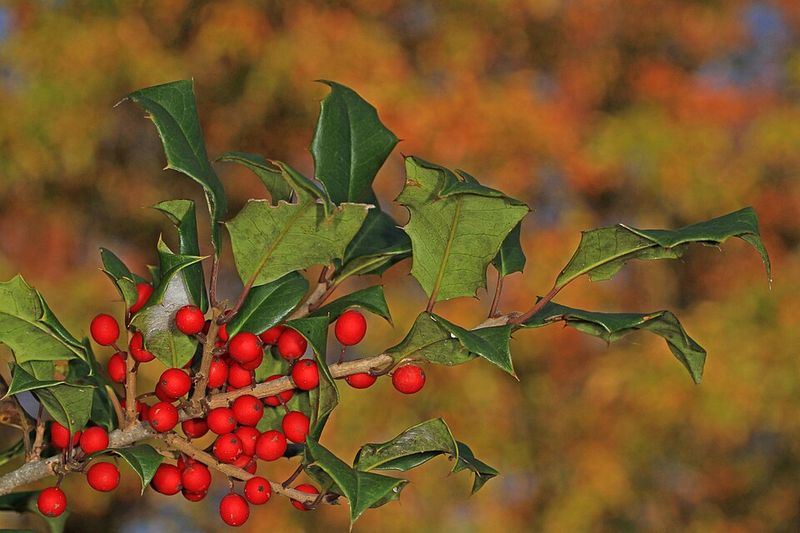
Long before shopping malls sold plastic wreaths, families cut glossy American holly branches to brighten their homes each December. Birds treat the same tree as a combined pantry and shelter, and honestly, I think they have better taste.
Ilex opaca keeps its spiny leaves all year, creating thick cover that blocks icy wind and hungry hawks. On frigid nights, you might notice songbirds tucking deep inside the branches where the air feels calmer.
Red berries ripen in fall and hang on through much of winter, waiting for robins and mockingbirds. Bluebirds and cedar waxwings join the feast too, especially later in the season when other food runs low.
Like winterberry, this holly needs a male tree nearby before any female tree will produce a single berry. Buying a named female cultivar removes the guesswork, since young seedlings rarely show their sex for years.
Patience pays off here, because American holly grows slowly into a pyramid fifteen to fifty feet tall. Moist, acidic, well-drained soil suits it best, and full sun to partial shade keeps the berries coming.
Heavy clay that stays soggy can cause trouble, so pick a spot where rainwater drains away fairly quickly. The tree is hardy across Virginia and grows wild in forests from the mountains to the coast.
Fallen leaves stay prickly for months, so I plant my hollies away from paths where bare hands weed. The berries can upset human stomachs, so teach curious kids that this bright fruit belongs to the birds.
3. Eastern Red Cedar
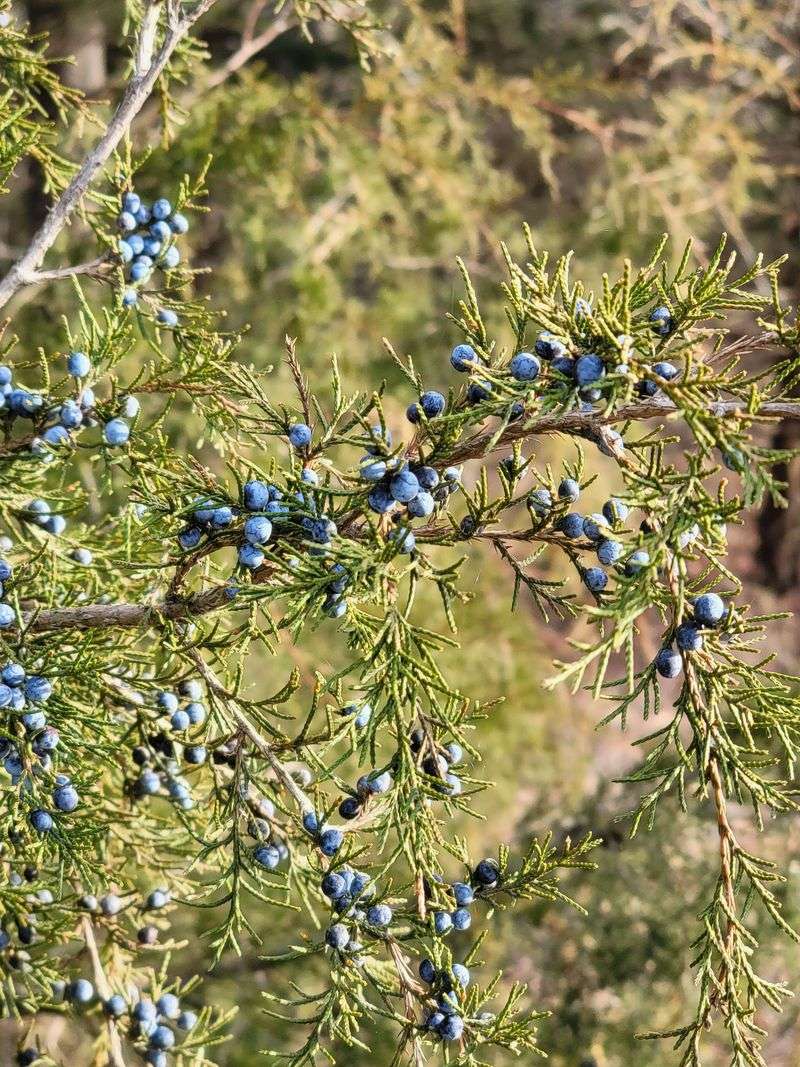
Cedar waxwings earned their name from this tree, and watching a flock gobble its frosty blue cones explains why. Juniperus virginiana is not a true cedar at all, but rather a juniper with a misleading common name.
Those berry-like treats are really fleshy cones, dusted with a pale waxy bloom that makes them look sugared. Only female trees produce them, and a heavy crop can keep robins and bluebirds fed well into winter.
Food is only half the story, because the dense evergreen branches make one of the best winter shelters around. Sparrows and juncos often roost inside on snowy nights, and early nesting birds use it in spring.
I have to admit this tree is tougher than almost anything else I grow in my yard. It handles dry rocky soil, clay, heat, and salty coastal air, as long as it gets full sun.
Expect a narrow column when young, eventually reaching thirty to fifty feet tall with a broader crown. Shade causes the lower branches to thin out, so give it an open spot with plenty of light.
One caution matters for fruit growers, since this juniper hosts cedar-apple rust, a fungus that also affects apple trees. Keep it well away from apples and crabapples, or choose rust-resistant apple varieties for your orchard.
Crush a sprig between your fingers and you will catch a clean, woodsy scent that smells like a cedar chest. Planting a small group along a property line creates a living windbreak that birds visit all winter.
4. Black Chokeberry
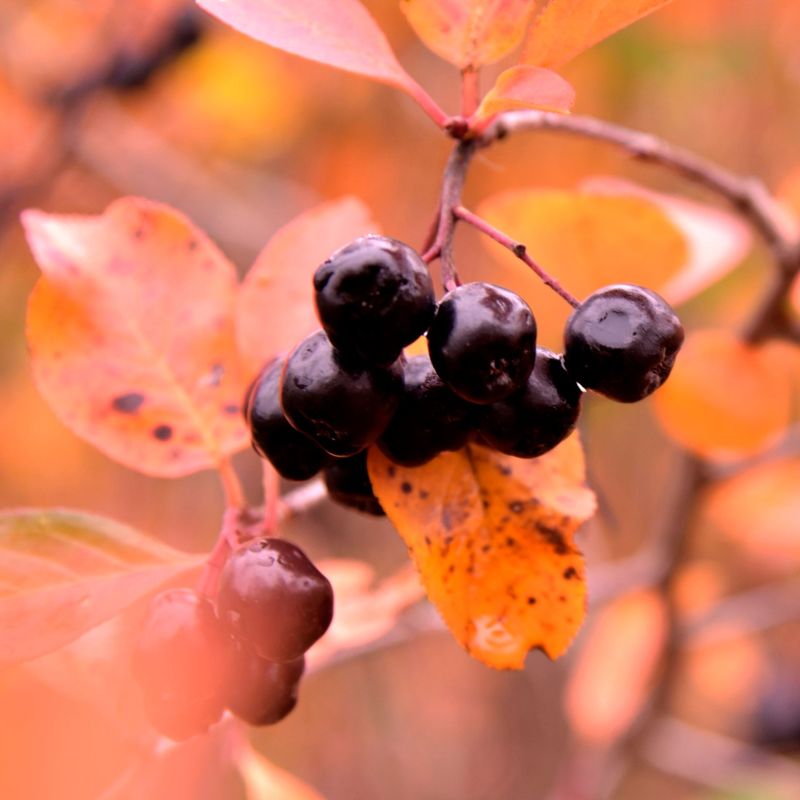
Pop a raw chokeberry in your mouth and your cheeks will pucker, which explains that slightly alarming name. Birds feel the same way at first, so the glossy black fruit often hangs around long after autumn.
That patience turns into a gift later, when hungry flocks finally return for a late-winter snack. Robins and cedar waxwings are frequent visitors once the easier berries elsewhere have been picked clean.
Aronia melanocarpa is a tidy native shrub that usually stays between three and six feet tall. It spreads slowly by suckers, so a small planting gradually fills into a thick, bird-friendly patch.
Spring brings flat clusters of small white flowers that native bees and other pollinators visit quite eagerly. Fall is the real showstopper, though, when the leaves turn a fiery red that rivals any maple.
I love how forgiving this shrub feels, because it handles soggy ground and dry spots with equal grace. Full sun produces the most fruit, though partial shade still gives a respectable crop for the birds.
Rain gardens and low spots near downspouts are perfect homes, since chokeberry grows naturally in bogs and wet woods. Pests rarely cause serious trouble, which means you can skip the sprays that harm caterpillars birds need.
People can eat the berries too, and many gardeners cook them into jam or bake them into muffins. Just leave plenty on the branches, because a late-winter robin will appreciate them far more than you.
5. Smooth Sumac
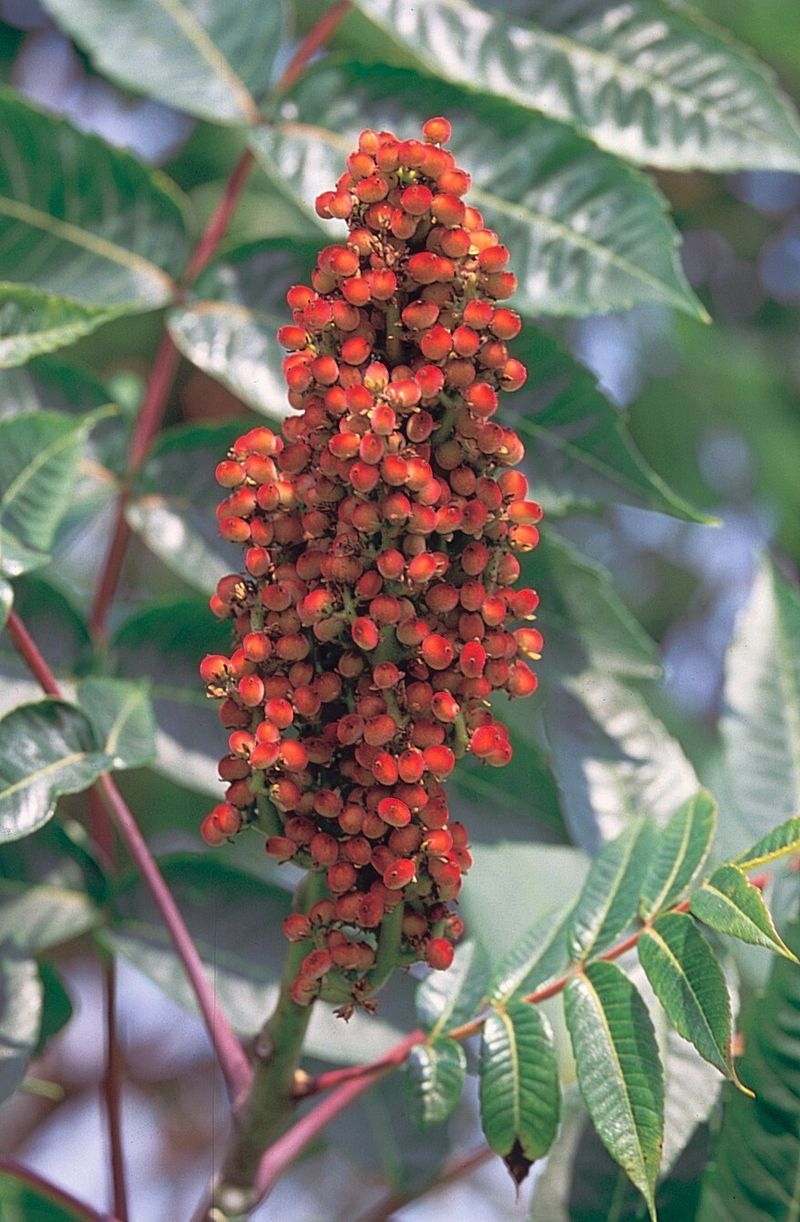
Fuzzy red cones stand upright on smooth sumac like little torches, and they stay lit through most of winter. Rhus glabra produces those dense fruit clusters in late summer, but birds often wait months before eating them.
Ecologists sometimes call sumac a famine food, because the fruit is low in fat but reliably available late. When snow covers everything else, bluebirds and robins turn to those fuzzy clusters to stay fueled.
You might notice wild turkeys and northern flickers poking at the seed heads during especially lean weeks too. Fruit forms mainly on female plants, so buy from a nursery that knows which plants will bear clusters.
I believe sumac is the most underrated native shrub, mainly because people confuse it with poison sumac. Poison sumac grows in swamps and carries white berries, while smooth sumac thrives on dry sunny slopes.
Expect a shrub reaching ten to fifteen feet tall, with long leaves that blaze scarlet each autumn. Poor, rocky soil suits it well, and it shrugs off drought once the roots settle in.
Spreading roots send up new stems freely, so sumac can form a colony larger than you planned. Give it a roomy slope or field edge where those suckers become a feature rather than a headache.
Mowing around the patch each year keeps it in bounds without much effort or any special tools. Summer flowers also feed plenty of bees, giving this tough native value well beyond the winter months.
6. Northern Bayberry
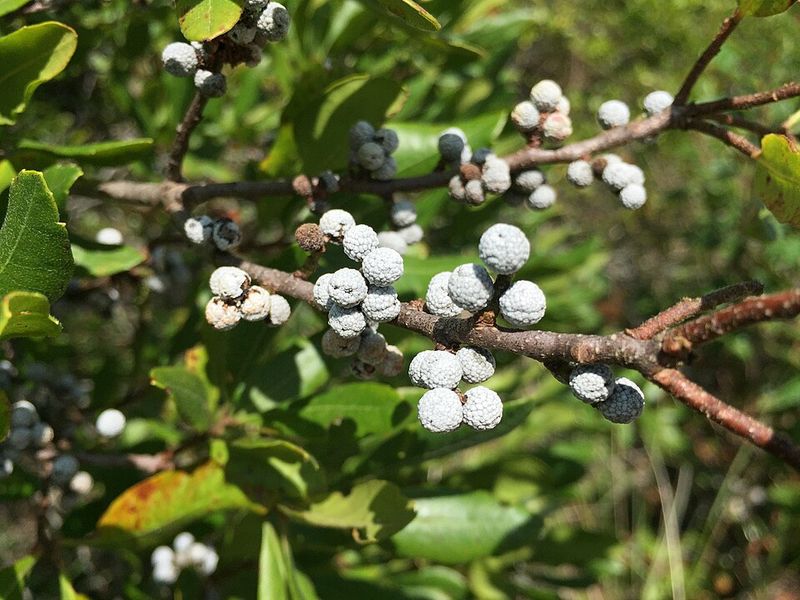
Colonial candle makers boiled bayberry fruit to skim off its fragrant wax, and certain birds digest that wax naturally. Yellow-rumped warblers are the champions here, and they can survive cold coastal winters partly thanks to this fruit.
Most warblers head south when insects disappear, but these little birds stay farther north than their cousins. Their unusual digestion lets them pull energy from waxy coatings that most songbirds simply cannot handle.
Morella pensylvanica grows wild along the Eastern Shore and coastal plain, where salty breezes and sandy soil are common. Tree swallows and bluebirds also snack on the gray berries during chilly stretches when insects are scarce.
I can’t imagine an easier shrub for poor ground, since bayberry roots partner with bacteria that capture nitrogen. That trick lets it flourish in thin sand where fussier plants turn yellow and sulk all summer.
Plants usually grow five to ten feet tall and spread by suckers into rounded, semi-evergreen thickets. Full sun to partial shade works well, and the shrub tolerates road salt better than most landscape plants.
Like hollies, bayberry plants come as males or females, and only the females carry those waxy berries. Planting a small group improves your odds of getting both, which means a dependable winter crop.
Brush past the leaves on a warm day and you will smell a spicy, clean fragrance drifting up. Gardeners farther inland can grow it too, though it feels most at home near the coast.
7. Virginia Creeper
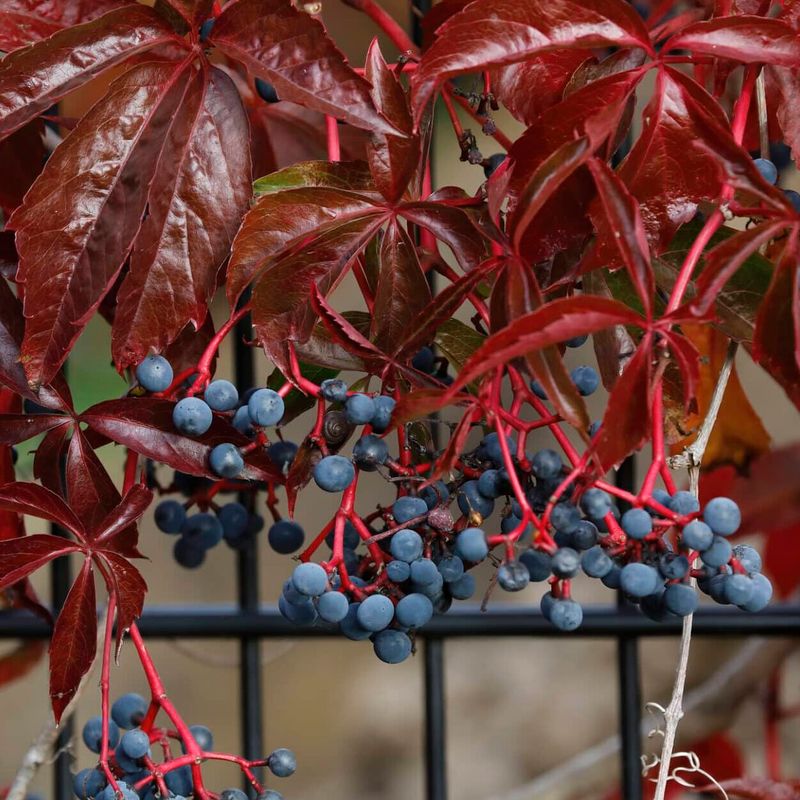
Few vines put on a fall show like Virginia creeper, whose leaves flare crimson while dark blue berries dangle below. Those red stems act like a billboard, practically shouting to passing birds that dinner is ready nearby.
Parthenocissus quinquefolia is a woody native vine that climbs with tendrils tipped in tiny sticky pads. Those pads grip tree bark and stone walls firmly, so the vine needs no trellis to reach upward.
Berries ripen in late summer and fall, and leftovers can hang on the vines into early winter. Bluebirds and woodpeckers love them, along with mockingbirds and flickers looking for a quick energy boost.
I like how this vine also hides nesting birds, since its thick summer leaves make a cozy screen. Bare winter stems are less useful as cover, so pair it with evergreens like holly or cedar.
Count the leaflets before you plant, because this vine has five while poison ivy carries only three. That simple trick saves plenty of itchy confusion, especially when both plants are growing wild in the same woods.
Sun or shade, rich soil or poor, this tough climber adapts to nearly any spot you offer. Vigorous growth means regular trimming, especially near gutters and siding where tendrils can cling and leave marks.
The berries contain oxalic acid crystals, so they are harmful for people and pets to eat. Birds handle them fine, and some gardeners report minor skin irritation from the sap, so wear gloves.
8. Orange Coneflower
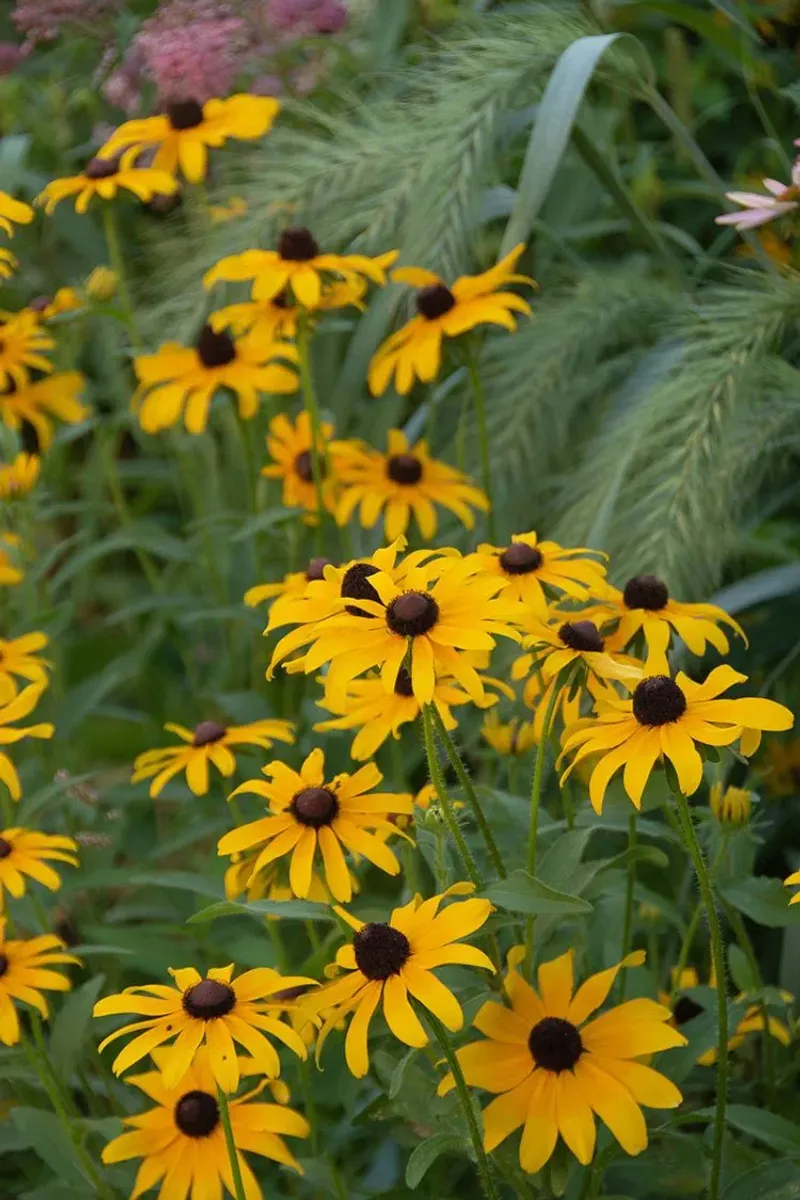
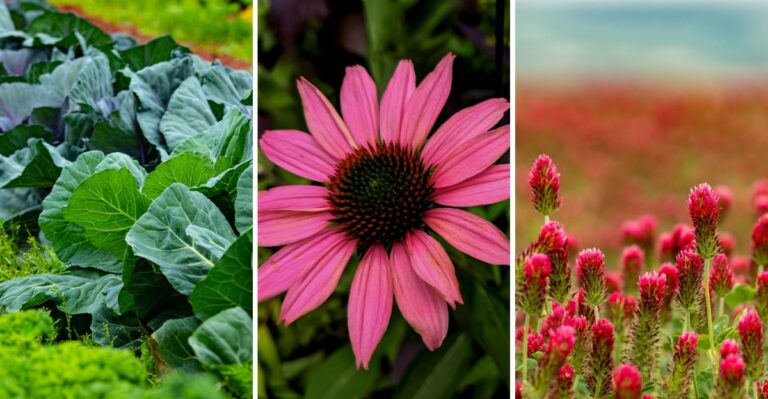
Goldfinches perched on brown flower heads look like tiny acrobats, swinging upside down to pry out seeds. Orange coneflower sets that stage, so its value lasts long after the golden petals have faded.
Rudbeckia fulgida is a native perennial cousin of the black-eyed Susan, with a slightly tidier habit. Bright daisy-like flowers with dark brown centers open in mid to late summer and keep going into fall.
Bees and butterflies crowd the blooms during warm months, which makes this plant a double-duty performer. Once cold weather arrives, the dry cones hold small seeds that juncos and sparrows gladly pick through.
Personally, I leave every stem standing until late winter, and the birds reward me nearly every morning. Tidy gardeners might cringe, but those brown cones look lovely when frost or a light snow coats them.
Old stems also give some native bees and other insects winter shelter, so early cutting removes useful habitat. Wait until new green growth appears in spring, then trim the old stalks back to roughly a foot tall.
Plants grow two to three feet tall and spread slowly by underground stems into handsome clumps. Full sun brings the most flowers, though light afternoon shade helps in the hottest parts of the state.
Average soil with decent drainage suits it fine, and established clumps handle short dry spells without complaint. Divide crowded patches every few years in spring and share the extras with a bird-loving friend down the street.
9. Common Hackberry
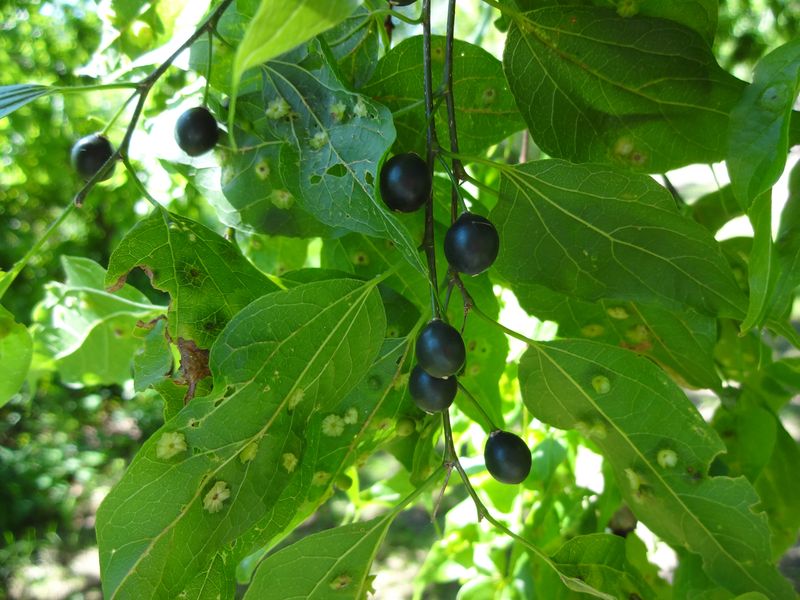
Hackberry fruit looks like a dry pea and tastes faintly like a date, which surprised me the first time. Birds clearly agree it is worth eating, because the small purple drupes stay on branches through much of winter.
Celtis occidentalis is a large native tree, often reaching forty to sixty feet with a broad crown. Its gray bark is covered with corky ridges and warts, so kids love running their hands over it.
Robins and cedar waxwings strip the fruit during cold snaps, and mockingbirds often guard a favorite tree fiercely. Sapsuckers and flickers join the party too, picking through leftover fruit high in the branches on chilly mornings.
Butterfly fans get a bonus, because hackberry hosts caterpillars of the hackberry emperor and the question mark. Those caterpillars also feed nesting songbirds in spring, so one tree supports birds across several seasons.
You’re in for a pleasant surprise with its toughness, since hackberry handles drought and compacted city soil well. It grows naturally along Virginia river bottoms but also adapts to dry upland yards with surprising ease.
Full sun suits it best, though young trees tolerate some shade while they reach for the light. Give it plenty of room, because the roots and wide canopy need space away from houses and wires.
Hackberry often shows bumpy leaf galls or twiggy witches’ broom, but these quirks are mostly cosmetic. Plant one at the back of a large yard, and you may host a winter bird buffet for decades.