The Arizona Yard Clippings That Make Better Holiday Décor Than Store-Bought
Tohono O’odham families have ground sweet desert pods into flour for centuries, and those pods probably litter your gravel. I laughed when I realized my free yard debris looked fancier than a pricey craft store bundle.
Arizona yards quietly shed sculptural treasures every fall, and most of them dry beautifully without any help from you. Plenty of these pieces last for years indoors, which beats glittery foam picks that crumble by New Year.
I love how each piece also hints at the hummingbirds and native bees your plants quietly feed all year. Decorating with them feels less like shopping and more like celebrating the wild little habitat outside your door.
October in Arizona is prime time for gathering, since summer pods have hardened and pruning season is starting. So which prickly castoffs in your own yard deserve a starring spot on the mantel this year?
1. Mesquite Pods
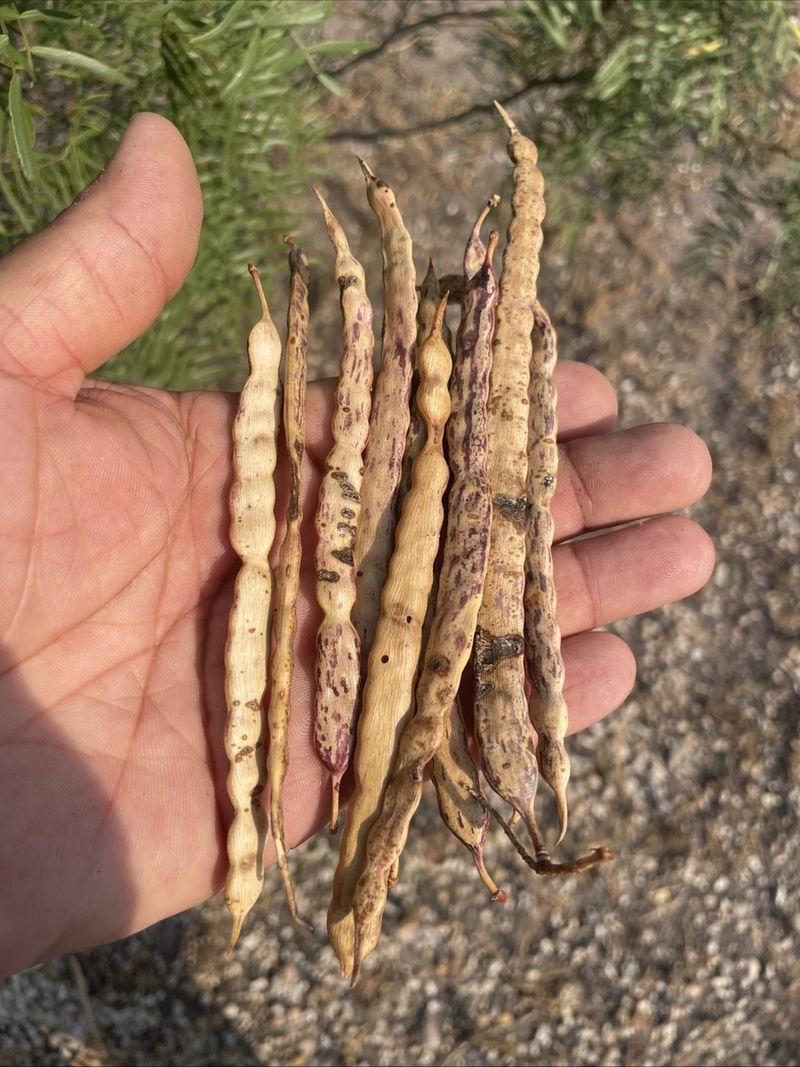
Those lumpy tan pods crunching under your sandals are actually one of the sweetest snacks the desert has ever offered. Velvet mesquite pods were ground into flour by Native peoples, and they still smell faintly of honey.
Personally, I think a bowl of these pods looks warmer than any plastic garland sold at the big box store. Their gentle twists and creamy stripes catch candlelight in a way that feels cozy and surprisingly elegant.
Most pods ripen during summer, so by October you can usually rake up plenty from under the canopy. Choose firm, unbroken pods without dark mold spots, then spread them on a screen to dry a few extra days.
Tiny round holes often mean seed beetles have moved in, so freeze questionable pods for two days before decorating. That simple step keeps surprise bugs from wandering across your dining table during a holiday dinner with family.
Mesquite trees also fix nitrogen and shelter quail, so every pod you collect comes from a hardworking backyard neighbor. Tuck them into wreaths, scatter them along a runner, or simply pile them high in a basket.
2. Palo Verde Seed Pods
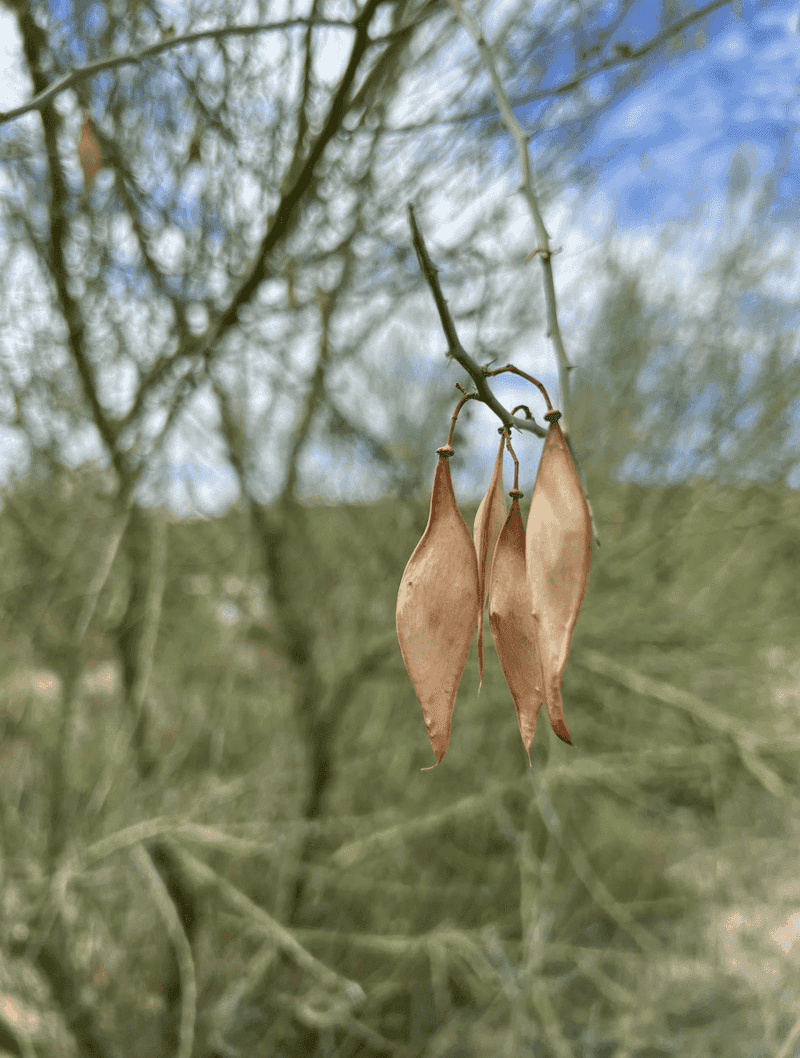
Shake a dry palo verde pod near your ear, and you’ll hear a soft rattle that sounds almost like a tiny maraca. That cheerful sound tells you the seeds have matured and the papery shell is ready for decorating.
Foothills and blue palo verde both bloom with buttery yellow flowers in spring, then shift into slim green pods. Many pods fade to tan by late summer, and leftovers often cling to branches well into fall.
I like how these short pods add a delicate, beaded texture to holiday arrangements that mesquite simply cannot match. Wire a handful onto a grapevine wreath, or let a few drape from a mantel garland like rustic ornaments.
Wear gloves while snipping, because some palo verde twigs carry sharp little spines that love to grab knuckles. Clip small branch tips with pods attached, since the green bark keeps color surprisingly well after drying indoors.
Foothills palo verde famously shelters young saguaros, acting as a nurse plant during their fragile early years. Its fragrant spring flowers also feed native bees, so harvesting a few pods lets you enjoy the tree twice.
3. Ocotillo Canes
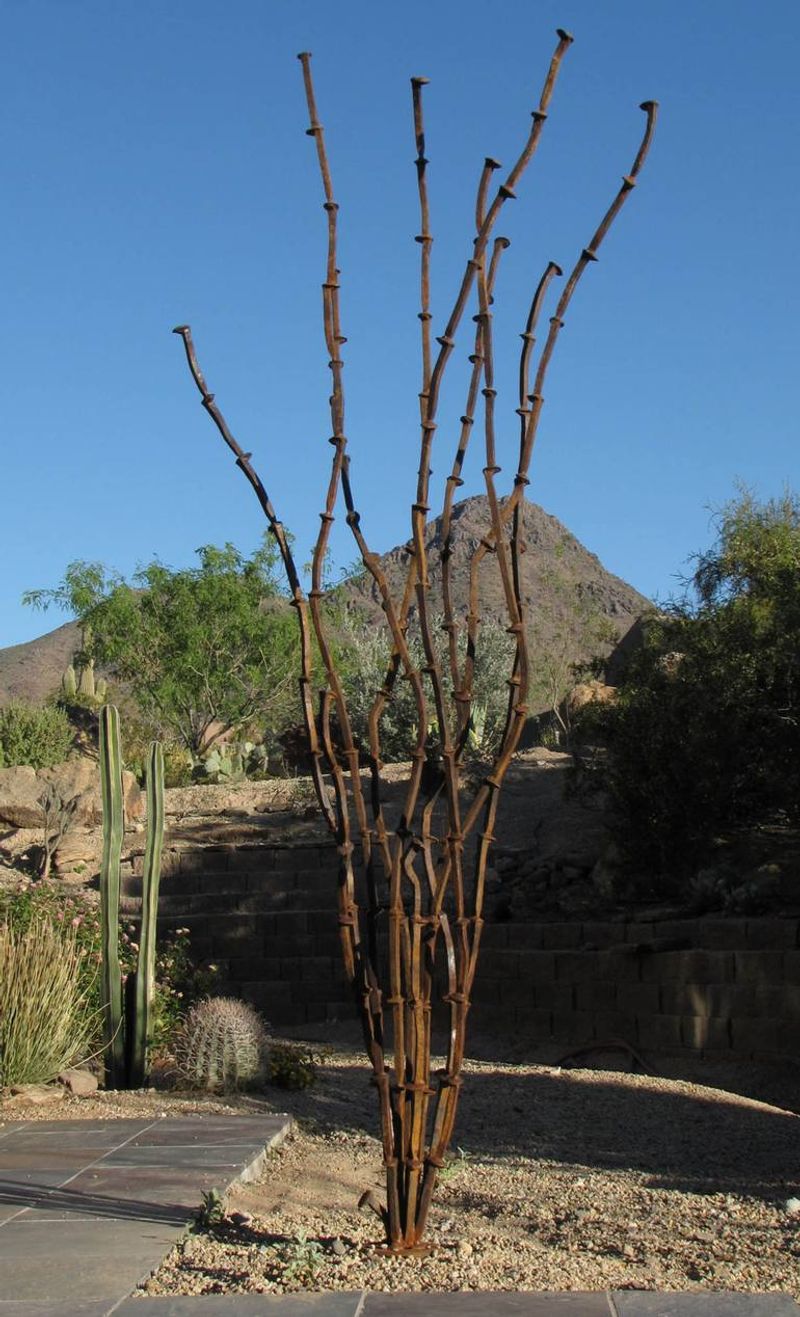
Hummingbirds treat ocotillo like a spring diner, zipping between those flaming red-orange flower clusters at the tips of every cane. Once the show ends, the tall gray stems become some of the most dramatic décor in the desert.
I can’t resist a few dried canes in a tall clay pot wrapped with warm string lights. The thorny silhouette looks wildly festive at night, and it barely needs any extra ornaments to steal attention.
Only use canes that have been pruned from your own plant or fell naturally in your yard. State native plant rules protect wild ocotillo, so collecting from open desert usually requires a permit and landowner permission.
Leather gloves are essential, because those spines stay sharp long after the cane dries and turns pale. Cut pieces to different heights for a layered look, and seal the cut ends with clear spray if desired.
Living ocotillo also served as fencing for generations, and planted rows still discourage rabbits from nibbling garden beds. That makes this plant a busy helper outside, while its retired canes take holiday duty indoors near the tree.
4. Soaptree Yucca Seed Pods
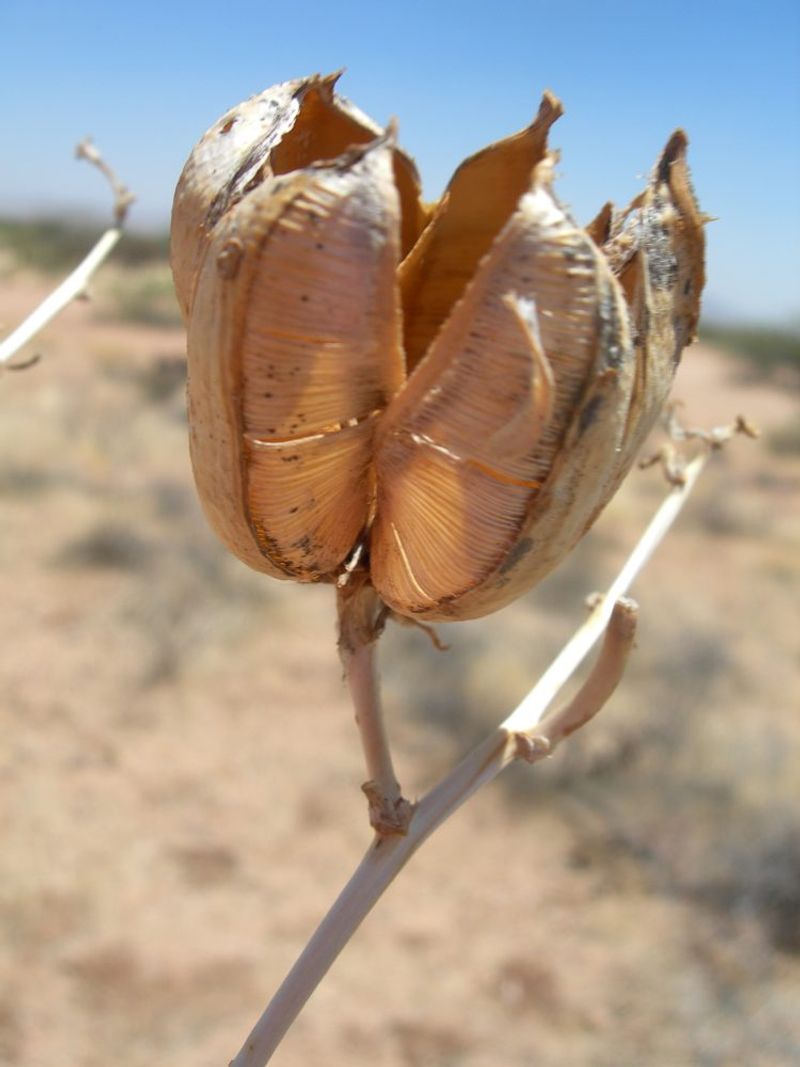
Soaptree yucca roots were once crushed and used for washing, which explains the plant’s wonderfully practical common name. Its tall seed stalks are even more fun, because each dried capsule splits open like a little wooden flower.
Those creamy white spring blooms rely on tiny yucca moths, a partnership scientists consider a classic example of mutual dependence. Without the moth, there would be very few pods, so every capsule represents a small ecological success story.
By October, many capsules have dried to a rich brown and released their flat black seeds. You might notice the empty three-part shells look almost carved, which makes them gorgeous on a simple holiday centerpiece.
Snip the stalk low with a pruning saw once it turns brittle, keeping clear of the sharp leaf tips below. Lay it flat in the garage for a week, then trim smaller branches for wreaths or vases.
Personally, I love standing one full stalk in a corner with a strand of tiny bulbs looped around. It brings a tall desert drama indoors and costs nothing except a few minutes with your saw.
5. Red Yucca Seed Stalks
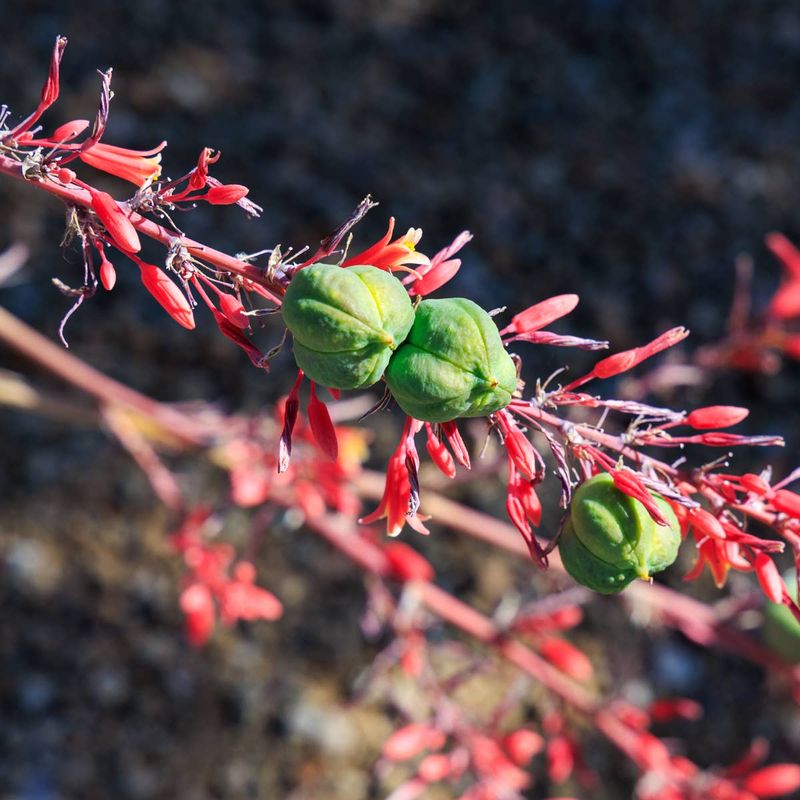
Red yucca is not a true yucca at all, though its grassy leaves fool nearly everyone who walks past. Botanists call it Hesperaloe parviflora, and it hails from Texas and northern Mexico rather than the Sonoran Desert.
Even so, it has become a beloved landscape staple across hot western yards because it shrugs off brutal summer heat. Its coral flower spikes pull in hummingbirds for months, which earns it a well-deserved spot in wildlife gardens.
What surprises me most is how pretty the leftover seed stalks look once the flowers fade and capsules harden. The round brown pods split open into papery cups, and the arching stems keep their graceful curve indoors.
Clip the oldest stalks at their base in October, leaving any fresh blooms for late-season hummingbirds to visit. Hang them upside down for a week if they still feel green, so they dry with straight stems.
Tuck several stalks into a tall vase with dried grasses for a breezy, natural twist on holiday florals. They pair beautifully with ribbon in deep red, echoing the bright summer flowers that came before them.
6. Agave Flower Stalks
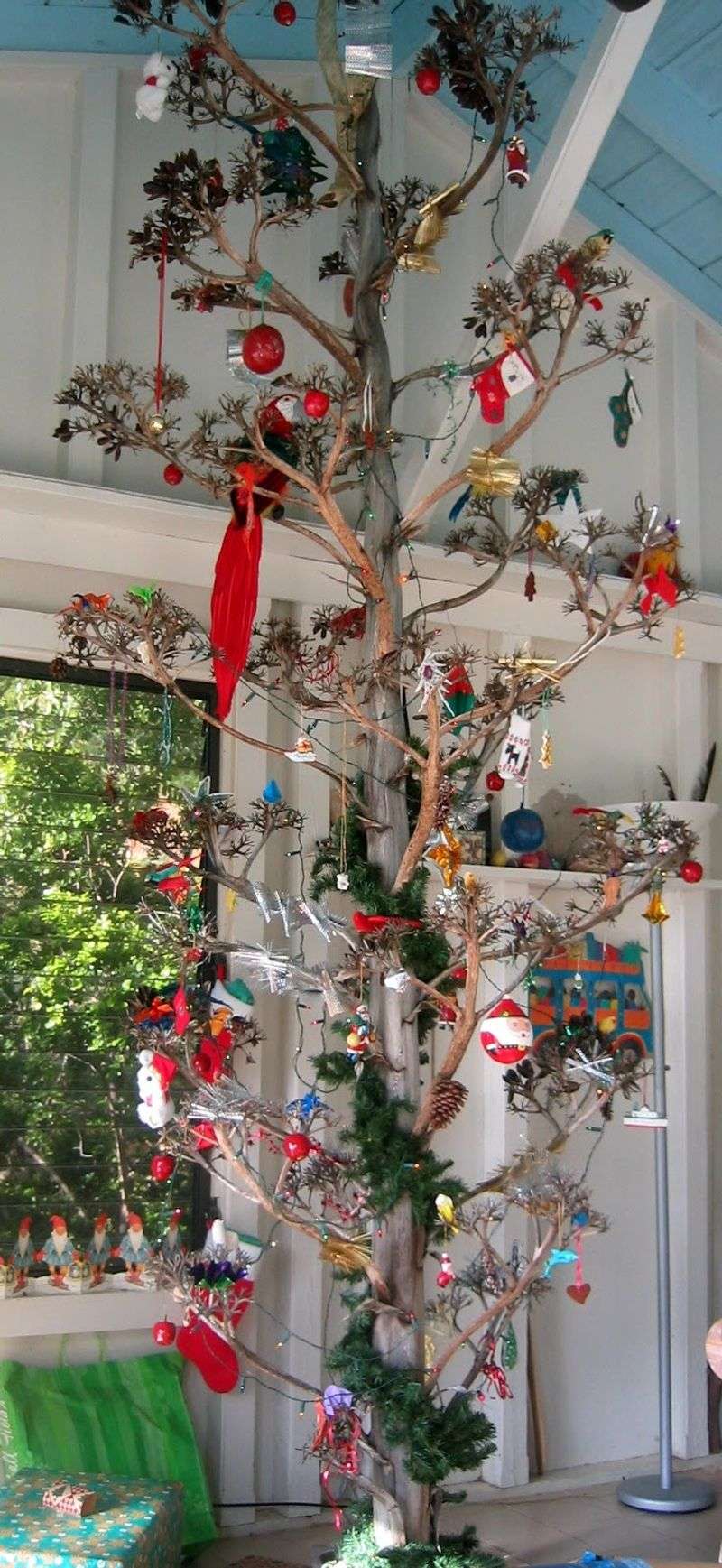
An agave can spend decades growing quietly, then shoot up a flower stalk that resembles a giant asparagus spear. Some century plant stalks soar beyond fifteen feet, which feels downright theatrical in a suburban backyard.
The plant blooms just once, pouring its energy into flowers that feed hummingbirds, insects, and nectar-sipping bats in southern regions. Afterward, the mother rosette declines, though many species leave behind pups that keep the show going for years.
You’re in for a big surprise when you lift a fully dried stalk, because it feels shockingly light. The pithy interior turns airy as it cures, making these giant pieces easier to move than they look.
Cut the stalk once it turns brown and brittle, then let it rest in shade for several weeks. Saw sections into short rounds for ornaments, or keep a branching top intact as a sculptural holiday tree.
I have to admit a decorated agave stalk beats any store-bought artificial tree for pure conversation value. Landscapers often haul these away for free, so ask around if your own agave has not bloomed yet.
7. Cholla Skeletons
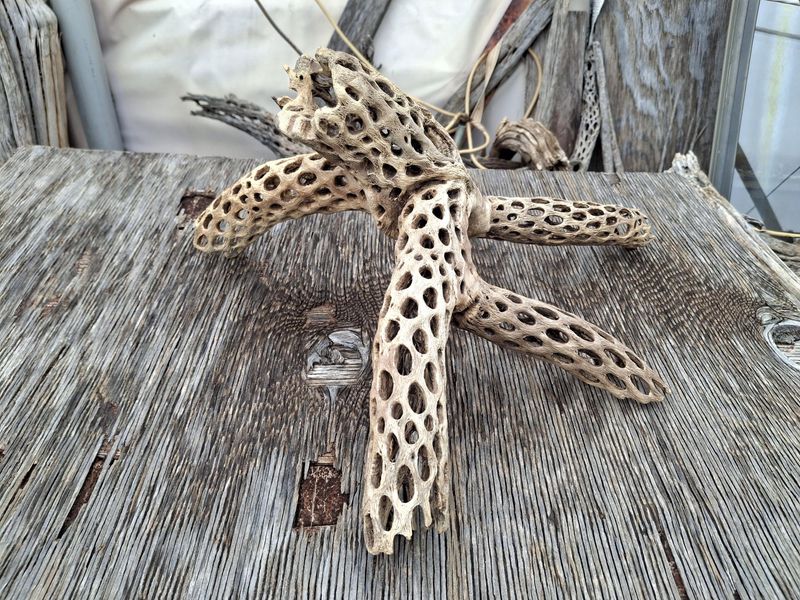
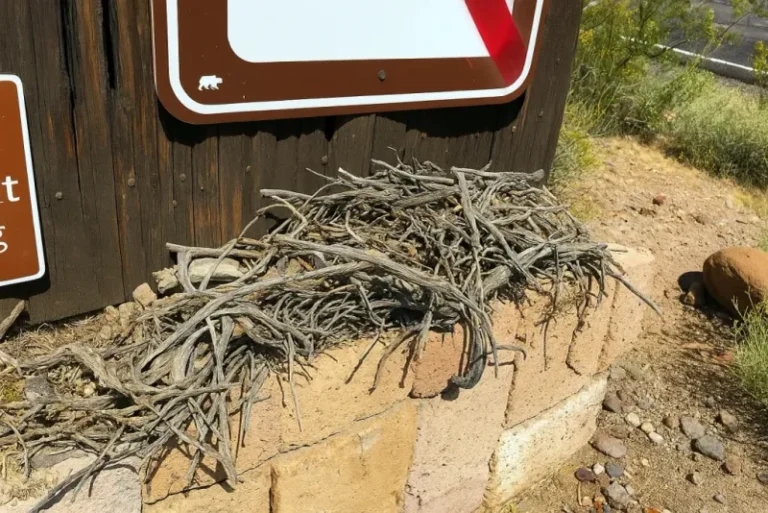
Cholla wood looks like someone carved lace into a log, with neat rows of holes running around every piece. Those openings once held the cactus’s living tissue and spine clusters before the outer layers weathered away.
You might notice fallen skeletons under old cholla in your yard, often bleached pale by months of strong sun. I love how each one has a slightly different pattern, so no two pieces ever look quite the same.
Collect only from your own property, since wild collection on public lands often needs a permit or is restricted. Tap pieces against the ground first, because stray spines and small critters sometimes hide inside the hollow tubes.
Scrub them with a stiff brush and dry them in the sun before bringing anything indoors for crafting. Short sections slide easily onto candles, while longer pieces make charming rustic hangers for lightweight ornaments and greeting cards.
Living cholla thickets also shelter cactus wrens and packrats, so leave some debris near the plants for wildlife. Taking a modest share keeps the habitat useful while still giving your holiday table a one-of-a-kind texture.
8. Desert Willow Seed Pods
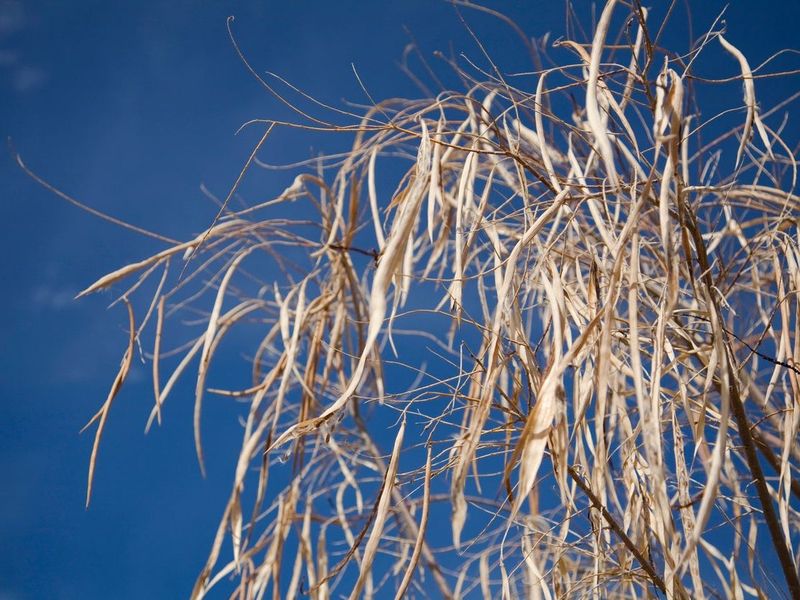
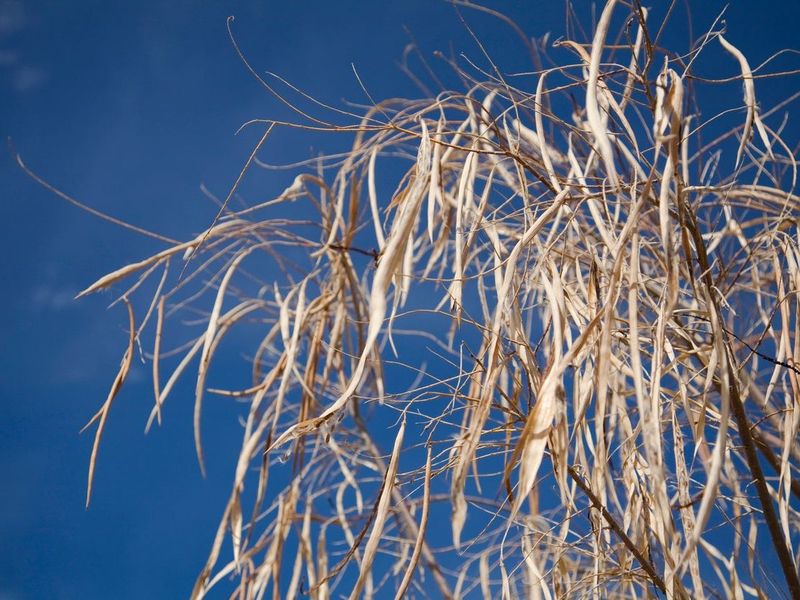
Long skinny pods dangle from desert willow branches like a handful of cinnamon sticks someone hung up to dry. Despite the name, this graceful tree is related to catalpa rather than true willows growing along rivers.
Its orchid-like trumpet flowers bloom from late spring through summer, drawing hummingbirds and bees to nearly every blossom. By October, many slender pods have turned brown, and they often hang on branches well into the winter months.
Personally, I bundle several pods together with twine and tuck them into wreaths as a playful cinnamon look-alike. They add a crisp linear accent that softens rounder pieces like pinecones or the woody capsules from yuccas.
Snip pods while they are still closed if you want them whole, since mature ones split and release seeds. Those tiny winged seeds have fluffy fringes, and a few can sprinkle charmingly across a tabletop centerpiece display.
Desert willow handles reflected heat and lean soil with very little water after establishing a deep root system. Planting one this fall gives roots time to settle before next summer, and the free décor follows soon after.
9. Creosote Bush Branches
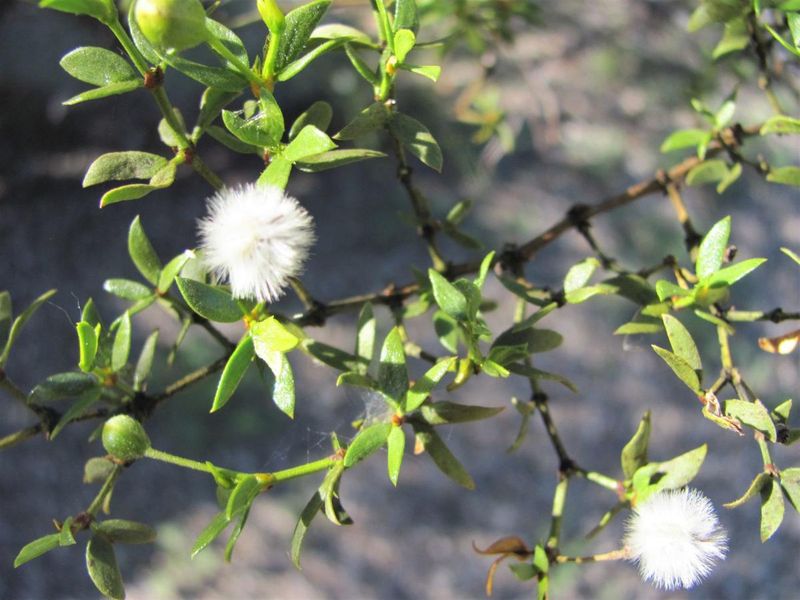
That earthy perfume drifting through the desert after a summer storm comes mostly from creosote bush leaves. Many locals simply call it the smell of rain, and bringing a few branches inside recreates it nicely.
The shrub produces fuzzy, pea-sized seed balls that turn silvery white and look like miniature cotton puffs. Some gardeners nickname the clusters desert pussy willows, which feels perfect for a soft and cozy holiday vase.
I like how creosote adds fresh greenery to arrangements when pine boughs feel out of place in the desert. Trim a few healthy stems from the outer edge, and the shrub usually fills back in without complaint.
Skip sprays and glitter, since the natural leaf resin already gives the branches a subtle glossy shine indoors. Crumble any extra dried leaves into a sachet for a homegrown potpourri that smells like monsoon season.
Creosote shelters lizards and ground birds, and some of those lizards happily snack on insects around your yard. Avoid eating or brewing it, though, because medical sources warn that creosote preparations can harm the liver.
10. Desert Spoon Leaves
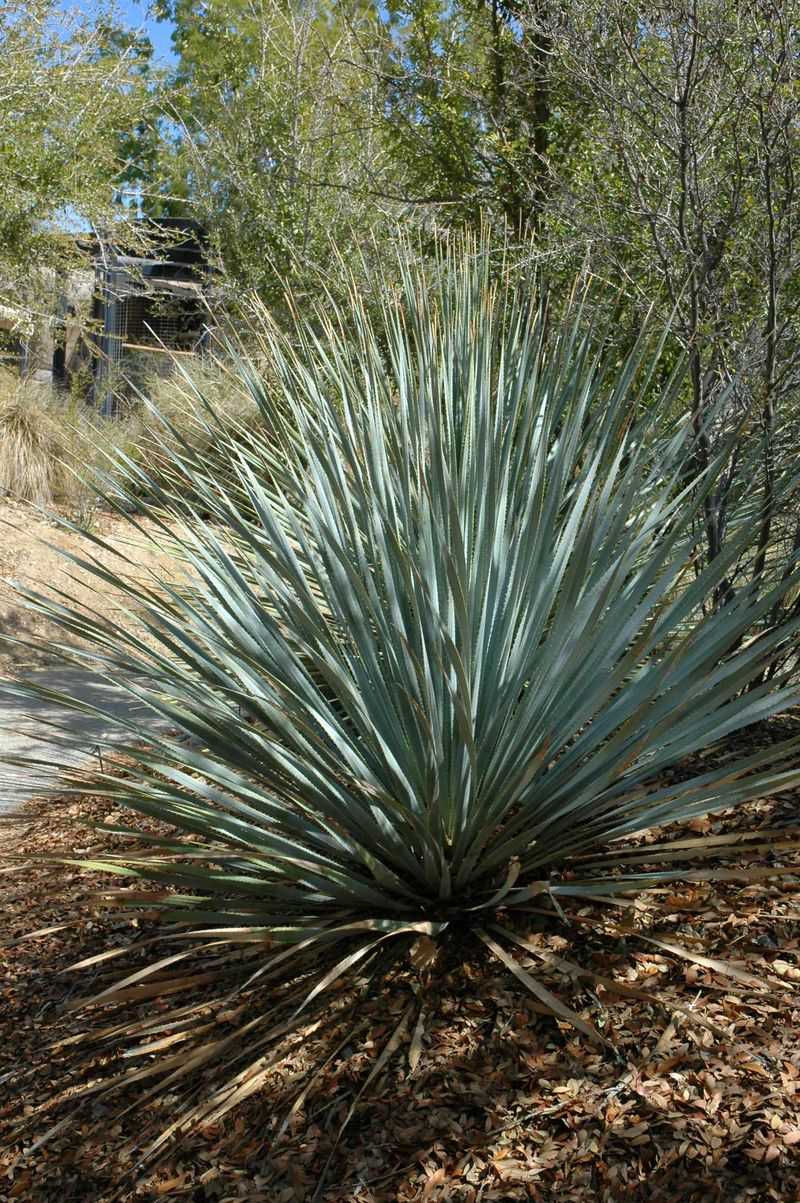
Peel an old lower leaf from a desert spoon, and the widened base really does resemble a polished wooden spoon. Crafters have turned these curious leaf bases into starburst wreaths and ornaments for generations around the Southwest.
Desert spoon, or Dasylirion wheeleri, forms a spiky silver-blue rosette that thrives on very little water once established. Its leaf edges carry small hooked teeth, so gloves and long sleeves make the job far more pleasant.
Only harvest dry outer leaves from plants growing on your own land, since wild collection needs proper permits in Arizona. Pulling just a few lower leaves keeps the rosette tidy and does not harm its healthy center.
Trim away the long blade with pruners, leaving the pale spoon base plus a short handle for attaching. Hot glue them in overlapping rings on a cardboard circle, and you’ll have a radiant sunburst wreath in an afternoon.
Tall flower stalks attract bees and birds during early summer, adding even more wildlife value to this sturdy plant. What surprises me most is how a few humble leaves can outshine an expensive designer wreath on the door.