Give Your Florida Lawn This in November Instead of Another Round of Fertilizer
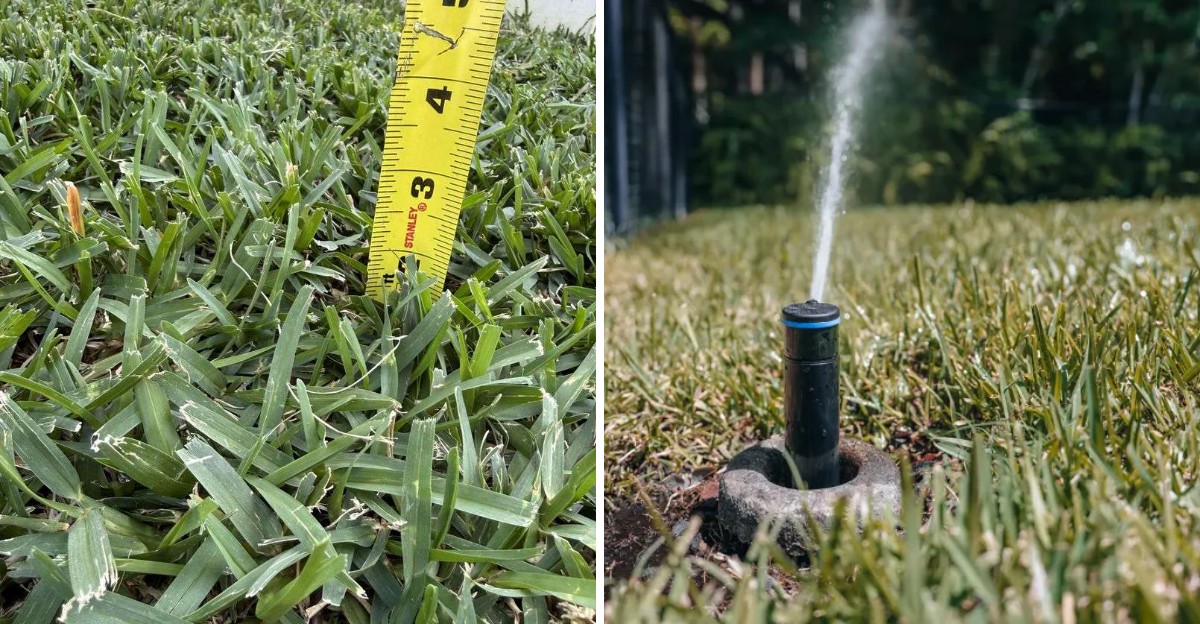
St. Augustinegrass can turn tender and weak when it gets a big nitrogen meal right before a cold snap. That green flush looks great for a week, then winter shows up and the soft blades pay the price.
I used to fertilize in late fall out of pure habit. Personally, I thought more food meant a tougher lawn, and I was wrong about that.
University of Florida experts point out that warm-season grasses slow down as nights cool and days shorten. Your grass is getting ready to rest, not to sprint. Pushing it now mostly feeds weeds, fungus, and runoff into our lakes and springs.
You need a different kind of care this month, one that works below the surface. I believe the best November gift for a Florida yard costs less than a bag of fertilizer.
It might even be sitting in your garage already.
1. Your Sleepy St. Augustine Lawn Is Asking for Something Else
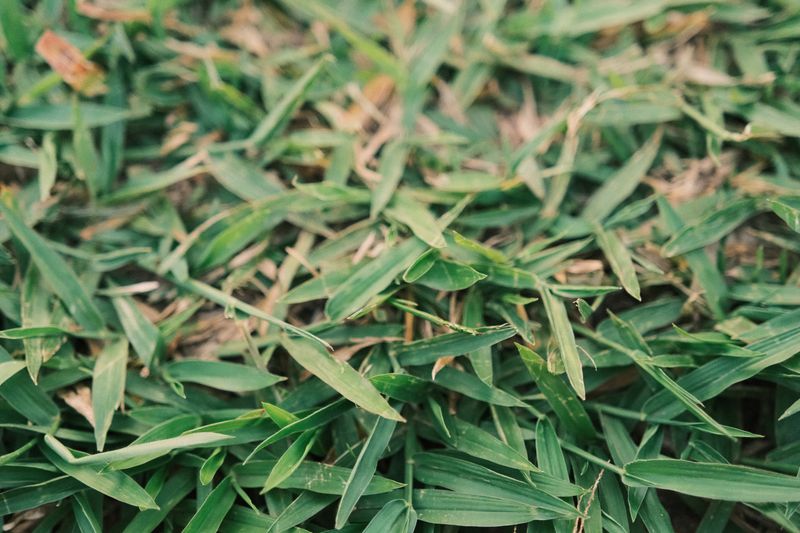
Cooler nights are a signal your grass reads loud and clear. St. Augustine, zoysia, bahia, and centipede all slow their growth as daylight shrinks in fall.
A heavy nitrogen meal now pushes soft, leafy growth at the worst possible time. That tender tissue is more likely to suffer cold injury, and it can invite diseases like large patch, which loves cool, damp weather.
UF/IFAS research links fall nitrogen to more large patch trouble in St. Augustinegrass.
There is also a water quality angle. Grass that is barely growing cannot use much nitrogen, so extra feed can wash into storm drains, lakes, and springs.
Many Florida counties and cities have fertilizer ordinances, and some include seasonal restrictions, so check your local rules before you buy anything.
Regional timing matters too. UF/IFAS fertilizer calendars show North Florida lawns usually stop getting nitrogen by early fall, while Central Florida lawns finish a bit later.
South Florida grass keeps growing more through winter, so a light feeding may still fit there.
So the smart move in November is not more food. Your lawn needs better soil, better habits, and a little patience while it rests.
2. A Thin Layer of Compost Feeds the Soil Under Your Grass
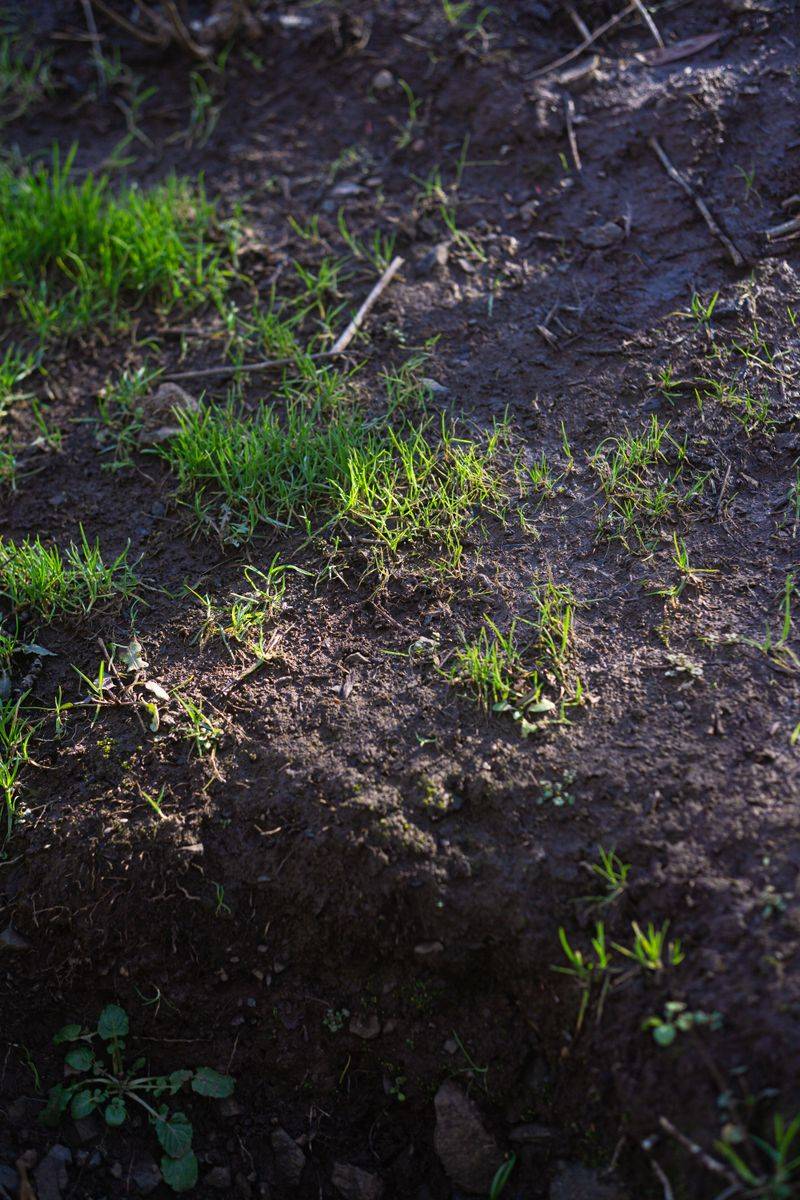
Compost is my favorite answer to the November itch. Instead of pushing the grass, it quietly improves the ground the roots live in.
Many yards sit on sandy soil that drains fast and holds few nutrients. Finished compost adds organic matter, which helps sand hold water and nutrients longer.
It also supports the soil life that breaks down clippings and recycles nutrients slowly.
Keep the layer thin, about a quarter inch. Thicker piles can smother turf, especially low-growing grasses.
Spread it with a shovel, then work it down into the canopy with the back of a rake so the blades still see sunlight.
Quality counts here. Use fully finished compost that smells earthy, not sour, and looks dark and crumbly.
Unfinished material can carry weed seeds or tie up nutrients while it keeps breaking down.
A soil test from your county extension office is worth doing first. It tells you pH and what nutrients are already there, so you stop guessing.
Plenty of lawns here turn out to have more phosphorus than they need.
Compost will not make the lawn shockingly green in a week. What it builds is steady soil health that pays off when spring growth kicks in.
3. Core Aeration Opens Tight Soil Before Winter Rest
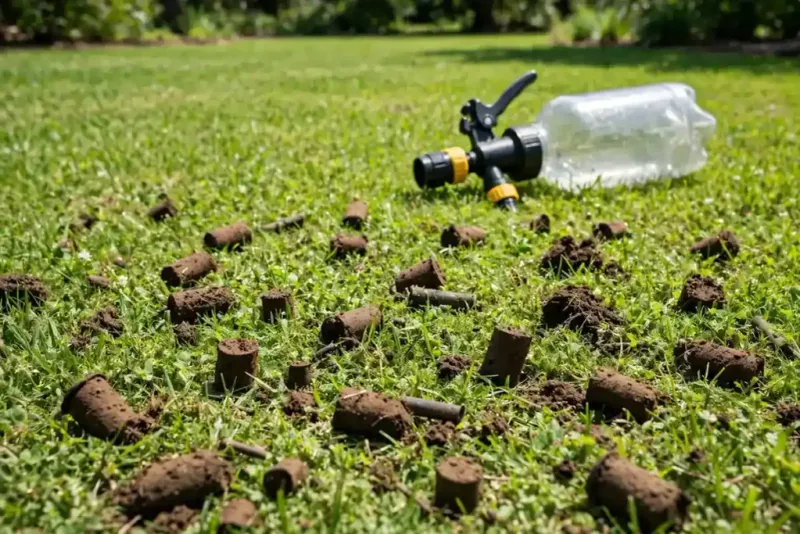
Little soil plugs scattered across a lawn look messy, but they tell a happy story. Each hole lets air, water, and compost slip down toward the roots.
Compaction happens from kids, dogs, cars, and mowers rolling over the same paths. Packed soil sheds water and squeezes roots.
A core aerator pulls out small cylinders of soil to loosen things up.
Timing in our state is a bit tricky. Turfgrass experts generally favor aerating when grass is actively growing so it can heal quickly, which means late spring through early fall is ideal.
In South Florida, November can still work because grass keeps growing. In North Florida, if your grass has mostly stopped, it may be wiser to wait until spring.
Not every lawn needs it either. Push a screwdriver into moist soil.
If it slides in easily, skip aeration this year. If you struggle, compaction is likely.
Choose a core aerator over spike tools, which can press soil tighter around the holes. Leave the plugs to break down on their own.
Done at the right time, aeration plus a thin compost topdressing is a great team. Fresh holes give that organic matter a direct route into the root zone.
4. Turn Off the Summer Sprinkler Schedule
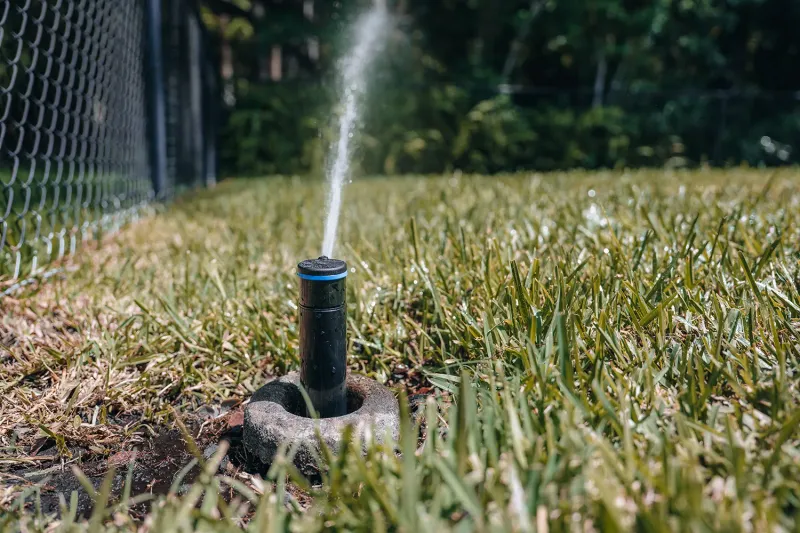
Plenty of sprinklers run on a July schedule all the way into December. Your grass is drinking far less now, so that extra water just sits in the soil.
Soggy, cool soil is a favorite home for fungal problems like large patch. Overwatering also encourages shallow roots and wastes money on your utility bill.
UF/IFAS recommends watering only when the lawn shows signs of thirst. Look for folded leaf blades, a dull blue-gray color, or footprints that stay pressed into the grass.
When you see those signs on a good part of the lawn, apply about half to three-quarters of an inch.
Check your local watering rules, too. Water management districts set limits on which days you can irrigate, and many areas allow only one day a week during the cooler months.
A rain sensor or soil moisture sensor helps a lot. Florida law requires rain shutoff devices on automatic systems, so make sure yours still works.
Water early in the morning, before about 10 a.m. Blades dry during the day, which lowers disease risk.
Evening watering keeps leaves wet overnight, and that is exactly what fungi enjoy.
5. Raise That Mower Blade a Notch for Taller St. Augustinegrass
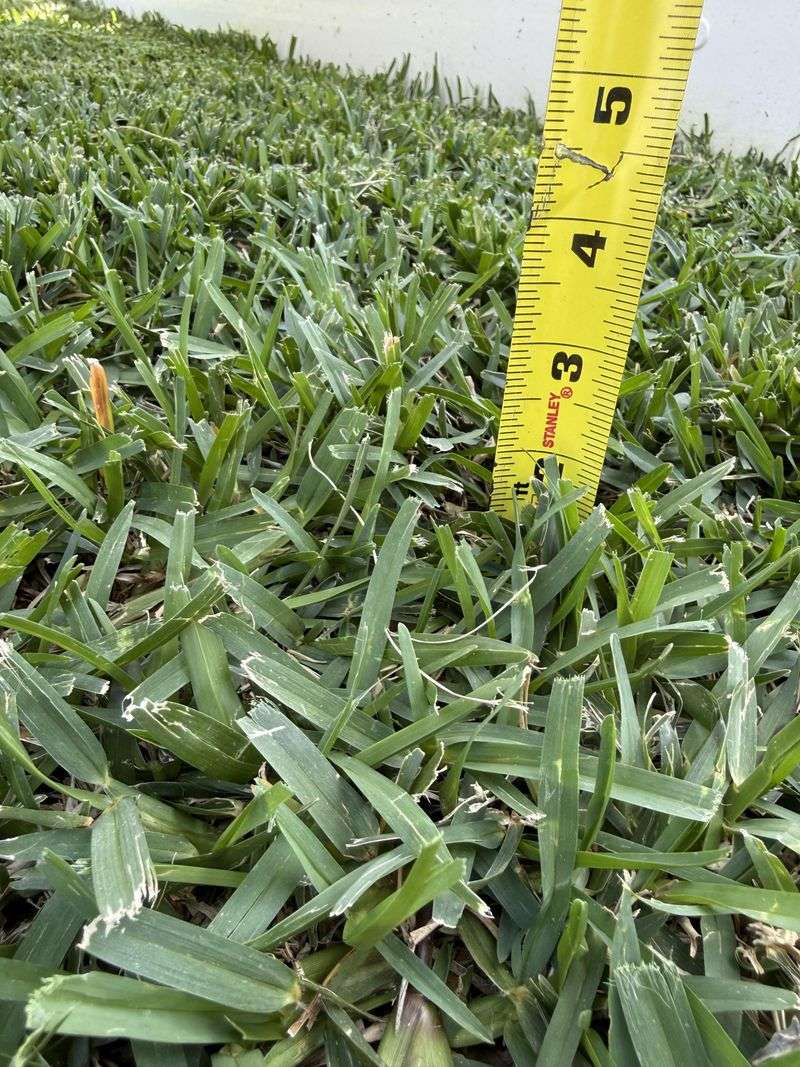
Lazy lawn care actually wins this month. Mowing a little less often and a little higher gives your grass a cozy buffer for winter.
Taller blades mean more leaf surface to soak up the weaker autumn sunshine. They also shade the soil, which helps slow weed seeds from sprouting and keeps moisture steadier.
Each grass has its own sweet spot. UF/IFAS suggests mowing most St. Augustinegrass at 3.5 to 4 inches, bahiagrass at 3 to 4 inches, and centipedegrass around 1.5 to 2 inches.
Dwarf St. Augustine and zoysia types often sit lower, so check your variety.
Follow the one-third rule. Never remove more than a third of the blade height in one cut, since scalping stresses the plant badly.
Sharpen your blade before the slower season. Dull blades tear grass tips, leaving ragged brown edges that heal slowly and can let disease in.
Leave the clippings right where they fall. They break down quickly and return nutrients to the soil, which is basically a free, gentle feeding without any bag.
Fun fact: grass clippings are about 80 to 85 percent water, so they do not cause thatch problems the way many folks believe.
6. Chopped Oak Leaves Make Free Food for Your Lawn
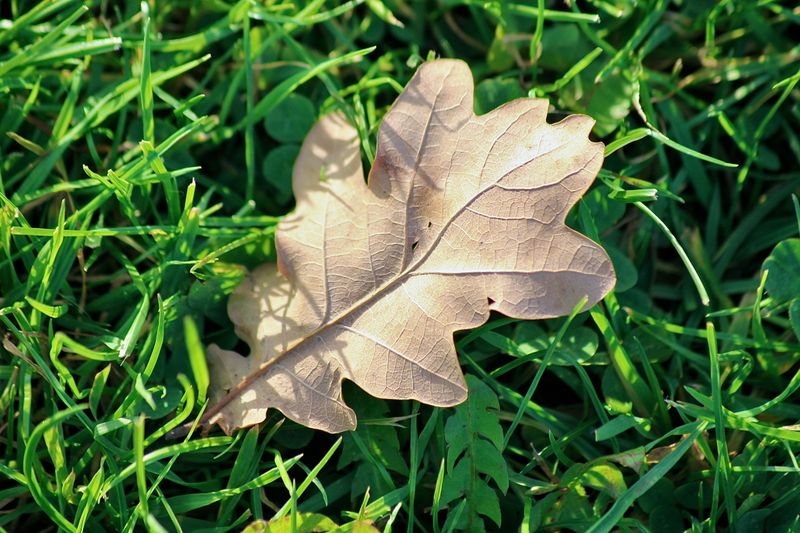
Live oaks, laurel oaks, and maples drop plenty of leaves across the state, mostly from late fall into spring. Bagging them all up sends free organic matter to the curb.
Run your mower over light layers of leaves instead. The blade shreds them into small flakes that slip between grass blades and break down.
Research from several universities shows mulched leaves do not hurt healthy turf when the pieces are small enough for grass to show through.
The key word is light. A thick, wet mat of whole leaves blocks sunlight and holds moisture against the grass, which can lead to thinning and disease.
If leaves pile deep, mow more often or rake some away.
Extra leaves have plenty of jobs. Spread them as mulch under shrubs and trees, where they keep soil moist and suppress weeds.
Toss them into a compost pile with kitchen scraps and you will have homemade topdressing later.
Personally, I love this chore because it feels like recycling with a mower. Your garden gets richer, your trash pickup gets lighter, and nothing leaves the yard.
Skip leaves from plants treated with heavy pesticides, and keep them out of storm drains.
7. Winter Weeds Like Henbit Are Waiting for Bare Spots
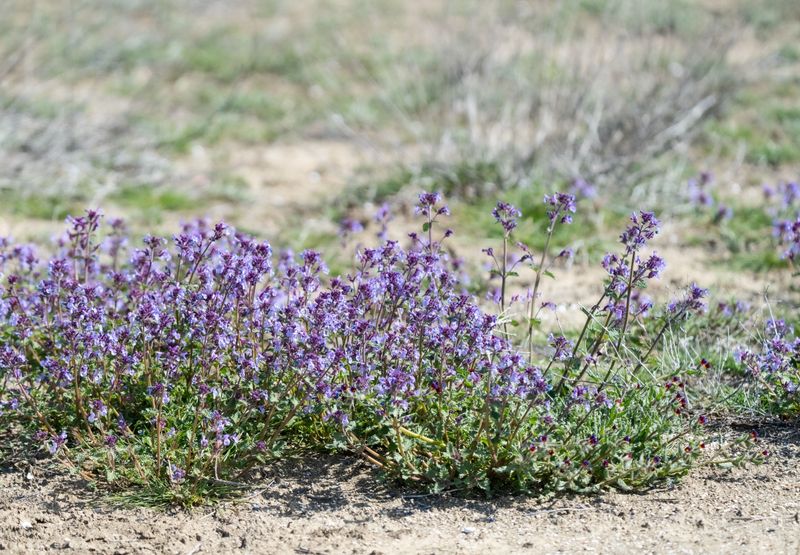
Cool weather wakes up a whole cast of uninvited guests. Henbit, chickweed, Florida betony, and annual bluegrass all sprout as your warm-season grass slows down.
Thin turf is their open door. That is why everything else in this list matters.
A healthy, properly mowed, wisely watered lawn shades the soil and leaves weeds little room.
Pre-emergent herbicides can help, but timing is everything. They work only before seeds sprout.
UF/IFAS guidance points to fall application when nighttime temperatures drop to about 55 to 60 degrees for several days, which often lands in October in North Florida and later farther south. By late November, many winter weeds have already germinated in the north.
For weeds already up, hand-pulling works well for small patches. Spot treat larger problems with a product labeled for your grass type, since St. Augustine and centipede are sensitive to some herbicides.
Read the label carefully, and avoid spraying on hot afternoons.
Many winter weeds fade on their own when summer heat arrives. If a few show up, do not panic.
Fun fact: henbit flowers feed early bees, so a couple in a corner is not the end of the world.
8. Ryegrass Overseeding Can Keep a North Florida Lawn Green
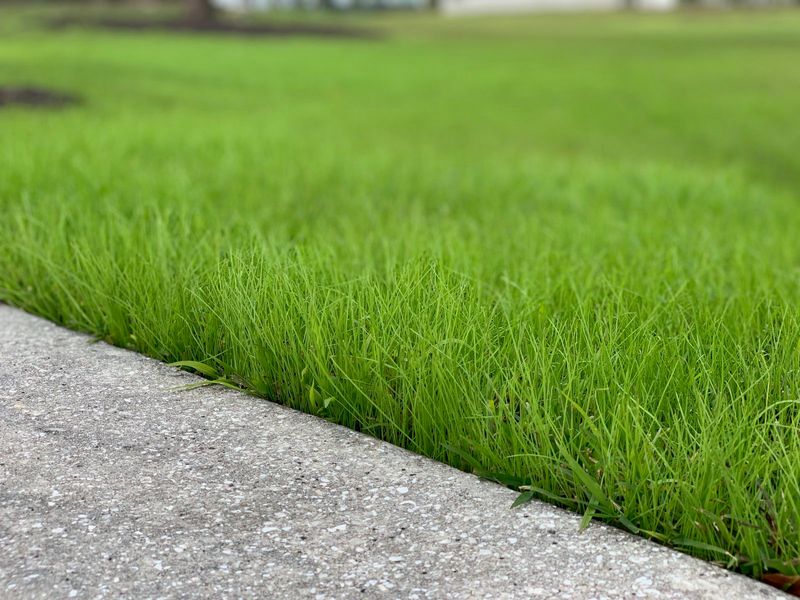
Brown winter lawns bother some folks more than others. If tan grass makes you itchy, you have honest options that skip the fertilizer.
Overseeding with annual ryegrass is a popular choice in North and Central Florida. UF/IFAS suggests seeding once daytime highs settle into the low 70s, which is often November up north.
The ryegrass gives bright green color all winter, then fades as heat returns.
There are tradeoffs, though. Ryegrass needs regular watering and mowing, plus some feeding of its own.
It can also compete with your permanent grass during spring green-up, so many experts suggest it mostly for bermuda lawns rather than St. Augustine.
Turf colorants are another path. These pigments tint dormant grass green without adding growth, and golf courses have used them for years.
They wear off slowly, so you may need to reapply.
Honestly, my favorite takeaway is simpler. A tan winter lawn is resting, not failing.
Give it compost, smart watering, taller mowing, and leaf mulch now, and save fertilizer for spring green-up.
Your best next step is a soil test this month. It will guide exactly what your lawn needs when the growing season returns.