Buds Forming On Your Pennsylvania Christmas Cactus? Here’s How To Water It Now
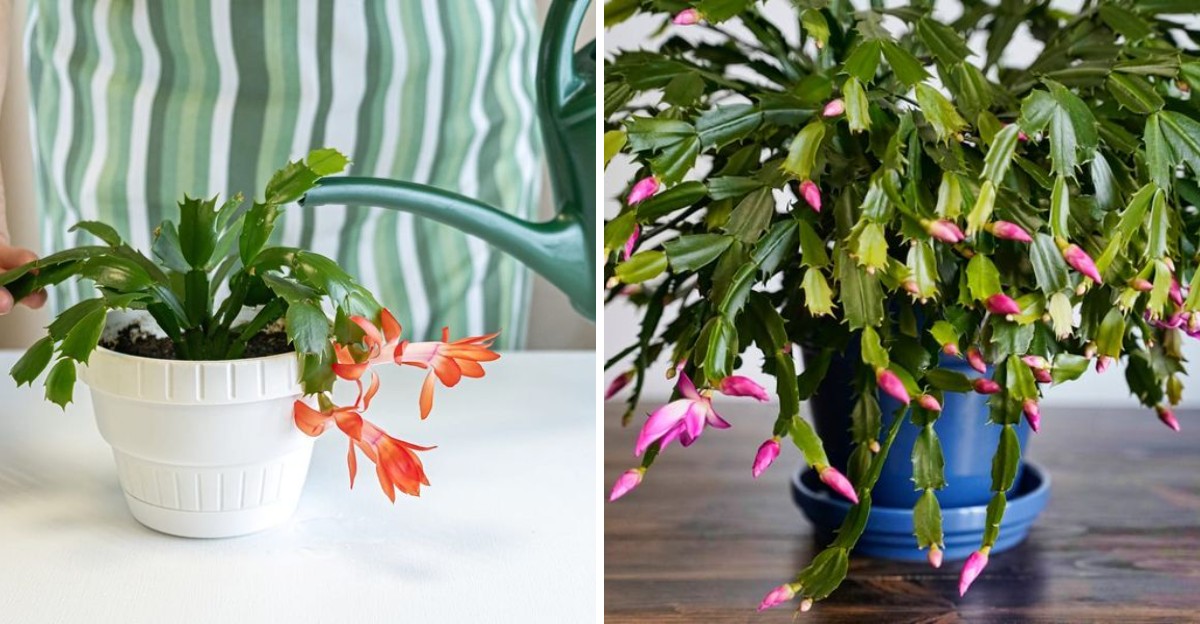
In the wild, this famous holiday bloomer grows on tree branches in the misty mountains of southeastern Brazil. It clings to bark and mossy forks, sipping rain and fog instead of sitting in deep soil.
That explains a lot about its moods indoors. I love how a plant from a cloud forest can feel so at home on a Pennsylvania windowsill in late fall.
The tricky part starts when those little pink or red nubs appear at the stem tips. A watering habit that worked all summer can suddenly cause trouble, and buds may drop with no warning at all.
Personally, I learned this the hard way after one too many generous splashes from my watering can. You need a gentler rhythm now, one that matches the plant’s rainforest roots. So what does a thirsty bud actually want from you this week?
Those Tiny Christmas Cactus Buds Are Asking For A New Routine
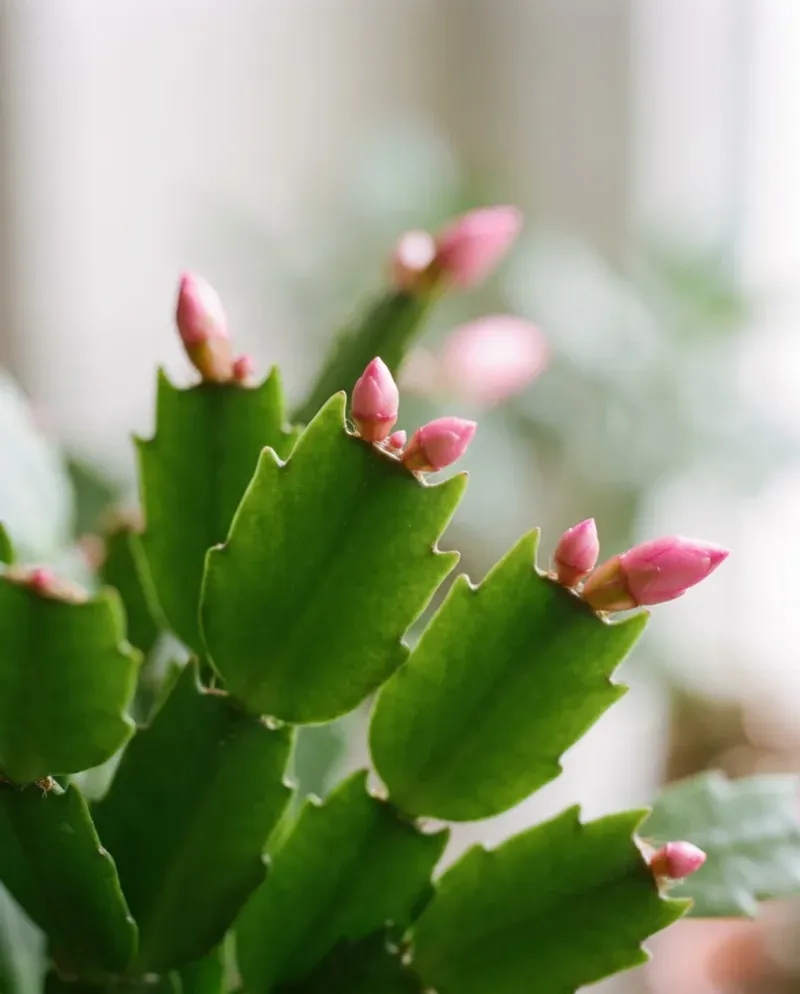
Those little colored tips did not show up by accident. Christmas cactus (Schlumbergera) sets buds after weeks of long nights and cool air, usually around 12 to 14 hours of darkness and temperatures near 50 to 60 degrees.
In fall, many gardeners hold back water to help nudge the plant toward flowering. That drier stretch worked its magic, and now the plant has shifted gears. It has stopped focusing on new leafy growth and started pouring energy into flowers.
Here is where people get tripped up. The lean watering that helped spark buds is no longer the right plan once buds are visible. Developing flowers need steady moisture to swell, color up, and open.
I think of it like a runner switching from training to race day. The prep is done, and now the plant needs reliable fuel. Too little water and the buds may shrivel, while too much can swamp the roots.
So when you spot those first nubs, take it as your cue. Your job now is to keep things even and predictable. The next few weeks of care decide whether you get a full holiday show or a pile of fallen buds on the sill.
Water Your Budding Cactus When The Top Inch Of Soil Feels Dry
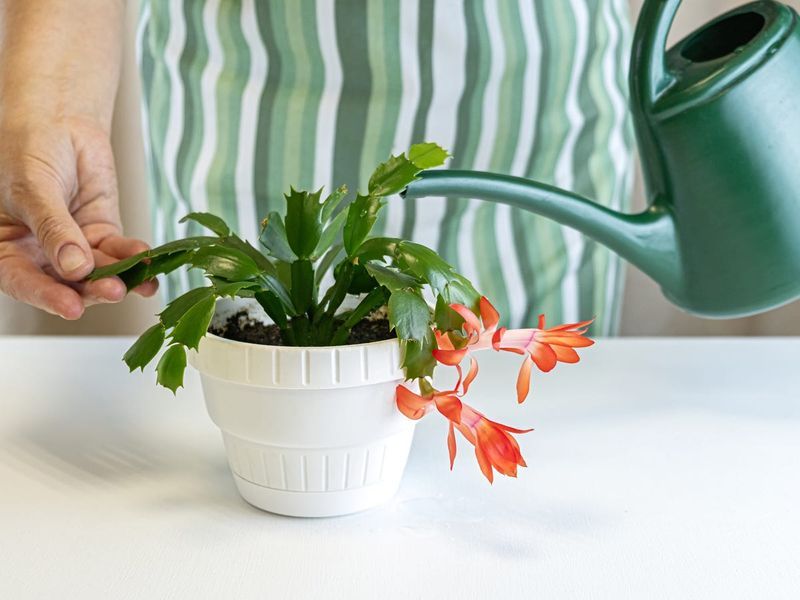
My favorite tool for this job costs nothing. Just push your finger about an inch into the potting mix. If it feels dry at that depth, it is time to water.
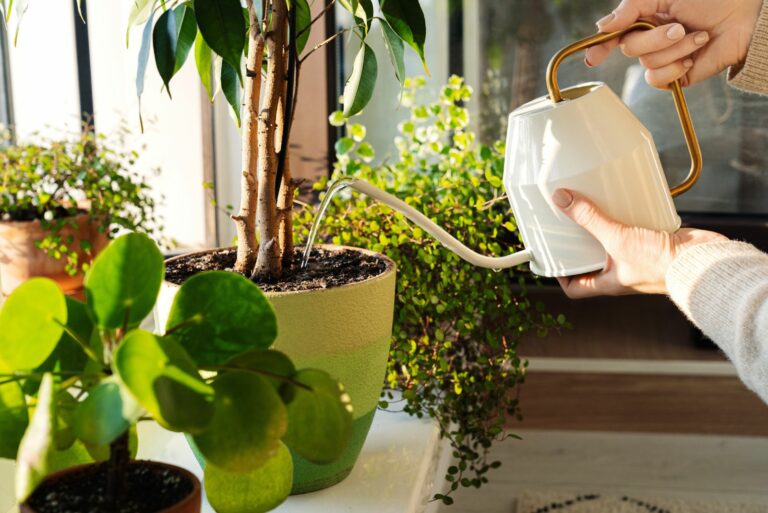
When you do water, go all in. Pour slowly until water runs out of the drainage holes, then let the pot drain for a few minutes. Empty the saucer so the roots are not left sitting in a puddle.
Many university extension sources suggest keeping the mix lightly moist while buds develop and plants bloom.
In a typical Pennsylvania home with the heat running, that often means watering about once a week. Some homes need it a bit more often, and cooler rooms need less.
Skip the calendar and trust the soil instead. Pot size, light, and room warmth all change how fast the mix dries.
A small clay pot near a sunny window may dry in four days, while a big plastic pot might stay damp for ten.
Use room-temperature water if you can. Cold tap water straight from a winter pipe can be a little shocking to tender roots. Letting a jug sit out overnight is an easy fix that helps keep buds settled.
Soggy Roots Are The Fastest Way To Lose Christmas Cactus Buds
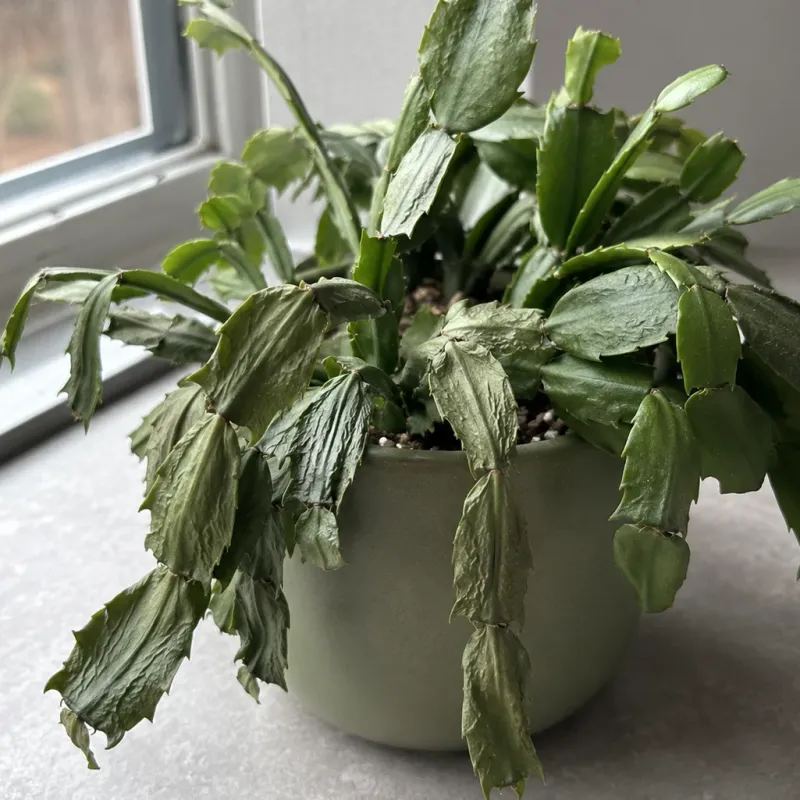
Too much love usually shows up as water. Christmas cactus roots need air as much as moisture, and soggy soil pushes that air out. Roots then start to rot, and the plant often reacts by dropping its buds.
Watch for these clues. Stems may look limp or slightly translucent near the base. The soil may smell sour or stay wet for days after watering.
Drainage is the big helper here. Make sure your pot has holes in the bottom. A decorative cover pot without holes can quietly collect water, so lift the plant out after watering and let it drain.
If the mix stays wet, hold off on watering until the top inch dries. For a plant in serious trouble, gently slide it out and look at the roots.
Healthy ones are firm and pale, while mushy brown ones signal rot. Repotting while buds are forming can stress the plant, so save that for a true emergency.
If needed, trim mushy roots and move it into a fast-draining mix, such as potting soil blended with perlite or orchid bark. A few lost buds beat losing the whole plant.
Shriveled Stem Segments Mean Your Cactus Got Too Thirsty
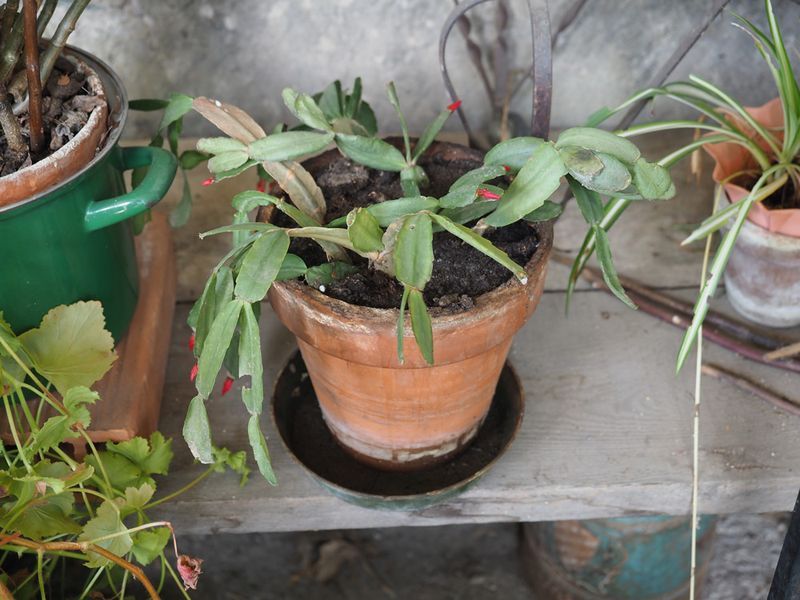
Funny thing about the name. This plant is called a cactus, but it is nothing like the desert types that handle months of drought. It comes from humid forests, and it wants a steadier drink.
When the mix dries out too much during bud season, the plant shows it. Flat stem segments start to wrinkle or look soft and floppy. Buds can turn yellow, shrink, or fall off with a gentle bump.
The bigger problem is a wild swing between bone dry and soaking wet. That roller coaster stresses the plant more than either extreme alone. Steady moisture is what keeps buds hanging on.
If your potting mix has pulled away from the edges of the pot, water may run straight down the sides and out the bottom.
Try bottom watering in that case. Set the pot in a bowl of water for 15 to 20 minutes, then let it drain well.
Wrinkled segments often plump back up within a few days of a good drink. After that, check the soil every few days so it does not get so parched again. A quick finger poke while your coffee brews makes a handy habit.
A Pebble Tray Gives Rainforest Humidity Back To Your Cactus
Brazilian cloud forests are damp places. Christmas cactus there enjoys plenty of moisture in the air, often well above 50 percent humidity.
Winter homes tell a different story. Once furnaces kick on across Pennsylvania, indoor humidity can sink to 30 percent or lower. Dry air pulls moisture from the plant and can play a part in bud drop.
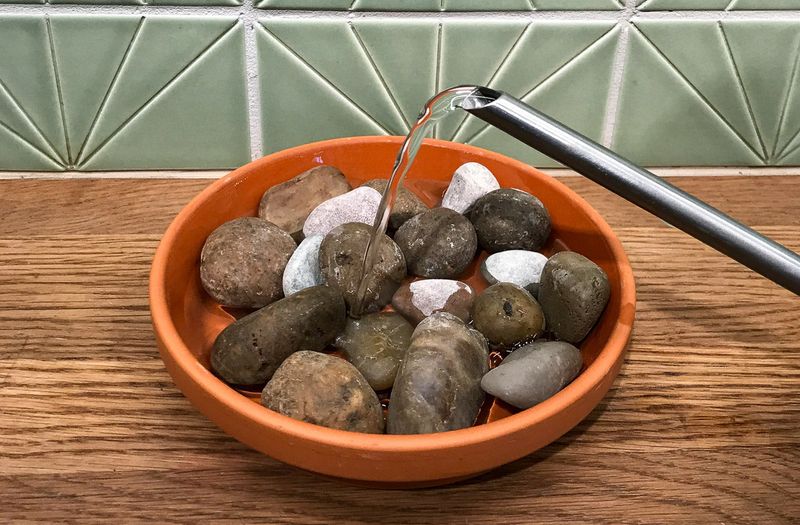
A pebble tray offers an easy boost. Fill a shallow tray with gravel or pebbles, add water just below the top of the stones, and set the pot on top. As the water evaporates, it lifts the moisture right around the plant.
Keep the pot base above the waterline. You want humid air, not wet roots wicking up extra water. Refill the tray every few days as it dries.
Misting helps a little, but the effect fades fast. Grouping houseplants together also creates a small pocket of moister air. A room humidifier works well if you already run one for comfort.
I like that these tricks help me too. My skin and sinuses are happier when the air is less dry. Sharing the humidity with a blooming plant feels like a fair trade.
Bright Indirect Light And Cool Nights Keep Buds On The Stems
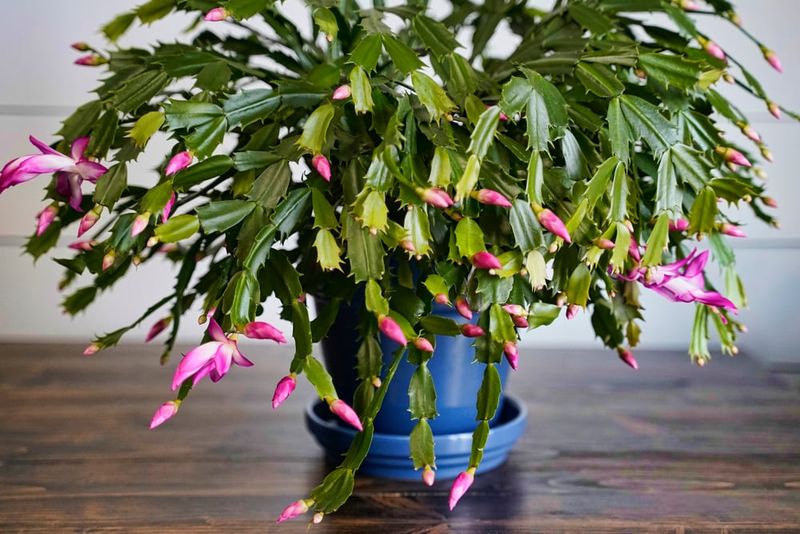
Watering does not work alone. Light and temperature decide how fast your plant uses water and how well buds hold on.
An east-facing window is a sweet spot for many growers. It offers gentle morning sun without the harsh afternoon glare. A bright north window or a spot a few feet back from a south window can also work.
Steady temperatures matter a lot right now. Daytime readings in the mid-60s to around 70 degrees suit the plant well, with nights a bit cooler.
Rooms that run much warmer may speed up flowering but shorten the bloom display. Watch out for drafts.
A cold blast from an often-opened front door can upset buds. So can hot air pouring from a heating vent or a spot right above a radiator.
Remember to adjust watering if you change any of these. A warmer, brighter location dries soil faster, while a cool room slows things down. Checking the soil keeps you in step with whatever conditions your plant faces.
Some Pennsylvania homes run chilly on sun porches in December. Keep the plant above about 50 degrees so cold does not shock it.
Moving A Budded Christmas Cactus Can Trigger Sudden Bud Drop
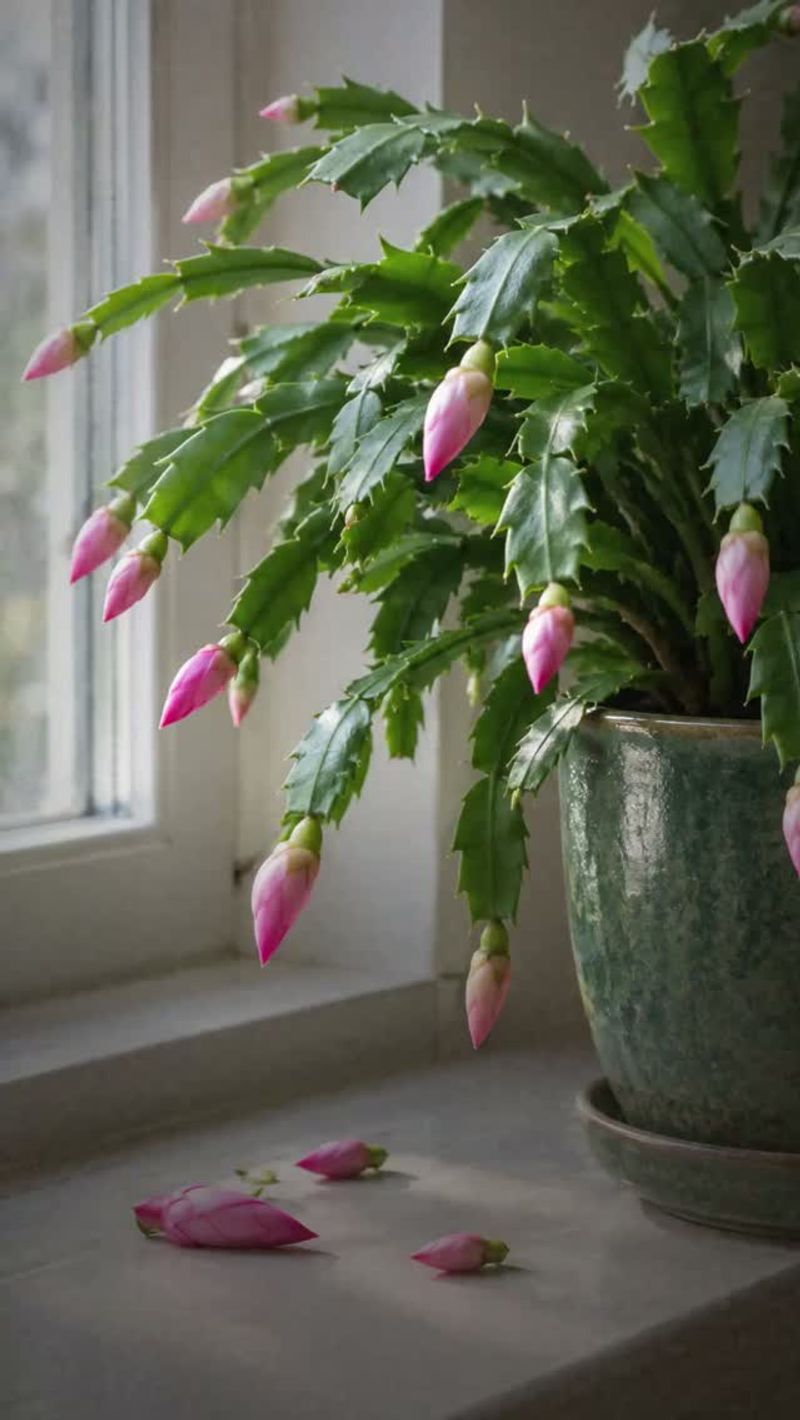
I get the temptation. Those buds look so festive that you want the plant on the dining table or the mantel right away.
Hold that thought for a moment. Christmas cactus is known for reacting to sudden changes in light, warmth, or moisture once buds have set. A big move can lead to buds falling off within days.
The plant has spent weeks tuning itself to one spot. Moving it from a cool, bright window to a warm, dim shelf asks it to adjust quickly. Buds are often the first thing it lets go.
If you must move it, pick a spot with similar light and temperature. Make the change gradually if you can, or wait until the first flowers open, when it tends to be a bit more forgiving.
Gift plants from a store often lose a few buds after coming home. They went from a greenhouse to a truck to a shop to your house.
Do not panic if that happens, since steady care usually keeps the rest on track. Turning the pot a little is fine, but avoid spinning it often. Buds tend to point toward the light.
Blooming Christmas Cactus Flowers Last Longer With Steady Care
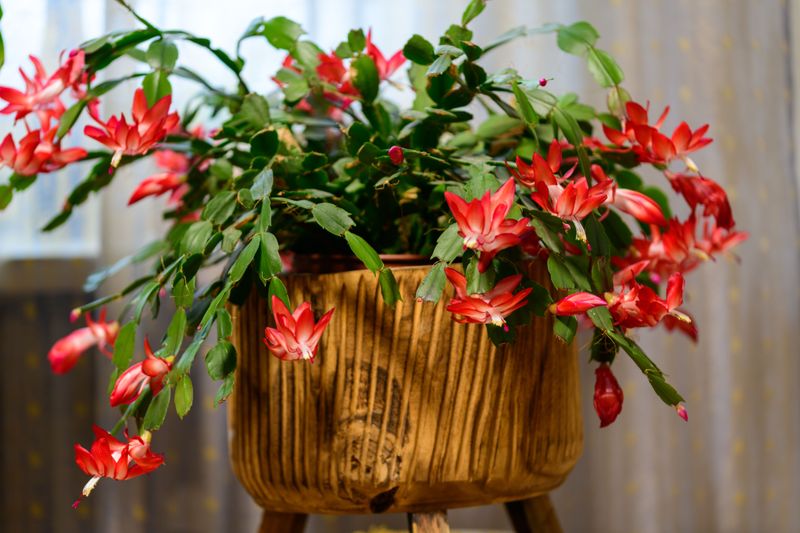
Your patience pays off when those layered, tubular flowers finally open. A healthy plant can stay in bloom for several weeks, with individual flowers opening in waves.
Keep up the same watering habit during bloom. Water when the top inch of soil feels dry, let it drain, and empty the saucer. Cooler room temperatures can help flowers last longer.
Hold off on heavy feeding while it flowers. Many extension guides suggest feeding during spring and summer growth, then easing up in fall and winter. Pinch off faded blooms to keep things tidy.
After blooming ends, the plant enters a short rest. Cut back watering a little for about a month, and let the soil dry a bit more between drinks. Then, as spring growth begins, return to regular care.
Many Pennsylvania gardeners move plants outdoors to a shady porch once nights stay above 50 degrees. Just bring them in before fall frost. Those cool, short days outside can even help set next year’s buds.
The takeaway is simple. Watch the soil, keep conditions steady, and let this forest native do what it does best each winter.