This Is How Georgia Gardeners Water Christmas Cactus For Blooms By December
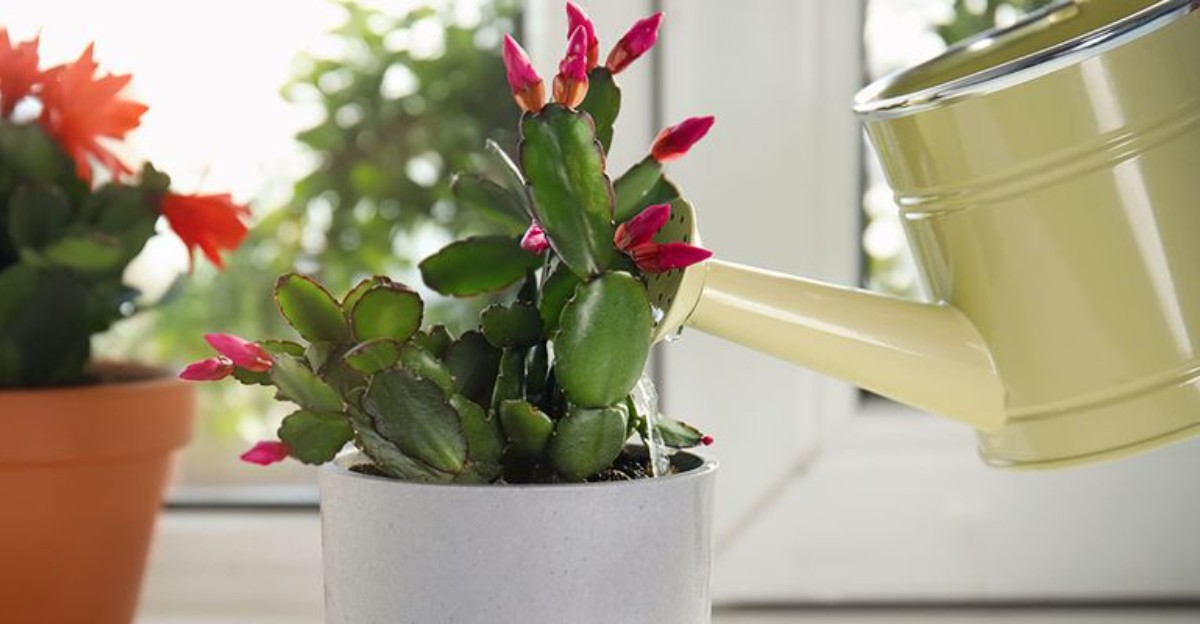
In the wild, this famous holiday bloomer grows on tree branches in humid mountain forests, not in dry desert sand. Its roots grip bark and moss, catching rain and fog as it drifts by.
That surprising home address explains a lot. I used to treat mine like a desert plant, and I got plenty of green stems but barely a single flower.
Here in Georgia, our homes change fast in fall. The heat clicks on, the air dries out, and the days shrink.
Your plant notices every one of those shifts, and it reacts to how you handle the watering can.
I believe the timing of each drink matters as much as the amount. Get it right in October and November, and you could see bright pink buds dangling from every stem.
How much water does a December show really need?
1. Fall Watering Sends Your Christmas Cactus A Secret Signal
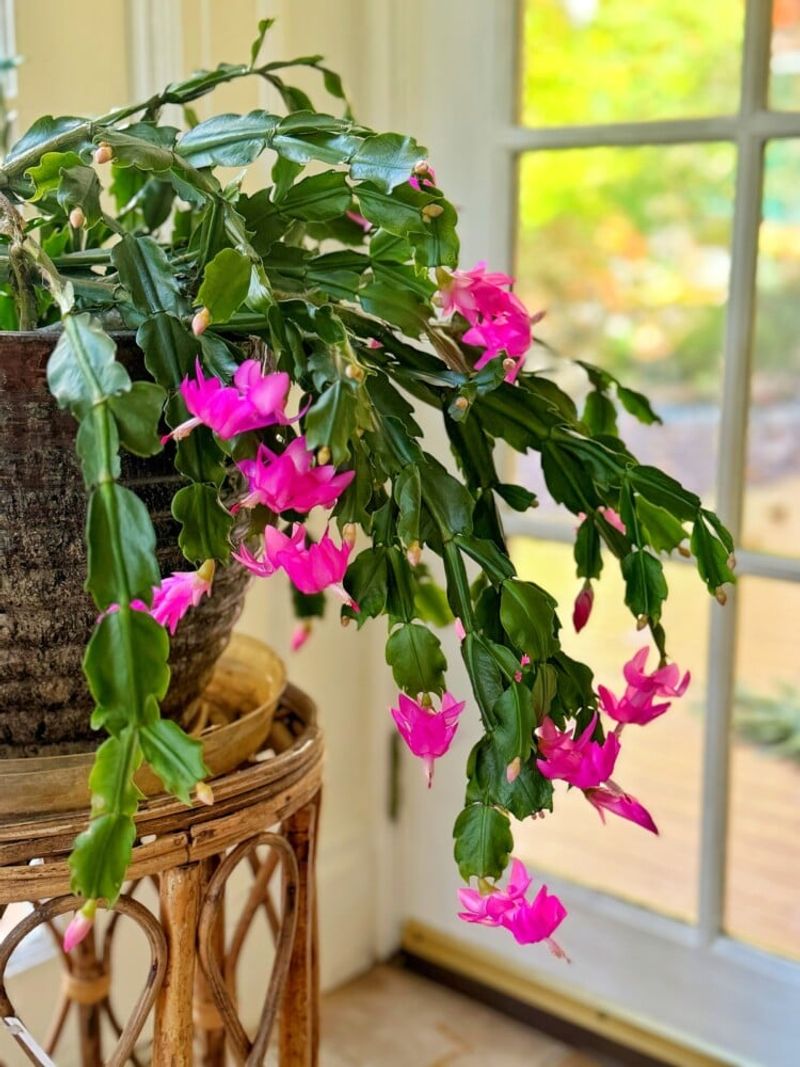
Plants can’t read calendars, but they sure can read the soil. A Christmas cactus uses moisture, light, and cool air as clues that bloom time is coming.
Starting in late September or early October, you want to ease off the watering. Experts at university extension programs explain that a slightly drier fall, paired with long nights and cooler temperatures, helps the plant shift from growing stems to forming flower buds.
This doesn’t mean you should let it go bone dry. Think of it as a small cut in rations, not a hunger strike.
The goal is a plant that feels a gentle change, not a stressed one.
I like how quickly these plants respond once you get the rhythm down. Within a few weeks, tiny bumps often appear at the tips of the flat stem segments.
Those little nubs are your future flowers.
Georgia homes make this step a bit tricky. Our falls can stay warm well into October, especially in Savannah and the southern part of the state.
Warm weather keeps the plant thirsty longer, so check the soil more often there than you would in the mountains.
2. Let The Top Inch Of Christmas Cactus Soil Dry Before You Water
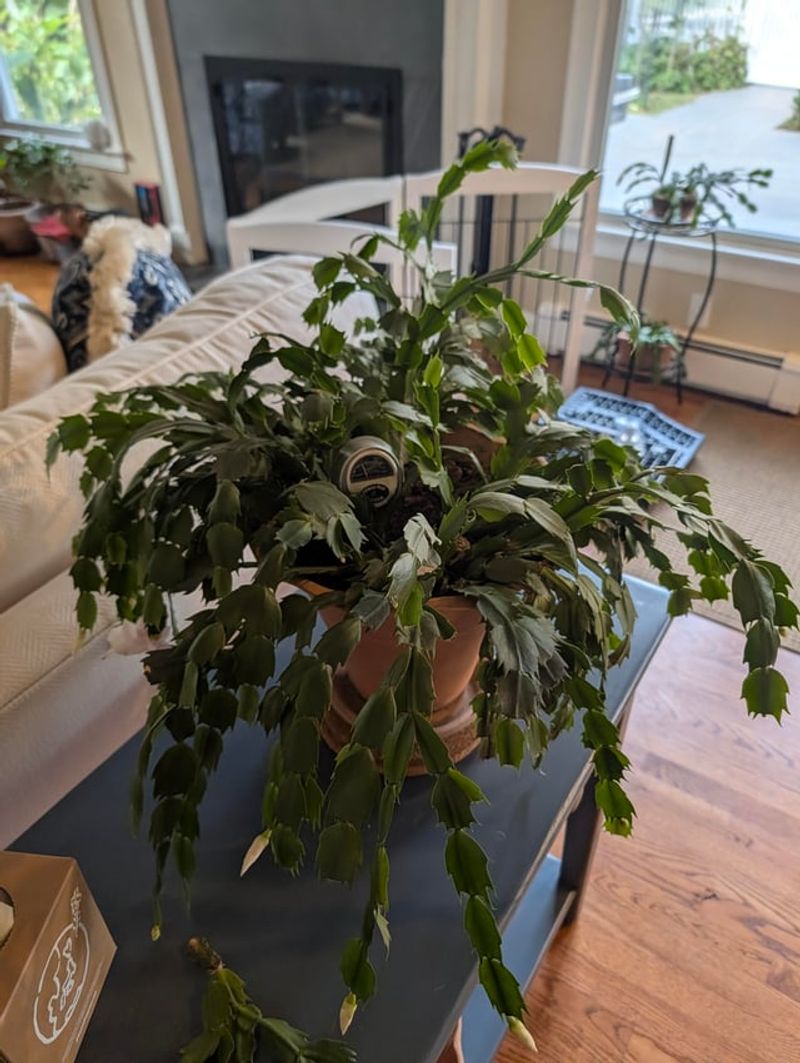
Your finger is the best moisture meter you own, and it costs nothing. Push it into the potting mix about an inch deep.
If it feels dry, it’s time to water.
During the fall bud-setting period, many growers wait a little longer. Some let the mix dry about a third to halfway down the pot before watering again.
That small pause is often enough to encourage buds without stressing the roots.
When you do water, go all in. Pour slowly until water runs out of the drainage holes at the bottom.
This soaks the whole root zone instead of just wetting the surface.
Then comes the part people forget. Empty the saucer within about 15 minutes, because roots sitting in standing water can quickly start to rot.
How often will this happen? In most Georgia homes, it works out to roughly every one to two weeks in fall.
Your schedule may differ based on pot size, room temperature, and sunlight, so trust the soil, not the calendar.
Personally, I keep a little sticky note on the windowsill to track watering dates. It helps me spot patterns fast.
3. Soggy Roots Are The Fastest Way To Lose Those Pink Buds
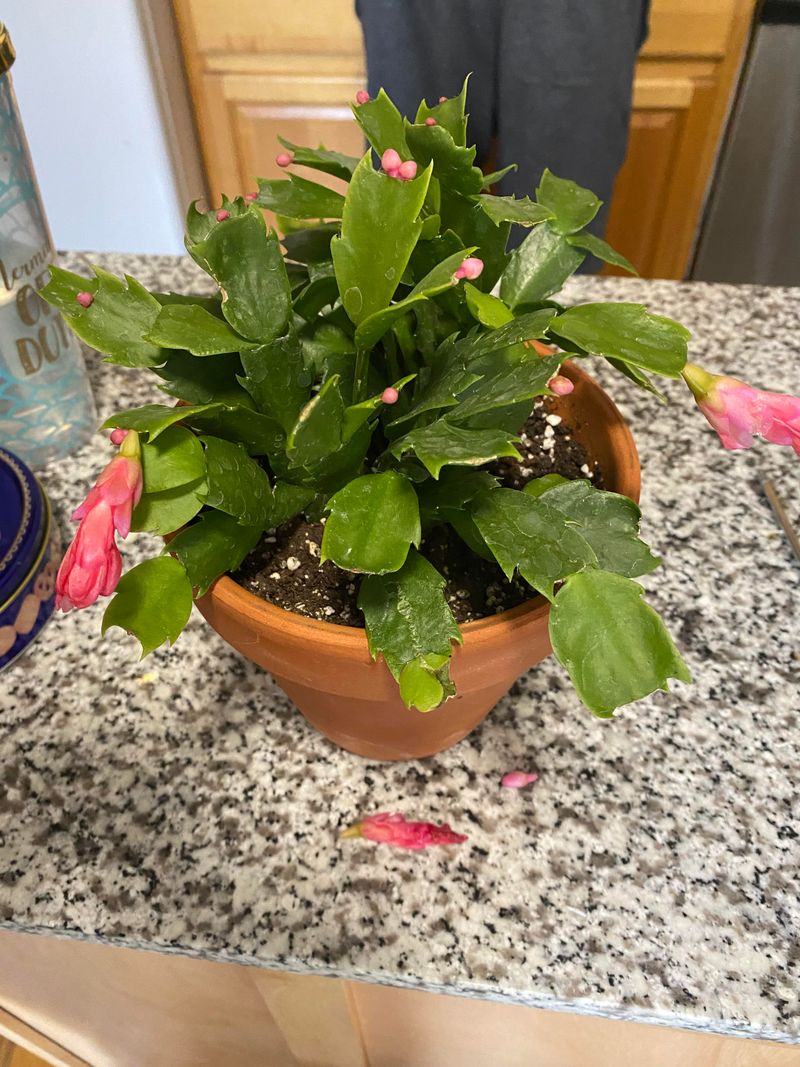
Overwatering is the number one troublemaker for this plant. It sounds backward for a rainforest native, but remember where it grows.
Its roots live in airy tree bark, not in wet mud.
When soil stays soggy, roots can’t get oxygen. They turn brown and mushy, and the plant may start dropping buds or developing limp, wrinkled stems.
Root rot fungi love those conditions too.
Watch for these warning signs:
Buds falling off before they open. Stems that feel soft or look translucent near the base.
A sour smell coming from the pot.
Underwatering causes trouble as well. Long dry spells make stem segments shrivel and can also lead to bud drop.
The trick is steady moisture, never a swamp and never a desert.
Drainage makes a huge difference. Use a pot with holes and a loose, fast-draining mix.
Many gardeners blend regular potting soil with perlite or orchid bark for extra airflow.
Here’s a helpful habit. Skip decorative pots without holes, or slip the plant in its plastic nursery pot inside one.
You’ll get the pretty look without trapping water around the roots.
4. Long Dark Nights Team Up With Your Watering Can
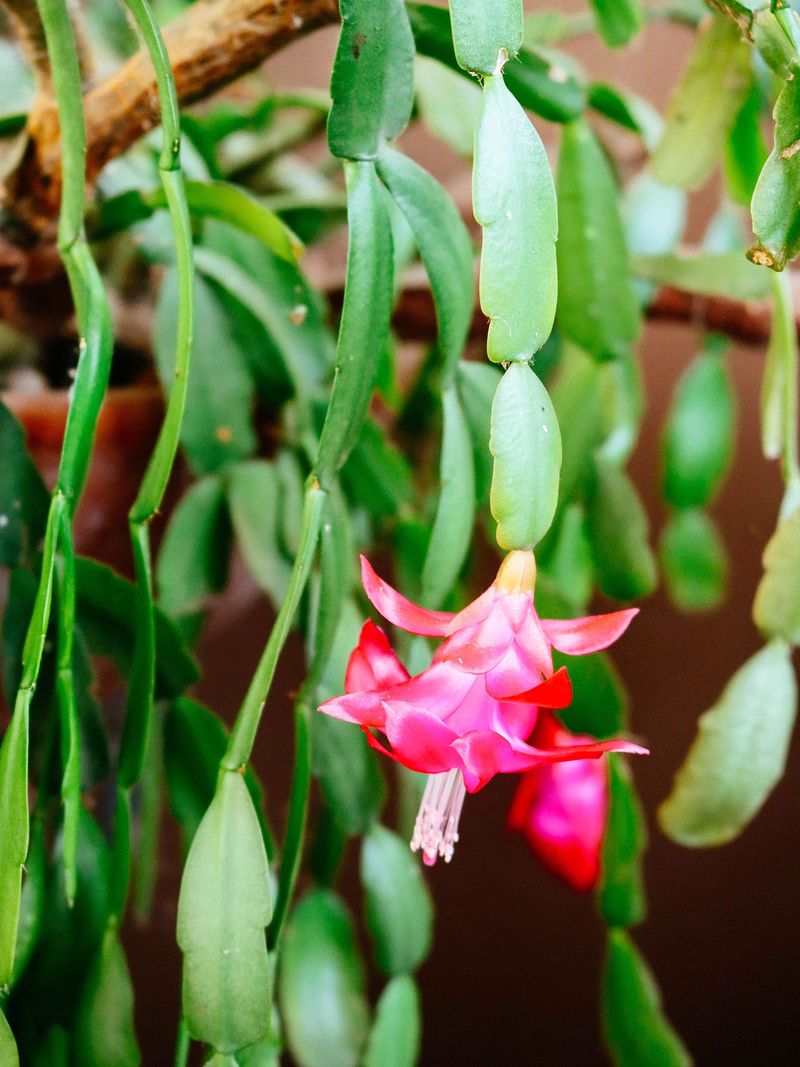
Water alone won’t do the job. A Christmas cactus is a short-day plant, which means it needs long, uninterrupted nights to set buds.
Aim for about 12 to 14 hours of darkness each night for roughly six weeks. Starting in late September or early October gives you a good shot at December flowers.
Even a lamp switched on in the evening can confuse it.
Temperature matters too. Cool nights between about 55 and 65 degrees Fahrenheit help trigger blooming.
In fact, nights around 50 to 55 degrees can push buds to form even without perfect darkness.
Georgia gardeners have a fun option here. Many of us keep the plant on a shaded porch or patio in early fall, where natural cool nights and shorter days do the work.
Just bring it inside before temperatures dip near 45 degrees.
Cooler air slows water use. That’s another reason to check soil before every drink instead of watering on autopilot.
During the day, give it bright, indirect light. Harsh afternoon sun can bleach or redden the stems, so a spot near an east-facing window often works wonderfully.
5. Dry Furnace Air Can Shrivel Christmas Cactus Buds
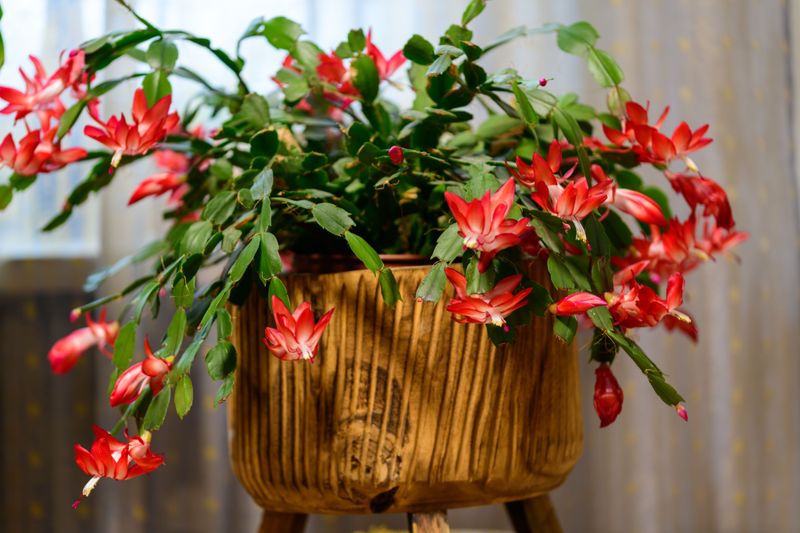
Did you know indoor air in winter can get as dry as some deserts? Once the heat kicks on, humidity in many homes drops well below what this plant enjoys.
These cacti prefer moderate humidity, often around 50 percent or a bit higher. Low humidity can make buds shrivel and fall, even when your watering is spot on.
A pebble tray is an easy fix. Fill a shallow tray with pebbles, add water just below the top of the stones, and set the pot on it.
As water evaporates, it adds moisture around the plant.
Grouping houseplants together helps as well. They share humidity like a little green neighborhood.
A small room humidifier works great if you have one.
Misting gives only a short boost, so I don’t rely on it much. The pebble tray tends to do more good with less fuss.
Placement counts too. Keep the pot away from heating vents, fireplaces, and drafty doors.
Sudden blasts of hot or cold air are classic causes of bud drop, and Georgia cold snaps can sneak through leaky doors faster than you’d expect.
6. Blooming Christmas Cactus Plants Get A Little More To Drink
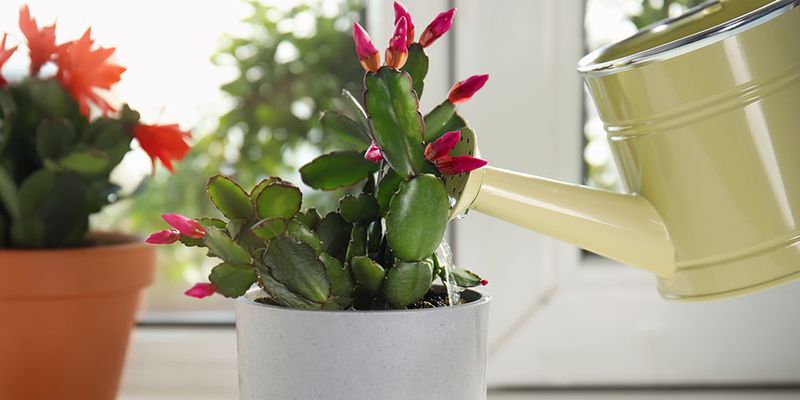
Once the flowers open, the rules shift a bit. Blooms take energy and water, so your plant now wants evenly moist soil.
Check the soil every few days during December. Water when the surface just starts to feel dry, rather than waiting longer like you did in early fall.
Still pour until it drains, and still empty that saucer.
Room temperature water is the kindest choice. Ice-cold tap water can shock the roots, especially in a plant that’s working hard to hold its flowers.
Try not to move it once buds are well formed. I learned this the hard way after shifting mine to the dining table for a party.
Half the buds dropped within a week.
Hold off on fertilizer while it blooms. Feeding is best saved for spring and summer, when the plant is actively growing new stems.
With steady care, each flower can last several days, and a healthy plant opens buds in waves. That means color often stretches through the holidays and sometimes into January.
It’s a lovely reward for all that patient watering back in October.
7. After The Flowers Fade Your Cactus Needs A Short Rest
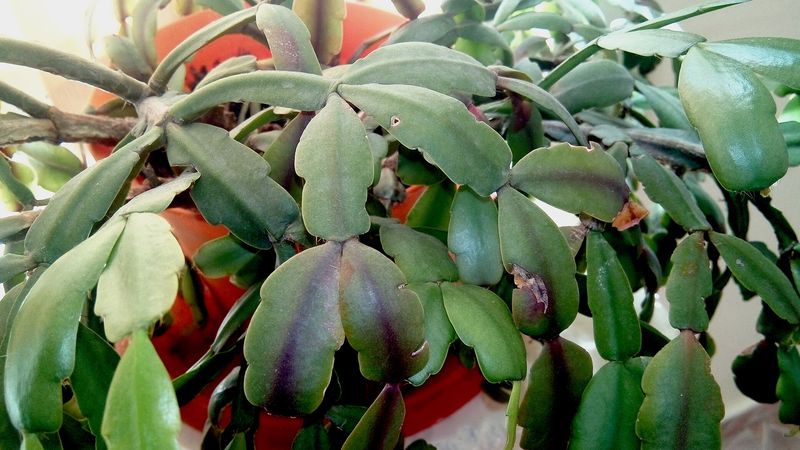
Late winter is nap time. After the last flower drops, give the plant a rest of about six weeks with lighter watering, letting the soil dry a bit more between drinks.
By spring, growth picks up again. Return to regular watering and start feeding with a balanced houseplant fertilizer about once a month through summer.
This is when the plant builds the stems that will carry next year’s flowers.
Early summer is a great time for a light trim. Pinch or twist off a few segments at the joints to encourage a fuller, branchier shape.
More stem tips can mean more blooms later.
Many Georgia gardeners move their plants outdoors for summer. A shady porch or the dappled light under a tree mimics their forest home nicely.
Watch the soil closely during hot spells, since outdoor pots dry faster.
Bring it inside before frost, usually by mid to late October in north Georgia and a little later along the coast.
Then the cycle starts again. Ease up on water, give it long nights, and you’re setting the stage for another bright December show.