10 Smart Ways To Plan Your Texas Garden Around A Year-Round Growing Season
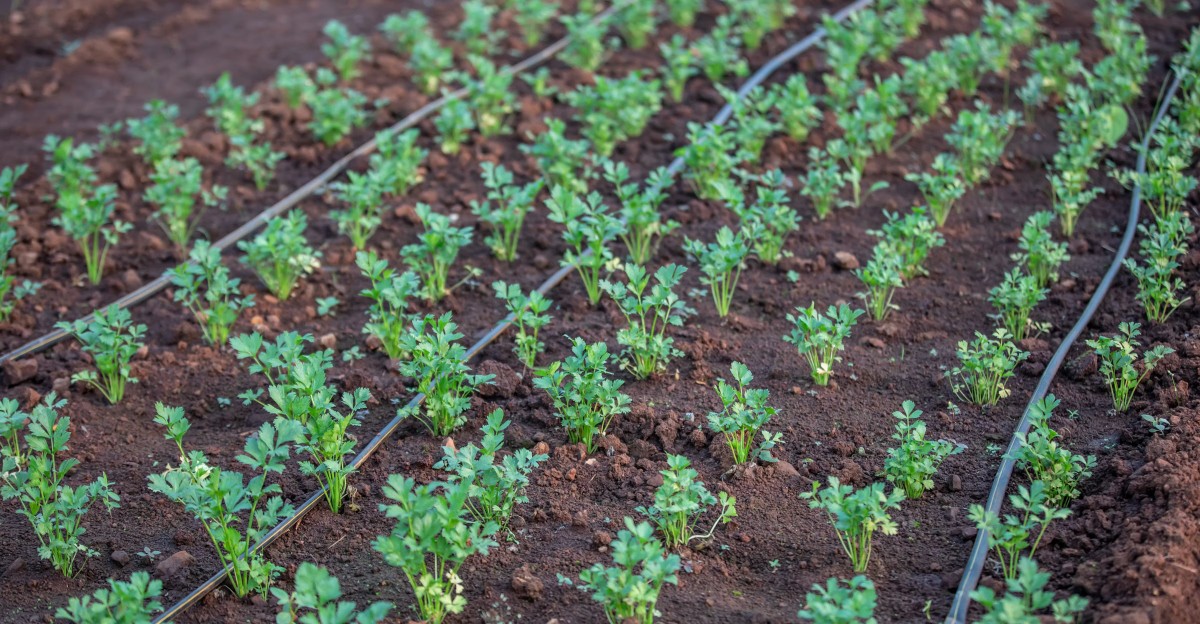
Amarillo gardeners often wait until mid-April for their last frost, while Brownsville gardens rarely see frost at all. That huge gap stretches across one single state, and it shapes almost every planting choice a Texas gardener makes.
Two main vegetable seasons run here instead of one, with a second planting window opening in late summer. Many cool crops actually grow happier in winter months, when northern beds sit frozen under snow.
I skipped fall planting for years and spent every single winter staring at an empty patch of barren soil. You build a better garden once you treat the calendar like a loop rather than a short sprint.
Planning ahead turned my backyard into a place with something to pick nearly every month in Texas. So what does a smart year-round plan really look like when the weather loves to switch moods overnight?
1. Find Your Hardiness Zone On The USDA Map

My first garden plan failed because I trusted a seed packet written for gardeners living hundreds of miles north of me. A quick look at the USDA hardiness zone map fixed that mistake in about two minutes flat.
Zones are based on the average coldest winter temperature, which helps you guess which perennials will return each spring. The latest map places the Panhandle around zone 6b and the southern tip near zone 10b.
You can type your ZIP code into the USDA website and get your zone instantly without any guessing. I wrote mine on the inside cover of my garden notebook so it stays handy during shopping trips.
Zones only tell part of the story, so pair them with your local average first and last frost dates. Your county extension office usually shares planting calendars built around those dates for vegetables and many flowers.
Once you know both numbers, your whole year starts falling into place like pieces of an easy puzzle. Spring planting, summer care, and fall sowing suddenly line up with the weather you actually get outside your door.
2. Test Your Soil Before Planting Any Seeds
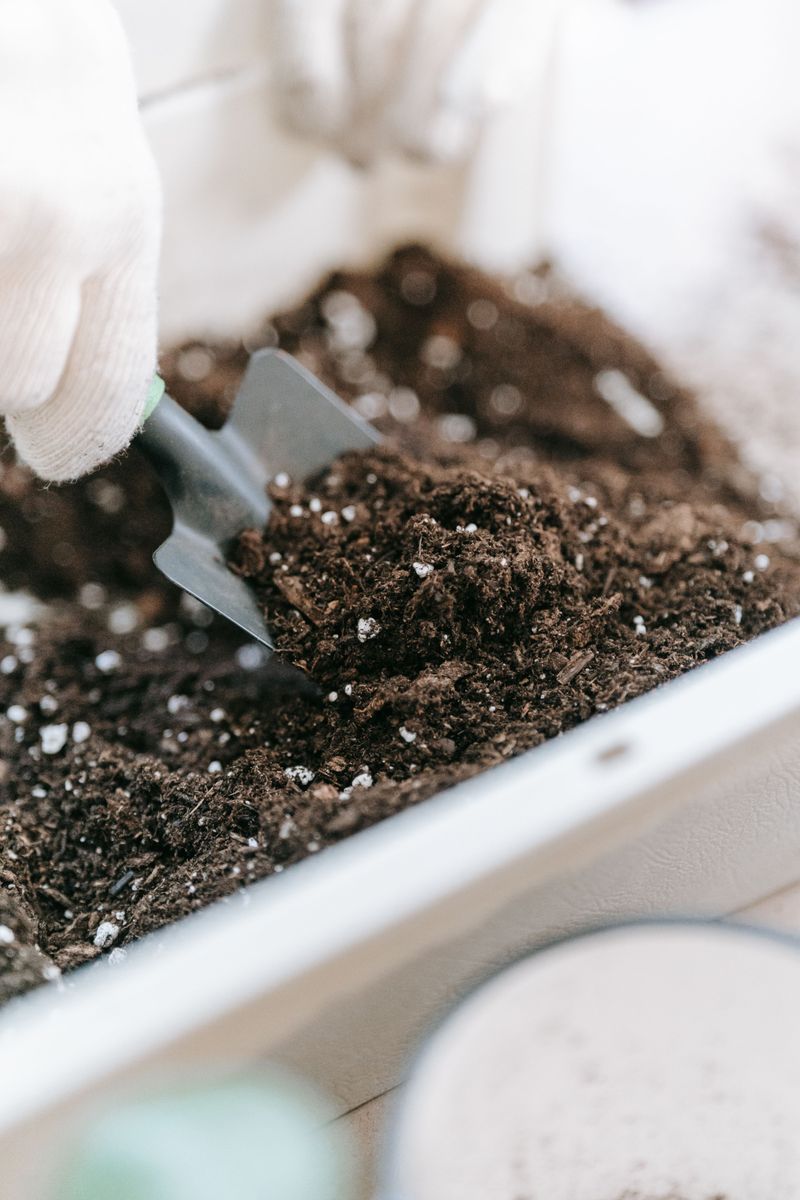
Heavy clay stuck to my boots like wet cookie dough the first spring I tried digging a new vegetable bed. That sticky mess convinced me to stop guessing and finally send a soil sample to a lab.
Texas A&M AgriLife Extension runs a soil testing lab that checks pH and nutrients for a fairly small fee. The report even suggests how much fertilizer to add, which saves money and keeps extra nutrients out of waterways.
Many yards across the state lean alkaline, especially where limestone sits close to the surface under thin topsoil. Knowing your pH early helps you pick plants that handle those conditions instead of fighting them every single season.
Clay soils hold water well but drain slowly, while sandy soils dry out fast and lose nutrients quickly. Mixing in a few inches of compost helps both types, so I treat compost as my favorite soil fixer.
Wait until the soil crumbles in your hand before digging, since working wet clay packs it down hard. A little patience at this step gives roots a loose, healthy home for every season that follows.
3. Fill Beds With Native Turk’s Cap And Salvia
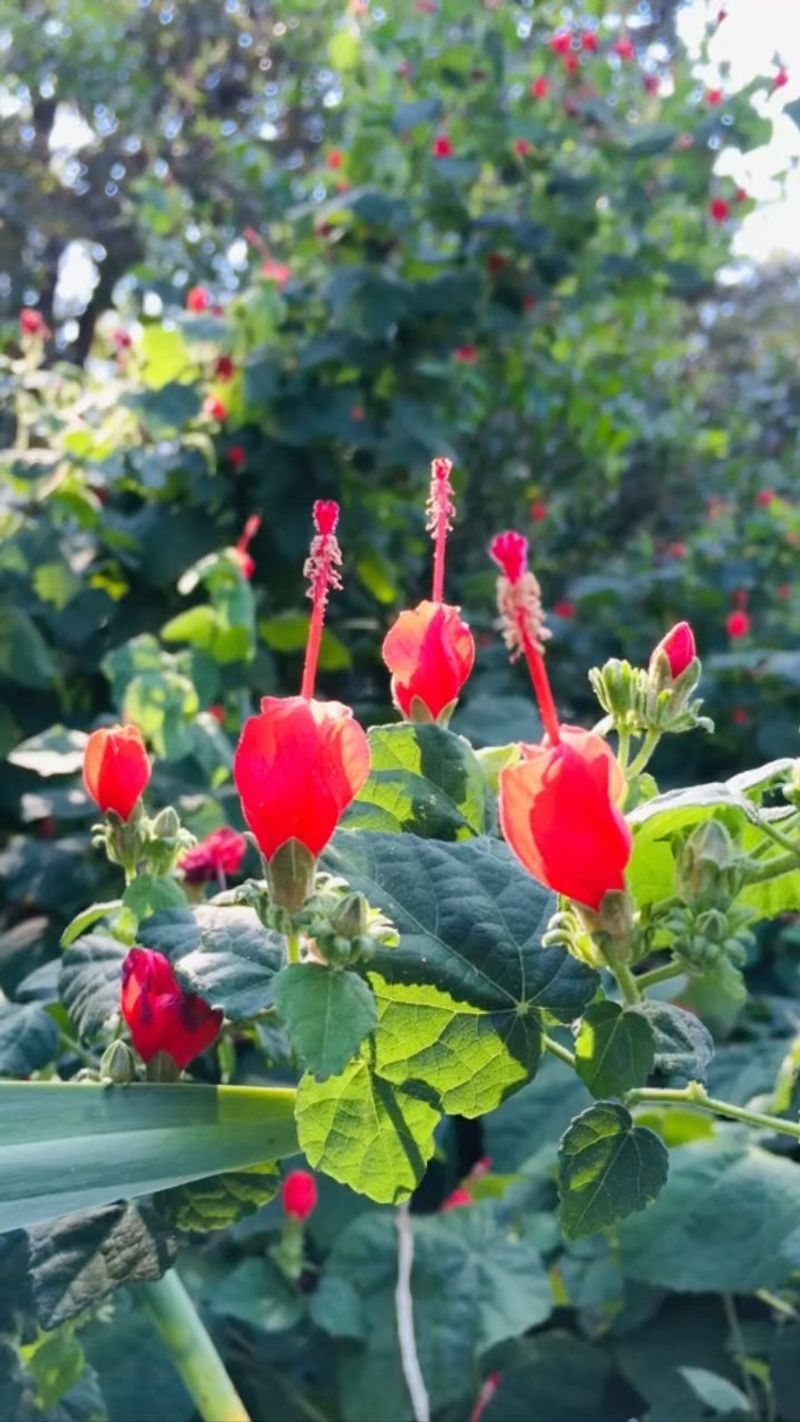
Hummingbirds treat my Turk’s cap like a favorite roadside diner, zipping in for nectar nearly every warm afternoon. Those little red swirled blooms look like tiny turbans that never quite unfold, which is how the plant got its name.
Turk’s cap, known scientifically as Malvaviscus arborescens var. drummondii, grows in sun or shade and handles heat with ease. It often freezes back in colder winters, then pops up again from the roots when spring warms the soil.
Autumn sage, or Salvia greggii, is another tough native that blooms in spring and again when fall cools things down. Bees and hummingbirds both visit it, and it prefers well-drained spots over soggy, heavy ground near downspouts.
Native plants like these evolved with local heat, drought, and occasional freezes, so they usually need less fussing once established. I water mine deeply during their first summer, then mostly let rainfall handle the job afterward.
Building your flower beds around natives gives you a dependable backbone while vegetables rotate through the seasons nearby. Your garden keeps its color and wildlife visitors even when the vegetable rows sit between plantings for a while.
4. Sow Kale And Spinach For Fall And Winter Harvests
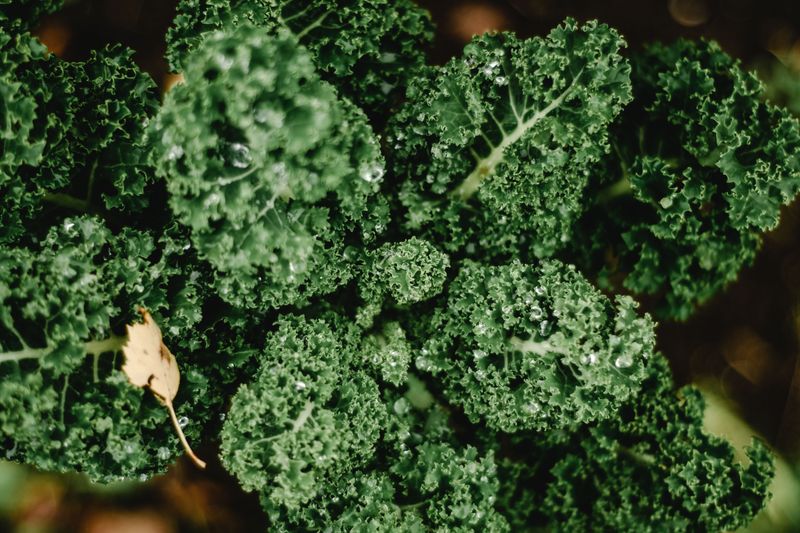
Frosty mornings actually make my kale taste sweeter, which still feels like a small kitchen miracle every winter. Cold weather nudges the leaves to store more sugars, so a light chill can improve the flavor of many greens.
Fall is a prime planting window for cool-season crops in much of the state, often from September into October. Spinach, lettuce, kale, and carrots all appreciate the gentler sun and cooler nights that arrive after summer fades.
Broccoli and cabbage usually go in as transplants a bit earlier, since they need a longer stretch before cold sets in. Check your local planting calendar, because South Texas and the Panhandle follow very different schedules for these crops.
Fewer pests bother cool-season gardens, though cabbage loopers can still nibble holes in leaves during warmer fall weeks. I check the undersides of leaves every few days and pick off caterpillars before they get too comfortable.
Harvesting outer leaves first lets kale and chard keep producing for months instead of just one big picking. A single small bed can keep your salad bowl full right through the cooler stretch of the year.
5. Plant Okra And Sweet Potatoes For Summer Heat
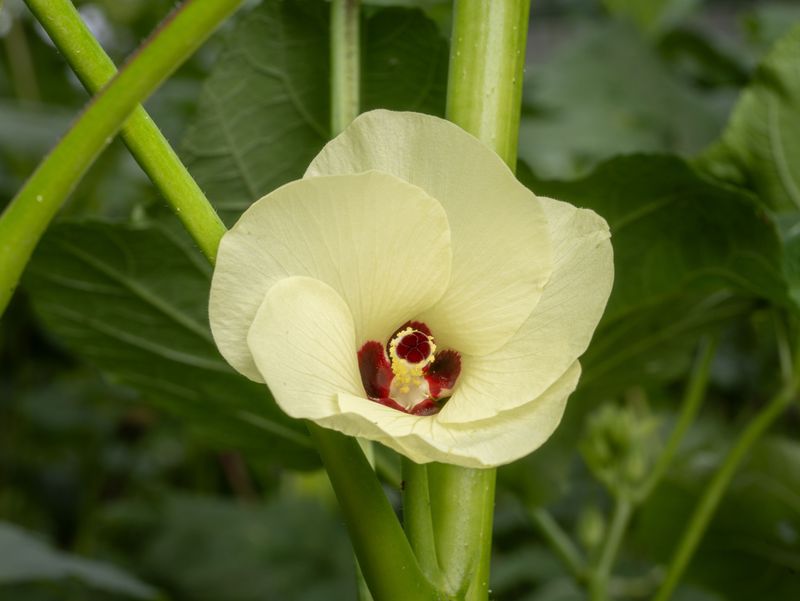
Okra flowers look so much like hibiscus blooms that visitors to my garden often ask what fancy shrub I planted. That resemblance makes sense, since okra belongs to the same mallow family as hibiscus and cotton.
Hot summers that wilt tomatoes barely slow okra down, and plants keep producing pods while the thermometer climbs. Pick pods when they reach about three or four inches long, because larger ones turn tough and woody quickly.
Sweet potatoes are another heat lover, grown from rooted sprouts called slips that go in once the soil warms up. Their trailing vines cover the ground thickly, which helps shade out weeds during the longest and hottest weeks.
I give both crops a deep soaking about once a week rather than quick daily sprinkles from a hose. Deep watering pushes roots further down, where the soil stays cooler and holds moisture during dry spells.
Planting these sturdy summer crops keeps your beds busy when many other vegetables give up and stop producing. You get fresh food during the toughest season, plus a harvest of sweet potatoes ready for cooler fall dinners.
6. Time A Second Tomato Crop For Fall
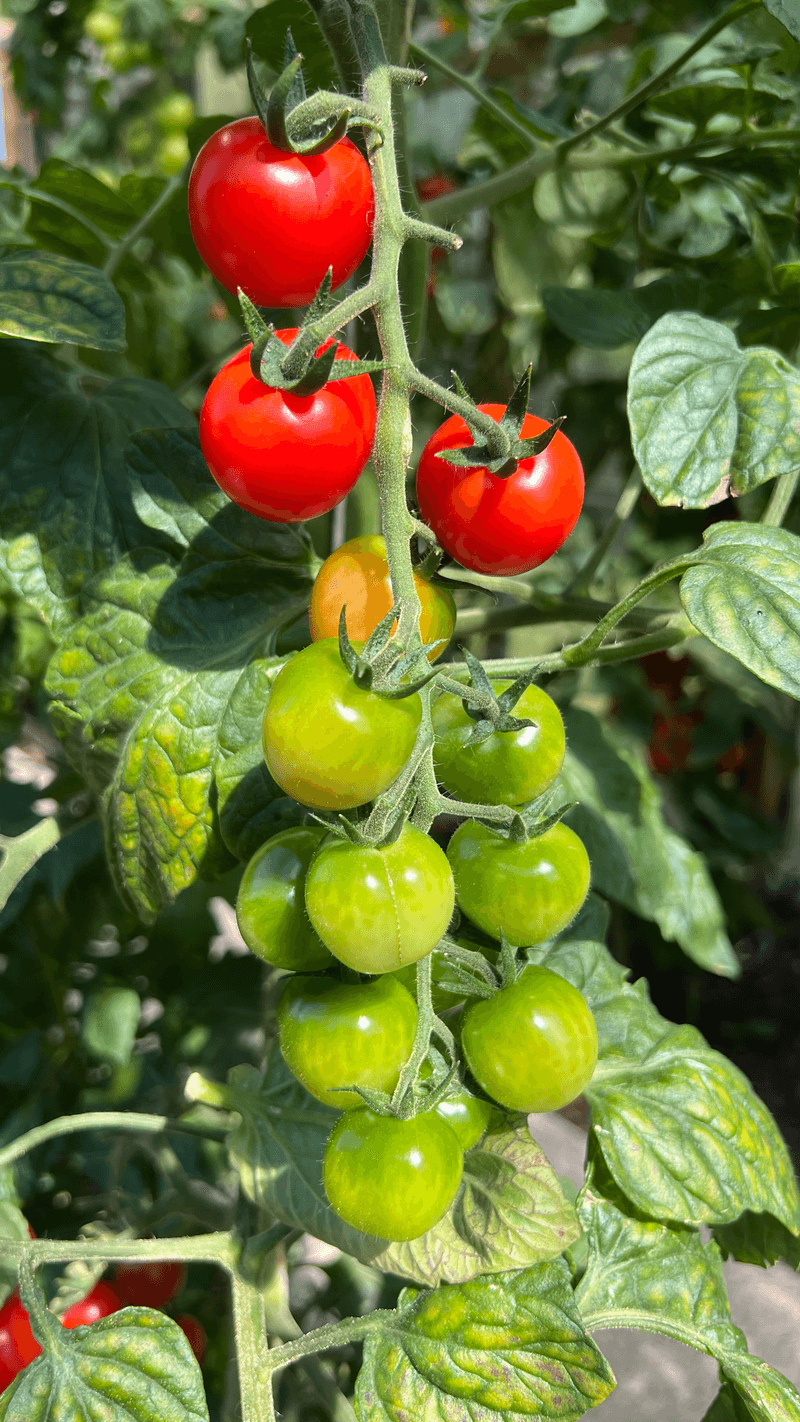
Tomato plants often quit setting fruit once nights stay warm in midsummer, which surprised me during my first hot season. Pollen struggles when temperatures run too high, so blossoms simply drop without forming those juicy red tomatoes.
Many gardeners in warmer parts of Texas plant a second round of tomato transplants in early to midsummer. Those plants mature as weather cools in fall, giving you another harvest before the first frost arrives.
Smaller and medium-sized varieties usually ripen faster, which matters when you race against a frost date on the calendar. I look for heat-tolerant types and check extension lists for recommended varieties that suit my area.
Young transplants need afternoon shade cloth and steady water during their first couple of weeks in the hot sun. Once they settle in, a thick layer of mulch keeps their roots cooler and the soil evenly moist.
Fall tomatoes taste wonderful, and I think they often look cleaner because fewer pests bother them late in the year. Planning for two tomato seasons basically doubles your chances of filling the kitchen counter with homegrown fruit.
7. Run Drip Irrigation Hoses Along Garden Rows
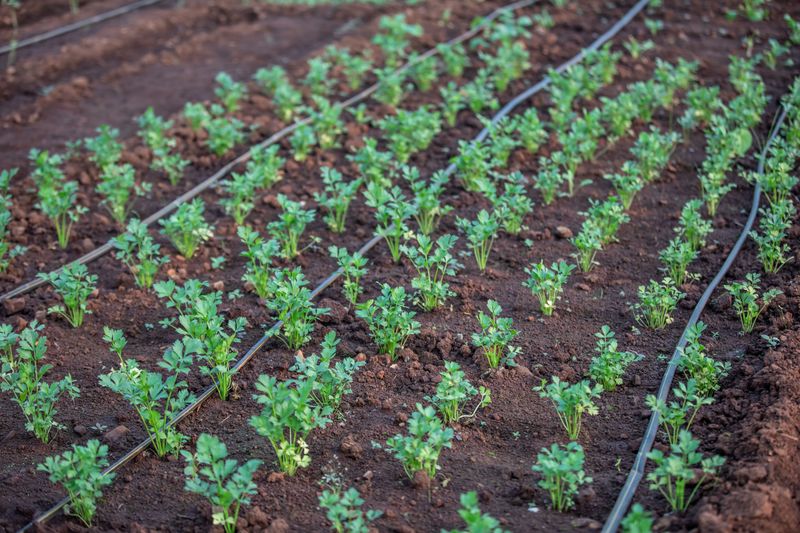
Sprinklers on a windy afternoon taught me how much water can float away before ever reaching thirsty roots. Switching to drip lines felt like plugging a leak in my water bill and my patience at the same time.
Drip irrigation and soaker hoses deliver water slowly at soil level, so less moisture is lost to wind and evaporation. Leaves also stay drier, which can help reduce fungal problems on tomatoes, squash, and other leafy crops.
Group plants with similar water needs together, so thirsty vegetables are not sharing a zone with drought-tough natives. That simple layout trick lets you water each bed properly without soaking plants that prefer staying on the dry side.
A cheap battery timer on the faucet makes early morning watering easy, even when life gets busy. I check soil moisture by poking a finger a couple of inches down before trusting the schedule blindly.
Many cities across Texas set watering restrictions during droughts, though drip systems sometimes receive more flexible rules. Check your local water utility guidelines so your garden plan stays friendly with the neighborhood rules.
8. Spread Thick Mulch Around Plants
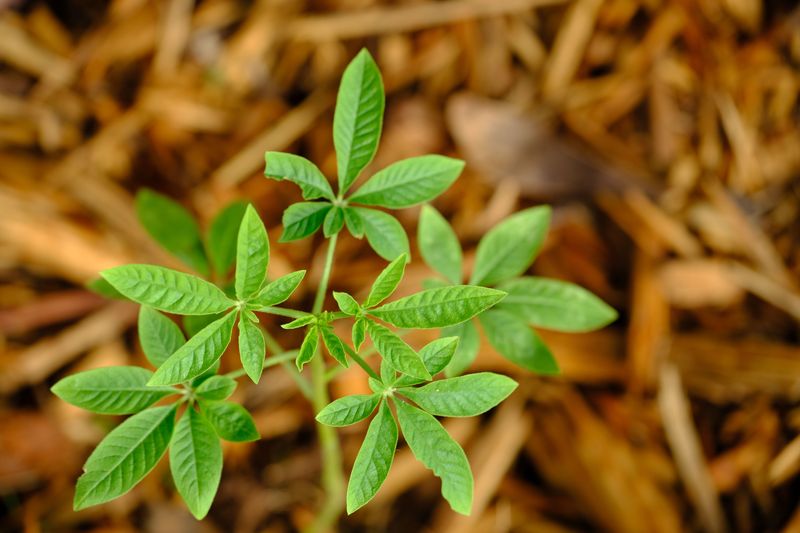
Bare soil in July can feel hot enough to warm your hands, and plant roots notice that heat too. A blanket of mulch acts like a shady porch for the soil, keeping things noticeably cooler underneath.
Most extension experts suggest spreading organic mulch about two to four inches deep across garden beds. Shredded leaves, pine straw, and shredded bark all work well, and they slowly break down into helpful organic matter.
Keep mulch pulled back an inch or two from stems and tree trunks to prevent rot and pest problems. I learned that lesson after piling mulch against a young shrub and watching its bark turn soft and spongy.
Mulch also blocks sunlight from weed seeds, so fewer sprouts pop up between your carefully planned rows. That means less time pulling weeds and more time actually enjoying the garden with a cold glass of tea.
During winter, the same layer helps moderate soil temperature changes around roots of tender perennials. Topping it up twice a year, in spring and fall, keeps the protection working through every season.
9. Keep Frost Cloth Ready For Surprise Freezes
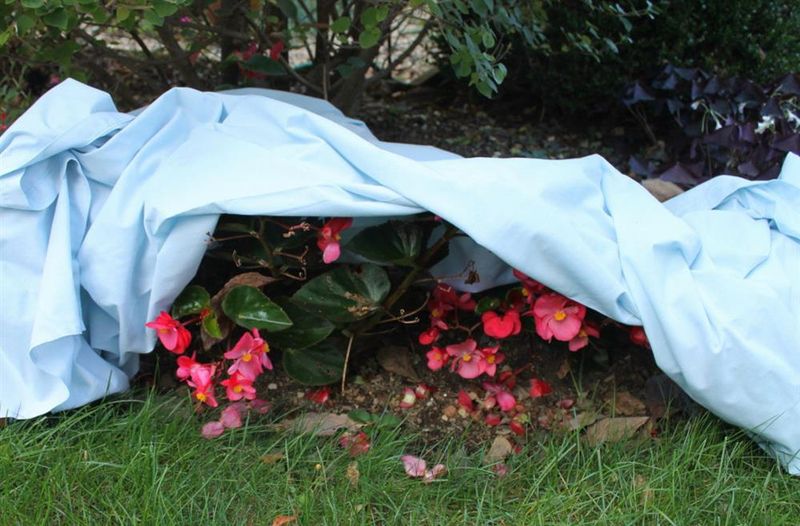
A surprise freeze one February flattened my tender herbs while my neighbor’s covered plants came through looking cheerful. Since that morning, a folded frost cloth lives in my garage right next to the garden hose.
Even mild regions of Texas can get sudden cold snaps, so planning for them belongs in any year-round garden strategy. Frost cloth traps heat rising from the ground, giving plants a few precious degrees of extra warmth overnight.
Drape the fabric all the way to the soil and weigh the edges down with bricks or stones. Covers that stop at the leaves let warm air escape, which leaves plants about as chilly as before.
Watering dry soil a day before a freeze helps, because moist ground holds and releases heat better than dry dirt. Move potted plants into a garage or against a sunny wall when temperatures drop sharply.
Remove covers once the sun warms things up, since trapped heat can stress plants during bright days. A little preparation like this keeps your winter greens and perennials growing strong until spring returns.
10. Turn Kitchen Scraps Into Compost
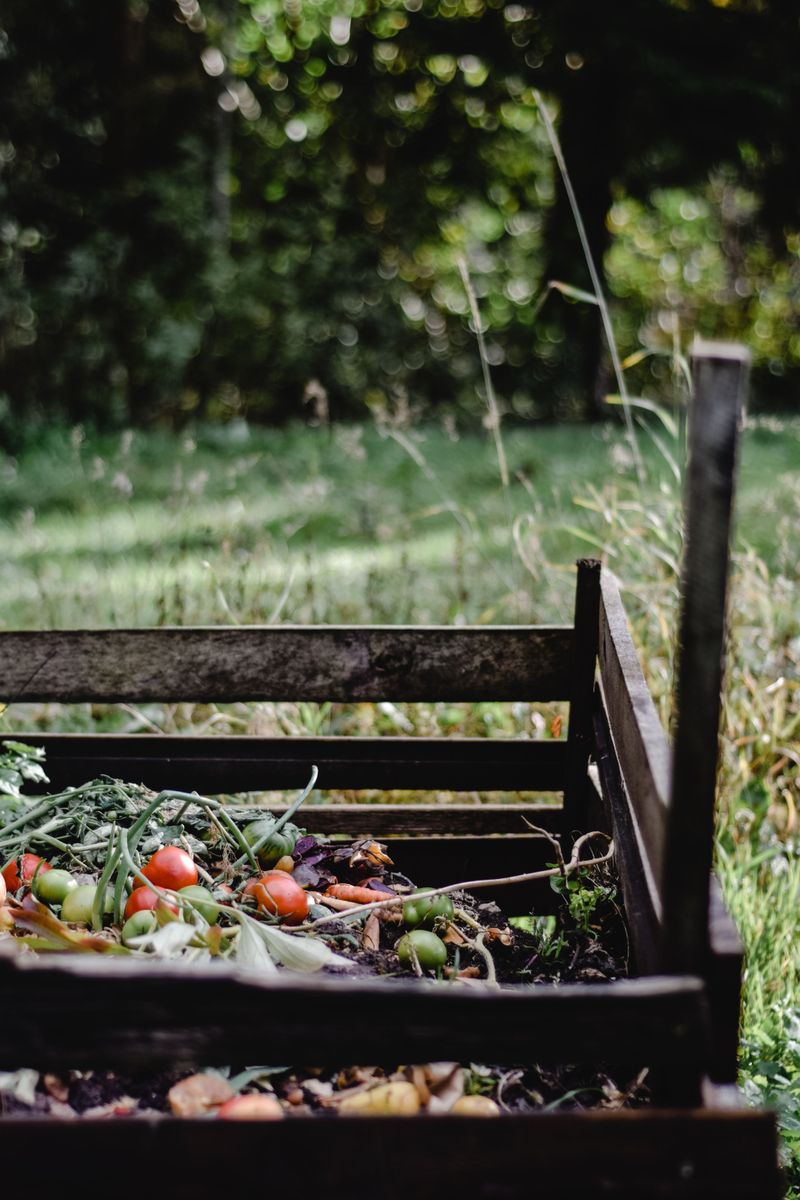
Banana peels and coffee grounds once went straight into my trash can without a second thought from me. Now they turn into dark, crumbly compost that smells like a forest floor after a gentle rain.
A healthy pile mixes green materials like vegetable scraps with brown materials like dry leaves and shredded paper. Fall leaves are perfect browns, so I bag extras each autumn and add them through the following year.
Keep the pile about as damp as a wrung-out sponge, adding water during dry, hot stretches of summer. Turning it every week or two adds oxygen, which helps tiny microbes break everything down much faster.
Skip meat, dairy, and greasy foods, since they attract critters and create unpleasant smells in the backyard. Shredding larger pieces first speeds things along, and the finished compost is often ready within a few months.
Spread finished compost on beds before each new planting season to feed the soil and improve its structure. It closes the loop on a year-round Texas garden, turning yesterday’s scraps into tomorrow’s homegrown harvest.