What New York Gardeners Should Do With Mums After They Finish Blooming
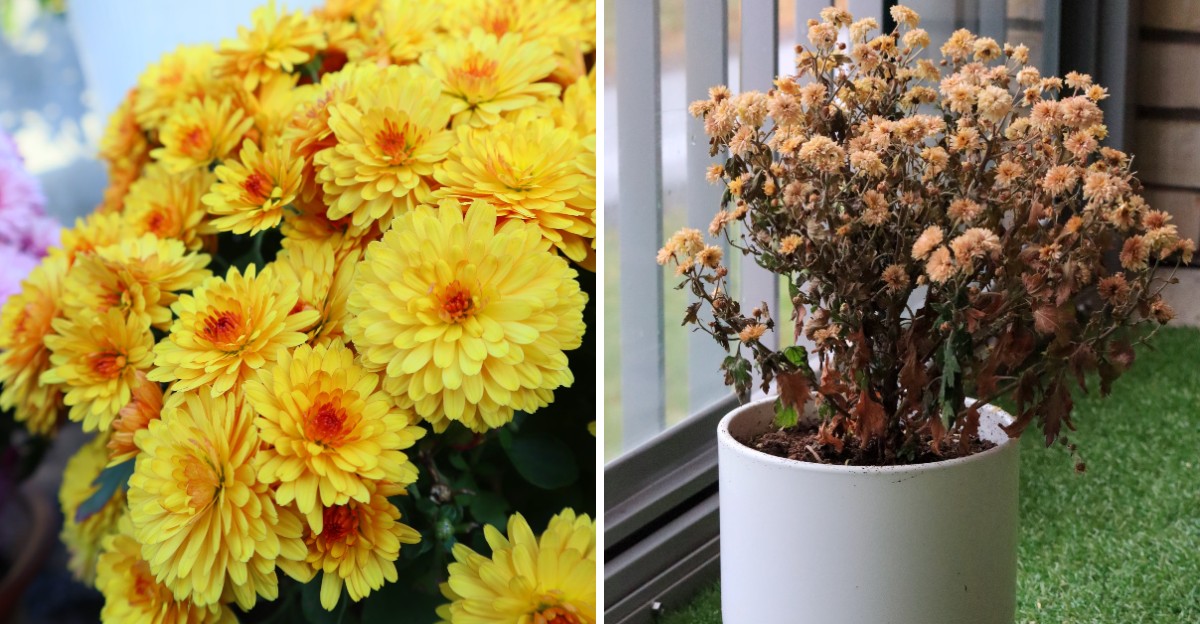
That potted bloom you bought for your front step in September may be the same plant growers coax into flowering with blackout cloth and precise day length. Many of those fall pots are grown to look perfect for a few weeks, not to live for years.
I find that fascinating, because the plant itself is still a perennial at heart. Give it the right spot and a little help, and it can surprise you next fall.
Here in New York, winter is the real test. Wet soil, wild freeze and thaw swings, and roots that barely got settled can all push these fall favorites to the edge.
So what should you do once the petals turn brown and crispy? Toss the pot, cut it to the ground, or leave it alone? I believe the right answer depends on a few clues you can spot in about five minutes.
Figure Out Which Kind Of Chrysanthemum You Brought Home

Two plants can look like twins at the garden center and still have very different futures. Before you grab the pruners or the compost bin, find out what kind of mum you own.
Florist mums are the tidy, flower-stuffed pots sold in grocery stores and gift shops. Growers often raise them for a short indoor or porch display, so many have shallow roots and limited cold tolerance.
Hardy garden mums, sometimes labeled perennial mums, are bred to handle colder winters and usually grow in USDA zones 5 through 9.
That zone range matters a lot here. Much of New York sits in zones 5 and 6, with warmer zone 7 areas around New York City and Long Island, and chillier zone 3 and 4 pockets in the Adirondacks and far north.
Check the plant tag first. Words like hardy, garden mum, or perennial are a great sign.
A foil-wrapped pot or a label that says florist mum points the other way.
No tag at all? Look at the base of the plant.
Hardy types often send up low leafy shoots near the soil in late fall, which can be a clue they want to return.
Personally, I treat unknown mums as a fun experiment. If one returns, I celebrate, and if not, I learned something about my yard.
Leave Those Brown Mum Stems Standing Through Winter
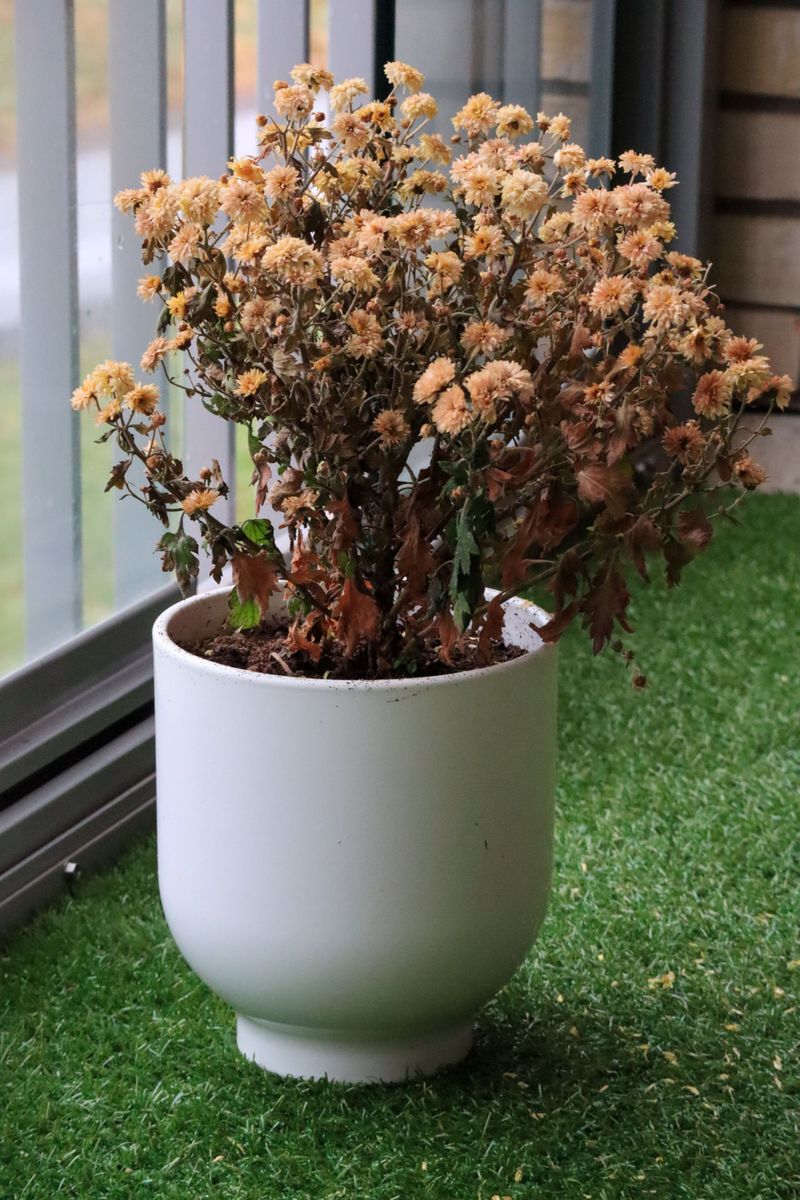
Tidy gardeners, I feel your pain on this one. Those faded, crunchy stems look messy, but they can do real work for your mums over the next few months.
Research and guidance from groups like the New York Botanical Garden suggest that leaving old stems and foliage in place helps hardy mums survive winter. The standing top growth catches leaves and snow, which adds insulation around the crown.
That crown, right at soil level, is where next year’s shoots begin.
Cutting everything to the ground in October removes that natural shield. It can also leave the plant more exposed to cold, drying winds and water sitting on the crown.
Wait until early spring to clean up. Once you see fresh green shoots pushing up from the base, you can cut the old stems down to just above that new growth.
A few simple tips help this go smoothly:
Pull off any moldy or diseased leaves now, since those can harbor problems. Leave healthy stems alone, even if they flop a little.
If neighbors ask why your bed looks shaggy, tell them it is a winter coat. Birds and beneficial insects sometimes appreciate the shelter too, which makes the messy look easier to love.
Tuck A Thick Mulch Blanket Around Hardy Mums
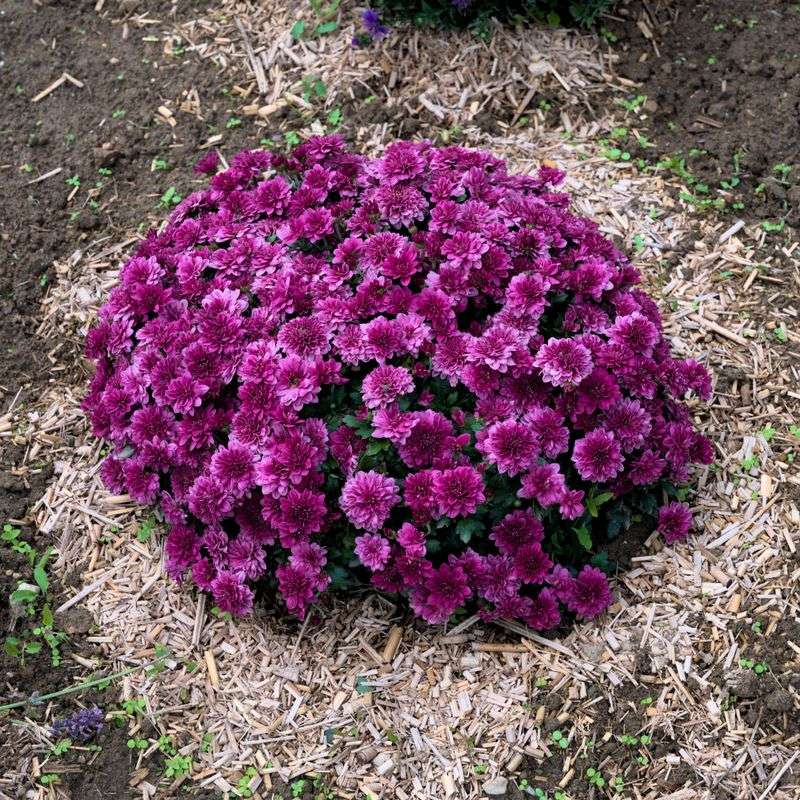
Frost heaving sounds dramatic, and honestly, it can be. When soil freezes and thaws over and over, it can lift shallow-rooted plants right out of the ground, leaving roots bare to the cold.
Mulch helps stop that cycle. After the ground starts to freeze or after a hard frost, spread a loose layer about 3 to 6 inches deep around your hardy mums.
Timing makes a difference. Mulching too early can keep soil warm and soggy, which may invite rot or rodents looking for a cozy nest.
In much of the state, late November to early December often works well, though upstate gardens may be ready sooner.
Good mulch choices include:
Straw, shredded leaves, or evergreen boughs. Shredded leaves are free and easy if you rake anyway, and pine branches work nicely after the holidays.
Avoid dumping heavy, wet piles right on top of the crown. You want insulation that still breathes.
I like to think of it as tucking a quilt around a sleeping pet. Snug, but not smothering.
When spring warms up and new shoots appear, gently pull the mulch back. That lets sunlight reach the soil and keeps fresh growth from staying damp and weak.
Move Potted Mums Into A Cool Garage Or Basement
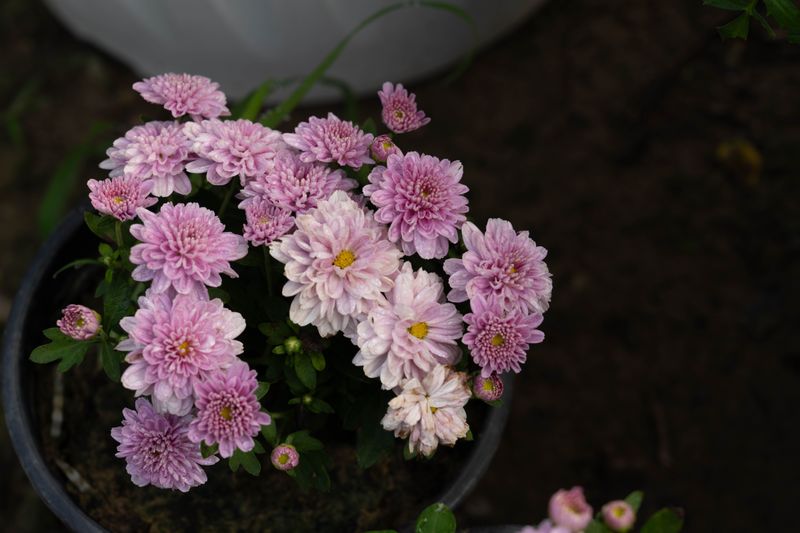
Plastic pots get cold fast. Roots in a container have far less protection than roots in the ground, so a potted mum left on a porch often struggles through a New York winter.
Moving it indoors gives it a real chance. The goal is not a warm living room but a cool, dormant rest.
An unheated garage, shed, or cool basement that stays roughly between 32 and 50 degrees Fahrenheit is ideal.
Here is a simple routine:
After the first frost, trim the stems to a few inches above the soil. Then carry the pot to its winter spot.
Check the soil about once a week. Give a small drink only if it feels dry, since dormant plants use very little water and soggy soil can cause rot.
Light needs are low during this nap. A dim corner works fine as long as temperatures stay cool and steady.
In spring, bring the pot into brighter light a little at a time. Move it outdoors after your local last frost, which may be April near the coast and late May in colder upstate areas.
Fun bonus: this trick works for florist mums too. Results vary, but I love seeing which ones wake up.
Snip Faded Mum Flowers While Fall Is Still Mild
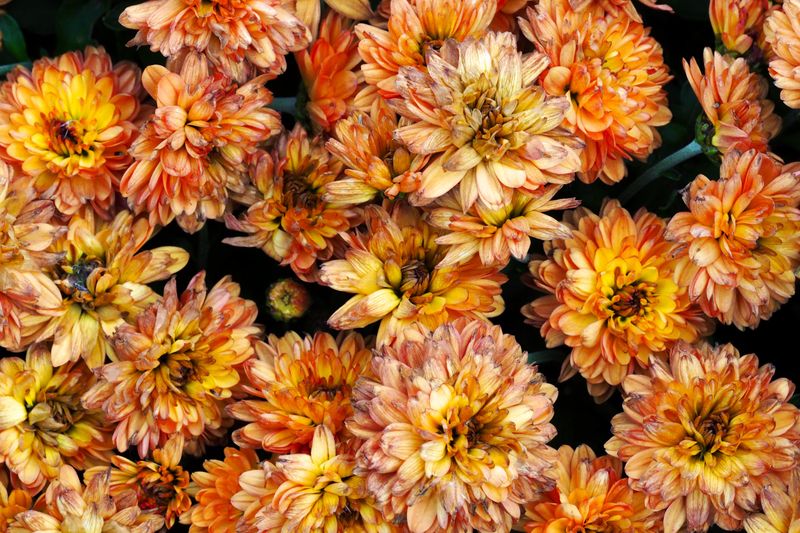
Snipping feels oddly satisfying. One snip, one crispy bloom gone, and suddenly the plant looks fresher.
Removing spent flowers keeps mums neat and stops them from spending energy on seed. If you start early in the season, while plenty of buds remain, it can even encourage a few extra blooms before cold weather arrives.
Use clean snips or simply pinch the old flower heads off with your fingers. Cut just below the faded bloom, above the next bud or healthy leaf.
Be realistic about timing, though. Mums respond to shorter days, so once late October rolls in, new flowers are less likely, especially upstate.
When hard frosts are close, shift your focus. Winter prep matters more than chasing one more round of color.
At that point, removing brown blooms is mostly about looks, and leaving the stems themselves in place still helps the plant.
Did you know? Chrysanthemums have been grown for centuries in China and later became a symbol of the imperial family in Japan.
Even with that fancy history, they respond to the same basic care as any backyard plant.
A quick tidy session on a sunny afternoon also gives you a chance to spot pests, mildew, or soggy spots early.
Plant Garden Mums Earlier For Stronger Roots Next Year

Most of us buy mums at their peak, bursting with flowers in September. That timing is great for decorating, but it is tough on roots.
A blooming plant pours its energy into flowers, not into growing a deep root system. Late-planted mums may not settle in before the ground freezes, which helps explain why so many fail to return.
Spring planting gives hardy mums a full season to build strong roots. If you love fall shopping, plant as early as possible, ideally by mid-September in most of New York.
Already have a potted hardy mum that survived indoors? Spring is a great time to move it into the garden for good.
Pick the spot carefully:
Mums want at least six hours of sun each day. Shady corners lead to floppy stems and fewer blooms.
Drainage matters just as much. Heavy, wet clay can rot crowns in winter, so mix in compost or choose a slightly raised area.
Space plants so air can flow between them. Crowded mums are more likely to deal with mildew.
I like adding a few mums near late-season bloomers like asters and goldenrod. The combination looks lovely and offers food for pollinators heading into fall.
Wake Up Mum Shoots In Spring With Pinching And Feeding
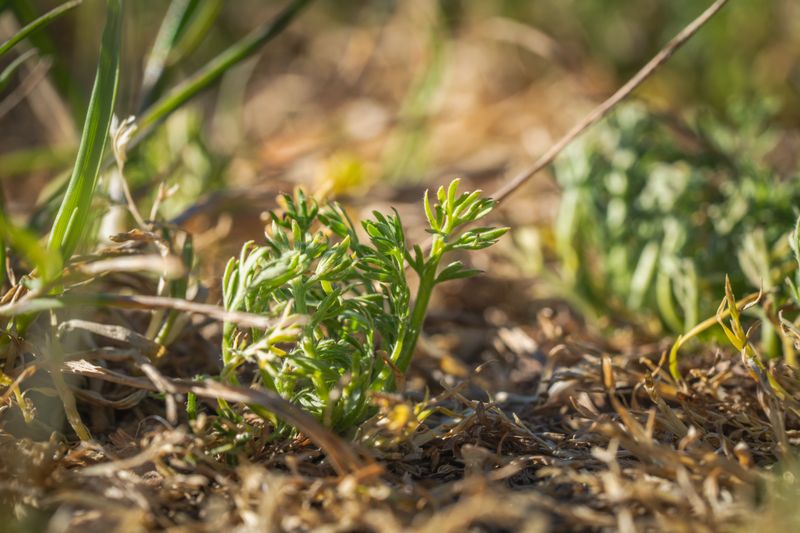
Those first green shoots in April are a thrill. After a long winter of guessing, seeing life at the base of your mum feels like a small victory.
Start by pulling back any remaining mulch once hard freezes have passed. Then cut last year’s brown stems down near the fresh growth so sunlight can reach the new shoots.
Feed your plants as they start growing. A balanced fertilizer, used according to the label, supports leafy growth and strong stems.
Now comes the secret to a full, rounded plant. Pinching makes a huge difference.
When new shoots reach about 6 inches tall, pinch off the top inch or so. Repeat every few weeks, and stop around early July so flower buds have time to form for fall.
Each pinch encourages branching, which means more stems and more flowers. Skip this step and you may get tall, leggy plants that flop open.
Every few years, dig and divide crowded clumps in spring. Replant the healthy outer sections and compost the woody center.
You might be amazed by the payoff. A mum you rescued from the porch can turn into a bigger, bolder display than the one you first brought home.