The Plants New York Gardeners Should Cut Back Before Snow, And The Ones To Leave Alone
Plenty of native bees spend the whole winter tucked inside old garden stems, waiting quietly for spring warmth. That tidy fall cleanup many of us love can toss those sleeping guests straight into the yard waste bin.
Other garden plants tell a different story, because their tired leaves can shelter fungus spores and pest eggs. Leaving that mess in place hands next year’s troubles a cozy winter home right beside your favorite beds.
I skipped my usual everything-down routine last autumn, and my yard felt busier with birds by January. You might notice the same thing once you learn which New York perennials want a trim before snow.
Winters across New York stretch from frigid zone 3 in the Adirondacks up to milder zone 7 near the coast. Prune the problems now, and let the rest keep winter’s secrets until spring.
Bee Balm
Hummingbirds treat bee balm like a summer snack bar, yet by fall those leaves often wear a dusty white coat. That powder is powdery mildew, a fungus that loves crowded clumps and warm, humid August afternoons in our gardens.
Cutting infected stems to a few inches after frost removes much of the fungus before it settles in. I bag those clippings for the trash instead of the compost pile, since home compost rarely gets hot enough.
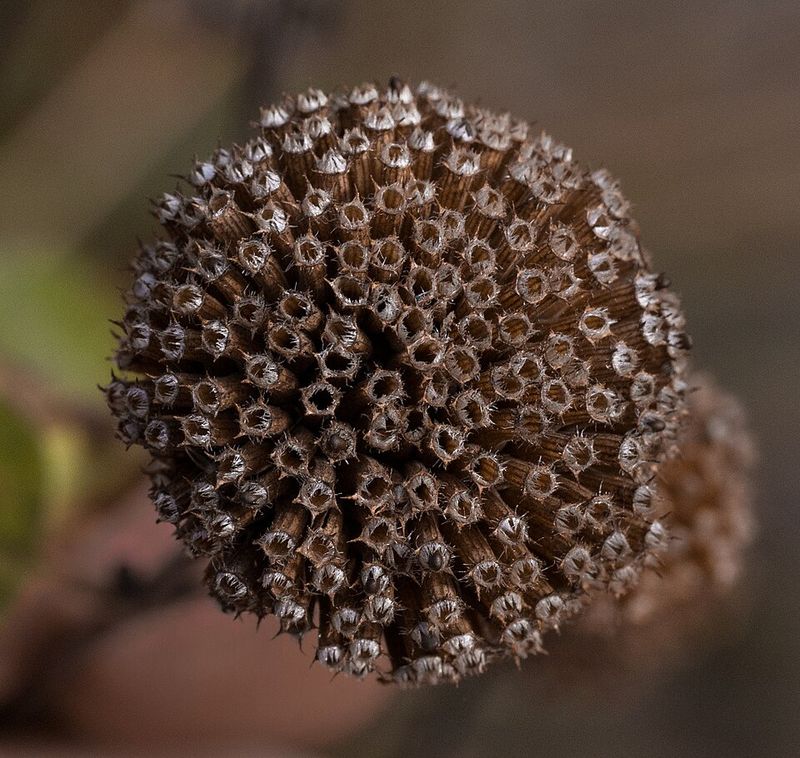
Healthy patches are a different story, and I happily leave a few clean stems standing through the colder months. Their round seed heads look charming under frost, and small birds sometimes poke around them for a quick bite.
Bee balm, known botanically as Monarda, spreads quickly by underground runners, so fall is a fine time to check its size. Pull up wandering shoots that crept beyond their spot, and your clump will breathe easier next summer.
Next spring, look for varieties like ‘Jacob Cline’ or ‘Raspberry Wine’, which many trials rate as more mildew resistant. Giving each plant some breathing room also helps air move freely and keeps those leaves greener for longer.
Garden Phlox
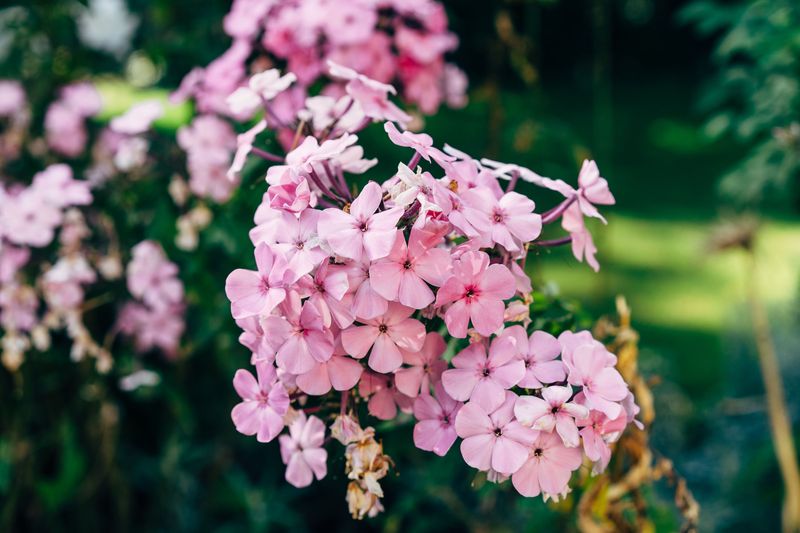
Few scents say late summer quite like garden phlox drifting across the yard on a warm evening breeze. Sadly, those tall, sweet clusters often come with gray, powdery leaves by the time September rolls around.
Humid summers in New York give powdery mildew plenty of chances to spread from one stem to the next. A fall cutback down to two or three inches removes much of the infected foliage before winter.
Wait until a hard frost has darkened the leaves, because the plant keeps sending energy to its roots until then. Clean, sharp pruners make quick work of the stiff stems, and you can finish a large clump in minutes.
Skip the compost bin for these clippings and toss them in yard waste bags or the trash instead. I learned that lesson after my lazy pile spread spotty trouble to every phlox bed the following year.
Crowded clumps trap moisture, so dividing Phlox paniculata every three or four years helps air flow between the stems. Mildew-resistant picks like ‘David’ and ‘Jeana’ make your future summers far less frustrating and much more fragrant.
Herbaceous Peony
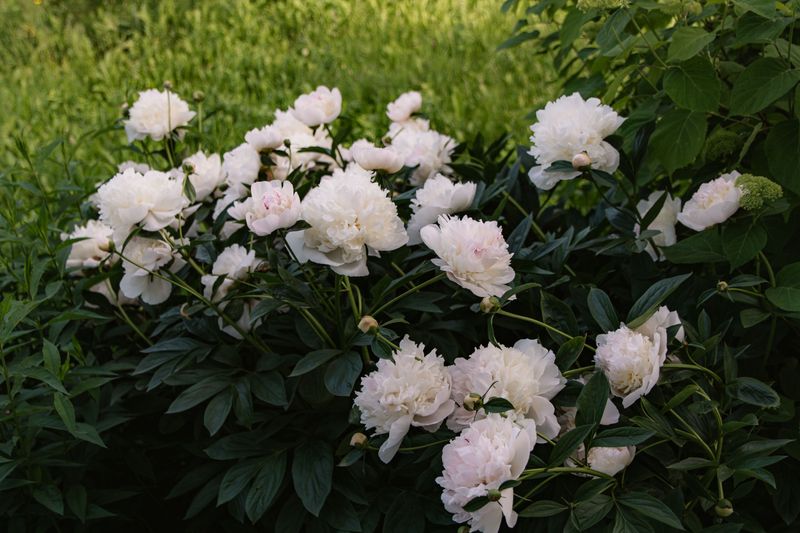
Herbaceous peonies can bloom in the same spot for decades, and some garden plants are older than their owners. Keeping those long-lived beauties healthy starts with a smart cleanup once their leaves fade in autumn.
Peony leaves keep feeding the roots well into fall, so patience pays off before you reach for pruners. Wait until the foliage turns yellow or bronze, often after the first hard frost in your area.
Then cut every stem down to roughly two or three inches above the soil, leaving the buried crown alone. Those pink buds, called eyes, sit just below the surface and will become next spring’s shoots and flowers.
Botrytis blight is a fungus that overwinters on old peony stems and leaves left lying in the garden. Removing and bagging that debris is one of the easiest ways to reduce trouble when new shoots emerge.
Tree peonies play by different rules, since their woody stems hold next year’s flower buds above ground. For those shrubs, simply snip off old seed pods and leave the sturdy branches standing through the winter.
Hosta
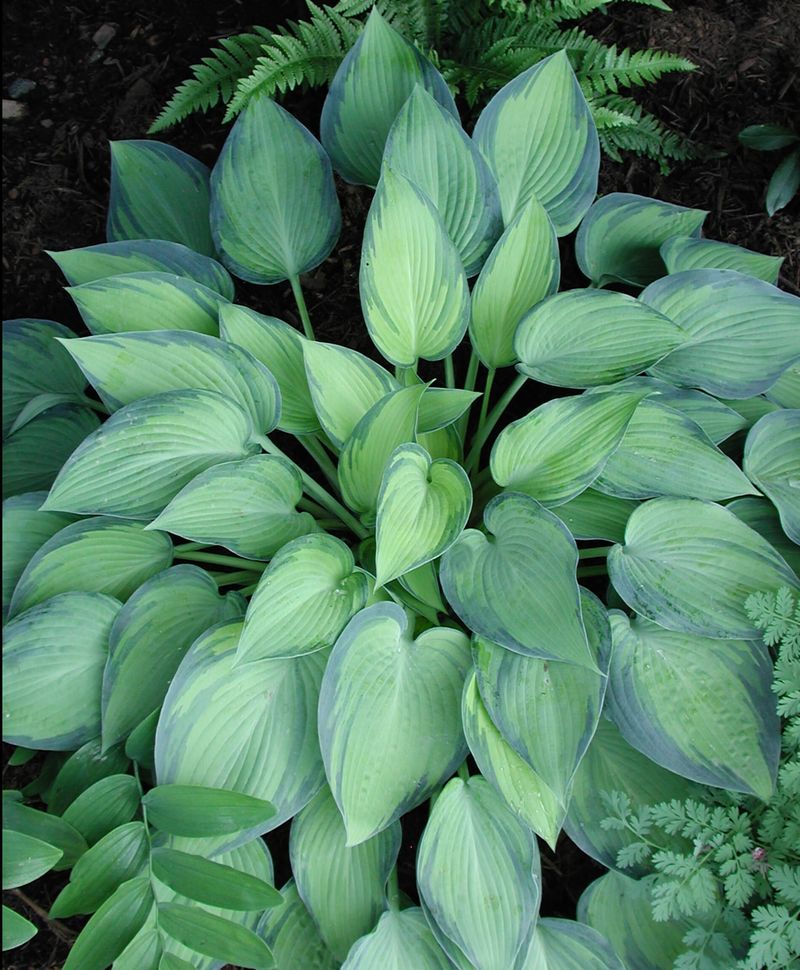
Slugs adore hostas in summer, and they love the soggy leftovers in fall even more. Frost turns those big, handsome leaves into a mushy pile, which makes a cozy nursery for slug eggs.
Clearing that mess away is one of the simplest ways to reduce slug numbers before spring arrives. Fewer eggs over winter usually means fewer ragged holes in the fresh leaves that unfurl next May.
Timing matters, so wait until a hard frost flattens the foliage. Until then, the leaves are busy sending stored energy down to the roots, and cutting early robs the plant of that fuel.
Once the leaves collapse, cut the stems about an inch or two above the crown, gathering a whole clump in your hand to make the job quick.
I find hosta cleanup oddly satisfying, because the leaves pull away easily once they have softened and browned.
Rake out stray bits hiding around the crown, since slugs happily tuck themselves into even small scraps. Bag everything and bin it rather than composting, so the eggs don’t survive the pile.
Once the bed is tidy, spread a light layer of shredded leaves or mulch around each plant. Keep the mulch an inch away from the crown so moisture does not sit against it all winter. Next spring, you’ll be glad you did the work now.
Bearded Iris
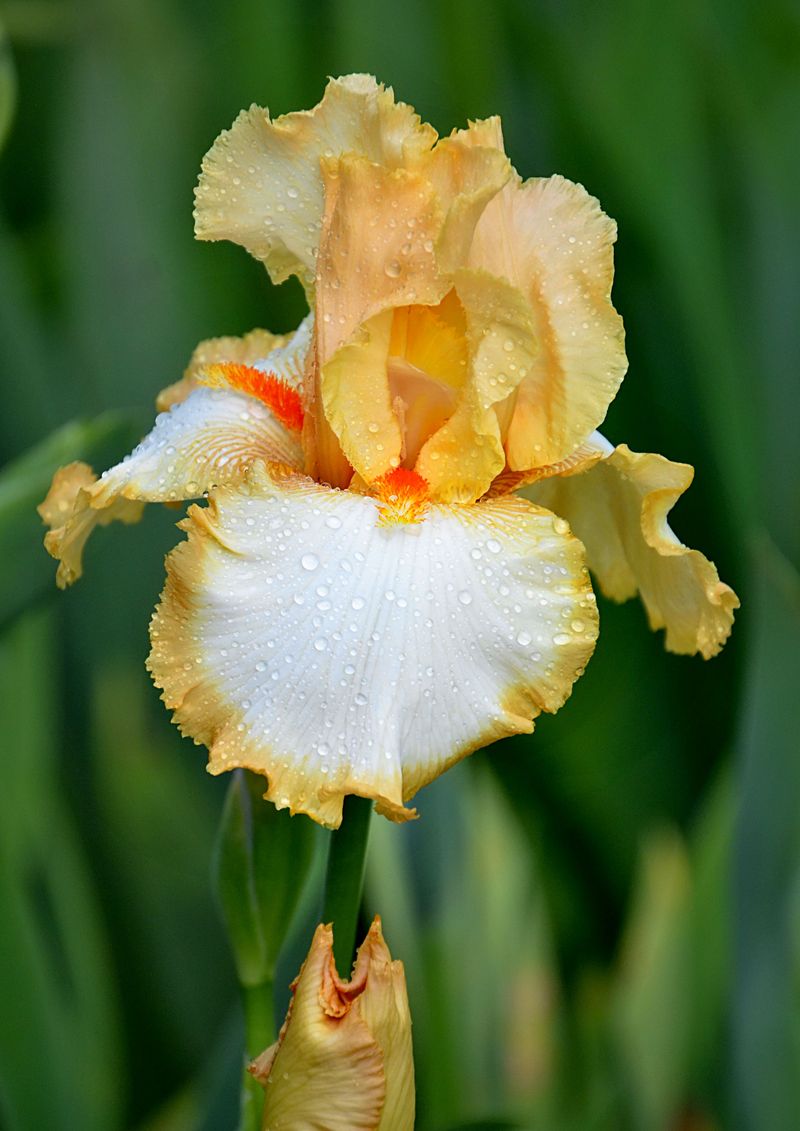
Iris borers are the sneaky troublemakers of the iris world, and their story begins on old fall leaves. Adult moths lay eggs on iris foliage in late summer and autumn, and those eggs wait out winter there.
When spring arrives, tiny caterpillars hatch and tunnel down through the leaves toward the plump rhizomes below. They can hollow out rhizomes and invite soft rot, which smells awful and spreads trouble through the clump.
After a hard frost, cut the old foliage down to a few inches and remove every scrap from the bed. Bag the leaves for the trash, because tossing them in compost could let the eggs survive until spring.
Iris germanica rhizomes like to bask in the sun, so pull any mulch or leaves away from their tops. Soggy cover over winter can encourage rot, while bare, sunny rhizomes stay firmer and much healthier.
I check my clumps each spring for streaky, wet-looking leaves, an early sign borers slipped past my cleanup. Pinching those leaves at the streak squashes the young caterpillar before it reaches the rhizome below.
Daylily
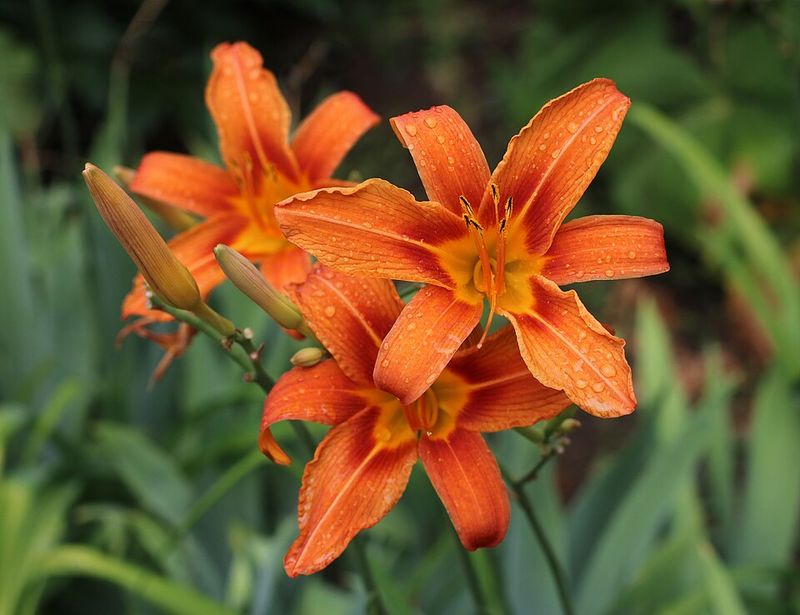
Daylilies earned their name honestly, because each flower opens for just one day before the next bud takes over. By late fall, though, those arching leaves turn yellow and flop into a tangled heap around the crown.
Most daylilies grown in New York gardens are dormant types that lose their foliage once hard frost arrives. Cutting the leaves to about four inches saves you from a slimy spring cleanup job later on.
Matted foliage can shelter slugs and other pests, so clearing it gives them fewer places to hide. A pair of hedge shears makes the work fast, and I can finish a long border in one afternoon.
Pull out loose leaves trapped deep in the clump, since wet bundles near the crown can encourage rot. Leftover flower stalks, called scapes, snap off easily now if you missed them earlier in the summer.
Some gardeners skip fall trimming and wait for spring, which works fine if pests rarely trouble their plants. Choose whichever timing fits your schedule, because Hemerocallis are famously tough perennials that forgive small mistakes.
Purple Coneflower
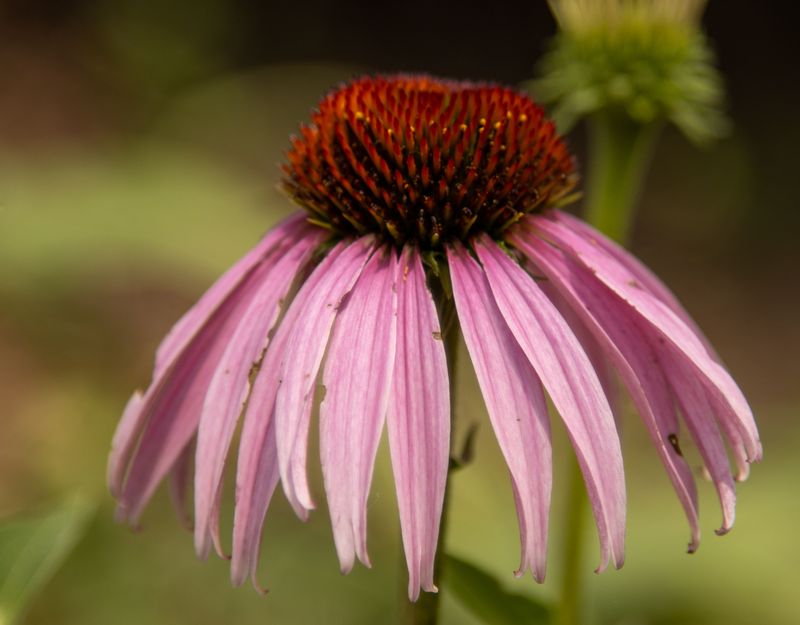
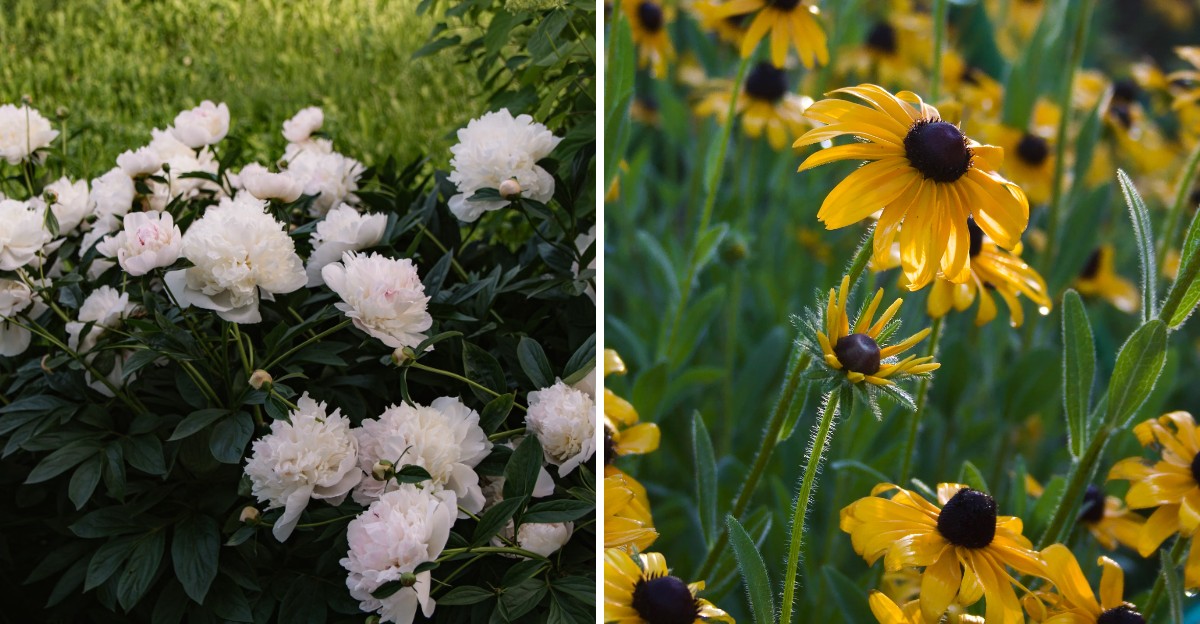
Goldfinches treat a patch of faded coneflowers like their own private bird feeder, clinging to the spiky heads. Watching them pick seeds on a frosty morning is one of my favorite winter garden shows.
Purple coneflower, or Echinacea purpurea, is native to the eastern United States and thrives in sunny spots.
Its sturdy stems usually stay upright through snow, so the dark cones keep feeding birds for weeks. Even a small clump can supply a surprising amount of food when other sources run low.
Old stems and the leaf litter beneath them also give many beneficial insects a sheltered place to spend winter. Cutting everything down in October removes that shelter just as the coldest weather settles in for months.
Feel free to remove early blooms in summer, which often encourages a few extra flowers before fall arrives. Just let the last round of cones stay on the plant once cooler nights begin showing up.
In spring, wait until daytime temperatures warm up before trimming the old stems down near the base.
Leaving cut stems at different heights, about eight to fifteen inches, can even create nesting spots for small bees. Do that, and your coneflowers will keep giving all year long.
Black Eyed Susan
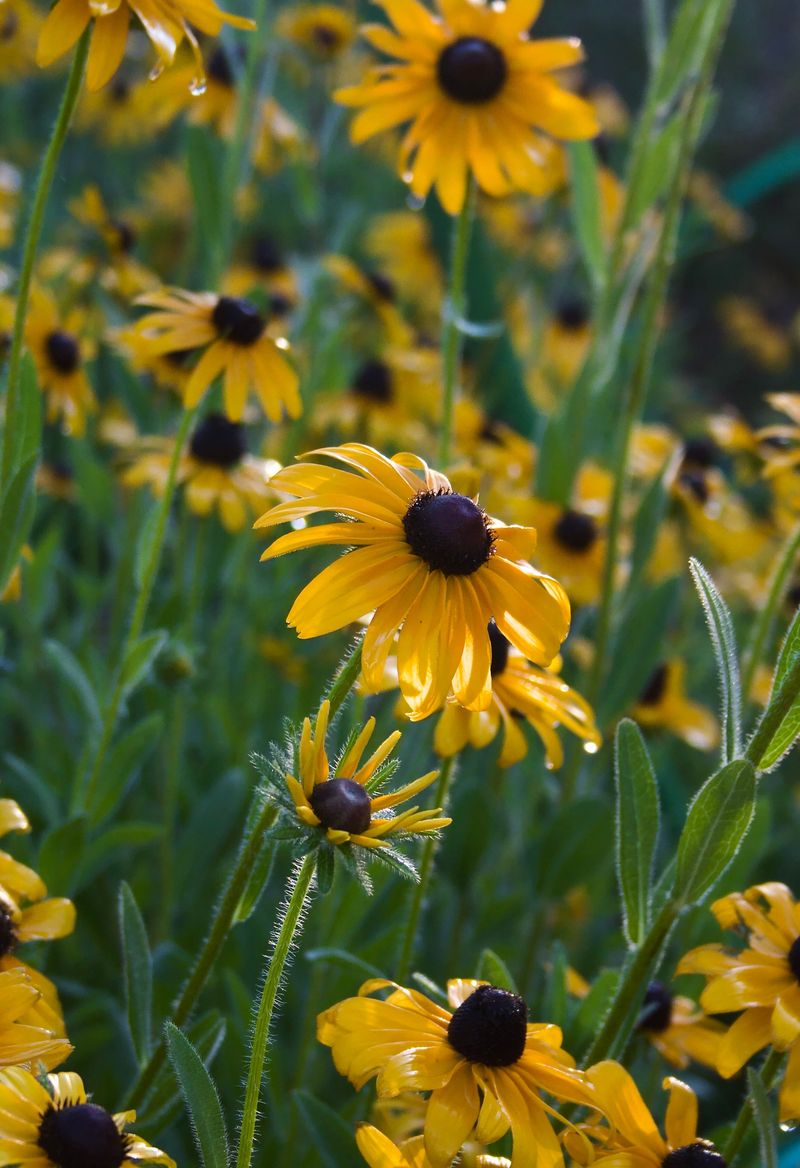
Those dark button centers that gave black-eyed Susans their name turn into tiny seed pantries once the petals drop. Chickadees and finches happily visit the bristly heads, plucking seeds long after the golden color fades.
Both Rudbeckia hirta and Rudbeckia fulgida are native to the eastern United States, including much of our region. Their stiff stems hold up surprisingly well in winter wind, adding texture to an otherwise bare flower bed.
Standing stems also catch fallen leaves, and that loose layer becomes winter cover for many helpful garden insects. Plenty of those insects hunt pests next summer, so sheltering them now quietly pays you back later.
Rudbeckia also reseeds generously, which I find charming, though some gardeners might prefer a tidier look overall. If volunteers pop up in odd places, they are easy to dig and share with friends in spring.
Wait until early spring to cut old stems down, ideally just before fresh green leaves start appearing. A quick trim then gives the clump a clean start without stealing a winter meal from the birds.
Upright Sedum
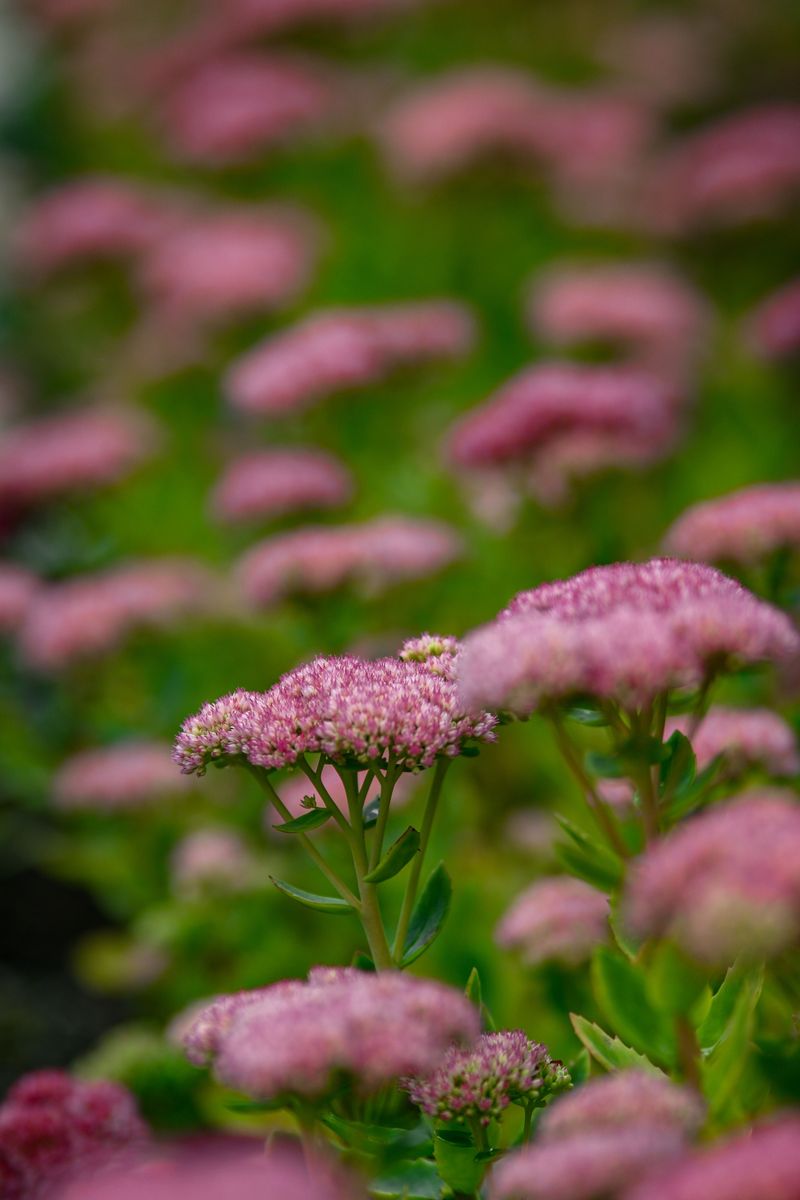
Few plants change outfits as dramatically as upright sedum, shifting from minty green buds to rosy pink, then rusty bronze. Even after frost, those flat flower heads stay firm, holding caps of snow like little frosted cakes.
Botanists now call it Hylotelephium, though most garden centers still sell ‘Autumn Joy’ under the familiar sedum name. Its thick, juicy stems store water, which helps the plant shrug off dry spells and poor soil.
Leaving the stalks standing gives your winter beds structure when most other perennials have flopped over or disappeared. I love how the russet heads glow against gray November skies and fresh white snow in my yard.
Late in the season, those flowers fed bees and butterflies looking for nectar before cold weather arrived. Now the dried heads offer small insects a bit of shelter, and some birds may pick at them.
In early spring, look for tiny rosettes of new growth forming at the base of the old stems. Snip the brown stalks just above those rosettes, being careful not to nick the fresh leaves underneath.
Switchgrass
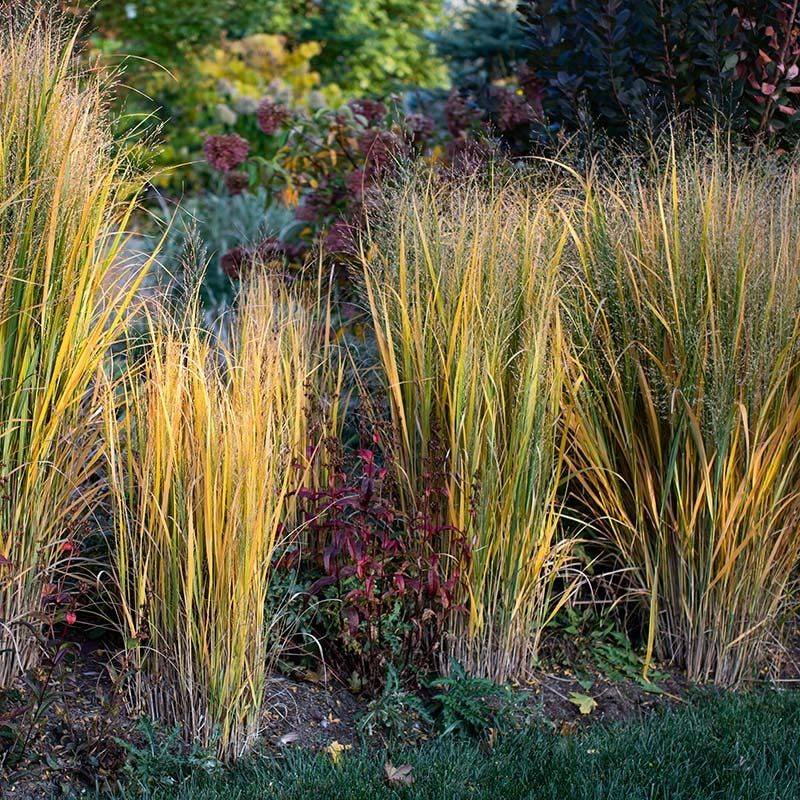
Switchgrass once covered huge stretches of the tallgrass prairie, and it still waves its airy seed clouds in gardens today. Panicum virgatum is native to much of North America, including parts of New York, and handles cold winters easily.
In winter, the tawny clumps rustle softly in the wind and bring movement to an otherwise quiet yard. Cultivars like ‘Northwind’ and ‘Shenandoah’ hold their upright shape well, even after a heavy, wet snowfall.
Birds such as juncos and sparrows often search the seed heads and the ground beneath them for food. Dense clumps also give insects and small creatures a sheltered spot to ride out the coldest stretches.
Grass crowns benefit from their own foliage, since the standing blades help shield the base from harsh freezing weather. Cutting too early can leave the crown exposed, especially in poorly drained spots that stay soggy.
Wait until late winter or early spring, before new green shoots poke through, to trim the clump. Bundle the stems with twine first, then cut them to about six inches for a tidy, easy cleanup.