How Florida Gardeners Turn Fallen Oak Leaves Into Free Mulch for Sandy Soil
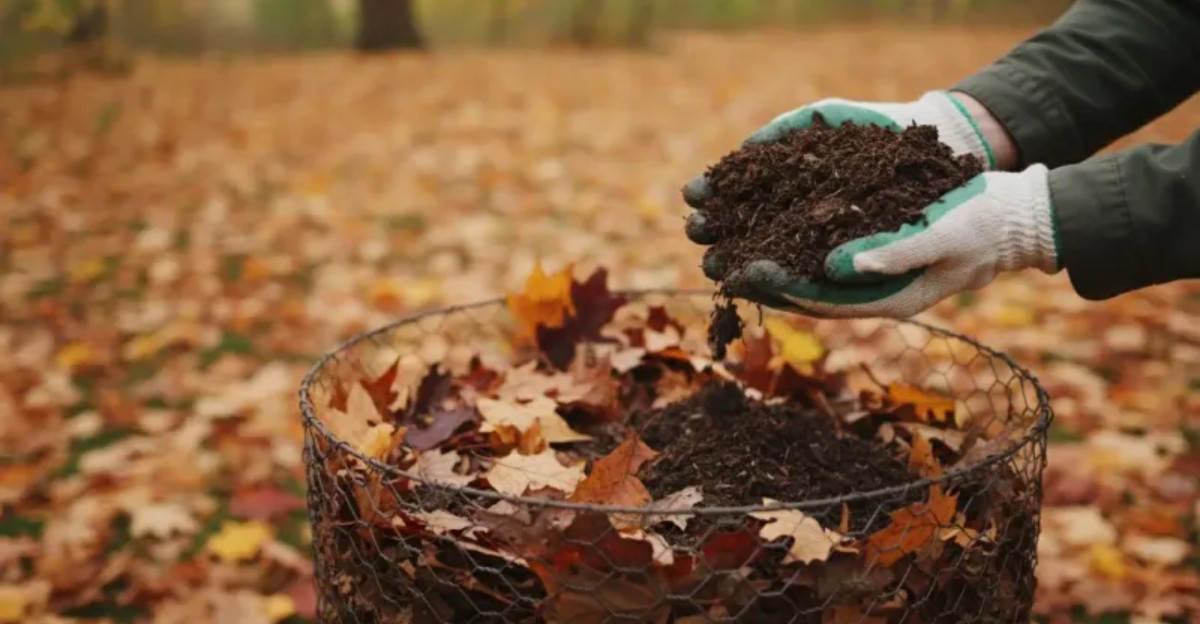
Live oaks in Florida are called evergreen, yet many drop nearly a whole crop of leaves in one late-winter rush. The new leaves often push the old ones right off the branch within a few weeks.
That crunchy carpet on your driveway is the tree handing you something useful. I like how it shows up every year, right on schedule, at no cost.
You may have bagged those leaves for the curb a dozen times. I did too, until I noticed my sandy beds drying out by lunchtime while the woods nearby stayed cool and dark underneath.
The forest floor had a trick my yard was missing.
What if those leaves stayed home and gave your beds the same cool, shady cover the woods enjoy?
1. Those Oak Leaves Piling Up in Your Yard Are Worth Keeping
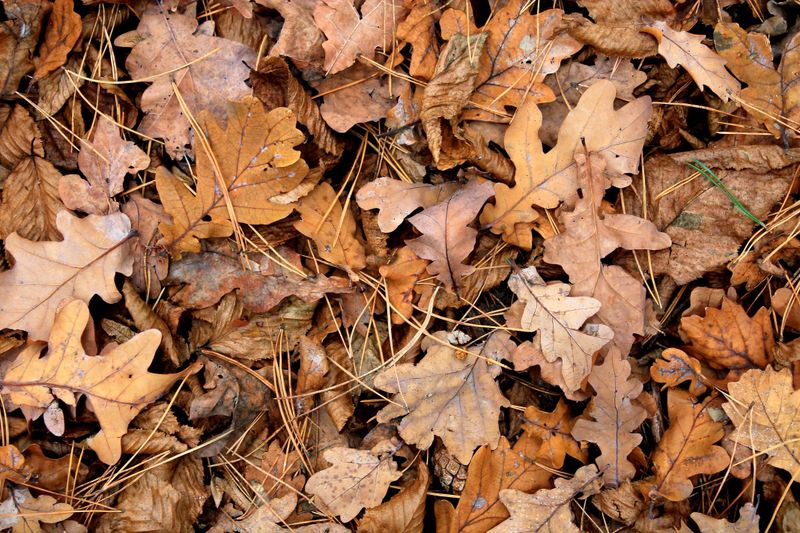
Every year, Florida homeowners rake up mountains of oak leaves, stuff them into plastic bags, and drag them to the curb. I used to be one of them, sweating in February sun and grumbling the whole time.
Those leaves are one of the best free mulches you can find. Live oaks and laurel oaks shed heavily in late winter and early spring, often between January and April, as fresh leaves replace the old ones.
That timing hands you a big supply right when gardens are starting their spring growth.
UF/IFAS Extension encourages gardeners to reuse fallen leaves as mulch or compost instead of sending them to the landfill. Yard waste takes up space in local collection systems, and every bag you keep is one less pickup.
Leaves also do something store-bought rubber mulch or rocks cannot. They break down and feed the soil, just like they do on a natural forest floor.
Walk through any shady oak hammock and you will see it in action, with soft, dark earth under a layer of crunchy brown.
So before you grab another trash bag, pause. That pile is a resource your garden has been quietly asking for.
2. Sandy Soil Drinks Water Fast, and Oak Leaf Mulch Slows It Down
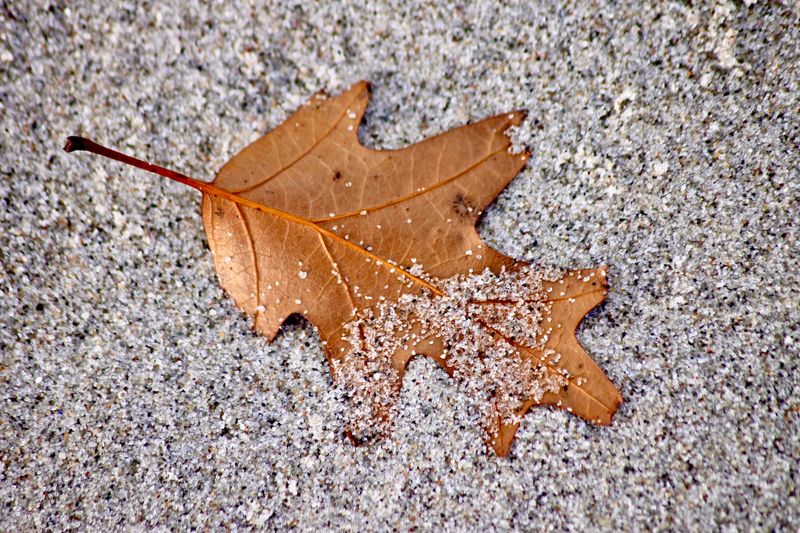
Pour a bucket of water on Florida sand and watch it vanish. Much of the state sits on deep, sandy soil that drains quickly and holds very few nutrients, which is why plants can wilt a day after a good soaking.
Organic matter is the fix soil scientists point to most. When oak leaves sit on top of the ground and slowly break down, they add humus that acts a little like a sponge.
That spongy material holds onto moisture and nutrients that sand lets slip right through.
A mulch layer also shades the soil surface. Cooler soil loses less water to evaporation, and roots stay more comfortable during hot afternoons.
UF/IFAS notes that mulch helps conserve moisture, reduce weeds, and moderate soil temperature, all big wins in a hot climate.
You will not turn sand into rich loam in one season. It takes years of steady additions, and heat burns through organic matter quickly.
That is exactly why a free, yearly supply matters so much.
Keep adding leaves each spring, and you may notice the top few inches of soil getting darker. Earthworms tend to show up too, which is a happy sign your effort is paying off.
3. Run a Mower Over the Leaves Before They Hit the Garden
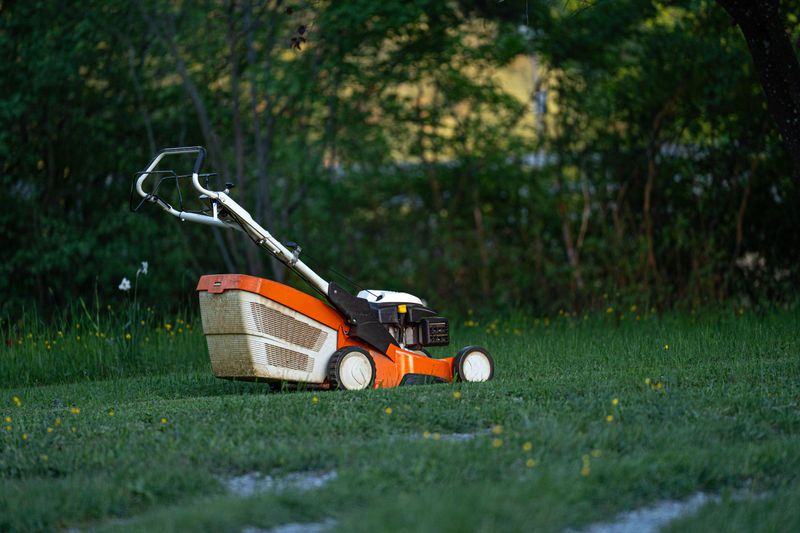
Whole oak leaves are tough little things. Laid on thick, they can flatten into a mat that sheds rain and blocks air, which is the opposite of what you want.
Shredding solves that problem. Most gardeners simply run a lawn mower with a bagging attachment over the leaf pile a couple of times.
The mower chops the leaves into small flakes and collects them neatly, ready to spread.
A leaf vacuum with a shredding setting or a dedicated leaf shredder works too. Some folks even put leaves in a large trash can and use a string trimmer to chop them, though eye protection is a must for that trick.
Shredded leaves have more surface area, so soil microbes can reach them faster. They also lock together loosely, which means they are less likely to blow across the yard during a breezy afternoon.
One handy tip from my own yard is to mow leaves when they are fairly dry. Wet leaves clump in the mower deck and clog the chute.
If you have more leaves than you can use right away, store the shredded pieces in bags or a wire bin. They keep well and make great backup mulch for summer.
4. Spread Shredded Oak Leaves About 2 to 3 Inches Deep
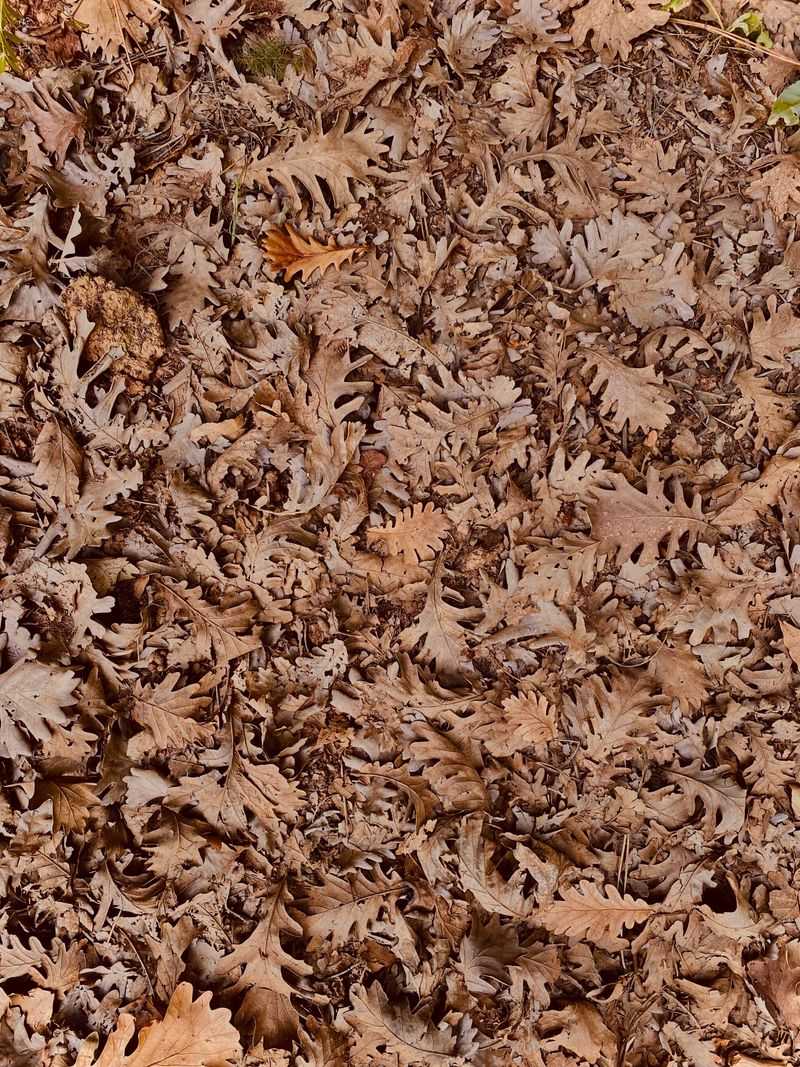
Depth matters more than most people realize. UF/IFAS recommends keeping mulch around 2 to 3 inches deep after it settles, which is thick enough to block weeds but thin enough to let water and air pass.
Fresh shredded leaves are fluffy. You can pile them a bit higher at first, since they will sink down within a few weeks as rain packs them.
Spread the layer under trees, around shrubs, and across flower beds. Leaves work in vegetable gardens too, tucked between rows and around tomato or pepper plants to keep soil from splashing onto lower leaves.
Leave a small gap around stems and trunks. A few inches of bare space helps prevent moisture from sitting against bark, which can lead to rot and invite pests.
Those big mulch volcanoes piled against tree trunks look tidy, yet they cause real trouble.
Underneath your oak tree is the easiest spot of all. Let leaves stay in a wide ring under the canopy, and the tree essentially mulches itself.
Grass often struggles in deep oak shade anyway, so a leaf-covered bed can look intentional and handsome.
Top the layer up each year as it thins out.
5. The Acid Rumor About Oak Leaves Mostly Falls Flat
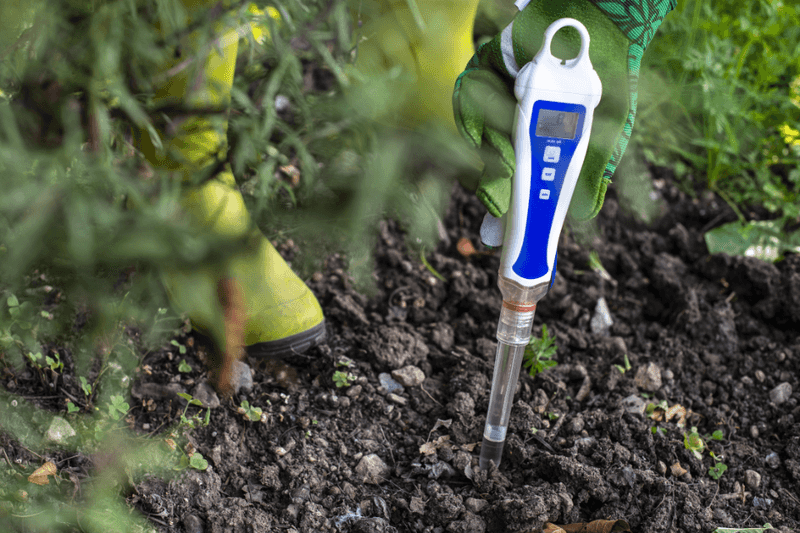
Ask around at any garden club and someone will warn you that oak leaves turn soil sour. It is one of the most repeated gardening myths out there.
Fresh oak leaves are slightly acidic. As they break down, though, the finished material tends to move closer to neutral.
Research and extension experts generally agree that a normal layer of leaf mulch has little lasting effect on soil pH.
Many Florida soils are naturally acidic to begin with, while coastal and South Florida areas often lean alkaline because of limestone and shell. In either case, a few inches of leaves on top of the ground is unlikely to swing the numbers much.
If you are curious about your own yard, a soil test gives real answers instead of guesses. County UF/IFAS Extension offices can help you send a sample for testing at a modest cost.
Plants like blueberries, azaleas, and camellias enjoy slightly acidic conditions, so they will gladly accept an oak leaf blanket. Most vegetables and ornamentals handle it fine too.
Personally, I find this myth funny. Oak forests have been mulching themselves for thousands of years, and the ground beneath them stays rich and full of life.
6. Oak Leaves Break Down Slowly, and That Can Work in Your Favor
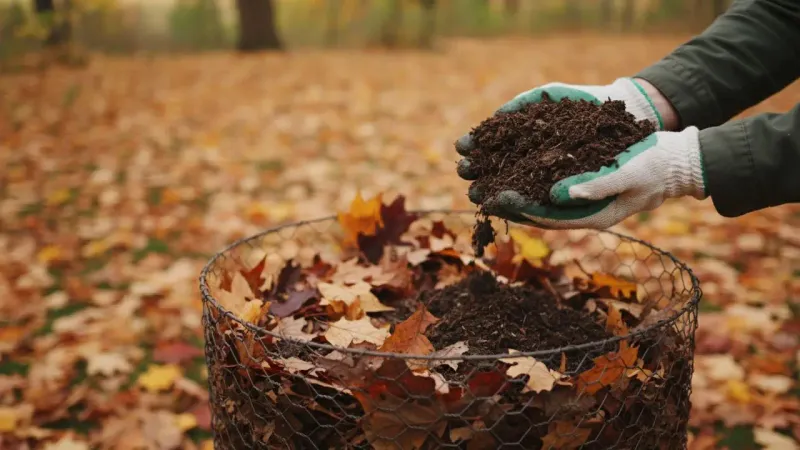
Patience is the secret ingredient here. Oak leaves are high in carbon and contain tannins, so they decompose more slowly than soft leaves like maple or fruit tree leaves.
For mulch, slow is helpful. A layer that hangs around for months keeps protecting the soil without needing constant refills, unlike some fine materials that disappear quickly in summer heat.
As the leaves crumble, they release small amounts of nutrients and feed fungi, bacteria, and earthworms. Those tiny workers help build better soil structure over time, slowly improving how sand holds water.
Want faster results in a compost pile? Mix shredded oak leaves with green, nitrogen-rich materials like fresh grass clippings or kitchen vegetable scraps.
A rough mix of about two or three parts brown leaves to one part green material is a common starting point.
Keep the pile about as moist as a wrung-out sponge and turn it now and then. Warmth speeds composting along, so you may have usable material within a few months.
Finished leaf compost can be mixed into planting holes or raised beds. It smells earthy and sweet, and it is one of the most satisfying things you can make in a backyard.
7. North and South Florida Oaks Drop Leaves on Slightly Different Schedules
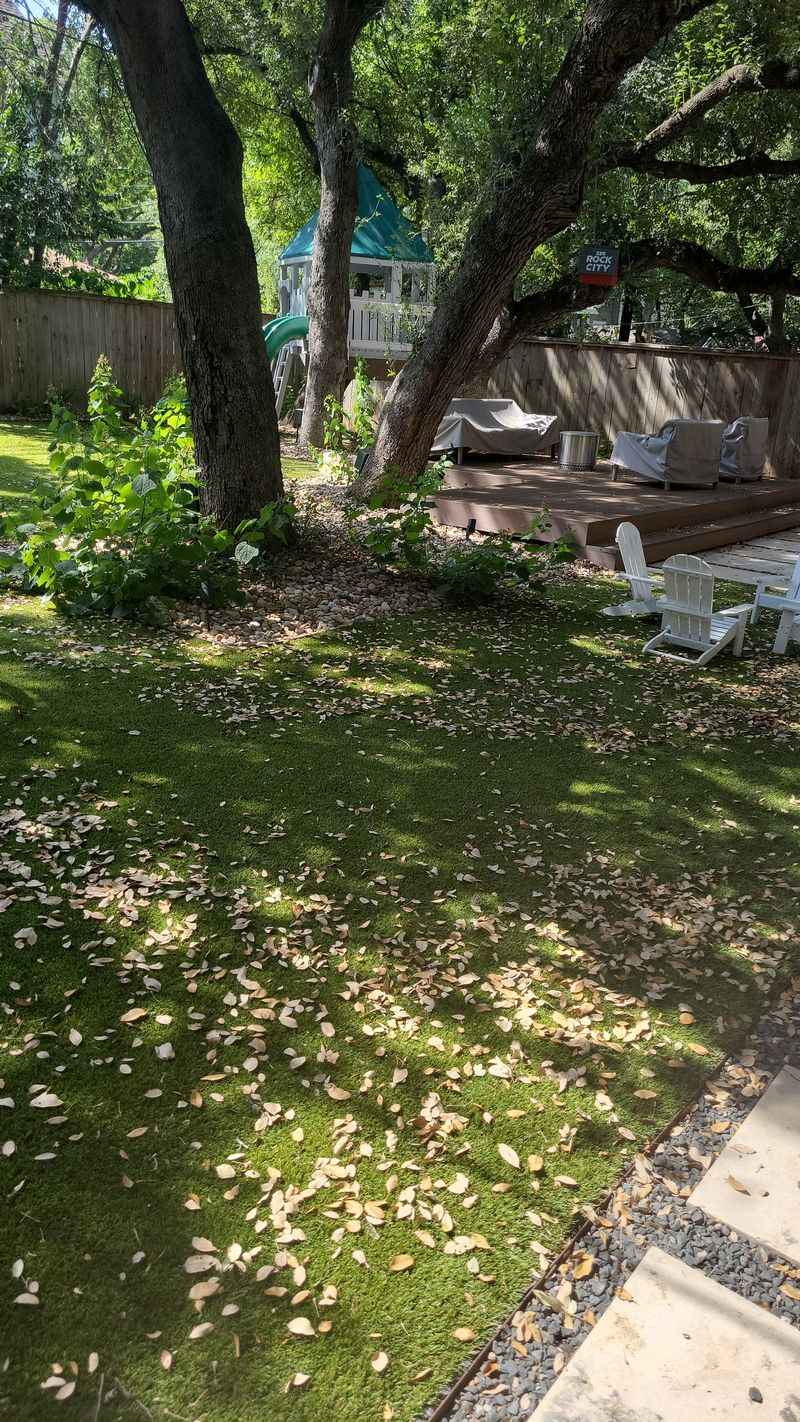
Timing your leaf harvest depends a bit on where you live. Our state stretches across USDA zones 8 through 11, so spring arrives at different moments from the Panhandle to the Keys.
In Central and South Florida, live oaks often start dropping leaves in late January or February. North Florida trees may wait until March or even early April, as cooler weather lingers longer up there.
Laurel oaks and water oaks shed on a similar spring schedule, often a little unevenly from tree to tree. You may see one oak bare for a week while its neighbor still holds its old leaves.
The heavy drop usually lasts a few weeks. Gather leaves during this window and you will have plenty for beds, compost, and storage.
Spring is a smart time to refresh mulch anyway. Soil is warming, plants are pushing new growth, and the dry season in much of the state often runs through May.
A fresh layer helps hold moisture before summer rains return.
Watch for oak pollen and catkins mixed in with the leaves. Those stringy bits are harmless in mulch, though they can be messy on cars and patios.
8. A Leaf Bin in the Corner Keeps Free Mulch Coming All Year
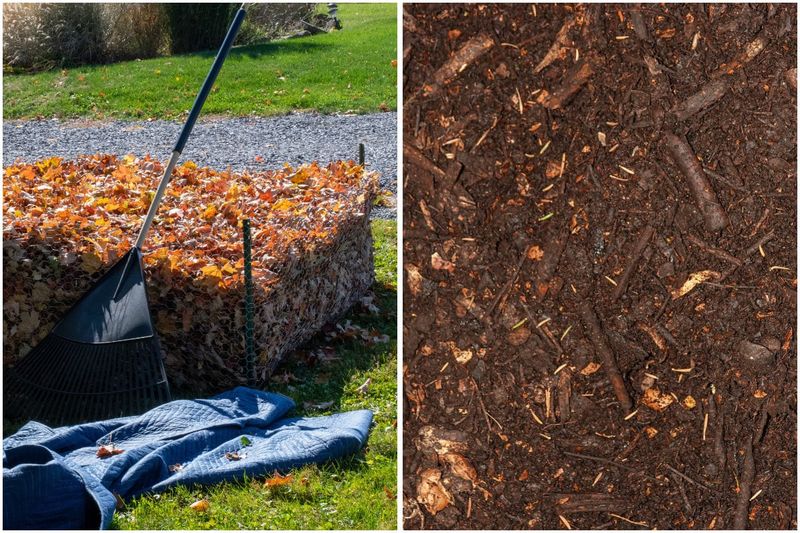
My favorite garden tool costs almost nothing. It is a simple circle of wire fencing in the back corner, stuffed full of oak leaves every spring.
A leaf bin lets you store extra leaves until you need them. By midsummer, when older mulch has thinned out, you have a fresh supply waiting.
Over a year or two, the bottom of the pile turns into dark leaf mold that makes a fantastic soil amendment.
Neighbors can help too. Many people are happy to hand over their bagged leaves, so check with them before collection day.
Just skip bags that might contain weeds gone to seed or leaves treated with lawn chemicals.
Keep bins and mulch away from your home’s foundation by a foot or so. Thick organic layers against walls can invite termites and hold moisture where you do not want it.
Also, avoid piling leaves in drainage swales or storm drains. Leaves washed into waterways add nutrients that can feed algae, which local water managers work hard to reduce.
Start small this season with one bed or one tree ring. You will likely notice softer soil, fewer weeds, and less watering, all from something that once went to the curb.