9 Fruit Trees And Shrubs That Grow Well In Virginia’s Climate
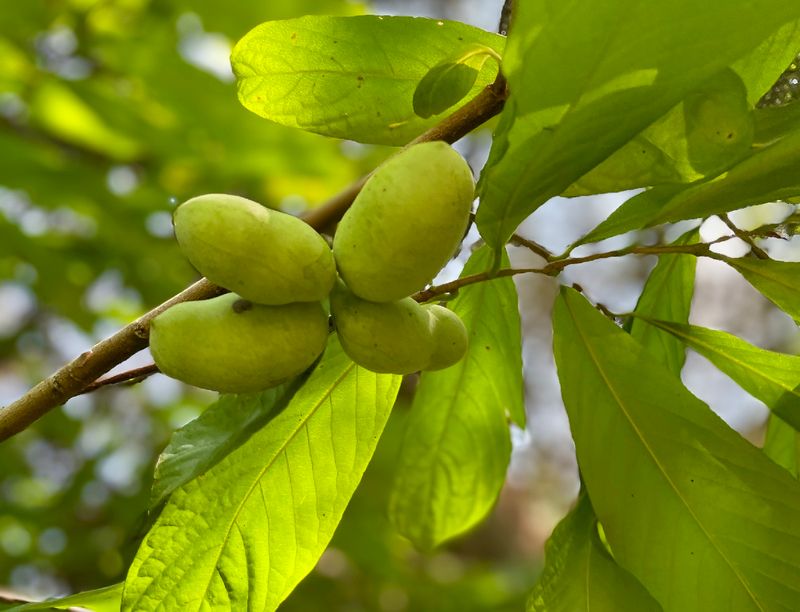
The largest edible fruit native to North America grows wild along shady creek banks across Virginia. It tastes a bit like banana and mango, yet you rarely find it in grocery stores.
Its soft, thin skin bruises so easily that shipping it across the country simply does not work well. That quirk means backyard growers enjoy the best version, picked perfectly ripe and eaten right beneath the branches.
I am honestly surprised how many local fruits thrive here with far less fuss than the usual supermarket favorites. You might notice wild berries along trails and wonder which ones could feel at home in your yard.
This region stretches from chilly mountain ridges to warm coastal plains, so smart fruit choices really matter a lot. Which sweet surprises could be hanging from branches in your own Virginia backyard by next summer?
1. Pawpaw
Zebra swallowtail butterflies lay their eggs only on pawpaw leaves, so planting one invites a fluttering summer show. I still grin every April when those striped black and white wings drift lazily through my shady Virginia yard.
The drooping leaves can stretch a full foot long, giving any garden corner a surprisingly tropical jungle look. In autumn they turn a clear butter yellow that glows beautifully against the smooth gray brown bark below.
Flowers open in early to mid-April and look like small purplish brown bells dangling from nearly bare twigs. Flies and beetles handle most pollination, because bees mostly ignore the faintly funky scent of those odd blooms.
You need at least two genetically different trees, since a single pawpaw rarely sets much fruit on its own. Choose container-grown plants, because the long taproot makes digging up and moving older trees a very tricky job.
Young seedlings prefer shade for their first couple of years, but mature trees fruit best in full sun. Keep the soil moist yet well drained, and spread mulch to hold water through hot Virginia summer dry spells.
Fruit ripens from late August through October, turning soft with a custardy texture and a mango banana flavor. Deer rarely browse the bitter leaves, which honestly makes this native one of the easiest fruits to grow in Virginia.
2. Blueberry
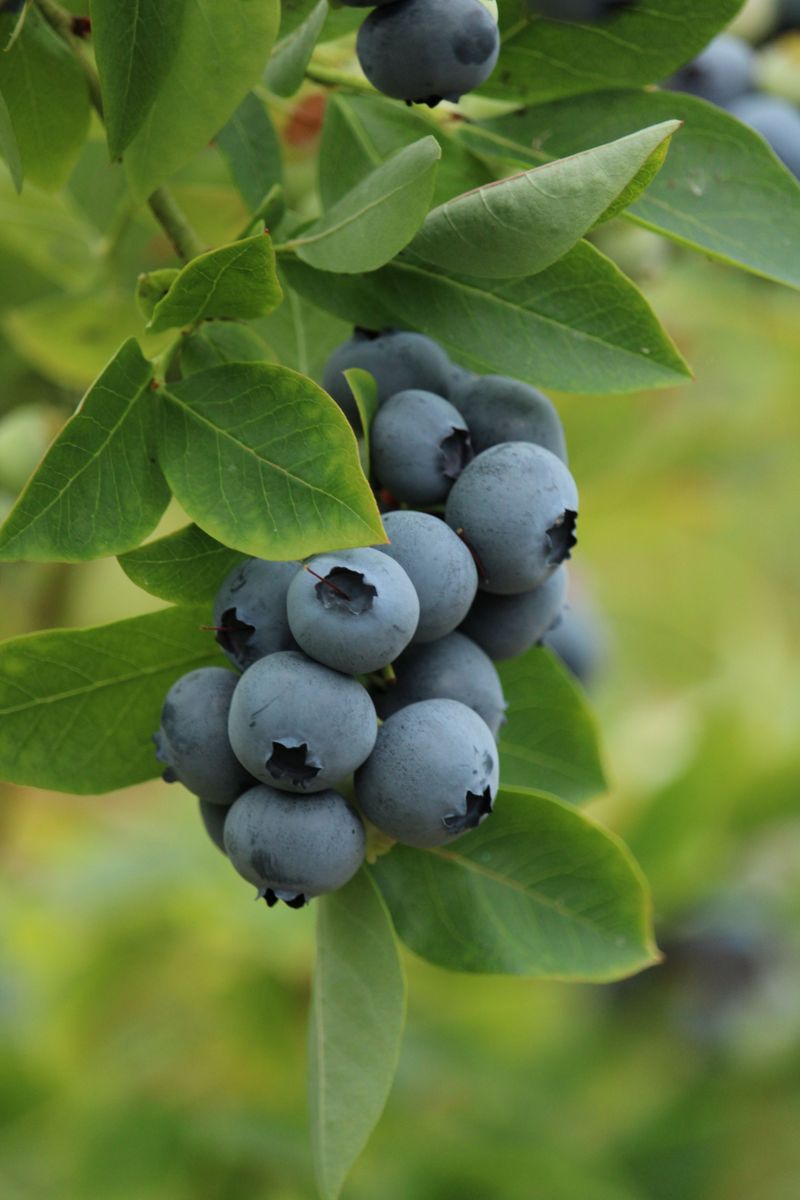
Blueberry bushes put on a three-season show, starting with dainty white bells and ending with fiery crimson leaves. I planted mine for the berries, but honestly the fall color keeps me grinning just as much each October.
Soil is the secret, because these shrubs crave very acidic ground with a pH between 4.2 and 5.5. Many Virginia yards run higher, so plan on adding elemental sulfur six to twelve months before you plant.
Northern highbush types suit the mountains and cooler north, while rabbiteye and southern highbush love the warmer eastern and southern regions. Pick varieties that match your spot, and plant two or more cultivars for bigger berries and better yields.
Shallow, fibrous roots dry out quickly, so steady watering matters a lot, especially during that very first summer. A thick layer of pine bark mulch helps keep moisture in while gently nudging the soil toward acidity.
Pinching off flower buds on new plants feels painful, but it builds stronger shoots and heavier future harvests. Give bushes at least six hours of sun daily, since shady spots mean far fewer berries to pick.
Birds notice ripening fruit the moment it starts turning blue, often well before you do in the morning. Drape bird netting over the bushes once berries change color, and you will actually get to eat some.
3. Serviceberry
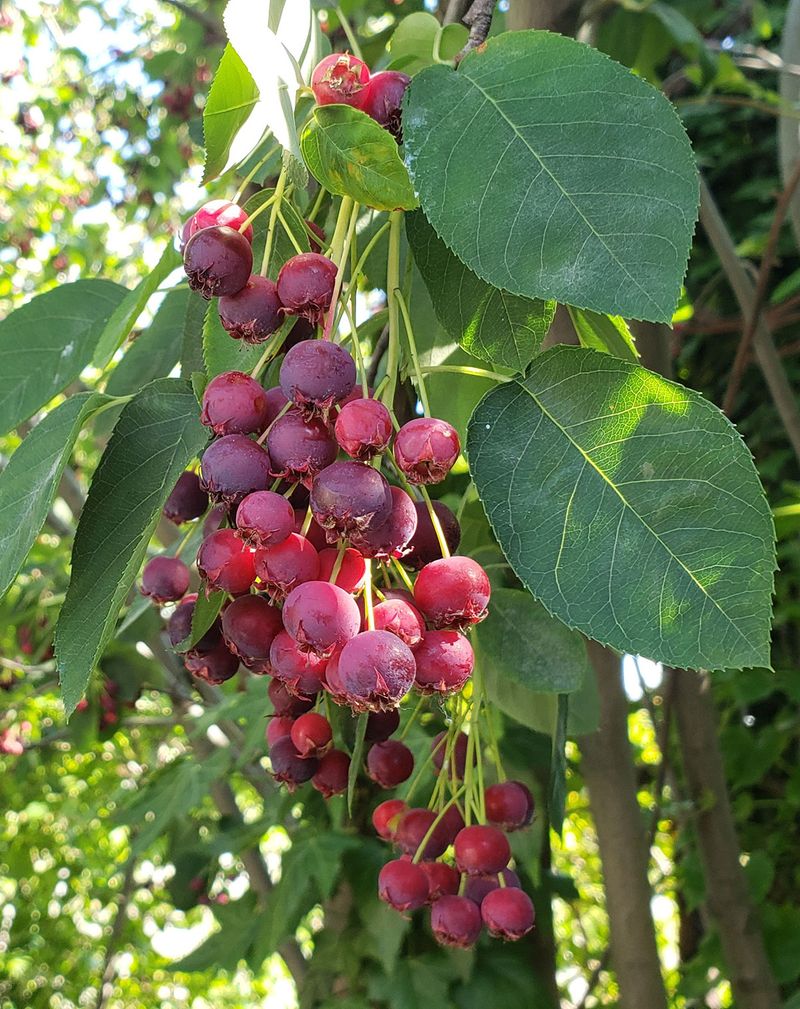
Serviceberry blossoms often appear in March or April, painting bare branches white before most trees even wake up. Spotting those frothy blooms along a wooded road tells me spring has finally decided to stay a while.
The small round berries ripen in early summer, shifting from green to red and finally a deep purple. They taste like a sweeter blueberry with a hint of almond, and they make a lovely homemade jam.
Plants are self-pollinating, but adding a second serviceberry can noticeably boost how many berries you collect each June. Full sun gives you the most fruit and brightest fall color, though light shade still works fine too.
This native adapts to clay or sandy sites, yet it prefers slightly acidic soil that drains well after rain. Water deeply once a week during the first year, then let established plants handle short dry spells.
Cedar rust diseases can spoil the berries, so avoid planting near Eastern red cedar trees if possible in your yard. Choosing resistant cultivars and keeping good airflow around the branches helps reduce leaf spots and other common problems.
More than forty bird species feast on these berries, so expect plenty of feathered competition at harvest. I share happily, because watching cedar waxwings strip a branch clean is pure backyard entertainment for me every summer.
4. American Persimmon
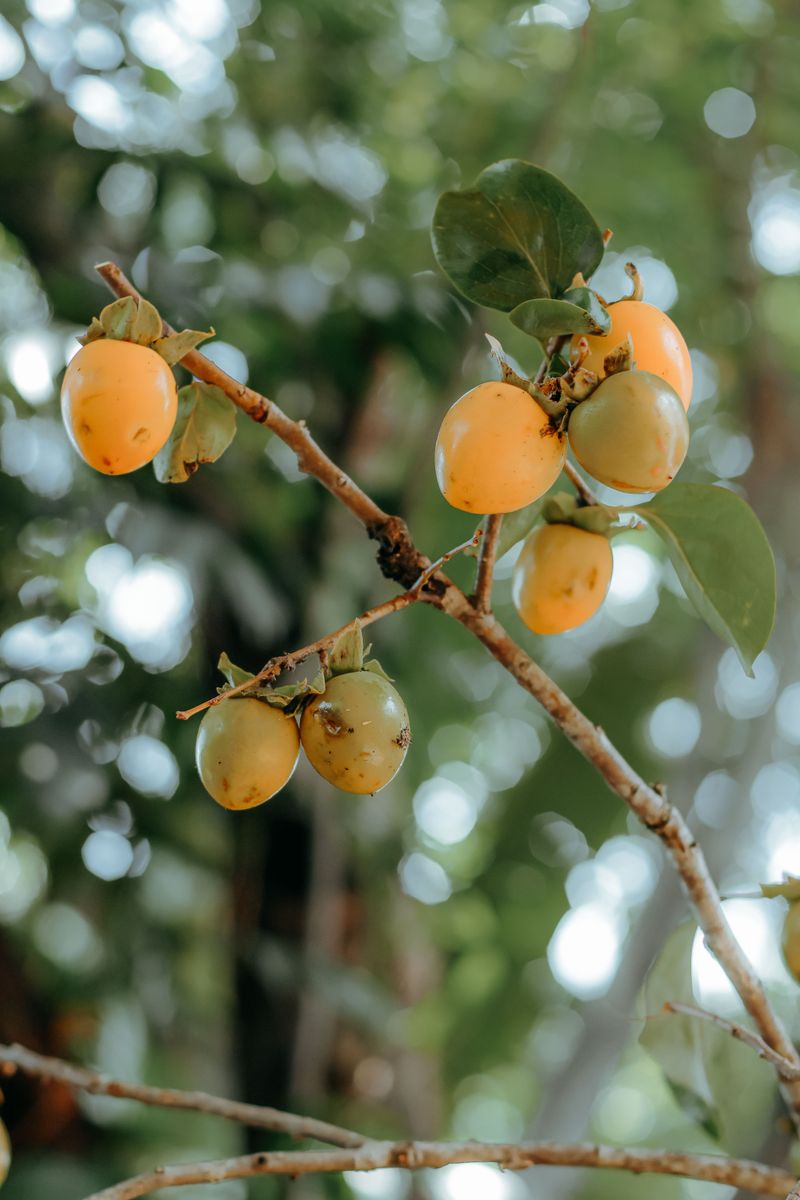
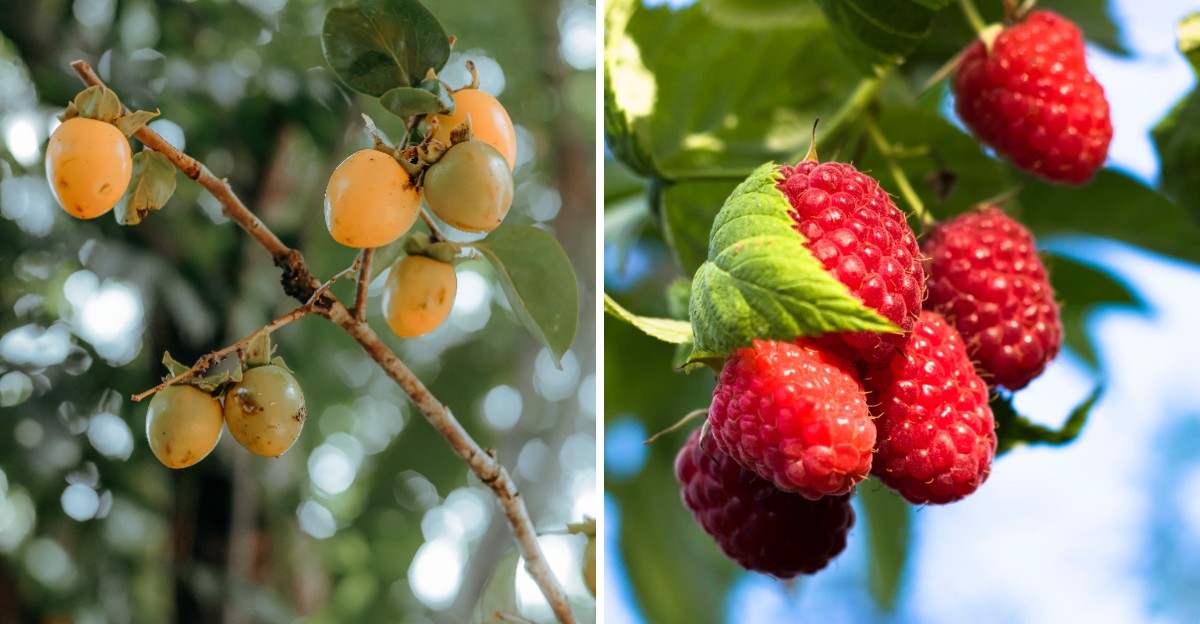
Bite an unripe persimmon and your whole mouth puckers like you licked a chalkboard, which I learned firsthand. Wait until the fruit turns soft and orange, though, and it tastes like sweet caramel pudding on a spoon.
The bark breaks into thick rough square blocks that look remarkably like alligator hide, making winter identification easy. Glossy summer leaves later turn yellow to red-orange, adding a warm glow to fall landscapes across the yard.
Most American persimmons have separate male and female trees, so you usually need both for a decent crop. Self-fruitful cultivars like Meader exist, which helps gardeners with smaller yards get fruit from a single tree.
A deep taproot makes transplanting tough, so buy container-grown or grafted trees from a reliable nursery. Grafted trees begin fruiting in about three years, while seedlings may take many more seasons before they produce.
This tough native tolerates sand or clay, though it prefers moist soil that drains well after heavy storms. Water regularly during its early years, and it becomes fairly drought tolerant once the roots finally settle in.
Ripe fruit often hangs on after the leaves drop, feeding opossums and foxes deep into the winter months. Few serious pests bother this tree, so it rewards patient gardeners with very little fuss over time.
5. Red Raspberry
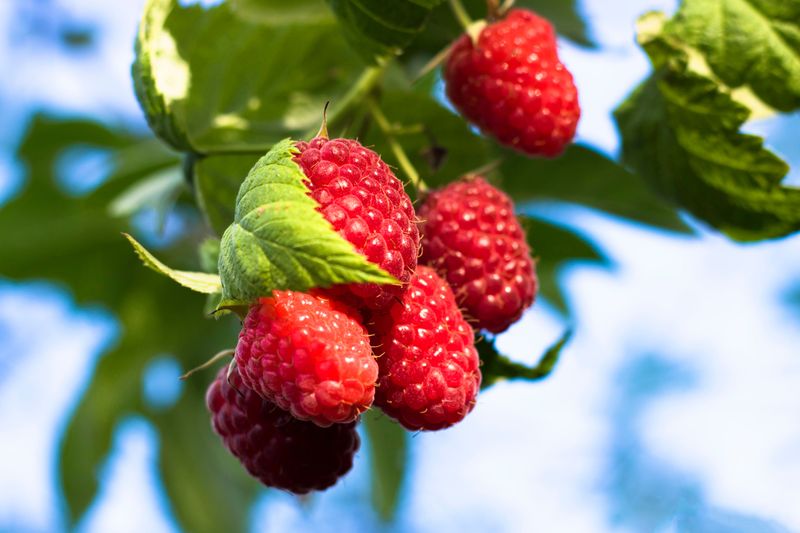
Few snacks beat a sun-warmed raspberry plucked straight from the cane, slipping off its hollow core with ease. My kids treat the raspberry patch like a free candy aisle, and I honestly cannot blame them one bit.
Each cane lives two years, growing leaves the first season and bearing fruit the second before it fades. Everbearing types like Heritage also produce a fall crop on new canes, stretching your harvest season out nicely.
Plant in late fall or early spring, setting the crown about one inch below the soil surface level. Space plants two to three feet apart, and consider raised beds if your soil holds water after rain.
Soggy ground invites root rot, so choose sandy loam with a pH near 6.0 to 6.5 when possible. Aim for about one inch of water weekly, and drip irrigation keeps the leaves drier and healthier overall.
Avoid planting where potatoes or tomatoes grew recently, since those spots can harbor viruses that hurt raspberries. Buy certified disease-free stock, and steer clear of invasive wineberry, which spreads aggressively through many local woods.
Prune spent fruiting canes to the ground after harvest, giving fresh canes room and sunlight to grow. Mowing everbearing canes down in early spring gives one big fall crop with far less pruning work involved for you.
6. Peach
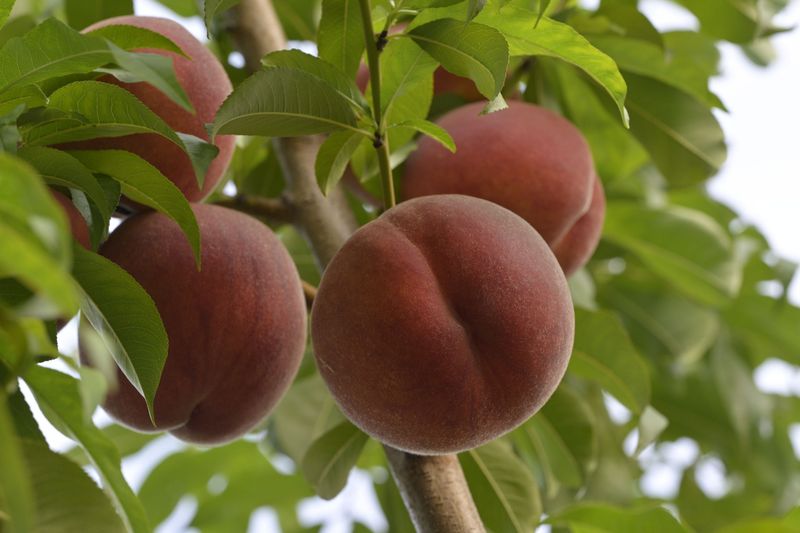
Peach blossoms burst open in shades of pink before the leaves arrive, and the whole tree looks frosted. I stood under mine last spring just breathing it in, ignoring the weeds patiently waiting for me in the garden nearby.
Most peach varieties are self-fruitful, so a single tree can give you a full crop with its own pollen. That makes peaches a smart pick for smaller yards where room for a second fruit tree is limited.
Late spring frosts can harm blossoms, so plant on a slope or hilltop where cold air drains away. Look for varieties needing around 800 chill hours or more, since low-chill types may bloom too early and lose flowers.
Full sun is essential, and morning light helps dry dew off the fruit to reduce annoying rot problems. Well-drained sandy loam works best, because peach roots struggle badly in waterlogged heavy clay soil after storms.
Thinning feels wasteful, but spacing fruit six to eight inches apart gives you much bigger, sweeter peaches. Do it four to six weeks after bloom, and your branches will thank you by not snapping under weight.
Peaches face plenty of challenges, like brown rot and peachtree borers, so regular monitoring really pays off nicely. One dormant copper or lime-sulfur spray in late winter can help prevent the leaf curl disease next season.
7. Apple
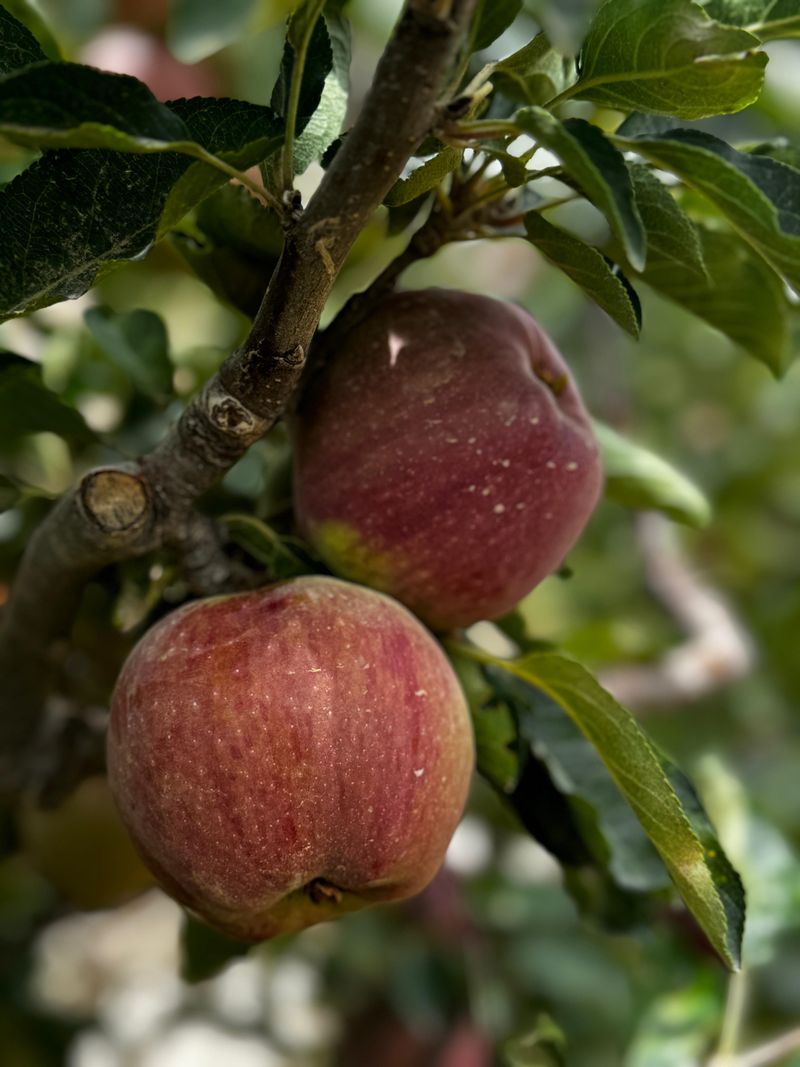
Apples ripen here from late June until mid-November, so a few smart varieties can feed you for months. I love wandering out on cool October mornings and returning with an armful of crisp, juicy treasures.
Most apple trees need a different variety blooming nearby, usually within about 100 feet, to set a good crop of fruit. Triploid types like Winesap and Stayman need two other partner trees, so check pollination charts carefully before buying.
Rootstock controls tree size, and dwarf trees reaching six to ten feet fit nicely in most suburban backyards. Dwarf trees often start fruiting in about two years, which feels wonderfully quick for impatient home growers like me.
Plant in March or April in most parts of Virginia, keeping the roots moist the entire time. Even a few minutes of drying wind and sun can seriously injure bare roots, so work quickly.
Humid summers here encourage apple scab and cedar-apple rust, so disease-resistant varieties save you plenty of headaches. Drip irrigation helps too, because it waters roots without soaking the leaves where many fungi love to grow and spread.
Prune during late winter dormancy to open the center, letting sunlight reach every branch for better fruit and color. Thin young apples when they are under an inch wide, and the remaining fruit grows larger each year.
8. Fig
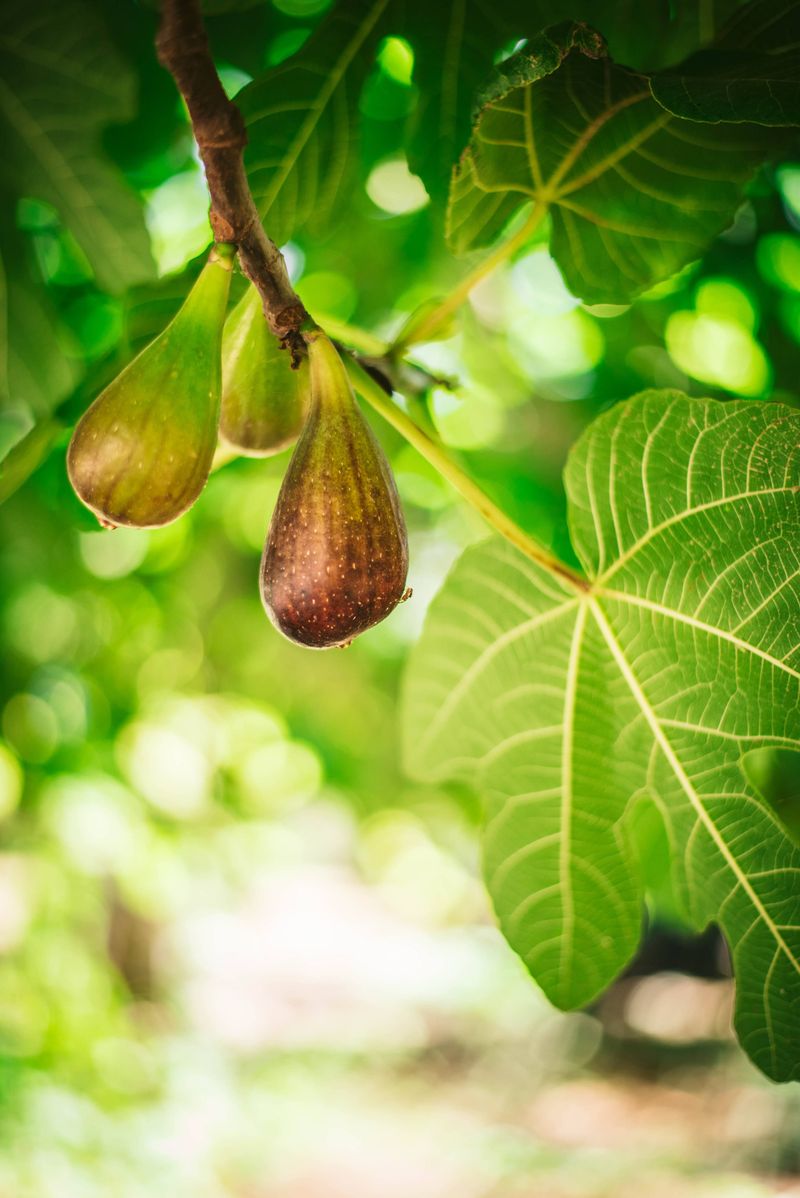
That fig you bite into is actually a hollow cluster of hundreds of tiny flowers turned inside out. Learning that fact made me look at my morning fig snack with a whole new level of respect.
Common figs set fruit without pollination, so you do not need the special fig wasp found overseas. Many trees give two crops, an early breba harvest in summer and a main crop from August onward.
Figs grow reliably in warmer zones, but cold-hardy cultivars like Celeste and Chicago Hardy handle chillier areas better. In the colder mountain counties, single-digit winters can freeze stems to the ground, though roots often resprout.
Plant against a south-facing wall for extra warmth, and give the tree at least eight hours of sun. Before winter, mulch the base six to twelve inches deep, then wrap branches loosely with breathable burlap.
Containers offer another clever option, letting you roll the tree into an unheated garage during cold months. Water it lightly about once a month, just enough to keep the soil barely moist until spring.
Harvest only when figs feel soft and droop on the stem, because they will not ripen after picking. Birds may plant stray seedlings nearby, so pull any volunteers to keep this nonnative tree in its place.
9. Elderberry
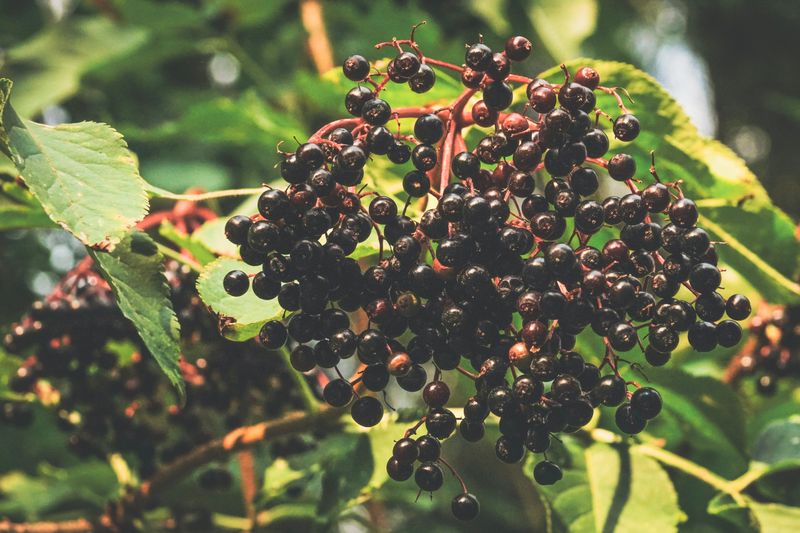
Elderberry flower clusters can stretch ten inches across, smelling faintly of lemon on warm early summer evenings by the porch. I swear half the bees in the neighborhood show up when my shrubs burst into creamy white bloom.
This native shrub loves damp spots, so soggy corners and rain gardens suddenly become useful growing space at last. It tolerates clay or sand and grows quickly, often topping six feet within just a few seasons.
Planting two different varieties within about fifty feet of each other gives you noticeably better fruit production. Full sun brings the most flowers and berries, though part shade still produces a respectable harvest each year.
Safety comes first here, since raw berries and leaves contain compounds that can make people quite sick. Only cook ripe berries before eating, because heat breaks down those troublesome compounds and makes them safe to enjoy.
Expect suckers popping up around the base, which can help stabilize stream banks or form a pretty hedge. Prune older canes in winter, since two-year-old canes tend to produce the heaviest clusters of dark fruit.
Dozens of bird species gobble the purple-black berries, so netting helps if you want homemade syrup later. Watching bluebirds and cardinals feast on the leftovers feels like a fair trade for sharing my backyard.