Is That Really a Brown Recluse? Why Most Florida Sightings Turn Out to Be Something Else
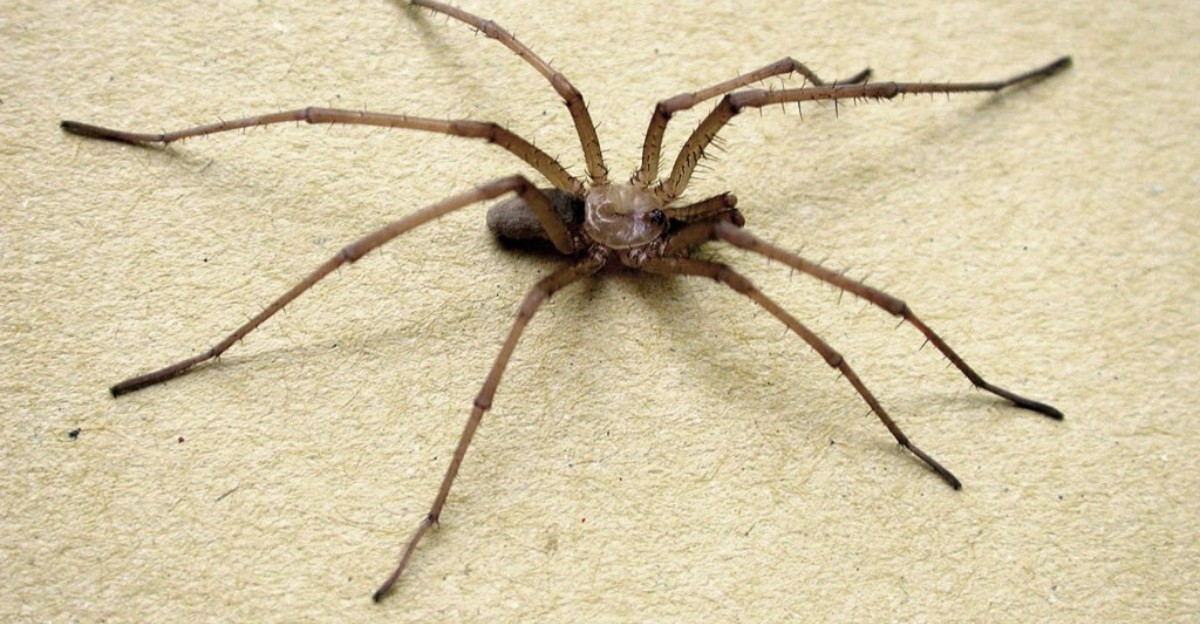
A spider expert once collected nearly 1,800 suspected specimens mailed in from worried people across the country, and in many states not one was the real thing. That detail stuck with me.
Fear spreads faster than spiders do, and a single blurry photo can send a whole neighborhood into a panic.
Here in Florida, the spider everyone whispers about has been confirmed only a handful of times. Most of those finds traced back to boxes, furniture, or cargo shipped from other states.
Yet doctors, pest crews, and garden groups hear about sightings every single week.
I love a good mystery, and this one has a satisfying twist. You probably share your garage, shed, and potting bench with several harmless brown spiders right now.
So who is really hiding behind your watering cans? The answer might change how you feel about that next leggy visitor.
1. That Brown Spider in Your Florida Garage Has a Surprising Backstory
Spider researchers have a running joke about recluse reports. The more people look for this spider outside its home range, the more they find everything except the real thing.
Arachnologist Rick Vetter, formerly of the University of California, Riverside, studied more than 1,700 mailed-in specimens, many from areas outside the recluse range. Most turned out to be common house spiders, wolf spiders, and other harmless locals.
The Sunshine State fits that pattern well.
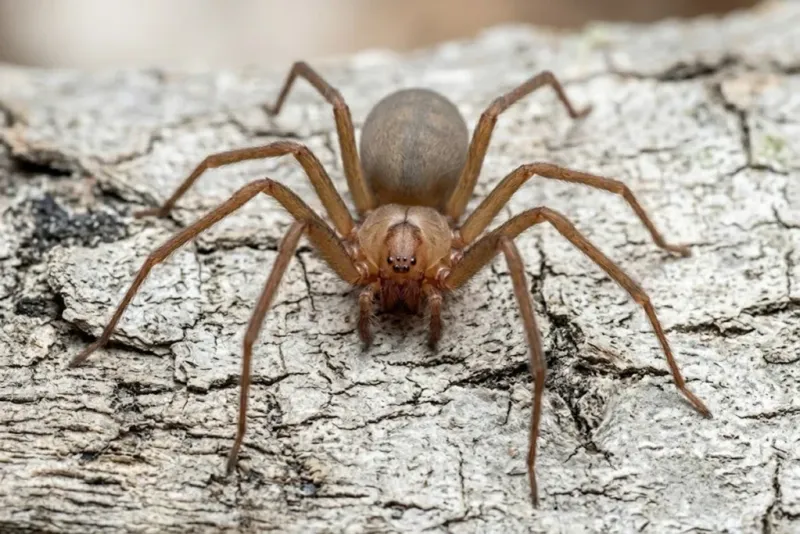
The brown recluse, Loxosceles reclusa, is native to the central and south-central United States. Its range stretches roughly from Nebraska to Ohio and down through Texas, Arkansas, and parts of Georgia.
Florida sits outside that core zone.
University of Florida entomologists report only a small number of verified records in the state. Most came from items moved in from recluse country, like boxes or old furniture.
So when a brown spider zips across your garage floor, odds strongly favor a local resident. I find that oddly comforting.
You still want to treat any spider with respect and avoid handling it bare-handed.
Knowing the real odds lets you swap panic for curiosity. That shift makes the rest of this detective work a lot more fun.
2. Recluse Spiders Rarely Settle Down in the Sunshine State
Moving trucks, not nature, explain most Florida recluse stories. When a real one shows up, it usually hitched a ride inside a crate, a dresser drawer, or a box of holiday decorations from another state.
Records collected by UF/IFAS and the Florida Department of Agriculture point to scattered individual finds. Researchers have not documented widespread, self-sustaining populations living in Florida’s outdoor habitats.
One stray spider in a box is very different from an established colony.
Why doesn’t the species spread here? Scientists are not fully certain.
Climate, competition from other spiders, and simple distance from the native range are likely pieces of the puzzle.
A close cousin deserves a quick mention. The Mediterranean recluse and the Chilean recluse have turned up in a few buildings in the U.S., and rare reports of other Loxosceles species exist in the state.
These finds are also uncommon and usually tied to indoor spaces.
My practical advice is simple. If you recently moved from Missouri, Kansas, or Tennessee, check stored boxes carefully when unpacking.
Wear gloves, shake out items before using them, and keep stored belongings in sealed plastic bins. Those habits handle the small real risk without the stress.
3. Count the Eyes Before You Trust That Violin Mark
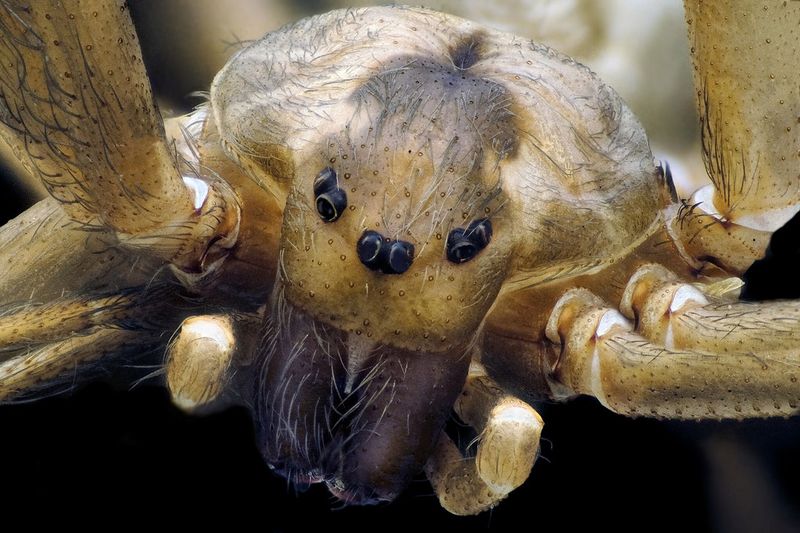
Six eyes, not eight, give a true recluse away. Most spiders carry eight eyes, but recluses have six arranged in three pairs that form a gentle half circle.
Entomologists call this the most reliable field clue. You will likely need a magnifying lens or a zoomed-in phone photo to see it, since the spider is small and the eyes are tiny.
The famous violin shape on the back is far less dependable. Plenty of brown spiders show dark markings that look fiddle-like in dim light.
On young recluses, the mark can be faint.
Here is my favorite trick. Snap a photo from straight above, then enlarge it on your screen.
If you count eight eyes, you can relax.
A few other traits help confirm a recluse:
Uniform tan to brown color on the body and legs, with no stripes or bands.
Long, thin legs covered in fine hairs rather than thick spines.
A body only about a quarter to a half inch long.
Never pick up a mystery spider to check. Use a clear jar slipped over it, or a photo, and keep your fingers well away.
4. Southern House Spiders Fool Plenty of Florida Homeowners
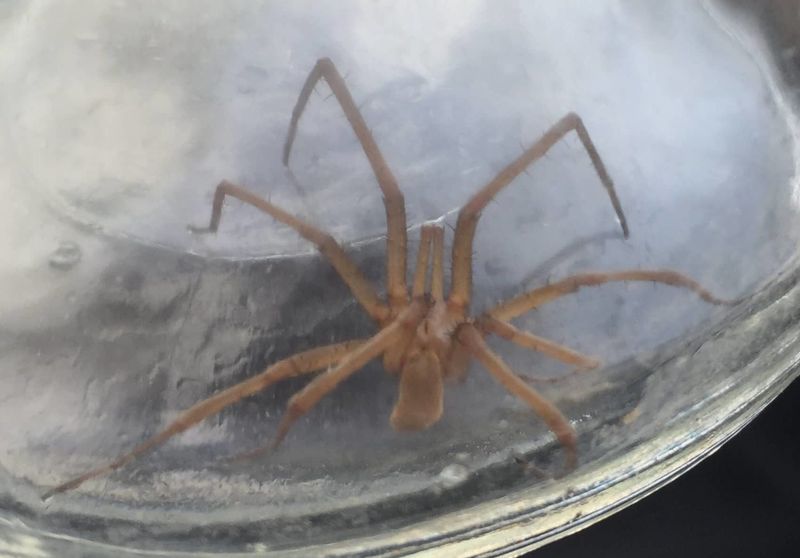
Long legs, tan color, and a habit of wandering indoors make the male southern house spider the number one recluse impostor in the South. University extension specialists name it again and again.
Males of Kukulcania hibernalis roam at night searching for mates. They look slender and leggy, and the resemblance can be striking.
Females are darker, chunkier, and stay hidden in their retreats.
Eye count settles the question fast. Southern house spiders have eight eyes clustered together on a small bump at the front of the head.
Webs offer another clue. Females spin flat, tangled, woolly-looking webs radiating from cracks around window frames, eaves, shutters, and brick walls.
Recluses do not build messy webs out in the open like that.
Personally, I have grown fond of these spiders around my potting shed. They snag roaches, moths, and other pests without any fuss.
If you would rather not host them inside, sweep away webs with a broom and seal gaps around windows and doors. A porch light that draws fewer bugs, like a yellow bulb, also gives them less reason to set up shop near your entryways.
5. Wolf Spiders Hunting in Your Garden Beds Get Blamed Too
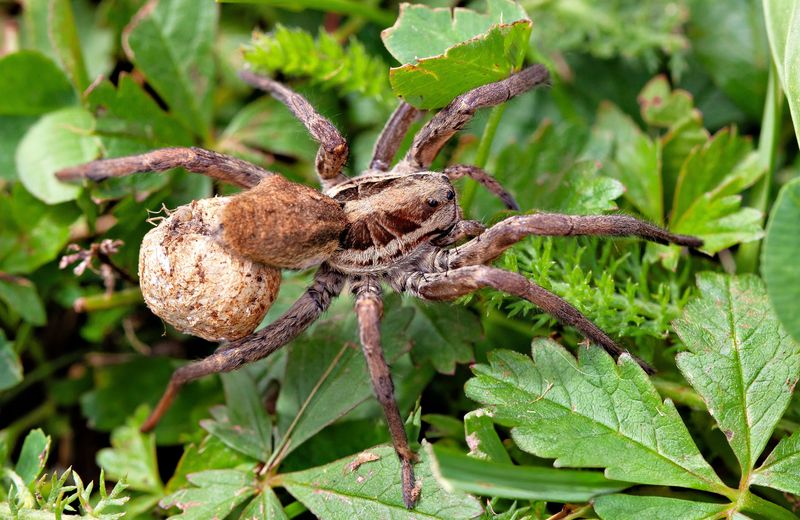
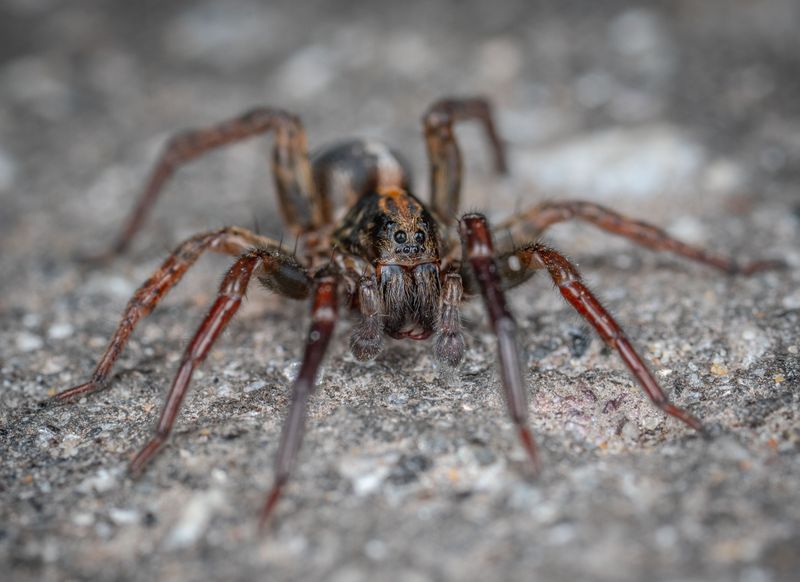
Ever flipped a flowerpot and watched a fuzzy brown spider bolt away? Odds are high you met a wolf spider, one of the busiest garden hunters in the state.
Wolf spiders chase prey on foot instead of waiting in webs. They patrol mulch, leaf litter, and lawns at night, which is why they often surprise gardeners at dusk.
Telling them apart from a recluse is easier than you might expect. Wolf spiders are usually larger and heavier-bodied, with a hairy look.
Many have stripes or bands on the back and legs.
Their eyes give them away too. Wolf spiders carry eight eyes in three rows, including two large forward-facing eyes that shine green when hit by a flashlight.
Try this on a warm evening. Walk your garden with a headlamp and look for tiny glowing dots in the grass.
Females also carry egg sacs on their spinnerets and haul babies on their backs, which is a sight worth seeing. These spiders can bite if pressed against skin, but their bites are generally mild.
Wear gloves when moving pots or pulling weeds, and let them keep working on crickets and other plant pests.
6. Huntsman, Spitting, and Cellar Spiders Join the Look-Alike Lineup
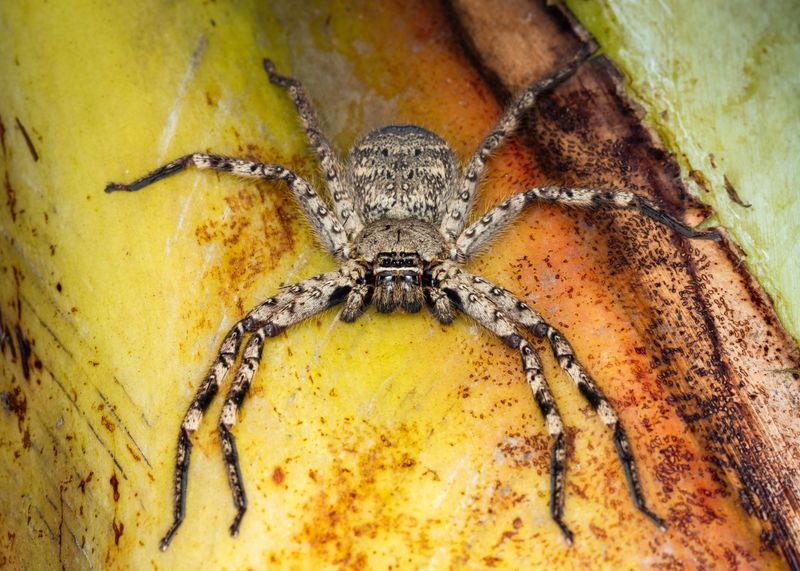
Big, flat, and fast, the pantropical huntsman spider can make anyone jump. Its legs may span several inches, far larger than any recluse, yet people still mistake it for one.
Huntsman spiders, often called banana spiders in older stories, hide behind shutters and inside sheds. They hunt roaches at night.
Their size alone rules out a recluse.
Spitting spiders are smaller and closer in size to the real thing. Look for spotted or banded legs and a domed back.
Like recluses, spitting spiders have six eyes, so the leg pattern is your best clue.
Cellar spiders cause confusion too. These have tiny bodies and impossibly long, thin legs, and they shake their webs when disturbed.
Most have eight eyes arranged in clusters.
Yellow sac spiders round out the list. Their pale yellow to beige bodies sometimes appear tan in poor light.
I keep a small identification chart taped inside my shed door for quick checks. Florida extension offices and the UF/IFAS Featured Creatures website offer free photo guides that work well for this.
Learning a few of these faces turns a scare into a fun little quiz.
7. That Mystery Skin Wound May Not Be a Spider Bite
Doctors have a saying worth remembering. A wound blamed on a recluse in a non-recluse state is often something else entirely.
Medical studies have found that many supposed spider bites turn out to be bacterial skin infections, especially MRSA. Other causes include ingrown hairs, insect stings, allergic reactions, shingles, and certain fungal infections.
Heat and humidity make skin infections fairly common. A red, swollen, painful bump can grow quickly, and blaming an unseen spider may delay the right treatment.
My strong advice is simple. If a wound spreads, oozes, turns dark, or comes with fever, see a medical professional promptly.
Tell your doctor honestly whether you actually saw a spider bite you. That detail helps them consider other causes and choose the right care.
If you did catch the culprit, place it in a sealed jar or freezer bag and bring it along. A clear photo works too.
For quick guidance, Florida Poison Information Centers answer calls around the clock at 1-800-222-1222. Calling costs nothing and could save you a lot of worry.
Prompt care matters far more than guessing which critter was responsible.
8. Gloves, Sealed Bins, and a Good Photo Keep Spider Worries Small
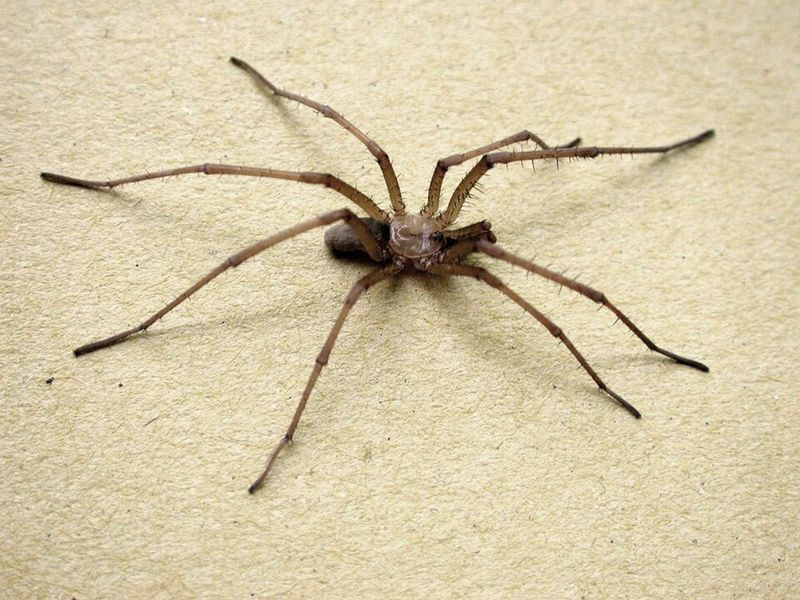
A tidy shed beats a spray bottle almost every time. Most spiders, including the occasional stray recluse, love cluttered, undisturbed corners.
Start with a few easy habits:
Store pots, seed packets, and tools in sealed plastic bins instead of open cardboard boxes.
Shake out gloves, boots, and garden clothes before wearing them, especially items left in a garage.
Keep stacks of firewood, lumber, and empty pots off the ground and away from your house walls.
Sticky traps placed along baseboards and shed walls make great monitoring tools. They show which spiders live with you, and you can examine them safely with a magnifying glass.
Found a spider you cannot identify? Take a sharp photo and send it to your local UF/IFAS county extension office.
Staff there can help with identification for free.
I truly believe spiders earn their keep in a Florida yard. They control mosquitoes, flies, roaches, and plant-munching insects without any chemicals.
Broad pesticide sprays often harm helpful insects and pollinators too, so save them for real infestations. With a little knowledge and a camera, your next brown visitor becomes a neighbor rather than a nightmare.