The Last Lawn Mow of the Year in Ohio and Why Height Matters More Than You Think
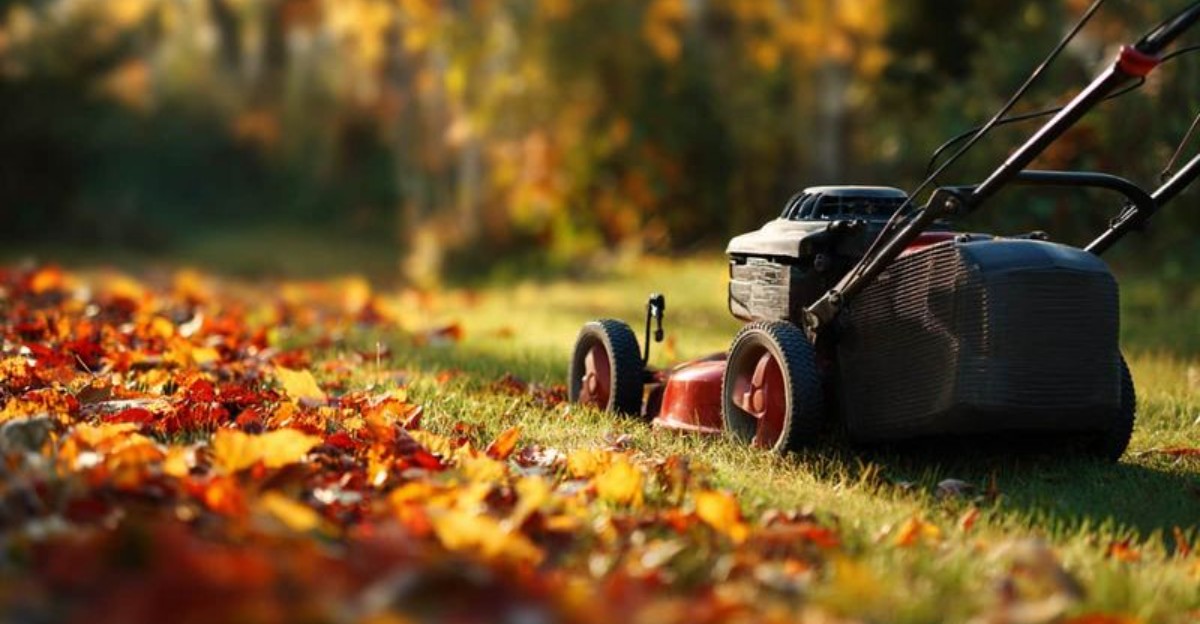
Frost does not stop cool-season grass from growing. Those silvery October mornings fool plenty of us into parking the yard equipment way too early.
Kentucky bluegrass and tall fescue keep pushing out new blades until daytime highs settle below about 50 degrees. In much of Ohio, that cutoff lands somewhere in November, and some years it sneaks into early December.
I used to treat the season finale like an afterthought. Personally, I just wanted the chore done so I could rake leaves and head inside. Then a spring full of matted, crusty patches taught me a humbling lesson about a few inches of green.
You might be surprised how one little lever on your machine shapes what your yard looks like in April. Snow, voles, and stored plant sugars all play a part. Get it wrong in either direction, and winter will happily point out your mistake.
How short is too short, then?
1. Frosty Grass Blades Are Not Your Cue To Park The Mower
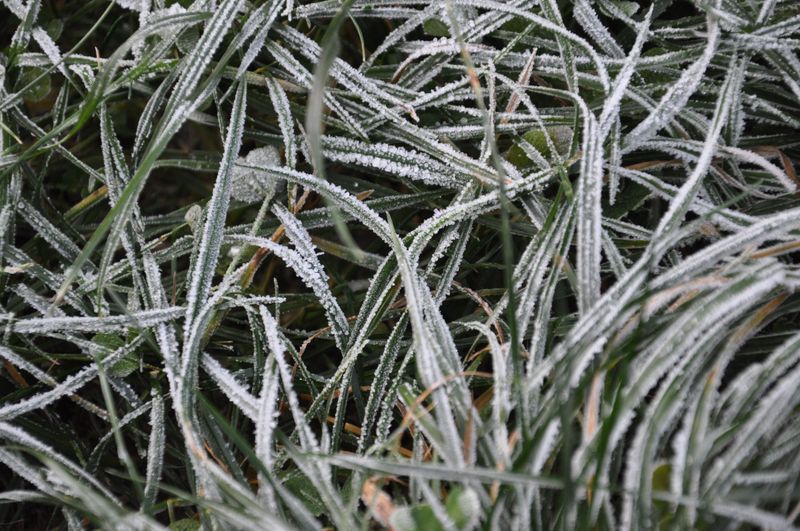
Plenty of folks see that first white, crunchy lawn and figure the season is over. I did the same thing for years.
The truth is that a light frost slows cool-season grass for a day or two, then it keeps right on growing.
Temperature is the real referee here. Cool-season turf like Kentucky bluegrass, perennial ryegrass, and tall fescue slows way down once daytime highs stay below roughly 50 degrees.
Until that happens, the blades keep stretching, and you keep mowing.
Across Ohio, that shift usually arrives between mid and late November. Southern counties near the Ohio River may stretch a bit later, while the snowbelt near Lake Erie often wraps up sooner.
Keep an eye on the weekly forecast instead of the calendar. If highs sit in the 40s for a week or more and growth has stalled, your next pass can be the final one.
One safety tip for your grass matters a lot. Skip mowing when frost is still on the lawn, because frozen blades snap and turn brown where your wheels and shoes press them.
Wait until the sun melts everything and the turf feels dry, ideally on an afternoon above 40 degrees.
2. Drop Your Mower Deck To About 2 To 2.5 Inches For The Final Cut
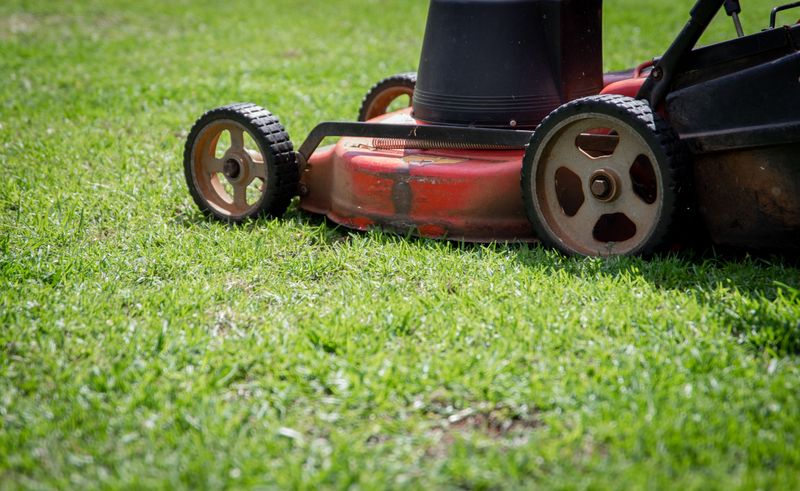
Here comes the number that matters most. For the last mow of the year, most turf experts suggest a height of roughly 2 to 2.5 inches for cool-season lawns.
That is a little lower than your summer setting. Ohio State University Extension recommends keeping cool-season turf around 3 to 4 inches during the growing season, since taller grass shades out weeds and handles heat better.
Once growth winds down, a modest trim helps the lawn head into winter neat and upright.
Why not leave it tall? Long blades tend to flop over under snow and ice, creating a soggy mat that holds moisture against the crowns.
A shorter, sturdy lawn stays more open to air and sunlight on mild winter days.
Why not go shorter? Grass still needs leaf surface to make and store energy for spring.
Cut too low, and you rob the plant of the fuel it was saving.
I like to measure once rather than guess. Set the mower on a flat driveway, then check the distance from the ground to the blade with a ruler.
Deck labels on many mowers are only rough estimates, so a quick check saves surprises.
3. Matted Tall Grass Under Snow Can Welcome Gray And Pink Snow Mold
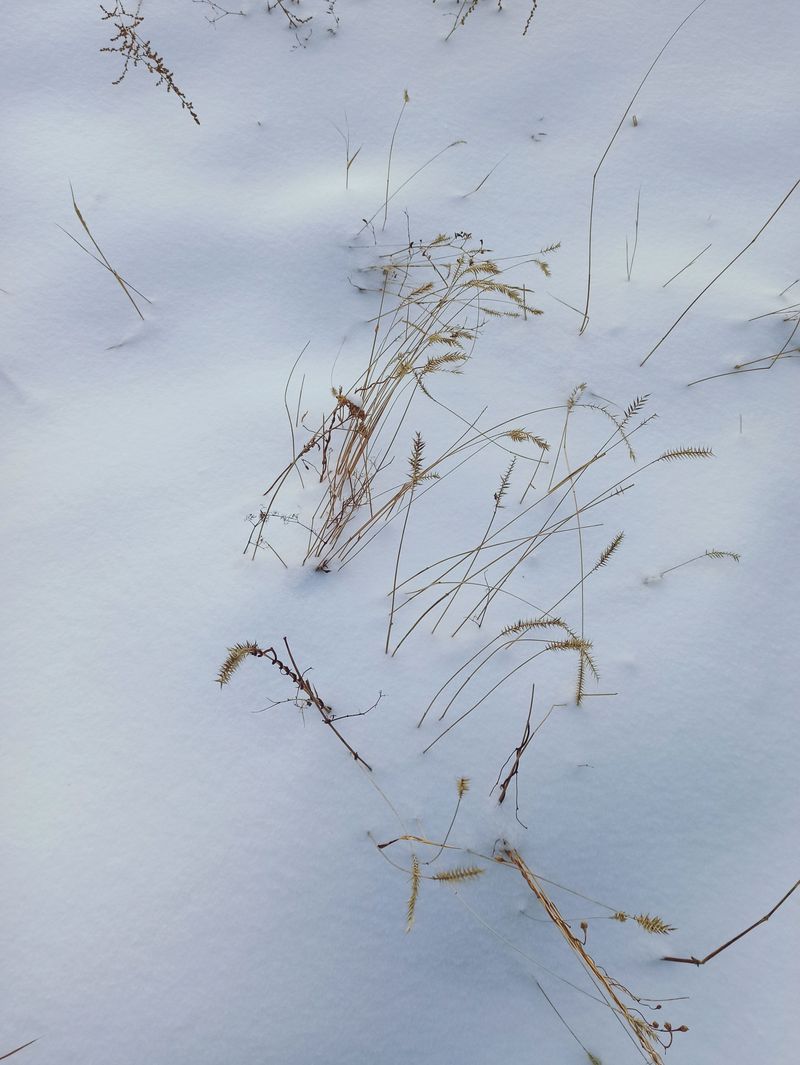
Every March, a few neighborhoods reveal strange circles of crusty, grayish grass as the snow melts. Those spots are often snow mold, a group of fungal diseases that love cold, wet, matted turf.
Two types show up most in the Midwest. Gray snow mold usually appears after long stretches of snow cover, and the patches look straw-colored with a gray, cobweb-like film.
Pink snow mold, also called Microdochium patch, can form even without deep snow and may show a pinkish edge.
Tall grass gives these fungi a cozy hideout. When long blades fold over under heavy snow, moisture gets trapped close to the soil, and that is exactly the setup the fungus enjoys.
A sensible final height is one of the easiest ways to lower the risk. Other helpers include avoiding heavy nitrogen late in fall and not piling shoveled snow in one big mound on the lawn all winter.
If patches still appear in spring, try not to panic. Lightly rake the matted areas once the soil dries to fluff the blades and let air in.
In most home lawns, the grass recovers on its own as temperatures warm, and fungicides are rarely needed.
4. Voles Love Tunneling Through Tall Winter Turf
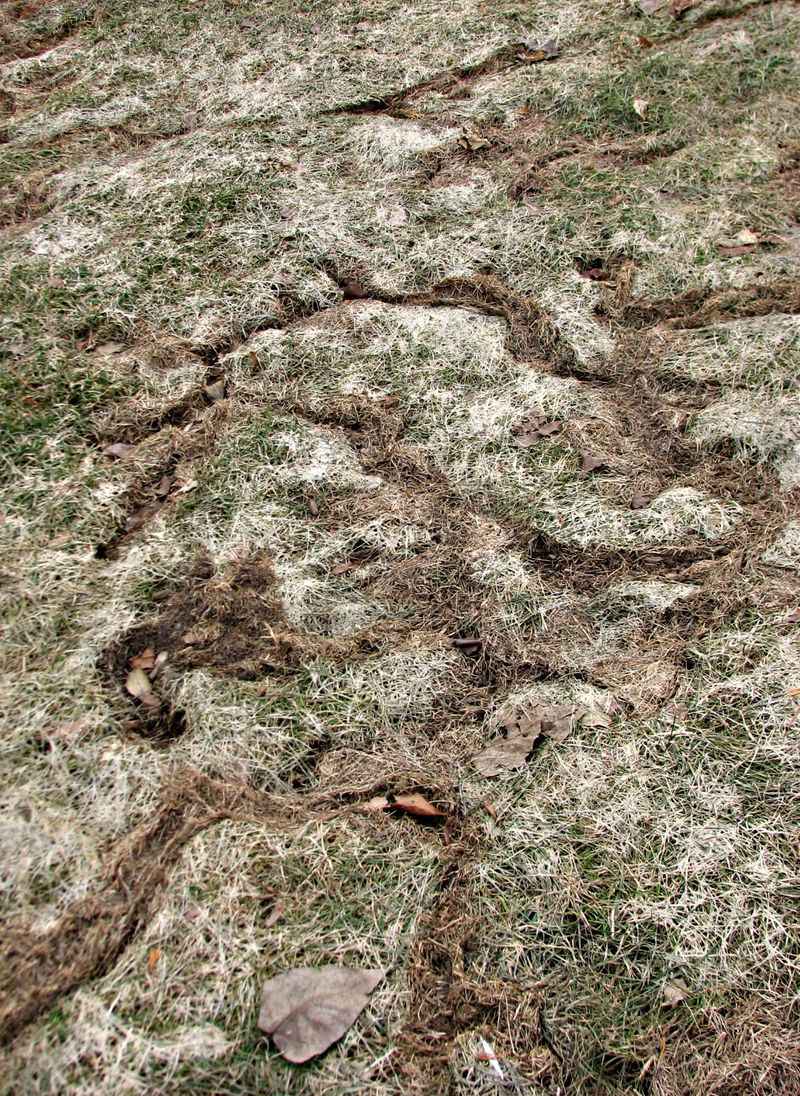
Ever notice squiggly brown trails crisscrossing a lawn after the snow melts? Those winding paths are usually the work of meadow voles, small mouse-like rodents that stay active all winter.
Voles do not hibernate. Under a blanket of snow, they build runways right at the soil surface, nibbling grass blades and crowns as they travel.
Long, dense grass gives them extra cover from hawks, owls, and foxes, so a shaggy lawn heading into winter can feel like a five-star hotel to them.
A shorter final cut makes your yard a little less inviting. It will not stop every vole, but it removes some of the hiding space they rely on.
A few other habits help too. Keep thick mulch pulled back a few inches from shrubs and tree trunks.
Trim tall grass and weeds along fences and garden beds, since those edges often act as vole highways.
Personally, I find the spring trails more alarming than harmful. Most runway damage is shallow.
Rake out the loose clippings, give the area a light dose of fertilizer when growth resumes, and the grass usually fills in within a few weeks. Bare spots that linger can be overseeded.
5. Scalped Lawns Leave Grass Crowns Exposed All Winter
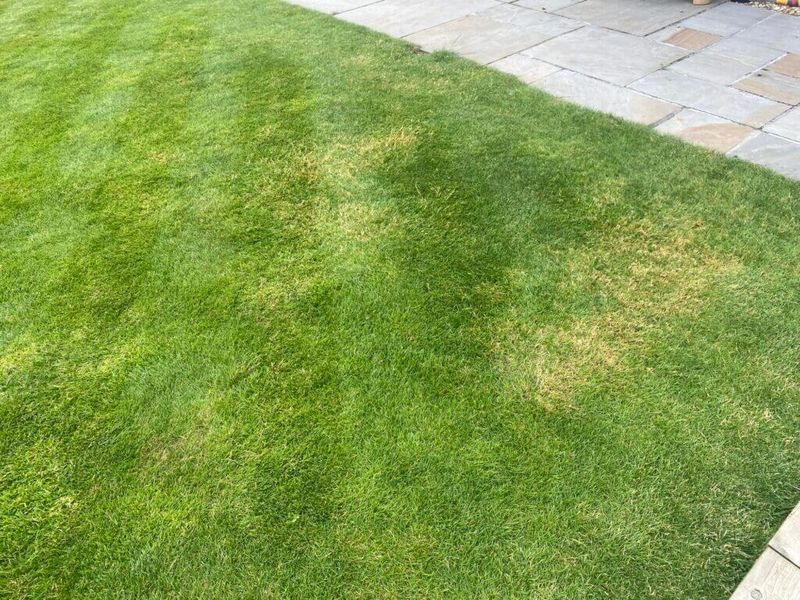
Going too short is the mistake I see most often in late fall. Some people figure that a buzz cut means fewer mows next spring, but the grass pays a steep price.
Scalping removes most of the green leaf tissue in one shot. Those leaves are the solar panels that make sugars, and the plant stores those sugars in its crown and roots to survive the cold and green up early.
Strip them away, and the lawn heads into winter running on fumes.
Low cuts also expose the crown, which is the growing point near the soil line. Harsh wind, freezing and thawing, and dry winter air can stress that tender tissue.
The result is often thin, brown areas that weeds such as crabgrass happily claim in spring.
The old one-third rule keeps you safe. Try not to remove more than one-third of the blade height in a single mowing.
If your grass is 3 inches tall, taking it to 2 inches is fine, but dropping from 4 inches to 2 inches at once is too much.
Bumpy yards deserve extra caution. High spots get scalped first, so raise the deck slightly if you notice bald patches forming.
6. Lower The Mower Blade A Notch At A Time Over Your Last Few Cuts
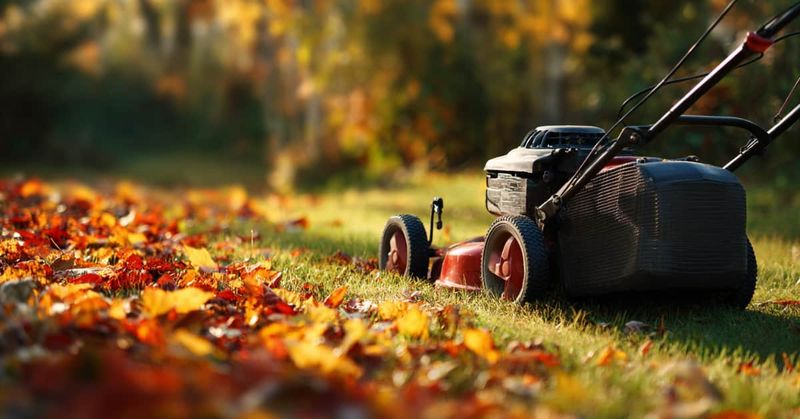
Patience pays off in late autumn. Rather than slamming the deck down to its lowest notch on the final day, I like easing the grass down over two or three mowings.
Say your lawn has been sitting at 3.5 inches all summer. In late October, drop the setting to about 3 inches.
A week or two later, try 2.5 inches, and finish around 2 to 2.5 inches when growth has nearly stopped.
That gentle approach keeps every cut within the one-third rule. The grass adjusts a little at a time, and it never loses a big chunk of leaf surface at once.
Timing each step can feel like guesswork, so watch the grass itself. If a week passes and the lawn barely needs trimming, you are probably close to the final pass.
If it still shoots up quickly after a warm spell, wait and mow again later.
Fall weather in this part of the country loves a curveball. A string of 60-degree days in November can wake the lawn up for another round.
That is fine, just mow once more at your final height.
Bonus perk: mowing regularly in fall also chops up falling leaves before they pile up.
7. Sharp Mower Blades And Mulched Maple Leaves Finish The Season Right
A clean cut makes a bigger difference than most people realize. Dull blades rip and shred grass tips, leaving ragged, whitish edges that lose moisture and invite disease going into winter.
Run a quick test before your final mow. Look closely at a few blades after cutting.
If the tips look frayed or torn, sharpen or replace the blade, and you will be set for spring too.
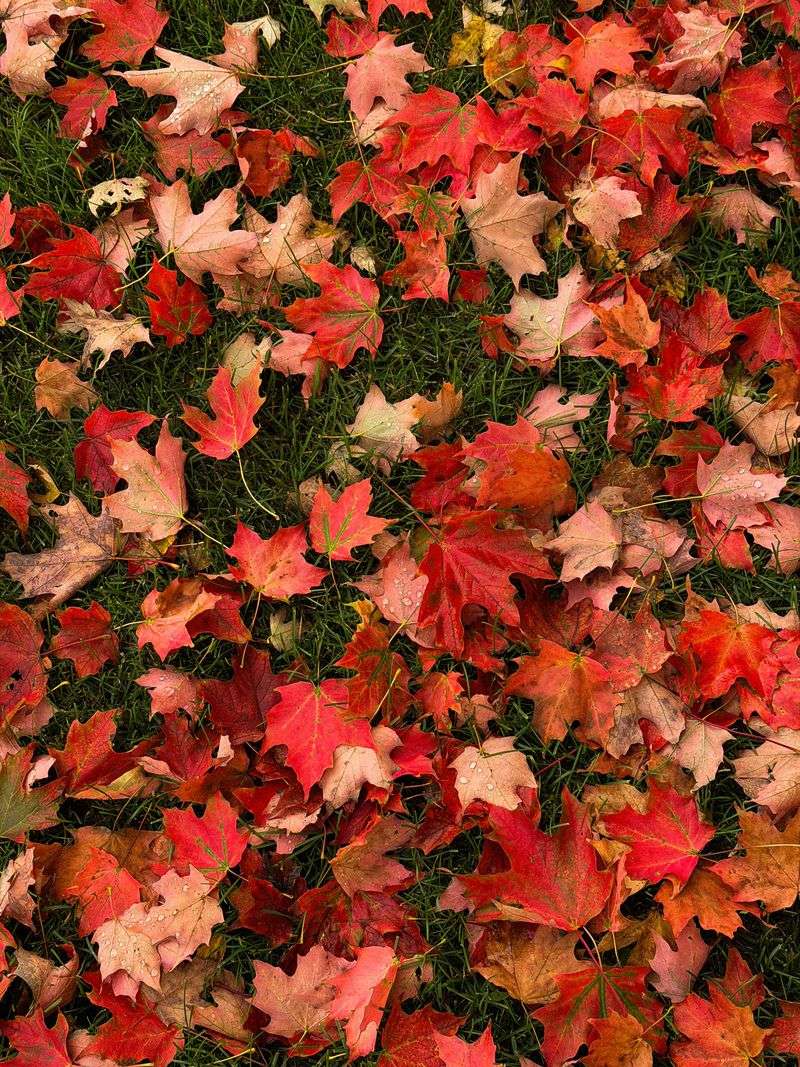
Leaves deserve attention next. A thin layer of dry leaves can be mulched right into the turf with your mower, and research from several universities shows those small bits break down and return organic matter to the soil.
Aim for pieces about the size of a dime, with grass still visible between them.
Thick piles are another story. A heavy blanket of wet leaves blocks light and traps moisture, which sets the stage for snow mold and thin spots.
Rake, bag, or move extra leaves to a compost pile or garden beds.
Once the last pass is done, clean grass from under the deck and handle fuel storage according to your owner manual. Your Ohio lawn will thank you with a tidier, quicker green-up when spring finally rolls around.