8 Garden Chores New Yorkers Should Skip This Fall (Your Yard Will Thank You)
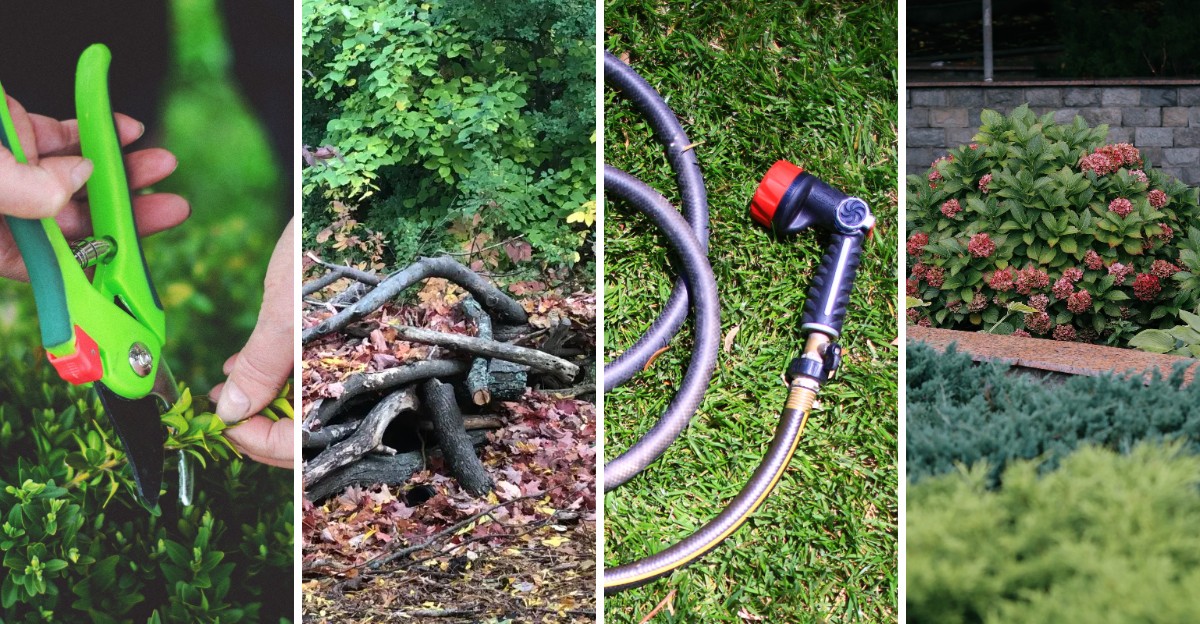
Woolly bear caterpillars spend the whole winter frozen under fallen leaves and simply thaw out when spring arrives. I find that wild, and it makes me look at my rake with a lot more suspicion these days.
Gardeners spend countless autumn weekends bagging leaves and chopping plants down to bare soil. Cornell experts and other extension educators now suggest that much of that hard work does more harm than good.
I have to admit that my own yard looked a little scruffy the first year I tried doing less. By spring, though, my soil felt richer and my backyard birds seemed busier than they had in years.
So which fall chores can New York gardeners safely cross off the list this season without any guilt? You’re in for a pleasant surprise, because a few of them might be the ones you love most.
1. Leave Those Fallen Maple Leaves Where They Land
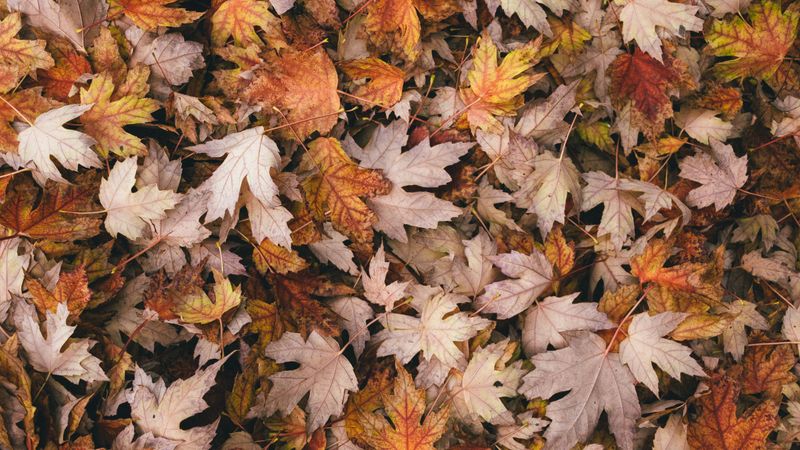
Some of my favorite spring butterflies spent the winter tucked inside crunchy brown leaves right under my feet. Fritillary caterpillars and many moth species rely on that cozy leaf layer to get through the coldest months.
Raking every leaf into bags sends that shelter straight to the curb, along with plenty of free soil food. Leaves break down slowly over winter and return organic matter and nutrients to the ground beneath them.
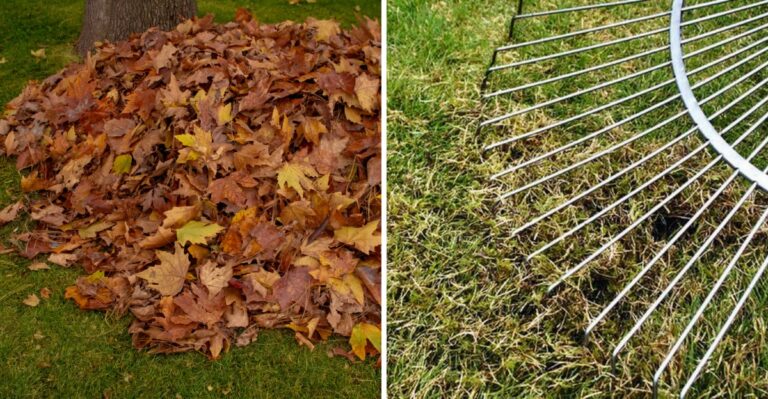
On garden beds, a few inches of leaves work like a fluffy blanket that holds moisture and blocks weeds. I like to rake them off the lawn and pile them right around my perennials and shrubs.
Lawns need a slightly different approach, since a thick, soggy mat can smother grass and invite mold. Running a mower over a light layer chops the leaves into tiny bits that slip between the grass blades.
Those shredded pieces decompose quickly and feed your turf as they break down over the following weeks. Research at Michigan State found that mulching leaves into lawns can even reduce dandelions and crabgrass over time.
If you have more leaves than you need, shred extras and stash them in a simple wire bin. By next summer, that pile turns into dark, crumbly leaf mold that plants seem to love.
Keep sidewalks and storm drains clear for safety, since wet leaves get slippery and can clog runoff. Everywhere else, I happily let nature handle the cleanup and spend that saved time with a mug of cocoa.
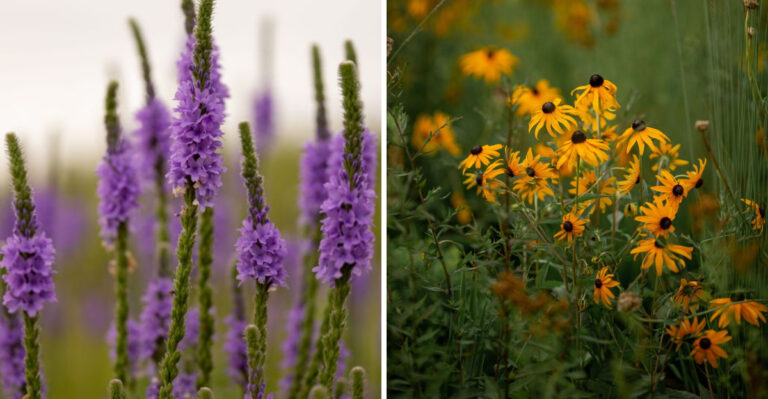
2. Let Coneflower And Black-Eyed Susan Stems Stand Tall
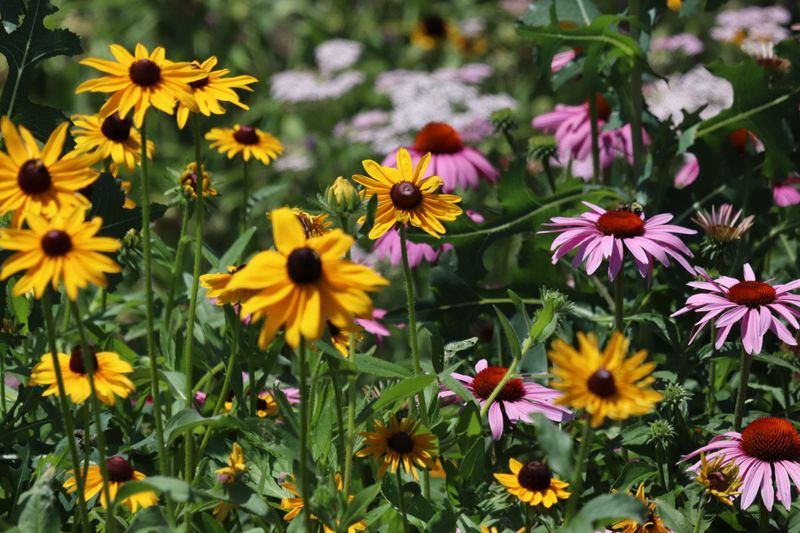
Goldfinches perched on bobbing coneflower heads in January are one of my favorite winter sights through the kitchen window. Those birds are picking seeds from stems that a tidier gardener would have chopped down back in October.
Standing perennials give wildlife a winter pantry, and they cost you nothing but a bit of patience. Black-eyed Susans and little bluestem grass hold onto seeds well into the colder months for hungry juncos.
Hollow and pithy stems matter just as much, because many native bees spend winter sealed inside them. Small carpenter bees, for example, chew their nests into the soft centers of elderberry and raspberry canes.
Upright stems also trap falling snow, which acts like insulation for the plant crowns resting below. That extra cover helps protect roots from the freeze and thaw swings that New York winters love to deliver.
Personally, I think frosty seed heads look gorgeous, especially when they catch the low winter sunlight. Ornamental grasses rustling in the wind add movement to a garden that might otherwise feel flat until April.
There are a few exceptions worth knowing, so skipping this chore does not mean ignoring problems. Cut back plants that showed disease this year, like peonies with botrytis or bee balm with heavy mildew.
Everything else can wait until spring, once temperatures stay above 50 degrees for about a week. Leave the trimmed stems a little tall then, around a foot or more, so new bees can nest inside.
3. Skip Heavy Pruning On Trees And Shrubs Until Late Winter
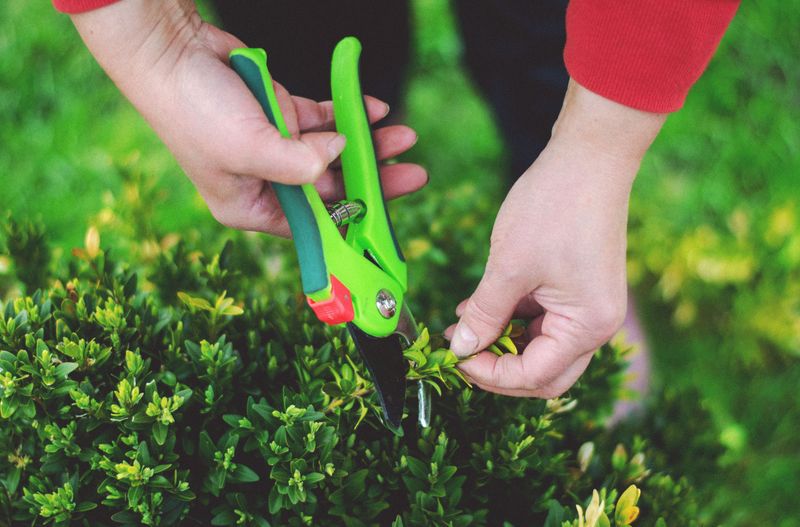
Fall pruning feels productive, but every big cut sends a confusing wake-up call to a plant settling down for winter. Snipping branches can trigger tender new shoots that have no time to harden before the first hard frost.
Those soft shoots often turn brown and brittle by December, leaving your shrub weaker than before. I learned that lesson with a forsythia I trimmed one October, and it barely flowered the next spring.
Large cuts also heal slowly in cool weather, so wounds stay open longer heading into winter. Fungal spores and decay organisms get more time to settle in while the tree is slow to respond.
Late winter or early spring is usually the sweet spot for major shaping on most trees and shrubs. Branches are bare then, so you can actually see the structure and choose cuts with confidence.
Spring-blooming shrubs like lilacs and rhododendrons already carry next year’s flower buds on their branches by early fall. Trim those right after they finish flowering instead, or you’ll be snipping away your May show.
Light fixes are still fine, and broken or diseased branches can come off any time of year. Storm-damaged limbs that hang over a walkway or roof should go now, before ice and snow add weight.
For big trees, I happily call a certified arborist rather than balance on a wobbly ladder myself. Your shrubs will reward that patience with fuller growth and better blooms once the warm weather returns.
4. Skip The High Nitrogen Fertilizer For Shrubs And Perennials
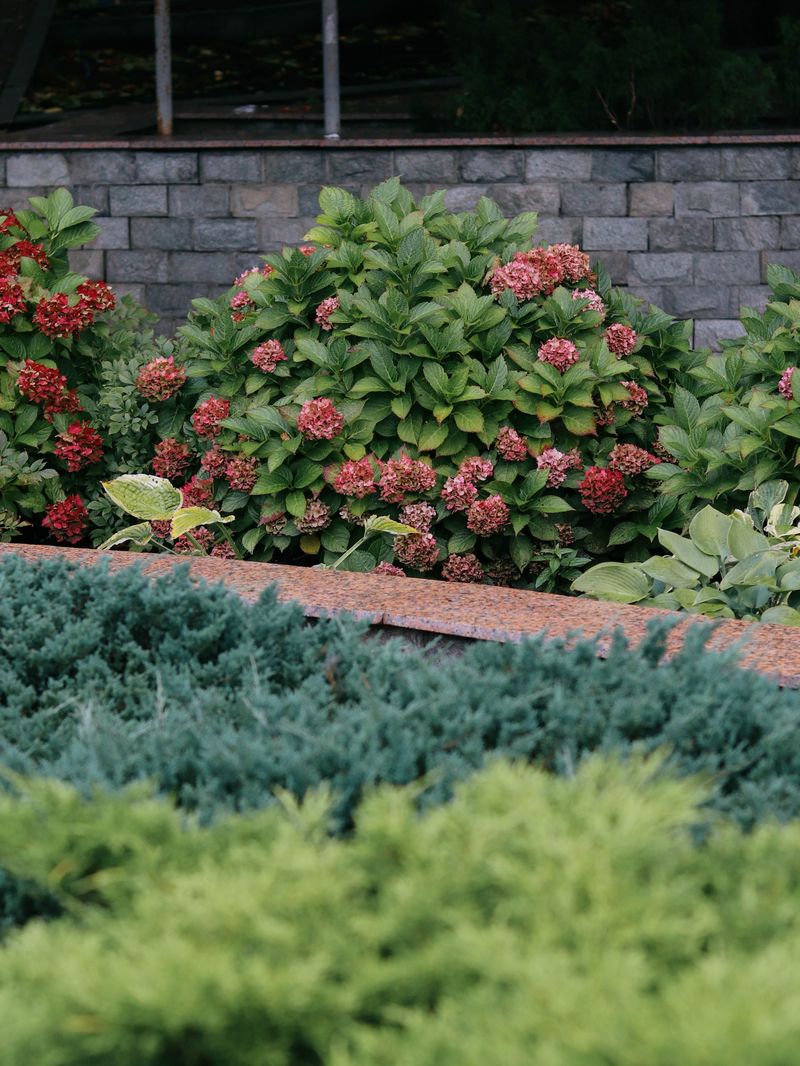
Feeding plants in autumn sounds generous, a bit like offering a big snack right before bedtime. Unfortunately, a heavy dose of nitrogen tells trees and shrubs to keep growing when they should be slowing down.
Nitrogen is the nutrient that fuels leafy green growth, which is great in May but risky in October. Fresh leaves and shoots produced late in the season often get zapped by frost before they toughen up.
Plants really need this time to store energy in their roots and prepare for dormancy instead. Pushing them into a growth spurt can leave them weaker and more prone to winter injury.
There is also a water quality angle, since extra nutrients can wash off frozen ground into streams. New York actually restricts lawn fertilizer from December 1 through April 1 under its Nutrient Runoff Law.
Lawns are a separate story, because cool-season grasses often benefit from a light feeding in early fall. Just check the calendar and skip phosphorus unless a soil test shows your lawn needs it.
For beds and borders, I prefer spreading an inch of finished compost around my plants instead. Compost releases nutrients slowly and improves soil structure without forcing any sudden flush of tender growth.
Worm castings work nicely too, especially around roses and other heavy feeders in small city gardens. Save the bag of strong fertilizer for spring, when your plants are hungry and ready to use it.
5. Leave Brush Piles And Old Stems For Toads And Beetles
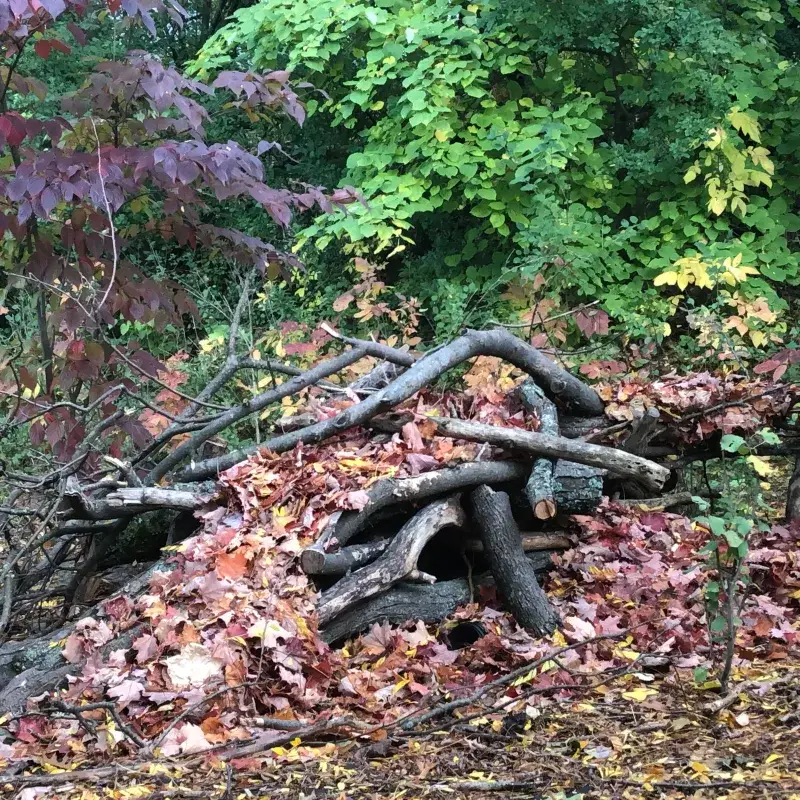
American toads dig backward into loose soil and leaf litter to wait out the winter below the frost line. A garden scrubbed clean of debris gives these bug-hungry neighbors far fewer places to settle in.
I used to think a spotless yard meant a healthy yard, but my thinking has changed a lot. Fallen twigs and seed pods create little hideouts that support a surprising amount of winter life.
Ground beetles and spiders shelter in that clutter, then wake up hungry for aphids and slug eggs in spring. They work as free pest control, which means you may reach for sprays far less often next year.
A loose brush pile tucked in a back corner can become a winter hotel for birds as well. Wrens and sparrows duck into those tangled branches to escape icy wind and passing hungry hawks.
Over time, stems and twigs soften and break apart, slowly returning organic matter to your soil. You get a little natural compost without hauling a single bag to the curb or the town dump.
There are smart limits, though, because diseased plant material should leave the garden before winter arrives. Remove tomato vines with blight and any foliage covered in fungus so problems don’t return next season.
Invasive plants with ripe seeds, like Japanese barberry, also deserve bagging rather than leaving in place. Everything else can stay, and a small sign saying wildlife habitat helps curious neighbors understand the look.
6. Keep The Rototiller In The Shed This Fall
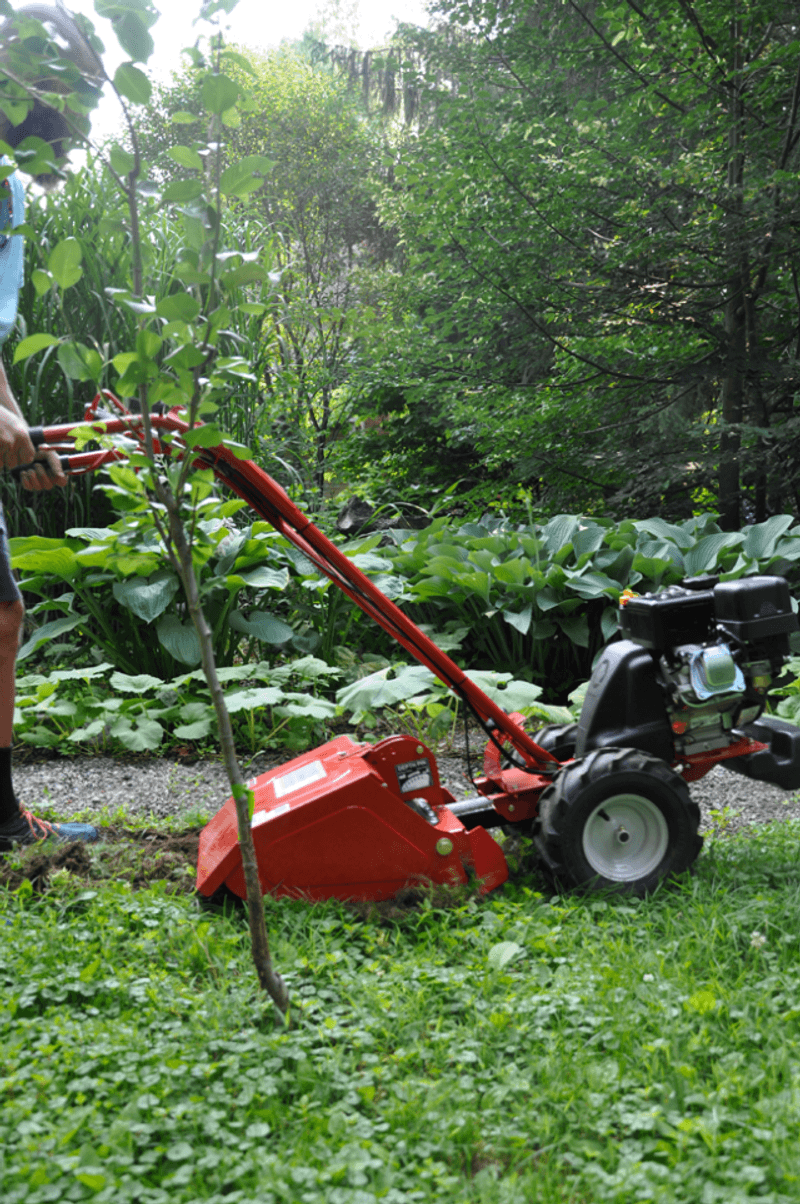
Squeeze a handful of wet clay soil, and it often forms a slick, shiny ball that holds its shape. Tilling soil in that sticky state can crush its structure and leave hard clods that linger for months.
Gardeners call that crumbly, healthy condition tilth, and it takes years of patient care to build. One rushed pass with a rototiller in soggy autumn soil can undo a surprising amount of that progress.
Many gardens around New York sit on heavier soils that stay wet and sticky after cool autumn rains. I can’t imagine digging into mine in November, when it clings to my boots like modeling clay.
Underground, tilling also tears apart fungal threads and disrupts earthworm tunnels that help water and air move freely. Those tiny networks support nutrient cycling, so breaking them up can slow your soil’s natural recovery.
Bare, freshly tilled ground also sits exposed through winter, which invites erosion during heavy rain and snowmelt. Covered soil holds together much better and loses far less topsoil when winter storms roll through.
Instead of tilling, spread shredded leaves or compost on top and let worms pull it down slowly. Earthworms do the mixing for free, and they rarely seem to complain about the chilly weather.
Cover crops are another clever option if you plant them early enough in the fall season. Winter rye sown by mid-October in much of the state can anchor bare vegetable beds until spring planting time.
7. Turn Off The Garden Hose As The Weather Cools
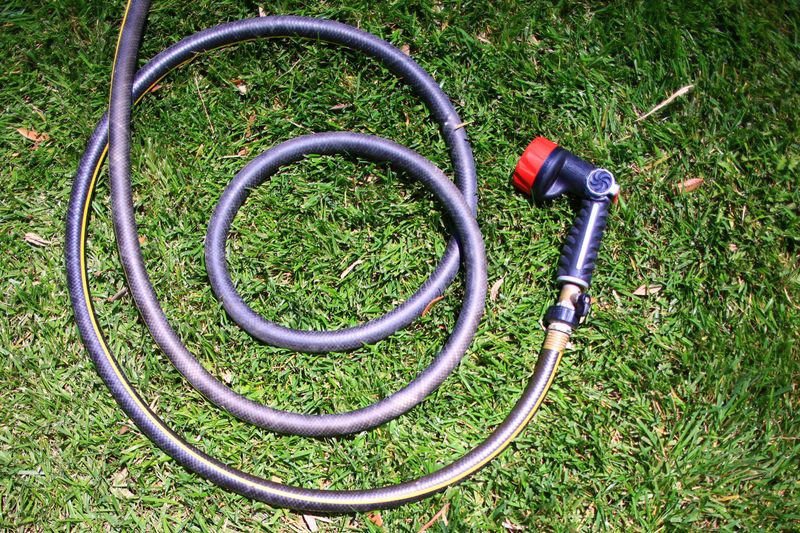
Cool fall mornings fool plenty of us into watering on the same summer schedule we followed in July. Plants slow down as days shorten, so they simply drink far less than they did during the heat.
Soggy soil squeezes out the air that roots need, and those roots can start to rot. Poorly drained spots and heavy soils are especially risky once evaporation slows in the cooler weather.
Before reaching for the hose, I push a finger about two inches into the soil near the roots. If it feels cool and slightly damp, I walk away and let the plant handle things on its own.
Autumn rain often does much of the work for you, though dry spells do happen some years. A simple rain gauge stuck in a flower bed tells you exactly how much water actually fell.
Cutting back does not mean ignoring thirsty plants, especially anything you tucked into the ground this year. New trees and evergreens benefit from a deep, occasional soak until the ground starts to freeze.
Evergreens like arborvitae keep losing moisture through their foliage all winter, so they need a good drink beforehand. A well-hydrated evergreen handles harsh wind much better and usually shows less browning by early March.
Once watering season wraps up, drain your hoses and shut off outdoor spigots before the pipes freeze. Your water bill will shrink, and your plants will head into winter with firm healthy roots.
8. Leave Faded Bigleaf Hydrangea Blooms On The Stems
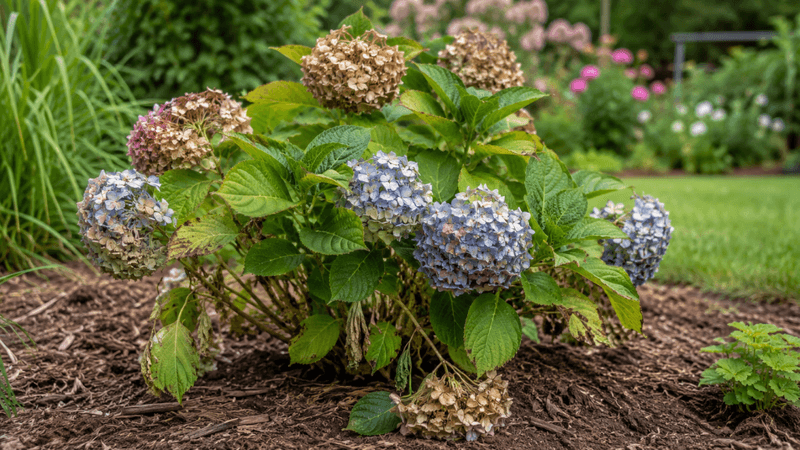
Those papery hydrangea blooms fading from blue to dusty mauve are hiding a secret just below them. Bigleaf hydrangeas set next summer’s flower buds at the stem tips during late summer and fall.
Snip off the old flower heads now, and you could easily cut away the blooms you’re counting on next year. I believe this one mistake explains plenty of leafy hydrangeas with no flowers in suburban yards.
Bigleaf types, known botanically as Hydrangea macrophylla, bloom on old wood, meaning stems from the previous year. Oakleaf hydrangeas, or Hydrangea quercifolia, follow the same pattern and deserve that same gentle hands-off approach.
The dried flower clusters may even offer a little shelter for the developing buds tucked underneath. Many gardeners also find that snow-capped hydrangea heads look charming against a soft gray winter sky.
Panicle and smooth hydrangeas play by different rules, since they bloom on new growth each summer. Varieties like Limelight and Annabelle can be trimmed in late winter without sacrificing a single flower.
Reblooming bigleaf types such as Endless Summer flower on both old and new wood, which gives you some insurance. Even so, fall trimming still removes the earliest buds, so waiting until spring makes more sense.
In colder upstate spots, I sometimes mound shredded leaves around the base for extra bud protection. Once new leaves appear in spring, you can snip off the old heads just above a pair of fat buds.