7 Clever Ways To Use Orange Peel And Salt Around The House In New York
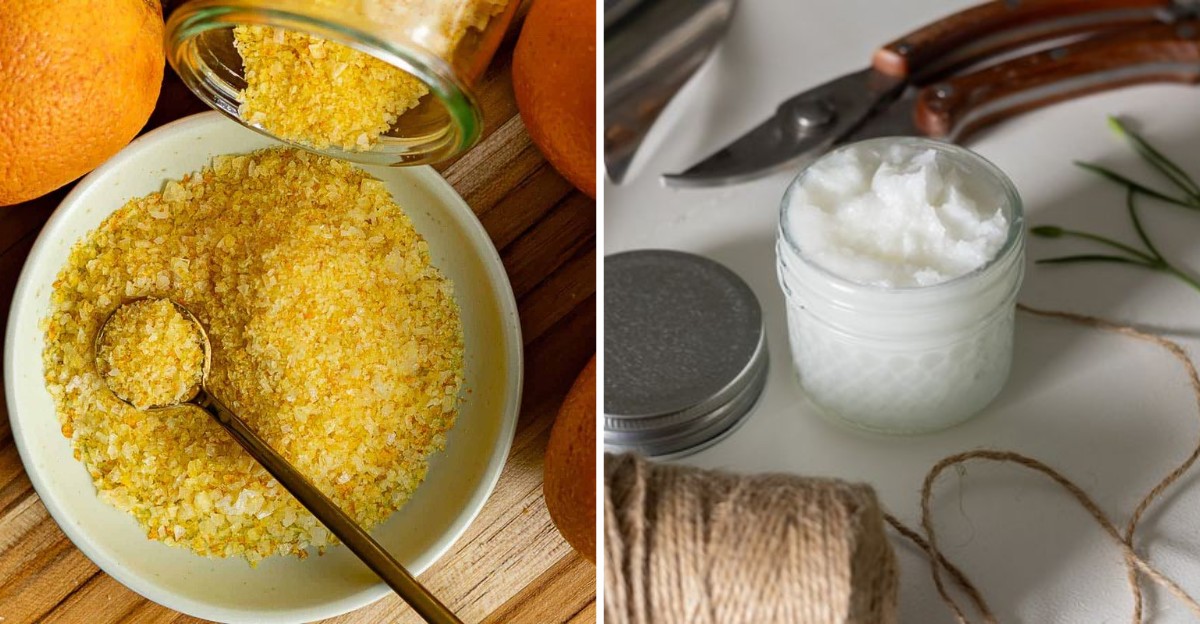
The scraps from your morning fruit hold the same grease-cutting oil found in pricey store-bought degreasers and spray cleaners. Juice factories collect this oil from mountains of leftover fruit skins and ship it off to cleaning product makers around the world.
The second half of this duo already sits in a shaker or cabinet in nearly every New York kitchen. Its rough little grains scrub like tiny brushes, and they even pull extra moisture out of damp, muggy air.
I love this pair for cramped city apartments, roomy upstate farmhouses, and every cozy kitchen in between. You probably toss half of this team into the trash every single week without a second thought.
Honestly, your kitchen trash can might owe you a small but heartfelt apology. It has quietly swallowed free household help for years, and your fruit bowl knew the whole time.
1. Refresh Your Wooden Cutting Boards
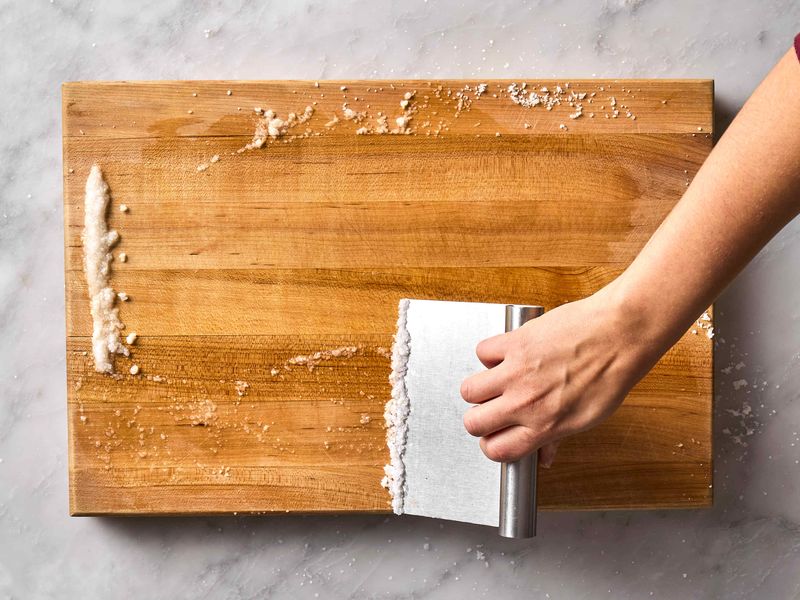
Orange peel and coarse salt make a surprisingly handy scrub for wooden cutting boards. The salt works as a gentle abrasive, and the peel releases citrus oil with every pass across the wood.
Start by sprinkling a generous layer of kosher or coarse sea salt over the damp board. Then grab half an orange or a large piece of peel and rub it over the surface in small circles.
The juice and oils mix with the salt and form a loose, gritty paste. That paste lifts dried bits of garlic, onion residue, and light stains out of the grain.
Let the mixture sit for about five minutes, then scrape it off with a bench scraper or spatula. Rinse the board with warm water and stand it upright so both sides dry evenly.
Orange juice is less acidic than lemon juice, so this method leans more toward freshening than heavy stain removal. Darker berry or beet stains may need a second round and a bit more patience.
This scrub refreshes a board, but it does not replace proper sanitizing after raw meat or poultry. The USDA suggests a solution of one tablespoon of unscented liquid chlorine bleach per gallon of water for that job.
I like to finish with a thin coat of food-grade mineral oil after the board dries. Indoor heat during a New York winter can dry out wood, and a little oil helps prevent cracks and warping.
Salt can also wear away a fresh layer of board wax or conditioner. Plan to reapply your usual finish every few scrubs to keep the wood smooth.
2. Polish A Dull Stainless Steel Sink
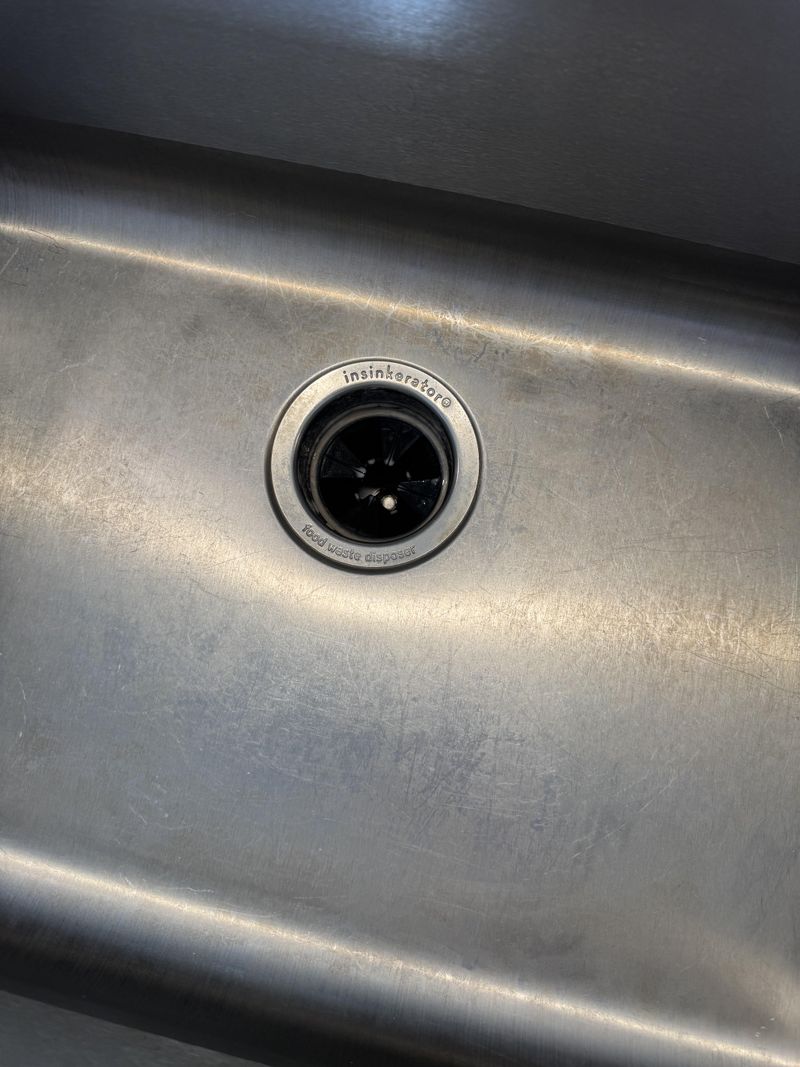
A stainless steel sink picks up water spots, grease film, and a cloudy look surprisingly fast. Salt and orange peel can bring back some of that shine without a single trip to the store or a harsh chemical smell.
Rinse the sink first and leave the surface slightly damp. Sprinkle a thin layer of fine table salt across the basin, with extra attention around the drain.
Rub the salt with a piece of orange peel, colored side down, and follow the direction of the metal’s grain. The citrus oil loosens greasy film, and the tiny salt crystals buff away dull patches without scratching the steel.
Your New York Garden Changes Every Week. Your Plan Should Too.
Gardening in New York changes quickly throughout the season. Every Friday you’ll receive a simple weekly plan showing exactly what to plant, prune, fertilize, harvest, and protect so you never miss the right timing.
Work in small sections and add a little more salt as the paste thins out. Corners and the area around the faucet usually collect the most buildup, so give them a few extra passes.
Rinse the sink thoroughly with warm water after you finish. Salt left sitting on stainless steel for long periods can lead to tiny pits or rust-colored spots over time.
Dry the basin with a soft towel right after rinsing. That last step keeps new water spots from forming and shows off the fresh, mirror-like shine.
Most New York City tap water comes from upstate mountain reservoirs, and it is naturally soft. Many upstate homes on private wells deal with harder water, which leaves heavier mineral spots on fixtures.
For thick mineral crust, this scrub may only lighten the problem. A vinegar soak or a cleaner made for hard water deposits will handle those stubborn rings around the drain much better.
3. Freshen A Smelly Garbage Disposal
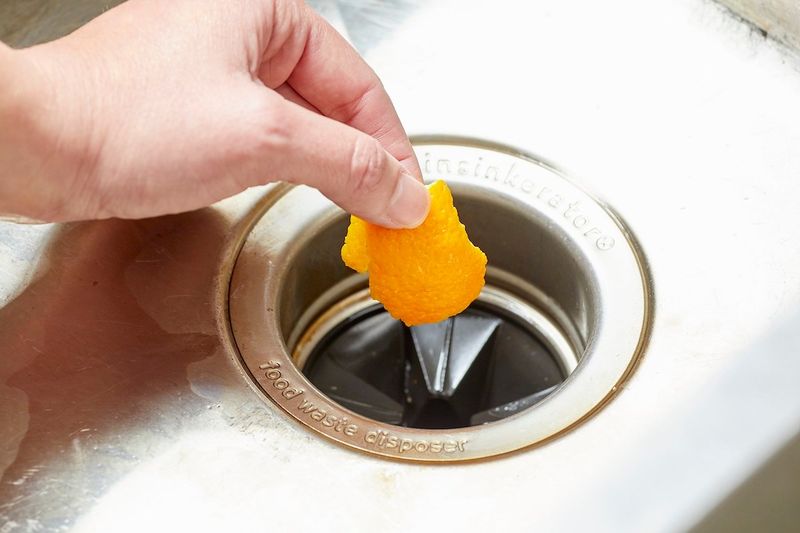
New York City prohibited in-sink garbage disposals for years and only legalized them in 1997. Plenty of homes across the state have one today, and this combo keeps it smelling much better.
Cut a few orange peels into small strips about one inch long. Large chunks can jam the unit or clog the drain, so smaller pieces are the safer choice.
Drop a cup of ice cubes and about half a cup of coarse salt into the disposal. Add a small handful of peel strips on top of the ice before you turn anything on.
Turn on the cold water and run the disposal until the grinding sound stops. The ice and salt scrape food buildup off the grinding parts, and the peels release fresh citrus oil inside the chamber.
Cold water works better than hot for this job, even though warm water sounds like the cleaner choice. Hot water can melt grease and carry it farther down the pipes, where it may harden later.
Keep the peel amount small and repeat this trick about once or twice a month. Many plumbers warn against feeding big piles of citrus rinds into a disposal all at once.
Homes with septic systems, common in rural parts of the state, need a little extra care. A disposal adds more solids to the tank, so go easy on any food scraps, peels included.
I like to save peels from weekend oranges in a small container in the fridge. That way, a quick refresh is ready the moment the sink starts to smell a little funky.
4. Loosen Microwave Splatters With Citrus Steam
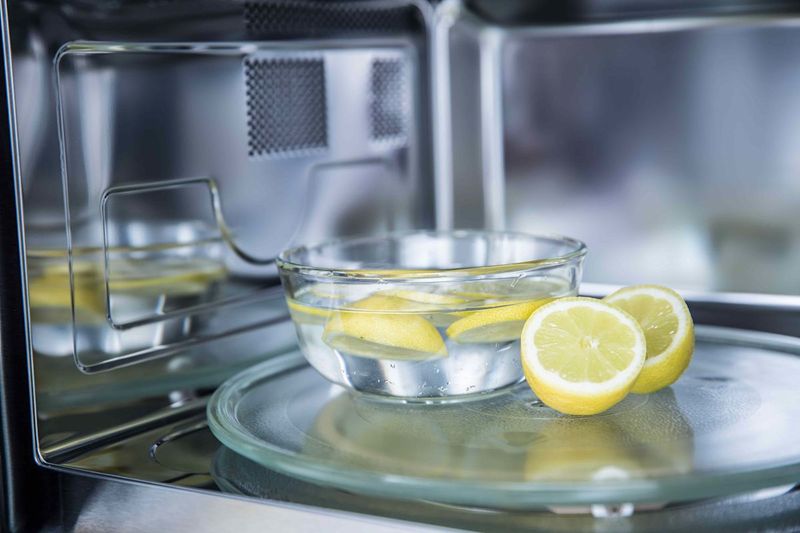
Dried sauce and soup splatters can cling to a microwave ceiling for weeks and slowly bake on with every use. Orange peel steam softens that mess, and a pinch of dry salt handles any stubborn spots that refuse to budge.
Fill a microwave-safe glass or ceramic bowl with about one cup of water. Add the peels from one orange and set the salt aside for the final cleanup step.
Heat the bowl on high for three to five minutes, depending on your microwave’s power. The water should come to a boil and fill the inside with warm, fragrant orange steam.
Leave the door closed for another five minutes after the timer ends. That resting time lets the steam soften stuck food, and it gives the bowl a chance to cool down slightly.
Use oven mitts to remove the bowl, since the water and the dish will still be very hot. Then wipe the walls, ceiling, and inside of the door with a soft cloth or sponge.
Most splatters should wipe away with very little effort. For tougher spots, dip a damp cloth into a little dry salt and rub gently in small circles until the residue lifts.
Remove the turntable plate and wash it in the sink with warm water and dish soap. Food often collects under that plate, and the hidden mess causes plenty of lingering smells.
I believe this is the easiest five-minute chore in any New York apartment or house. Small city kitchens get stuffy fast, and the orange scent makes the whole space feel lighter and cleaner.
5. Tuck Scented Sachets Into Musty Closets
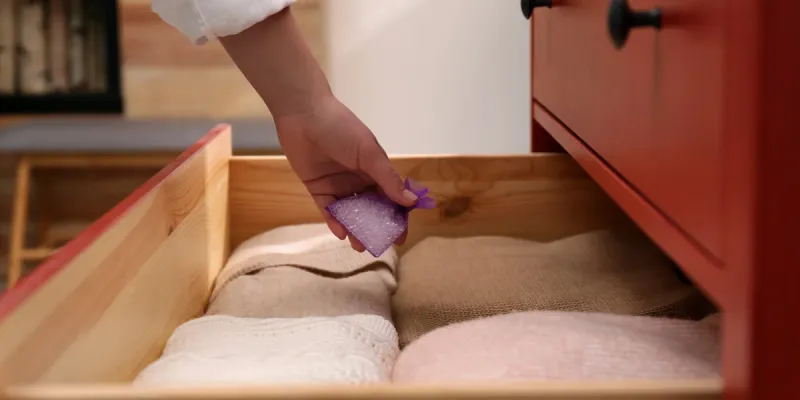
Fall is prime time for packing summer clothes away in closets and storage bins across New York. A simple sachet of dried orange peel and salt keeps those storage spots smelling fresh until spring.
Dry the peels first, or they can turn moldy inside a closed space. Spread them on a baking sheet in a warm, dry spot for several days, or bake them at about 200°F until they feel crisp.
Break the dried peels into small pieces and mix them with an equal amount of coarse salt. A few whole cloves or a broken cinnamon stick add a warmer, spicier scent that suits the season.
Spoon the mixture into small cotton or muslin bags and tie them shut. Hang one from a hanger, tuck one into a dresser drawer, or drop one into a plastic storage bin with sweaters.
Salt starts pulling water vapor from the air when humidity climbs above roughly 75 percent. That trait helps keep the peels dry, but a small sachet won’t dehumidify an entire closet on its own.
Damp basements and closets need a real dehumidifier or a calcium chloride moisture absorber from the hardware store. Older homes with stone or brick foundations often struggle with that kind of lingering moisture.
Keep the sachets from resting directly on light-colored fabrics. Citrus oils can leave faint yellow marks on delicate whites, silk, and pale linen.
Refresh or replace the mixture every few weeks as the scent fades. I like to give each bag a gentle squeeze first, which wakes up the remaining oils for a few more days.
6. Blend A Bright Citrus Finishing Salt
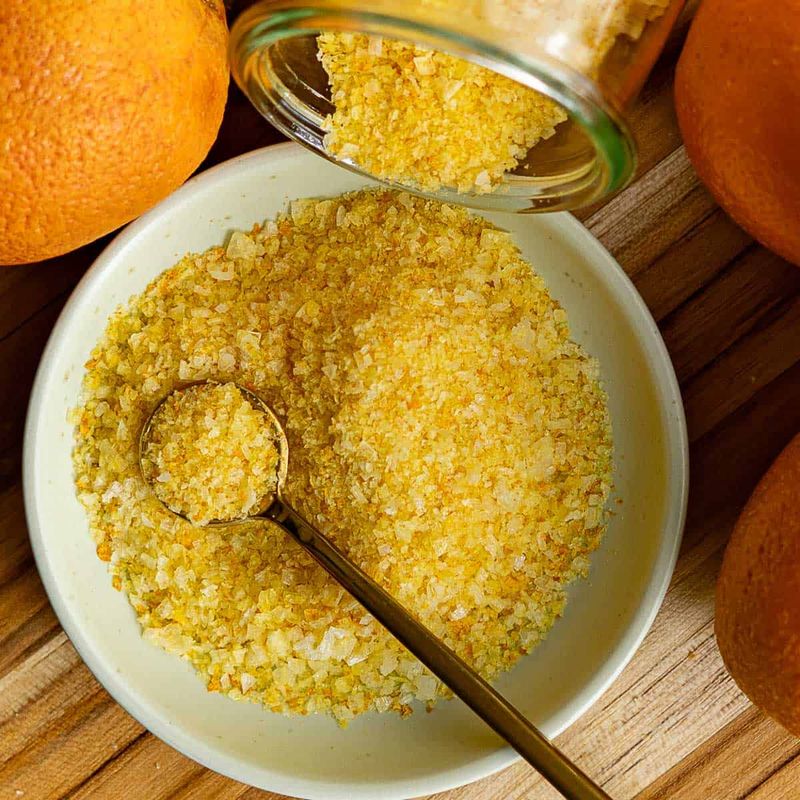
Orange salt is one of the easiest and cheapest pantry upgrades you can make at home. It takes only two ingredients, salt and the thin outer zest of the peel, and adds a bright finish to everyday meals.
Wash and dry two or three oranges well, since many store-bought oranges carry a thin wax coating. Use a microplane to remove only the colored zest, because the white pith underneath tastes bitter.
Mix the fresh zest with about half a cup of flaky sea salt or kosher salt. Rub the mixture between your fingertips for a minute to work the citrus oils into the salt.
Spread the salt in a thin layer on a parchment-lined baking sheet. Let it air-dry for a day or two, or bake it at your oven’s lowest setting for about an hour, stirring halfway through.
Store the finished salt in a clean, airtight glass jar away from heat and sunlight. The flavor tastes brightest in the first few months, so small, frequent batches work best.
Sprinkle it over roasted carrots, grilled fish, avocado toast, buttered popcorn, or a simple green salad. It also shines on chocolate chip cookies and on the rim of a glass of lemonade or sparkling water.
The holiday season brings plenty of chances to share a jar. A small tin of orange salt makes a thoughtful host gift for Thanksgiving dinners and winter parties around New York.
I like to add a handwritten label and a few serving ideas to each jar. It feels personal, costs very little, and turns an ordinary orange into something special.
7. Mix A Hand Scrub For Muddy Garden Days
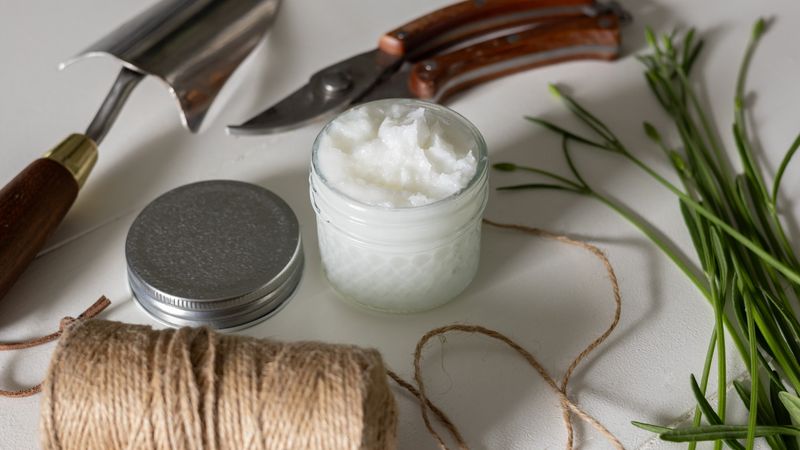
Fall garden chores in New York leave hands rough, dry, and stained with soil. Bulb planting, leaf cleanup, and bed prep all take a toll on skin before the first hard frost.
A homemade orange peel and salt scrub lifts ground-in dirt from knuckles and nail beds. It also leaves your hands smelling bright and clean instead of earthy.
Combine one cup of fine sea salt with about half a cup of olive, almond, or sunflower oil. Stir in two tablespoons of finely ground dried orange peel for scent and extra texture.
A spice grinder or small blender turns crisp dried peels into powder in seconds. Store the finished scrub in a jar with a tight lid near your sink or back door.
Scoop a small amount into damp hands and rub for about a minute. Rinse with warm water and pat dry, then follow with a moisturizer if your skin feels tight.
Skip the scrub if you have fresh cuts, scrapes, or cracked skin. Salt stings open wounds and can make irritated or chapped skin feel worse.
Keep water out of the jar between uses, and scoop with a dry spoon. Moisture can spoil the oil and invite mold over time, which ruins the whole batch.
Rinse the scrub off at an indoor sink, not over the lawn or a flower bed. Salt builds up in soil and can harm plant roots and soil structure.
I keep a small jar by the back door for those muddy afternoons. It feels like a mini spa treatment after a long, chilly day of raking leaves.