6 November Lawn Mistakes That Leave Florida Yards Thin By Spring
Grass in Florida keeps working through November, even when it looks sleepy and the mower sits idle for weeks. Underground, roots are quietly storing sugars that decide how thick your yard will look when spring finally arrives.
What I find interesting is how small habits during cool weather can show up months later as bare patches. A rushed bag of fertilizer or a lower mower deck can undo a whole summer of careful work.
I’ve made a few of these slips myself, and my backyard paid for them with thin, weedy spots. You might be surprised by how many neighbors repeat the same errors every fall without noticing any harm yet.
Your Florida lawn sends quiet signals right now, and most of them are easy to read once you know. So which of these sneaky November habits might already be hiding in your own front yard this year?
1. Heavy Nitrogen Fertilizer Spread On Cooling Grass
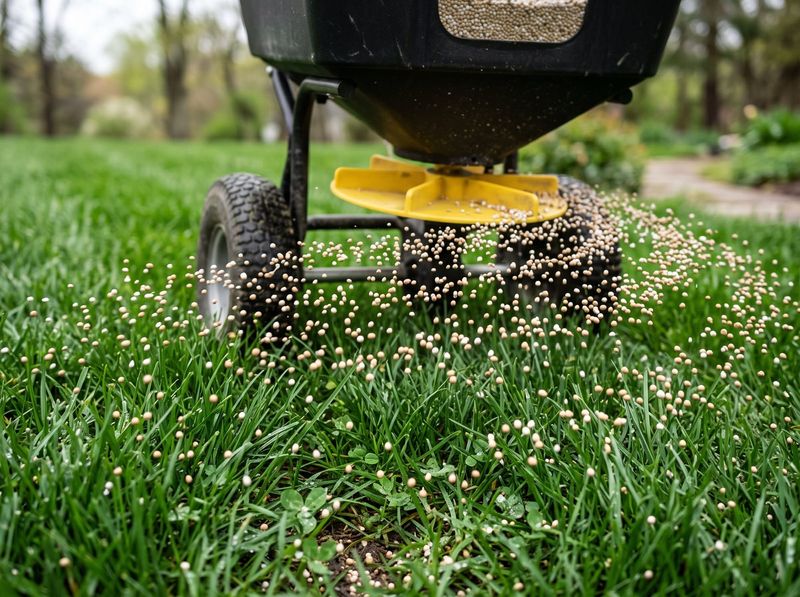
Nothing tempts me more than a shiny bag labeled winterizer sitting near the store entrance every single November. Those blends are often designed for northern cool-season lawns, not the warm-season grasses growing in our sandy yards.
St. Augustine and zoysia slow down as the days shorten, and they would rather rest than sprint. A big dose of nitrogen pushes soft new blades that struggle badly when a cold front rolls through.
Tender growth also uses up stored energy the roots need to bounce back strongly once spring warms up. Extra nitrogen that the slow grass cannot use often washes through sandy soil and heads toward local waterways.
The way I see it, potassium is the smarter fall friend because it supports roots and improves cold tolerance. Look for a bag where the last number is higher, and the first number stays fairly low.
Many counties in Florida also have fertilizer rules, especially summer blackout periods meant to protect lakes and springs. Check your local ordinance before spreading anything, since some areas limit nitrogen sources or set specific application dates.
UF/IFAS generally suggests finishing nitrogen feeding by early fall in North Florida, with later windows farther south. If your lawn already looks green and steady, skipping a late feeding usually costs you nothing at all.
A soil test through your county extension office takes the guessing out of what your yard really needs. I find that a few dollars spent on testing saves far more than a season of patching.
2. Lowering The Mower Deck Scalps Sleepy Turf
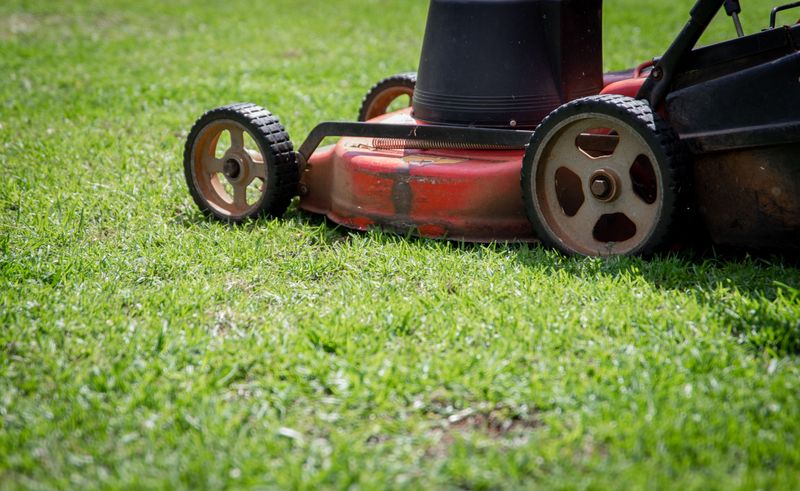
Fresh-cut grass smells wonderful, but a buzz cut in late fall leaves your lawn shivering with its crown exposed. That crown sits right at soil level, and it holds the growing point your grass relies on for spring.
Taller blades act like a cozy blanket, shading the crown and trapping a little warmth on chilly nights. They also capture sunlight that the plant turns into stored carbohydrates for the long, slow months ahead.
I’m a big fan of raising the deck about half an inch once fall arrives and growth slows. St. Augustine usually does well around three and a half to four inches, while Bahia likes similar heights.
Try to remove no more than one-third of the blade each time you mow, even after a growth spurt. Cutting more than that stresses the plant and drains reserves that should be saved for green-up later.
Dull blades cause trouble too, because they tear the leaf tips instead of slicing them clean and neat. Those shredded, brown edges give fungal diseases an easy doorway, and the whole yard looks tired from the street.
Sharpening the blade once or twice a year is usually enough for an average home lawn mowed weekly. You can tell it is time when the tips look frayed and pale a day or two after mowing.
Mowing less often in cooler weather is normal, so let the grass tell you when it needs trimming. Your spring lawn will thank you with thicker runners and fewer bare spots creeping in along the edges.
3. Sprinklers Soaking The Lawn Like It Is Still July
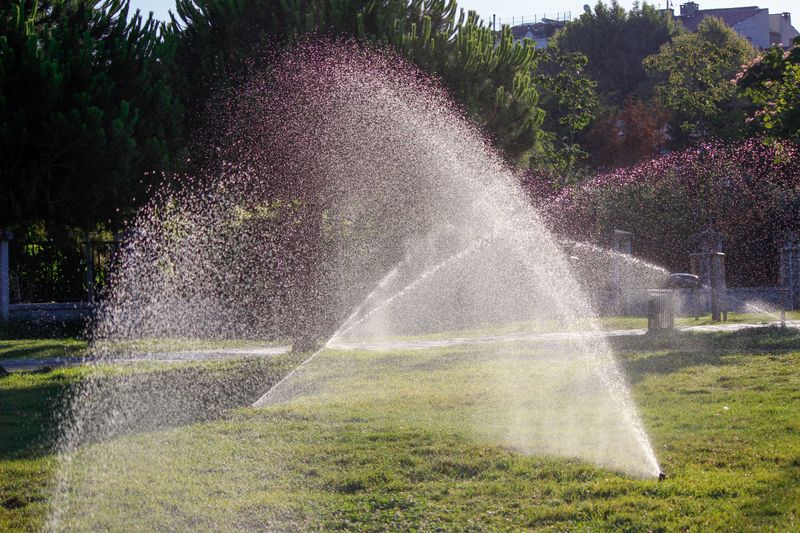
Sprinkler timers are sneaky little machines, and many of them are still running a hot July schedule in November. Cooler air and shorter days mean water lingers on blades much longer before the sun finally dries it off.
Wet leaves for hours at a time create a cozy home for fungi like large patch in St. Augustine. Large patch often shows up as circular, yellow to brown rings with orange edges when the weather turns cool.
Too much water also teaches roots to stay shallow, since they find everything they need near the surface. Shallow roots struggle later when dry spring weather arrives, and that is often when thin areas suddenly appear.
Here’s something worth knowing about our dry season, which usually starts around late fall across much of the state. Grass needs less water now, and many lawns do fine with irrigation only when blades fold or footprints linger.
Watch for those signs before running the system, and give about three-quarters of an inch when you water. Deep, occasional soaking pushes roots downward, while daily light sprinkles keep them lazy and close to the top.
Early morning is the best time to water, because blades dry quickly as the day warms up a bit. Evening watering keeps leaves wet all night, and that habit practically rolls out a welcome mat for disease.
Many water management districts set watering day restrictions, so check your local schedule before changing the timer. A rain sensor is also required on automatic systems in the state, and it saves water after storms.
4. Chinch Bugs And Large Patch Spreading Through St. Augustine
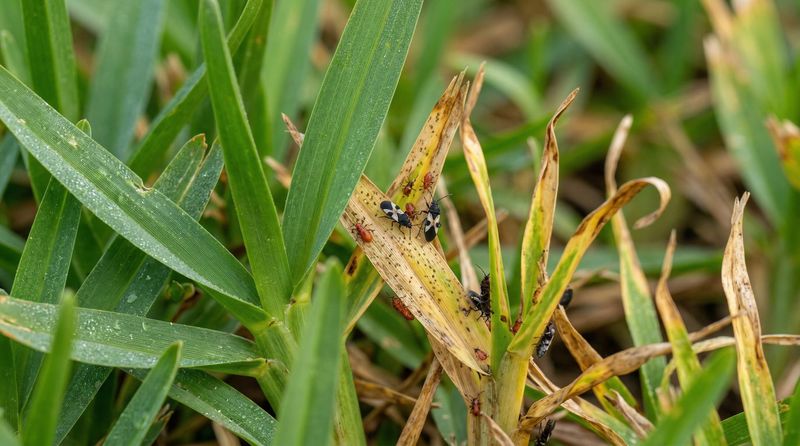
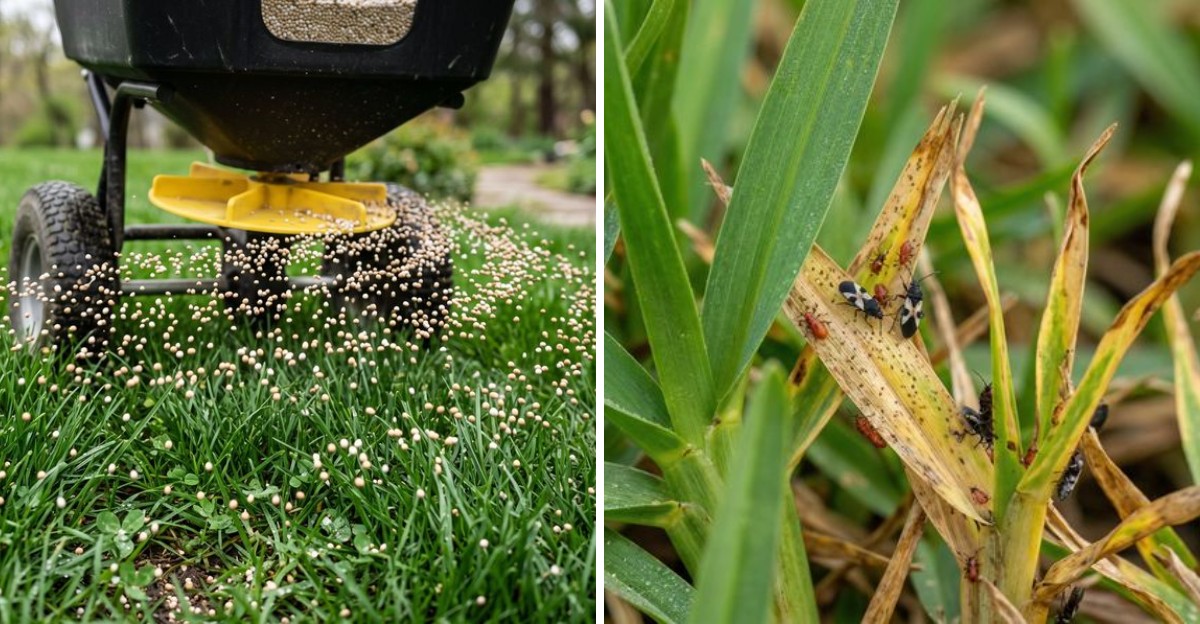
Tiny chinch bugs barely reach a fifth of an inch long, yet they can turn sunny St. Augustine patches yellow. In mild southern areas they may stay active into cooler months, quietly sucking juices from the grass blades.
I’m always surprised by how often damage gets blamed on drought when insects are actually doing the work. Part the grass at the edge of a yellow spot and look closely for small black bugs with white wings.
Sod webworms and armyworms chew blades instead, leaving ragged, notched leaves that look like someone nibbled the lawn. Mole crickets tunnel through soil in sandy yards, lifting roots so the grass dries out and thins over time.
Diseases deserve attention too, since large patch thrives when temperatures drop and moisture hangs around the soil. St. Augustine and zoysia are common targets, and spots can grow slowly through winter before spring reveals the damage.
A soapy water flush helps you spot hidden pests, using about two tablespoons of dish soap per gallon. Pour it over a small square, wait several minutes, and watch for caterpillars or crickets rising to the surface.
Treat only the affected areas when possible, because blanket spraying harms helpful insects that eat lawn pests. Your county extension office can confirm what you found, which helps you choose the right product at the right time.
Catching trouble now feels a bit like fixing a small roof leak before the rainy season. A few minutes of scouting every week can save you from replacing whole sections of sod in spring.
5. Winter Weeds Like Chickweed Moving Into Thin Spots
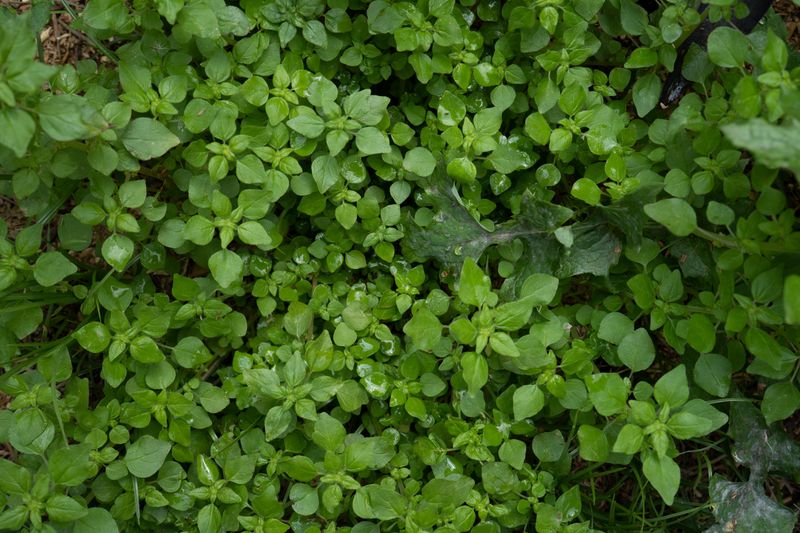
Chickweed has tiny star-shaped white flowers, and honestly, it looks almost charming until it carpets your lawn. Winter weeds love the cool months because warm-season grass slows down and stops crowding them out.
Annual bluegrass and lawn burweed are other common troublemakers that sprout in fall and grow quietly through winter. Lawn burweed is the sneaky one, forming spiny burs in spring that poke bare feet and paws.
Pre-emergent herbicides work best when applied before seeds sprout, typically when nights drop into the mid-50s to 60s. In many areas that window falls around late October or early November, depending on your local weather.
Miss that timing, and the seeds germinate freely across any thin or bare spots left from summer stress. By spring the weeds fade away in the heat, leaving open gaps where grass should have been growing.
I could be wrong, but I think a thick lawn is the best weed control anyone can buy. Healthy turf shades the soil surface, which makes it harder for weed seeds to find light and sprout.
Read herbicide labels carefully, since some products can harm certain grasses like St. Augustine or centipedegrass. Avoid pre-emergents in spots where you plan to lay sod or plugs soon, because they can slow rooting.
Hand pulling works nicely for small patches, especially after a rain when the soil is soft and loose. A few minutes with a weeding tool on weekend mornings keeps the problem small and easy to handle.
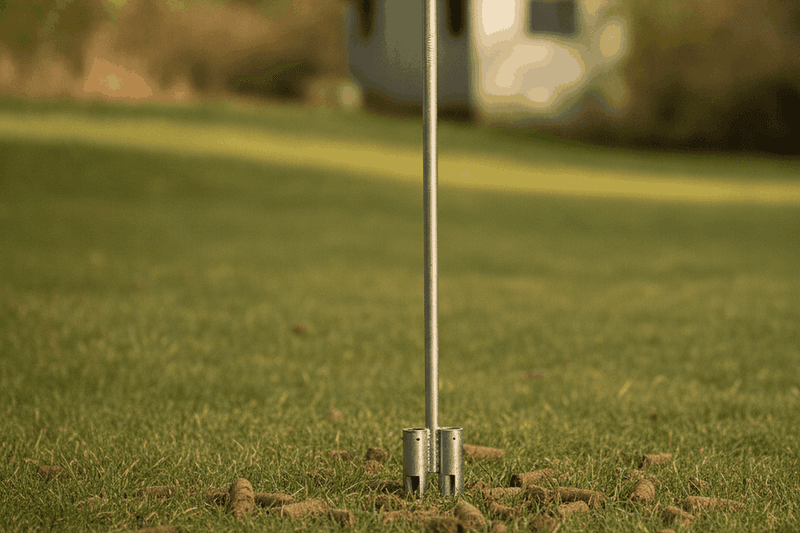
6. Core Aerator Pulling Plugs From Compacted Sandy Soil
Sandy soil seems too loose to pack down, but heavy foot traffic and pounding rain can squeeze it tight. When that happens, roots lose the tiny air pockets they need for pulling in water and nutrients.
You don’t have to look far to find the signs, especially along paths where kids and pets run daily. Water puddles on the surface after storms, and a screwdriver struggles to push more than an inch down.
Core aeration pulls small plugs of soil out, giving roots room to stretch and letting water soak deeper. In North and Central Florida, late spring and summer are the best window for this job, though early fall can still work while grass is actively growing.
Aerating when grass is actively growing helps it recover quickly and fill in the little holes left behind. In cooler areas, waiting until late spring green-up may be wiser if your turf has already slowed down.
Water the lawn a day before aerating, since moist soil lets the machine pull deeper and cleaner cores. Leave the soil plugs on the surface, because they break down within a couple of weeks after rain.
St. Augustine spreads by above-ground runners, so ask about gentle methods if your grass is thin already. Some homeowners prefer spike tools for small areas, though core aerators usually relieve compaction much more effectively.
Moving stepping stones onto busy paths helps too, since it spreads foot traffic away from struggling grass. I love how such a simple fix can lead to thicker, deeper-rooted turf once spring warms everything up.