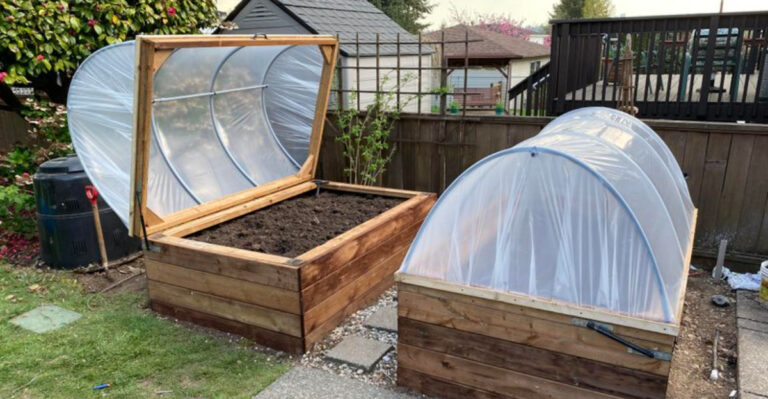
Should Florida Raised Beds Be Mulched Going Into Fall?
In Florida, October soil a few inches down often stays above seventy degrees, warm enough to surprise your fingers. I learned this the fun way, kneeling beside my raised beds while friends up north raked frosty leaves.
That warmth changes the fall game, because our cool season is actually prime planting time for lettuce and carrots. You need to think about what covers that soil, since bare dirt dries fast under bright October sunshine.
I believe a simple layer on top can change how often you water and how often you weed. Still, the right choice depends on whether you sow seeds or set out sturdy young transplants this month.
Florida gardeners get a second spring of sorts each fall, and the soil cover question shapes the whole season. So should you tuck those beds in now, or leave them open to the cooler air?
Your Fall Beds Will Thank You For A Light Cover
Short answer from my garden notebook: yes, most fall raised beds do better with a thin organic layer on top. University of Florida extension experts recommend mulch for vegetable gardens because it holds moisture and slows weeds.
By late October the dry season begins across much of the state, so rain becomes less dependable. Raised beds drain faster than ground soil, so they can dry out quickly on breezy days.
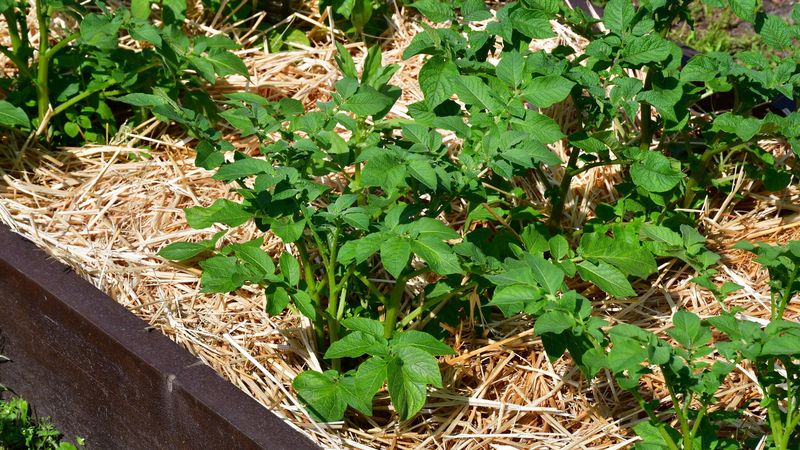
A layer of straw or shredded leaves acts like a sun hat, shading the soil surface from strong light. Less moisture escapes into the air, and your watering can gets a well deserved break most weeks.
Weeds also love fall, and many sprout quickly once the heavy summer rains finally ease off. A covered surface blocks light from weed seeds, so fewer of them manage to push through the soil.
Soil temperature matters too, since warm October days can still stress the roots of cool season crops. Mulch keeps the top few inches steadier, which helps lettuce and broccoli settle in without much fuss.
Not every bed needs the same amount, so the material and depth should match what you are growing. Most extension guides suggest two to three inches of organic mulch for established vegetable plants in home gardens.
In my experience, a covered bed looks tidier and smells wonderfully earthy right after a morning watering. The details below will help you decide when to add it and which kind suits your fall plans.
Timing Matters More Than You Might Expect
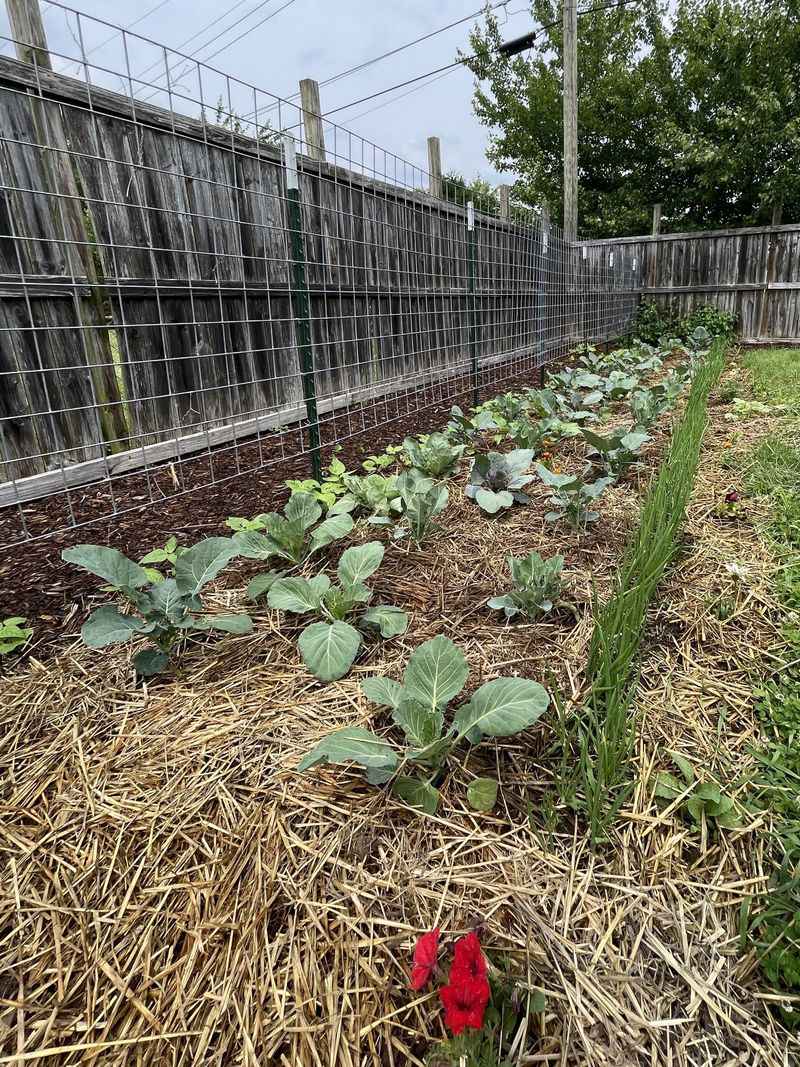
Timing a soil cover feels a bit like timing a beach trip, because a few days can change everything. Most gardeners get better results by planting first and adding mulch once young plants have settled into place.
In north Florida, many fall crops go in during September and October, before the first chilly nights arrive. Central and south regions keep planting through November and beyond, so the mulching window stretches much longer there.
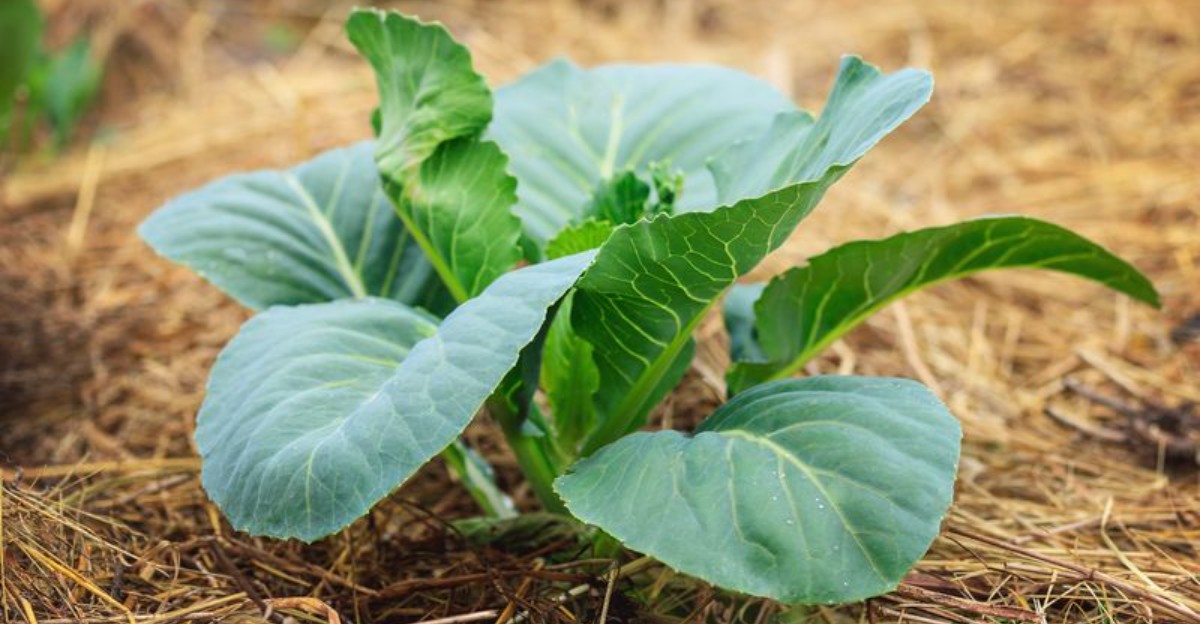
Transplants are the easy case, since you can spread mulch around them on the same day you plant. Water the bed deeply first, then lay the cover so it traps that fresh moisture underneath for days.
Your Florida Garden Changes Every Week. Your Plan Should Too.
Gardening in Florida changes quickly throughout the season. Every Friday you’ll receive a simple weekly plan showing exactly what to plant, prune, fertilize, harvest, and protect so you never miss the right timing.
Seeded rows need more patience, because tiny sprouts like carrots struggle to push through a thick blanket. Wait until seedlings stand a few inches tall, then tuck the material gently around their slender stems.
Strong winds from passing fall weather are possible in some years. Light materials like loose straw can blow around, so a quick check after windy days is a smart habit.
Fall also brings cooler nights, and some gardeners pull mulch back slightly on cold evenings in northern counties. Bare soil releases stored heat at night, which can offer tender plants a little extra frost protection.
That trick matters mostly in December or January, so October beds can stay snugly covered for now. Keep a small pile of mulch nearby, and you can adjust the layer whenever the weather shifts.
A Thick Pile Can Work Against You
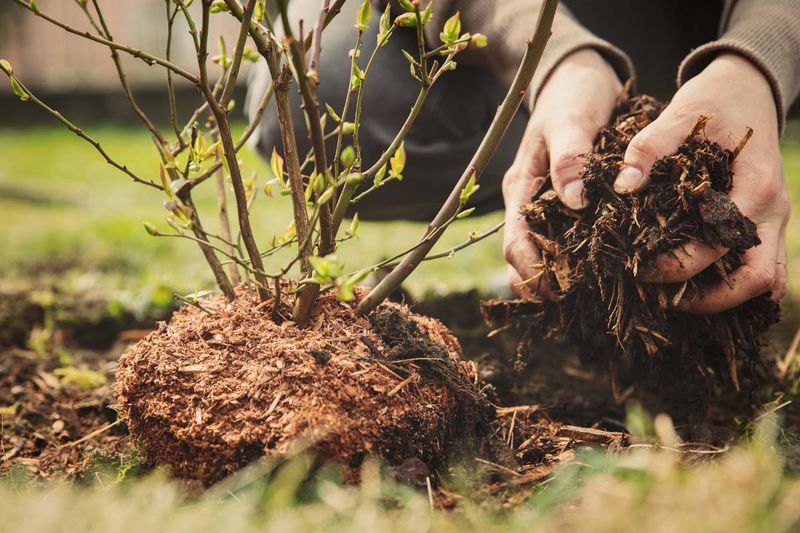
Ever tucked a blanket around a plant so snugly that it ended up sulking instead of thriving? I have, and the culprit was a mound of wet mulch pressed right against the young stems.
Extension specialists warn that mulch touching stems holds dampness there, which invites rot and fungal trouble. Leave a gap of an inch or two around each plant, like a small doughnut hole in the cover.
Depth matters just as much, because a layer deeper than three inches can keep water from reaching roots. Light showers may soak the top layer and evaporate before a single drop touches the soil below.
Raised beds add another wrinkle, since many are filled close to the rim with loose potting mixes. A heavy layer can spill over the edges, so leave an inch or two of space when filling.
Fine materials like grass clippings can mat into a soggy crust that blocks air from reaching the soil. Dry them in the sun for a day first, and spread them thinly instead of in thick clumps.
Another common slip involves clippings from lawns treated with herbicides, which can harm sensitive vegetables like tomatoes. Ask where the material came from, or stick with leaves and straw you trust from known sources.
A heavy layer is also harder to manage, since you must push it aside each time you sow. Keep things moderate, check under the layer now and then, and your plants will breathe much easier.
Pick A Material That Suits Your Beds
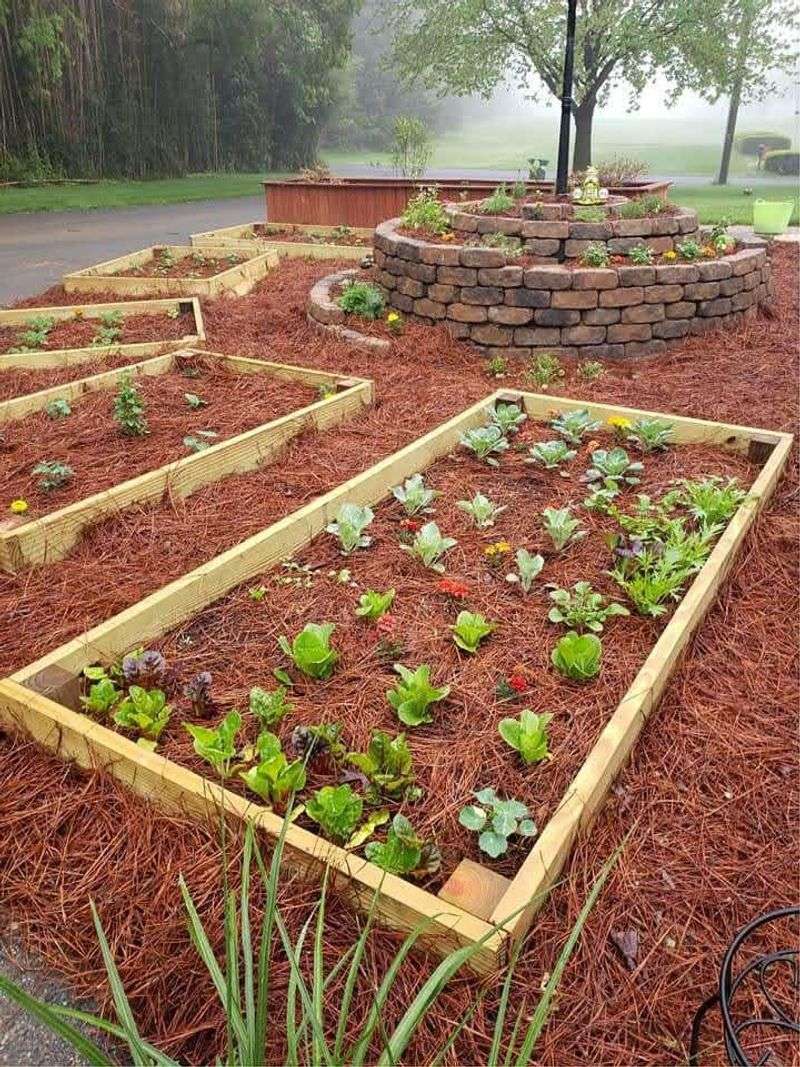
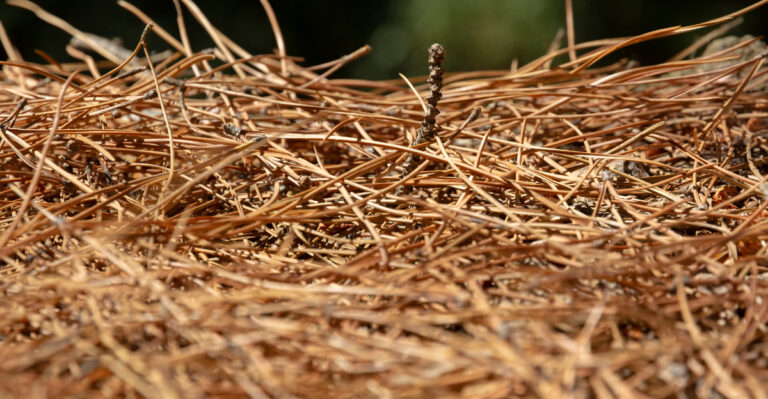
Pine straw might be the most familiar mulch in the South, and it often sits stacked outside garden centers. Its long needles knit together loosely, letting water through while staying put better than many lighter options.
Wheat straw works well in vegetable beds, but look for bales labeled seed free to avoid sprouting grain. Hay is a different product and often carries weed seeds that you will be pulling for months.
Shredded leaves are free gold for many gardeners, and oak leaves are easy to find in older neighborhoods. Run them over with a mower first, because whole leaves can mat into a slick, airless sheet.
University of Florida experts discourage cypress mulch, since harvesting it can strain the native wetland forests. They suggest alternatives like pine straw, melaleuca, or eucalyptus mulch, which come from more renewable sources.
Large bark nuggets look handsome but tend to float away when heavy rain fills a raised bed. They also break down slowly, so they suit pathways better than beds you replant every single season.
Skip rubber chips and dyed wood products in food beds, because they add nothing helpful to the soil. Organic choices slowly feed soil life as they break down, which matters a lot in sandy ground.
My personal favorite mixes pine straw on top with a thin layer of compost underneath for extra richness. Try a few options in different beds this fall, and let your own plants vote on the winner.
Your Soil Gets Richer Over The Cool Months
Sandy soil drains like a kitchen sieve, and much of Florida sits on exactly that kind of ground. Organic matter acts like a sponge in that sand, holding water and nutrients where roots can reach them.
Raised beds filled with bagged mixes often start rich, but that richness fades faster than most people expect. Warm temperatures speed up breakdown, so organic material in southern soils breaks down at a lively pace.
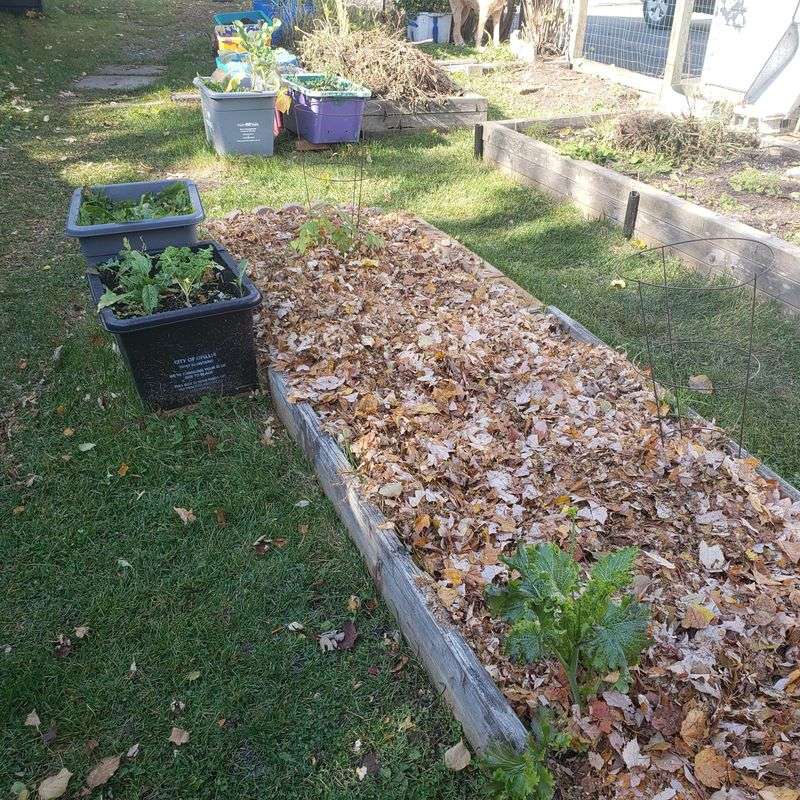
A fall layer of leaves or straw slowly crumbles over the cool months, feeding the bed from above. Earthworms and tiny soil microbes help break those bits down and mix them into the root zone without any digging.
Lift a corner of an older layer in January, and you may spot dark crumbly soil teeming with life. That rich smell comes from helpful bacteria, and it signals that your bed is building real structure.
Keep the cover on the surface instead of mixing it in, because buried straw can borrow nitrogen temporarily. Hungry soil microbes grab that nitrogen first, which can leave leafy greens looking pale for a while.
Since the layer thins as it breaks down, plan to add a fresh inch or so midway through winter. Topping up keeps weeds in check and gives the soil a steady supply of new food.
By the time warm weather returns, the leftover mulch can be raked aside or worked into the soil. I love that a little fall effort pays off with softer, darker soil when the next season begins.
Keep An Eye On What Hides Underneath
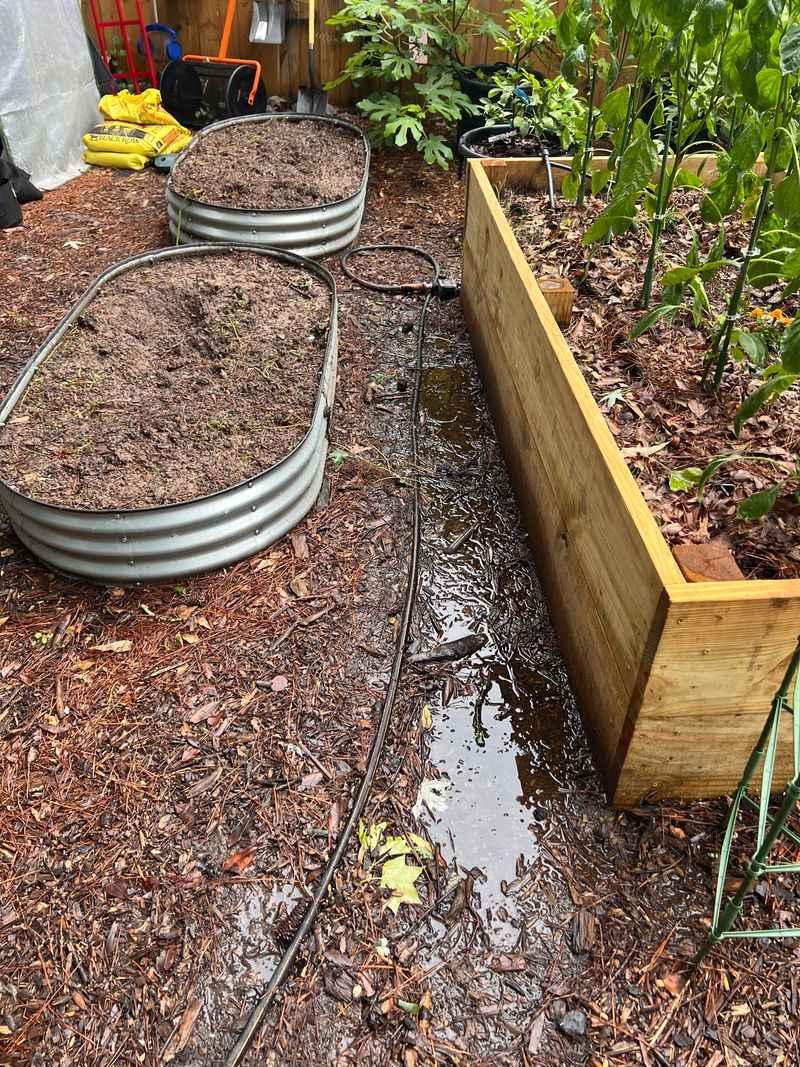
A quick weekly peek under your mulch can reveal more drama than a nature documentary, honestly. Pill bugs and slugs often gather in damp hidden spots, especially after a string of cool cloudy days.
Pill bugs mostly munch on decaying material, but slugs and some hungry pill bugs may nibble tender seedlings at night. Pulling the layer back slightly from young plants removes their favorite hiding spots without much extra work.
Cutworms also appear in fall gardens, and they can snip transplants right at the soil line overnight. A collar cut from a paper cup with the bottom removed shields each young stem from these nighttime pests.
Fire ants sometimes build mounds in warm, loose bed soil across Florida, so watch for fresh fluffy hills. Wear gloves when spreading new material, and check with your county extension office for safe food garden controls.
Wooden bed frames deserve attention too, because damp mulch piled against boards keeps the wood moist for long stretches. Extension experts also suggest pulling mulch back from your home foundation for similar reasons.
Moisture checks belong in your routine as well, since a covered bed can look dry while staying damp. Push a finger two inches into the soil, and water only when it feels dry at that depth.
Those small habits take just minutes, yet they keep your fall beds healthy well into the cooler months. A tidy, well watched layer turns October mulching into one of the smartest moves a gardener can make.