10 Yard Features That May Soon Be Banned in Ohio Neighborhoods
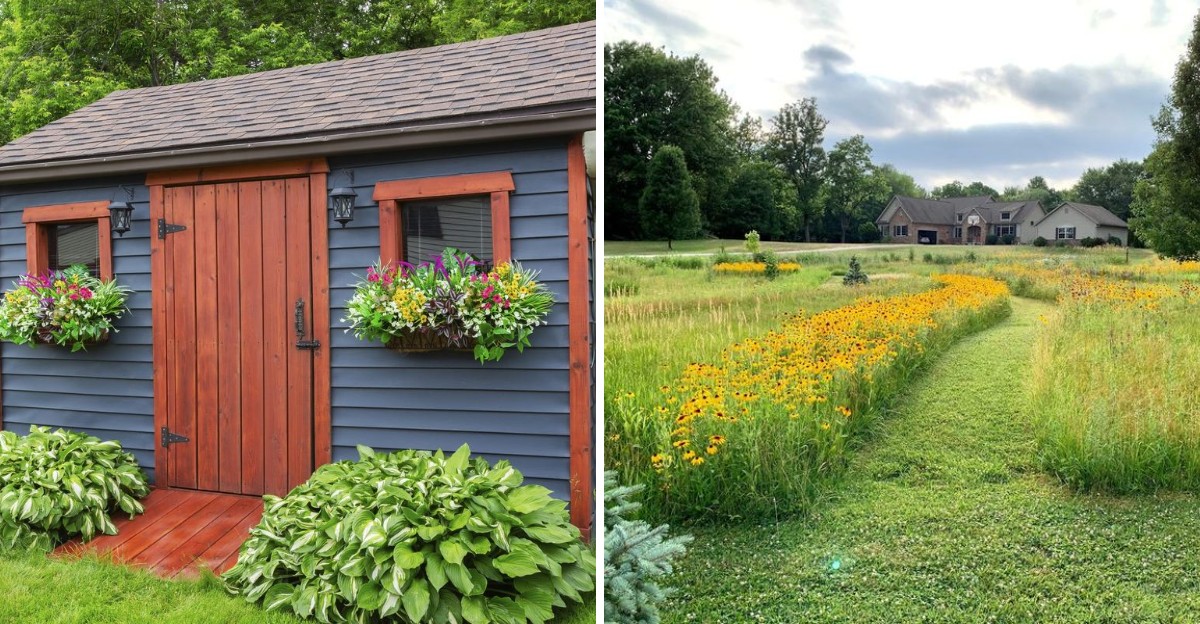
A lawn in many Ohio towns can earn an official warning once the grass passes eight inches tall. Some cities draw that line even lower, at six inches, and they send mowing crews when owners ignore notices.
Those crews do not work for free, because the city usually bills the homeowner and adds administrative fees. In some places, unpaid mowing charges can even land on the property tax bill, which stings for months.
I have to admit that I rarely thought about yard rules until a friend got a bright orange notice. You might feel the same way, since most of us just plant what we love and enjoy the view.
Rules across Ohio keep getting tighter, and several familiar backyard favorites are drawing more attention from code officers. Could your favorite backyard feature be the next thing to catch an inspector’s eye?
1. Shaggy Lawn Grass Taller Than Eight Inches
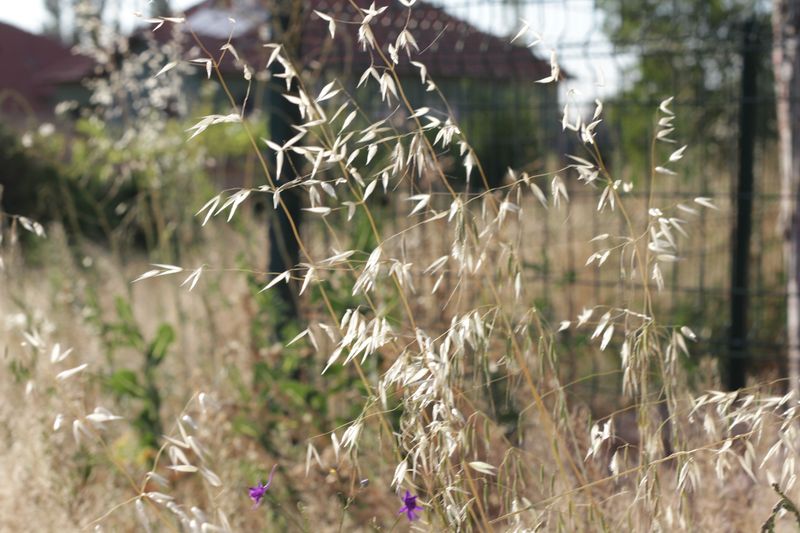
Nothing makes a code officer reach for a clipboard faster than a lawn swaying like a summer hayfield. Many cities across the state set a firm height cap, usually around six or eight inches for grass.
Officials worry that tall, scruffy grass gives mice and rats cozy hiding places close to neighboring homes. Dry growth late in summer can also become a fire risk, especially near sheds and wooden fences.
Once a complaint comes in, owners often get a written notice with only a few days to mow. Some towns allow about five to seven days, while others move faster when the problem keeps coming back.
Ignore that window, and the city may hire a contractor to cut your grass for you. The bill usually includes the mowing cost plus administrative fees, and unpaid charges can reach your tax bill.
Personally, I keep a reminder on my phone during wet spring weeks, when grass grows shockingly fast. A quick weekly mow at about three inches keeps turf healthy and keeps the neighbors from grumbling.
Before a long summer trip, ask a friend or hire a local teen to handle the mowing. Coming home to a polite lawn beats coming home to a city notice taped on your front door.
Every town writes its own numbers, so look up your local property maintenance code online this week. Knowing the exact limit takes the guesswork out of mowing and saves you from surprise fees later.
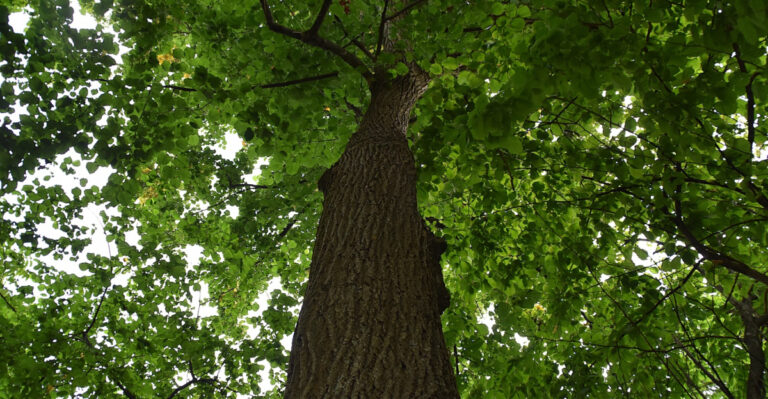
2. Invasive Callery Pear Trees And Other Banned Plants
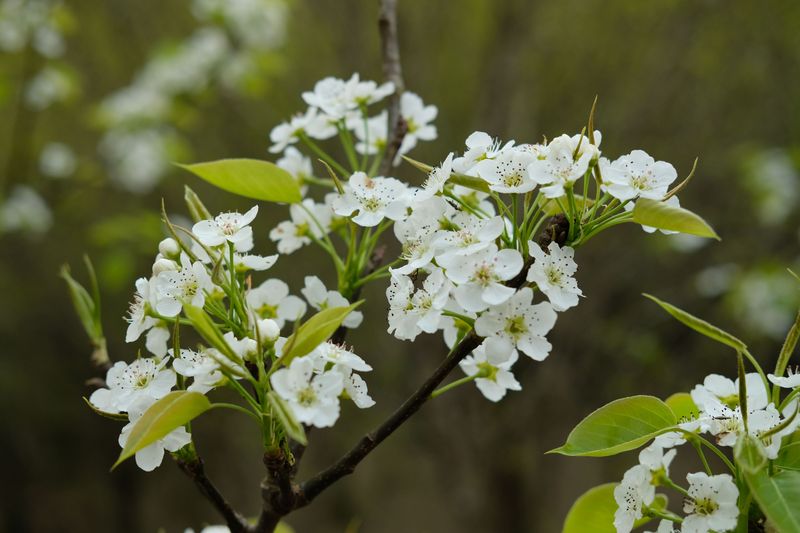
Those snowy white Bradford pear blossoms smell surprisingly fishy, and the trees themselves are now off the shelves. Callery pear joined the state’s prohibited invasive plant list, and sales stopped in Ohio starting in January 2023.
The Ohio Department of Agriculture keeps that list, and it bans selling or intentionally spreading the listed species. Amur honeysuckle and Japanese knotweed also appear there, and both crowd out native plants in nearby woods.
Right now, the state generally does not force homeowners to dig up invasive plants already growing in yards. Still, letting them spread or sharing cuttings with friends can cross a legal line you want to avoid.
Some homeowners associations go further and ban certain invasive shrubs or vines in their written landscaping rules. Running bamboo is a frequent target, because it can sneak under fences and pop up in neighbor lawns.
I love how swapping one problem plant for a native beauty can change a whole yard’s personality. Serviceberry gives you white spring flowers and summer berries that birds gobble up within days of ripening.
Ohio State University Extension offers helpful fact sheets on native alternatives that suit local soil and weather. Bringing a printed list to the garden center makes shopping much easier and keeps impulse buys in check.
Before you buy anything new, check the current state list, since officials review and update it over time. A five-minute search today can spare you a tangled, expensive removal project years down the road.
3. Tall Privacy Fences Along The Front Yard
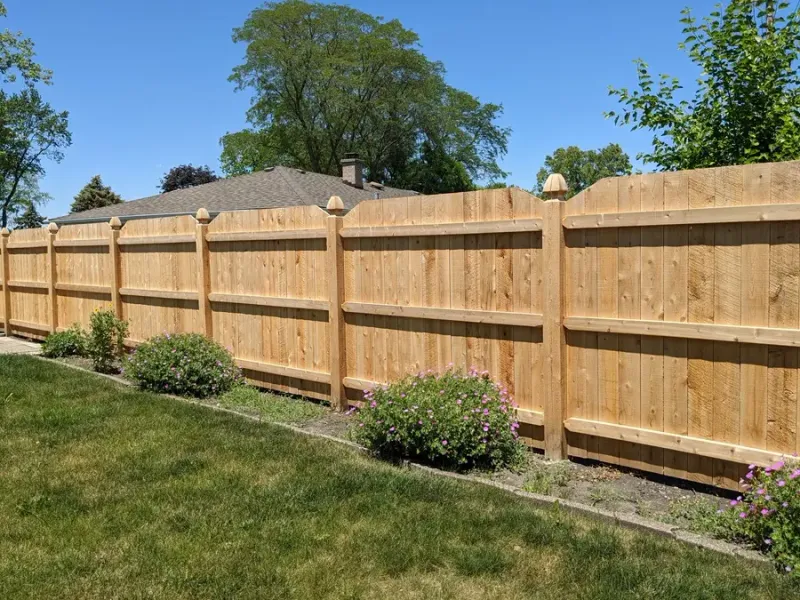
A tall wooden fence across the front lawn feels like a cozy hug for your house. Many city codes see it differently, though, and they often cap front yard fences at about four feet.
No single statewide residential fence code exists here, so each city or township writes its own rules. That means your cousin’s six-foot fence two towns over may be illegal on your particular street.
Corner lots face extra limits, since drivers need clear views of kids, bikes, and cars at intersections. Some codes drop the allowed height to around 30 inches inside those corner visibility zones near the curb.
Backyards usually get more freedom, and six feet is a common maximum for side and rear fences. Taller fences often require a building permit, and some neighborhoods also restrict materials like chain link.
Pool fences follow serious safety rules, with barriers usually at least 48 inches high around the water. Gates typically need self-closing and self-latching hardware, which keeps curious toddlers safely away from the edge.
I believe a living screen of native shrubs can offer privacy without any fence permit headaches at all. Arborvitae or native viburnum planted in a staggered row softens the view and gives birds a place to perch.
Call your zoning office before buying lumber, and ask whether you need a permit or HOA approval. That single phone call can save you from tearing down a brand new fence just weeks later.
4. Backyard Garden Sheds Built Without A Permit
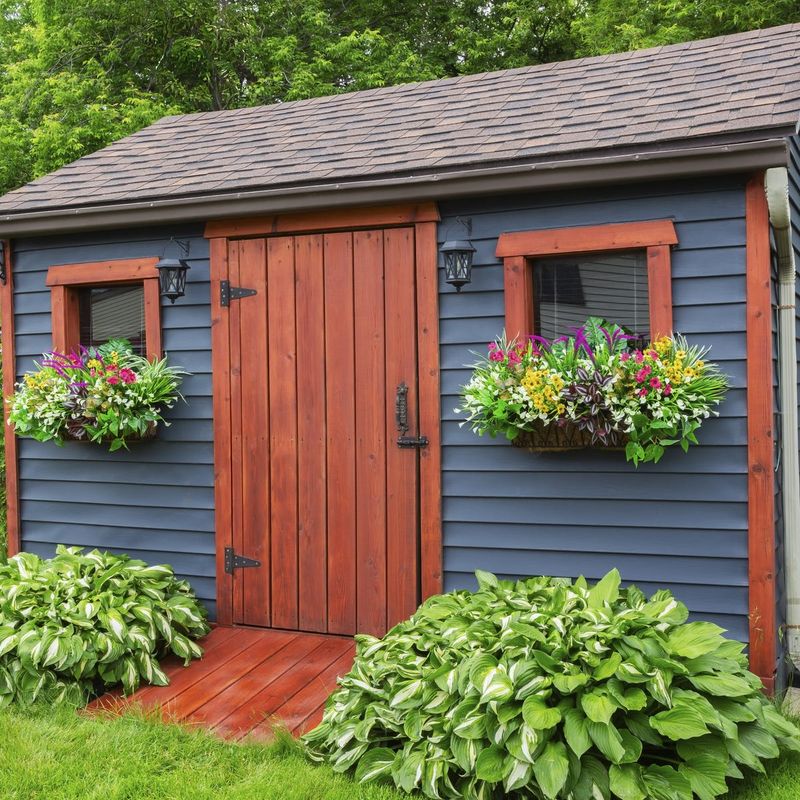
A cute little garden shed with flower boxes under the windows feels like a reward for years of digging. Plopping one down without paperwork, however, can invite a stop-work order or a demand to move it.
Many communities require a zoning permit for any shed, even small kits you assemble on a weekend. Larger structures, often those over 200 square feet, typically need a full building permit and plan review.
Setbacks matter too, and codes commonly ask for sheds to sit a few feet from side and rear lines. Front yard sheds are usually off limits, since towns prefer to keep those spaces open and uncluttered.
Height caps also pop up, and some places limit accessory buildings to a single story of modest height. A few codes restrict how many sheds you can have, often allowing one or two per lot.
Personally, I learned to sketch my yard on graph paper before choosing any shed size or spot. Marking property lines and drainage paths helps you avoid soggy floors and awkward conversations with neighbors.
A solid base of compacted gravel keeps the floor dry and helps the structure last much longer. Place the door where you can reach it easily with a wheelbarrow, especially during busy spring planting.
Visit your local building department’s website first, since many post simple shed guides with diagrams and fees. Getting approval upfront feels slow, but it protects your investment and keeps your garden retreat legal.
5. Cars And Trucks Parked On The Front Lawn

Tire ruts in a soft spring lawn look like someone tried to plow a garden with a pickup. Lots of towns ban parking on grass or dirt in residential yards, and tickets can follow quickly.
Cities usually require vehicles to sit on paved or approved hard surfaces, such as driveways or parking pads. Gravel may or may not count, depending on your local code, so check before spreading any stones.
Heavy cars squeeze soil tight, leaving grass roots struggling for air and water for many months afterward. That compaction also makes rain run off instead of soaking in, which can puddle near your foundation.
Safety plays a role too, since cars on lawns can block sidewalks or limit views for nearby drivers. Some codes allow brief exceptions for moving days or snow emergencies, usually with clear time limits attached.
I can’t imagine parking on a lawn after spending all season coaxing it into thick, green health. If you need extra space, a permitted pad made from permeable pavers can handle cars and absorb rainwater.
Already compacted strips often recover with core aeration in early fall, followed by fresh grass seed and watering. Cool-season grasses like tall fescue establish well then, since soil stays warm while air temperatures drop.
Before guests arrive for a party, map out street parking options or ask a neighbor about driveway space. Your lawn stays healthier, and you avoid an awkward citation tucked under a windshield wiper the next morning.
6. Boats And Campers Stored Beside The House
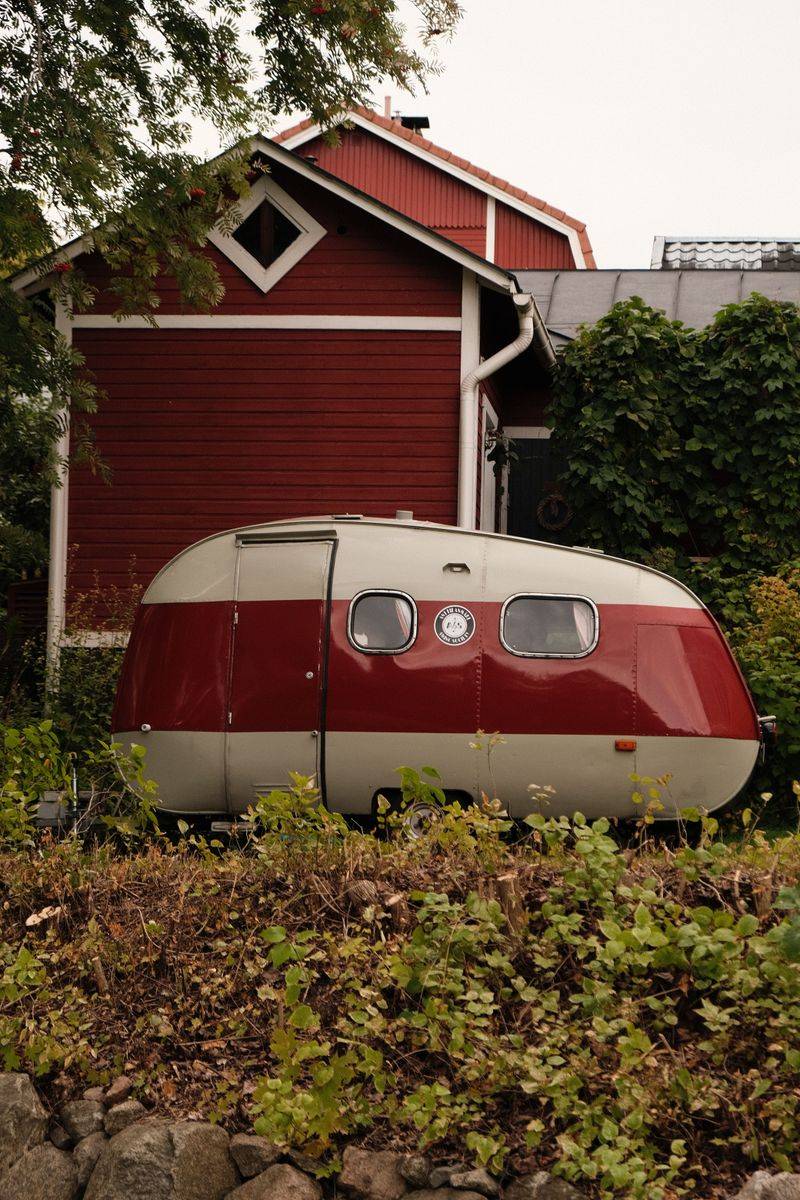
A shiny camper parked beside the garage practically shouts that summer road trips are coming soon. Neighborhood codes, however, often treat that camper as an eyesore when it stays put month after month.
Many residential zones limit where you can keep boats, campers, and utility trailers on your property. Rear yards are usually the preferred spot, while front yard and driveway storage often face strict limits.
Some cities allow short stays out front for loading and unloading, often around two or three days. After that window closes, the vehicle needs to move to an approved location or an off-site storage lot.
Screening rules may also apply, requiring fencing or dense plantings to hide large items from street view. Commercial trucks and equipment face even tighter limits in many neighborhoods, sometimes with outright bans on storage.
I like how a row of tall native shrubs can tuck a trailer out of sight beautifully. Ninebark and gray dogwood grow quickly in tough spots, and pollinators visit their flowers each spring.
Watch for mice nesting inside stored campers, especially when tall weeds grow up around the tires. Keeping the ground mowed and tidy beneath the vehicle discourages critters and keeps code officers happy, too.
Homeowners associations often add their own storage rules, so read your covenants carefully before buying a boat. A quick check now beats paying surprise monthly storage fees at some distant lot later in the season.
7. Grass Clippings Blown Into The Street
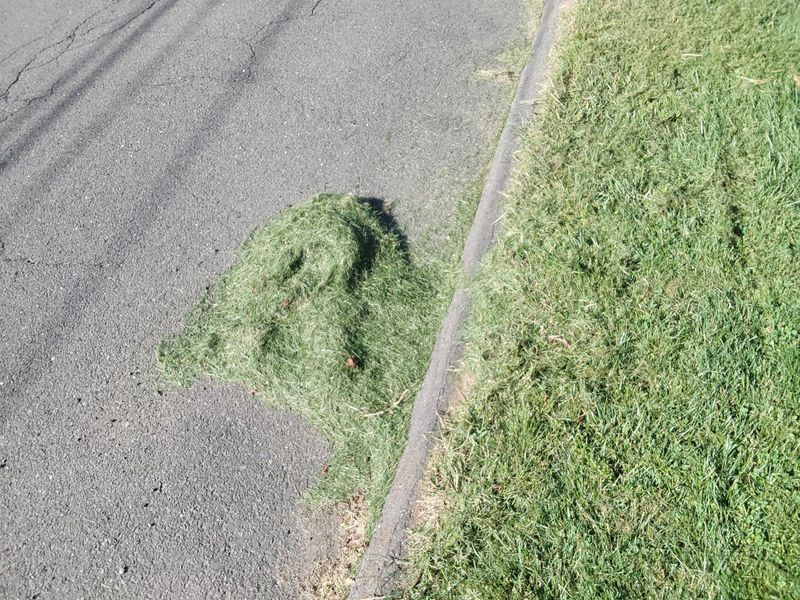
Wet grass clippings on pavement can feel as slick as banana peels under a bicycle tire. That is why many cities forbid blowing clippings into streets, gutters, or onto public sidewalks after mowing.
Cyclists and motorcyclists face the biggest risk, since clumps of grass can make tires slide without warning. Walkers can slip too, especially older neighbors heading out for a morning stroll after a rainy night.
Clippings that wash into storm drains add nutrients to creeks and ponds, which can feed algae blooms. Piles of leaves and grass can also clog drains, leading to messy puddles during heavy summer storms.
Personally, I treat clippings like free fertilizer, because leaving them on the lawn returns valuable nitrogen. Extension experts often recommend this grasscycling practice, and it reduces how much fertilizer your turf needs.
Point your mower’s discharge chute toward the lawn on the first few passes along driveways and sidewalks. Then sweep or blow any stray bits back onto the grass before you put the mower away.
Extra clippings make a lovely addition to compost piles when mixed with dry brown leaves or shredded paper. Thin layers also work as mulch around vegetable plants, helping hold moisture during hot, dry stretches.
Avoid using clippings from lawns recently treated with herbicides, since residues may harm tomatoes or other tender crops. A little attention after mowing keeps the street safe and gives your garden a nice nutrient boost.
8. Overgrown Hedges Blocking Corner Views
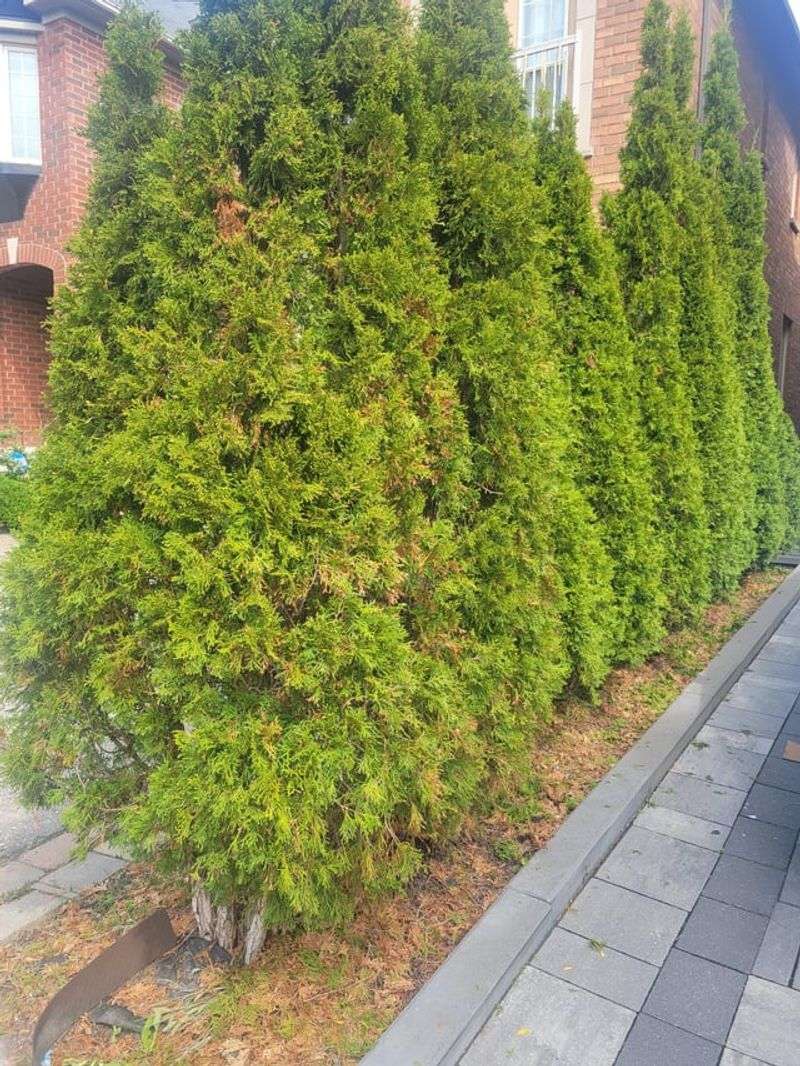
A big, bushy forsythia can turn a quiet corner into a blind spot faster than you might expect. Many towns enforce sight triangles near intersections and driveways, where tall plants are not allowed to block views.
Inside those zones, codes often limit shrubs and hedges to around two or three feet tall. Trees may be allowed if lower branches are trimmed high, often about eight feet above the ground.
Owners are also usually responsible for branches hanging over sidewalks, streets, and alleys next to their property. A low limb can smack a jogger in the face or scrape the top of a delivery truck.
I have to admit I once let a lilac grow wild until it swallowed half my front walkway. A neighbor kindly pointed it out, and a weekend of pruning made the corner safer and brighter.
Timing matters with flowering shrubs, so prune spring bloomers like lilac and forsythia right after flowers fade. Cutting them in fall or winter removes next year’s flower buds and leaves you with plain green branches.
Choosing plants that stay small naturally saves loads of work near corners and driveway edges each year. Low-growing natives like little bluestem stay tidy without frequent shearing, and dwarf shrubs need only light pruning.
Walk to the street and look back at your yard from a driver’s seat height every few months. If you cannot see approaching cars or kids clearly, grab your loppers and open up the view.
9. Wildflower Meadows Filling The Front Yard
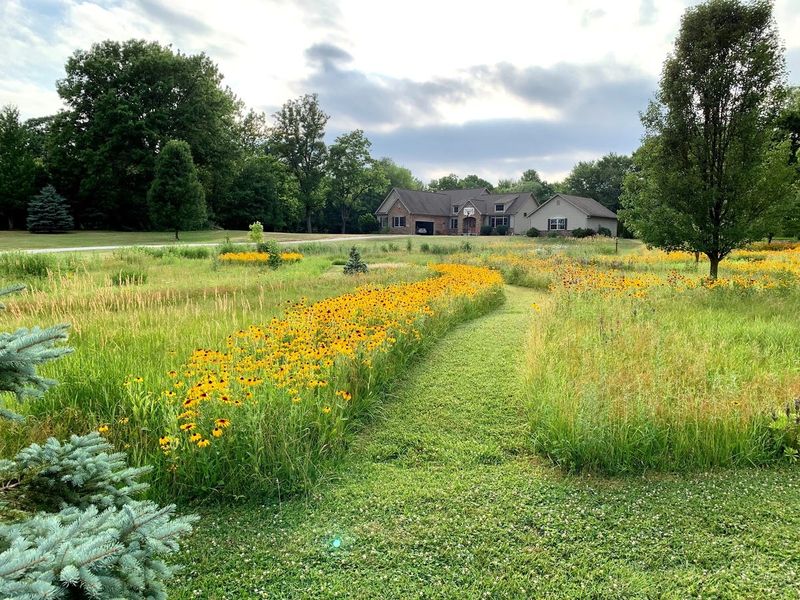
Bees buzzing over purple coneflowers in a front yard meadow can make a whole street feel alive. Not every neighbor or homeowners association agrees, though, and some still prefer neat rows of trimmed turf.
Ohio currently has no statewide law protecting native landscaping from HOA rules, unlike a few other states. That means an association can often require lawn grass or demand approval before you change your front yard.
Some cities do welcome natural landscapes, as long as plantings look deliberate and receive regular care and attention. Shaker Heights, for example, allows natural landscaping that is planned and maintained rather than simply left alone.
The trick is making your meadow look intentional, so nobody confuses it with a neglected patch of weeds. A crisp mowed edge and a small pollinator garden sign send that message to passersby quite clearly.
I love how black-eyed Susans and butterfly weed bloom through summer, feeding butterflies and native bees. Mixing in short native grasses like little bluestem keeps the planting upright and gives winter interest, too.
Cut back old stems in early spring rather than fall, since many insects overwinter inside hollow stalks. Leaving seed heads standing through winter also gives goldfinches a handy snack during cold, snowy months.
Before planting, read your local code and HOA rules, and consider sharing your plans with nearby neighbors. Starting with a modest border instead of a full lawn conversion often wins people over much more easily.
10. Brush Piles And Heaps Of Yard Debris
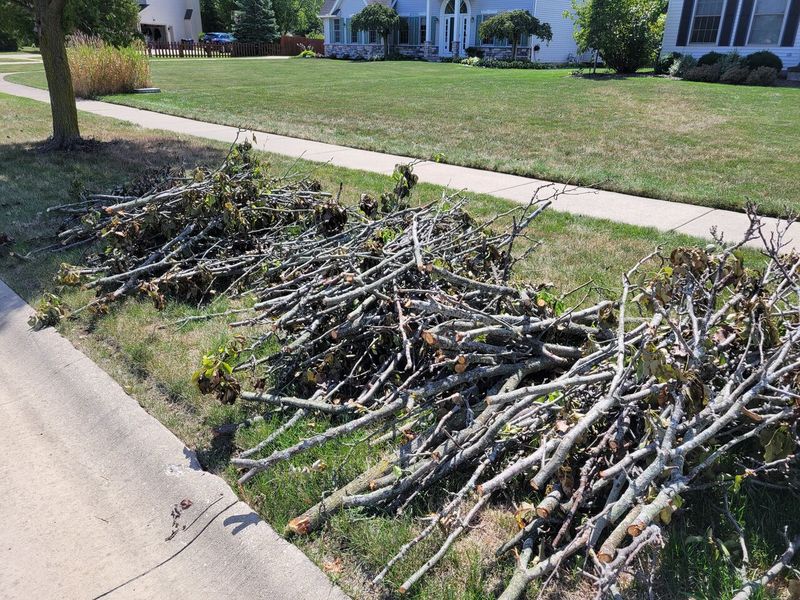
That growing heap of branches behind the garage might look like a cozy hideout for chipmunks and wrens. Code officers, however, may see a nuisance that attracts rats and makes the neighborhood look neglected.
State law and local ordinances give officials room to act on property conditions that threaten health or safety. Piles of trash and loose yard waste often fall under those nuisance rules in residential neighborhoods today.
Owners usually receive a notice first, giving them a set number of days to clean things up. If nothing changes, the city may hire a crew to haul debris away and send you the bill.
Personally, I think a small, neat brush pile tucked in a back corner can help backyard birds. The difference lies in size and tidiness, since sprawling heaps near property lines tend to spark complaints.
Many communities offer curbside yard waste pickup on set days, often requiring paper bags or bundled branches. Check your city’s schedule, because bundle length and weight limits vary quite a bit between towns.
Shredding small branches into mulch turns a messy pile into something useful for garden beds and paths. Leaves can become rich leaf mold in about a year when stacked in a simple wire bin.
Set a monthly reminder to tackle debris before it grows into an overwhelming weekend project nobody enjoys. Your yard stays welcoming, and you avoid an unexpected cleanup bill from the city arriving in your mailbox.