The Venomous Insects Whose Nests Are Easy To Spot In Leafless Minnesota Trees
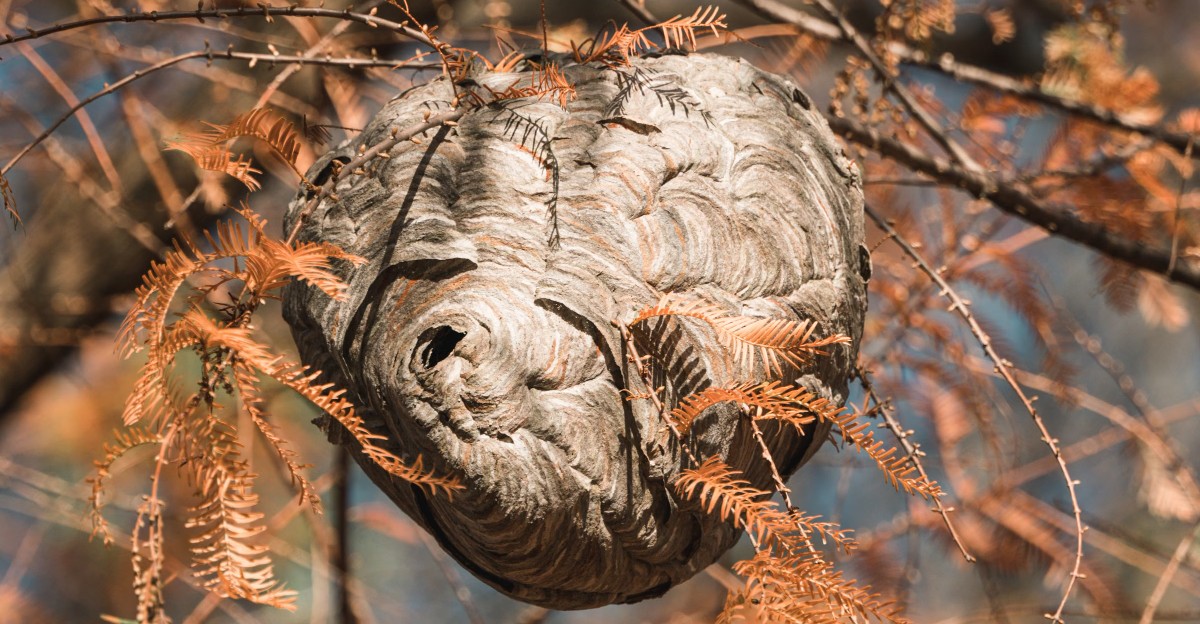
A single gray paper ball in a maple can hold more than two hundred stinging workers by late summer. Once the leaves fall in Minnesota, those hidden homes suddenly hang in plain view like forgotten lanterns.
The builders chewed wood into pulp, then spread it into thin layers that look a lot like gray tissue. Most of these colonies last only one season, and the mated queens leave to spend winter somewhere else.
I get a little thrill each November when a familiar branch suddenly reveals a nest I walked under all summer. You might notice one too, maybe near your garden shed or above the path to your compost pile.
Knowing who built each nest helps you plan safer spring chores around your Minnesota yard and trees. So which stinging neighbors left those papery clues dangling high above your garden beds this year?
1. Bald-Faced Hornet Nests Hang Like Giant Gray Footballs
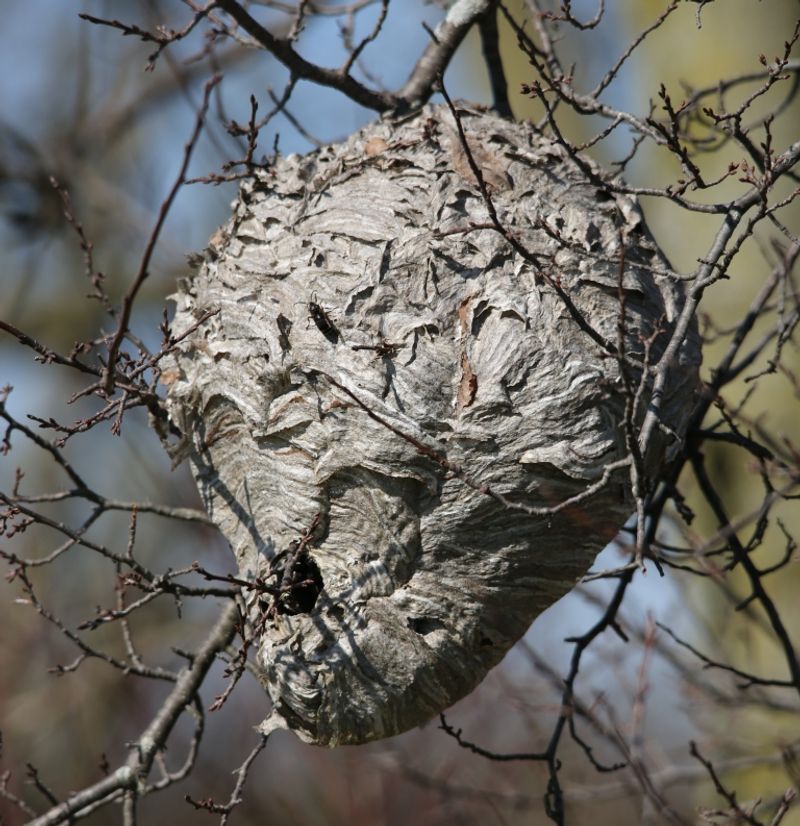
That huge gray football swaying in your oak probably belongs to the bald-faced hornet, Dolichovespula maculata. I spotted my first one from the kitchen window, and I honestly thought someone had tossed a balloon up there.
Despite the name, this insect is not a true hornet at all, but a type of yellowjacket. Its black body and bright white face markings make it easy to recognize when it flies in summer.
Nests often reach the size of a basketball, and some grow even larger by the end of the season. Workers build swirling gray layers from chewed wood fiber, which gives the outer shell its striped, papery look.
These hornets defend their home fiercely, and they can sting more than once without losing their stinger. Extension experts note they may even squirt venom toward the eyes of anyone who disturbs the colony.
By late fall, the workers and the old queen are gone, leaving only an empty paper shell behind. Hornets do not reuse old nests, so a winter discovery poses little risk to you or your pets.
Many gardeners leave the shell alone, since birds sometimes pick through it looking for leftover larvae to eat. I also like knowing these hornets spent summer catching flies and caterpillars near my vegetable beds.
Make a note of the tree, though, because the same spot may attract a new queen next year. Checking that area carefully in early summer helps you catch a small nest before it becomes a big problem.
2. Aerial Yellowjacket Nests Dangle From Low Shrubs And Branches
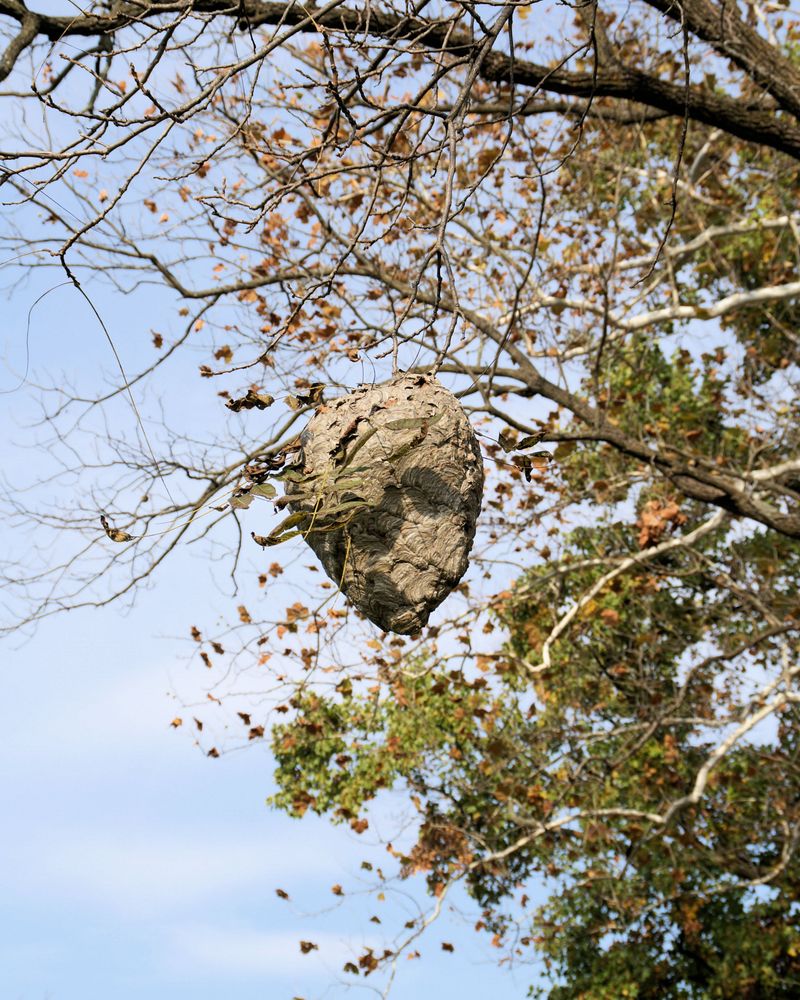
Some of the gray paper balls in your yard hang surprisingly low, sometimes barely above your shoulder height. Those often belong to the aerial yellowjacket, Dolichovespula arenaria, a common nester in trees and shrubs.
Compared with bald-faced hornets, these wasps are smaller and wear bright yellow and black stripes instead of white. Their nests are usually smaller too, often about the size of a softball or a little larger.
I once brushed past one while pruning a lilac, and I learned quickly how protective these workers are. Thankfully I backed away fast, and only one wasp followed me across the lawn before giving up.
Their colonies usually wrap up earlier in the season than many other yellowjackets, sometimes by late summer. Unlike ground-nesting yellowjackets, they rarely bother picnics, since they mostly hunt live insects for their young.
Once leaves drop, check your hedges and lower branches, because these nests often hide in dense growth. Some even attach to garage eaves or to the underside of a sturdy backyard picnic table.
An empty winter nest is safe to remove, and some families enjoy studying the layered paper indoors. Wear gloves anyway, and give it a few days in a sealed bag in case anything lingers.
Next spring, a quick look through your shrubs before trimming can save you from a very painful surprise. Small nests the size of a golf ball are much easier to handle than the larger summer versions.
3. Northern Aerial Yellowjacket Nests Tuck Into North Woods Branches
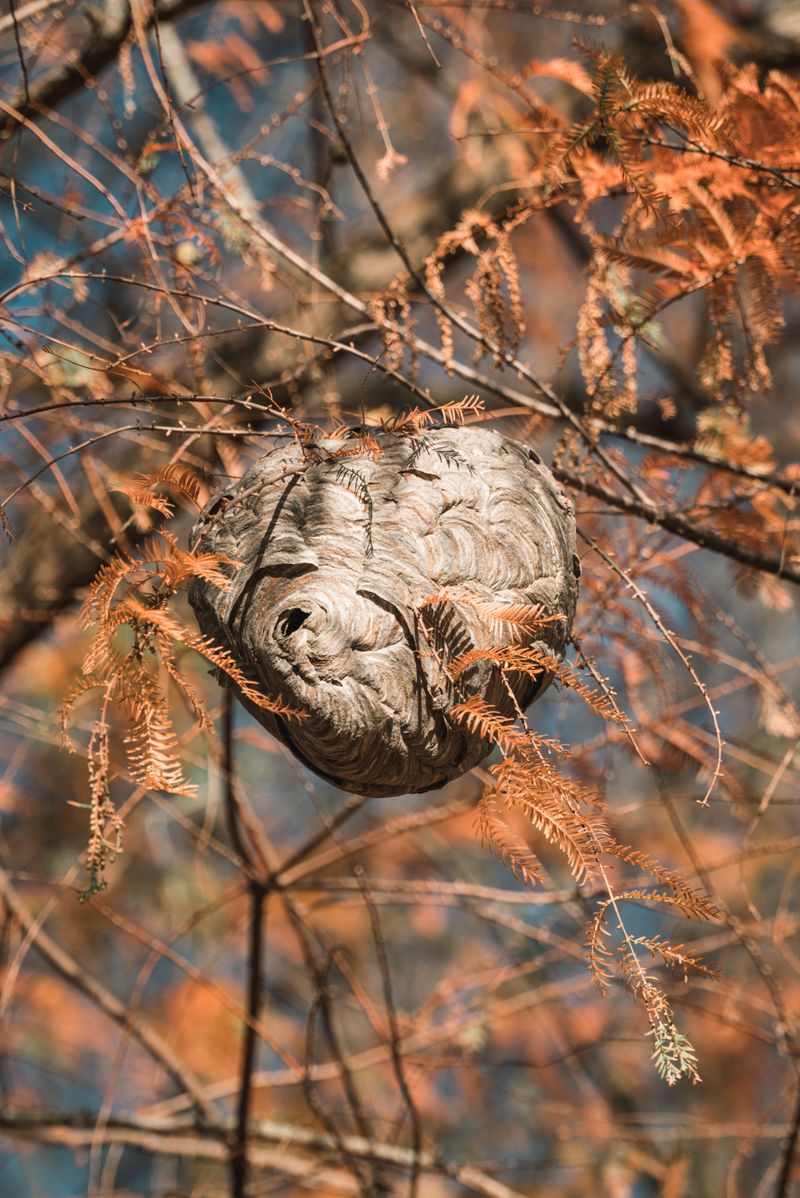
Up in the north woods, a smaller cousin builds tidy gray nests that could fit in your two hands. Scientists call this wasp Dolichovespula norvegicoides, and it thrives in cooler forests across Canada and the northern states.
Its nests usually hang in shrubs or low branches near the edge of a woodland trail or clearing. Cabin owners up north sometimes find one beside the dock path once the birch leaves finally let go.
Telling it apart from the aerial yellowjacket takes a close look at the markings on a living wasp. Empty nests look so similar that even experienced naturalists usually hesitate to name the builder from paper alone.
I find that humbling, honestly, and it reminds me how much variety hides in our backyard wasps. Colonies stay fairly small, often with fewer workers than a busy bald-faced hornet colony in the same woods.
Small does not mean harmless, though, because these workers will sting quite readily to protect their brood. Their venom feels much like any yellowjacket sting, with sharp pain followed by swelling and itching later on.
Anyone with a known sting allergy should carry their prescribed epinephrine during summer hikes and yard work. Winter nests, however, sit empty, since the colony fades in fall and only new queens survive the cold.
Snap a photo of the nest location so you remember to check that area again in June. A tiny starter nest is much easier to avoid than one discovered with your hedge trimmers in August.
4. Parasitic Aerial Yellowjacket Takes Over Another Wasp Nest
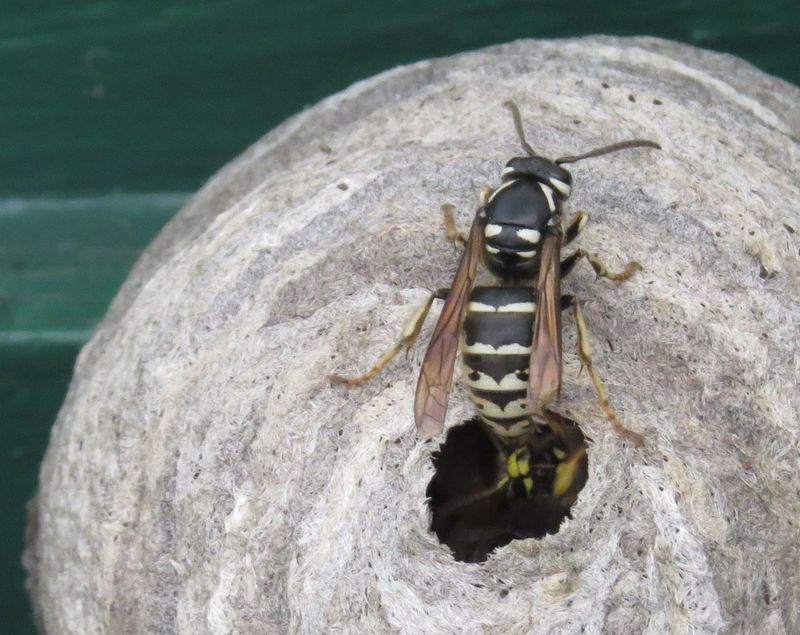
Not every paper nest in your trees was built by the wasps living inside it last summer. The parasitic aerial yellowjacket, Dolichovespula adulterina, sneaks into another colony and takes over the queen’s job.
Biologists call this behavior social parasitism, and it sounds a bit like a sneaky plot from a cartoon. The invading queen produces no workers of her own, so the host workers end up raising her young.
Its usual targets are other aerial nesters, including the northern aerial yellowjacket that builds in cooler forests. From the outside, a hijacked nest looks just like any other gray ball hanging from a branch.
Sightings are uncommon across its northern range, so most backyard naturalists rarely know they have seen one. I love that mystery, because any empty nest in my woods could quietly hold a secret story.
These wasps still carry venom, and they can sting if you handle or shake an active nest. Since the colony relies on host workers, any defense in summer will come mostly from the original residents.
Like other aerial yellowjackets, everything wraps up by fall, and only freshly mated queens head into winter shelter. That leaves the paper nest empty and harmless, ready for you to study from the ground with binoculars.
If you ever photograph a strange wasp on a summer nest, share it with a community science project. Platforms like iNaturalist help researchers track uncommon species, and your backyard picture might fill an important gap.
5. Northern Paper Wasp Combs Look Like Upside Down Umbrellas
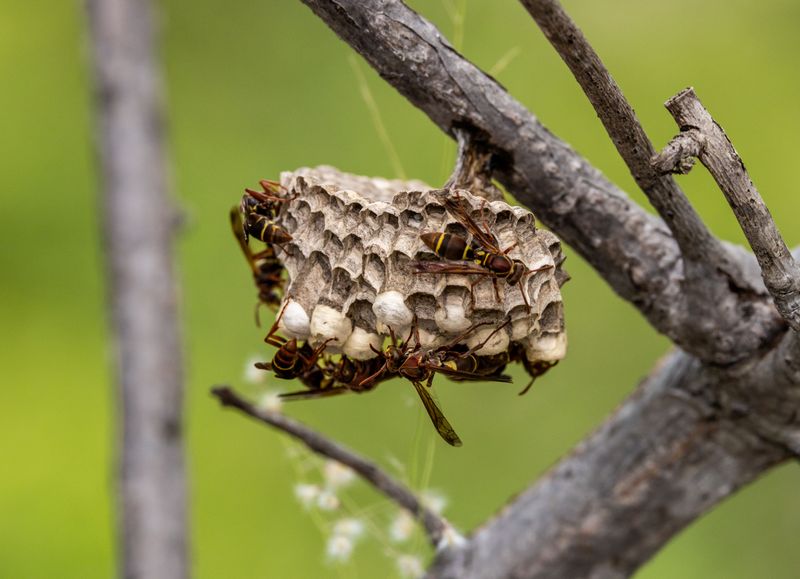
Flip a tiny umbrella upside down, cover it in paper cells, and you have a northern paper wasp nest. Polistes fuscatus builds these open combs without any outer shell, so every six-sided cell stays visible.
Most nests attach by a single thin stalk, which looks almost like the stem of a gray mushroom. You will find them under eaves and inside sheds, plus on sheltered branches and old fence boards.
These wasps are slender, with long dangling legs and reddish brown bodies marked by thin yellow bands. Colonies stay modest, often holding a few dozen wasps instead of the hundreds found in yellowjacket nests.
I have a soft spot for paper wasps, because they patrol my garden for caterpillars all summer long. They are calmer than yellowjackets, though they will still sting if you bump or squeeze their nest.
After leaf drop, these small combs become easier to spot, especially on branches that hug the house. Winter nests sit empty, since new queens leave to hide in wood piles or snug gaps in attic walls.
Those overwintering queens sometimes wander indoors on warm days, which explains a sleepy wasp on your windowsill. Gently trap it under a cup, then release it outside or into a cool, sheltered garage corner.
Old combs rarely get reused, so knocking one down in winter is safe and easy with a broom. Leave branch nests far from doors alone, though, since paper wasps earn their keep as helpful garden hunters.
6. European Paper Wasp Nests Pop Up In Sheltered Backyard Spots
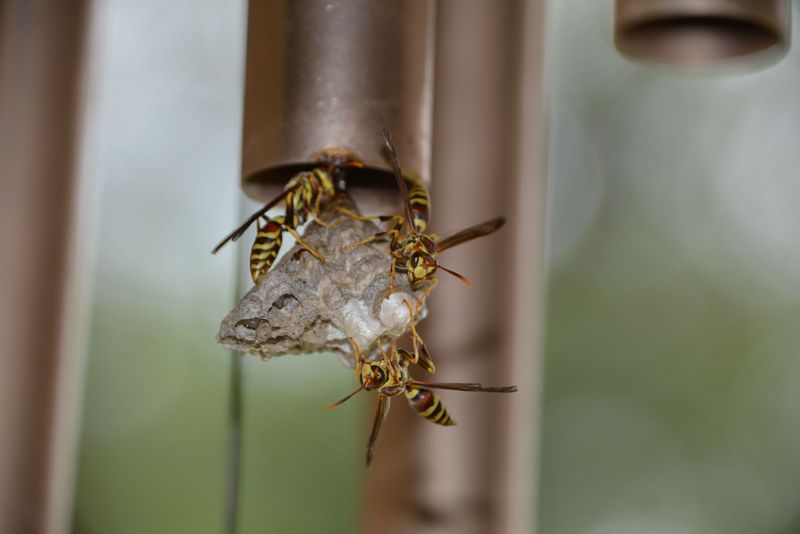
Bright yellow and black, the European paper wasp could easily pass for a yellowjacket at a quick glance. Watch how it flies, though, because those long legs dangle down like landing gear on a tiny plane.
Polistes dominula arrived in North America from Europe, with early records from Massachusetts in the late 1970s. Since then it has spread west, and it now turns up in many Minnesota neighborhoods and gardens.
Its open combs look a lot like northern paper wasp nests, with every cell visible from below. This newcomer loves odd hiding spots, such as hollow fence posts and the inside of grill covers.
On bare trees, look for small combs tucked into sheltered branch forks close to a house or shed. They prefer protected places, so the best clues often sit near walls rather than out on windy limbs.
I got stung by one while lifting a patio umbrella, and the sharp burning lasted for most of an hour. Ice and a little patience helped, but I now shake out folded umbrellas before opening them each spring.
Studies suggest this species may crowd out native paper wasps in some regions, which concerns many entomologists. Its colonies also tend to grow quickly, partly because new nests often start with several cooperating queens.
Winter nests are empty, so this is a smart time to scrape old combs off decks and play sets. Filling holes in hollow posts and railings also leaves fewer cozy spots for returning queens next spring.
7. Wild Honey Bee Combs Sometimes Hang From Open Tree Branches
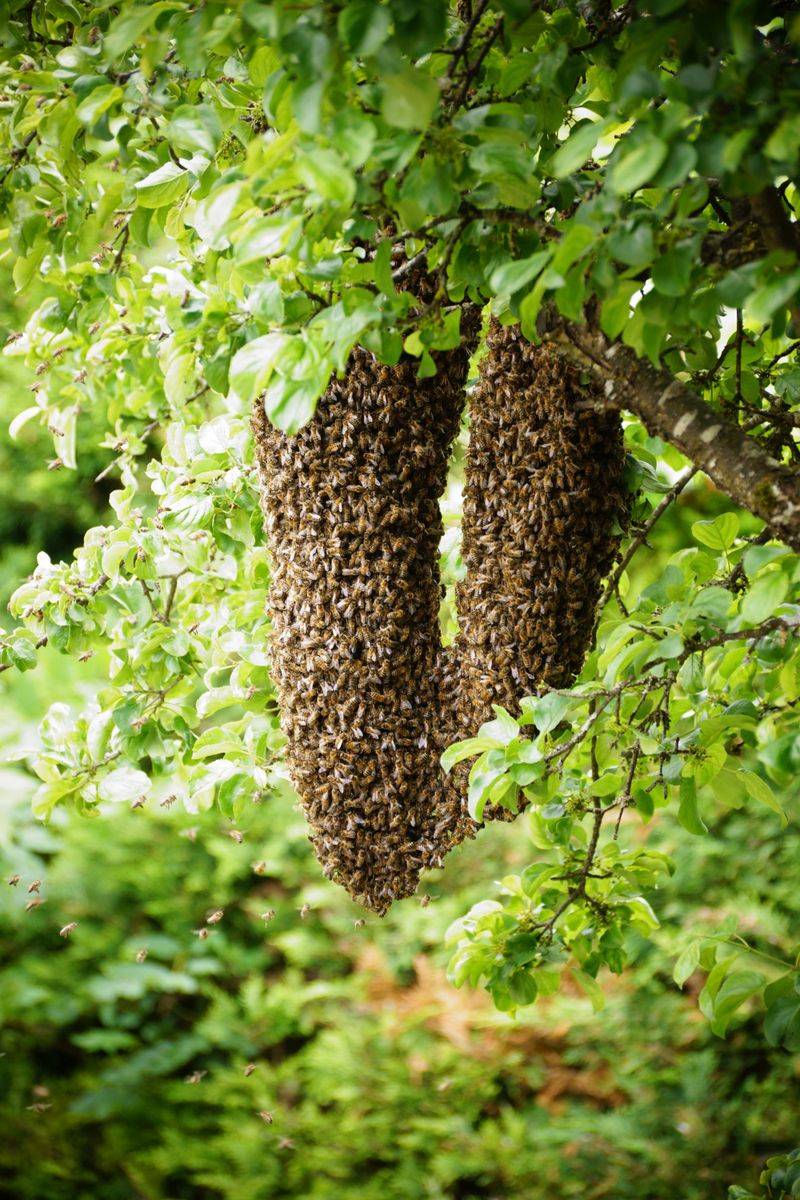
Now and then, a honey bee swarm skips the hollow tree and builds wax combs right out in open air. Beekeepers call these exposed nests open-air colonies, and they look like pale curtains hanging from a branch.
Apis mellifera usually prefers a dark cavity, so these hanging combs are rare and memorable sights. When leaves fall, the golden wax sheets stand out against gray bark like something from a storybook.
Unlike paper wasps, honey bees build with wax, and the colony tries to survive winter as a group. Open-air colonies in Minnesota rarely make it through the bitter cold, so many combs you spot are empty.
Still, a winter cluster can hang on, so treat any comb with buzzing bees as an active nest. A honey bee worker stings once and loses her barbed stinger, but a crowd can still deliver many stings.
I spotted one of these combs on a farm windbreak years ago, and it honestly took my breath away. The layered wax looked delicate, yet it had held together through months of wind and heavy rain.
If you find a live colony, please avoid spraying it, because local beekeepers often love a rescue call. Many state and county beekeeping groups keep swarm lists, and they may remove the bees for free.
Empty comb can attract wax moths and mice, so removing it in late winter keeps things tidy. Some gardeners even melt the clean wax down for candles or homemade lip balm after a careful rinse.
8. Bumble Bees Sometimes Claim Old Bird Nests In Trees
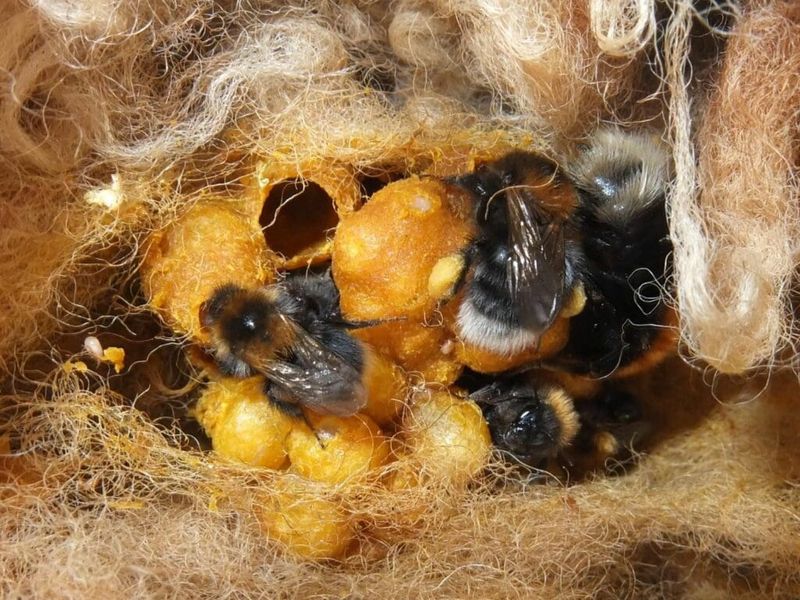
That messy old bird nest in your crabapple might have hosted a surprising summer tenant with fuzzy stripes. Some bumble bee queens settle into abandoned bird nests, though most species prefer old rodent burrows near the ground.
Bumble bees belong to the genus Bombus, and Minnesota hosts a couple dozen species across its prairies and woods. Their nests hold small waxy pots for honey and pollen, packed under a cozy blanket of grass or feathers.
Spotting one takes a sharp eye, since the bees reuse a nest that looks ordinary from the ground. Bare branches help, because cup nests and leafy squirrel nests show up clearly once the canopy thins out.
Bumble bees are gentle compared with wasps, and they usually sting only when someone grabs or crushes them. Females can sting more than once, so give an active nest plenty of space during summer yard work.
By fall the old queen and workers fade away, and only newly mated queens hunt for winter shelter. Those queens usually burrow into loose soil or leaf litter rather than staying in the empty tree nest.
I leave the fallen leaves under my shrubs for exactly that reason, and I skip fall tilling too. Those sleepy queens become the first pollinators buzzing around my willows and early spring flowers next year.
Several native bumble bees are in decline, including the rusty patched bumble bee, which is federally endangered. Leaving old bird nests in place over winter costs you nothing and may help a future colony get started.