8 Vegetables You Can Still Grow in a Virginia Winter Garden
A frosty garden leaf can turn sweeter after a cold snap, because the plant stores extra sugar as natural antifreeze. That chilly trick explains why some backyard harvests taste better in January than in late September.
Most of Virginia sits in hardiness Zone 7, though the mountains run colder and the coast stays noticeably milder. Hard freezes with daytime highs below freezing often hold off until mid-December or early January in many areas.
I have to admit that pulling crisp food from a frosty bed makes me feel like a wizard. You mostly need a sunny patch and an old sheet of row cover tossed over the bed on cold nights.
Some of these crops even shrug off snow, and a few hide their best treats underground until you go digging. So which cold-loving Virginia vegetables deserve a spot in your beds before the next hard freeze arrives?
1. Kale
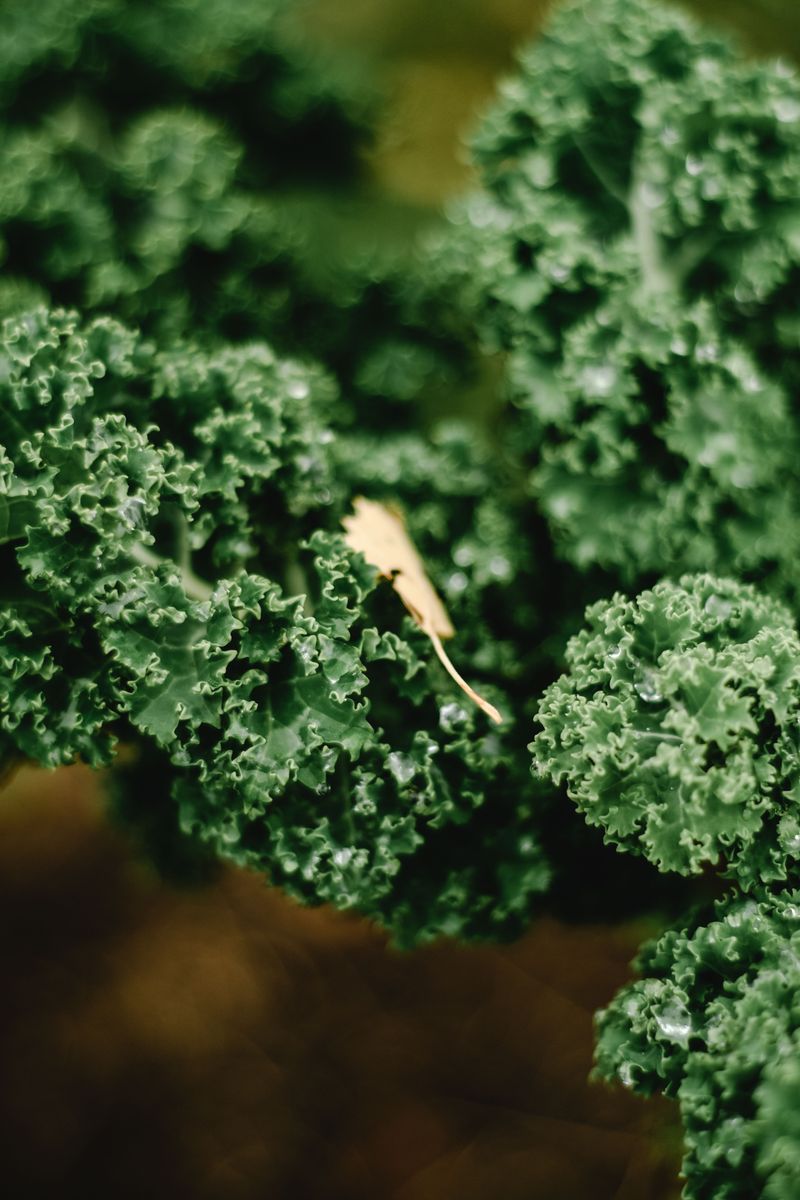
Snow piled on a kale bed looks dramatic, yet the leaves underneath often stay crisp and ready for picking. Kale, or Brassica oleracea var. sabellica, ranks among the toughest greens you can keep going through winter.
I love how a few frosty nights turn the leaves sweeter, since the plant converts starches into sugars. That flavor shift makes winter kale taste milder than the slightly bitter bunches you find in summer.
Timing matters more than anything else with this crop, so plants should reach good size before the deep cold arrives. Late summer or early fall sowing gives roots and leaves several weeks to settle in before freezing weather.
If you missed that window, look for healthy transplants at a local garden center and tuck them under row cover. Fabric covers can add a few weeks of growth and shield tender leaves from harsh drying winds.
Kale grows best in full sun to light shade, with moist, well-drained soil that holds plenty of compost. Winter sun sits low in the sky, so choose a bed that avoids long shadows from fences or buildings.
Varieties differ quite a bit, and Red Russian offers flat, frilly leaves with purple stems that look lovely in salads. Lacinato, sometimes called dinosaur kale, has bumpy dark leaves that hold up well in soups and stews.
Harvest the lower, outer leaves first and leave the central bud alone so new growth keeps coming from the top. Personally, I pick a handful every week and rarely need to buy greens at the store all winter.
2. Collard Greens
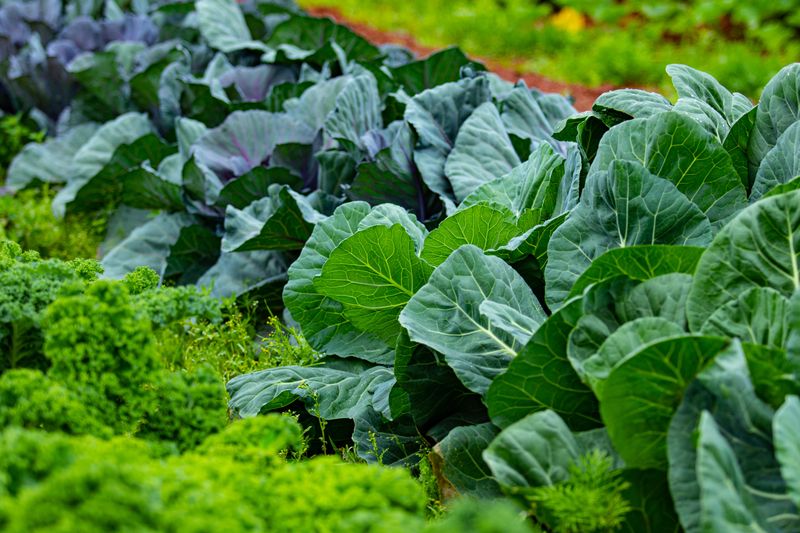
Southern cooks have trusted collard greens through cold weather for generations, and the plant has earned that loyal following. Brassica oleracea var. viridis is a close cousin of kale, though its broad, flat leaves look more like paddles.
What surprises me most is how much cold these sturdy plants can take once they are well established. Many gardeners report collards handling temperatures in the teens, and some varieties hold up even lower with protection.
Like kale, collards pick up a sweeter flavor after frost, which explains the old saying about waiting for a cold snap. A pot of winter collards often tastes richer and less sharp than greens picked during hot weather.
Plant seeds or transplants in late summer to early fall, giving roots time to spread before the soil turns chilly. Collards prefer full sun and fertile, well-drained ground with a pH somewhere between 6.0 and 7.0.
A simple soil test through your county extension office can tell you whether your beds need lime or extra nutrients. Virginia Cooperative Extension offers affordable test kits, and the results take much of the guessing out of feeding.
Mature plants can reach two to three feet tall, so give each one about eighteen inches of space in the row. Crowded collards compete for light, and they also trap moisture that may invite leaf spots during damp spells.
Pick the lower leaves as they reach a useful size, working upward while the top keeps sending out fresh growth. You might notice the stems getting tall and leggy by late winter, which is perfectly normal for this crop.
3. Spinach
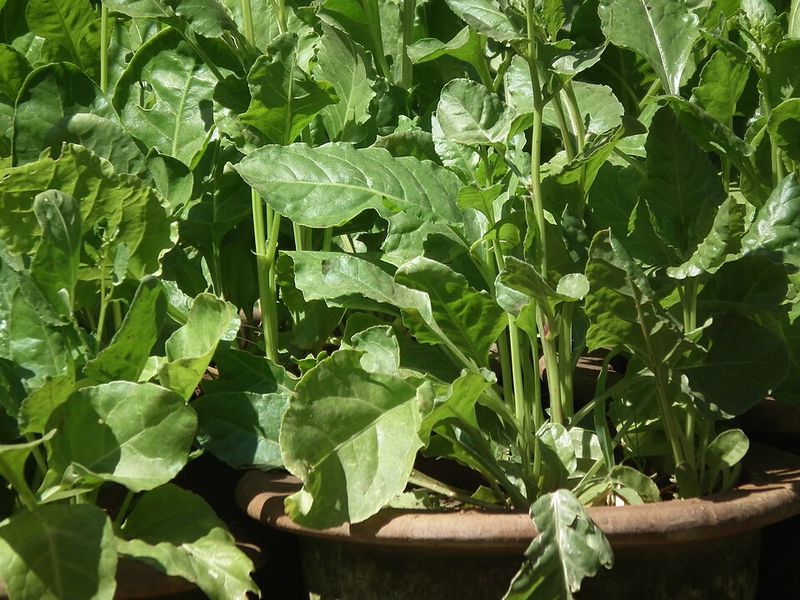
Tiny spinach plants can sit frozen stiff on a January morning and look perfectly fine by lunchtime. Spinacia oleracea handles cold remarkably well, especially when young plants get established before the hardest weather settles in.
Spinach seeds actually prefer cool soil, and germination drops off once the ground warms past roughly seventy degrees. That preference makes fall one of the easiest seasons to start this crop without fighting heat and early bolting.
In milder parts of the state, gardeners can often sow spinach into late fall and let it overwinter under cover. Plants that look small going into winter frequently burst back with fresh leaves once days lengthen again.
A cold frame is my favorite partner for this crop, since it traps daytime warmth and blocks the worst wind. Just prop the lid open on sunny days, because the inside can heat up surprisingly fast even in chilly weather.
Spinach likes full sun to partial shade and loose soil enriched with compost or other organic material. Good drainage matters a lot, because roots sitting in cold, soggy ground tend to rot before spring arrives.
For a steady supply, sow short rows every couple of weeks in early fall instead of planting one big batch. Staggered plantings mean you will have some leaves ready while younger seedlings are still catching up behind them.
Because the plants stay compact, spinach fits nicely in containers or a narrow raised bed along a sunny wall. Harvest outer leaves regularly, and I think you will love how tender winter spinach tastes in a quick salad.
4. Carrots
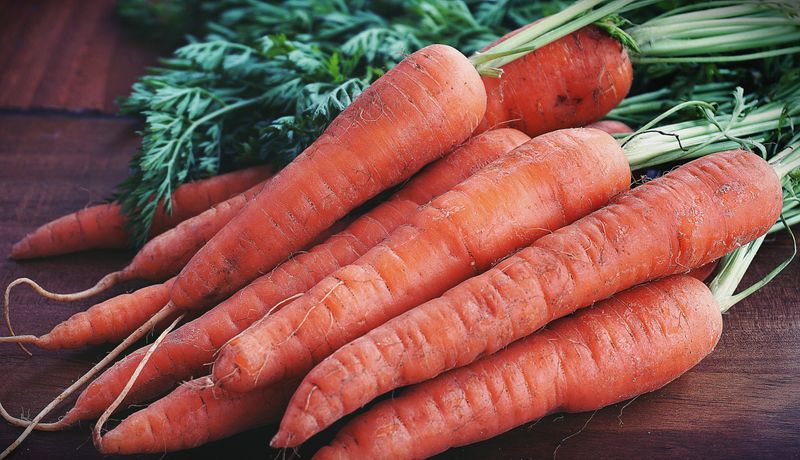
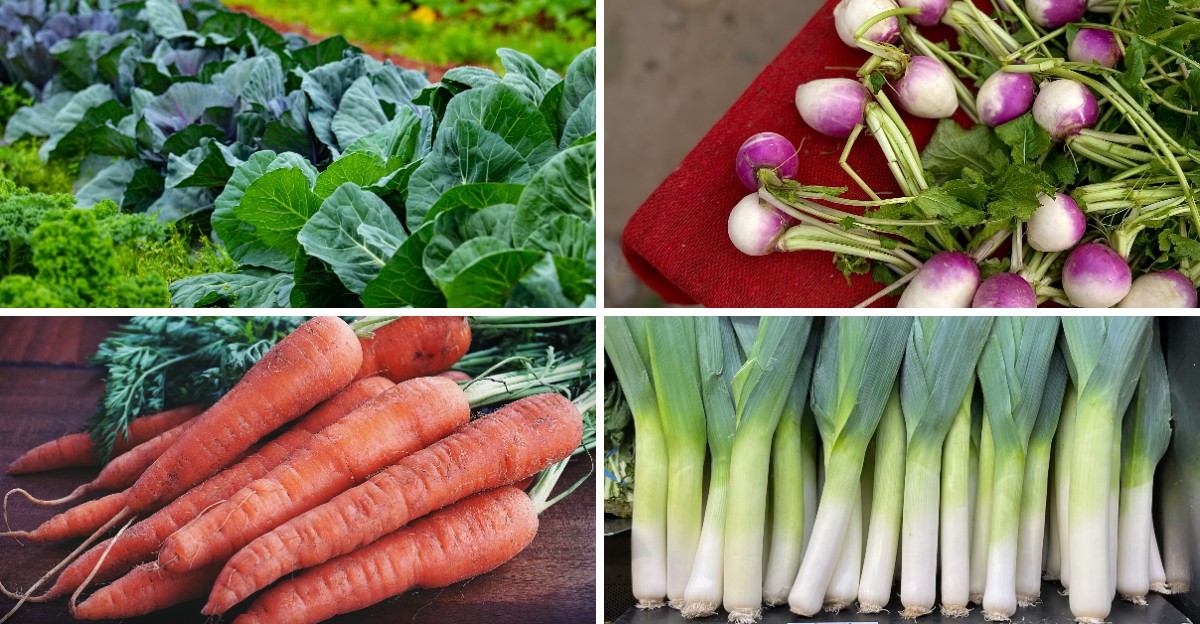
Pulling a carrot from cold soil in midwinter feels like finding buried treasure, and the flavor makes the reward even sweeter. Daucus carota subsp. sativus turns stored starch into sugar as temperatures drop, which helps protect the root from freezing.
Many growers swear that frost-kissed carrots taste almost like candy compared with the ones harvested in summer heat. I can’t imagine going back to bland store carrots after tasting a sugary orange root straight from a chilly bed.
The catch is timing, because carrots need several weeks of growth before winter and rarely size up during short, cold days. Seeds sown in late summer or early fall usually reach a good size before the hard freezes settle in.
Loose, well-drained soil free of rocks and clumps lets roots grow straight instead of forking into odd shapes. Heavy clay beds work better with shorter types like Danvers or round Paris Market carrots, which handle tougher ground.
Keep the seedbed evenly moist while seeds sprout, since carrot seeds are tiny and germinate slowly near the surface. A light board or burlap over the row can hold moisture, but lift it as soon as seedlings appear.
Once cold weather arrives, a thick layer of straw mulch over the row acts like a cozy blanket for the roots. In much of Virginia, you can leave carrots in the ground and dig them as needed through winter.
Mark the row with stakes, because snow and mulch make it surprisingly easy to lose track of where everything grows. Dig on milder afternoons when the soil is not frozen, and you will avoid snapping roots in half.
5. Turnips
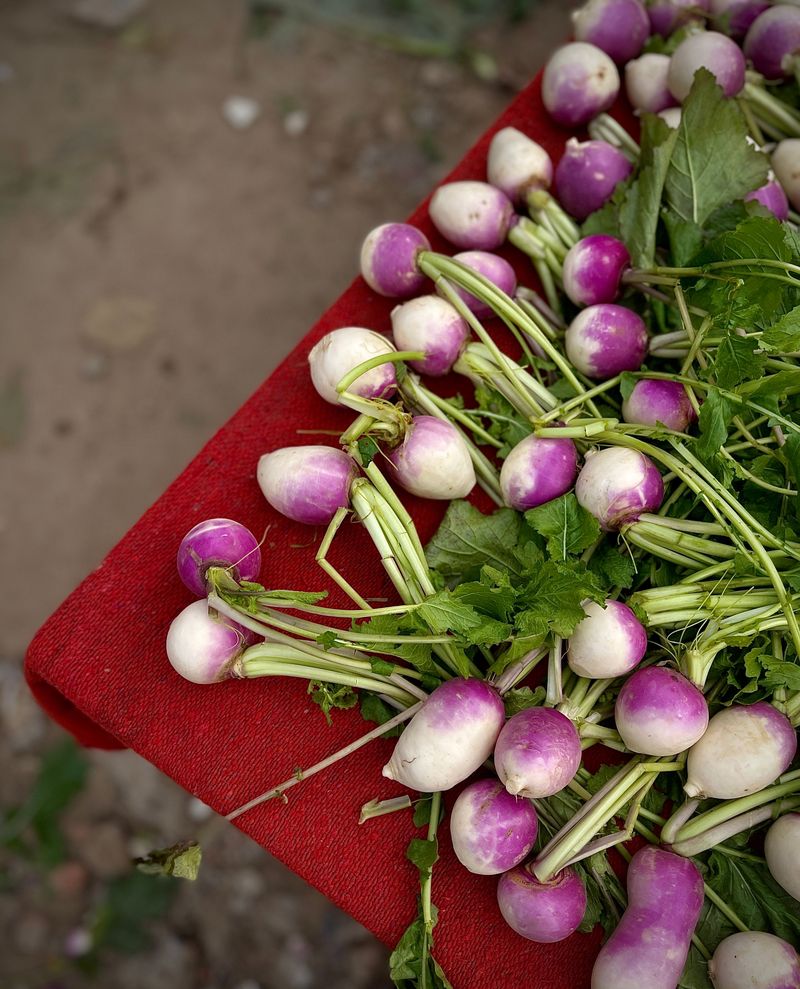
Two harvests from one seed sounds like a garden bargain, and turnips deliver exactly that with very little fuss. Brassica rapa subsp. rapa gives you peppery greens on top and a crunchy root below, both tasting sweeter after frost.
I like how quickly these plants grow, since some salad types are ready in about five or six weeks. Hakurei, a Japanese variety with smooth white roots, tastes mild enough to eat raw like a crisp apple slice.
Classic Purple Top White Globe takes a little longer but stores well and holds up nicely in hearty winter stews. Both types appreciate full sun and fertile, well-drained soil with a pH between roughly 6.0 and 7.0.
Sow seeds in late summer or early fall so roots reach full size before hard freezes arrive in your area. Fast varieties may still produce under a cold frame or row cover when sown a bit later in mild regions.
Thin seedlings to about four inches apart, and toss the thinnings into a salad instead of the compost pile. Crowded turnips tend to make skinny roots, while properly spaced plants form round, smooth bulbs you will enjoy.
Young greens are tender enough for salads, while older leaves taste wonderful sauteed with garlic or simmered slowly. Just avoid stripping every leaf from one plant, because the root needs some foliage to keep growing underground.
Pile mulch around the shoulders of the roots as winter deepens, since exposed tops can suffer damage in a hard freeze. Harvest roots while they are still small and tender, because oversized turnips can turn woody and strong.
6. Brussels Sprouts
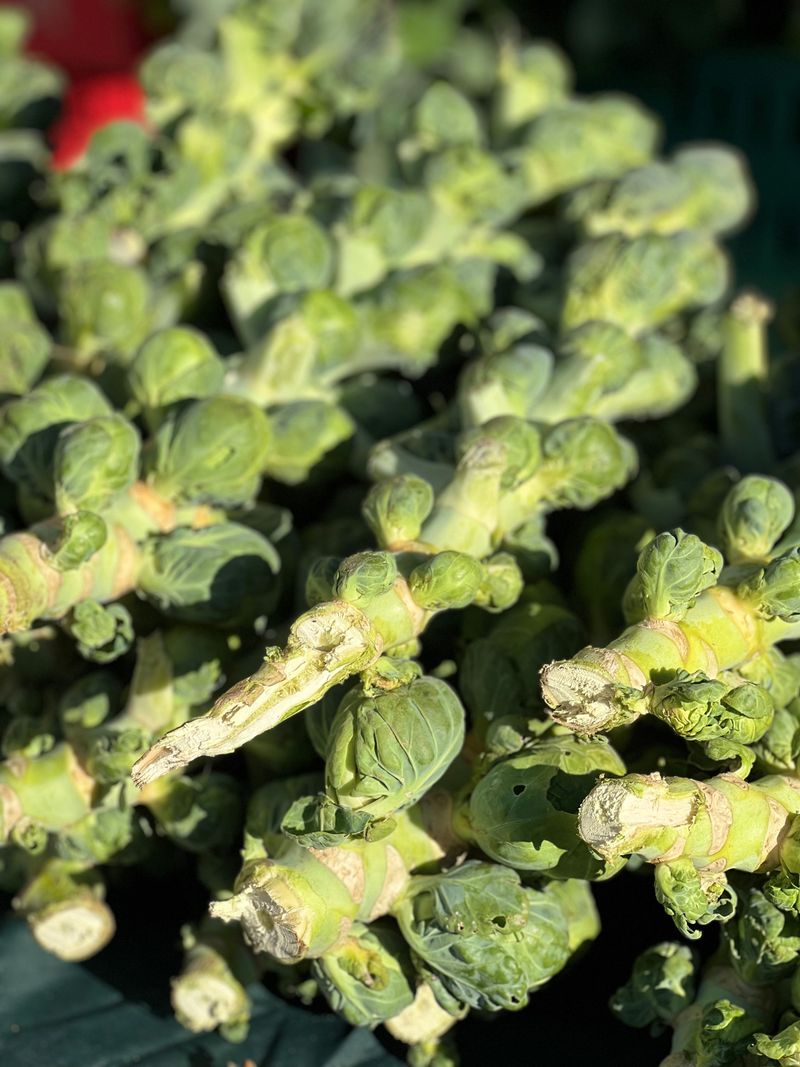
Few vegetables look as quirky as a Brussels sprout stalk covered in tiny cabbages from the soil line upward. Brassica oleracea var. gemmifera can grow two to three feet tall, and the knobby stems often draw questions from visitors.
Frost works magic on this crop, mellowing the sharp flavor that gives sprouts a bad reputation among picky eaters. Personally, I think anyone who dislikes Brussels sprouts simply has not tasted a frosty one roasted with olive oil.
Patience is required, because these plants need a long growing season of roughly three months or more after transplanting. Gardeners usually set out transplants in mid to late summer, so sprouts start forming as fall weather cools down.
If your plants are already standing in the garden, you are in great shape for picking well into winter. If not, make a note to start seeds in early summer next year so you can enjoy this treat later.
Brussels sprouts need full sun and rich, well-drained soil that stays evenly moist without turning soggy or waterlogged. Tall plants may lean or topple in winter wind, so a sturdy stake beside each stalk offers helpful support.
Some growers pinch off the top growing tip a few weeks before harvest to help the sprouts size up evenly. Remove yellowing lower leaves as you go, which improves airflow and makes the developing sprouts easier to reach.
Start harvesting from the bottom of the stalk when sprouts feel firm and measure about one inch across. Twist them off gently, and the upper sprouts will keep maturing for weeks while cold weather sweetens each new batch.
7. Cabbage
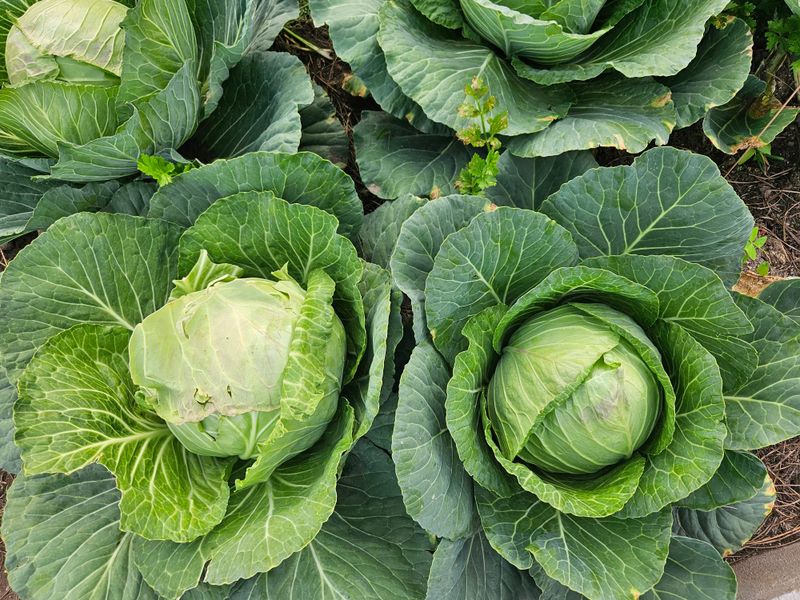
A cabbage head can feel as heavy as a bowling ball by harvest time, packed tight with crisp leaves. Brassica oleracea var. capitata has fed families through cold seasons for centuries, and it still earns a place in winter beds.
Like its brassica cousins, cabbage develops a sweeter taste after a few frosty mornings in the garden. You’re in for a big surprise if you only know the watery heads that sit for weeks in grocery bins.
Established plants tolerate significant cold, especially savoy types with crinkled leaves that many gardeners consider extra hardy. Very young or recently transplanted cabbages are more tender, so they appreciate a blanket of row cover on bitter nights.
Set out transplants in late summer or early fall so heads have time to form before the harshest weather arrives. Full sun and fertile, well-drained soil with a pH between 6.5 and 7.0 keep growth steady and strong.
Cabbage is a heavy feeder, so mix compost into the bed before planting and side-dress with nitrogen a few weeks later. Steady moisture also matters, because uneven watering followed by heavy rain can cause mature heads to split open.
Smaller early varieties fit tight spaces well, while big late types need about eighteen inches or more between plants. In coastal Virginia, mild winters let many gardeners keep cabbages growing slowly through the coldest months.
Harvest when the head feels firm and solid after a gentle squeeze, cutting the stem just below the bottom leaves. Leave the stump and roots in place, and some plants will send up several small bonus heads afterward.
8. Leeks
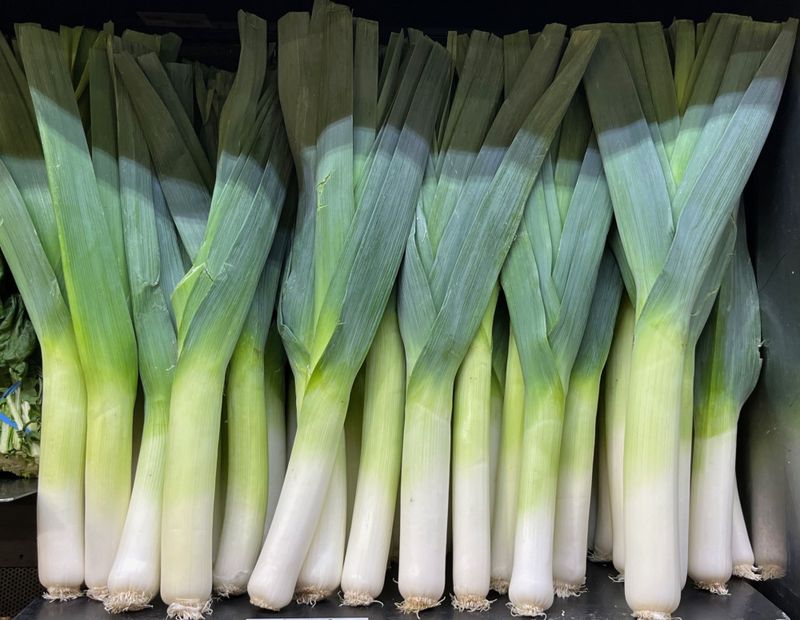
Leeks stand tall in a frosty bed like green-and-white candles, waiting calmly for you to need them. Allium ampeloprasum var. porrum belongs to the onion family, yet its flavor stays mild and gentle when cooked.
What makes leeks special is their ability to hold in the ground for months without losing much quality. Many varieties, especially blue-green winter types like American Flag, handle hard freezes far better than most bulb onions can.
The trick is planning ahead, because leeks grow slowly and need a long head start before cold weather arrives. Gardeners usually start seeds indoors in spring and move seedlings outdoors by early or mid summer for winter harvests.
Choose a sunny spot with rich, well-drained soil that has a pH between roughly 6.0 and 7.0. Leeks dislike competition, so keep weeds pulled and water deeply during dry stretches while the plants are still sizing up.
As stems thicken, gradually mound soil or mulch around them to block sunlight from the lower portion of each plant. That process, called blanching, creates longer white shanks that taste tender and sweet in soups and savory pies.
I believe leeks are one of the most forgiving vegetables for winter gardeners, since they rarely mind sleet or snow. A thick layer of straw around the base can make digging easier when the ground starts to stiffen.
Harvest by loosening the soil with a fork and lifting each leek gently instead of yanking it straight up. Rinse them carefully, because soil loves to hide between the layers, then enjoy a warm pot of potato leek soup.