7 Yard Features Texas Neighborhoods Can Restrict, Regulate, Or Protect
Your homeowners association in Texas cannot fine you for a brown lawn during official watering restrictions, and that rule surprised me. The protection even lasts sixty days after local restrictions lift, giving thirsty grass a legal break.
Lawmakers have been quietly redrawing the line between personal yard choices and neighborhood rules for several years now. Some familiar features are gaining legal shelter, while others sit in a gray zone with surprisingly little protection.
I have to admit, I used to assume my backyard was mostly my own private business. You might notice the same thing I did once you start reading your community covenants a little more closely.
Across Texas, a few beloved yard features are facing fresh scrutiny from city councils and homeowner associations alike. So which of your favorite outdoor touches could quietly land on the restricted list in your own neighborhood next?
1. Thirsty Green Turfgrass Lawns
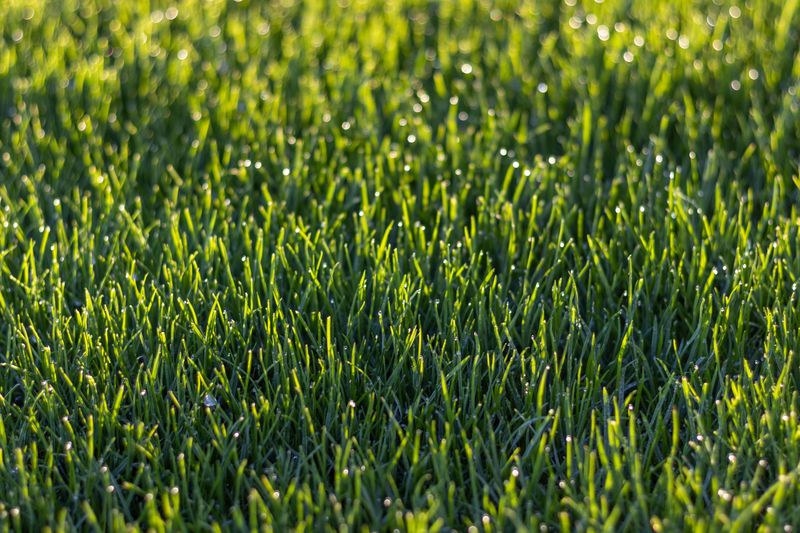
That perfect green carpet many of us inherited from our parents may be the first feature to lose its crown. A 2025 state law reportedly stops associations from requiring homeowners to plant or maintain living turfgrass at all.
Personally, I find this shift thrilling, because St. Augustine grass can drink an astonishing amount of summer water.
Native Texas yards often handle heat better with buffalograss, which needs far less irrigation once it settles in.
State law already shields you from fines when your lawn turns brown during official watering restrictions in your area.
That protection continues for sixty days after restrictions end, which gives dormant grass a fair chance to recover.
Associations can still require a neat, maintained look, so a turf-free yard does not mean letting weeds run wild. You need a clear plan with defined beds and crisp edges that look intentional from the street.
I like how drought-tolerant groundcovers such as frogfruit spread low and attract butterflies without demanding weekly mowing sessions.
Frogfruit, known scientifically as Phyla nodiflora, is a native that handles foot traffic surprisingly well in sunny spots.
Before tearing out any grass, submit your landscape plan to the architectural committee and keep copies of every approval. Paper trails save headaches later, especially when board members change and older decisions get quietly forgotten.
Fall is a smart window for planting many natives, since cooler weather helps roots establish before the next summer.
Your water bill might shrink noticeably, and your weekends could finally belong to something other than a lawnmower.
2. Rain Barrels Sitting Beside The Front Porch
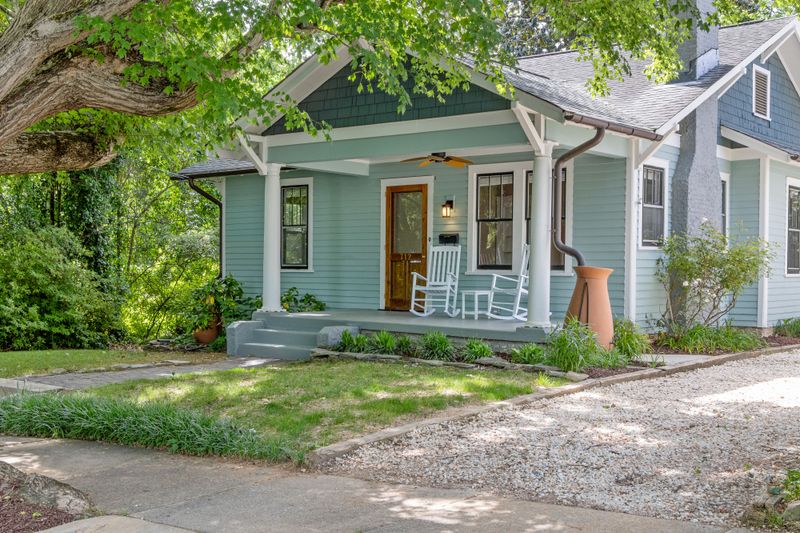
A single inch of rain falling on a 1,000 square foot roof produces roughly 600 gallons of water. I can’t imagine letting all that free water rush down the driveway when my thirsty tomatoes are waiting nearby.
State law generally prevents associations from banning rain barrels or rainwater harvesting systems outright on your property.
However, associations can still regulate how those barrels look, which is where many homeowners get unexpectedly tangled up.
Rules may control barrel color and screening, and some limit barrels placed between your house and the street. In many cases, a barrel facing the front must blend with your home or hide behind shrubs.
I love how a simple barrel tucked beside the garage can quietly water a whole bed of herbs. Placing it at a back corner downspout often keeps both the board and your plants happy at once.
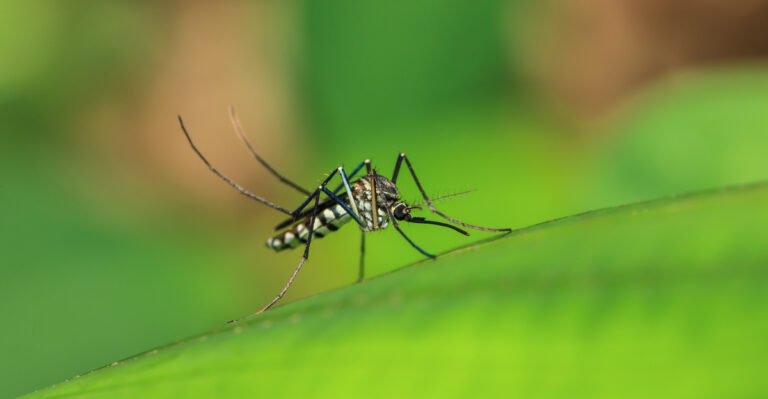
Choose a barrel with a tight lid and fine mesh screen, since standing water can attract breeding mosquitoes quickly.
Texas A&M AgriLife Extension recommends screening openings and using collected water mostly for landscape plants rather than drinking.
Earth-toned barrels in brown or dark green rarely draw complaints compared with bright blue industrial drums. A little lattice or a row of native shrubs like yaupon holly can soften the look nicely.
Ask your association for written guidelines before buying anything, because rules vary widely from one community to the next. A quick email now could spare you from moving a heavy, full barrel across the yard later.
3. Tomato Plants Growing In Front Yard Vegetable Beds
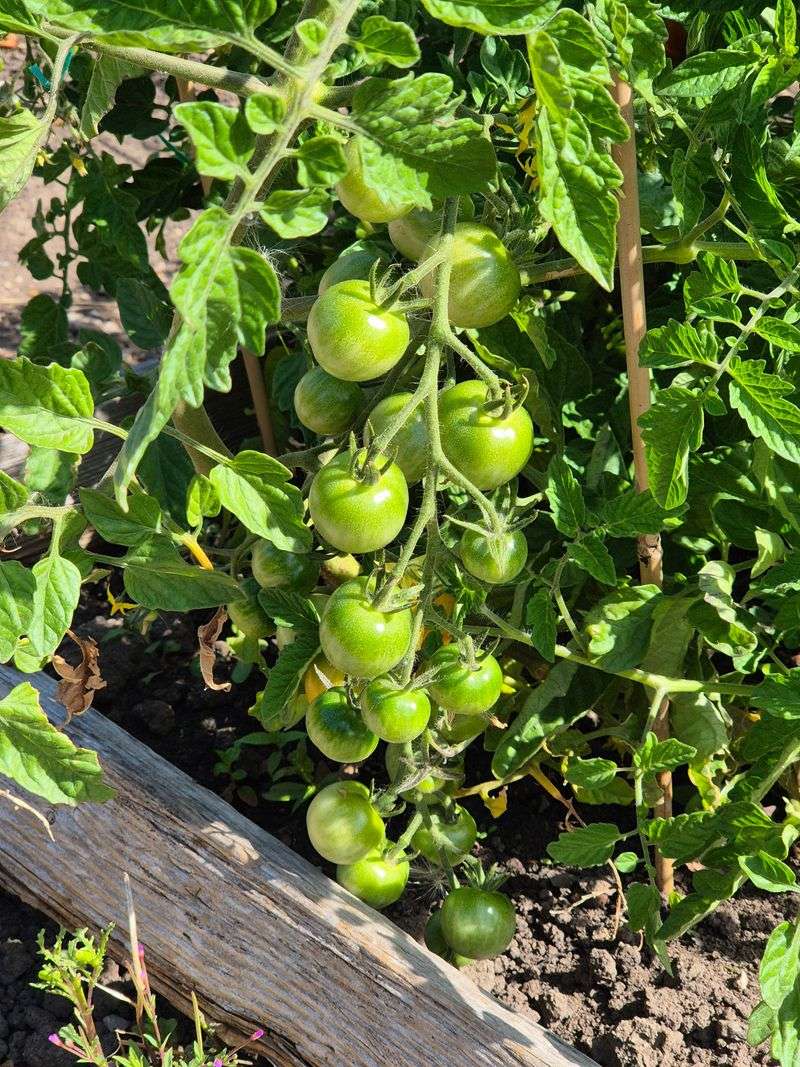
Nothing beats stepping onto your front walk and grabbing a warm, ripe tomato on the way to the mailbox. Sadly, those curbside veggie patches sit in one of the shakiest legal spots of any feature on this list.
No statewide law currently protects front yard food gardens from association rules, according to several legal guides I reviewed.
A 2025 bill aimed at protecting edible gardens did not pass, leaving those decisions largely with local boards.
I have to admit, that gap frustrates me, since growing food feels like one of the most wholesome hobbies around.
Still, many associations enforce curb appeal rules that can restrict sprawling squash vines or towering okra near the sidewalk.
A sneaky solution involves mixing edibles into ornamental beds so they blend with flowers instead of standing out. Swiss chard with bright stems looks stunning beside marigolds, and many neighbors will not realize it is dinner.
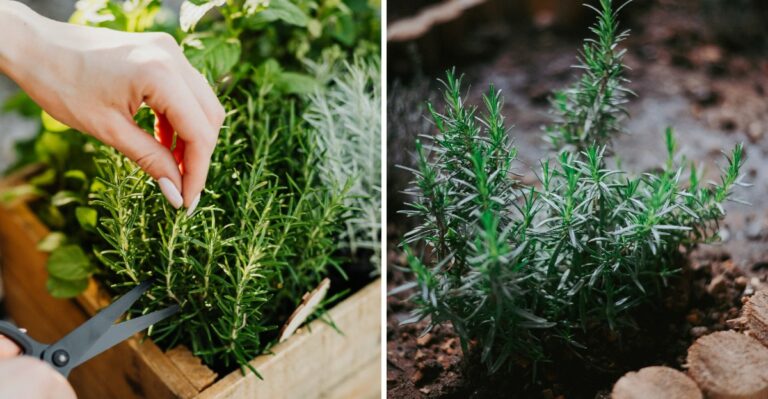
Rosemary makes a handsome evergreen shrub, and it tolerates heat and poor soil better than many fussy ornamentals do.
Peppers in tidy raised beds also look intentional, especially when you keep stakes neat and harvest regularly.
Cool weather crops like lettuce and kale grow well across much of the state from fall through early spring.
Their compact, leafy shapes rarely draw complaints, and they look surprisingly elegant edging a front walkway.
Check your deed restrictions first, then talk with your board before planting anything large in visible areas. A friendly conversation and a sketch of your plan can turn a skeptical committee into curious supporters.
4. Clotheslines Full Of Laundry Drying In The Backyard
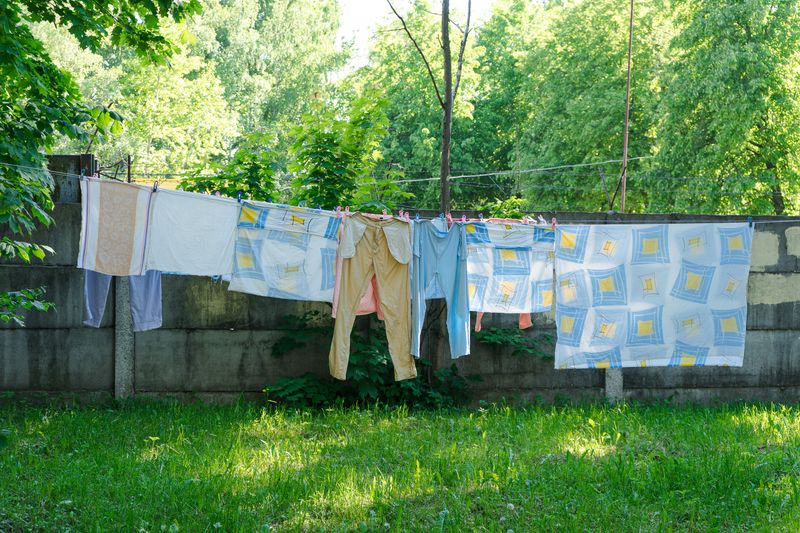
Sun-dried sheets carry a crisp, sweet scent that no dryer sheet has ever quite managed to copy for me.
Unfortunately, the humble clothesline remains one of the easiest backyard features for an association to restrict in writing.
Several states have passed right-to-dry laws, but Texas has not adopted one that clearly protects outdoor clotheslines.
That means your community covenants mostly decide whether a line of drying towels is allowed outside your home.
Some homeowners argue that solar access laws should cover clotheslines, since drying laundry uses energy straight from the sun. Personally, I like that idea, but courts have not widely supported that interpretation, so I would not count on it.
Many associations cite appearance concerns, claiming that visible laundry lowers neighborhood appeal and possibly nearby property values.
Whatever you think of that argument, the rules are often enforceable when they appear clearly in your deed restrictions.
A retractable line that disappears when not in use is often the friendliest compromise for strict neighborhoods. Folding drying racks placed on a covered patio can also work nicely, especially behind a solid privacy fence.
Humid summer afternoons can slow drying near the coast, so morning sunshine tends to give the best results. Hanging dark clothes inside out helps reduce fading, which I learned after ruining a favorite gardening shirt.
If your association bans clotheslines, you can petition the board to revisit the rule at the next meeting. Energy savings and reduced dryer wear make a persuasive case, especially when neighbors sign on with you.
5. Chinese Tallow Trees And Other Invasive Plants
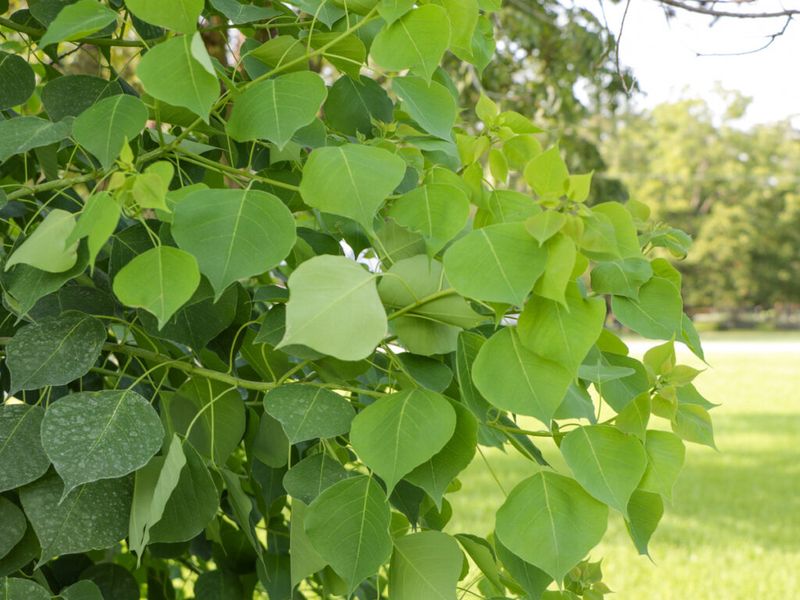
Those glowing red and orange leaves on Chinese tallow trees look gorgeous each autumn, which makes their reputation surprising.
Triadica sebifera is listed as a noxious plant by state agriculture officials, so selling or distributing it is restricted.
The Texas Department of Agriculture keeps an official noxious and invasive plant list that also includes saltcedar and kudzu.
Those plants spread aggressively, crowding out native vegetation and changing habitats that local wildlife depends on.
What surprises me most is how many invasive species still grow in older yards planted decades ago. Owning an existing tree is usually not illegal, but replanting or spreading those plants creates real problems.
Chinese tallow seeds are eaten and spread by birds, which helps the tree invade prairies and wetlands far away. Removing young seedlings by hand while the soil is moist is much easier than tackling mature trees later.
Some cities also discourage planting nuisance species like nandina or Chinaberry, even when they are not banned statewide.
I believe checking a local invasive list before shopping saves money and protects the creeks running behind our neighborhoods.
For fall color, try native alternatives such as Texas red oak or flameleaf sumac in sunny spots. Possumhaw holly offers bright red winter berries that songbirds adore, and it handles clay soil surprisingly well.
Large tallow removals may need a certified arborist, especially near homes or power lines where safety matters most.
Ask your local extension office about proper disposal, since seeds and cuttings can sprout again if left lying around.
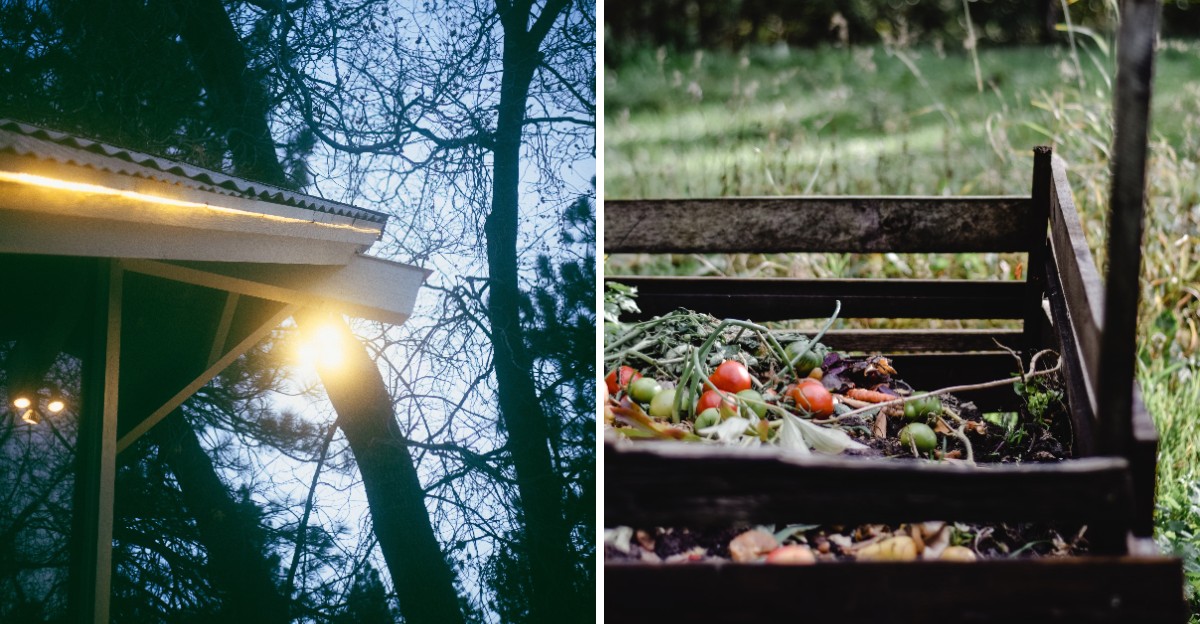
6. Bright Unshielded Porch Lights Glaring Into The Night Sky
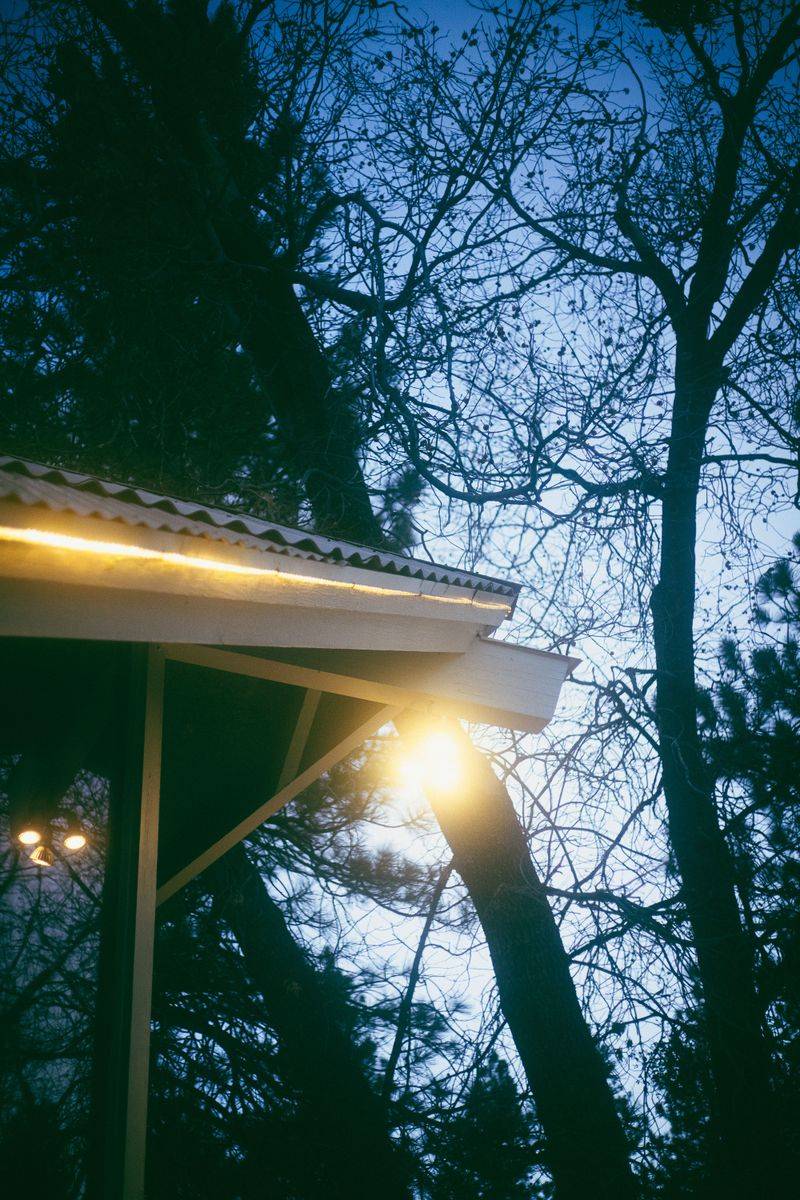
Stars over the Hill Country can look bright enough to read by, unless a neighbor’s floodlight steals the show.
Several communities now have dark sky ordinances, and Dripping Springs became an International Dark Sky Community back in 2014.
These rules typically require fully shielded fixtures that aim light downward instead of spraying it across property lines. Many ordinances also favor warmer bulbs, often around 3000 Kelvin or lower, which cast a softer golden glow.
I love how a warm, shielded path light makes a garden feel cozy rather than like a stadium parking lot. Some towns add curfews, asking homeowners to dim or switch off decorative lighting after a certain hour each night.
Night lighting matters for wildlife too, since many moths are drawn to bright fixtures and waste precious energy circling them.
Migrating birds can also become disoriented by excessive artificial light, especially during busy spring and fall migration seasons.
You might notice more fireflies in yards with darker corners, since their flashing signals work best without competing glare.
Motion sensor lights give you security when needed while keeping the yard dark most of the evening.
Look for fixtures labeled dark sky friendly, and point any spotlights down toward plants rather than up into trees. Amber or warm white LED bulbs use little energy and often fit within most local lighting guidelines.
Check your city code before buying new lights, because violations in some communities can bring fines or required replacements. Swapping a few bulbs and adding simple shields is usually an easy, affordable fix for most homes.
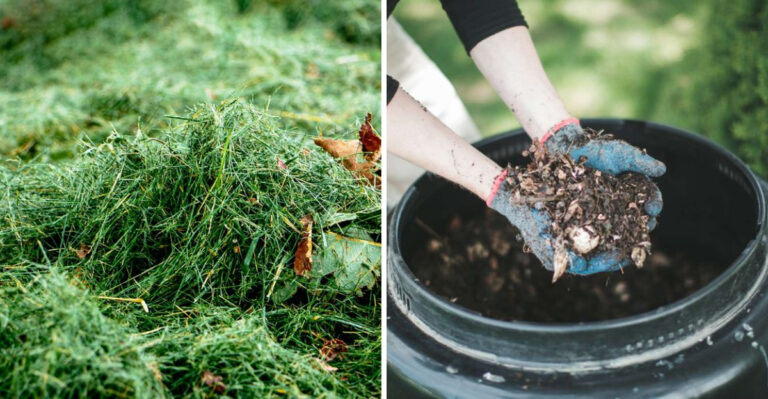
7. Open Compost Piles Visible From The Street
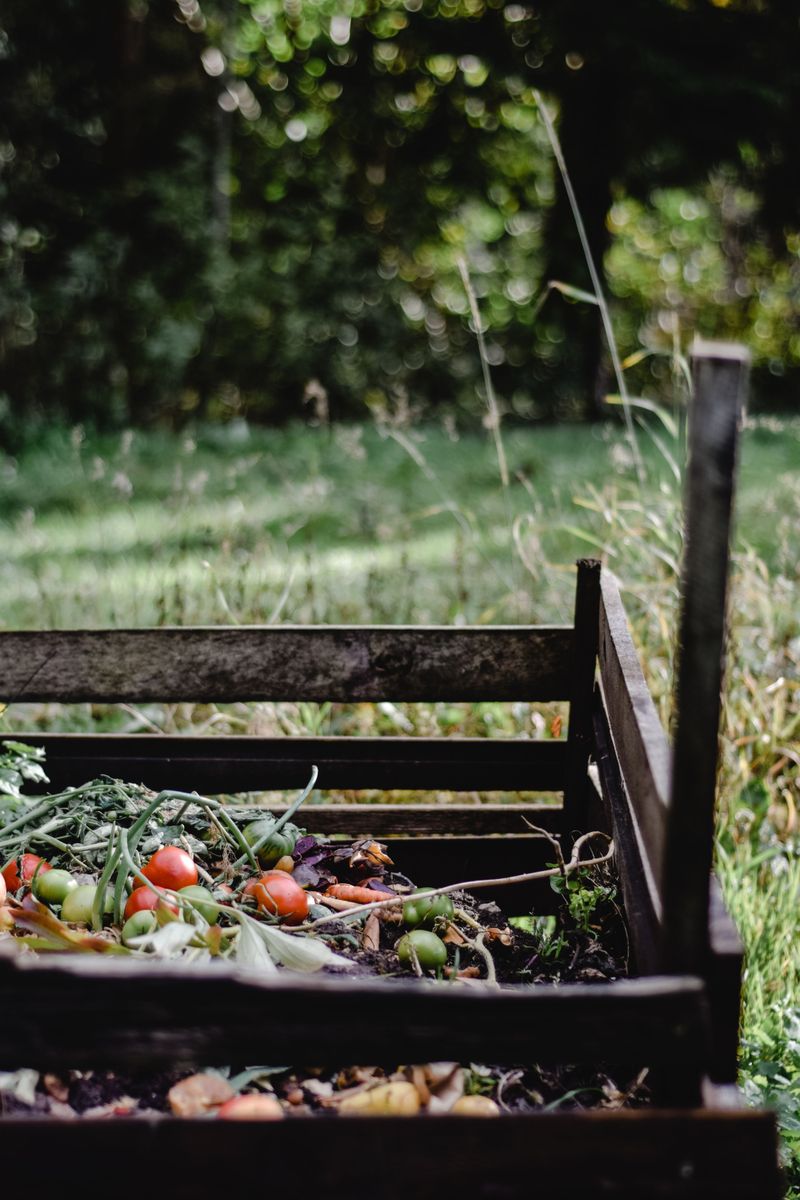
A steaming compost pile on a chilly morning feels like a small miracle happening right beside the garden shed.
State law actually protects composting, as Property Code Section 202.007 prevents associations from banning it outright for homeowners.
That same law lets associations regulate the appearance and location of composting devices, which matters for open piles. An informal heap of leaves and kitchen scraps in plain view could still break your neighborhood rules.
Personally, I think a tidy bin hidden behind a fence is the safest route for keeping everyone content. Enclosed tumblers work well in small yards, and they keep curious raccoons and neighborhood dogs out of scraps.
Balance green materials like vegetable peels and grass clippings with brown materials such as dry leaves and shredded cardboard. A healthy pile smells earthy rather than sour, so a foul odor usually signals too much wet green material.
Skip meat and dairy scraps, since they attract pests and create the very smells that trigger neighbor complaints. Turning the pile every week or two adds oxygen, which speeds decomposition and keeps things smelling pleasant.
Hot summers can dry compost quickly, so a quick sprinkle keeps the pile about as damp as a wrung sponge. Autumn leaves make fantastic brown material, and collecting them now gives you a steady supply for months.
Ask your board for written composting guidelines and place your bin in an approved spot before filling it. Rich, crumbly compost will reward your patience by feeding vegetable beds and flower borders all year round.