The One Thing Virginia Gardeners Must Do for Roses Before Winter
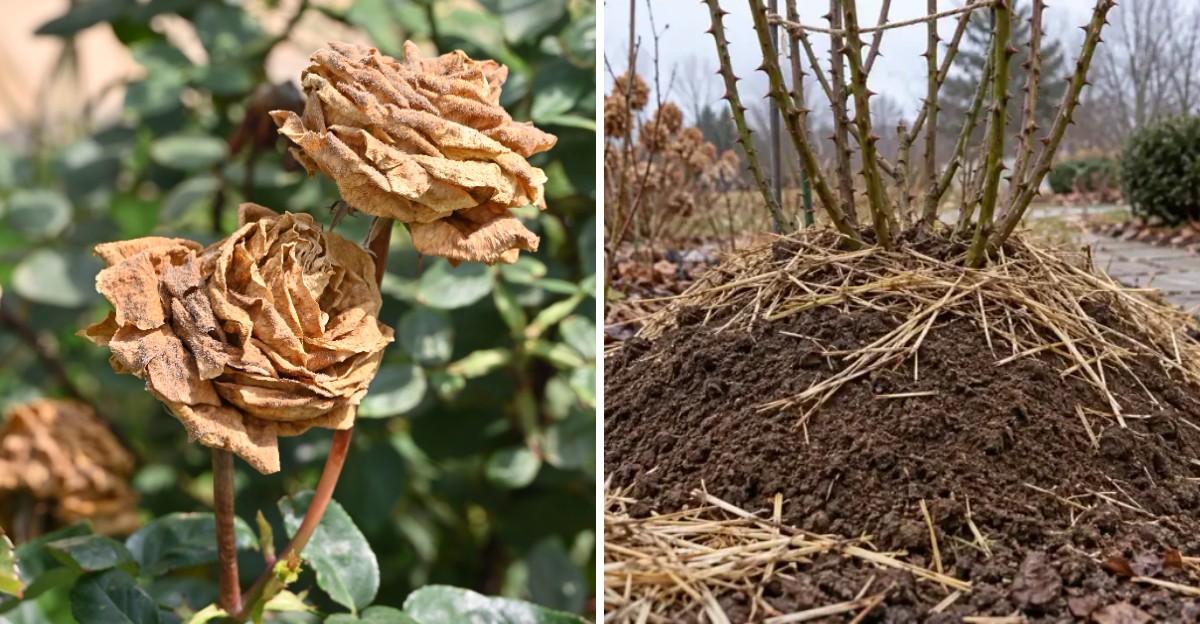
Most modern roses are actually two plants fused together at a knobby little bump near the soil. Cold air can hurt that tiny joint more than a pile of snow on the canes.
I learned this the hard way years ago. A gorgeous red climber went into winter looking healthy and came back in spring as a thicket of wild canes with plain little flowers. The fancy top had failed, and the tough rootstock took over.
Here in Virginia, winters love to play games. A sunny 60-degree afternoon can drop to 15 degrees by morning, and those swings are rough on a rose. Personally, I think the wild ups and downs cause more trouble than the deep cold itself.
The fix takes about ten minutes per bush and costs almost nothing. You probably already have what you need sitting in a bag or a leaf pile right now. So what is it?
That Knobby Bump at the Base of Your Rose Bush Holds the Secret
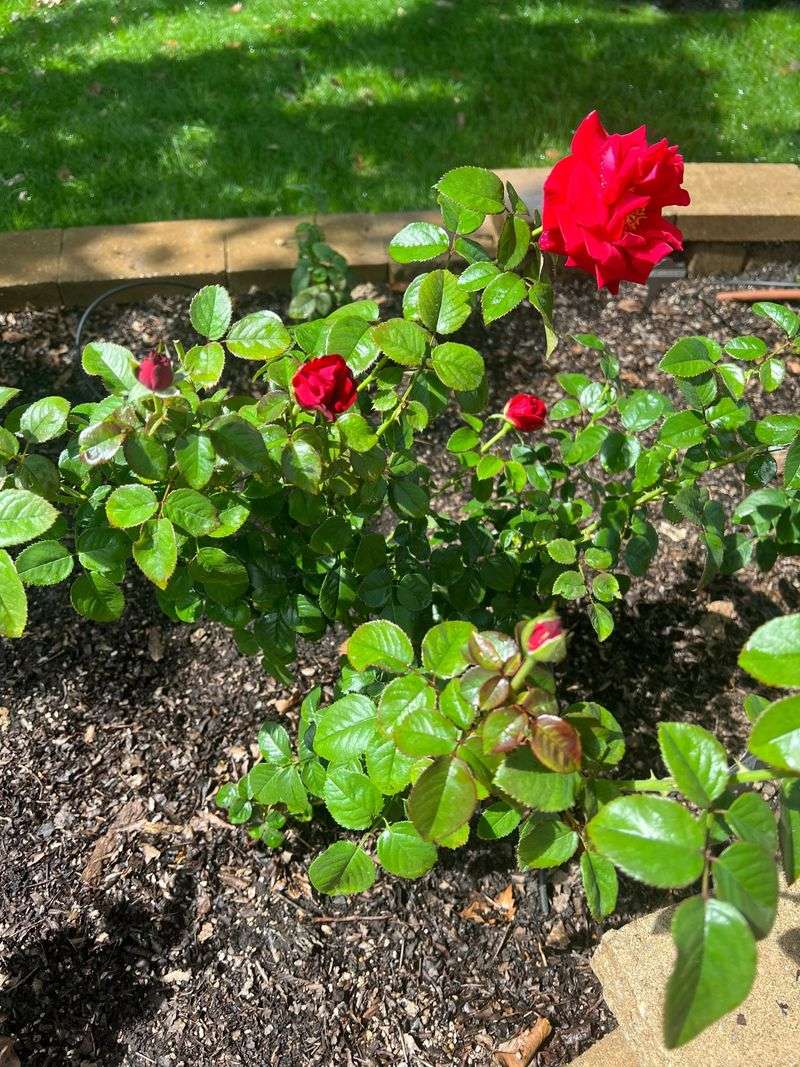
Bend down and look closely at the base of a grafted rose, and you will spot a swollen, knuckle-like knob. Rose growers call it the graft union, and it is where your pretty variety was joined to a sturdy rootstock.
Nurseries graft roses because the rootstock grows strong roots fast. The catch is that the joint itself is often the tenderest part of the plant.
If cold hurts that spot, the top variety can struggle or fail, while the rootstock keeps going.
That explains those mystery roses that suddenly bloom in a different color. Often the rootstock is a type like Dr. Huey, which makes small, dark red, semi-double flowers.
Fun fact, Dr. Huey was bred back in 1914 and still shows up in gardens everywhere because of this exact problem.
The crown matters too. It sits right at the soil line, and it holds the buds that send up fresh canes each spring.
Own-root roses do not have a graft, but their crown still benefits from protection.
So the one thing every rose grower needs to do is simple. Insulate the graft union and crown with a loose mound of mulch or soil before the hard cold arrives.
Everything else in this article supports that main job, and the next section shows exactly how to build that mound.
Mound Soil or Shredded Leaves Over the Rose Crown
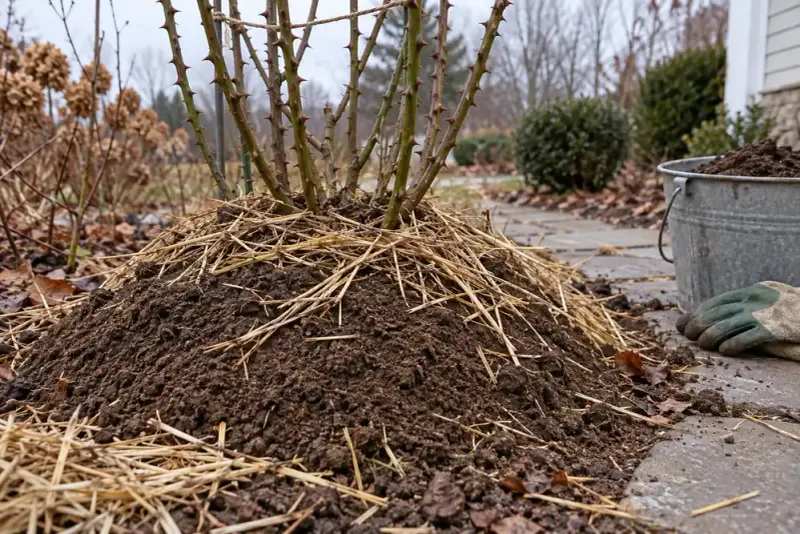
Grab a shovel and a bucket of compost, because this part is pleasantly low-tech. You are going to build a little hill around the base of each rose.
Aim for a mound about 8 to 12 inches tall and roughly a foot wide. Many rose experts suggest at least 6 inches in milder spots, and a bit more in colder mountain areas.
The goal is to cover the graft union and lower canes with a fluffy, insulating layer.
Good materials include:
Loose garden soil, compost, shredded leaves, pine needles, or evergreen boughs. I like a mix of compost on the bottom and shredded leaves on top.
The leaves trap air, and trapped air works like a cozy jacket.
Your Virginia Garden Changes Every Week. Your Plan Should Too.
Gardening in Virginia changes quickly throughout the season. Every Friday you’ll receive a simple weekly plan showing exactly what to plant, prune, fertilize, harvest, and protect so you never miss the right timing.
One tip saves a lot of trouble. Bring soil in from another part of the yard instead of scraping it from around the rose.
Digging near the bush can expose roots right when they need cover most.
Skip whole, unshredded leaves if you can. They tend to mat down into a soggy sheet that holds too much water against the canes.
A quick pass with the lawn mower turns them into perfect rose bedding.
Once the mound is built, you are mostly done. Check it after heavy rain and top it off if it washes thin.
Wait for a Few Hard Frosts Before Mulching Your Roses

Patience is the hidden skill here. Pile on that mulch too early, and you might do more harm than good.
Roses need time to slow down and harden off before winter. If you mound them while the weather is still mild, the warm, damp layer can keep them active and invite fungal trouble.
Wait until after a couple of hard frosts, when temperatures dip into the mid-20s and the leaves start dropping.
In Virginia, that timing varies a lot. The Shenandoah Valley and the Blue Ridge, mostly zones 6a to 6b, often see hard frosts by late October or early November.
Richmond and the Piedmont usually get there in mid to late November.
Down in Hampton Roads and Virginia Beach, in zone 8a, the cold arrives later still. Many coastal gardeners mound in early December.
Some growers there with tough shrub roses skip heavy mounding altogether and use a lighter mulch layer.
My simple rule works well. When I finally have to scrape frost off the car windshield more than once, I know my roses are ready.
Spring timing matters too. Pull the mound back gradually in March or early April as new buds swell.
A cold snap can still sneak in, so keep some mulch handy for a few weeks.
Clear Away Fallen Rose Leaves Spotted With Black Spot

Those yellow leaves with dark, fuzzy-edged spots are not just ugly. They carry black spot, the most common rose disease in humid Virginia summers.
The fungus behind black spot, Diplocarpon rosae, spends the winter on fallen leaves and old canes. When spring rain splashes, spores hop right back onto fresh foliage.
Cleaning up in fall breaks that cycle before it starts again.
Before you build your mound, rake up every fallen leaf around each bush. Pull off any spotted leaves still clinging to the canes too.
Toss them in the trash or yard waste pickup rather than the home compost pile, since many backyard piles do not get hot enough to clear the fungus.
While you are down there, leave the forming hips but snip off any canes that look shriveled, black, or broken. Removing that weak wood also takes away hiding spots for cane borers and other pests.
I treat this chore like tidying the kitchen before company arrives. It feels a little fussy in the moment, but I am always glad I did it.
One bonus is that a clean bed makes your mulch work better. Fresh, healthy material on top is much better than a layer of disease-filled leaves trapped against the crown all winter.
Your Rose Bushes Want Less Fertilizer as Fall Arrives
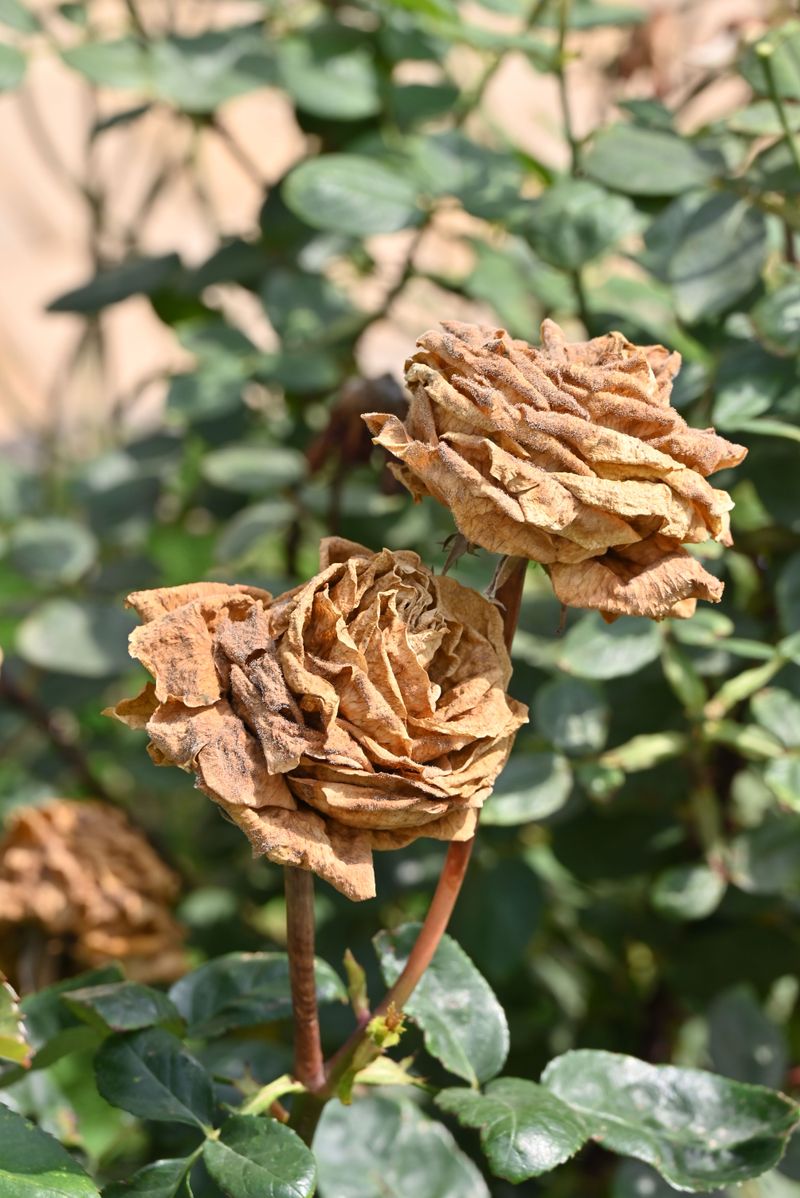
Roses are a lot like kids at bedtime. Hand them a snack late in the evening, and they will stay up way past when they should.
Fertilizer pushes fresh, soft growth. That tender growth has no time to toughen up before frost, so it gets hurt easily.
Most rose experts recommend stopping fertilizer about six to eight weeks before your first expected frost.
For much of the state, that means your last feeding should land around mid to late August. Mountain gardeners may stop in early August, while coastal growers can push into early September.
Trimming should slow down too. Let the last flowers fade on the bush and form rose hips.
Those round little fruits send a natural signal that tells the plant to rest. Bonus, they look cheerful in winter and birds enjoy them.
Water is a different story. Keep watering during dry fall spells, since a well-hydrated rose handles cold much better than a thirsty one.
Give the soil a deep drink before the ground freezes, then ease back.
I check moisture with my finger. If the soil feels dry two inches down and there is no rain coming, I give it a slow soak.
Soggy soil is not the goal, just steady moisture.
Trim Tall Rose Canes So Winter Winds Can’t Whip Them

Ever watched a tall rose cane thrash around during a winter gust? It snaps back and forth like a fishing rod, and that motion can loosen roots and crack the base.
A light trim fixes most of it. After your plants go dormant, cut overly long canes back by roughly one third.
This is not the time for serious pruning, so keep it modest.
Heavy pruning belongs in late winter. Many rose growers wait until forsythia blooms, usually in March, to do the real shaping.
Cutting hard in fall can push new buds during a warm spell, and that soft growth gets hurt quickly.
For tall hybrid teas and grandifloras, try this trick. Gather the remaining canes loosely and tie them together with soft garden twine or strips of old cloth.
They support each other like friends huddling in the cold.
Climbing roses need a different touch. Leave their long canes alone, but make sure they are secured firmly to the trellis or fence.
Loose canes flapping in the wind often get torn.
Keep your shears sharp and clean. A quick wipe with rubbing alcohol between bushes helps avoid spreading disease.
Make each cut about a quarter inch above an outward-facing bud for a tidy look next spring.
Potted Roses on the Patio Need a Sheltered Winter Spot
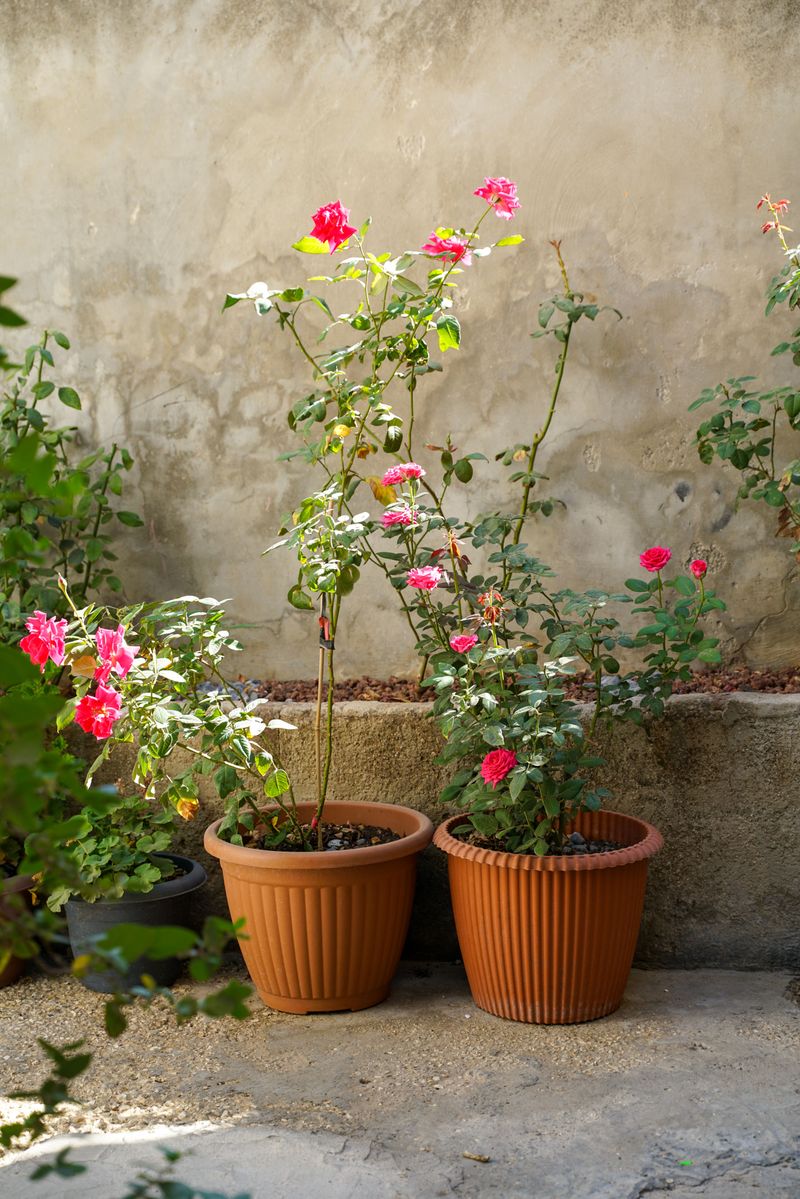
Container roses face a tougher winter than their friends in the garden bed. Soil in the ground stays fairly steady, but soil in a pot can freeze solid from every side.
Roots are much less cold hardy than canes. A pot sitting out in an open patio exposes them to the full blast of a cold night.
That is a big reason potted roses often struggle after winter.
The easiest solution is moving them to an unheated garage, shed, or enclosed porch. You want a spot that stays cold enough to keep the rose dormant, but mostly above the low 20s.
A heated living room is too warm and will confuse the plant.
Pots too heavy to move? Cluster them against a south or east-facing wall of the house.
Wrap the containers with burlap or bubble wrap, and pile shredded leaves around them. Some gardeners even sink the pots into a garden bed for the season.
Do not forget about water. Dormant roses still need a little moisture, so check every few weeks.
When the soil feels dry an inch or two down, give a light drink.
I mark a reminder on my calendar for the first of each month. Without that note, I would forget those garage roses until April.
A Mulched Rose Bed Today Means Bigger Blooms in May
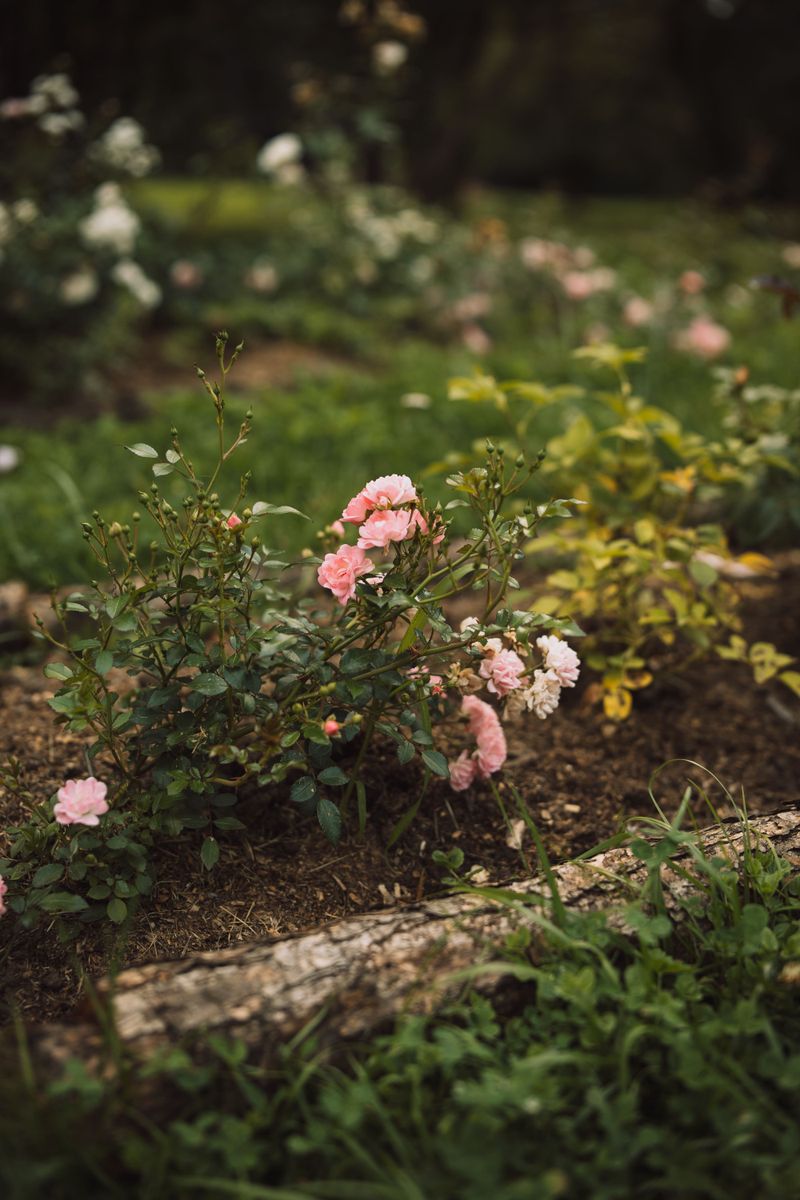
Come May, the payoff shows up in a big way. A rose that slept snug under its blanket often wakes up with strong canes and loads of buds.
A simple routine keeps things easy. Stop feeding in late summer, keep watering in dry spells, and clean up fallen leaves.
Wait for hard frosts, trim tall canes lightly, then build that mound over the crown.
Some roses need less fuss. Tough shrub roses like Knock Out and many own-root varieties handle Virginia winters well.
A few inches of regular mulch is often plenty for them, especially east of the Blue Ridge.
Grafted hybrid teas, floribundas, and roses in colder western counties benefit most from a full mound. If you are not sure what you have, look for that knobby graft.
When in doubt, mounding rarely hurts a dormant rose.
Your local Virginia Cooperative Extension office is a great free resource. Their Master Gardeners can answer questions about your exact county and conditions.
So grab the compost, rake up those leaves, and give your roses ten minutes of attention this fall. I promise the first big flush of spring color will make you feel brilliant, and your neighbors might start asking for your secret.