Why Your Thanksgiving Cactus Isn’t Blooming In A Pennsylvania Home And What To Change
A single flick of a lamp switch at night can cancel a whole season of flowers on one of my favorite houseplants. That still amazes me. A few seconds of light, and weeks of quiet bud building can stall.
This plant does not come from a desert at all. It grows on tree branches in the misty mountain forests of southeastern Brazil, tucked into mossy bark where shade and cool nights rule. Those wild habits still shape how it behaves on your windowsill.
Here in Pennsylvania, our homes work against it in sneaky ways. Furnaces kick on in October, porch lights glow, and the family room TV runs late. I believe most stubborn plants are not sick, just confused by our cozy routines.
So what is your plant waiting for? The answer is probably sitting in your living room right now.
Those Flat Green Stems Are Waiting On A Signal You Might Be Blocking
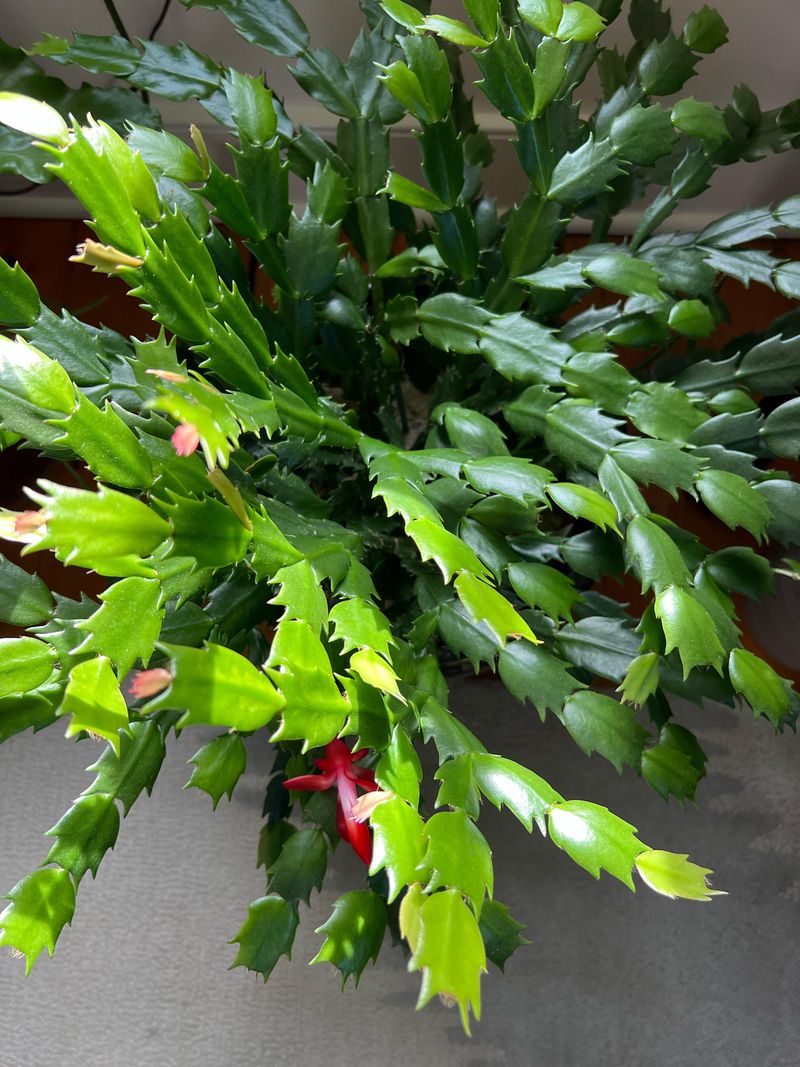
My first Thanksgiving cactus grew like a champ for three years and gave me exactly zero flowers. Lots of shiny green segments, no buds. It turns out the plant was healthy and simply never got the message to bloom.
Schlumbergera truncata is what scientists call a short-day plant. It sets flower buds when nights grow long and cool, the way they do in its native Brazilian forests each autumn.
Penn State Extension and Clemson both point to long nights and cool temperatures as the main triggers.
Inside a heated, brightly lit house, those cues get muddy. Your plant keeps reading the room as late summer, so it pushes out more stems instead of buds. That is why a lush, green plant is often the most frustrating kind.
So before you blame the soil or the pot, look at the routine around it. Is there a lamp on most evenings? Does the thermostat hold steady at 72 degrees all fall?
Fixing those two things solves the puzzle for most growers. The good part is how little effort it takes. You are not changing the plant, only the signals it receives each night.
Give Your Holiday Cactus 12 To 14 Hours Of Real Darkness
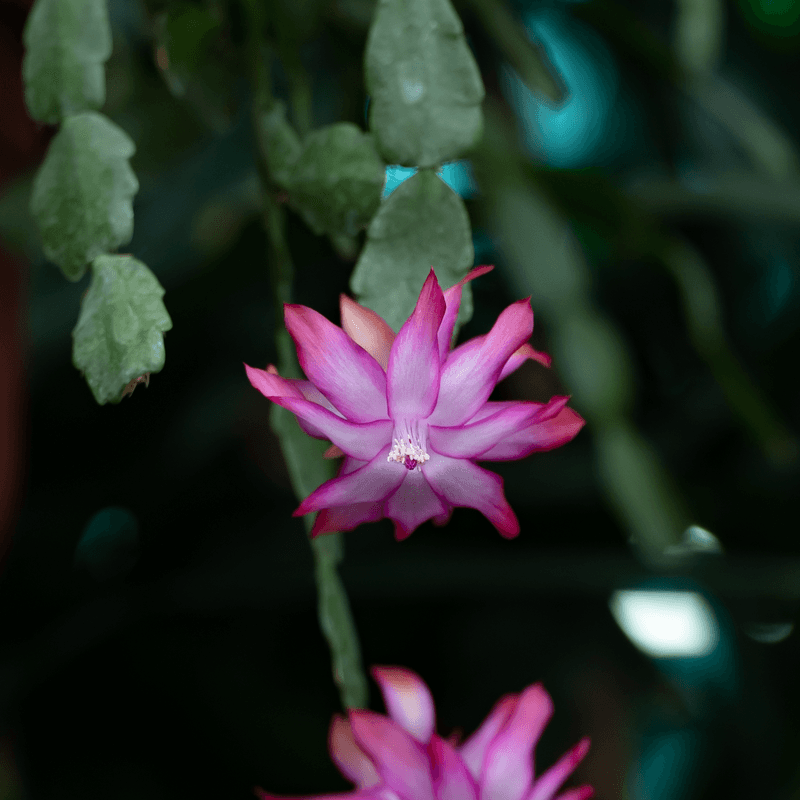
Darkness is the magic ingredient, and it has to be the real thing. Research cited by NC State and Penn State shows these plants form buds best with roughly 12 to 14 hours of uninterrupted dark each night.
Plan on keeping that up for about six weeks. In Pennsylvania, starting in mid to late September lines up nicely with a late November show.
Our nights are already getting longer then, so you are working with nature, not against it.
The catch is that the dark must be steady. A bathroom light, a hallway nightlight, or headlights through the window can interrupt the process.
Even short bursts of light may reset the plant’s internal clock. A few easy options work well:
Move the pot to a spare bedroom or closet with a window you rarely light up at night. Cover it with a cardboard box around 6 p.m. and lift it off around 8 a.m. Or keep it on a cool porch room nobody uses after dark.
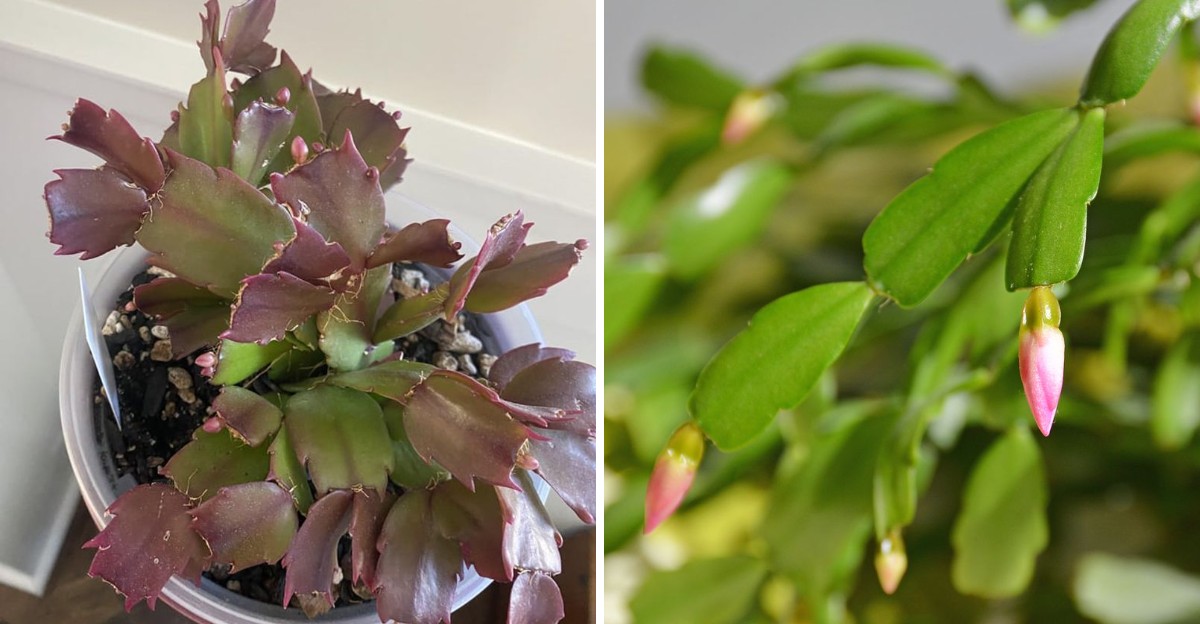
Once you see small pink or red bumps at the stem tips, you can relax the routine. Those buds mean your plant finally got the memo.
Cooler Fall Nights Help Christmas And Thanksgiving Cactus Buds Form
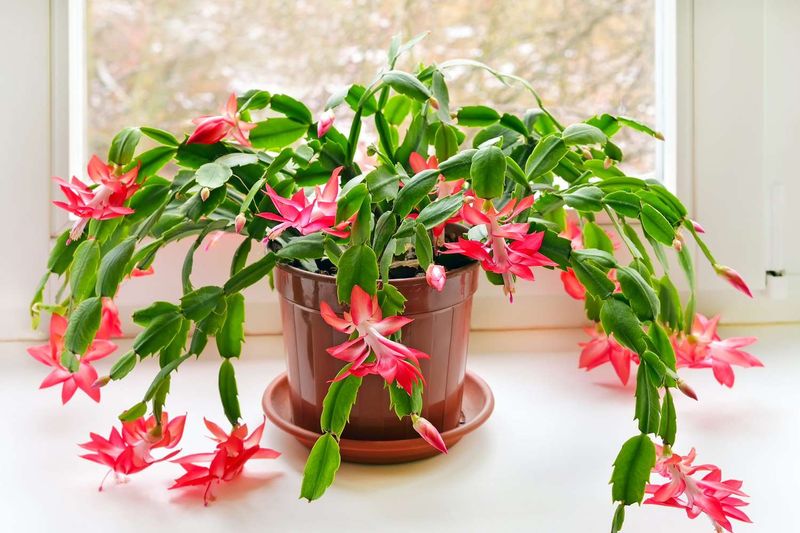
Temperature is the other half of the bloom recipe. Cool nights in the 50s to low 60s Fahrenheit tell the plant that autumn has arrived, and that pushes it toward flowering.
Many experts note that when nights hold around 50 to 55 degrees, these cacti can set buds even without strict darkness.
Warmer than about 70 degrees, and bud formation slows or stalls. That explains why so many plants flower happily at a grandma’s drafty farmhouse and sulk in a modern, well-insulated home.
Personally, I love using early fall to my advantage. In much of Pennsylvania, September and early October nights outside run cool but usually above frost.
You can leave the plant on a shaded porch until nights dip toward 45 degrees, then bring it in.
Watch the forecast closely, though. Frost can damage the fleshy stems quickly, and the mountains in the north and west cool off sooner than Philadelphia or Pittsburgh.
Indoors, aim for the coolest spot you have. A sunroom, an unheated guest room, or a bright basement window can all work. Just skip spots near furnace vents, which dry the air and keep things too warm.
Bright Indirect Window Light Still Matters During The Day
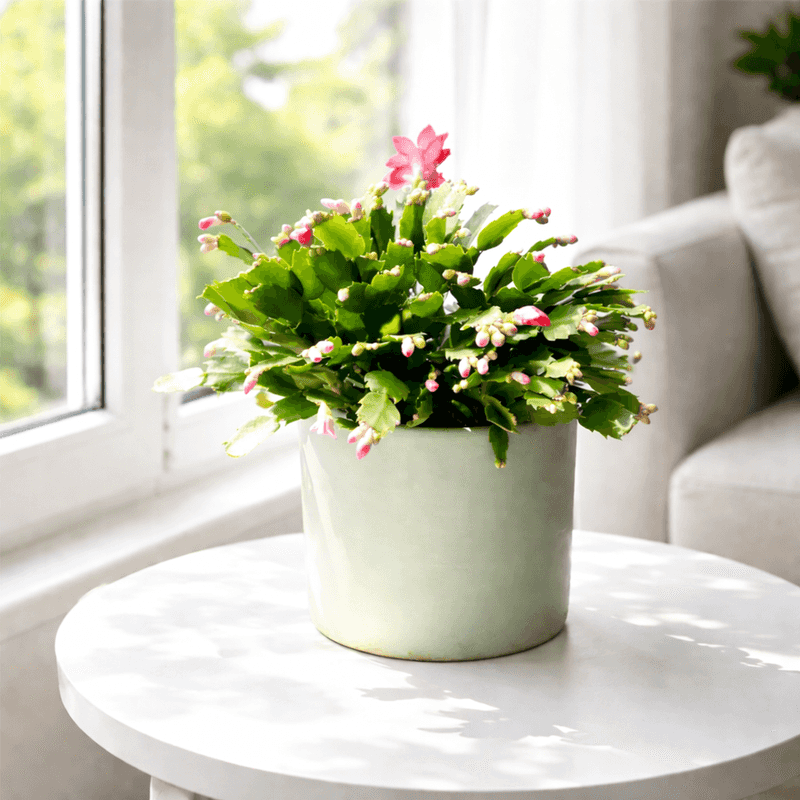
Long nights get all the attention, but daytime light pays for the flowers. A plant stuck in a dim corner all year often lacks the energy to produce many buds.
In the wild, these epiphytes grow under a tree canopy. They like bright, filtered light, not blazing sun. An east-facing window is a sweet spot in most homes, and a north window can work in a pinch.
South and west windows get strong afternoon sun, especially in summer. Too much direct light can turn the segments reddish or purplish, which is often a stress signal. A sheer curtain softens it nicely.
You can also boost energy in summer by setting the pot outside in shade. Many Pennsylvania gardeners park theirs under a porch roof or a leafy tree from June through September.
The plant grows sturdier stems, and more stem tips usually mean more spots for flowers. One quick test helps.
If the segments look pale, thin, and stretched, your plant likely wants more light. If they look plump and deep green, you are in good shape. Then let the darkness and cool nights do the rest.
Soggy Soil Can Quietly Stall Thanksgiving Cactus Flowers
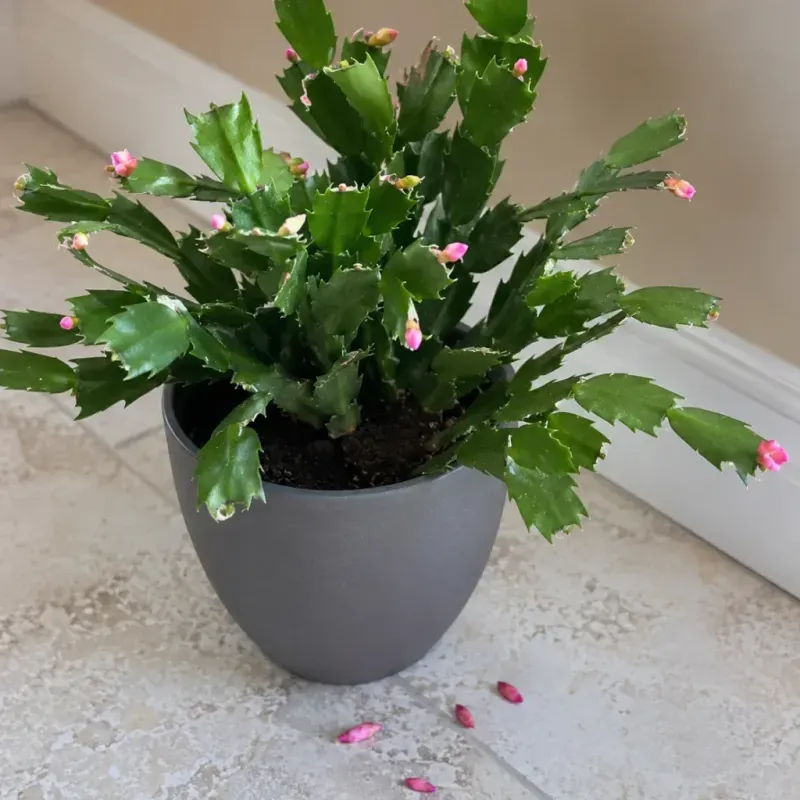
Here is a confession. I once watered my cactus every Sunday like clockwork, rain or shine, and wondered why the stems looked limp. The roots were sitting wet and unhappy.
Thanksgiving cacti need more water than desert cactus, yet they hate soggy feet. In spring and summer, water when the top inch of soil feels dry. Let extra water drain out, and empty the saucer so the pot is not standing in a puddle.
In fall, ease up a bit. Letting the soil dry slightly more between waterings during bud setting can encourage flowers. Just do not let it stay bone dry for long, or the plant may wilt and drop buds.
Indoor air in Pennsylvania gets very dry once the heat runs. These forest natives enjoy some humidity. A pebble tray with water under the pot, or grouping plants together, adds a little moisture to the air.
Watch for warning signs. Mushy, translucent segments at the base often point to root rot. Wrinkled, thin segments usually mean thirst. Adjusting your watering early saves a lot of trouble later in the season.
Too Much Fertilizer Or A Huge Pot Means More Leaves Than Blooms
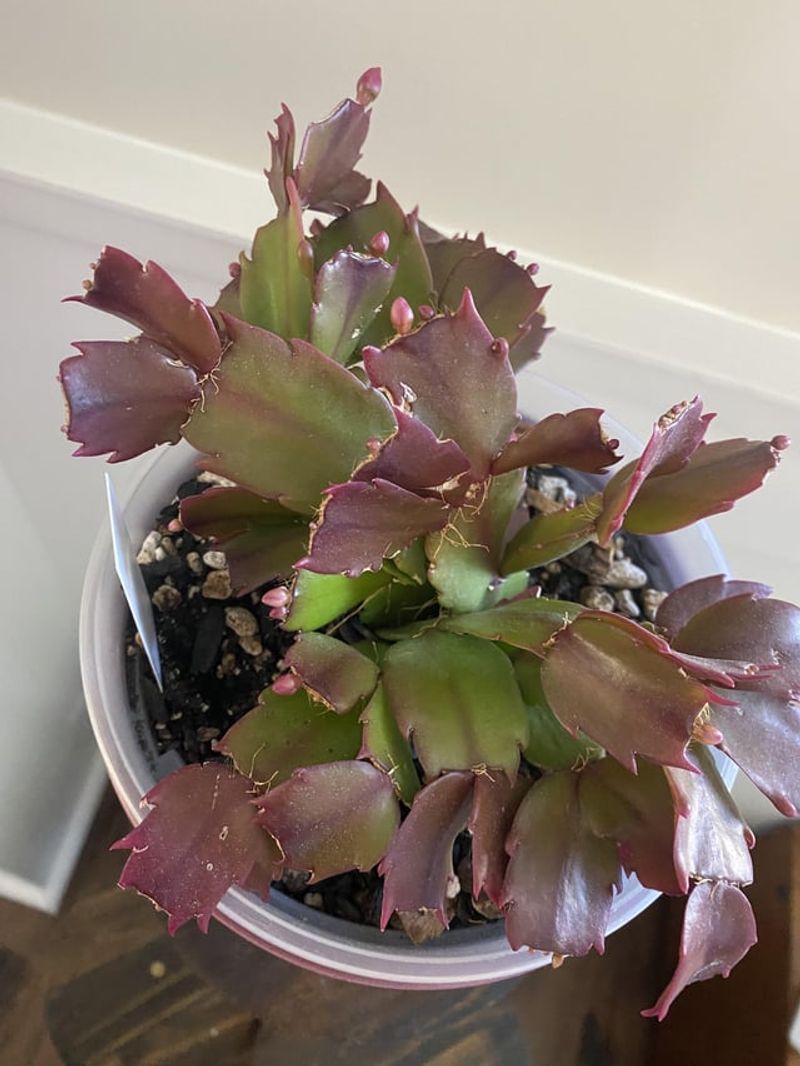
Feeding feels like kindness, but timing changes everything. A balanced, water-soluble fertilizer once a month from spring into late summer keeps your plant growing strong.
Stop feeding by late August or early September. Extra nitrogen in fall nudges the plant to make more green stems instead of flower buds. Think of it as letting the plant switch gears from building to blooming.
Pot size matters too. These cacti tend to flower best when slightly snug in their containers. Repotting every two to three years in spring is usually plenty, and only move up one pot size at a time.
Soil type is another quiet factor. Heavy, dense potting soil holds too much water around the roots.
A fast-draining mix works better, such as regular potting mix blended with orchid bark or perlite. A pot with a drainage hole is a must.
Did you know these plants can live for decades? Some families pass the same cactus down through generations. A little patience with feeding and repotting helps yours become one of those treasured heirlooms.
Moving A Budding Cactus Can Make Those Tiny Buds Drop
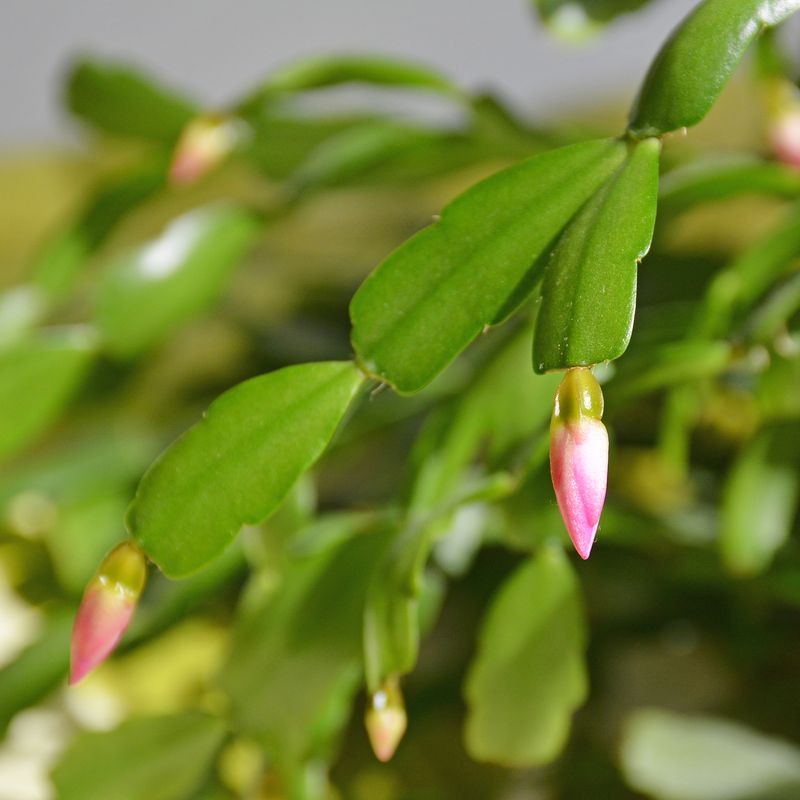
Nothing stings like finding a dozen tiny buds scattered on the table. Bud drop is common, and it usually comes from sudden change.
Once buds appear, the plant becomes sensitive. A big shift in light, temperature, or humidity can make it shed buds to protect itself. Carrying it from a cool porch to a toasty kitchen counter is a classic trigger.
Pick its blooming spot before buds form, then leave it there. Keep it away from heating vents, fireplaces, drafty exterior doors, and cold glass on frosty nights.
Pennsylvania winters bring big swings near windows, so pull it back a few inches on very cold nights.
Watering also plays a role. Letting the soil go dry for too long, or flooding it suddenly, can cause bud loss. Steady, moderate moisture is the goal.
Want to show off the flowers at your holiday dinner? Wait until the blooms open, then move it gently for the day.
Open flowers handle a short trip better than tight young buds. Return it to its usual spot afterward, and it may keep blooming for several weeks.
Check Those Pointed Stem Segments And Plan Next Fall’s Bloom
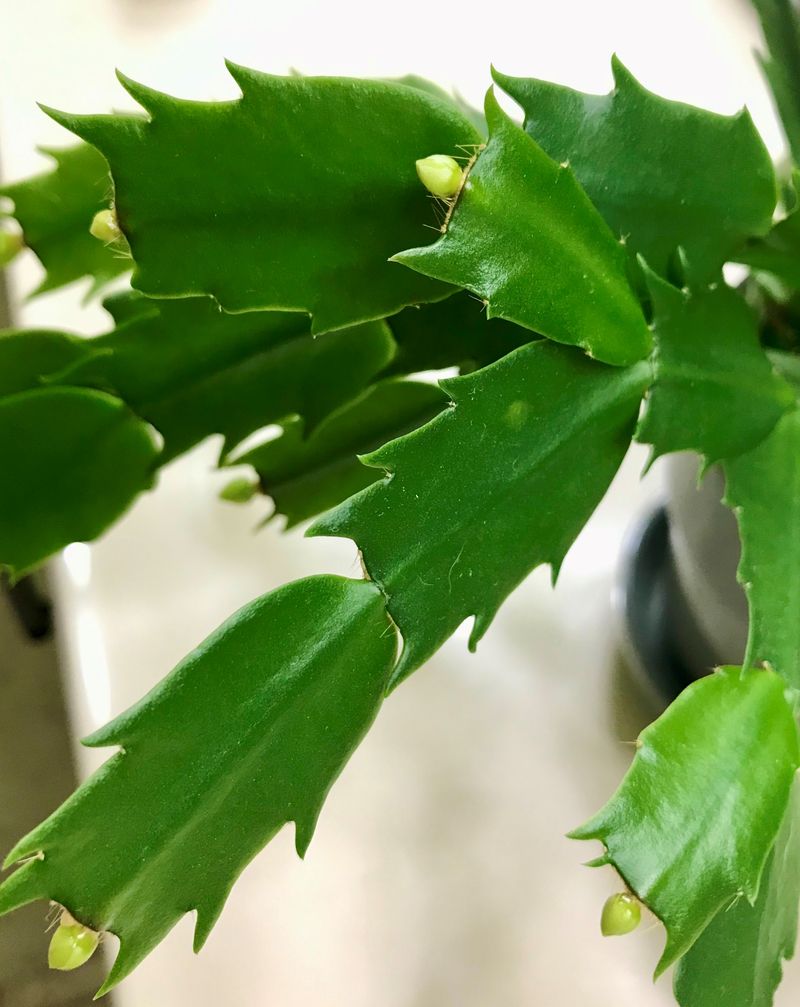
Plenty of people think their plant is late when it is actually a different plant. Take a close look at the stem segments before you worry.
Thanksgiving cactus has pointed, claw-like teeth along the edges of each segment. Christmas cactus has smoother, rounded scallops and usually blooms a few weeks later.
Easter cactus has bristly edges and flowers in spring, so a plant that seems stubborn in November might simply be on a different calendar.
With the right care, a true Thanksgiving cactus in a Pennsylvania home often opens flowers around mid to late November.
If yours missed this year, use it as a practice run for next season. Here is a simple plan to follow:
Grow it in bright, filtered light through spring and summer, feeding monthly. Stop fertilizer in late summer.
From mid-September, give long dark nights and cool temperatures for about six weeks. Once buds show, keep it put and water steadily.
After blooming, let it rest a bit with slightly less water. Pinching or twisting off a few stem tips in late spring encourages branching. More branches mean more tips, and more tips mean a fuller burst of color.