The Most Underrated Pennsylvania Native Wildflower That Helps Keep Deer Away From Garden Borders
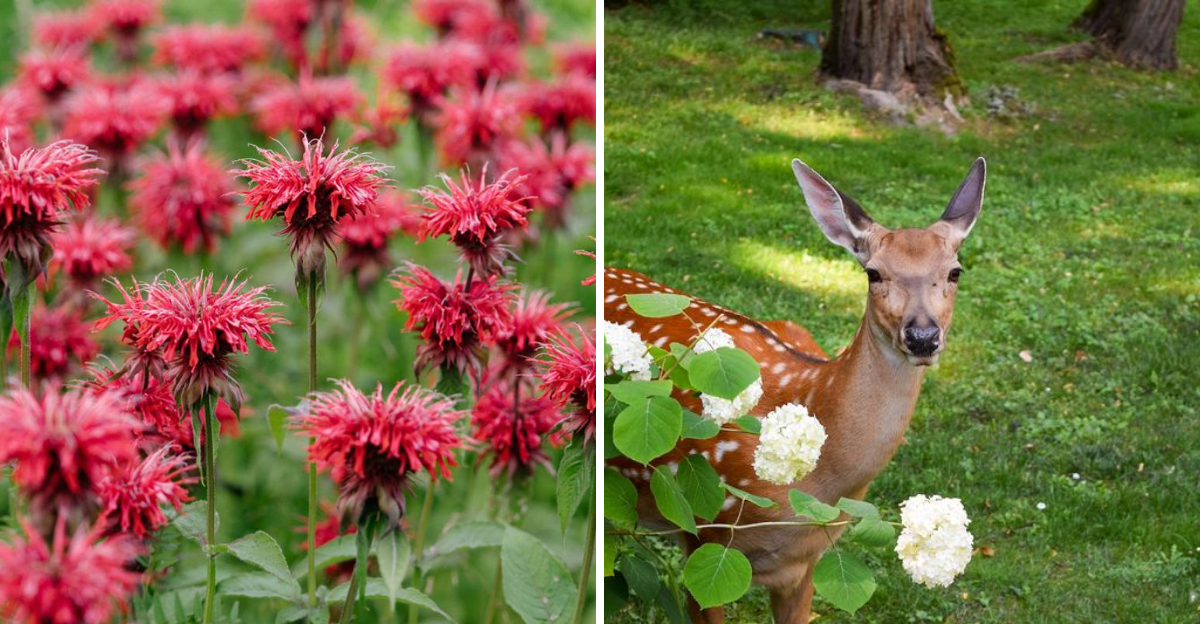
Deer in a Pennsylvania garden are a special kind of frustration. You put in the work, tend your plants through the season, and then wake up to find something has been quietly grazing through your borders overnight.
Fencing helps but it’s expensive and not always practical. Sprays work temporarily but need constant reapplication.
It feels like a battle that never really ends. But there’s a native Pennsylvania wildflower that deer genuinely want nothing to do with.
It grows beautifully along garden borders, blooms with real color and character, and supports pollinators generously throughout the season.
Most importantly, deer tend to avoid it consistently, making it one of the smartest border plants a Pennsylvania gardener can choose.
It’s been growing wild across Pennsylvania for centuries and is perfectly adapted to the local climate. Low maintenance, ecologically valuable, and naturally deer resistant. Here’s the wildflower your garden borders have been missing.
Meet Bee Balm
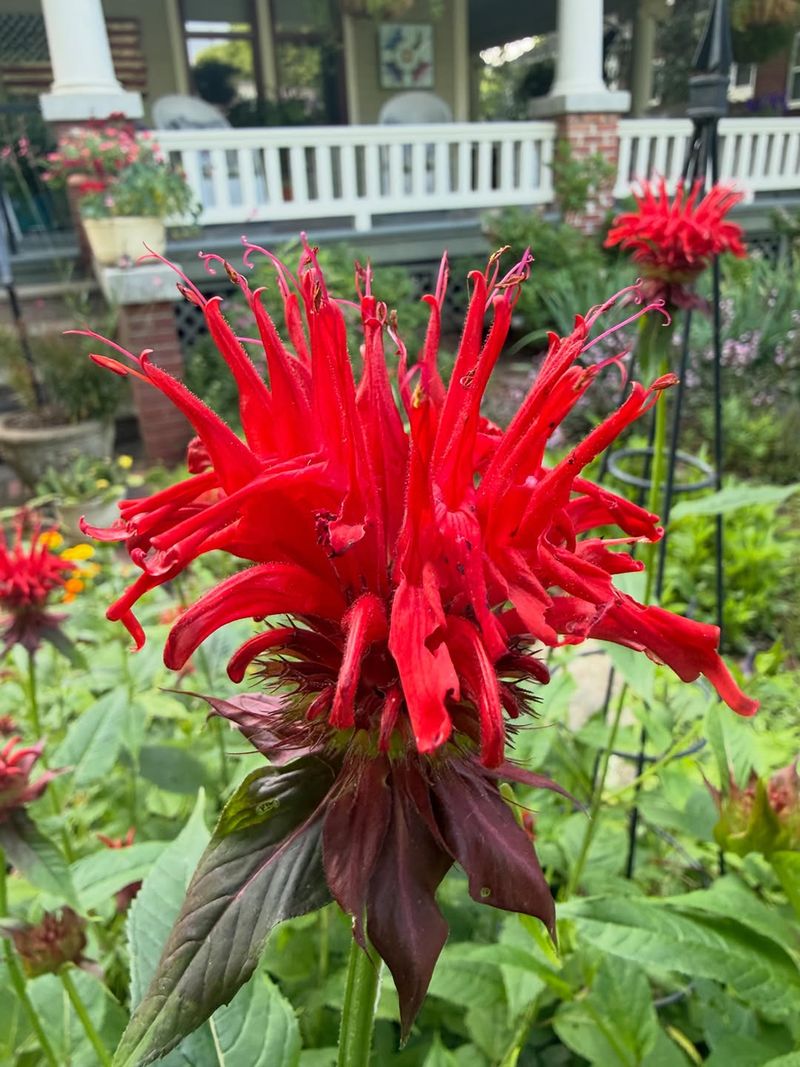
Walk through any Pennsylvania meadow in midsummer and you just might spot a flash of brilliant red tucked among the tall grasses. That striking bloom belongs to Bee Balm, or Monarda didyma, a native wildflower with a personality as vivid as its flowers.
It has been growing wild across the eastern United States for centuries, and Native American communities once used it for both cooking and natural remedies.
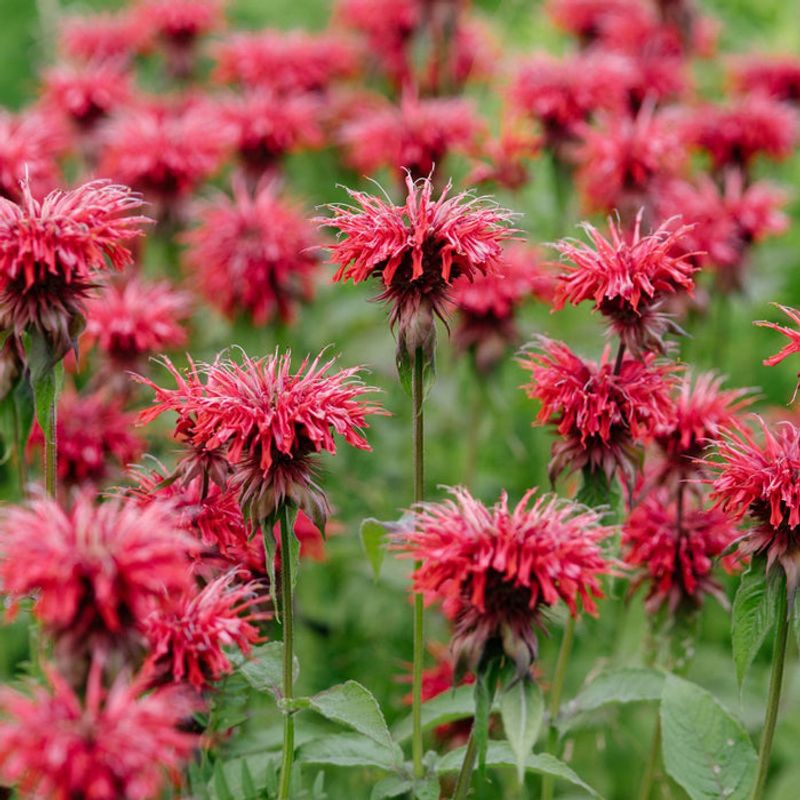
Bee Balm produces clusters of tubular, spiky blooms that almost look like little fireworks exploding from the stem. The flowers come in shades of red, pink, lavender, and white, depending on the variety.
Each bloom sits on top of a sturdy, square stem surrounded by dark green, slightly textured leaves that release a strong, minty-oregano scent when brushed or crushed.
Pennsylvania gardeners love this plant because it thrives in the local climate without much fuss. It handles the humid summers, the unpredictable spring rains, and even some dry spells with ease.
It grows well in full sun and tolerates partial shade, making it flexible enough to fit many different garden layouts. Most varieties reach between two and four feet tall, which makes them ideal for mid-border plantings or along fence lines.
You can start Bee Balm from seed, transplant young plants from a nursery, or divide existing clumps from a neighbor or garden center.
Once it gets going, it spreads steadily through underground rhizomes, filling in gaps and creating a lush, dense border that looks incredible all season long.
Deer-Repelling Qualities
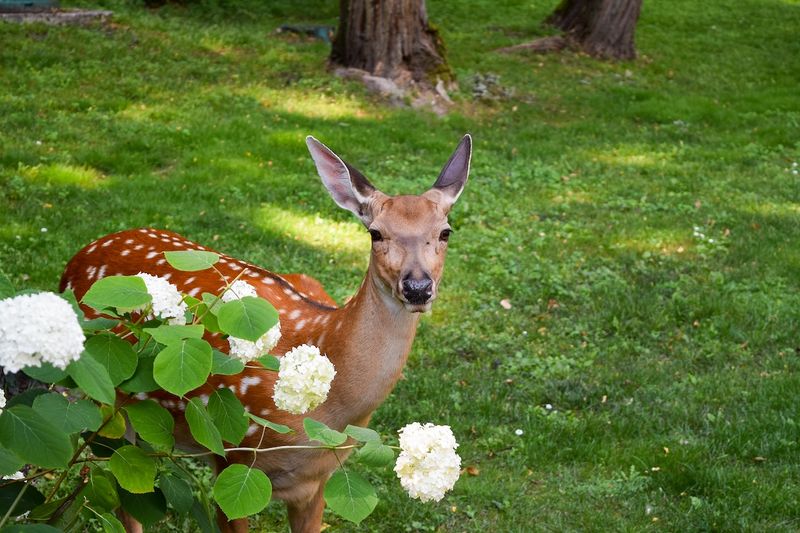
Deer have strong opinions about what they eat, and Bee Balm is firmly on their list of plants to avoid. The secret is in the scent.
Bee Balm leaves contain aromatic compounds that smell intensely minty and herbal to deer. While that fragrance is pleasant to most humans, deer find it overwhelming and off-putting. They will typically take one sniff and walk the other way.
Beyond the smell, the taste is equally unappealing to deer. The same oils that make the leaves fragrant also make them bitter and unpleasant to chew.
Your Pennsylvania Garden Changes Every Week. Your Plan Should Too.
Gardening in Pennsylvania changes quickly throughout the season. Every Friday you’ll receive a simple weekly plan showing exactly what to plant, prune, fertilize, harvest, and protect so you never miss the right timing.
Deer are opportunistic eaters, meaning they go for easy, tasty meals first. When they encounter Bee Balm, they quickly learn it is not worth their time, especially when there are easier targets nearby.
This makes Bee Balm a fantastic natural barrier for protecting the more vulnerable plants growing behind it.
Planting Bee Balm along the outer edges of your garden beds creates a fragrant fence that deer prefer to skip. It works especially well when planted in thick, continuous rows rather than scattered individual plants.
The denser the planting, the stronger the aromatic signal that tells deer to move along. Pair it along the front or perimeter of beds where you grow vegetables, soft perennials, or flowering annuals that deer love to munch.
You do not need chemical sprays or expensive fencing when you have a solid row of Bee Balm standing guard.
It is one of the most practical and attractive natural deer deterrents available to Pennsylvania gardeners, and it works season after season with very little help from you.
Long Blooming Season
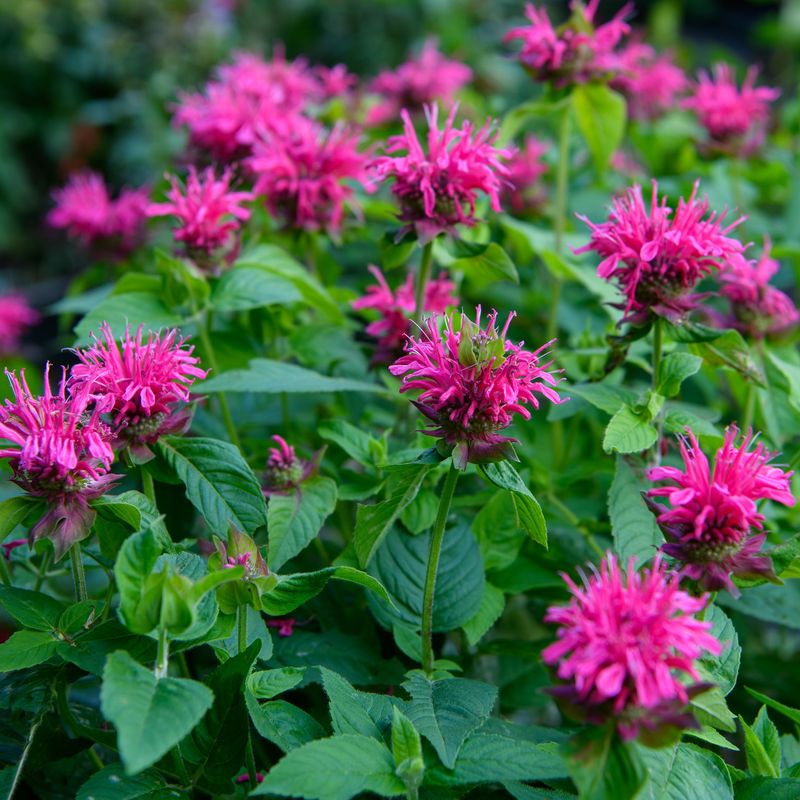
One of the best things about Bee Balm is how long it sticks around. While many perennials come and go in just a few weeks, Bee Balm keeps blooming from mid-summer all the way through late summer.
In Pennsylvania, that usually means you can enjoy its colorful display from late June through August, and sometimes even into early September depending on the weather.
That extended bloom time is a big deal for gardeners who want their borders to look full and lively all season long. There is nothing worse than a garden that peaks in May and then looks tired and bare by July.
Bee Balm fills that midsummer gap beautifully, providing consistent color exactly when many other plants have already finished their show. It keeps your garden looking intentional and well-planted even during the hottest months of the year.
From a deer-deterrent standpoint, the long blooming season also means the plant is at its most fragrant and aromatic for an extended period.
The essential oils in the leaves and flowers are most potent when the plant is actively growing and blooming, which means the deer-repelling effect is strongest right when deer are most active and hungry in summer.
Deadheading spent blooms, which simply means snipping off the old flower heads, can encourage the plant to push out fresh blooms and extend the season even further.
With minimal effort, you get months of color, fragrance, and natural protection all rolled into one hardworking plant. Bee Balm truly earns its spot in any Pennsylvania garden border.
Attracts Beneficial Wildlife
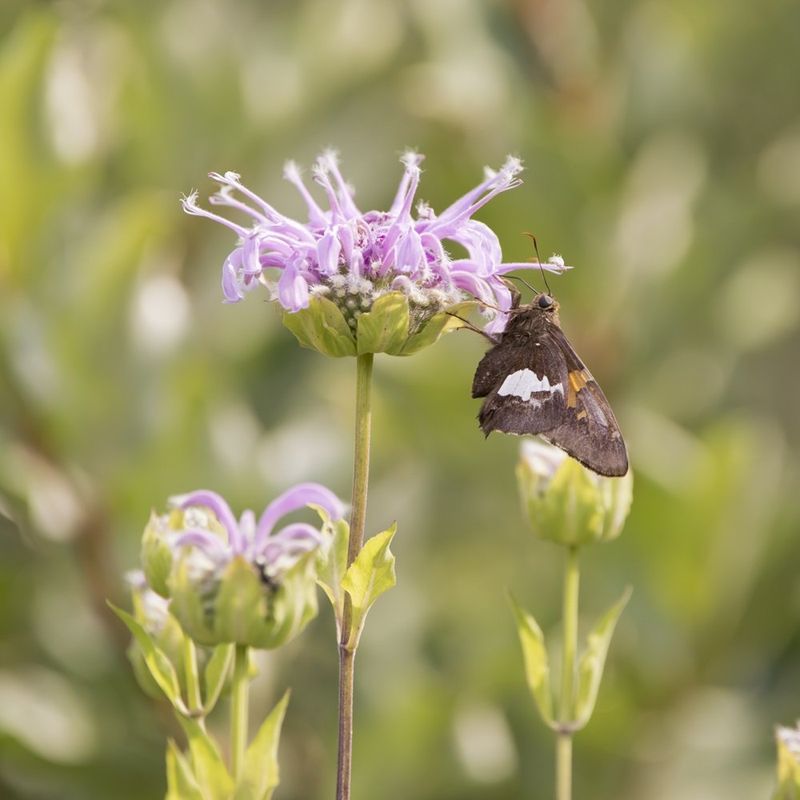
Planting Bee Balm is like putting out a welcome sign for the best kind of garden guests. Bees go absolutely wild for the nectar-rich tubular flowers.
Butterflies flock to it throughout the summer. And perhaps most excitingly, ruby-throated hummingbirds are strongly attracted to the bright red varieties, hovering and darting around the blooms in a way that feels almost magical to watch.
This kind of wildlife activity is not just fun to observe. It is genuinely good for your garden.
Bees and butterflies are essential pollinators, and having more of them in your yard means better fruit set on your vegetable plants, healthier flowering perennials, and a more vibrant, productive garden overall. A garden that supports pollinators is a garden that truly thrives.
Bee Balm acts like a magnet, pulling these helpful creatures in and keeping them coming back all season.
What makes Bee Balm especially valuable from an ecological standpoint is that it is a native plant. Native plants and native wildlife have evolved together over thousands of years, which means they are perfectly matched.
Native bees and butterflies are far more likely to visit and benefit from Monarda didyma than from exotic ornamental plants.
By planting Bee Balm, you are actively supporting local biodiversity and helping Pennsylvania’s native insect and bird populations stay healthy and strong.
It is a choice that ripples outward in the best possible way. Your garden becomes more than just a pretty space.
It becomes a small but meaningful habitat that supports life well beyond your own backyard fence.
Low-Maintenance Growth
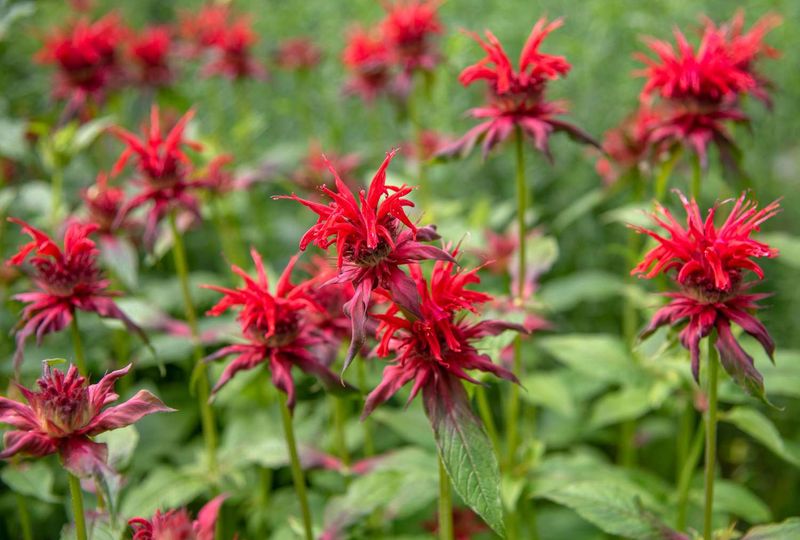
Busy gardeners, this one is for you. Bee Balm is one of those rare plants that looks impressive but asks for very little in return.
Once it gets established in your garden, usually after its first full growing season, it becomes remarkably self-sufficient. It does not need constant watering, fertilizing, or fussing over. It simply grows, blooms, and does its job.
In terms of water needs, Bee Balm prefers consistently moist soil but handles short dry spells without much trouble. Pennsylvania summers can get hot and dry, and Bee Balm holds up surprisingly well through those stretches.
Giving it a deep watering once a week during prolonged dry periods is usually enough to keep it happy. Mulching around the base of the plants helps retain soil moisture and keeps the roots cool, which is a simple step that makes a noticeable difference.
One thing to keep in mind is that Bee Balm can be prone to powdery mildew, a common fungal issue that shows up as a white coating on the leaves.
Newer mildew-resistant varieties like Jacob Cline and Raspberry Wine are excellent choices for Pennsylvania gardens because they stay cleaner and healthier through the season.
Good air circulation around the plants also helps prevent this issue, so avoid overcrowding them. Divide clumps every two to three years to keep the plants vigorous and prevent them from getting too dense.
Overall, Bee Balm rewards even the most casual gardener with beautiful results. It is genuinely one of the easiest native perennials you can grow in Pennsylvania.
Planting And Companion Tips
Getting the most out of Bee Balm starts with smart placement. Plant it along the outermost edges of your garden beds or along property borders where deer are most likely to enter.
When Bee Balm forms the first line of defense, its strong scent greets deer before they even get close to your more delicate plants. Position taller varieties toward the back of the border and shorter ones up front for a layered, polished look.
Companion planting takes the deer-deterrent effect to a whole new level. Mountain Mint, another Pennsylvania native, is one of the best partners for Bee Balm.
It has an even more intense fragrance that deer strongly dislike, and it blooms at a slightly different time, extending your garden’s protective coverage. Goldenrod is another excellent companion.
It blooms in late summer and fall, picking up right where Bee Balm leaves off, and deer tend to avoid it as well. Together, these three natives create a continuous, fragrant barrier that covers most of the growing season.
Spacing matters more than most gardeners realize. Plant Bee Balm about eighteen to twenty-four inches apart to allow each clump room to spread naturally.
As the plants fill in over one to two seasons, they create a thick, dense mass of aromatic foliage that is far more effective at deterring deer than widely spaced individual plants.
Add a two-inch layer of organic mulch between plants to suppress weeds and retain moisture while the clumps establish.
With thoughtful placement and the right companions, your Bee Balm border will look stunning and work hard to keep deer at a safe distance all season.