The Virginia Window Placement Trick That Helps Christmas Cactus Set More Buds
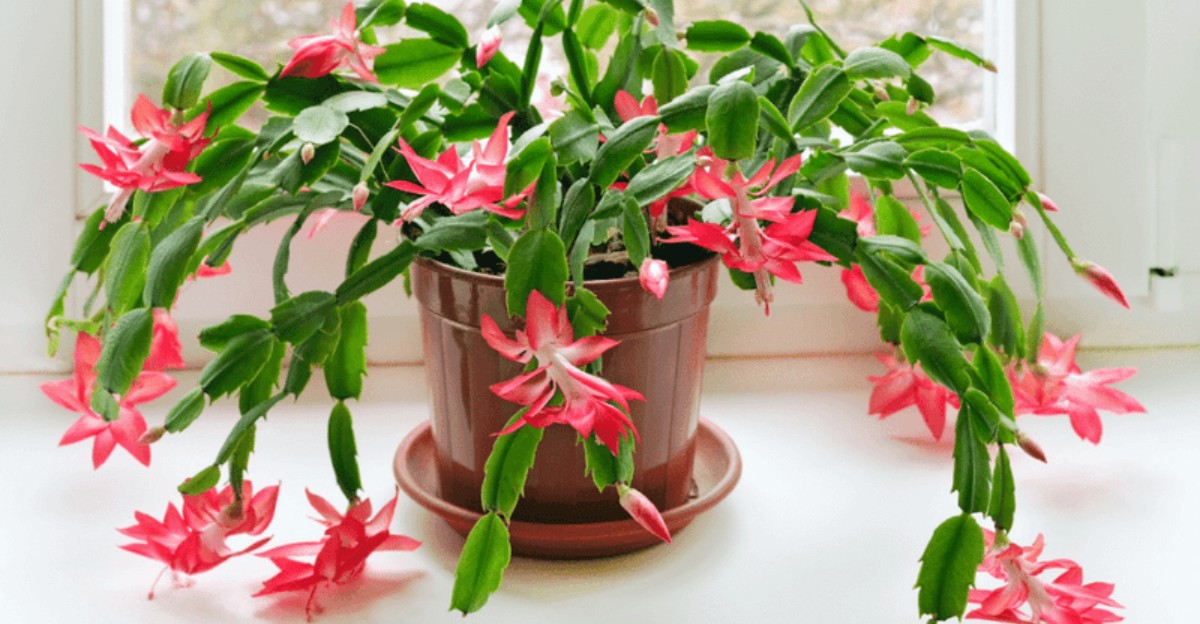
This tropical plant can read the length of a Virginia night better than most calendars. It counts hours of darkness, feels the chill near glass, and decides whether to flower.
I love that something so quiet is paying such close attention. I did not believe a single lamp could change its plans until I watched it happen in my own den.
You need to know one thing about this houseplant. It grows on tree branches in the wild, not in sandy deserts, so harsh sun and hot rooms leave it confused.
Finding the right spot this fall might be easier than you think. The answer might be the forgotten window in a room you barely use, the one with cool glass and no reading lamp.
Could your best bloom spot already be hiding in plain sight?
1. That Quiet Spare Room Window Holds the Secret to More Christmas Cactus Buds
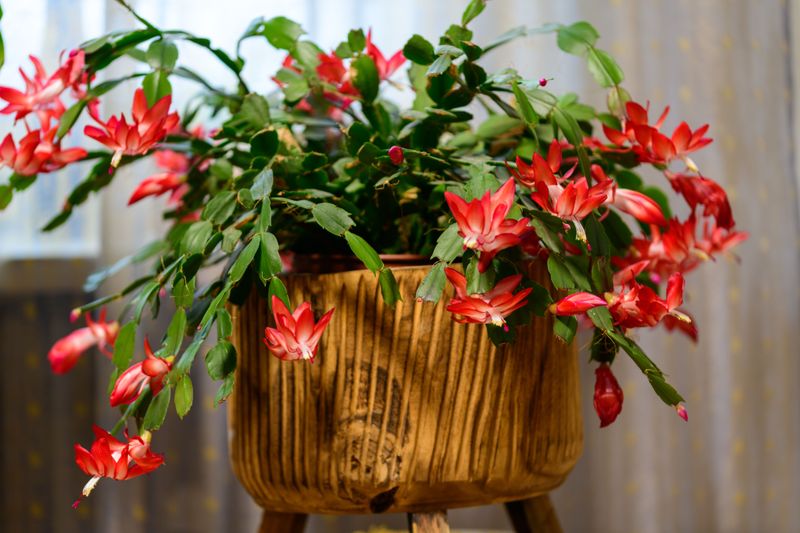
My best bloom year came from pure laziness. I parked my Christmas cactus in a guest room window in late September and mostly forgot about it.
By December, it was loaded with buds.
That room had two things the living room lacked, which were natural darkness at night and cooler air near the glass.
Those two signals are the real trick. Christmas cactus, or Schlumbergera, is a short-day plant, meaning longer nights help tell it to form flower buds.
Cooler temperatures push it in the same direction.
A window in a rarely used room gives you both without any fuss. Nobody flips on a ceiling light at 9 p.m., and the area near the pane runs a few degrees cooler than the middle of the house.
In Virginia, fall nights start cooling in September and October, which lines up nicely with the plant’s bud-setting season. A sunroom, guest room, or cool back bedroom often works better than a busy kitchen.
Look around your home tonight. Which window stays dark after sunset and feels a little chilly when you touch the glass?
That spot could become your cactus headquarters for the next couple of months.
2. Long Dark Nights Tell Your Christmas Cactus It Is Time To Bud
Darkness is the main ingredient here.
Penn State Extension and other university sources explain that Christmas cactus sets buds when it gets long, uninterrupted nights in fall.
The usual target is about 12 to 14 hours of darkness each night for roughly six weeks. Many gardeners start this routine in late September or early October to aim for holiday flowers.
Uninterrupted is the key word. A lamp switched on for a few minutes, a bright TV screen, or a porch light shining through the window can break the night signal and slow bud formation.
Here is a simple way to check your spot. Stand next to the plant after dark with the room lights off.
If you can easily read a book, the area may be too bright.
You have a few easy fixes. Pick a room that stays unlit in the evening, close the blinds against streetlights, or set the pot in a closet each night and return it to the window in the morning.
Daytime light still matters, so do not leave it in the closet all day. Bright, indirect light during the day and real darkness at night make a winning team for bud setting.
3. Cool Window Glass Gives Christmas Cactus a Helpful Autumn Chill
Cold glass is not usually a gardener’s friend, yet this plant enjoys a gentle chill in fall. Research summarized by university extensions shows cool nights help trigger flower buds.
Night temperatures around 50 to 55°F encourage strong budding. In that range, many plants will form buds even without perfect darkness.
Warmer nights in the low to mid 60s still work, but darkness becomes more important. Above about 70°F at night, budding often slows or stalls.
Windowsills naturally run cooler than the rest of a heated house.
That small drop can be just what your cactus needs, especially in an older Virginia home with single-pane windows.
Be careful not to overdo it. Keep leaves from touching frosty glass, and move the pot back a few inches if temperatures near the window fall below about 45°F.
A cheap indoor thermometer helps a lot. Set it beside the pot for a few nights and check the reading early in the morning, when it is coolest.
If your numbers land in the 50s, celebrate quietly. You have found a sweet spot many growers spend years searching for.
4. East Facing Windows Treat Christmas Cactus Leaves Kindly
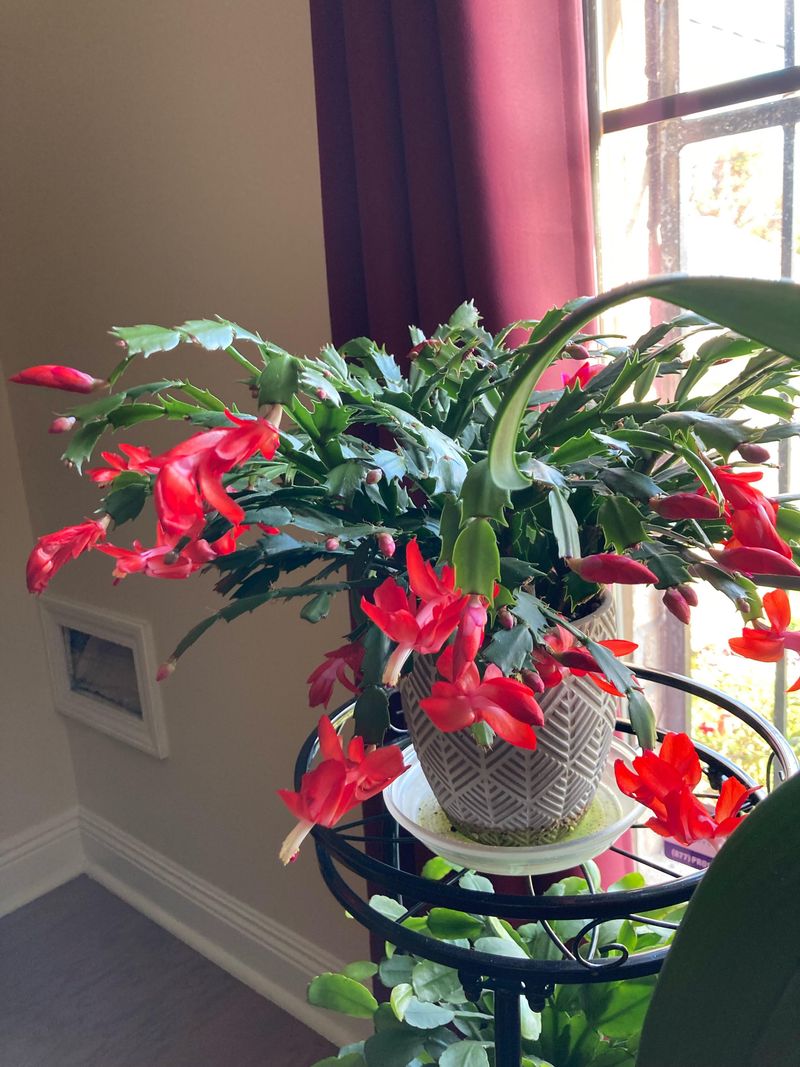
Morning sun is the polite kind of sunshine. For a rainforest plant that grows under tree canopies, that softer light feels a lot like home.
An east-facing window gives bright light early and then shade during the hot afternoon. That makes it a favorite choice among houseplant growers for Christmas cactus.
North windows can work too, though they may be a little dim in winter. Watch for stretched, thin stems, which can mean the plant wants more light.
South and west windows bring stronger sun. You can still use them by hanging a sheer curtain or moving the pot two or three feet back from the glass.
Virginia’s fall and winter sun sits lower in the sky, so it reaches deeper into rooms than summer sun does.
A spot that seemed shady in July may get more light by November.
Give the pot a quick check at different times of day. Notice when sunlight lands directly on the stems and how long it stays.
Fun fact for your next garden chat: the wild ancestors of this plant cling to trees and rocks in the mountains of southeastern Brazil, far from any desert.
5. Reddish Christmas Cactus Stems Might Be Getting Too Much Sun
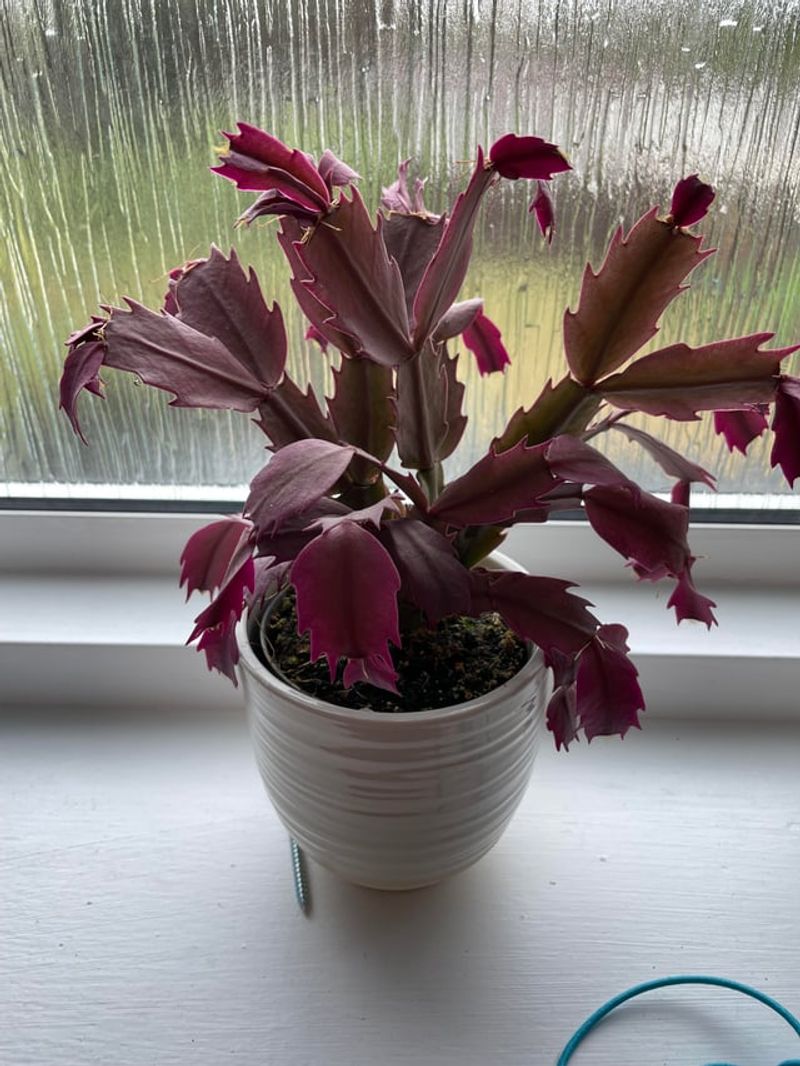
Ever noticed your cactus blushing? Those flat green segments can turn reddish or purplish when the plant feels stressed.
Too much direct sun is a common cause. Strong afternoon rays can also leave pale, yellowish, or bleached patches on the stems.
Stress like this pulls energy away from flowering. A plant busy coping with harsh light may set fewer buds or drop the ones it already has.
Reddish color is not only about sun, though. Cold exposure, root problems, or a need for nutrients such as magnesium can cause similar tints, so look at the whole picture.
Start with light, since it is the easiest fix. Slide the pot away from a hot south or west window, or add a sheer curtain, and watch new growth over a few weeks.
Healthy segments should look firm and medium green.
Wrinkled stems, on the other hand, often point to watering trouble instead of sun.
I like to snap a phone photo when I move a plant. Comparing pictures later makes small changes much easier to spot, and it keeps me from guessing.
6. Drafty Doors and Heater Vents Make Christmas Cactus Buds Drop
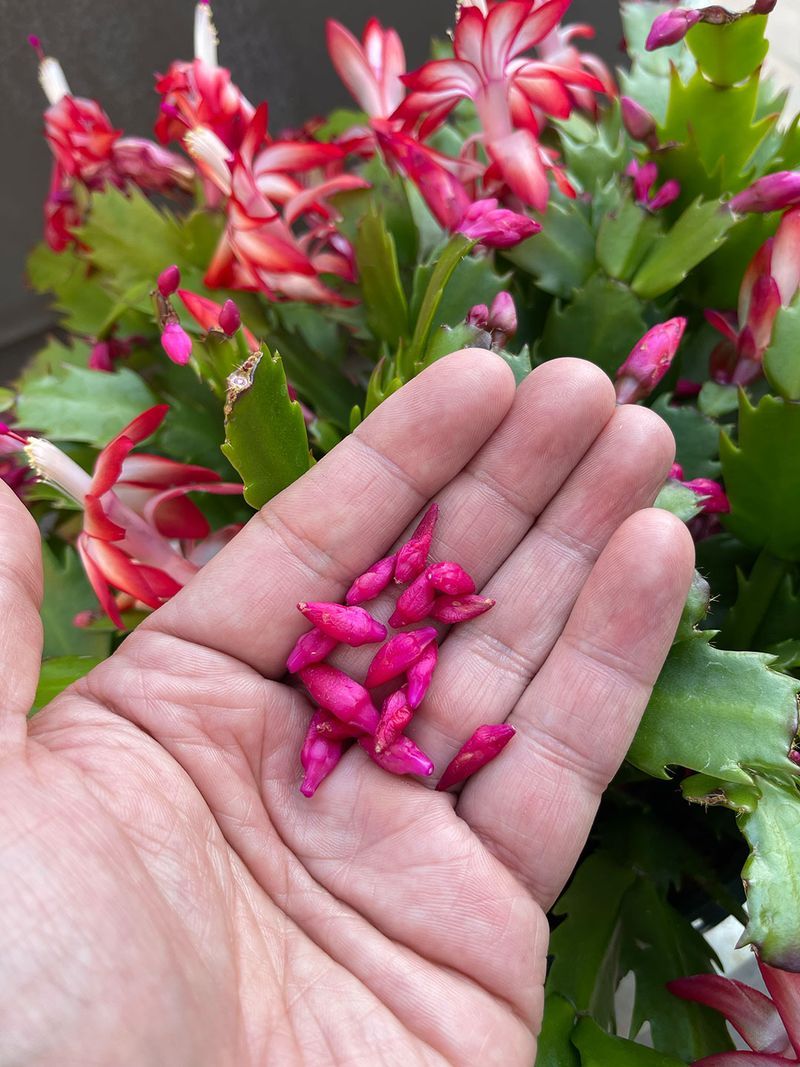
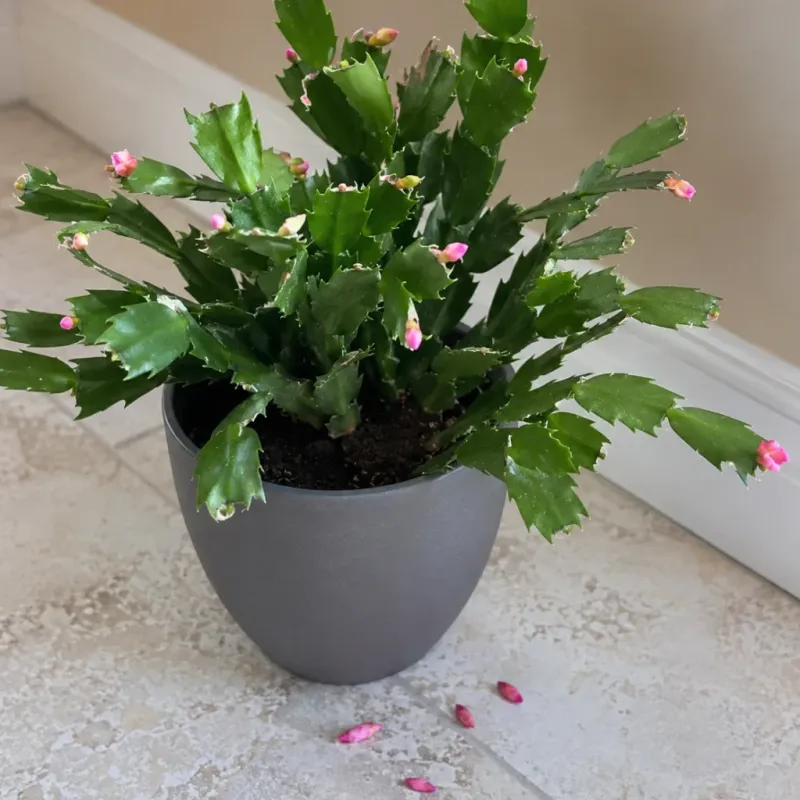
Nothing stings quite like finding fat pink buds scattered on the windowsill. Bud drop is frustrating, but the causes are usually easy to track down.
Sudden temperature swings top the list. Blasts of hot air from a heating vent or cold drafts from an outside door can shock the plant.
Moving the pot too often can also trigger drops. Once buds form, try to leave your cactus in one steady spot until flowers open.
Watering matters just as much. Let the top inch or so of soil dry before watering, and make sure extra water drains out of the pot.
Soggy soil can lead to root rot, while bone-dry soil makes buds shrivel. Aim for that middle ground of lightly moist.
In many Virginia homes, furnaces switch on right as buds are forming in November.
Check whether your window sits above or near a vent, and shift the plant a few feet if needed.
Dry indoor air can play a role too. A tray of pebbles and water under the pot, kept below the pot base, adds a little humidity around the plant.
7. Start Your Christmas Cactus Window Routine in Late September
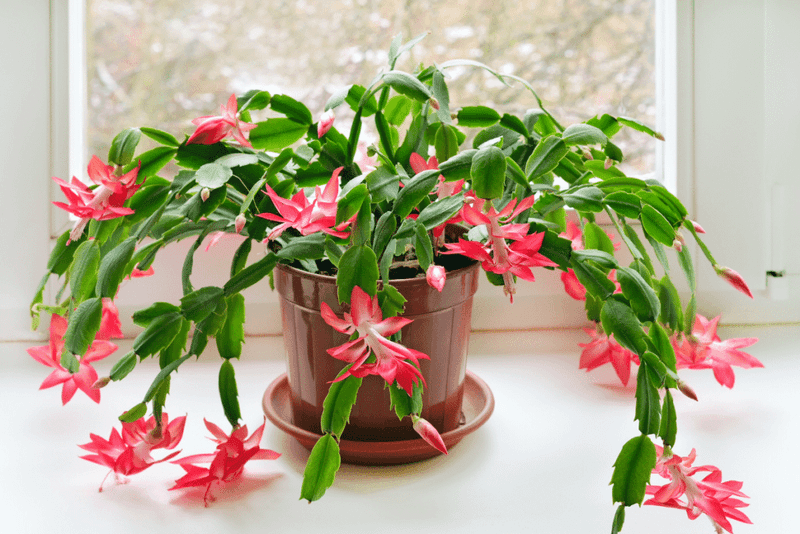
Calendars help more than you might expect. Planning a few weeks ahead turns blooming from luck into a simple routine.
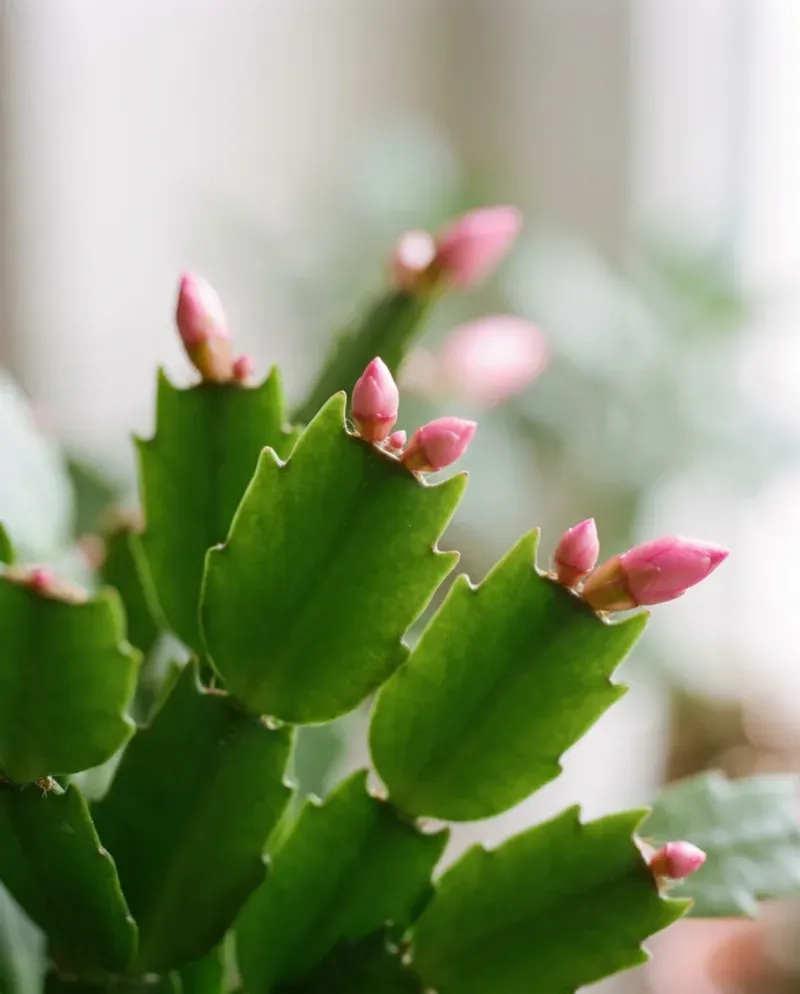
Late September to early October is a solid time to move your cactus to its cool, dark window. Six to eight weeks later, you should start spotting tiny buds at the stem tips.
If your plant summered outdoors, bring it in before nights fall below about 50°F. In Virginia, that timing differs from the cooler mountains out west to the milder coast near Norfolk.
Ease off fertilizer in early fall. Many growers stop feeding around late summer, then resume lightly after blooming ends.
Once buds appear, the hard part is done.
Keep light, water, and temperature steady, and enjoy the show as buds swell over the next few weeks.
Check your plant type, too. Thanksgiving cactus has pointed, claw-like stem edges and often blooms earlier, while true Christmas cactus has rounded edges.
Write your start date on a sticky note this year. Next fall, you will know exactly when to begin, and your windowsill might become the most cheerful spot in the house.