8 Herbs To Harvest And Freeze Before Thanksgiving In Georgia
Roman gardeners once called one fuzzy gray leaf a holy herb and picked it with careful ceremony. That same leaf probably grows near your back door right now, waiting to flavor your turkey this year.
Late fall in Georgia brings crisp nights, yet many garden herbs still look lush and green outside. One hard freeze, though, can turn tender leaves into limp mush overnight, so timing matters a lot here.
I have to admit that freezing my harvest felt silly at first, like storing lettuce in the snow. Then I tasted bright, green flavor in my December gravy, and I was happily hooked for good.
Your freezer can hold a whole summer garden in tiny green cubes, ready for any holiday table.
Which fragrant leafy treasures deserve a cozy spot in those trays before the first big frost arrives?
1. Parsley
Parsley shrugs off chilly weather better than most people expect, handling temperatures down to about ten degrees.
I love snipping a handful in November and smelling that clean, grassy scent cling to my fingers.
Flat-leaf Italian parsley carries a bolder, sweeter flavor than the curly kind, so I freeze more of it. Curly parsley still earns a spot, though, because it looks cheerful sprinkled over mashed potatoes.
Botanists call this leafy plant Petroselinum crispum, and it grows as a biennial that most folks treat like an annual. Its second year brings flowers and seeds, which usually means tougher leaves with a sharper taste.
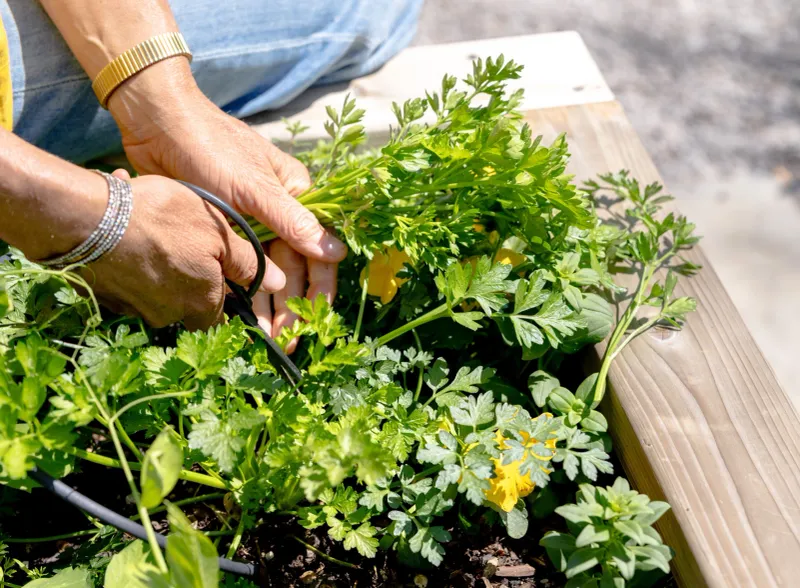
When harvesting, cut the outer stalks close to the ground and let the young center keep growing. Try to take no more than one third of the plant at once so it bounces back quickly.
Rinse the stems, then pat them dry with a towel before you start chopping for the freezer. Extra water on the leaves turns into ice crystals that can make the parsley soggy later.
My favorite trick is packing chopped parsley into ice cube trays and topping each cube with olive oil.
You can also flash freeze loose leaves on a baking sheet before pouring them into labeled bags.
Frozen parsley loses its crisp texture, so save it for stuffing and gravy instead of pretty garnishes. Keep watering the plant through fall, because steady moisture helps it push out fresh leaves for winter.
2. Sage
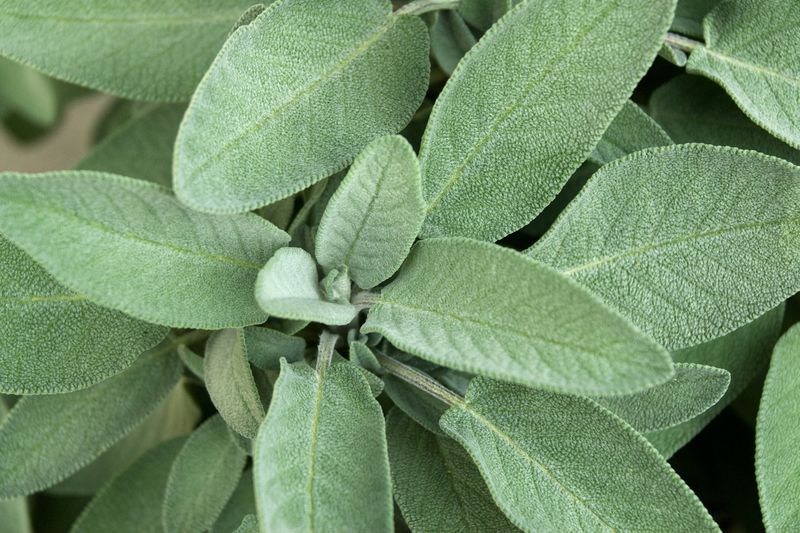
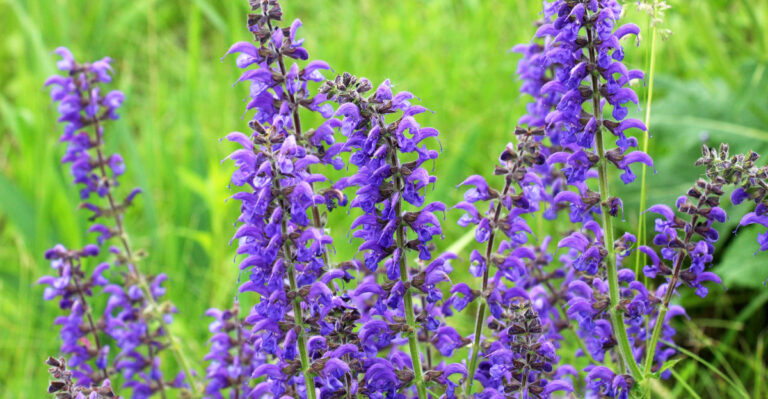
Sage practically smells like Thanksgiving, and brushing past its fuzzy gray leaves can make your stomach rumble instantly. Personally, I cannot imagine roasting a turkey without a few of those soft, pebbly leaves tucked under the skin.
Its scientific name, Salvia officinalis, comes from the Latin word salvare, which means to save or heal.
Ancient Romans treated sage as a holy herb and used it during religious ceremonies long ago.
Garden sage grows as an evergreen subshrub that is hardy in zones 4 through 10, so it fits Georgia nicely. Mature plants can reach roughly two and a half feet tall, with leaves stretching up to five inches long.
Full sun and well-drained soil keep sage happy, while soggy ground can quickly lead to root rot. If your yard holds water after storms, try a raised bed or a large clay pot instead.
Pick individual leaves or short stem tips, but skip any heavy pruning this late in the season. Hard cuts in late fall can weaken the plant and make it less able to handle winter cold.
Sage freezes beautifully, which surprises plenty of gardeners who assume dried leaves are the only option. Lay whole leaves flat on a tray, freeze them for a few hours, then slide them into a bag.
Chopped sage frozen in olive oil cubes melts right into browned butter for a quick holiday sauce.
I like labeling each bag with the date, since my freezer tends to swallow small packages without a trace.
3. Rosemary
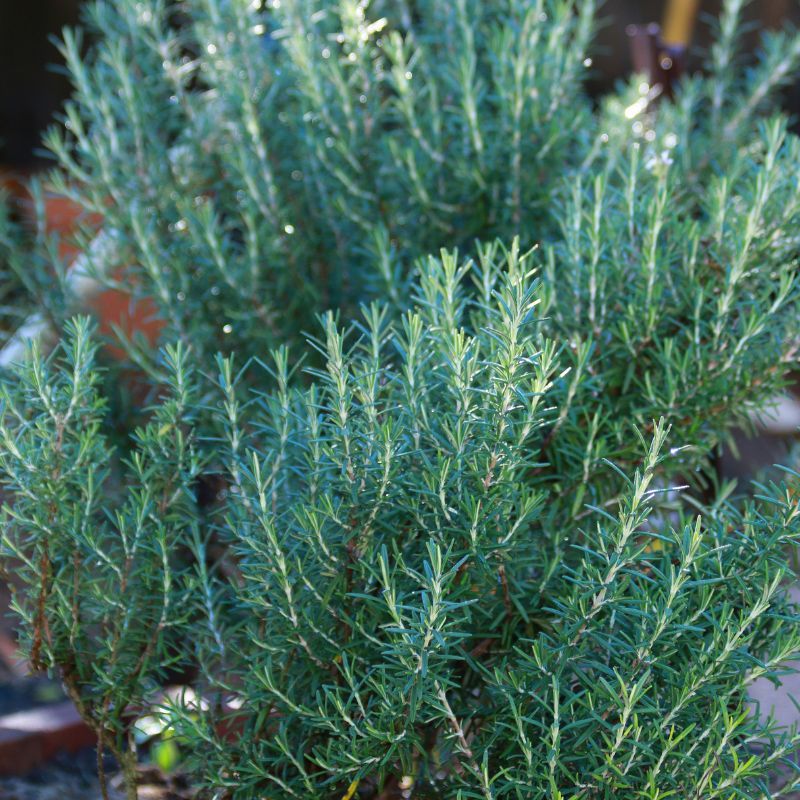
Rosemary’s name comes from words meaning dew of the sea, a nod to its rocky Mediterranean coastal home. Run your hand along a branch and you get a piney burst that lingers for an hour.
Scientists recently moved this shrub into the sage genus, so its official name is now Salvia rosmarinus.
Older plant tags may still list Rosmarinus officinalis, and both names point to the same fragrant plant.
Rosemary is hardy in zones 8 through 10, which covers much of Georgia except some chilly northern mountain areas. Some varieties, like Arp, handle colder winters better, while others may need shelter during a hard freeze.
Upright types can grow four to six feet tall, which means you may have far more needles than you need. I treat that extra growth as a gift and happily freeze a big batch every November.
Snip sprigs from the soft, green tips rather than the woody base, and avoid heavy pruning late in the year. Gentle trimming keeps the shrub sturdy enough to face cold winter nights without any unnecessary stress at all.
For loose needles, strip them off the stems and spread them on a baking sheet to flash freeze.
Once the needles are firm, pour them into a freezer bag and press out as much air as possible.
Whole sprigs can also be frozen in olive oil, which makes roasting potatoes feel wonderfully easy on busy days. Rosemary loves dry, well-drained soil and plenty of sun, so go easy on the watering can.
4. Thyme
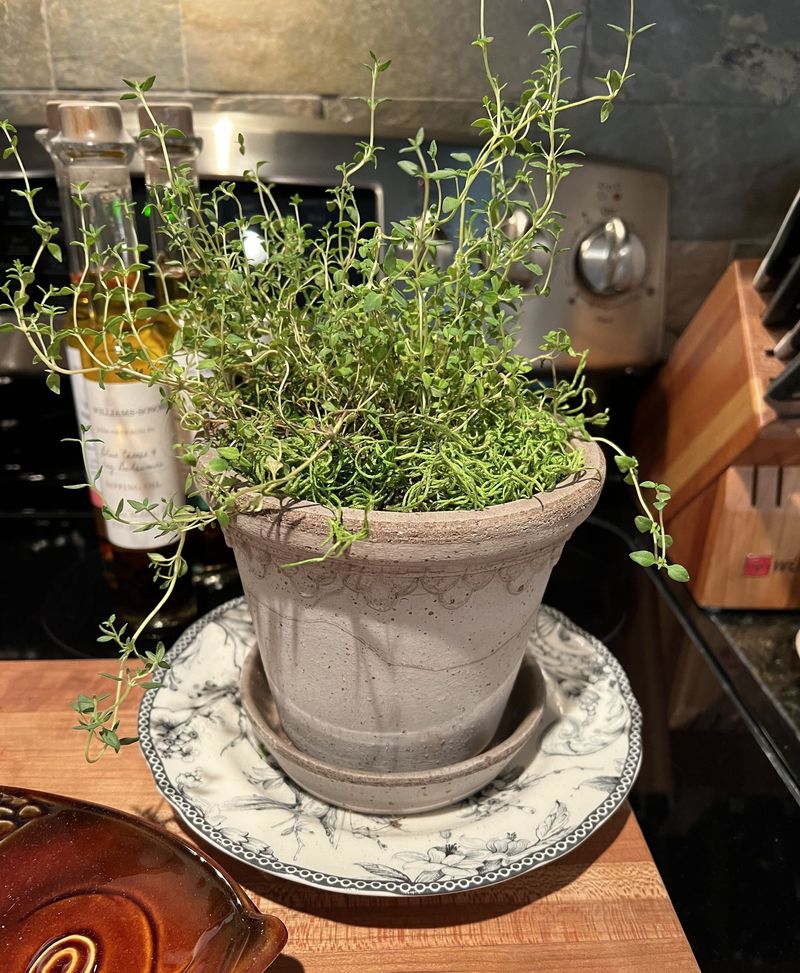
Ancient Greeks linked thyme with courage, and its name likely comes from thumos, meaning courage or perfume. Honestly, I find a tiny plant with that much history pretty charming to have along my garden path.
Common thyme, Thymus vulgaris, grows only two to fifteen inches tall with tiny gray-green leaves packed with aroma.
It stays evergreen in many winters and is hardy in zones 4 through 9 across the region.
Sharp drainage is the secret here, since thyme prefers sandy or rocky soil and dislikes staying wet. Our heavy red clay can hold too much water, so mix in grit or grow it in containers.
Aroma peaks right before the plant blooms, but fall harvests still deliver plenty of earthy, savory flavor. Leave at least five inches of growth on each stem so the plant stays vigorous through winter.
Stripping thyme leaves sounds tedious, yet there is a clever shortcut that saves lots of time in the kitchen.
Hold the stem tip and pull your fingers backward down the stem, and the leaves pop right off.
Spread those little leaves on a tray to flash freeze, then tuck them into a labeled bag. Another easy option is chopping thyme and freezing it with olive oil in ice cube trays.
You might notice frozen thyme keeps more color and punch than store-bought dried thyme from the spice aisle. A single cube stirred into turkey gravy or cornbread dressing tastes like summer sunshine in your holiday kitchen.
5. Oregano
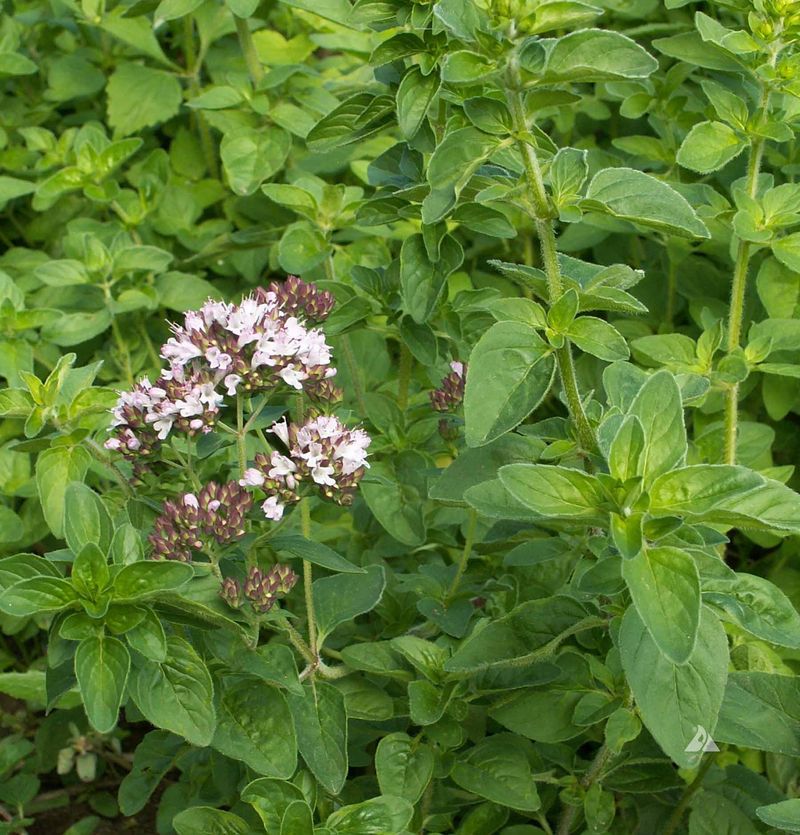
Oregano’s name translates from Greek as joy of the mountain, which feels fitting for such a cheerful, sprawling plant. I adore how one small nursery pot can turn into a bushy mound that spills over the bed edge.
Common oregano, Origanum vulgare, is a perennial in zones 4 through 9 and often handles a freeze without much fuss.
True Greek oregano carries the strongest flavor, so check plant tags carefully before buying a new one.
Sunshine fuels that spicy taste, and oregano performs best with about eight to ten hours of direct light daily. Rich soil and heavy fertilizer can actually weaken its flavor, so a little neglect works in your favor.
Well-drained, neutral to slightly alkaline soil suits it best, while soggy acidic ground often causes trouble. Many Georgia yards lean acidic, so a soil test through your county Extension office is a smart move.
Harvest by cutting stems once they reach a nice length, but skip any drastic chopping this late in fall. Save the big cutback to about four to six inches for spring, when fresh growth returns quickly.
Chopped oregano mixed into olive oil and frozen in ice cube trays makes a handy pizza or pasta booster. You can also flash freeze loose leaves on a tray before moving them into airtight freezer bags.
Dried oregano tastes more intense than fresh, but frozen leaves keep a brighter, greener personality I really enjoy.
Try a cube in your leftover turkey soup the weekend after Thanksgiving for a cozy, savory lift.
6. Chives
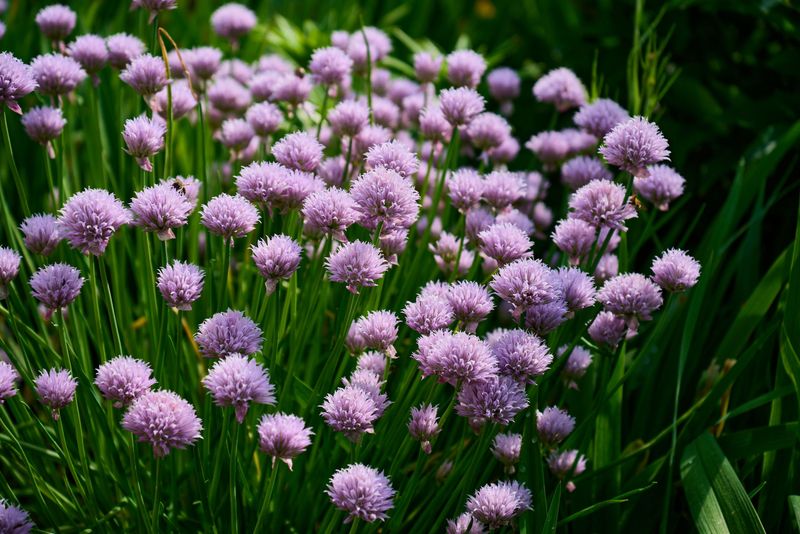
Chives look like a tidy clump of grass until you snip one and get a gentle whiff of onion.
Kids often nibble them straight from the pot, which tells you how mild and friendly the flavor is.
Known to botanists as Allium schoenoprasum, chives have been grown in European gardens since the Middle Ages. The second part of that name comes from Greek words meaning rush and leek, which describes them nicely.
Chives are tough little perennials, hardy in zones 4 through 8, and they form dense clumps about a foot tall. Their leaves are hollow and tubular, and the plant sends up edible purple flowers in spring.
Full sun to part shade works fine, as long as the soil drains well and does not stay soggy. Wet roots can rot, so avoid low spots where rain puddles after a heavy afternoon storm.
Harvest by snipping leaves close to the base rather than trimming just the tips like a haircut. Cutting back the clump several times a season encourages fresh, tender growth to keep coming.
Chives are one of the easiest herbs to freeze, and they keep their color surprisingly well. Chop them finely and freeze them flat in a bag so you can shake out a pinch anytime.
Ice cube trays work too if you mix chopped chives with a splash of water before freezing.
I love tossing a frozen spoonful onto baked potatoes or deviled eggs right before guests sit down to eat.
7. Mint
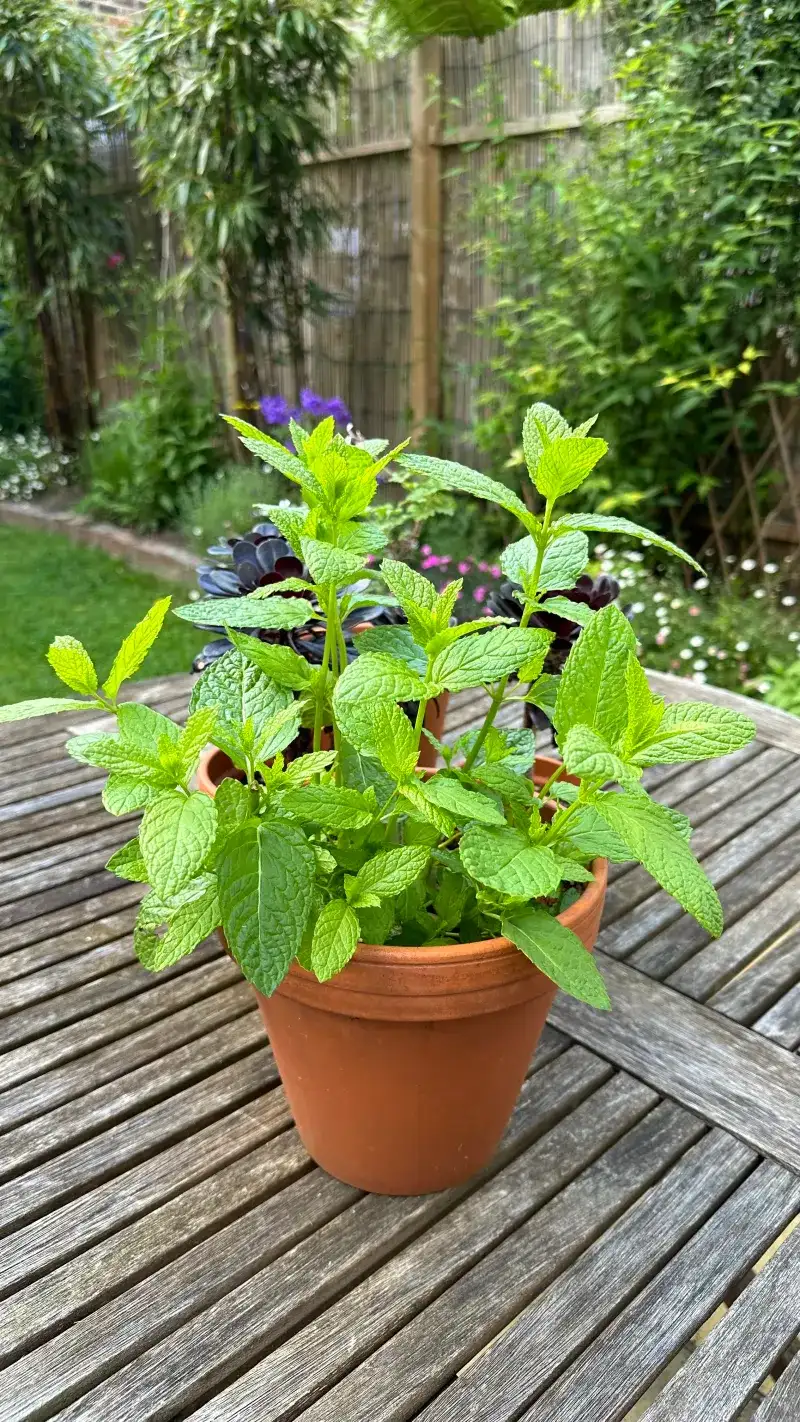
Mint has a reputation as the houseguest who rearranges your furniture and refuses to leave the garden.
Underground runners called stolons help it creep into new territory much faster than most garden herbs.
That spreading habit is why I strongly suggest growing mint in containers instead of open garden beds. A big pot on the patio keeps it handy for picking and keeps your other plants safe.
Spearmint, Mentha spicata, and peppermint, Mentha x piperita, are the two most familiar kinds in home gardens. Fun varieties like apple mint and chocolate mint add playful twists to holiday desserts and hot drinks.
Crush a leaf and you will notice square stems, a classic clue that mint belongs to a big fragrant plant family.
The leaves are pointed with notched edges, and summer flowers range from off-white to soft violet.
Mint loves moisture and grows happily in full sun or partial shade, even through hot, humid southern summers. Keep the pot watered during dry fall spells so the leaves stay plump and full of flavor.
Harvesting is refreshingly simple, because you can pick leaves whenever you like without hurting the plant. Grab stem tips with a few pairs of leaves, and the plant usually branches out even fuller.
Chopped mint frozen in ice cube trays with water makes festive cubes for holiday punch or iced tea. Olive oil cubes work better for savory dishes, like a minty sauce for roasted lamb or peas.
8. Marjoram
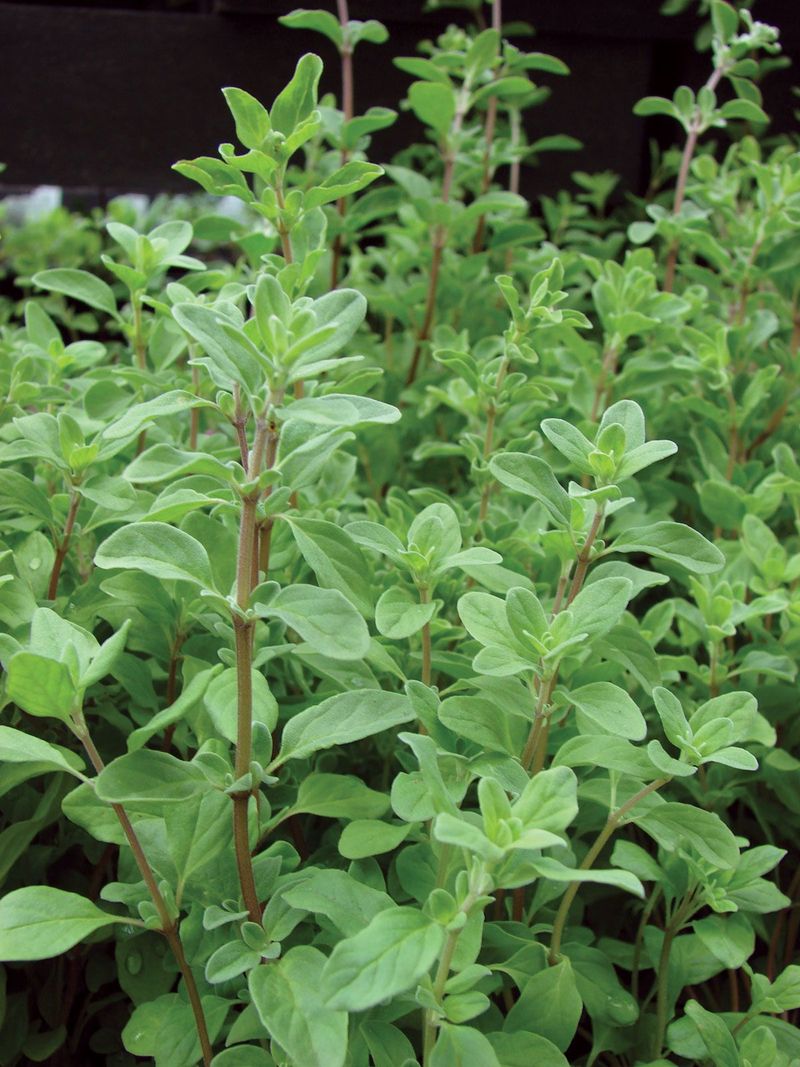
Ancient Greeks believed the goddess Aphrodite created marjoram, and they saw it as a sweet symbol of happiness.
Taste one fuzzy leaf and you might agree, because it hints at pine and citrus with a soft finish.
Sweet marjoram, Origanum majorana, is a close cousin of oregano but carries a milder, gentler flavor overall. Some cooks even call it Italian oregano, which can cause a little confusion at the garden center.
Unlike its tougher relatives, marjoram is quite sensitive to frost and struggles when temperatures drop below freezing. Most gardeners in Georgia grow it as an annual, which makes a fall harvest even more important.
The plant forms a bushy, branching shrub up to three feet high and roughly two feet wide in good conditions. Full sun and well-drained soil keep it thriving, while soggy beds can quickly cause root problems.
Peak flavor arrives right before the small white or pale pink flowers open, when essential oils are strongest.
Fall leaves still taste lovely, so gather every healthy stem before a cold snap sneaks into the forecast.
Cut stems in the morning once the dew dries, and pat the leaves gently with a clean towel. Chop them and freeze them in olive oil cubes, or flash freeze whole leaves on a tray first.
I like stirring a marjoram cube into green beans or turkey gravy for a subtle, sweet herbal lift. Potted plants can also come indoors near a sunny window, giving you fresh sprigs well into winter.