10 Bird-Friendly Trees and Shrubs That Turn a New York Yard Into a Birding Hotspot
A pair of chickadee parents can deliver over six thousand caterpillars to one nest before the babies fly. Most of those wriggly meals come from native trees and shrubs, not from the bird feeder hanging on your porch.
Seeds help in winter, but songbirds in New York lean heavily on berries and bugs during migration and nesting.
Fall travelers like thrushes need fatty fruit to fuel flights that often cover a hundred miles or more overnight.
I have a soft spot for yards that look a little wild, with layers of branches where birds can hide. A small lot works fine, since one smart planting can bring in visitors you rarely spot at a feeder.
The plants ahead are native picks that handle New York winters and feed birds through most of the year. So which one will turn your quiet backyard into the busiest bird stop on the block?
1. Downy Serviceberry
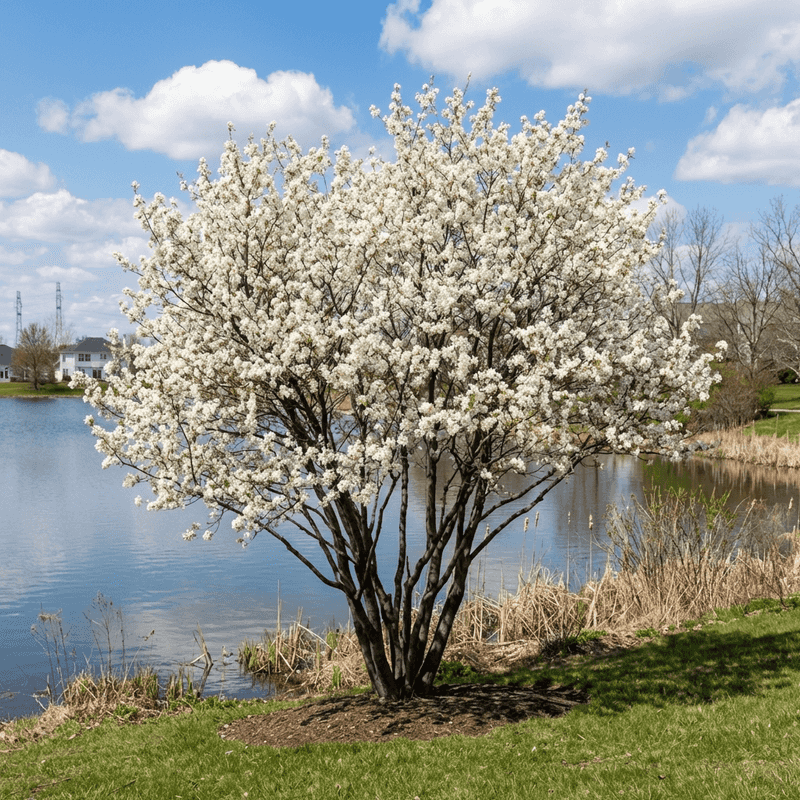
Robins and cedar waxwings sometimes empty a loaded serviceberry within days, so you have to be quick to taste one. The small purple fruits ripen in early summer, and birds treat the branches like a free snack bar.
Downy serviceberry, Amelanchier arborea, is a native small tree or large shrub that grows in USDA zones 4 through 9. In most yards it reaches about 15 to 25 feet tall, with a rounded or vase-like shape.
Early spring brings drooping clusters of white flowers, often before the leaves even show up on the branches. The blooms last only about a week, but early bees and other pollinators are thrilled to find them.
More than 40 bird species eat the berries, including cardinals, orioles, woodpeckers, and even shy hermit thrushes. The tree also hosts many moth and butterfly caterpillars, which become baby food for nesting songbirds in spring.
I love that a single tree produces fruit by itself, so you can skip hunting for a pollinating partner. Plant it in full sun or partial shade, in average soil that drains well after a heavy rain.
Water it regularly during the first couple of summers, and it will handle drier spells once roots settle in. Snip away root suckers at the base if you prefer a tidy tree shape over a bushy clump.
Autumn adds another show, as the leaves glow warm orange and burgundy before drifting down to the lawn. If the birds leave any berries behind, they taste a bit like blueberries and make a fine homemade jam.
2. White Oak
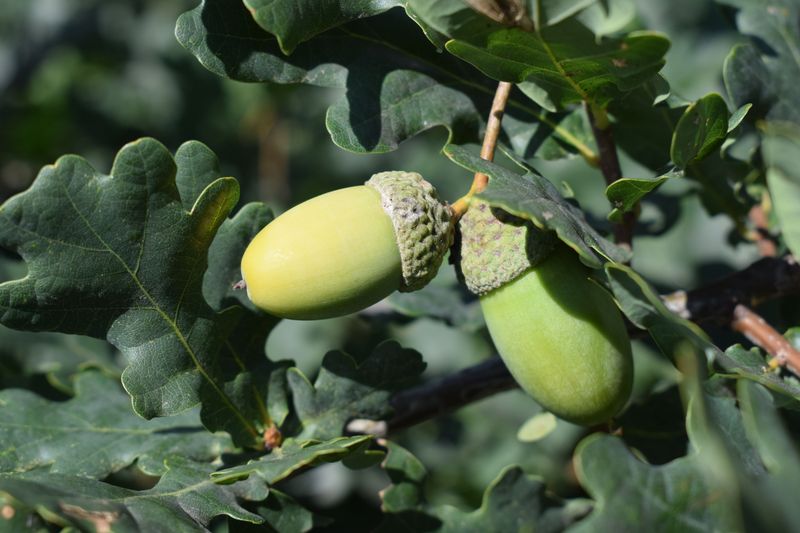
Planting a white oak is like opening a bird restaurant that your grandkids will still be enjoying decades from now. These slow growers can live for centuries and eventually reach 60 to 100 feet tall with wide, sweeping branches.
Quercus alba is native across the eastern United States and is hardy in zones 3 through 9. That range covers every corner of New York, from the Adirondacks down to Long Island backyards.
What I find fascinating is how many caterpillars live on oak leaves, quietly munching while birds hunt them. Oaks support more butterfly and moth species than almost any other tree, which makes them a nesting season superstar.
Acorns about an inch long drop each fall, and blue jays happily carry them off to bury for later. Red-headed woodpeckers and wild turkeys also feast on them, while squirrels compete for every last nut on the ground.
Give your oak full sun and moist, well-drained soil that leans slightly acidic, and avoid soggy low spots. Young trees grow a deep taproot, so start with a small sapling because big ones transplant poorly.
The leaves are deeply lobed with rounded tips and turn a rich burgundy brown in autumn. Many hang on through winter, giving small birds a bit of shelter from icy winds on gray days.
Here’s something worth knowing if you keep horses, since oak leaves and acorns can make them seriously sick. Plant well away from pastures, and keep it far from your house so those massive limbs have room.
3. Black Cherry
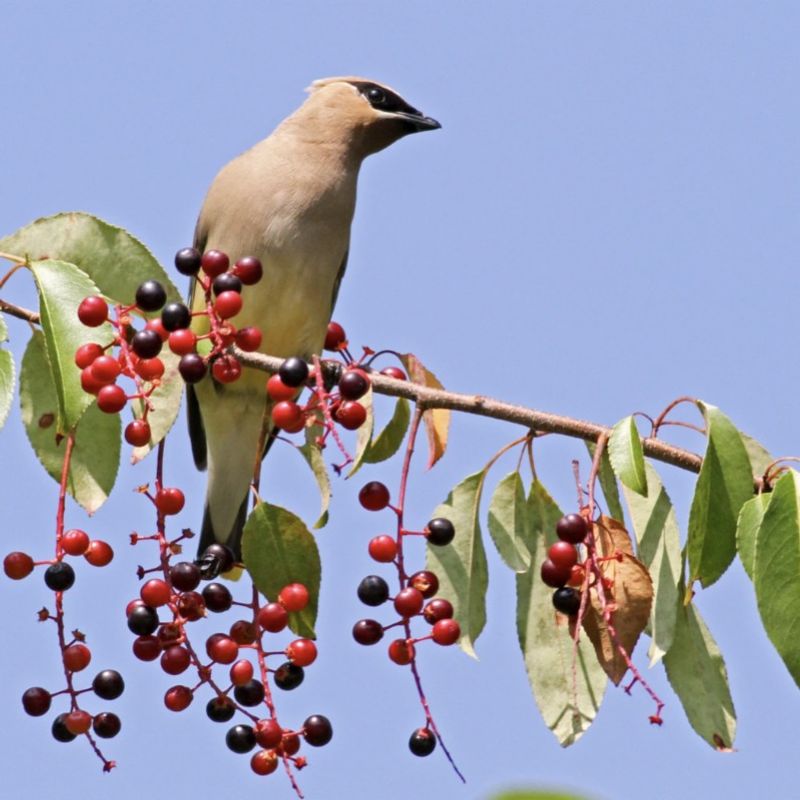
Bark on an older black cherry looks like a pile of burnt potato chips, and I mean that lovingly. Once you spot that flaky texture, you’ll notice these trees along roadsides and forest edges everywhere you drive.
Prunus serotina is a fast-growing native tree hardy in zones 3 through 9, and it reaches 50 to 80 feet. In May, fragrant white flowers hang in finger-length clusters that buzz with bees on warm afternoons.
By late summer, those flowers turn into small dark cherries that ripen steadily from mid-August into October. Robins, thrushes, woodpeckers, and catbirds swarm the branches, and the fruit often disappears faster than you expect.
The leaves also feed a huge number of moth and butterfly caterpillars, which helps parent birds stuff hungry chicks. Older trees sometimes develop cavities that make cozy homes for woodpeckers and other hole-nesting birds over time.
Plant it in full sun or part shade, in moist loam that drains well and is not soggy. Choose a small young tree, because a long taproot makes larger specimens tricky to move successfully.
You might want to think twice about placing one beside a patio or driveway, because dropped fruit stains concrete. The leaves and seeds contain toxic compounds, and wilted foliage is especially harmful to cattle and horses.
Pick a spot at the back edge of your yard, where messy fruit becomes a perk instead of a chore. Then grab a chair in late summer and watch the busy berry-snatching action from a comfortable distance.
4. Red Maple
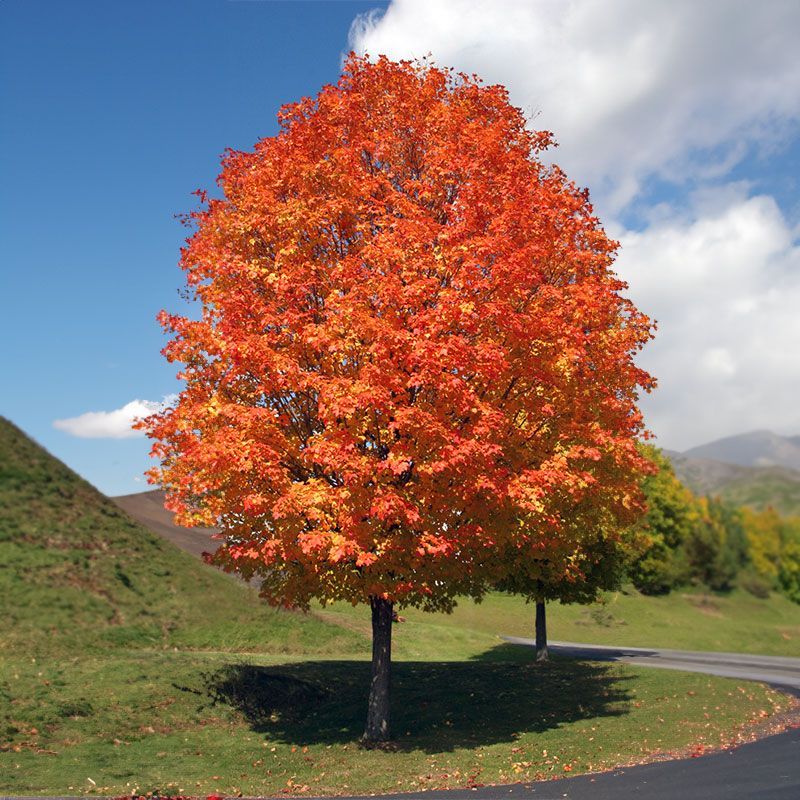
Red maple flowers often open in March, painting bare branches crimson while most of the yard still looks asleep. Those tiny blooms give early bees a meal, and the red haze is a welcome sign that spring is coming.
Acer rubrum is native and abundant throughout New York, and it thrives in USDA zones 3 through 9. It grows quickly to about 40 to 75 feet tall, forming a handsome oval or rounded crown.
By late spring, the flowers turn into winged seeds called samaras that helicopter down onto lawns and gardens. Finches, grosbeaks, and squirrels snack on those seeds, so the show continues long after blooming ends.
I can see why gardeners love this tree for tough sites, since it handles clay and even wet ground. Moist, slightly acidic soil suits it best, and it grows well in full sun or partial shade.
Songbirds use the dense summer canopy for cover, and many nest in the forked branches high above the lawn. The leaves also host plenty of caterpillars, which are prime protein for warblers passing through during spring migration.
Shallow roots can lift sidewalks and driveways over time, so plant it well away from any pavement. Stressed trees may attract aphids or scale insects, so water deeply during long summer dry spells.
Autumn is when this maple really shows off, turning fiery scarlet that can stop neighbors on the sidewalk. You get a bird shelter in summer and a blazing color display every fall, all from one tree.
5. Winterberry Holly
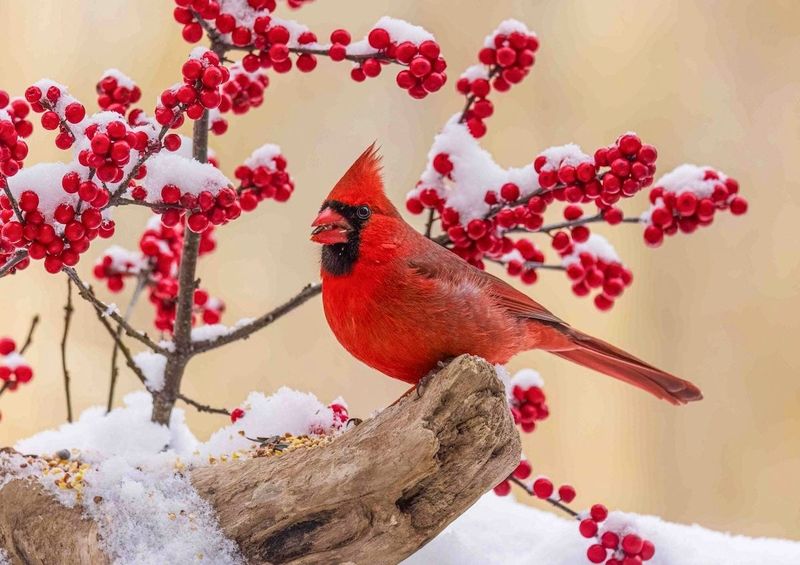
Bright red berries glowing against fresh snow are winterberry’s signature move, and robins notice them from far away. This native holly drops its leaves in fall, leaving bare stems wrapped in scarlet fruit for months.
Ilex verticillata is a multi-stemmed shrub hardy in zones 3 through 9, usually growing 6 to 10 feet tall. Its leaves stay plain green through summer, so it blends quietly into a border until the berries ripen.
Here’s what caught my attention when I first planted one: berries only form when a male plant grows nearby. Winterberry has separate male and female plants, so put at least one male within about 50 feet.
Wet soil does not bother it one bit, which makes it a smart choice for soggy corners and rain gardens. It prefers moist, acidic soil and produces the heaviest crops when it gets plenty of full sunshine.
Cedar waxwings, bluebirds, mockingbirds, and robins all visit the berries, often late in winter when food runs short. The dense branches also give small birds a safe place to hide and sometimes build summer nests.
Water during dry stretches, especially the first few years, because this shrub dislikes drying out at the roots. Tiny white flowers appear in late spring, but most people miss them unless bees lead the way.
The berries are mildly toxic to people and pets, so keep curious kids and dogs from nibbling on them. Cut a few branches for holiday decorations if you like, but leave plenty behind for hungry winter visitors.
6. American Elderberry
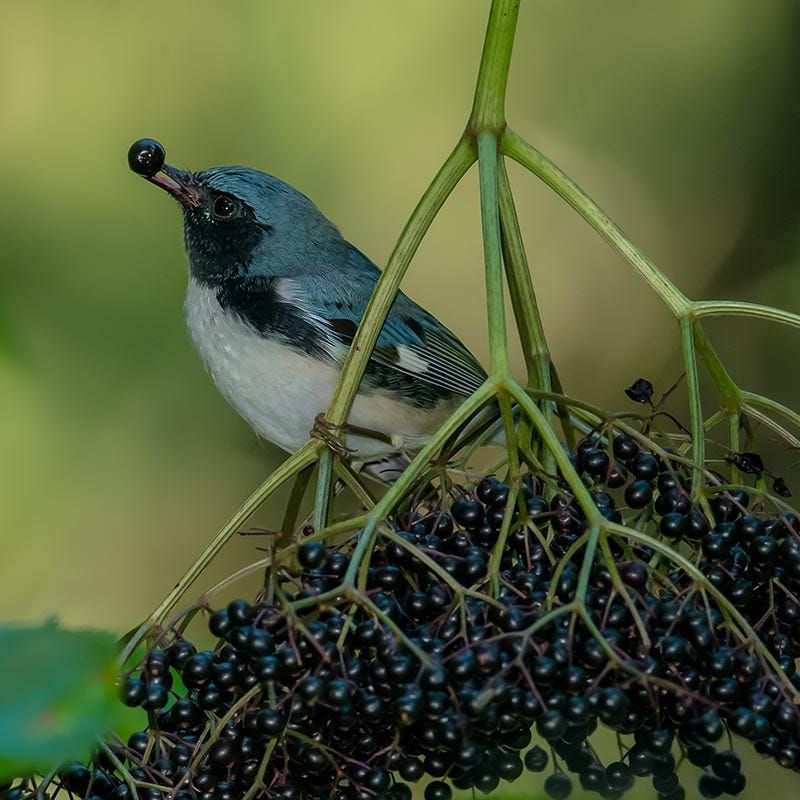
Flower clusters on an American elderberry can stretch nearly ten inches across, like lacy white dinner plates in June. Bees and butterflies crowd those blossoms, and the sweet scent drifts across the yard on warm evenings.
Sambucus canadensis is a fast-growing native shrub hardy in zones 3 through 9, so it fits nearly anywhere. Most plants reach 5 to 12 feet tall and spread by suckers into loose, arching thickets.
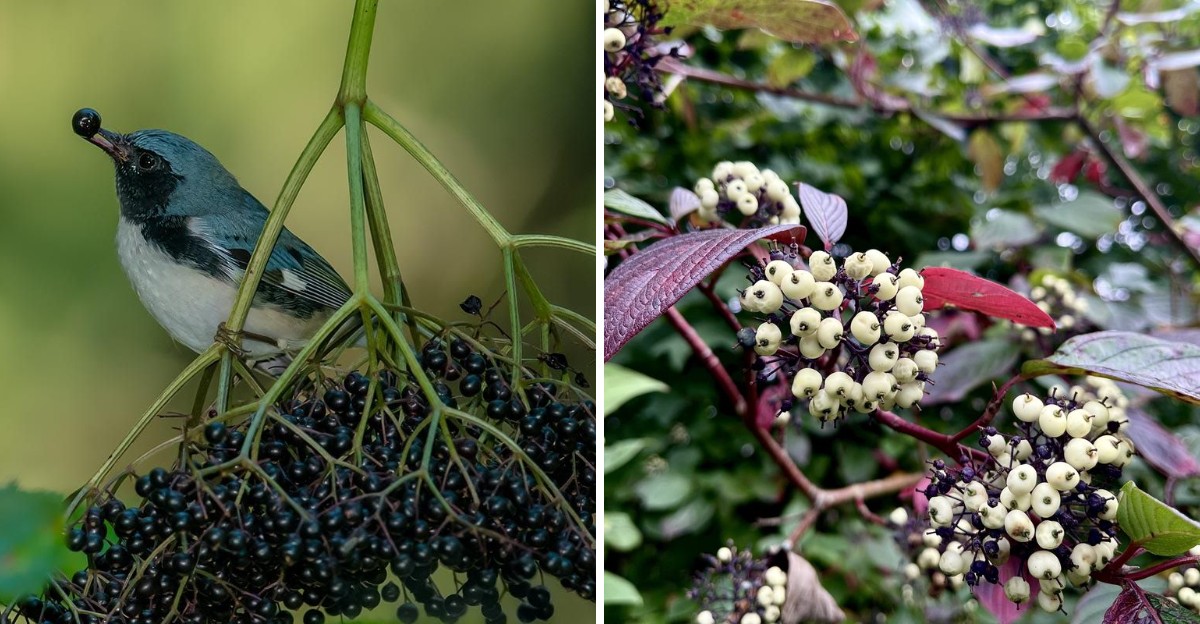
By late summer, heavy clusters of tiny purple-black berries droop from the branches like bunches of grapes. Catbirds, cardinals, mockingbirds, and wood thrushes gobble them up, and they move fast once the fruit ripens.
It tolerates heavy clay and even occasional flooding, which makes it a problem solver for tough spots. Full sun brings the biggest flower and fruit crops, though partial shade still gives you a decent harvest.
Most varieties fruit better with a partner, so plant two different types within about 60 feet. Prune older canes hard in late winter to push out vigorous new growth that flowers and fruits well.
Old hollow stems become nesting spots for native bees, so leave a few standing at the edge. The thick growth also shelters birds from hawks and gives them protected places to raise their young.
Raw berries and leafy parts can upset your stomach, but cooked berries make a delicious syrup or jam. I’d share half the crop with the birds and still have plenty for a few jars of jelly.
7. Arrowwood Viburnum
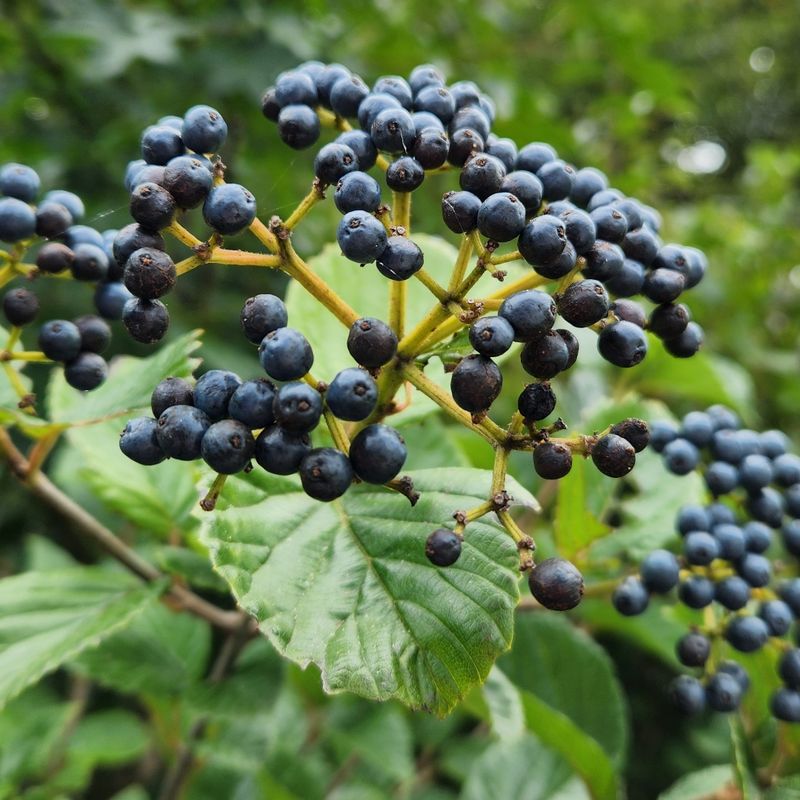
Native Americans once used the straight young stems of this shrub for arrow shafts, which explains the name. Today those same tidy stems hold clusters of blue-black berries that birds happily strip in early fall.
Viburnum dentatum is a tough native shrub hardy in zones 2 through 8, usually reaching 6 to 10 feet. Its rounded, multi-stemmed shape makes an excellent living screen along a fence or busy property line.
Flat clusters of white flowers open in May and June, and butterflies drift over to sip from them. Fair warning, the blooms are not fragrant, so plant something sweet nearby if you love scented gardens.
From August into November, the berries ripen and attract bluebirds, catbirds, robins, and many other hungry visitors. Migrating songbirds especially appreciate the fruit when they stop to refuel during their long fall journeys south.
I’m always surprised by how forgiving this shrub is, handling clay soil and some drought once established. It grows well in full sun or part shade, though more sunlight usually means more flowers and fruit.
Plant two or more different strains, because a single genetic type may produce few berries alone. If pruning is needed, do it right after flowering so you don’t lose next year’s fruit buds.
Fall leaves can turn glossy red or reddish purple, though some years the color stays a muted yellow. Either way, you get a low-fuss shrub that rarely suffers serious pest problems and keeps birds coming back.
8. Northern Bayberry
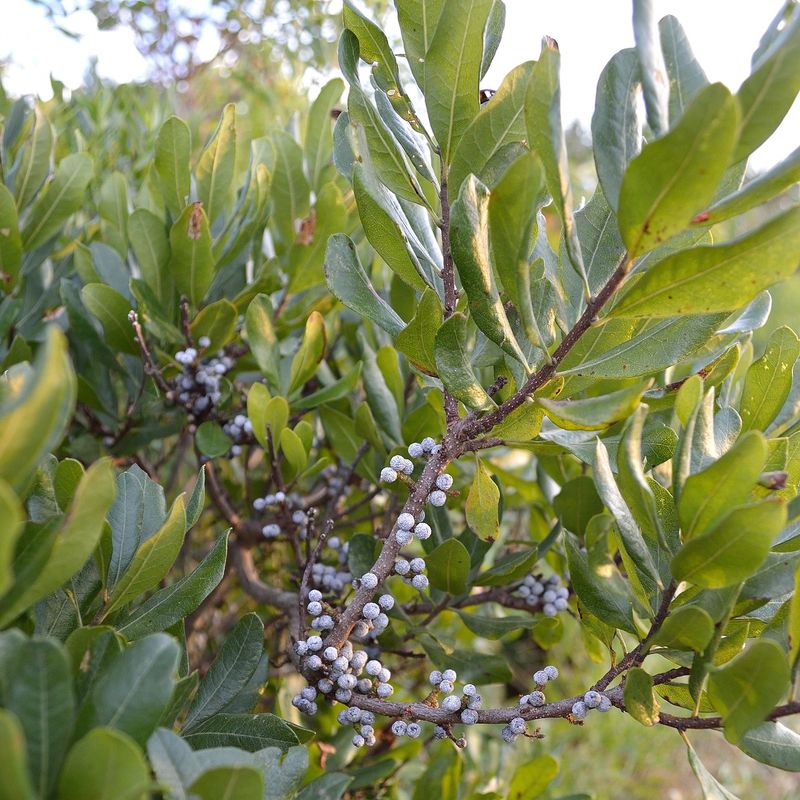
Crush a northern bayberry leaf between your fingers, and a fresh spicy scent fills the air around you. People once boiled the waxy gray berries to make fragrant candles, which earned it the nickname candleberry.
Morella pensylvanica is a dense native shrub that grows 3 to 12 feet tall in zones 3 through 7. Its leathery leaves are semi-evergreen, sometimes hanging on into winter in milder spots near the coast.
The real treasure for birds is that waxy fruit, which can stay on branches from late summer until April. Yellow-rumped warblers are famous fans, since they can digest the wax and survive colder weather on it.
Salt spray barely bothers it, so it thrives along Long Island shores and roadsides where winter salt piles up. It also handles poor sandy soil, because its roots work with bacteria to capture nitrogen from the air.
Like winterberry, this shrub needs both male and female plants, so buy several to ensure a solid berry crop. Full sun works best, though it tolerates partial shade and becomes drought tolerant once the roots settle.
It spreads by underground runners into thickets, which birds adore for cover but tidy gardeners may need to manage. Give it room on a slope or along a border where a little wandering will not cause trouble.
Deer tend to leave it alone more than many shrubs, which is a relief in suburban neighborhoods. You might be surprised how lively a gray winter day feels when warblers are busy picking those pale berries.
9. Spicebush
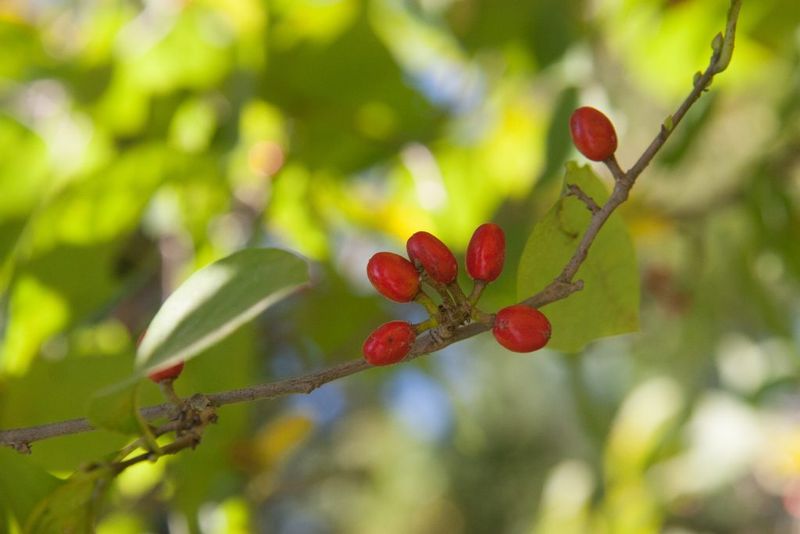
Spicebush berries pack a surprising amount of fat, making them energy bars for songbirds heading south in fall. Thrushes and other migrants seek them out because rich fruit helps them build fuel for long overnight flights.
Lindera benzoin is a native shrub hardy in zones 4 through 9, growing about 6 to 12 feet. Every part smells spicy when you scratch it, and the berries even have a peppery taste and aroma.
Tiny greenish-yellow flowers cover the bare branches in March, giving the woods a soft golden glow. Only female plants make the bright red berries, so plant a few to get both sexes in your yard.
What I find interesting is that spicebush hosts the spicebush swallowtail, whose caterpillar looks like a tiny snake. Eastern tiger swallowtails and promethea moths use it too, so your shrub doubles as a busy butterfly nursery.
This shrub is a shade champion, growing in sun or deep shade under taller trees at the woodland edge. In heavy shade it becomes more open and airy, which actually looks lovely in a natural planting.
Keep the soil consistently moist, especially in full sun, and add leaf mulch to hold in water. It prefers rich, humusy ground and can spread slowly by root suckers into a small, informal patch.
Fall leaves turn a clear buttery yellow, which makes the red berries pop once the foliage drops. Deer may nibble twigs, but serious pests are rare, so it’s a fairly easygoing addition to most yards.
10. Red Osier Dogwood
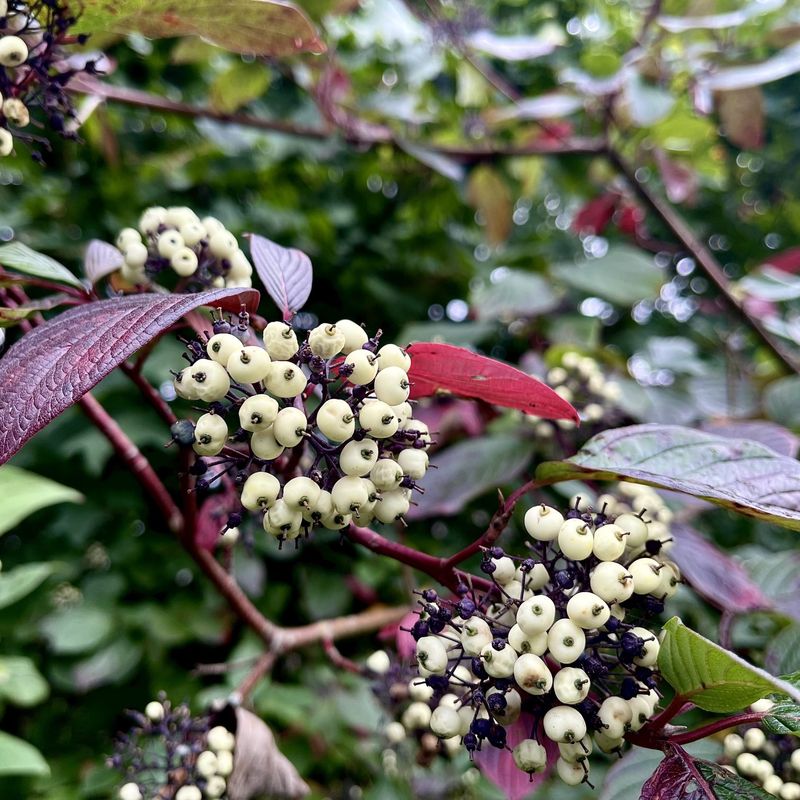
Blazing red stems poke out of the snow all winter, and red osier dogwood looks like it’s glowing. Few shrubs add this much color to a frozen yard, and birds use the dense thickets for shelter too.
Cornus sericea is a native suckering shrub hardy in zones 2 through 7, growing about 3 to 12 feet. In the wild it lines streams and wetlands, so damp corners of your yard suit it perfectly.
Small creamy flower clusters appear in late spring, and bees and butterflies visit them through early summer. By late summer, the flowers turn into white berries that at least 18 bird species are known to eat.
Cedar waxwings, catbirds, grosbeaks, and northern flickers all sample the fruit, along with wild turkeys in rural areas. The plant also hosts native caterpillars, including the spring azure butterfly, which adds more food for nesting birds.
Here’s a pruning trick I love, since the newest stems show the brightest color on the whole plant. In late winter or early spring, cut out the oldest, dullest stems near the ground to spark fresh growth.
Plant it in full sun for the richest stem color, though it manages fine in partial shade. Water regularly for the first few years, and after that it handles dry spells surprisingly well.
It spreads by runners into thickets, which is great for wildlife but worth watching in small beds. Hot, humid summers can bring leaf spot or canker, so good air flow helps keep it looking healthy.