Should New Yorkers Replace Their Lawn With a Meadow? What to Know Before You Rip It Out
A single monarch caterpillar can only eat one family of plants, and most suburban yards offer none of it. That tiny fact changed how I look at grass. My tidy green rectangle suddenly felt like a restaurant with an empty menu.
Across New York, more homeowners are trading weekly mowing for something taller, wilder, and buzzing with bees. I love the idea of a yard that hums in July and feeds goldfinches in October.
Still, I learned fast that tossing a bag of seed onto sod rarely ends well. You need patience, a plan, and a little nerve when the neighbors start asking questions.
The first year can look scruffy, and weeds will test your resolve. The payoff arrives slowly, then all at once.
So is your lawn ready for a wild makeover, or should you keep the mower a while longer?
That Neat Green Lawn Is Missing Something Big
Lawns cover tens of millions of acres in the United States, which makes turfgrass one of the biggest irrigated crops in the country. Yet most of that grass offers very little to local insects or birds.
Common lawn grasses like Kentucky bluegrass are not native to North America. They form shallow roots, need regular mowing, and often get fertilizer and water to stay green through a hot summer.
Native bees, moths, and caterpillars mostly ignore them.
A meadow flips that script. Native grasses and wildflowers provide nectar, pollen, seeds, and leaves that local insects evolved to eat.
More insects mean more food for songbirds, since many birds feed their chicks almost nothing but caterpillars.
So the honest answer to the big question is yes, for many yards a meadow is a smart move. The catch is that it works best as a thoughtful project, not a weekend whim.
You don’t have to convert every square foot either. Plenty of gardeners keep a strip of grass for kids, dogs, and paths, then let a sunny corner go wild.
Even a small patch adds real habitat.
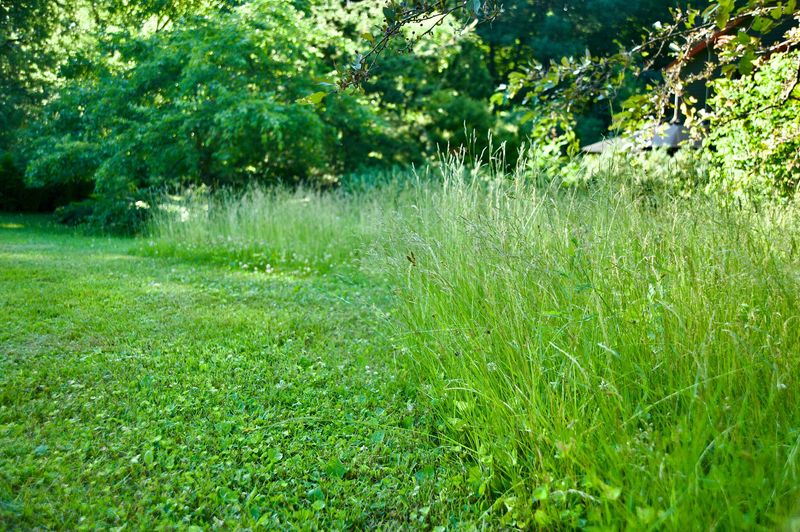
I find that a mix works beautifully. A crisp mowed edge around a meadow also tells neighbors the planting is on purpose, which helps a lot with acceptance.
Deep Meadow Roots Soak Up Rain and Feed Pollinators
Down below the flowers, little bluestem and switchgrass send roots several feet into the soil. Typical lawn roots stay in the top few inches.
Those deep roots act like straws and sponges. They help rain soak into the ground instead of racing off driveways and into storm drains.
Cornell and other extension sources point out that this can reduce runoff and protect local streams.
Root systems also store carbon underground. Researchers continue to study exactly how much, so I treat it as a nice bonus rather than a miracle claim.
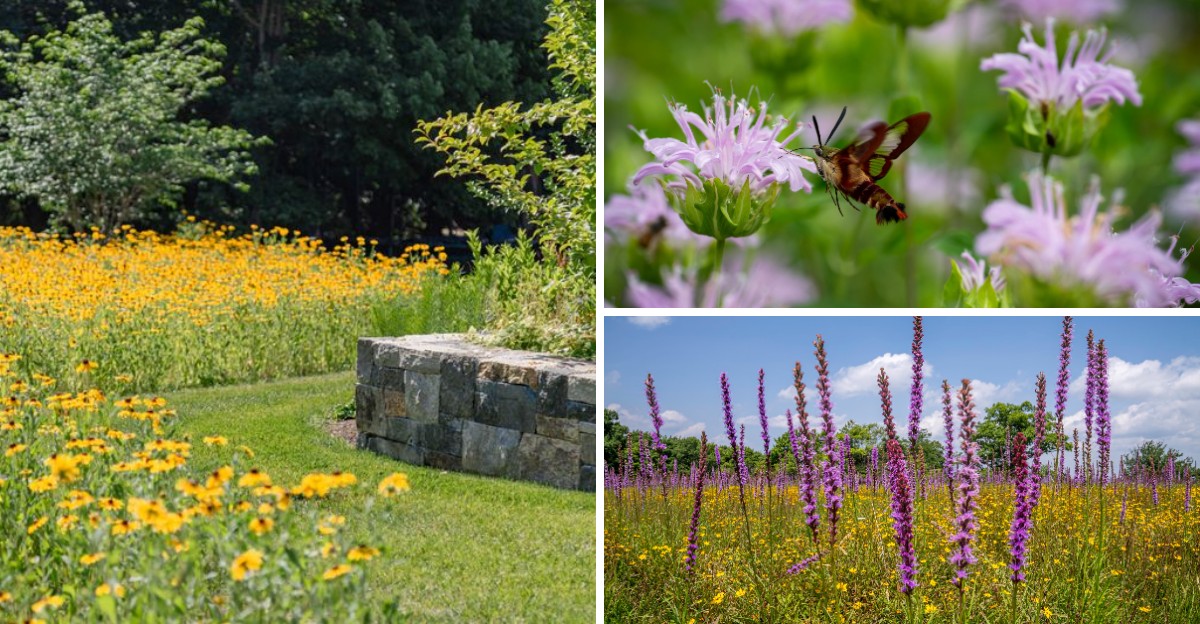
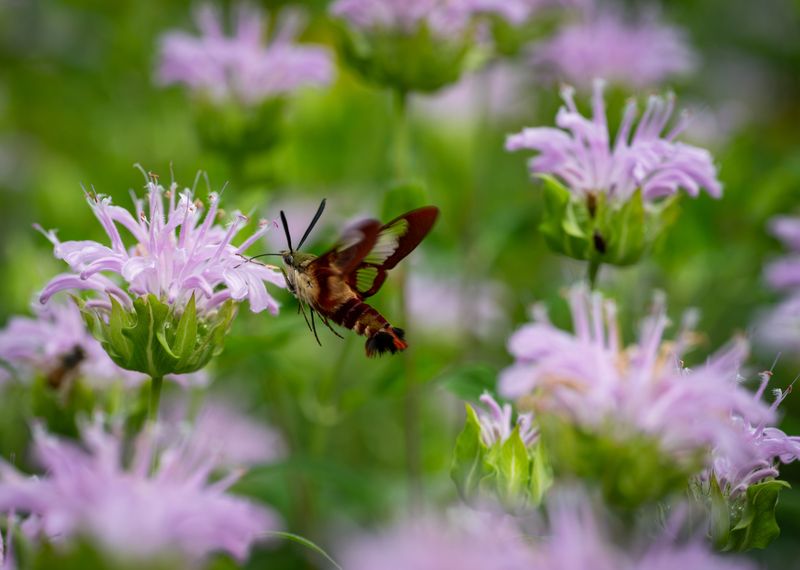
The wildlife perks are easier to see. Bumblebees crowd wild bergamot, swallowtails sip from milkweed, and goldfinches pick seeds from coneflowers in late summer.
Some native bees nest in hollow stems, so standing plants become nurseries.
Once established, a meadow needs no synthetic fertilizer and usually only one mowing a year. That means less gas, less noise, and fewer Saturday mornings behind a mower.
Water savings matter too. Native plants adapted to local rainfall rarely need watering after their first season, even during a dry August.
Personally, my favorite benefit is the show. A meadow changes week to week, from early green tufts to purple asters and copper grasses in fall.
Lawns just don’t offer that kind of drama.
Smother That Old Turf Before Any Seed Hits the Ground
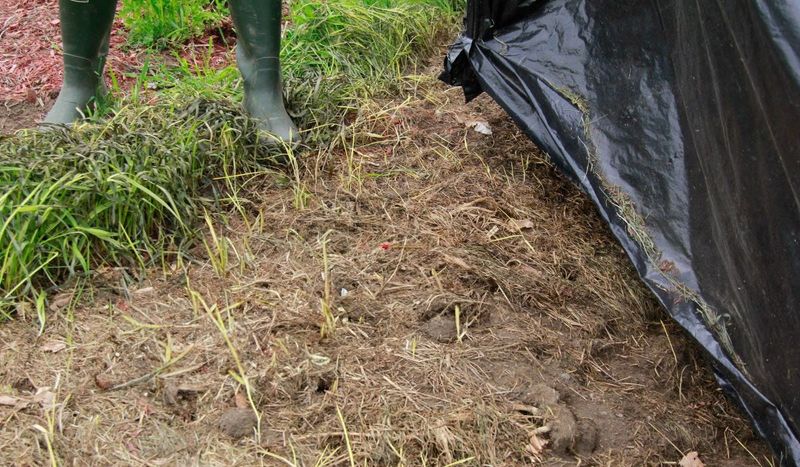
Seed scattered onto living grass mostly becomes bird food. I wish someone had told me that before my first attempt.
Site prep is the step that makes or breaks a meadow. Existing turf and weeds will outcompete slow native seedlings, so you want bare, weed-light soil before you sow.
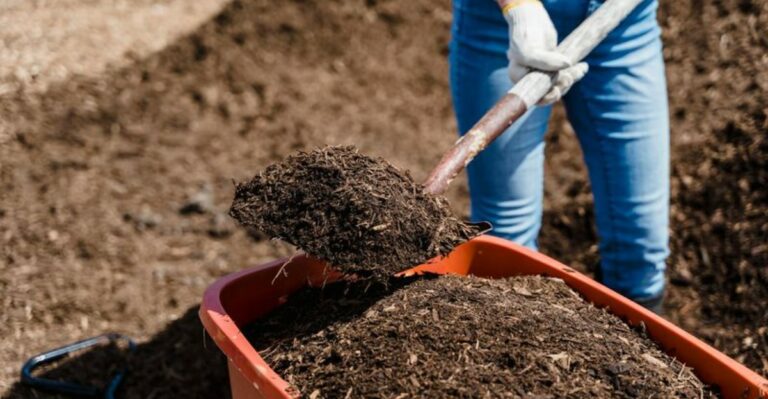
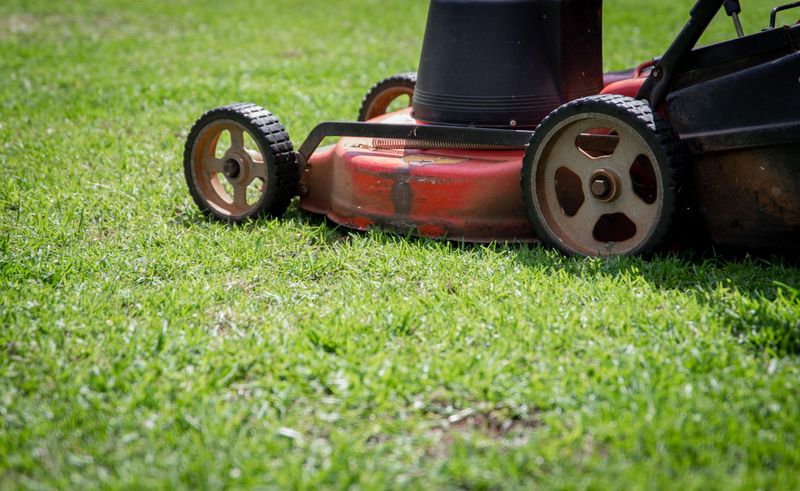
Smothering is a popular choice. Lay a heavy tarp or black plastic over the lawn for several months during warm weather, a method called occultation.
Cardboard topped with mulch, known as sheet mulching, works well on smaller patches.
Removing sod with a sod cutter is faster. It also strips away topsoil, so weigh that trade-off.
Tilling sounds easy, yet it often brings buried weed seeds to the surface. If you till, some experts suggest a season of cover crop or repeated shallow cultivation to flush out weeds first.
Plan your timeline backward. Starting smothering in late spring sets you up nicely for fall sowing.
Watch out for tough invaders before you begin. Mugwort, Canada thistle, and Japanese knotweed spread by roots and can take over a young meadow quickly.
Tackle them early, because they are much harder to manage once natives are in the ground.
Black-Eyed Susans, Asters, and Little Bluestem Belong in Your Seed Mix
Picking plants is the fun part, and New York offers a terrific native lineup. Choosing species that grow naturally in your region gives your meadow a real head start.
Start with grasses. Little bluestem turns a gorgeous coppery red in fall, while switchgrass and Indian grass add height.
Grasses form the backbone that keeps a meadow upright and fills gaps weeds would love to claim.
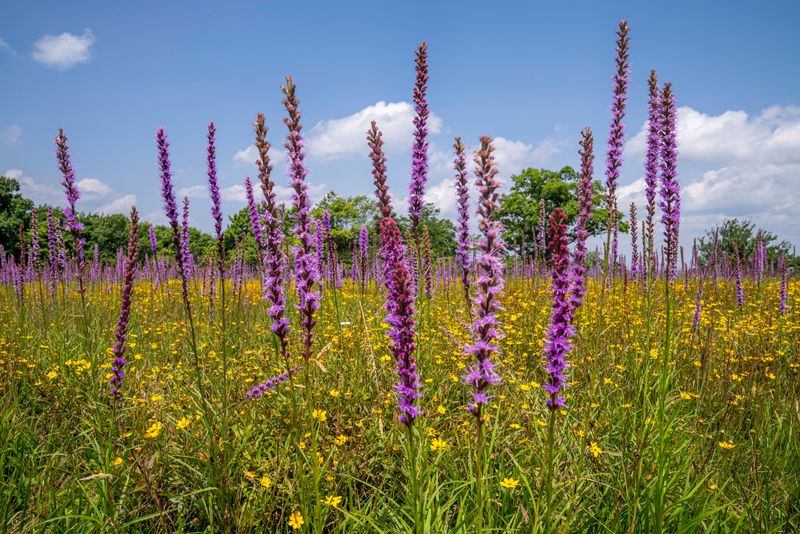
Then layer in flowers that bloom at different times. Wild bergamot hums with bees in midsummer, and butterfly weed glows orange while hosting monarch caterpillars.
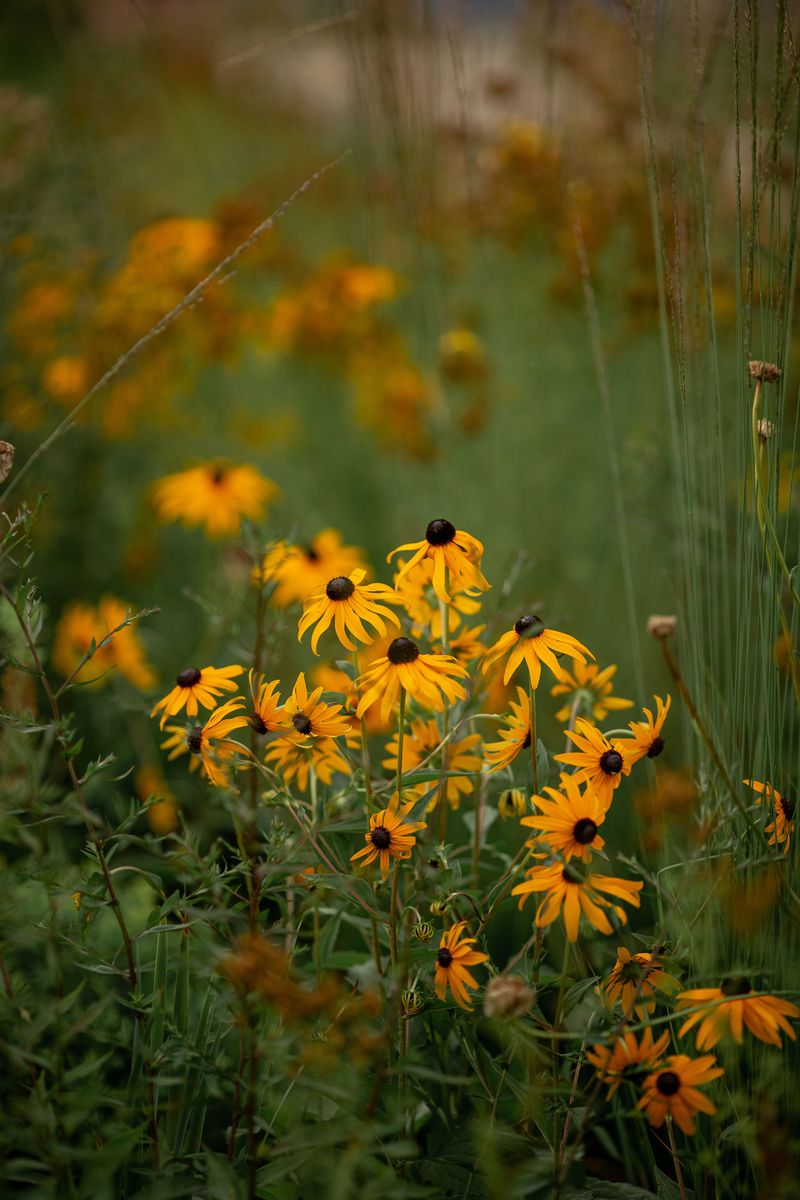
Black-eyed Susan blooms early and fills in fast.
New England aster and goldenrods carry the color into fall, giving migrating monarchs fuel. Despite its reputation, goldenrod does not cause hay fever.
Ragweed is usually the real culprit.
Purple coneflower is widely sold, though it is more common in Midwest prairies than New York wild areas. Many local experts still consider it a fine garden choice.
Match plants to your site. Dry sandy soil on Long Island suits different species than wet clay upstate.
Check Cornell Cooperative Extension or a regional native seed supplier for mixes suited to your county. Avoid generic wildflower packets, which sometimes contain non-native or invasive species.
Fall Sowing Gives Native Wildflower Seeds a Winter Head Start
Nature plants its meadows in autumn. Seeds drop from asters and grasses, sit through winter, and sprout when spring warms up.
Copying that schedule works well. Many native perennials need a period of cold, moist conditions called cold stratification before they will germinate.
Fall sowing lets winter handle that job for free.
The usual advice is to sow after a hard frost, so seeds stay put instead of sprouting too early. In much of upstate New York that falls around late October or November, while coastal areas often run a bit later.
Spring sowing is a solid backup. Late spring planting suits warm-season grasses, which germinate once soil heats up.
Frost seeding in winter, scattering seed on frozen ground or thin snow, can also work. Some seed may wash away or feed birds, so expect a little loss.
Whichever season you pick, seed-to-soil contact matters most. Broadcast seed by hand, mixing it with damp sand to spread it evenly.
Then press it down by walking over the area or using a lawn roller. Skip burying seeds deeply, since many tiny wildflower seeds need light to sprout.
A thin layer of straw can help hold moisture on slopes.
Year One Looks Messy, and Your Mower Is Your Secret Weapon
Sleep, creep, leap. Native plant growers use that old saying to describe the first three years of a new meadow.
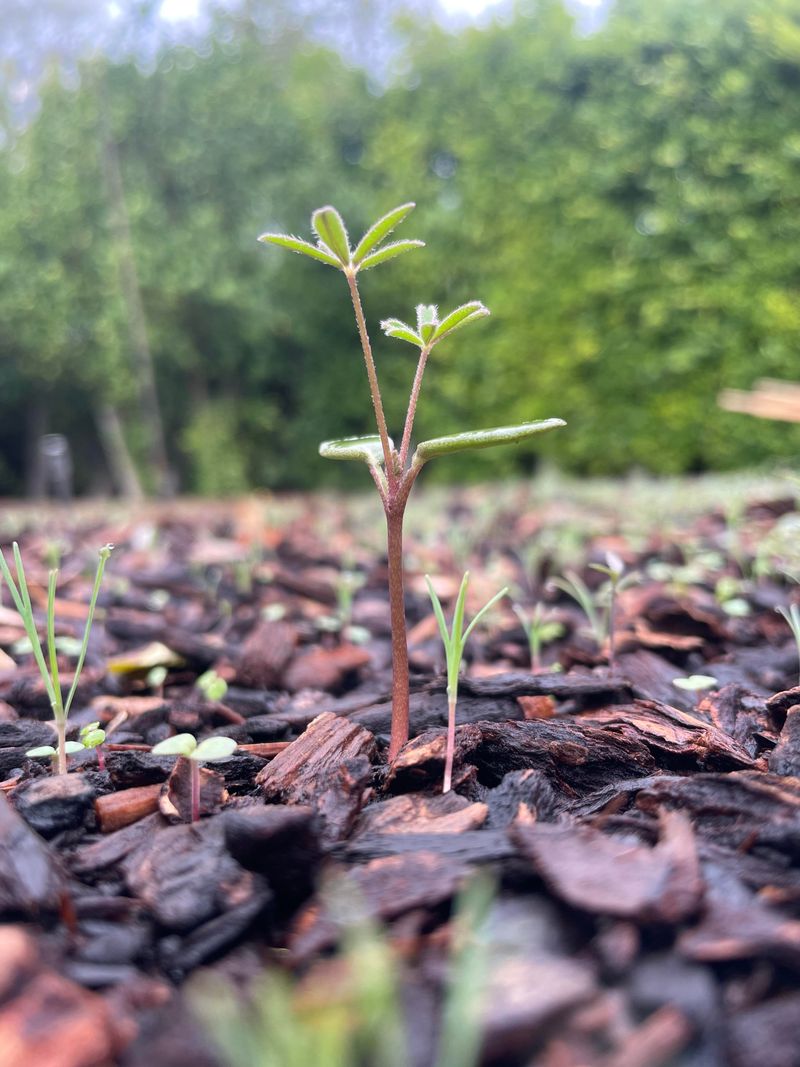
In year one, most perennials grow roots rather than flowers. Above ground, you may mostly see weeds, which can feel discouraging.
Hang in there, because the real action is happening underground.
Mowing helps more than you might expect. Many guides recommend cutting the young meadow to about 4 to 8 inches whenever weeds reach around 12 to 18 inches tall.
That stops annual weeds from setting seed and lets sunlight reach small natives.
Hand pulling works for small areas. Learn what your seedlings look like before weeding, since baby asters and young weeds can be surprisingly similar.
Taking photos of seed packets and comparing them to sprouts saved me from yanking several keepers. Apps and extension guides help too.
Watering is mainly needed during long dry spells in that first season. After that, natives typically manage on rainfall.
By year two, black-eyed Susans and other quick bloomers usually start the color show. Most meadows look settled after three or four years.
I think of it as a slow reveal. Each season shows a little more of what you planted.
Check Local Weed Rules Before Your Wildflowers Grow Tall
Tall grass can trigger a code complaint in some towns. Before you let things grow, spend a few minutes checking local rules.
New York does not have one statewide law on lawn height. Rules come from cities, towns, villages, and homeowner associations, and they vary quite a bit.
Some limit grass and weed height, often somewhere around 8 to 12 inches, while others make exceptions for planned native gardens.
Call your town code office or look up its online code. If you live in an HOA, read the covenants carefully.
Neighbor relations matter just as much. A meadow that looks intentional rarely draws complaints.
Ecologists call these signals cues to care.
Simple tricks help a lot. Mow a neat border along sidewalks and property lines, add a path, and include a fence, bench, or birdbath.
A small pollinator habitat sign explains your plan before anyone asks.
Front yards deserve extra thought. Many people start with a backyard meadow, then expand once they feel confident.
Keep plants back from driveways and corners so drivers can see clearly. Also think about ticks, which like tall vegetation in much of New York.
Mowed paths and tick checks after yard work keep things safer.
One Spring Mow Keeps an Established Meadow Thriving
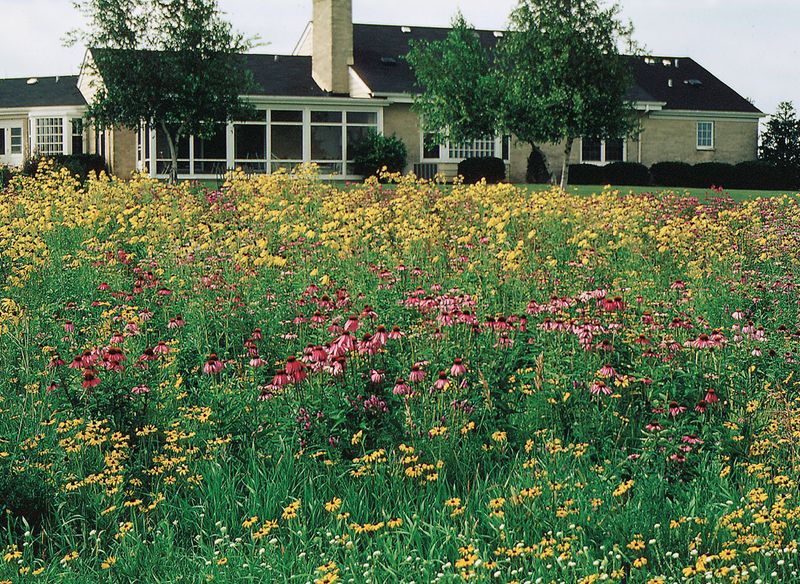
Here comes the reward for all that patience. An established meadow asks for far less work than the lawn it replaced.
The main chore is one cut a year. Waiting until late winter or early spring, before new growth appears, lets birds eat seeds all winter and gives insects time to emerge from stems.
Cutting to around 4 to 6 inches works for most home meadows.
Leave some patches unmown each year and rotate them. That gives overwintering bees, butterflies, and beetles safe shelter.
Walk through a few times each season to pull invaders or woody seedlings like maple and sumac. Without some cutting, meadows slowly shift toward shrubland and young forest.
Skip fertilizer. Rich soil tends to help weeds and floppy plants more than tough native perennials.
Expect change over time. Some flowers spread, others fade, and the mix shifts as plants find their favorite spots.
You can add plugs of new species to fill gaps or boost color.
So should you rip out your lawn? Start with one sunny section, prepare it well, and watch what moves in.
I can’t think of a better way to turn an ordinary yard into a living, buzzing neighborhood oasis.