8 Surprising Venomous Animals Found Across Massachusetts
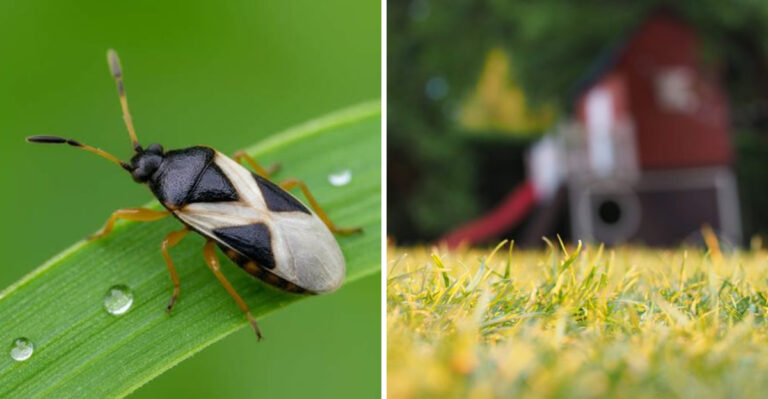
A fuzzy pest that escaped near Somerville back in 1897 still gives coastal families itchy rashes most summers. I’ll be honest, I had no idea something so small could cause so much trouble for so long.
Massachusetts also shelters a rattling snake on rocky ledges and a tiny shrew that makes venom inside its mouth. Most of these creatures stay out of sight, so many neighbors live beside them without ever noticing.
Guilty as charged, I used to reach under woodpiles and stone walls with bare hands and zero worries. Now I wear gloves in the garden, and you might want to start doing the same thing.
A few of these animals hang out in backyard trees, and one even builds a paper nest in the shrubs along your hedge. Once you know which of these surprising neighbors live in Massachusetts, your next walk outside gets a lot safer.
1. Timber Rattlesnakes Rattle From Rocky Ledges
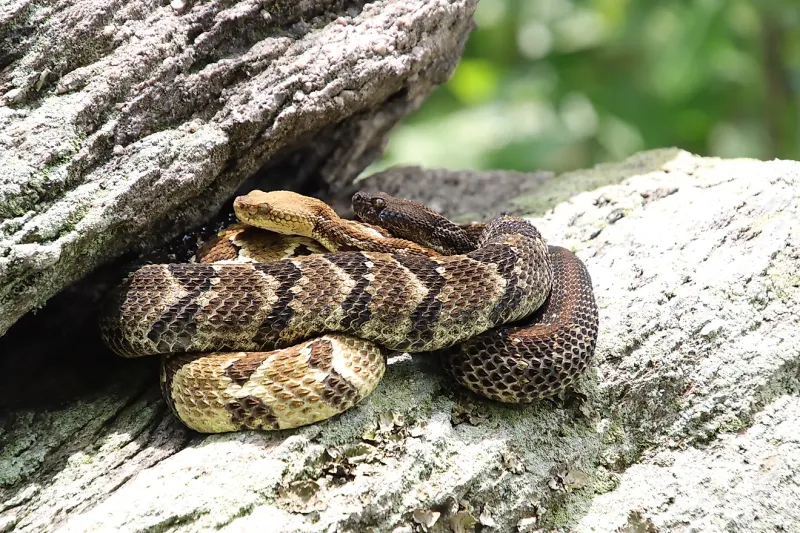
A buzzing tail on a sunny ledge is one sound I hope you only hear from a very safe distance. Timber rattlesnakes are thick, heavy snakes that usually stretch three to five feet, and a few reach six.
Their colors range from yellow and tan to gray or brown, with dark V-shaped bands across the back. That black tail ends in a segmented rattle, which works like a built-in warning bell for hikers.
Here in the Bay State, these snakes favor steep rocky hillsides, rockslides, and thick forests in mountainous areas. During warm months they may wander into wooded swamps or open fields while hunting mice and chipmunks.
Their venom is strong and can harm blood and nerves, so any bite needs emergency medical care right away. Bites on people are rare, though, because these shy snakes mostly slip away or rattle long before striking.
I find it surprising that such a famous snake is listed as endangered in Massachusetts by state wildlife officials. Populations are small and scattered, so harming or collecting one is against the law and hurts the species.
If you garden or hike near rocky slopes, watch where you place your hands and feet on warm days. Sturdy boots and a walking stick help, and stepping back slowly gives the snake room to leave.
Should you spot one, snap a photo from far away and report the sighting to state wildlife biologists. Your quick report can help scientists track these rare reptiles and protect the dens they return to.
2. Northern Copperheads Hide On Rocky Wooded Hillsides
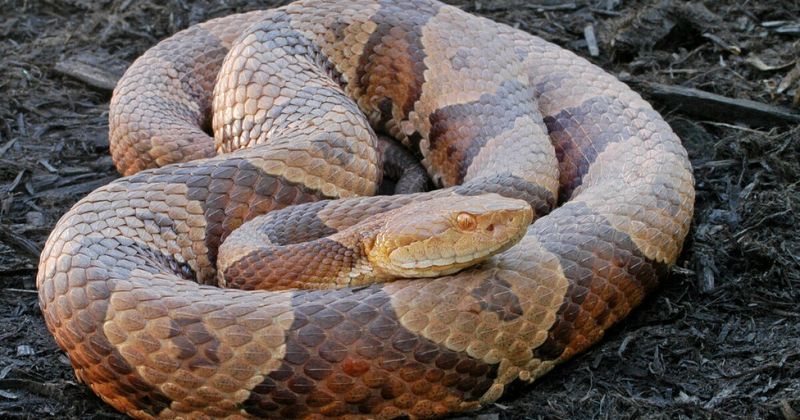
Baby copperheads wiggle bright yellow tail tips like tiny worms, tricking frogs and lizards into coming too close. Even more surprising, those newborn snakes already carry working venom from the moment they arrive in late summer.
Adults usually measure two to three feet long and wear a plain copper-colored head with no markings. Their bodies show chestnut-brown bands shaped like hourglasses, which blend perfectly into a carpet of fallen oak leaves.
As pit vipers, copperheads have small heat-sensing pits between the eyes and nostrils to locate warm prey. That clever feature helps them hunt after dark, when mice and other small animals are moving around.
Not going to lie, I was shocked to learn this species lives so close to busy towns. Small populations survive on rocky wooded hillsides in parts of the Connecticut River Valley and near the Boston area.
Their venom breaks down red blood cells, and a bite can cause serious pain with heavy swelling. Thankfully, copperhead bites are rarely life-threatening, but anyone bitten should still head to a hospital without waiting.
Because these snakes are rare here, they are protected, so please leave them alone and give them space. Most bites happen when people try to handle snakes or grab leaf piles without looking first.
When clearing brush near rocky woods, use a rake instead of your hands and wear thick leather gloves. Keeping woodpiles off the ground also gives snakes fewer cozy hiding spots right beside your garden beds.
3. Northern Black Widows Lurk Under Stone Walls
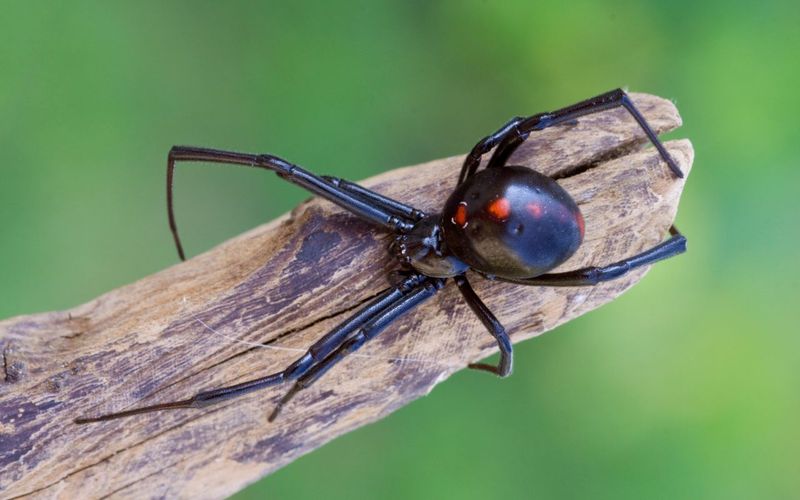
Flip a northern black widow over and you might notice something odd about her famous red hourglass. In this species, the hourglass is usually broken into two separate red triangles instead of one connected shape.
Adult females are the ones people usually spot, with glossy black bodies and round, shiny abdomens. Their bodies measure about half an inch, while their long legs can spread out to roughly one and a half inches.
These spiders are native to the state but uncommon, preferring quiet spots that rarely get disturbed. Look for them under rocks, logs, woodpiles, and the shady gaps tucked inside old stone walls around fields.
Sometimes they move into garages, sheds, basements, or crawl spaces where dark corners stay undisturbed for months. I learned the hard way to shake out garden gloves before slipping my fingers inside them each spring.
Their venom affects the nervous system and may cause sharp pain, muscle cramps, and an upset stomach. Drop for drop it is very strong, yet each bite delivers only a tiny amount of venom.
Healthy adults who get prompt medical care usually recover well, though children and older adults need extra caution. If you suspect a bite, clean the area, apply a cool pack, and call a doctor quickly.
To avoid surprises, wear gloves when moving firewood or stacking stones in the garden this season. Tidying cluttered corners in the shed also leaves these shy spiders with fewer hidden places to build webs.
4. Pale Yellow Sac Spiders Sneak Into Homes
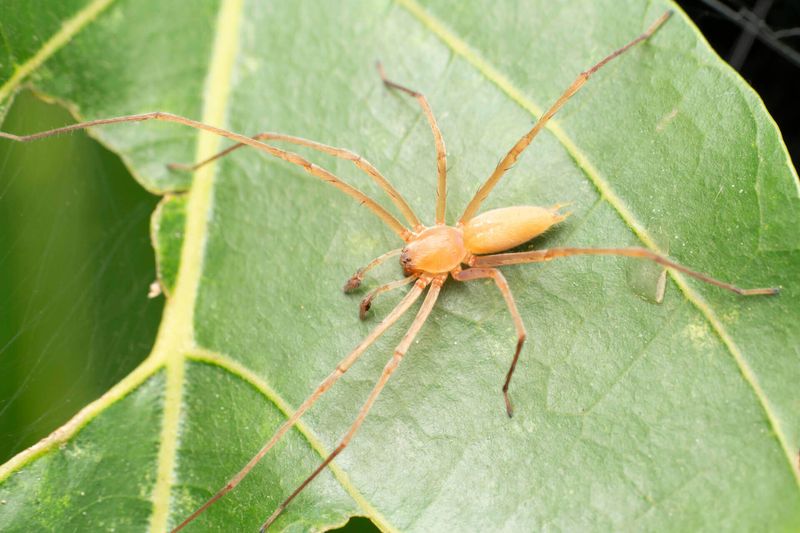
Spot a tiny pale spider near your ceiling corner at night, and it may be a yellow sac spider. Instead of spinning big webs, this wandering hunter builds small silk pouches where it rests during daylight hours.
Its body is pale yellow or light greenish-yellow, often slightly shiny, with dark brown tips on its legs. The front legs are noticeably longer than the back ones, which gives this spider a forward-leaning, eager posture.
These spiders are common throughout New England and can be found indoors and outdoors all year long. Outside, they creep through garden plants, leaf litter, and exterior walls while searching for small insects to eat.
Indoors, they tuck themselves behind picture frames, along ceiling edges, and inside folded clothes or towels. I’m the first to admit I now shake out beach towels before using them, just to be safe.
A bite often feels like a sudden sharp sting, followed by redness, swelling, and a burning feeling. Most bites heal on their own, though a small sore can form and occasionally cause headaches or nausea.
Clean any bite with soap and water, use a cool compress, and watch the spot over several days. If the sore grows larger or you feel sick, it makes sense to visit a doctor for advice.
Sealing gaps around windows and doors keeps many of these spiders from wandering inside during cooler weather. Shaking out gardening gloves and storing clothes in closed bins also helps prevent surprise encounters at home.
5. Fuzzy American Dagger Moth Caterpillars Pack A Sting
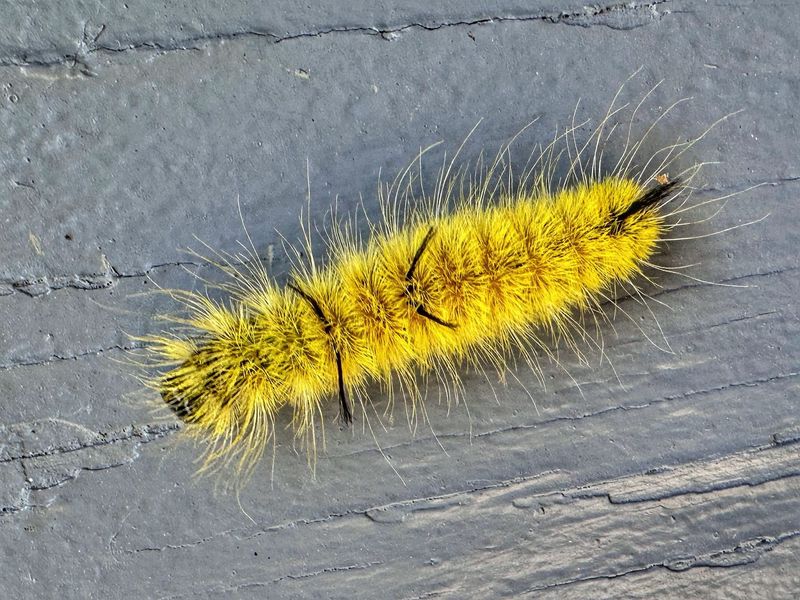
Kids love scooping up fuzzy caterpillars, but the American dagger moth caterpillar is one worth admiring with your eyes only. Its soft-looking coat hides hairs that can leave your skin burning and itchy for days.
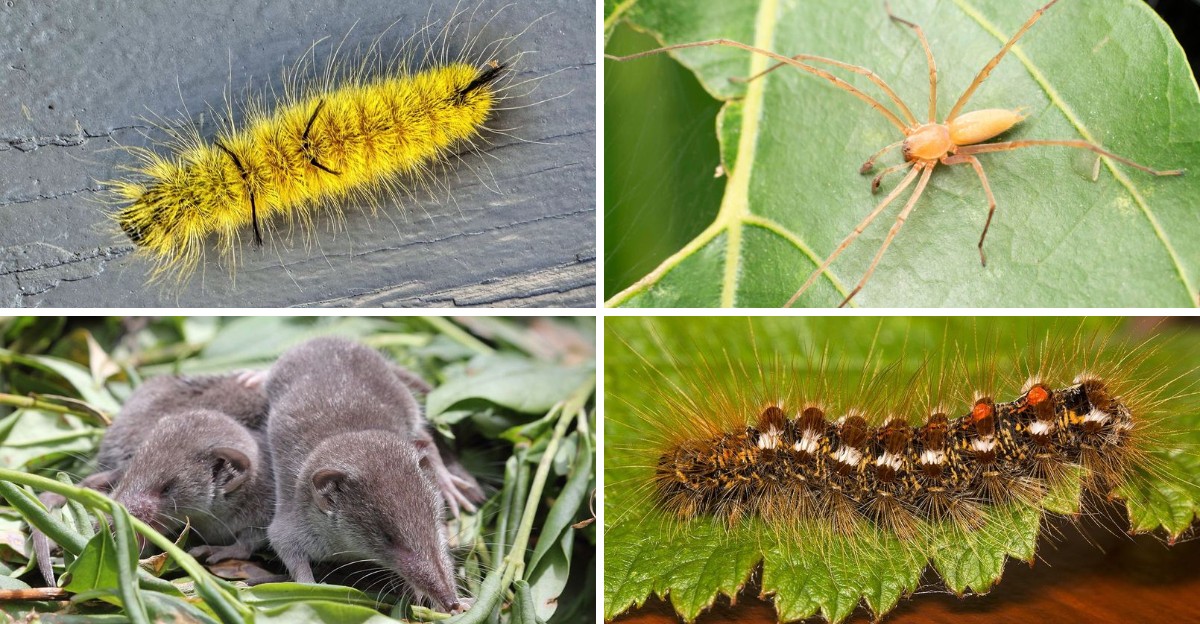
Young caterpillars glow bright yellow, then fade to pale yellow or white as they grow older and bigger. Long black tufts stick out from the body like pencils, making this caterpillar easy to recognize at a glance.
Full-grown caterpillars reach about two inches long, so they stand out on sidewalks, fences, and picnic tables. They munch the leaves of oak, ash, elm, and maple, which explains why they often appear in shady yards.
Trust me on this one, they show up at schools and parks as often as deep in the woods. Children tend to find them first, since kids notice anything fuzzy crawling across a playground or garden path.
When touched, the hairs break off and slip into the skin, causing a painful burning feeling. A red rash and small sores may follow, and allergic people or young children can react much more strongly.
If someone touches one, press sticky tape over the area to lift out loose hairs, then wash gently. Severe swelling or trouble breathing calls for medical help right away, so watch closely after any contact.
Since these native caterpillars rarely harm healthy trees, there is no need to spray them in your garden. Simply teach kids to look without touching, and use a stick to move one off a walkway.
6. Browntail Moth Caterpillars Shed Itchy Hairs
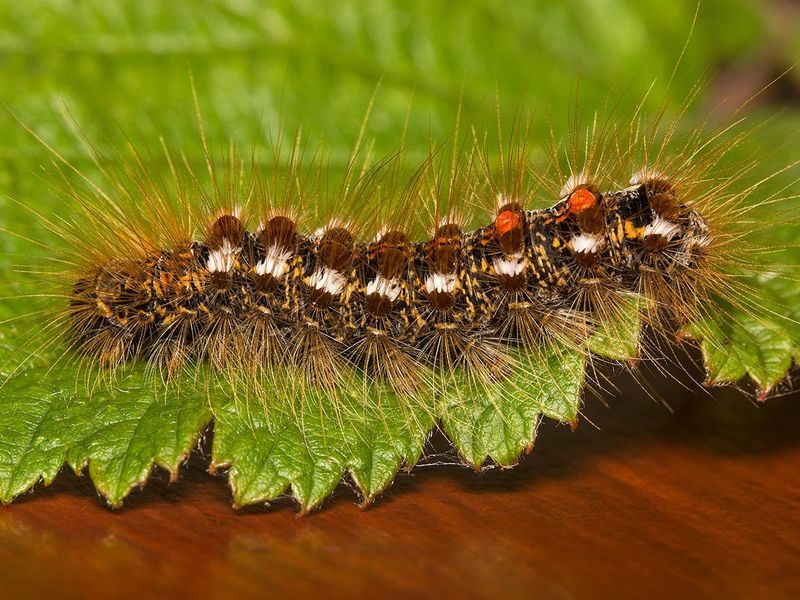
Back in 1897, a few European moths slipped into Somerville, and their descendants still cause headaches for coastal communities. The browntail moth is an invasive pest, and its caterpillars carry some of the itchiest hairs around.
Look for a dark brown body covered with reddish-brown hairs and broken white dashes along each side. Two small red dots near the tail end are another clue that helps you tell this caterpillar apart.
In this state, the biggest numbers show up along the coast, especially across Cape Cod in recent decades. They feed on oak, apple, cherry, and other hardwood trees, sometimes stripping branches bare by early summer.
Here’s what gets me: the tiny barbed hairs float on the wind and can irritate skin without any direct touch. People often develop a rash that looks a lot like poison ivy after raking leaves or hanging laundry outside.
Even worse, those shed hairs can stay irritating in the environment for up to three years afterward. Breathing them in may trigger coughing or breathing trouble, so anyone with asthma should take extra care outdoors.
During winter, look for white silk tents clinging to branch tips, since young caterpillars spend cold months inside. Clipping those nests while dormant, then soaking them in soapy water, helps reduce the next spring’s population.
Wear long sleeves, gloves, and a dust mask when doing yard work in areas where these caterpillars live. Drying laundry indoors on breezy summer days also keeps floating hairs off your clothes and sheets.
7. Northern Short-Tailed Shrews Bite With Venomous Saliva

Few gardeners know that one of the tiniest mammals in their beds makes venom inside its mouth. The northern short-tailed shrew is one of the rare mammals that can paralyze its prey with a bite.
Adults are only about four to five inches long, with velvety dark gray fur, tiny eyes, and a very short tail. Their pointed snouts constantly twitch as they sniff out food beneath mulch and leaf litter.
These shrews live across Massachusetts in gardens, meadows, and woodlands, often using tunnels dug by moles and voles. Look for them under stepping stones, compost piles, and thick layers of fallen leaves.
Their saliva carries toxins that quickly slow down snails, slugs, and beetle grubs, which makes storing live prey easy. Since shrews have fast metabolisms, they eat almost constantly, and that makes them quiet helpers against garden pests.
I’ll admit, I was shocked to learn a mammal this small could be venomous. Bites on people are rare, but they can cause pain and swelling that lasts a few days.
If you find one, don’t try to pick it up, since a frightened shrew will bite. Wash any bite with soap and water, and call a doctor if swelling spreads or the area looks infected.
When turning compost or clearing leaf piles, wear sturdy gloves and use a garden fork instead of bare hands. Keeping cats indoors also helps, since they often bring shrews home as unwelcome gifts.
8. Bald-Faced Hornets Guard Paper Nests In Shrubs
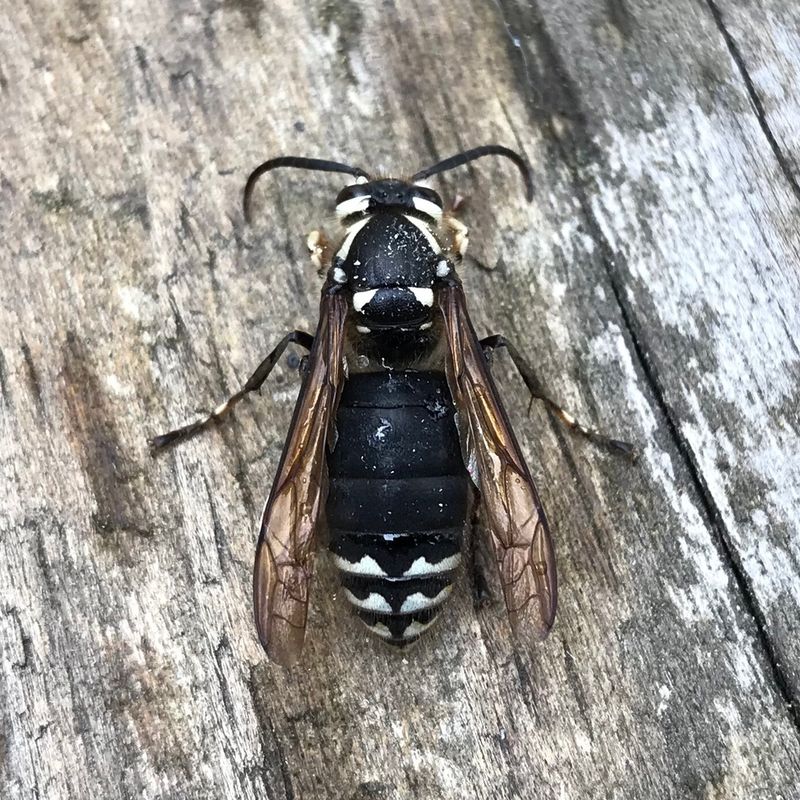
Trim a hedge in late summer, and you might meet a gray paper ball hanging right where you were about to cut. That nest may belong to bald-faced hornets, which defend their homes fiercely.
Workers are black with ivory-white markings on the face, thorax, and tip of the abdomen. They measure about three-quarters of an inch long, and the nests they build can grow as big as a basketball.
These insects are common across Massachusetts, placing their nests in trees, shrubs, and under eaves. Despite the name, they are actually a type of yellowjacket, and they chew wood fibers into the papery pulp that forms the nest.
Their venom causes sharp, burning pain, and a hornet can sting several times in a row. Most stings happen when someone bumps a nest or shakes a branch without noticing it.
In their favor, these hornets hunt flies, caterpillars, and other insects that nibble garden plants. Each colony dies off in fall, and the old nest is never reused the following year.
Anyone with trouble breathing, widespread swelling, or dizziness after a sting needs emergency care right away. For everyone else, wash the sting, apply a cold pack, and watch the area over the next day.
Before pruning shrubs or low branches in summer, check them carefully from a distance. Leave nest removal to a licensed pest professional, and stay back from the nest while hornets are active.