Can You Still Buy Boxwood in New York? What the Box Tree Moth Quarantine Means for You
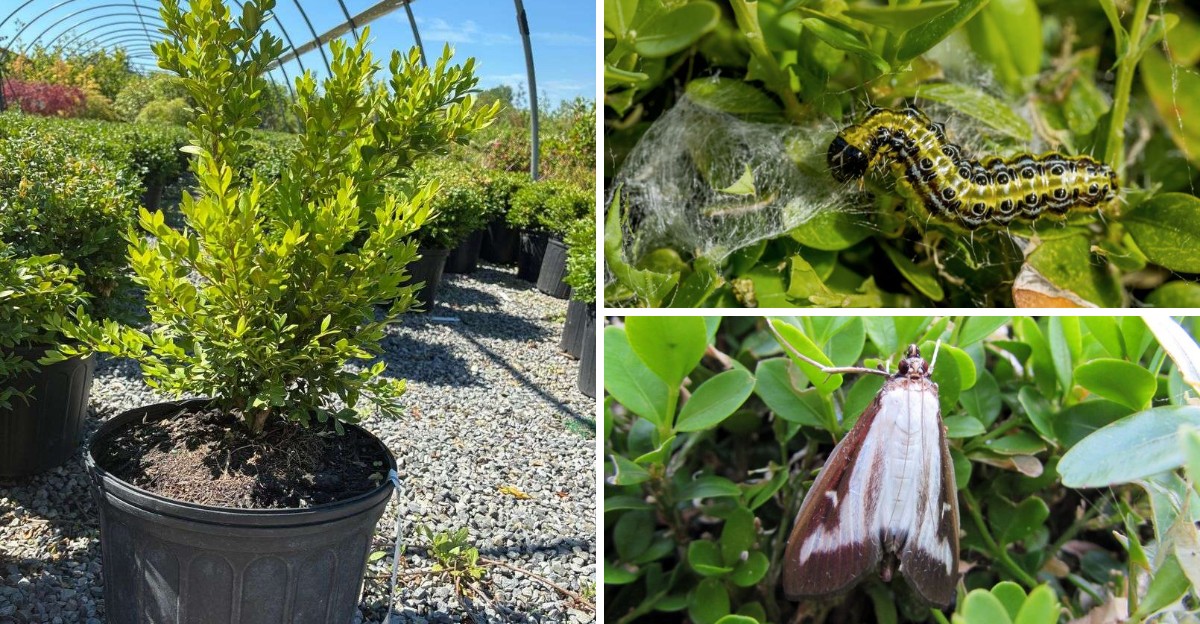
Some of the tidiest little shrubs at the garden center now travel with paperwork most shoppers never see, from inspections to certifications. What surprises me most is how quietly that change happened.
Behind those rules is a caterpillar the length of a paperclip that can strip a hedge to bare twigs in just a few weeks. It hitched a ride from Asia to Europe, crossed into Canada, and was first confirmed in western New York in 2021.
Most shoppers have no clue it’s happening. They grab a neat shrub for the front walk and head home without a second thought, and nobody at the register mentions where it grew.
If you love crisp hedges and classic knot gardens, this story reaches your yard too. So can you still bring home that favorite shrub, and what should you check before you do?
That Tiny Green Caterpillar on Boxwood Changed the Rules
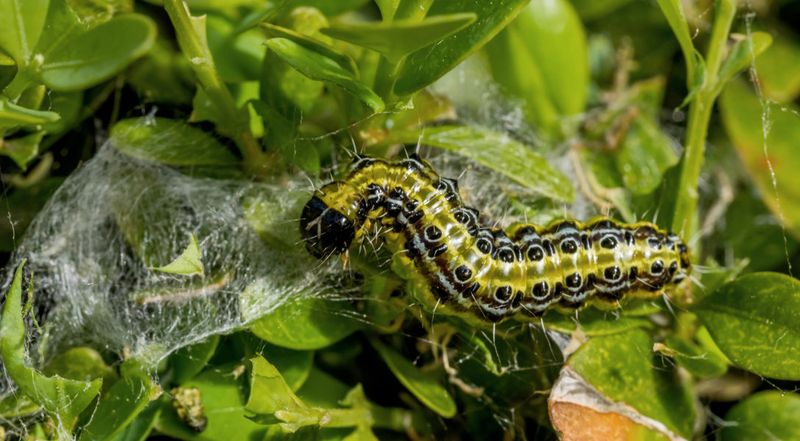
Small bugs rarely make headlines, but this one earned its fame. The box tree moth, known to scientists as Cydalima perspectalis, is native to East Asia and feeds mainly on boxwood.
The caterpillars are bright green to yellow-green with black stripes and white spots. Adults are pretty, with white wings edged in brown, though some moths are mostly brown.
They look harmless, which is part of the trouble.
After spreading across Europe, the moth showed up in Ontario around 2018. In 2021, it was confirmed in western New York near the Niagara region.
That same year, the USDA issued a federal order that halted imports of boxwood, euonymus, and holly plants from Canada.
Why such a strong reaction? In Europe, the moth caused heavy damage to boxwood in gardens and even in wild boxwood forests.
Caterpillars can chew a shrub bare, and repeated feeding leaves plants weak and struggling.
Since then, the moth has also been found in parts of Ohio, Michigan, Pennsylvania, Massachusetts, and Delaware. Each new find nudged officials to tighten how boxwood moves between nurseries and states.
For home gardeners, that history explains why the rules exist. The goal is simple: slow the spread while the moth population is still limited, so your hedge has a better shot at staying green.
Yes, Boxwood Shrubs Are Still on New York Garden Center Shelves
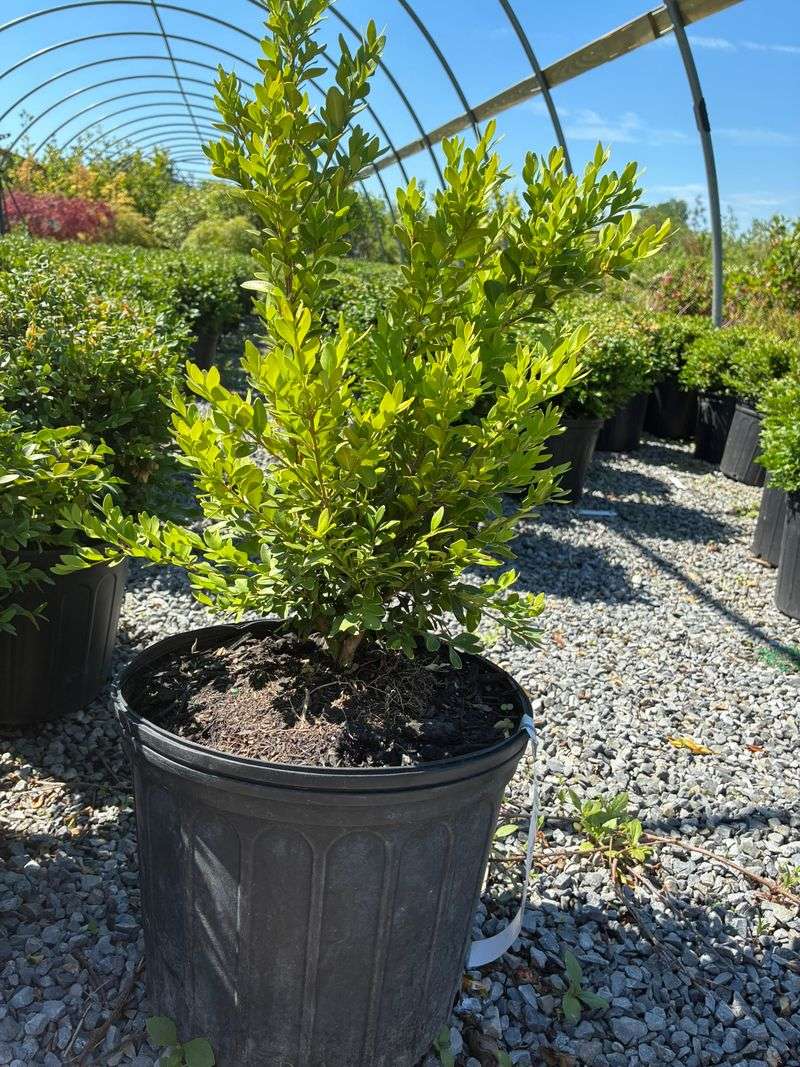
Relax, your boxwood dreams are not canceled. You can still buy boxwood across the state, from big box stores to small family nurseries.
The quarantine does not ban boxwood sales. Instead, it controls how plants are grown, inspected, and shipped from areas where the moth has been found.
Nurseries inside those zones must follow special rules before plants leave the property.
In my experience, most shoppers notice zero difference at checkout. The shrubs look the same, cost about the same, and come in the same favorite varieties like Green Velvet and Wintergreen.
What changed is behind the scenes. Growers in regulated areas work under compliance agreements with state and federal inspectors.
Those agreements can include regular inspections, trapping, and treatments to make sure plants are clean before sale.
Boxwood from Canada is a different story. The federal order still restricts host plants coming across the border, so you are unlikely to find Canadian-grown boxwood in local stores.
A friendly tip: ask the nursery staff where their boxwood came from. A good garden center will happily tell you if the plants were grown locally, shipped from another state, or inspected under a compliance program.
That one quick question gives you peace of mind. It also shows sellers that customers care about clean, healthy plants, which helps everybody.
Nurseries in Western New York Play by Stricter Boxwood Rules

Location matters a lot with this pest. The first detections clustered in western New York, especially around Niagara and Erie counties, close to the Canadian border.
Areas where the moth is confirmed become regulated zones. Nurseries and landscapers there face extra steps before moving boxwood, euonymus, or holly out of the area.
Rules can shift as new finds appear, so the map is not set in stone.
Here is how it often works. A nursery signs an agreement with the New York State Department of Agriculture and Markets and the USDA.
Inspectors then visit, check plants, and may require traps or approved treatments.
Plants that pass can be sold and shipped. Plants that fail may be held, treated, or removed.
It sounds strict, but it protects growers in other regions from surprise infestations.
For homeowners, the bigger concern is moving plants yourself. Digging up a boxwood from a relative’s yard in a regulated county and bringing it to your Hudson Valley garden could carry hidden caterpillars along for the ride.
Before sharing or swapping plants, check the latest regulated area list on the Agriculture and Markets website or through Cornell Cooperative Extension. Boundaries can expand, and a quick check takes only a minute.
Following those rules feels small. Still, it is one of the most effective ways regular gardeners help slow the moth.
Look Closely at Boxwood Leaves Before You Buy
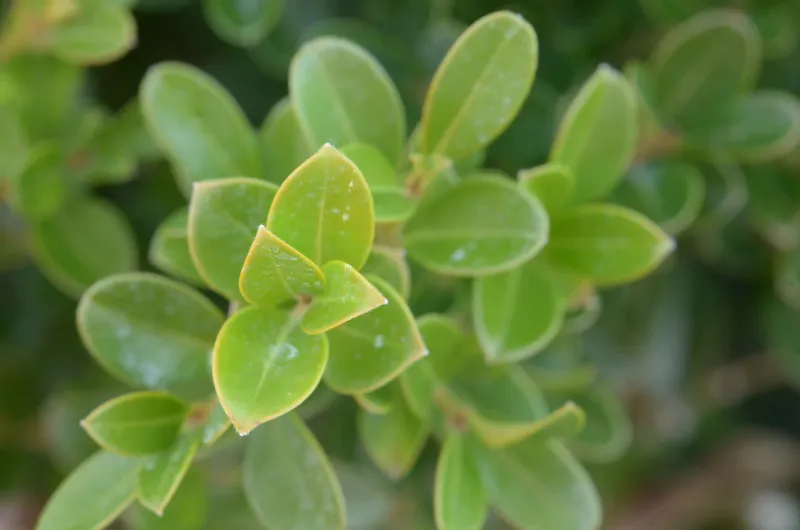
My best shopping habit costs nothing. Before any boxwood goes in my cart, I gently part the branches and peek inside.
Box tree moth caterpillars love hiding in the center of the shrub, where the leaves are dense and shaded. From the outside, a plant can look perfect while caterpillars munch away deep inside.
Watch for these clues during your quick check:
Leaves with chewed edges or a see-through, windowpane look. Fine white webbing tying leaves together.
Small green or black pellets, which are caterpillar droppings, sitting on leaves or the pot soil.
Also look for tiny cocoons tucked between two leaves stuck together with silk. Young caterpillars overwinter this way, so even a winter or early spring purchase deserves a look.
If anything seems off, skip that plant and politely let a staff member know. Garden centers truly want to hear about problems early.
Healthy boxwood should have glossy, evenly colored leaves and firm stems. Some bronzing in winter is normal for certain varieties, so do not panic over a little color change alone.
Once home, keep your new shrub a short distance from older boxwood for a couple of weeks. That mini quarantine gives you time to spot any sneaky visitors before they move next door.
Box Tree Moth Caterpillars Leave Webbing and Chewed Leaves Behind
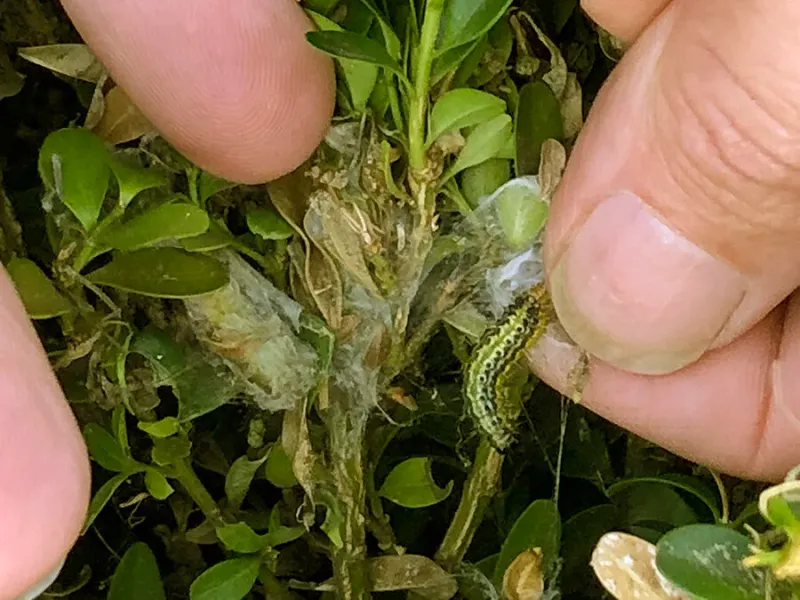
Silk, crumbs, and missing leaves tell the whole story. Once caterpillars settle into a boxwood, they leave a messy trail that is hard to miss if you know what to look for.
Early damage starts small. Young caterpillars scrape the underside of leaves, leaving thin, papery patches.
As they grow, they chew whole leaves and sometimes strip the green bark from twigs.
Heavy infestations can turn a lush hedge tan and bare within weeks. Webbing builds up across branches, catching droppings and bits of leaf.
It looks a bit like a spooky decoration nobody asked for.
Timing helps you catch trouble. Caterpillars usually become active in spring as temperatures warm.
The moth can have two or more generations each year, so new waves of feeding may appear in summer and early fall.
Adult moths fly mostly at night and are drawn to lights. If you notice white moths with brown borders near your porch light in summer, take a closer look at nearby boxwood.
Not every brown boxwood has moths, though. Boxwood blight, winter burn, boxwood leafminer, and root problems can also cause browning.
The webbing and droppings are the key difference. Without them, another issue is the more likely cause, and your local extension office can help sort it out.
Spotted Box Tree Moths in Your Hedge? Report Them First
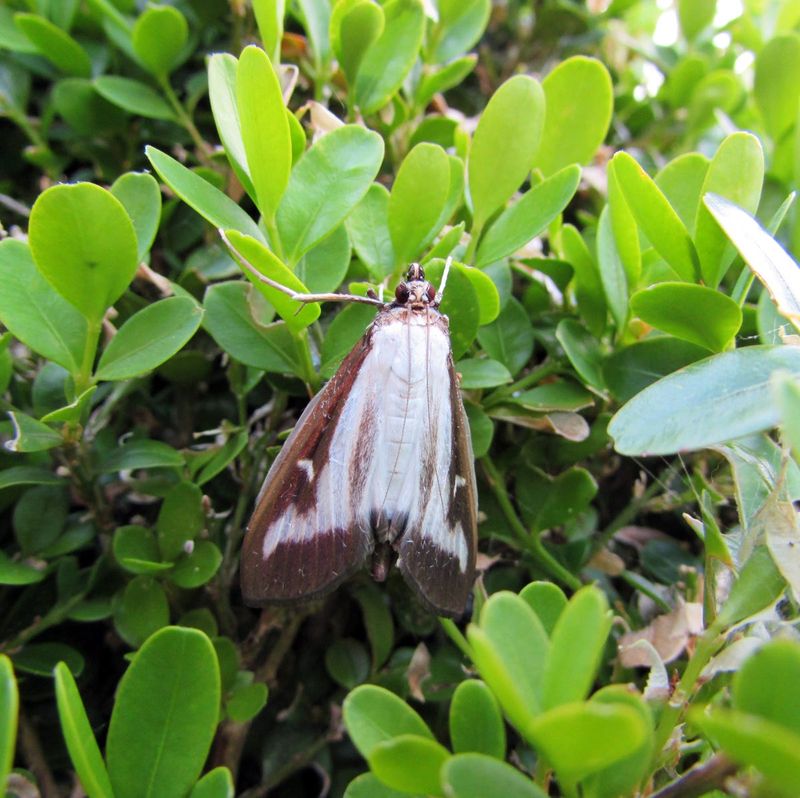
Grab your phone before you grab the sprayer. A clear photo and a quick report can do more good than you might expect.
Officials track every confirmed sighting to update regulated areas. If you live outside a known zone, your report could flag a brand new spot.
That information shapes how inspectors focus their time.
Snap photos of the caterpillar, moth, or damage, and note your address. Then contact the New York State Department of Agriculture and Markets or your county Cornell Cooperative Extension office.
Many offices accept photos by email or through an online form.
Once reported, you can start managing the problem. For a few caterpillars, hand picking works well.
Drop them into soapy water and check again every few days.
For larger numbers, Cornell and other universities point to Bacillus thuringiensis kurstaki, often sold as Bt. It is a natural bacteria product that targets caterpillars and is gentle on most other insects.
Spinosad is another option many experts mention.
Spray thoroughly, getting deep into the shrub where caterpillars hide. Young caterpillars respond best, so early treatment matters.
Read every label carefully and follow the directions. A little patience pays off, since you may need repeat treatments as new generations hatch through the season.
Boxwood Clippings Can Carry Moths to New Neighborhoods
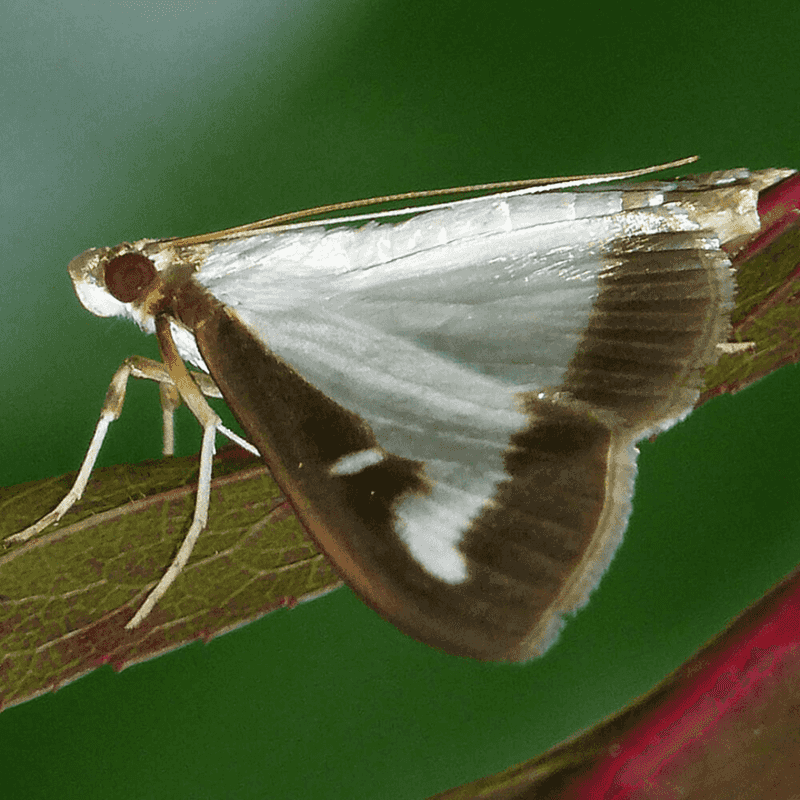
Pruning day can accidentally become moving day for pests. Freshly trimmed boxwood branches can hold eggs, caterpillars, and cocoons, all ready to hitch a ride.
Tossing infested clippings onto a compost pile or brush heap may let caterpillars crawl right back out. Worse, hauling them to a yard waste site in another town could start a fresh outbreak there.
Experts recommend a simple approach. Bag clippings from infested or suspicious plants in sturdy plastic bags and seal them tight.
Then let the sun do the work. Leaving sealed bags in a sunny spot for several weeks heats the contents and helps neutralize any pests inside.
Some extension offices also suggest freezing small amounts or double bagging for regular trash pickup.
Check your local rules too. If you live in a regulated area, there may be specific instructions for disposing of boxwood material, and your county extension office can explain them.
Clean your pruning tools after each shrub. A quick wipe with rubbing alcohol or a diluted bleach mix helps stop the spread of boxwood blight, which often shows up alongside other boxwood problems.
Landscapers should follow the same habits. Asking your yard crew how they handle boxwood debris is a fair question, and a good crew will appreciate it.
Inkberry Holly and Other Boxwood Look-Alikes Deserve a Spot in Your Yard
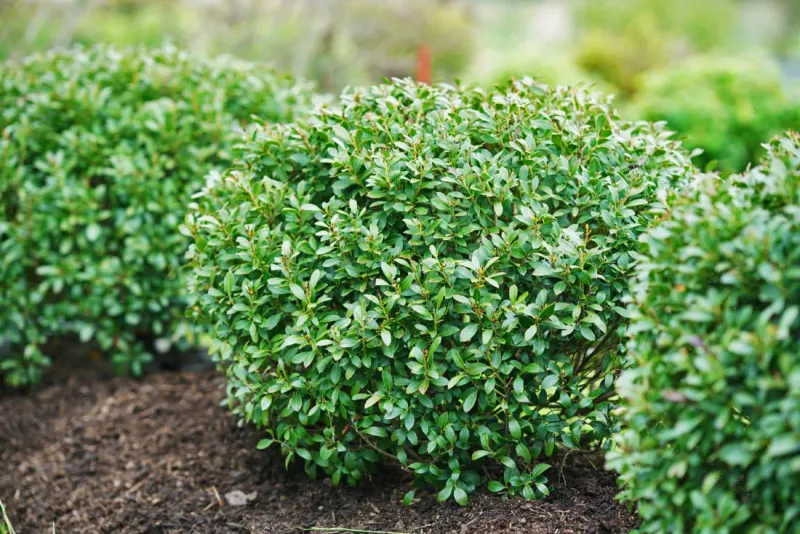
Sometimes the smartest move is mixing things up. Planting a few boxwood alternatives spreads out your risk and adds fresh texture to the garden.
Inkberry holly, Ilex glabra, tops my list. It is native to the eastern United States, handles shearing, and stays evergreen.
Compact types like Shamrock and Gem Box give a tidy, boxwood-like look along walkways.
Yews are another sturdy choice for hedges and foundation plantings. They take pruning well, though deer often snack on them, so plan accordingly in rural areas.
Skip Japanese holly, Ilex crenata, even though it looks a lot like boxwood. It has spread into natural areas in parts of the eastern U.S. and is considered invasive in some regions.
If you still adore boxwood, and many of us do, keep growing it with care. Buy from reputable nurseries, inspect plants, and check your shrubs every couple of weeks from spring through fall.
Here is my takeaway after reading every update I could find. The quarantine is not about banning a beloved shrub.
It is about slowing a pest while gardeners and growers learn to manage it.
Stay curious, keep your eyes on those leaves, and report anything unusual. Your hedge, and your neighbors, will thank you.