How To Raise Humidity For Houseplants In A Dry Texas Home
Your air conditioner is quietly pulling water out of the air every single hour it runs. That moisture drips out of a condensate line outside, and your thirsty fern never sees a drop of it.
I learned this the hard way in a Texas summer. My calathea curled up like a burrito while the weather outside felt like soup. Winter was no kinder, because the furnace dried the rooms out all over again.
Most leafy tropicals come from rainforest floors where the air stays damp and steamy. Many of them are happiest with indoor humidity around 40 to 60 percent.
A lot of homes sit well below that for months at a time. Personally, I think crispy brown leaf tips are the most honest message a plant can send.
1. Those Crispy Brown Leaf Tips Are Sending A Message
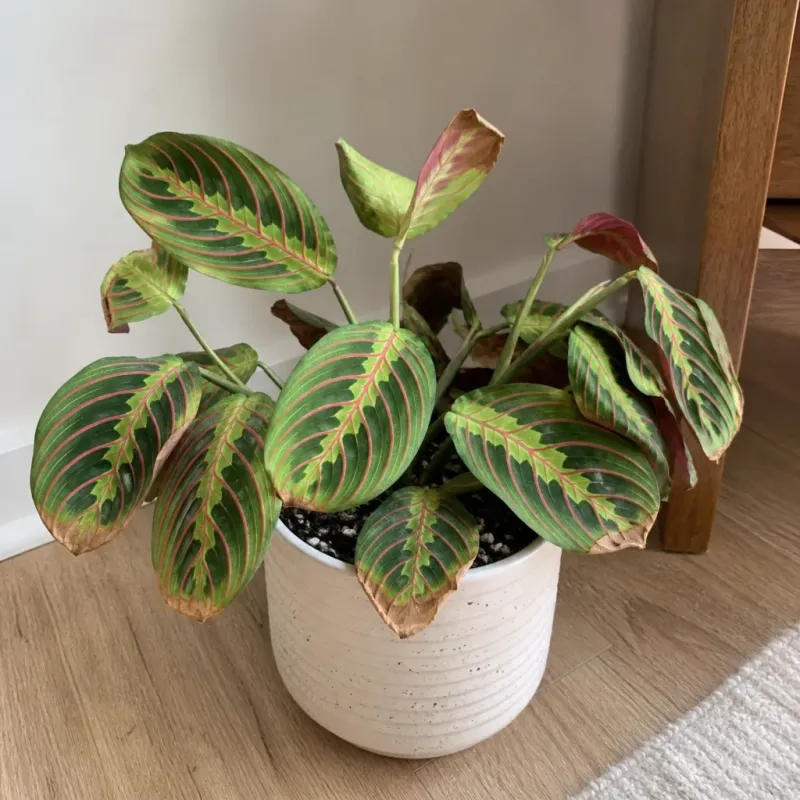
My first clue was a peace lily that looked fine in the morning and crunchy by Friday. The soil was moist, so watering was not the problem. The air was.
Plants lose water through tiny pores in their leaves in a process called transpiration. When the room air is very dry, moisture leaves faster than the roots can replace it. The thinnest parts of the leaf, the tips and edges, run out first and turn brown.
Watch for curled leaves, new growth that sticks or tears as it unrolls, and flower buds that drop early. Ferns, calatheas, marantas, and many philodendrons show these signs quickly. Snake plants and ZZ plants shrug it off much better.
Brown tips can also come from salt buildup in soil or from uneven watering, so check those too. Flushing pots with plain water every few months helps rule out salts.
Once you know dry air is part of the story, the fixes get much easier. A cheap digital hygrometer tells you the real number in each room. Mine showed 28 percent in January, which explained a whole lot of sad leaves.
2. A Cool Mist Humidifier Does The Heavy Lifting
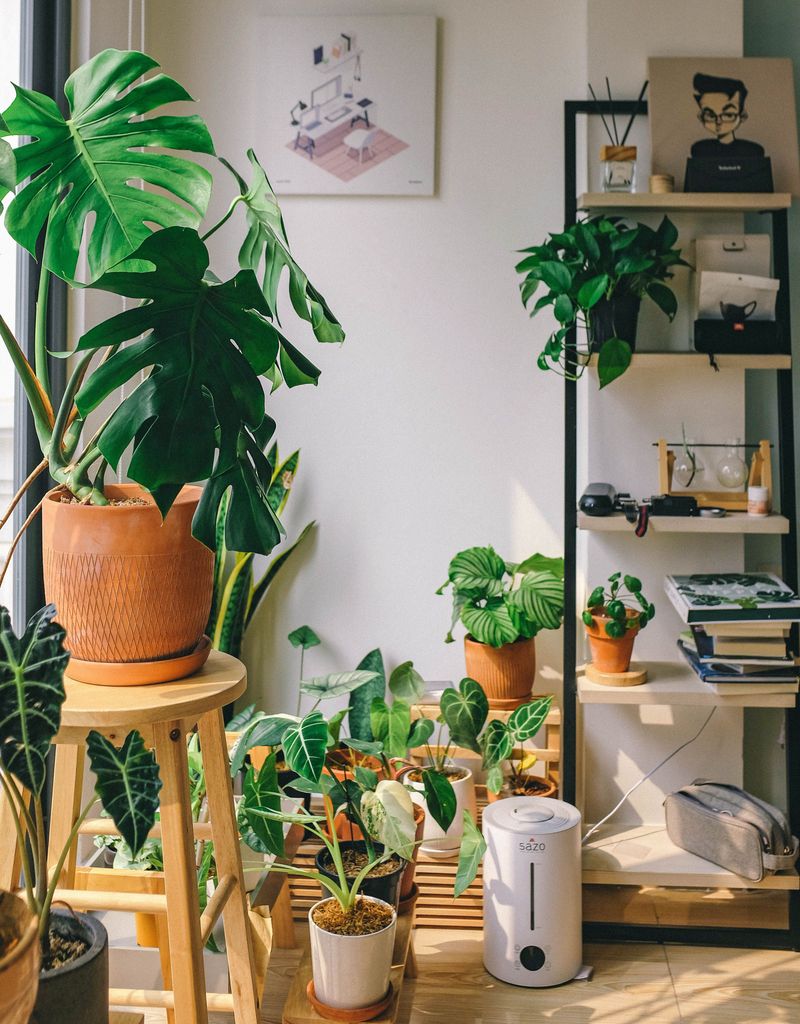
Of all the tricks out there, a room humidifier is the one that truly moves the needle. It adds a steady supply of moisture to the whole space, not just a tiny pocket around one pot.
I like cool mist ultrasonic models for plant corners. They run quietly, and there is no hot water to worry about around pets or kids. Set it a few feet from your plants so the mist spreads instead of soaking the leaves.
Aim for roughly 40 to 60 percent humidity. Going much higher for long stretches can invite mold on walls and windows, especially in cooler months. A humidifier with a built-in humidistat makes this easier to manage.
Use distilled or demineralized water if you can. Tap water in many parts of Texas is hard, and ultrasonic units can spray those minerals as a fine white dust on furniture and leaves.
Clean the tank about once a week with a little white vinegar, then rinse well. Standing water can grow bacteria, and nobody wants that floating around the living room. A clean unit keeps both you and your plants breathing easy.
3. Keep Your Calatheas Away From Those AC And Heater Vents
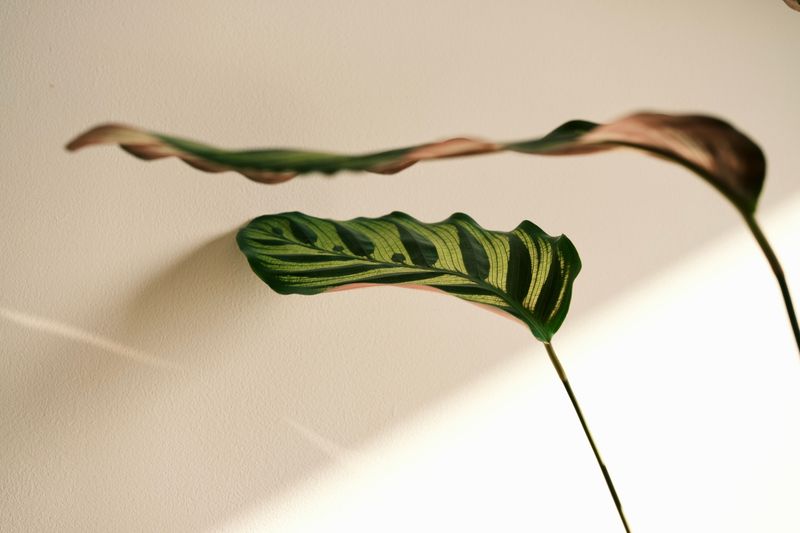
Here is a confession. For a whole summer I parked a gorgeous fern right under a ceiling vent because the light was perfect there. It looked like a broom by August.
Forced air from cooling and heating systems is very dry. Blowing straight onto leaves, it speeds up water loss and can chill tropical foliage too.
Even a perfect watering routine struggles against a constant draft. Move humidity lovers at least a few feet away from vents, radiators, and space heaters.
Check floor registers too, since they are easy to forget when you set a pot down. Inexpensive vent deflectors can redirect airflow away from a plant shelf.
Texas homes often run AC for much of the year, and many areas still need heat on winter nights. That means vent placement matters in almost every season, not just one.
Drafty doors and sunny west windows add their own stress. A spot with bright, indirect light and calm air is the sweet spot for most tropicals. Rearranging a few pots costs nothing, and it may be the easiest win in this whole list.
4. Grouping Your Leafy Tropicals Creates A Tiny Jungle
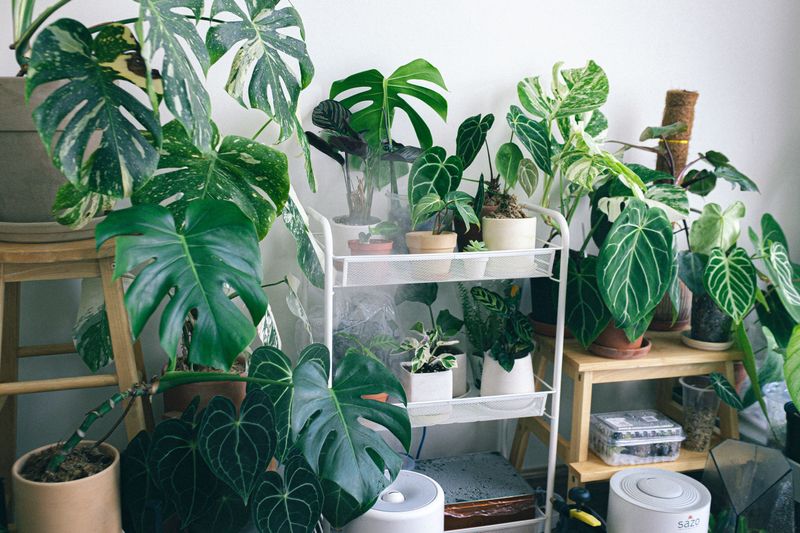
Plants are a little like people at a cold football game. Huddle them together and everyone stays more comfortable.
Each plant releases water vapor from its leaves. When several sit close together, that moisture lingers in the space between them and forms a slightly damp pocket. Researchers and extension experts describe this as a microclimate.
The boost is modest, not magical. Still, a tight cluster of ferns, prayer plants, and pothos usually feels happier than the same plants scattered around the house. I keep my fussiest calathea tucked in the middle where it stays most sheltered.
Leave a bit of space so air can still move through the group. Leaves that touch and stay damp can encourage fungal spots and make pests easier to spread.
A small fan on low, set nearby and not aimed at the plants, keeps things fresh. Inspect leaves before adding a new plant to the crew.
Spider mites love dry air and crowded shelves, and they hop from neighbor to neighbor fast. A quick check under the leaves now saves you a headache later.
5. Pebble Trays Give Small Pots A Little Moisture Boost
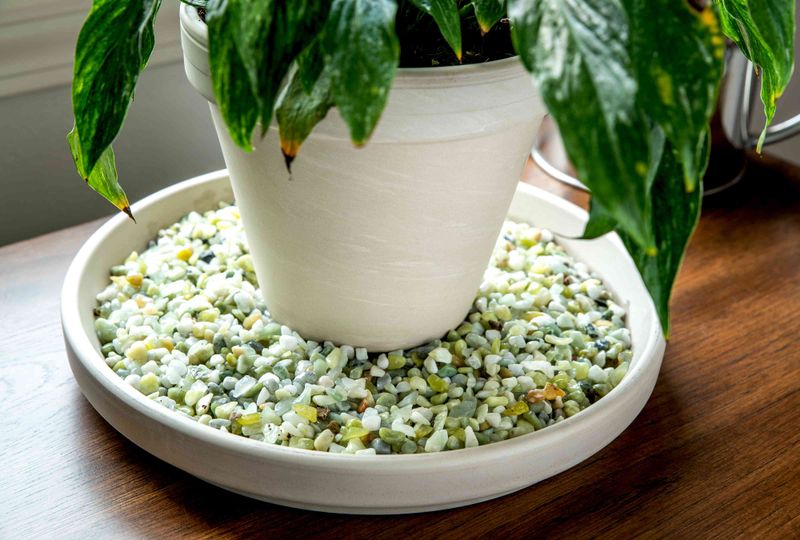
Grandma probably had one of these on her windowsill, and she was onto something. A pebble tray is cheap, cute, and easy to set up in five minutes.
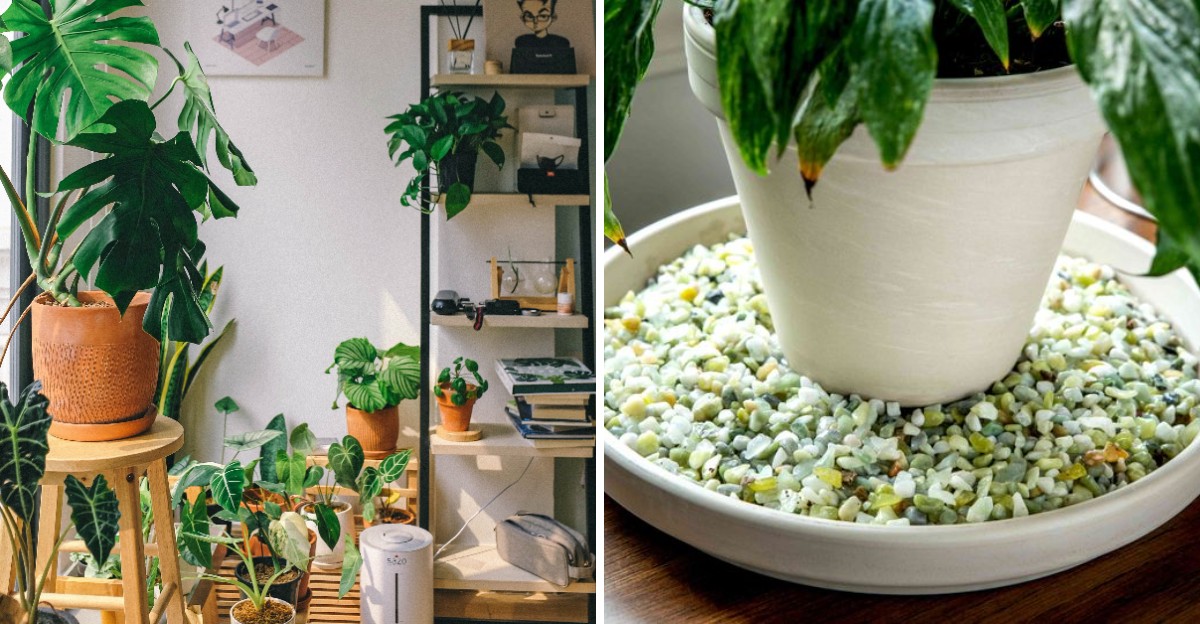
Fill a shallow tray with gravel or small stones. Add water until it sits just below the top of the pebbles, then set the pot on the stones. As the water evaporates, it adds a bit of moisture right around the plant.
The pot must sit above the water line. Roots sitting in standing water can rot, which is a much bigger problem than dry air. The pebbles act like a little stage that keeps everything high and dry.
University extension sources note that the effect is local and fairly small. Think of pebble trays as a helper, not the main fix. They work best paired with grouping or a humidifier.
Refill the tray every few days, especially when the AC is running hard. Rinse the stones once a month to clear algae and mineral crust. Bonus tip: pick a tray that matches your decor, and nobody will guess it has a job.
6. Bathrooms And Kitchens Can Be A Fern Paradise
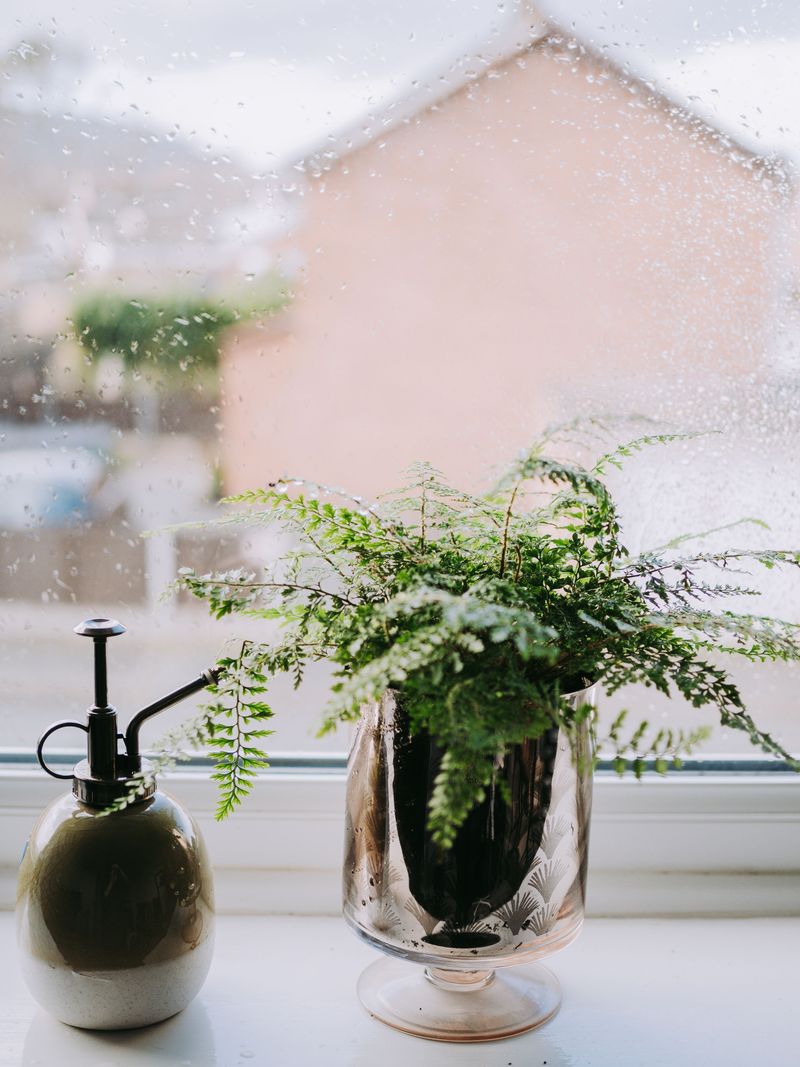
Ever notice how a fern in the bathroom often looks better than one in the bedroom? Steam from daily showers gives it regular little spa sessions.
Bathrooms and kitchens tend to run more humid than the rest of the house. Boiling pasta, running a dishwasher, and taking hot showers all release moisture into the air. Humidity lovers can soak that up.
Light is the catch. A bathroom with a window offering bright, indirect light is ideal for Boston ferns, pothos, peace lilies, and many orchids. A windowless room usually needs a grow light to keep plants healthy.
Keep plants away from the stove itself, since heat and grease are rough on leaves. A sunny kitchen windowsill or a shelf across the room works much better. Watch for cold drafts from exhaust fans in winter too.
I rotate my most stressed plants into the bathroom for a week or two when they look tired. It feels like sending them on vacation. They usually come back with fresh, perky leaves and a lot less attitude.
7. Glass Cloches And Terrariums Trap Moisture For Fussy Plants
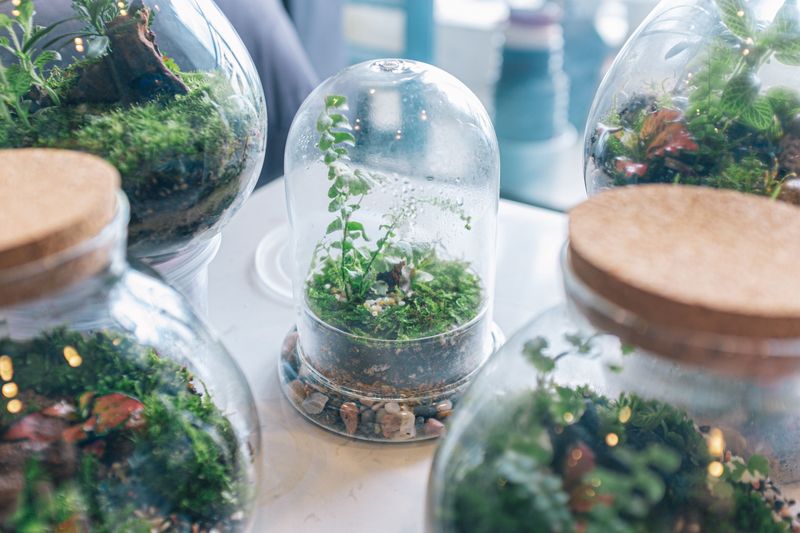
Some plants are simply divas. Nerve plants, maidenhair ferns, and many jewel orchids want humidity far above what most living rooms can offer.
For these, enclosing them can work wonders. A glass terrarium, cloche, or even a clear storage cabinet holds moisture around the leaves. Water evaporates from the soil, collects on the glass, and drips back down in a tiny water cycle.
The idea is old. A London doctor named Nathaniel Ward popularized sealed glass cases in the 1800s, and plant collectors used these Wardian cases to ship living plants across oceans.
Give enclosed plants bright, indirect light, never harsh direct sun. Glass can heat up fast, and a sunny Texas window can cook the inside. Open the lid now and then if you see heavy fog or fuzzy mold.
Choose small, slow-growing plants that fit the space. Many hobbyists convert glass display cabinets into plant cabinets with a small fan and LED light. It looks fancy, and your pickiest plants finally get the cozy air they crave.
8. Spray Bottle Misting Feels Nice But Fades Fast
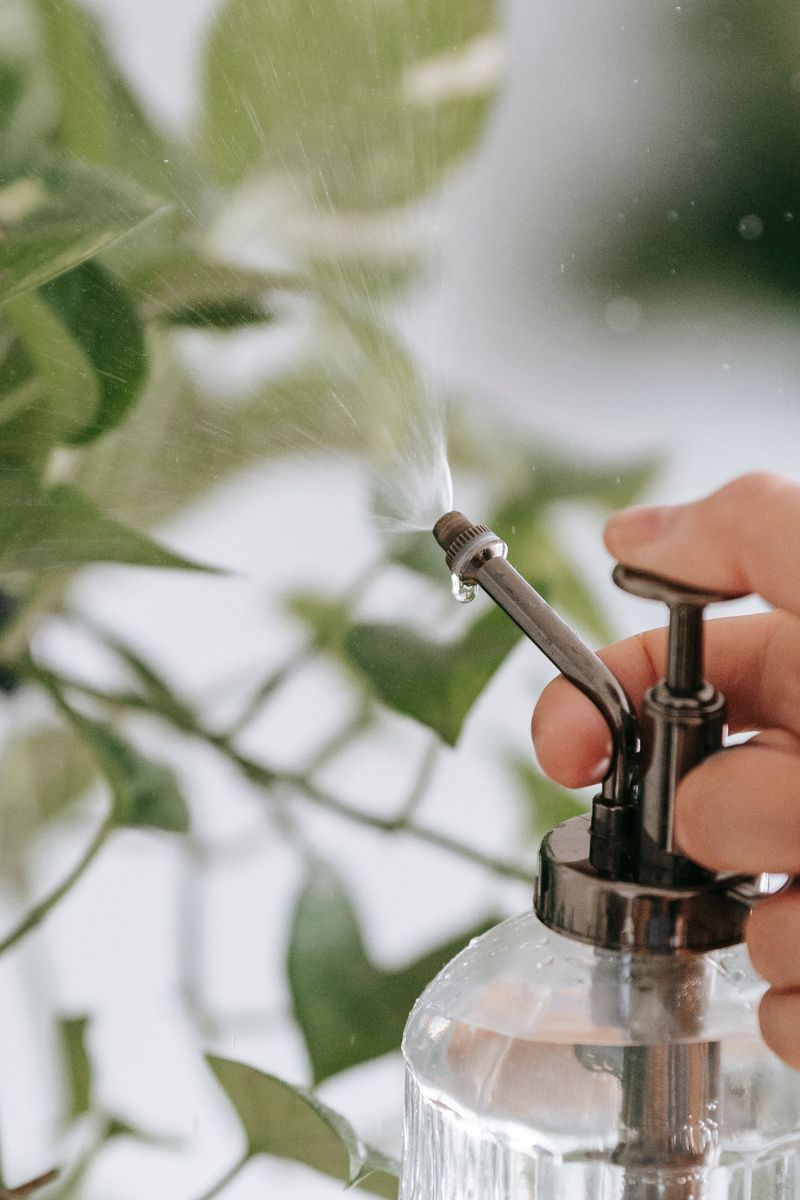
Plenty of us started our plant journey with a spray bottle in hand. I misted everything daily and felt like the world’s best plant parent.
Sadly, the research does not back it up much. Misting raises humidity for only a few minutes before the droplets evaporate, especially in dry indoor air. Leaves that stay wet in still rooms can also pick up fungal leaf spots.
Misting still has a few uses. A gentle spray helps rinse dust from leaves, and a shower rinse is even better. Some growers mist air plants and certain orchids as part of their watering routine.
For lasting results, combine the stronger methods. Move plants away from vents, group them, and run a humidifier in the plant room. Check the hygrometer every week and adjust as seasons change.
Choosing the right plants helps too. In very dry rooms, pothos, snake plants, ZZ plants, and many succulents stay tough with less effort.
Save the ferns and calatheas for your most humid corner, and your houseplant collection will feel a lot more relaxed.