Texas Spider Commonly Mistaken For Black Widows
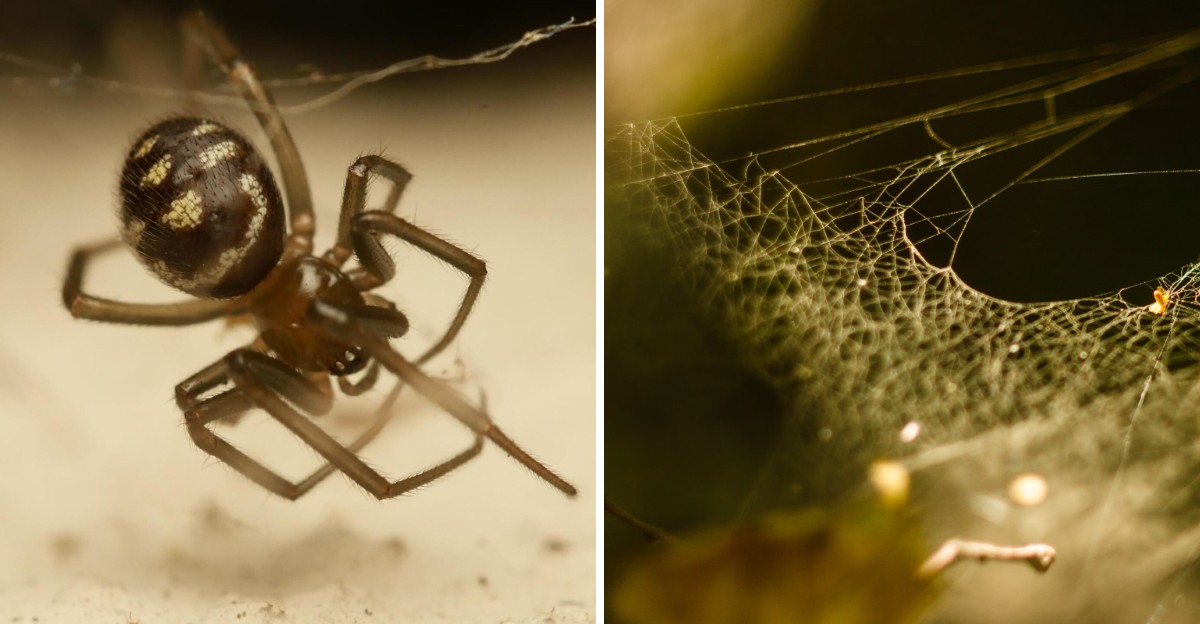
One shiny little spider in Texas has been caught eating actual black widows. That alone made me look twice at the round, dark spiders tucked behind my potting bench. Texas gardeners know the real thing when they see it, or think they do.
They share the glossy look, the plump belly, and the messy tangle of silk. Most people panic first and ask questions later. I did too, the first time one dropped near my watering can.
A quick flip of perspective changed everything for me. After I checked a few with a flashlight, the missing marking told the whole story. You might notice the same clue once you know where to look.
Gardeners share space with these eight-legged neighbors every single season. Some hide in sheds, some in mailboxes, and some in the corner of your kitchen cupboard.
One of them is the famous troublemaker and the other is its far calmer double, and learning to tell them apart takes about ten seconds and a flashlight.
That Shiny Round Spider in Your Shed Might Be a Clever Copycat
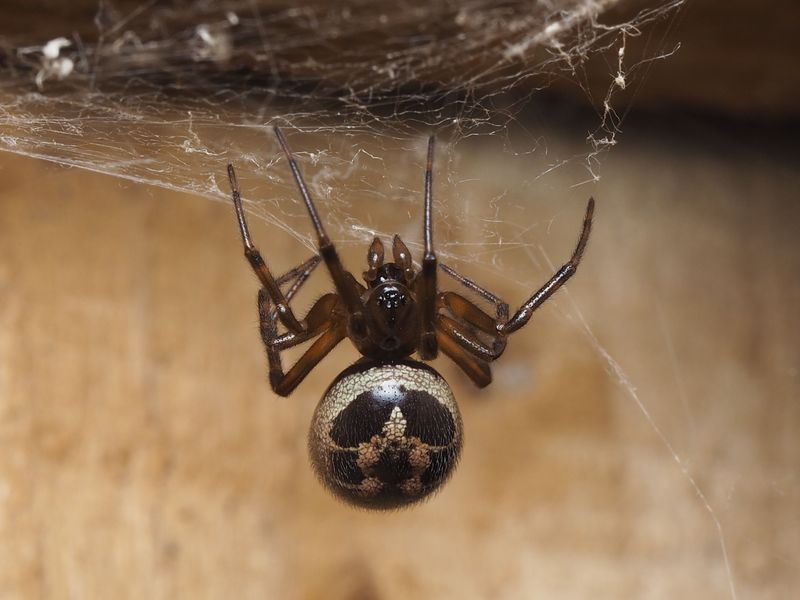
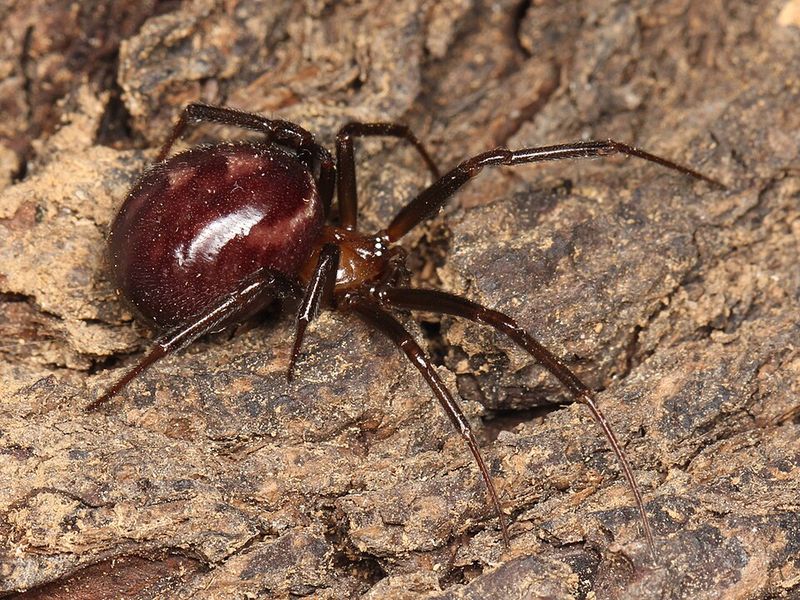
Plenty of Texas gardeners have shrieked at a dark, bulb-bellied spider, only to learn it was a stand-in. The usual look-alike is the cupboard spider, Steatoda grossa, often called the false black widow.
These spiders belong to the same family as true widows, the cobweb weavers known as Theridiidae. That family tie explains the shared shape.
Both have shiny bodies, long legs, and a rounded abdomen that looks almost like a polished bead.
Cupboard spiders live across much of the world, including homes and gardens throughout the U.S. They tend to be dark brown or purplish rather than pure jet black. In good light, many show a faint satin sheen instead of that inky gloss.
Other Steatoda species in the same group can add to the confusion. You may also read about the noble false widow, Steatoda nobilis, which has spread to parts of California and other regions.
Records of it in Texas are limited, so the cupboard spider remains the more likely look-alike near your tomato cages.
My advice is simple. Before you grab a shoe, grab a flashlight and take a closer peek. A calm look often turns a scary moment into a fun bit of backyard detective work.
No Red Hourglass Under the Belly Is Your Biggest Clue
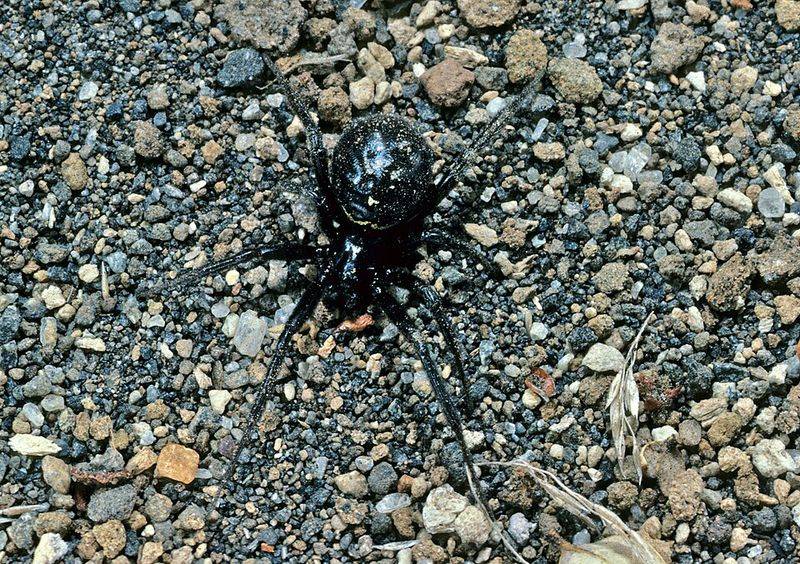
Flip the script, or rather, check the belly. A true southern black widow, Latrodectus mactans, carries a bright red hourglass on the underside of its glossy black abdomen.
False widows lack that red hourglass. Their bodies run from chocolate brown to deep purple to near black.
Some show pale streaks or faint crescent shapes on the top of the abdomen, but nothing like the classic red marking underneath.
Now, a word of caution from my own learning curve. Black widow hourglasses can sometimes look broken into two separate red spots.
Young widows may also carry orange, white, or tan patterns that fade as they grow, so a striped juvenile can surprise you.
You can usually spot the underside without touching anything. Widows often hang upside down in their webs, belly facing out. A flashlight at night makes that red shine like a tiny warning light.
Texas is also home to the western black widow in some areas, and it shares the same red hourglass. If you see any red on the belly, treat that spider with respect and keep your hands away. Gloves and a long-handled tool make checking much safer.
A False Widow Bite Usually Feels More Like a Bee Sting
Most bites from cupboard spiders end up as a sore, red bump. People often compare the feeling to a bee or wasp sting, with some swelling and tingling that fades within a day or two.
Black widow bites are a different matter. Their venom affects nerves and can cause intense muscle cramps, belly pain, sweating, and nausea.
Anyone bitten by a suspected widow should contact a doctor or Poison Control at 1-800-222-1222 right away.
Noble false widow bites, where that species lives, can hurt more than a cupboard spider bite. Reports mention stronger pain, swelling, and occasionally mild fever. Skin infections can also follow any bite if the spot is scratched, so keep it clean.
Both widows and their look-alikes are shy. Bites mostly happen when a spider gets pressed against skin, like inside a glove, boot, or a pile of stored pots.
I keep my garden gloves in a sealed bin now, and I shake them out anyway. Wash a minor bite with soap and water, add a cool pack, and watch for spreading redness. Simple habits like these take the fear out of digging season.
Cluttered Garden Corners Are Where These Cobweb Spiders Settle In
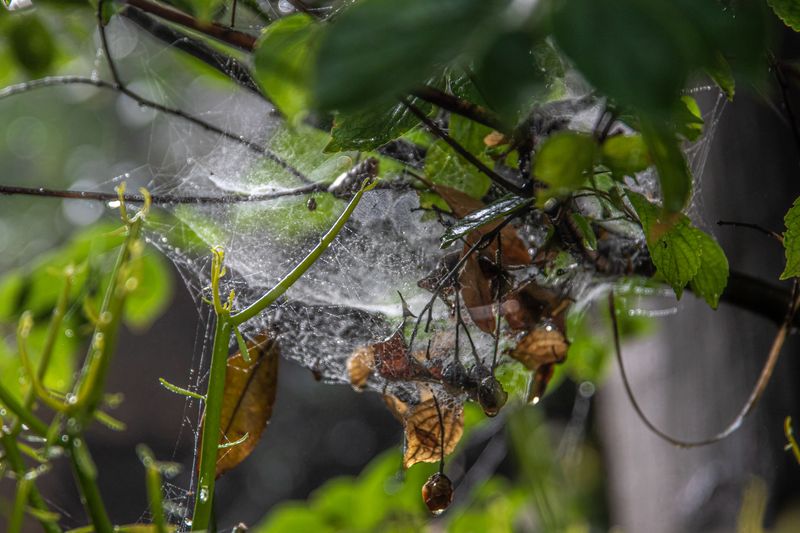
Spiders love the same mess I promise myself I will clean up next weekend. False widows tuck their webs into quiet spots like fence rails, rock piles, loose bark, and the gap under a deck step.
Indoors, they slip into window frames, closets, garages, and the backs of cabinets. That cupboard habit earned them their common name, and it explains why so many sightings happen inside houses.
True black widows pick similar hideouts outdoors. Woodpiles, water meter boxes, irrigation valve covers, outdoor furniture, and the underside of flower pots are classic widow homes.
In much of Texas, widows stay active for most of the year thanks to mild winters, especially in the southern half of the state.
Since both spiders pick the same kind of real estate, location alone will not tell you who moved in. It does tell you where to be careful, though.
Wear gloves when you lift pots or reach into a valve box. Use a stick to tap a woodpile before grabbing logs.
Keep firewood off the ground and away from the house. These small moves cut down on surprise meetings and keep your hands far from tucked-away webs.
Messy Tangled Webs Look Almost Identical for Both Spiders
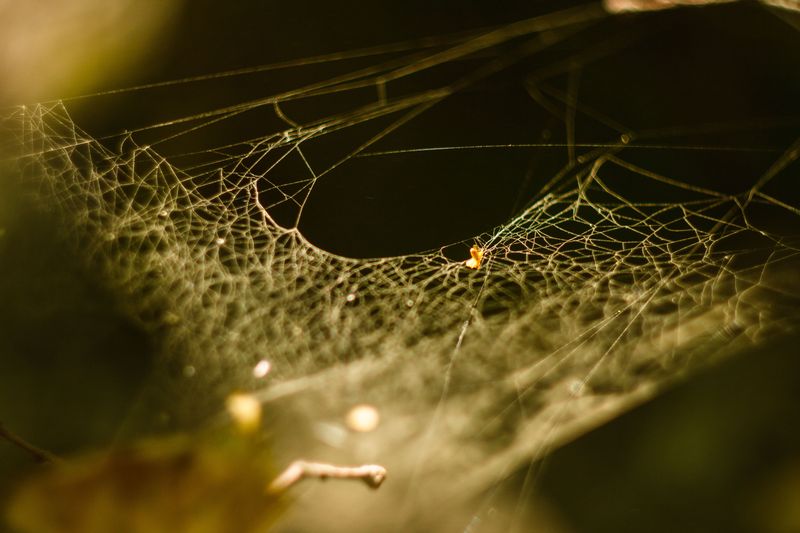
Spider silk can be a real puzzle. Garden orb weavers spin those neat round wheels, while cobweb spiders build something that looks like tangled fishing line.
False widows and black widows both make that jumbled style. The strands feel tough and sticky, with no clear pattern.
Widow silk is famously strong, and you may notice it feels tough and resists breaking when you brush it with a stick.
A few web habits can offer hints. Black widows often build low to the ground, with sticky lines that anchor near the bottom to snag crawling insects.
They tend to hide in a retreat during the day and hang in the open at night. Cupboard spiders often sit near a crack or corner and dash inside when bothered.
Still, I treat web shape as a supporting clue, never the final word. The spider itself holds the answer.
Egg sacs add another fun detail. Black widow sacs are often tan, papery, and round, tucked in the tangle.
False widow sacs are usually whitish and fluffy. Spotting several sacs means a new crop of spiderlings may be on the way soon.
These Look-Alike Spiders Hunt Pillbugs and Even Black Widows
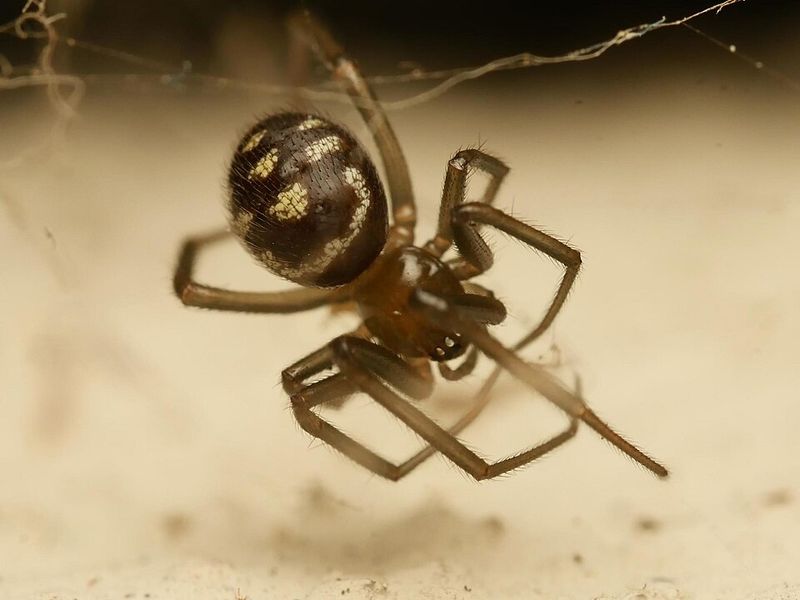
Here is a twist I love sharing with fellow gardeners. False widows have been recorded preying on true black widows, and some studies note they may compete with them for space.
That does not mean you should invite them over as bodyguards. It simply shows these spiders pull their weight in the yard.
Cupboard spiders snack on a range of small critters. Pillbugs and sowbugs, which nibble seedlings and soft strawberries, show up on their menu. So do flies, beetles, ants, and other crawling insects that wander into their sticky threads.
Every spider in your beds is part of a quiet pest patrol. They catch bugs at night while you sleep, and they ask for nothing but a quiet corner.
Spraying broad insecticides can backfire by knocking out these helpers along with the pests.
I leave outdoor false widows alone unless they sit right where my hands go. A leafy bed full of predators tends to stay more balanced than a bare, sprayed one.
Watching a spider wrap up a pillbug beside my pepper plants made me a fan for life, and it may do the same for you.
A Tidy Porch and Sealed Windows Keep Widow Look-Alikes Outdoors
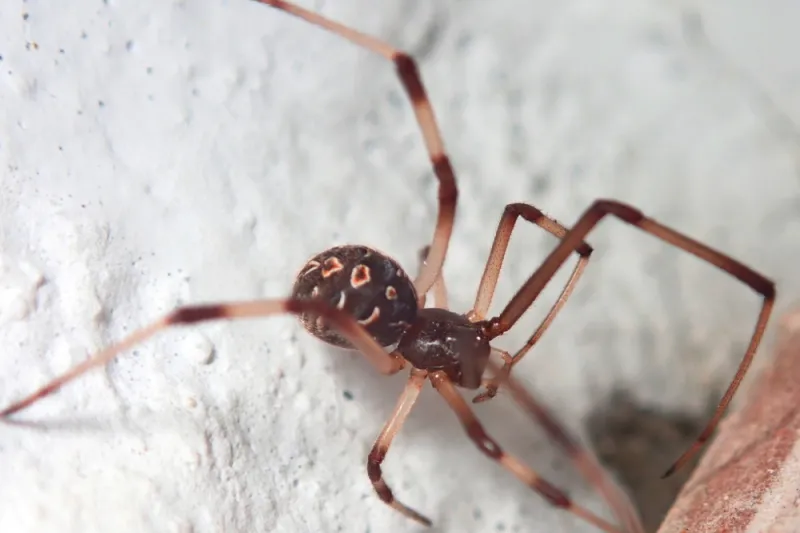
Peace with spiders starts with a little housekeeping. Once you can tell a cupboard spider from a widow, you can decide which ones get to stay and which ones need a new address.
Outdoors, I let false widows keep working in fences and rock walls. Indoors, I gently scoop them into a jar and carry them outside.
A vacuum works well for webs and egg sacs too. To keep both kinds from moving closer, try these steps:
Seal gaps around windows, doors, and pipes with caulk or weatherstripping. Store pots, boots, and gloves in closed bins.
Move woodpiles and leaf piles away from walls. Swap bright white porch lights for yellow bulbs, which tend to draw fewer insects that spiders hunt.
Texas Extension guidance also suggests reducing clutter in garages and sheds, since cluttered spaces give widows plenty of hiding spots. If you find a confirmed black widow near kids or pets, a careful removal or a licensed pest pro is a smart call.
My biggest takeaway is easy. Look for the red hourglass, wear gloves, and keep things tidy. With those habits, a shiny dark spider becomes a curiosity instead of a crisis.