A Winter-Preparation Guide for Arizona Hibiscus Owners
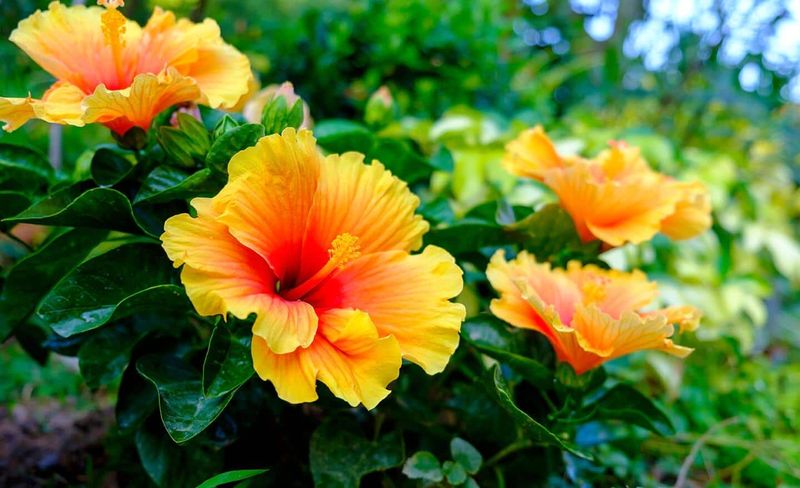
Hibiscus has a huge family, and not every member handles cold the same way. Some live in nursery pots on patios, while others grow wild in Arizona canyons.
Before the first chilly nights arrive, it helps to know which type you have. A few simple checks can shape a winter plan that fits your plant and your yard.
Start by Identifying Your Hibiscus
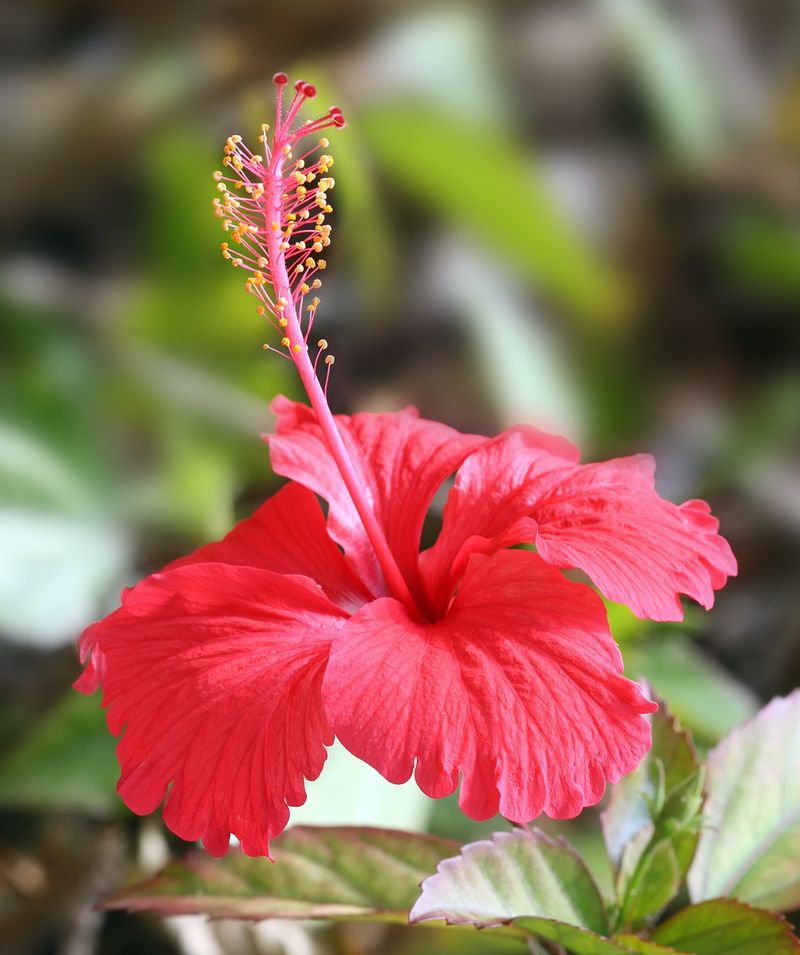
Winter advice for hibiscus starts with a simple question: which one do you have? The glossy-leaved, big-flowered plants sold at most nurseries are usually tropical hibiscus, Hibiscus rosa-sinensis.
Smithsonian Gardens care guidance for that plant is specific to that species, so it should not be stretched to every plant with hibiscus in its name.
Arizona also has native hibiscus, including Arizona rosemallow and rock hibiscus. The Arizona Native Plant Society describes these natives as adapted to local conditions, so they may not need the same indoor wintering plan as a nursery tropical.
Check your plant tag or purchase receipt if you still have it. If you are unsure, a local nursery can help you match leaf shape and flower style to a name.
Once you know your plant, you can choose between indoor shelter and outdoor protection with more confidence.
Treat Temperature Thresholds as Cues, Not Guarantees
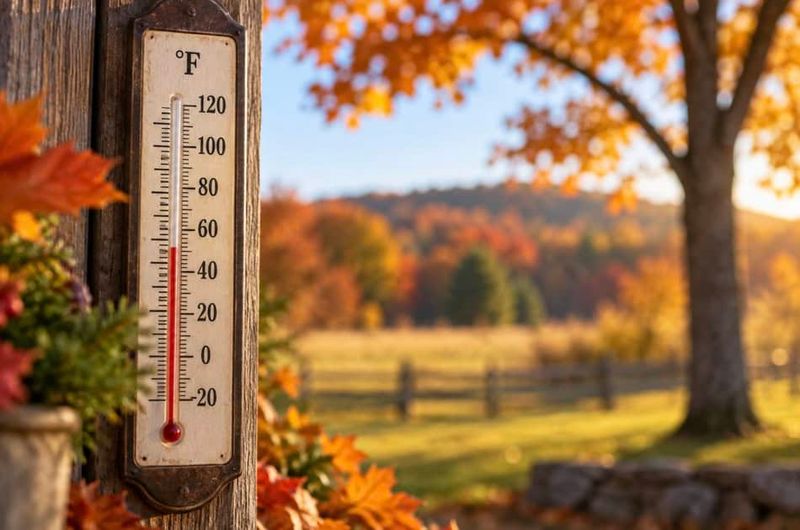
Two numbers come up often for tropical hibiscus, and they do different jobs. Iowa State Extension suggests moving tropical houseplants indoors when nights consistently reach about 50°F.
That is a conservative cue for planning a move, not a point where harm suddenly starts.
The second number is 35°F. Smithsonian Gardens notes that tropical hibiscus prefers temperatures above 50°F and may show damage below 35°F.
Neither figure guarantees injury or safety, since time spent in the cold and the plant’s condition also matter.
Arizona winters also vary a lot by location. National Weather Service Tucson averages for the first seasonal freeze run from October 24 in Duncan to December 3 in Tucson.
Treat those dates as background, then lean on your local forecast and what you see in your own yard.
Move Potted Tropical Hibiscus Before Cold Exposure Becomes a Problem
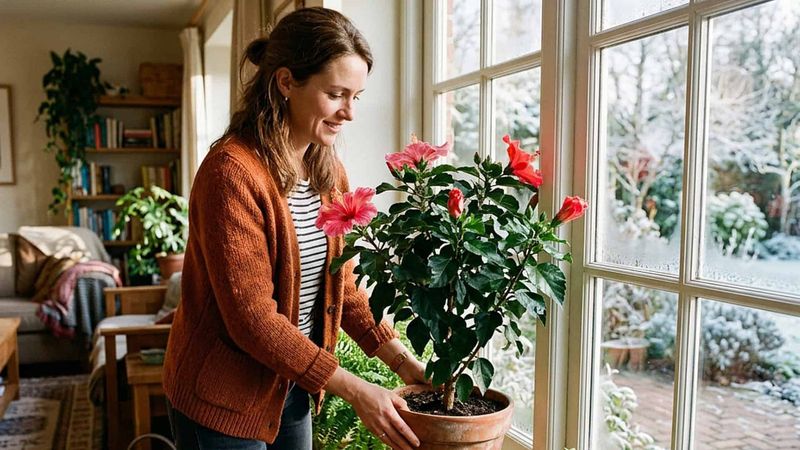
If your tropical hibiscus lives in a pot, you have the easiest winter option: wheel or carry it to shelter. Plan to bring it into a bright indoor space or another frost-free spot before cold exposure becomes a concern.
This advice is for potted tropical hibiscus, not for in-ground plants or native species.
Timing is a precaution, not a hard deadline. University of Maryland Extension offers overwintering guidance for tropical plants, and Iowa State points to nights consistently near 50°F as a moving cue.
Watch your forecast and the spot where the pot sits. A pot against a warm wall may feel different than one in an open corner.
Choosing a landing place early, such as a sunny window or enclosed porch, makes moving day much calmer.
Inspect and Prepare Plants Before Bringing Them Indoors
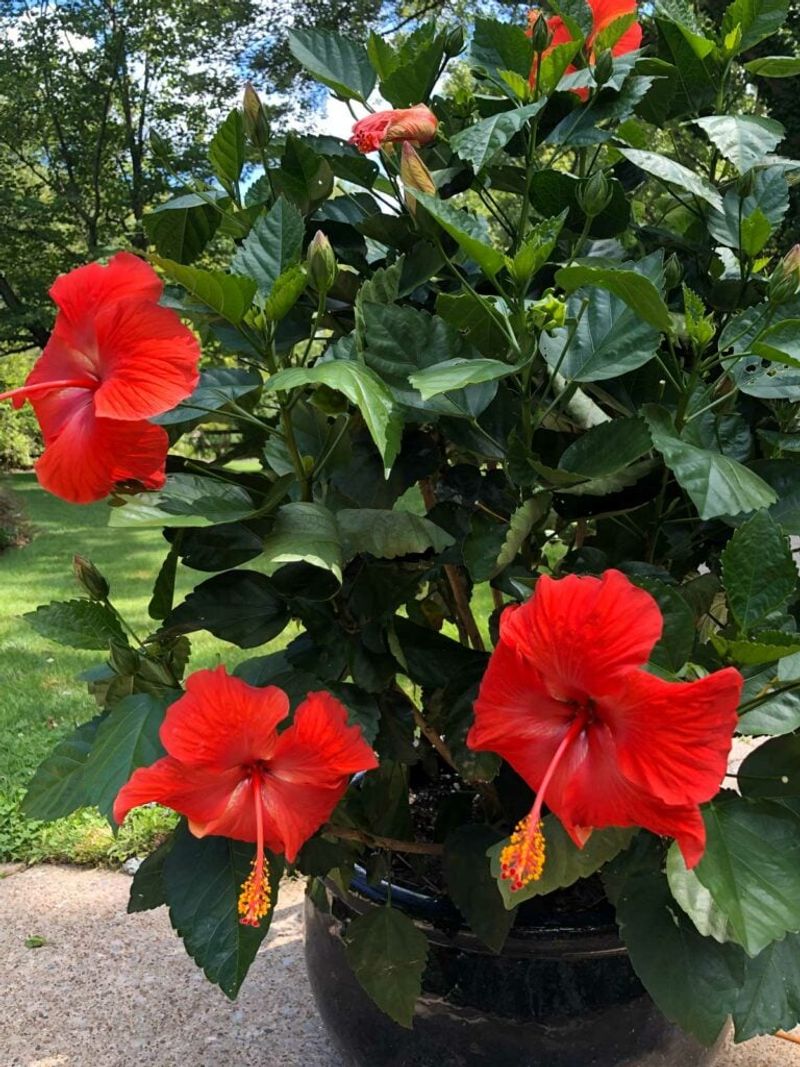
Before the pot crosses the doorway, give the plant a once-over. Check the undersides of leaves and the stems for pests, then rinse the foliage outdoors.
Let it dry before moving it inside so you are not carrying in extra moisture or hitchhikers.
Iowa State Extension recommends isolating incoming plants from your other houseplants for three to four weeks. A spare room or a corner away from the rest of your collection works well.
During that time, keep looking for anything unusual on the leaves. This step is about the move itself, and ongoing indoor care comes next.
Adjust Light and Water as Indoor Growth Slows
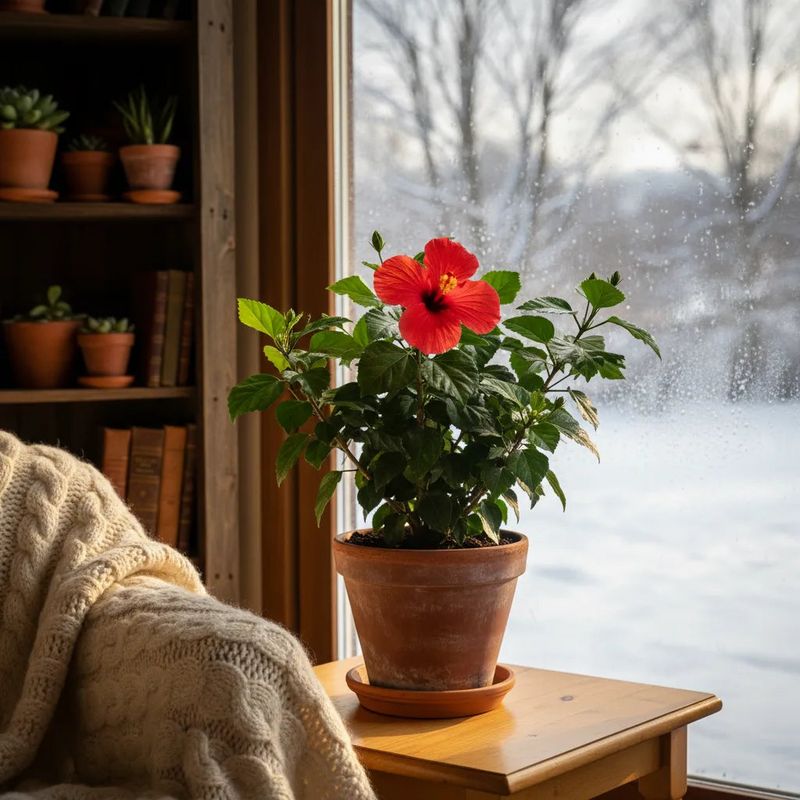
Indoor light is weaker than outdoor sun, so a few dropped leaves can follow the move. Iowa State Extension notes tropical hibiscus may drop leaves after the light change.
Leaf drop alone does not prove your preparation failed.
Give the plant bright light and keep watching for pests. Growth slows indoors and soil dries more slowly, so check the soil with your finger before watering.
Do not keep using your outdoor schedule, and do not leave the potting mix waterlogged.
University of Maryland Extension advises watering less and holding fertilizer until new growth appears. When fresh leaves show up, you can think about feeding again.
Protect Outdoor Plants With Forecast-Led Frost Preparation
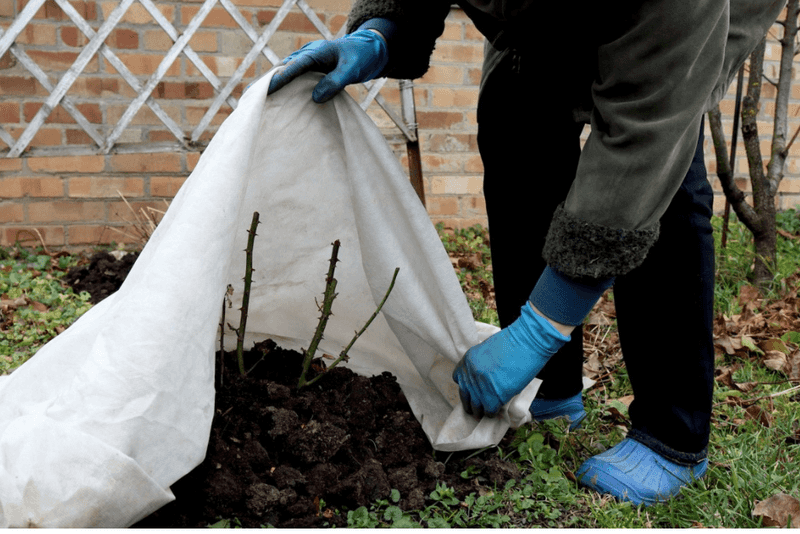
Plants that stay outdoors do better with a plan built around your forecast. University of Arizona Cooperative Extension advises sheltered placement for cold-sensitive plants, since walls, rocks and patios can collect and reflect daytime heat.
When a frost is forecast, use cloth or paper covers that reach the ground to trap heat from the soil. Plastic is not the recommended insulating cover.
Remove covers in the morning as temperatures warm, because prolonged covering can promote active growth and leave plants more vulnerable to later frost.
Cover performance varies by material and weave, and ordinary sheets or blankets offer only minimal protection. No cover promises safety through every freeze.
In Pima County, a University of Arizona gardening guide says the first frost sometimes arrives in mid-to-late November and suggests having frost cloth ready.
Make Your Winter Plan Fit Your Plant and Your Yard
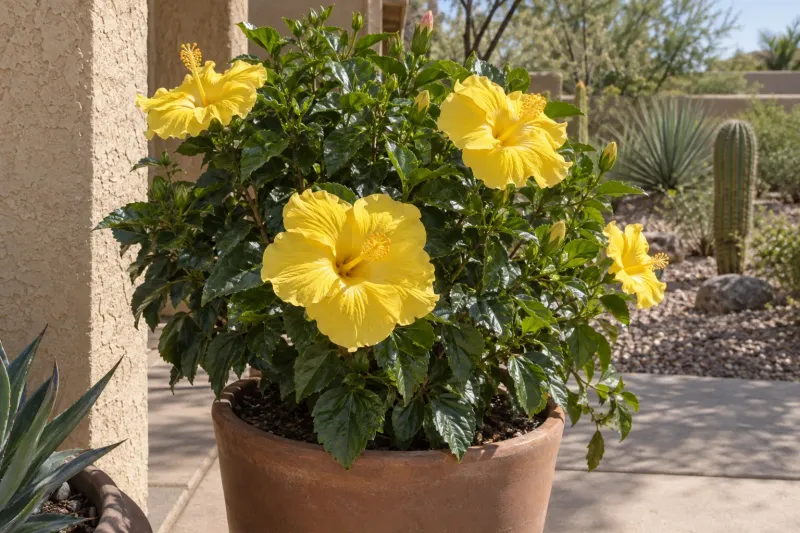
Start by naming your plant. If it is a potted tropical hibiscus, decide where it can move to a frost-free space.
If it stays outdoors, let University of Arizona frost guidance and your local forecast steer any temporary protection.
Freeze timing varies across the state, as National Weather Service freeze dates show, and no single number or cover guarantees safety. Your yard is the best teacher, so keep watching it.