10 Cold-Hardy Plants That Look Great in New York Window Boxes All Winter
Plant roots sitting in a window box face colder air than roots buried safely in the ground below. Extension experts often suggest choosing plants rated two full zones hardier than your area for containers.
New York spans roughly USDA zones 3 through 7, so a Buffalo sill and a Brooklyn sill differ. Winter wind and sudden thaws test a narrow box of soil much harder than any sheltered garden bed.
I have to admit my first winter boxes looked sad by January, full of brown stems and regret. You can skip that mistake by picking tough growers that shrug off frost and still look fresh outside.
Some of my favorites even change color as the cold deepens, which still makes me grin every morning. So which tough little beauties deserve a spot on your windowsill this coming year?
1. Dwarf Boxwood
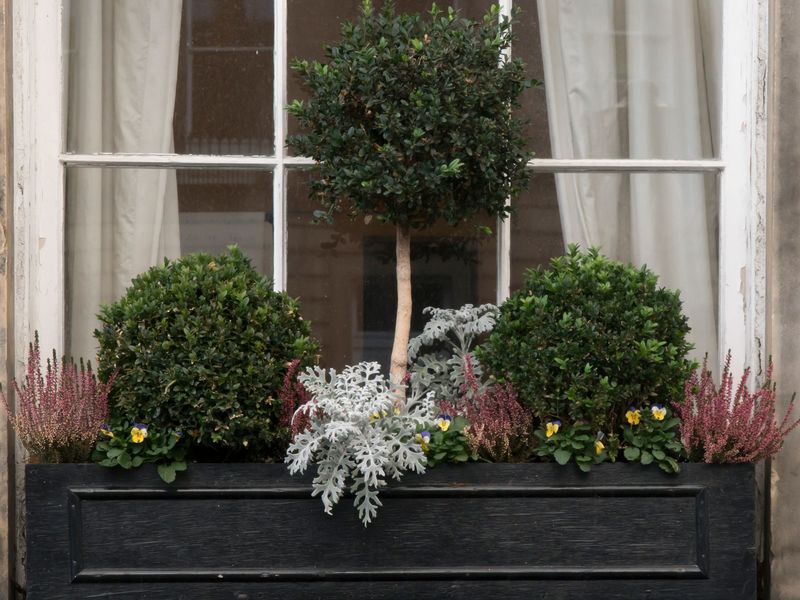
Boxwood has framed fancy gardens for centuries, and a small one makes a plain window box look instantly polished. I love how those tiny glossy leaves catch winter light like little green mirrors on a gray morning.
Compact types such as Winter Gem and Green Velvet stay tidy with very little trimming from you. Most are rated for zones 5 through 8, which covers a large part of the state.
Container roots get colder than garden roots, so colder upstate spots need extra care during long freezes. Wrapping the box with burlap or bubble wrap helps the soil stay a bit warmer through January.
Winter sun and wind can turn the leaves bronze or orange, which some gardeners find charming and others dislike. A spot with afternoon shade usually keeps the foliage greener and reduces that drying effect quite a lot.
Water your boxwood deeply in late fall before the soil freezes solid for the season ahead. Plants in containers dry out faster than you expect, so check moisture during mild winter spells too.
Deer and rabbits usually leave boxwood alone, which matters if your boxes sit low near the yard. Keep an eye out for boxwood blight, a fungal problem that spreads on wet leaves in humid weather.
Personally, I tuck a few pine cones or red twigs around boxwood for a cheerful holiday touch. The shrub acts like a calm green backdrop, letting brighter winter companions steal the show beside it.
2. Dwarf Alberta Spruce
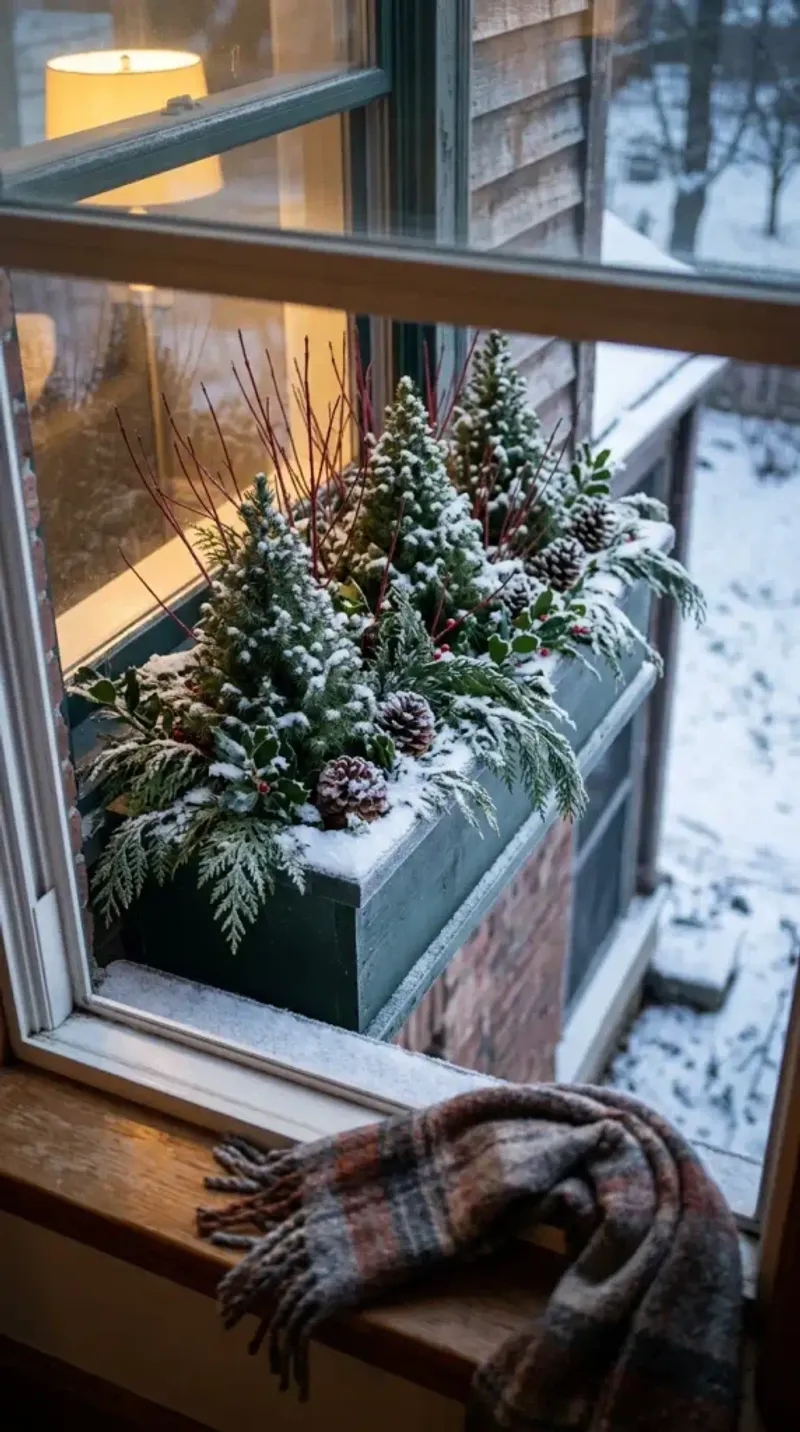
Talk about a tiny tree with big personality, since this little cone looks like a Christmas tree shrunk for windowsills. Its needles feel surprisingly soft, and I can’t resist brushing my fingers across them on frosty mornings.
Dwarf Alberta Spruce, known botanically as Picea glauca Conica, grows very slowly, often adding just a few inches yearly. That slow pace means one plant can stay happy in a large window box for several seasons.
It handles bitter cold beautifully, with ratings reaching down to zone 2 or 3 in many nursery guides. Even the chilliest parts of the Adirondacks fall within its comfort zone, which is pretty impressive for container life.
Give it a sunny window with at least six hours of light, though some afternoon shade is fine. Drying winter wind can brown the needles, so a sheltered side of the house works best for display.
Spider mites love this spruce during hot, dry summers, so rinse the branches with water now and then. Winter is a quiet season for pests, which gives you a nice break from checking the needles often.
Keep the soil lightly moist until it freezes, then water again during thaws if the mix feels dry. Well-drained potting soil matters, because soggy roots in a cold box quickly lead to trouble for spruces.
You might notice how perfectly it pairs with trailing greens or a strand of warm outdoor fairy lights. I like setting one at each end of a long box for a neat, balanced look.
3. Wintergreen
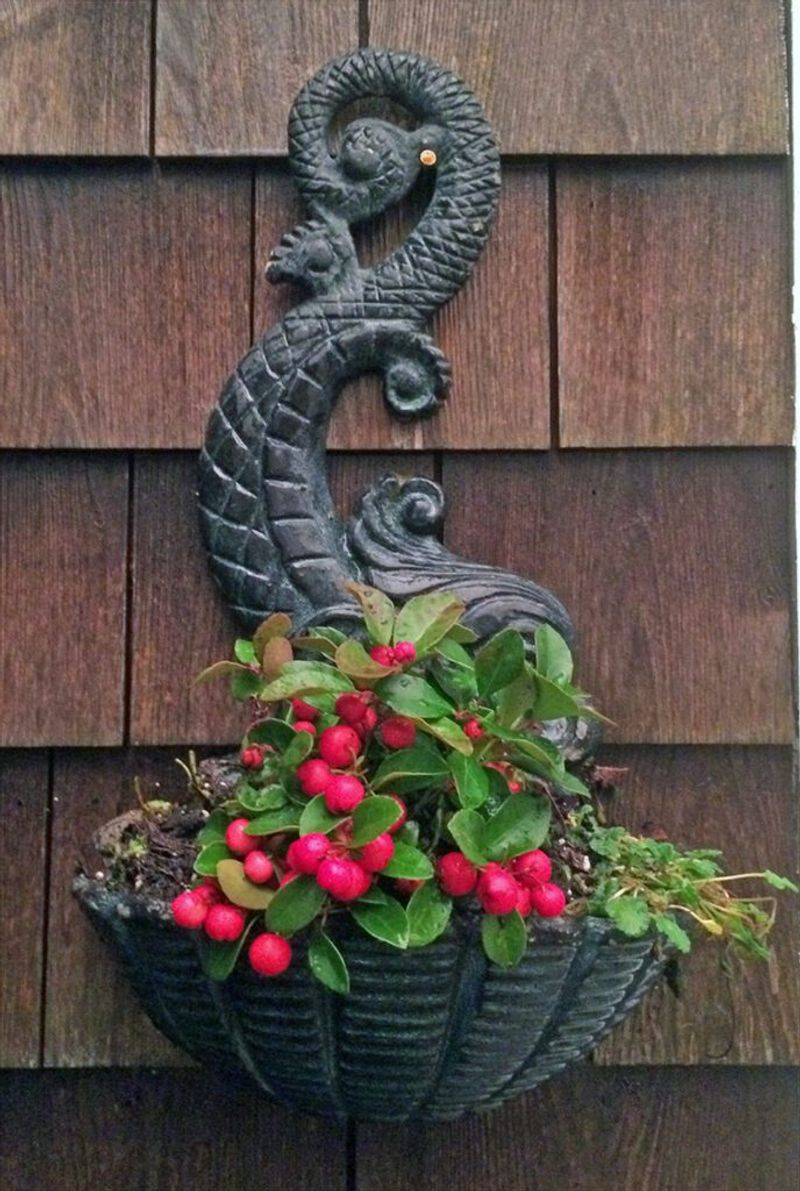
Crush a single leaf and you will smell that famous minty scent once used to flavor gum and candy. Wintergreen, or Gaultheria procumbens, is a native groundcover that grows wild in many eastern forests.
Its glossy leaves often shift toward deep red or bronze as cold weather arrives each fall. Bright red berries form in late summer and can hang on well into the following spring.
I believe it is one of the best choices for boxes on a shady side of the house. It naturally grows under trees, so gentle light suits it much better than harsh afternoon sun.
Hardiness ratings run from about zone 3 through zone 8, which covers nearly every corner of the state. Being native also means it fits nicely into gardens that support local wildlife and woodland plant communities.
Use a moist, acidic potting mix with some peat or composted pine bark mixed in for best growth. It dislikes drying out, so water during autumn and check the soil during mild winter weather too.
Plants stay low, usually under six inches tall, which makes them lovely tucked around taller evergreens. You can let them creep toward the front edge, where the red berries show off nicely to passersby.
Keep in mind that the leaves and berries contain compounds that can upset stomachs if eaten in quantity. Place boxes out of reach if curious kids or pets like to nibble on colorful things outside.
4. Blue Holly
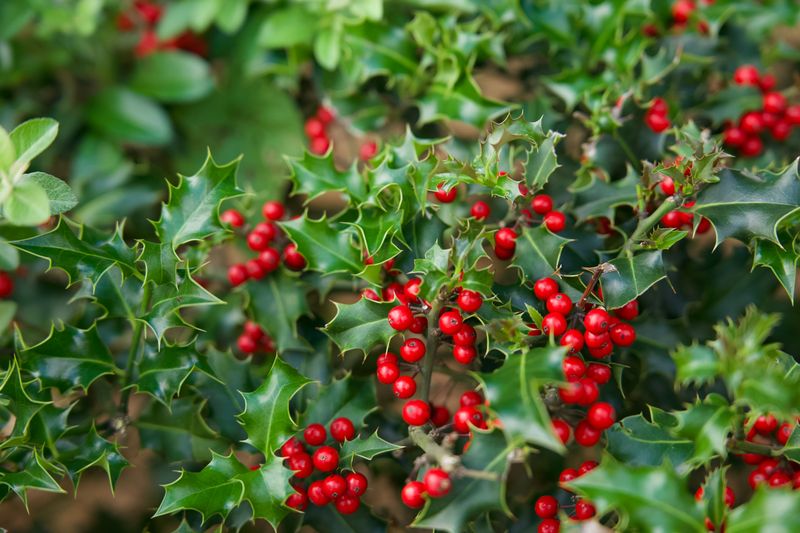
Red berries against dark spiny leaves feel like a holiday card come to life right outside your window. Blue Holly, a hybrid called Ilex x meserveae, was bred in Long Island by gardener Kathleen Meserve.
That local history makes me smile every time I see one glowing in a winter window box display. Popular varieties include Blue Princess and Blue Maid, which carry generous crops of berries in cold weather.
Holly plants are either male or female, and only females produce those cheerful red berries. A male plant nearby, such as Blue Prince, is needed for good pollination and plenty of fruit.
Most Blue Hollies are rated for zones 5 through 8, so they suit much of downstate and central areas. Gardeners in colder regions should wrap the box or move small pots against a sheltered house wall.
Give holly full sun or partial shade, along with slightly acidic soil that drains well after rain. Water deeply before the ground freezes, since evergreen leaves lose moisture through winter wind and bright sun.
You need to wear gloves while planting, because those glossy leaves have sharp spines on their edges. I learned that lesson the hard way during my first holiday arrangement, and my fingers still remember.
Holly berries can upset stomachs if eaten, so keep the box away from small children and pets. Birds sometimes snack on the fruit later in winter, which adds a fun bit of life to your view.
5. Ornamental Kale And Cabbage
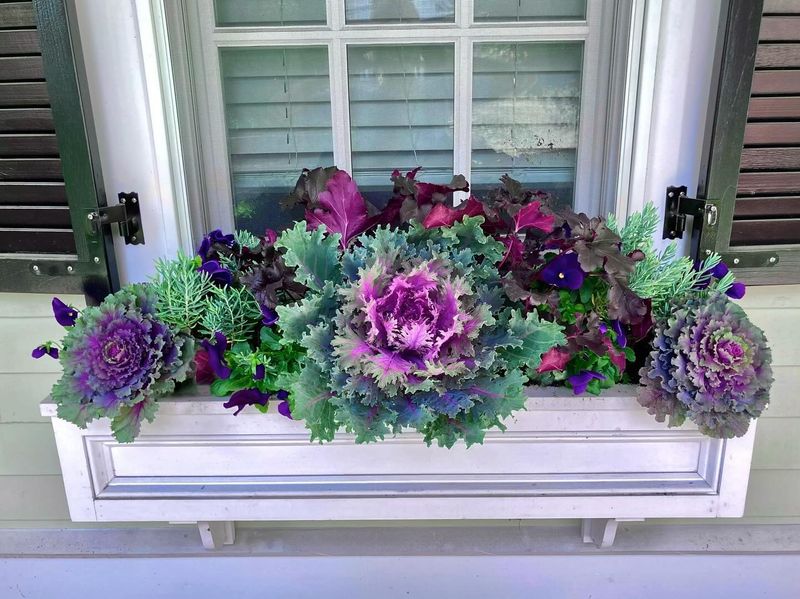
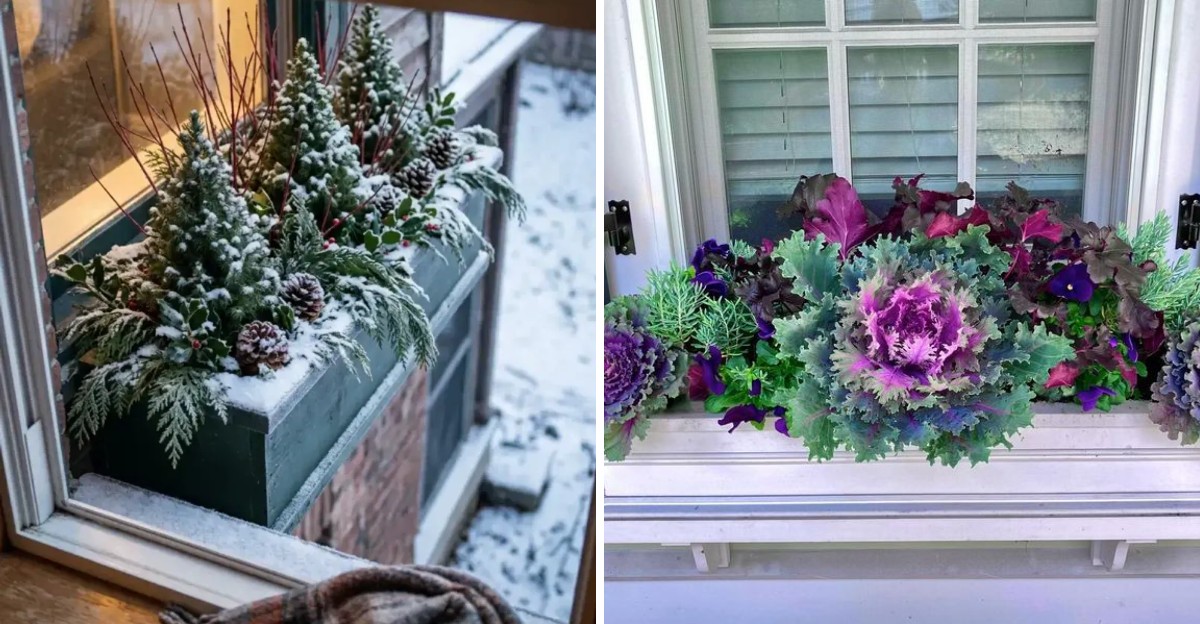
Cold nights actually make these frilly rosettes more colorful, which still feels like a magic trick to me. Once temperatures dip below about 50 degrees, the centers glow brighter pink, purple, or creamy white.
Ornamental kale and cabbage are close relatives of the vegetables you buy, but they are grown for looks. Kale types usually have ruffled or feathery leaves, while cabbage types form smoother, rounder heads in the center.
Many plants handle temperatures into the teens and sometimes lower before the leaves start looking worn. A long stretch of single-digit cold usually ends their show, so expect them to fade by midwinter.
That honest limit is worth knowing, because colder regions may see a shorter season than New York City. Downstate boxes often keep plants looking fresh well into December, and sometimes even longer during mild years.
Plant them in early fall in full sun so the rosettes have time to settle before hard frosts. Rich, well-drained potting mix helps, and slightly crowding them gives a fuller look right away in boxes.
What surprises me most is how well they pair with evergreens like spruce, boxwood, or trailing juniper nearby. The bold pink and purple colors pop beautifully against darker greens on gray, cloudy winter afternoons.
They are technically edible, though most growers suggest skipping them unless they were grown without chemical treatments. Treat them as seasonal decorations and swap in fresh plants or branches once they begin to slump.
6. Creeping Juniper
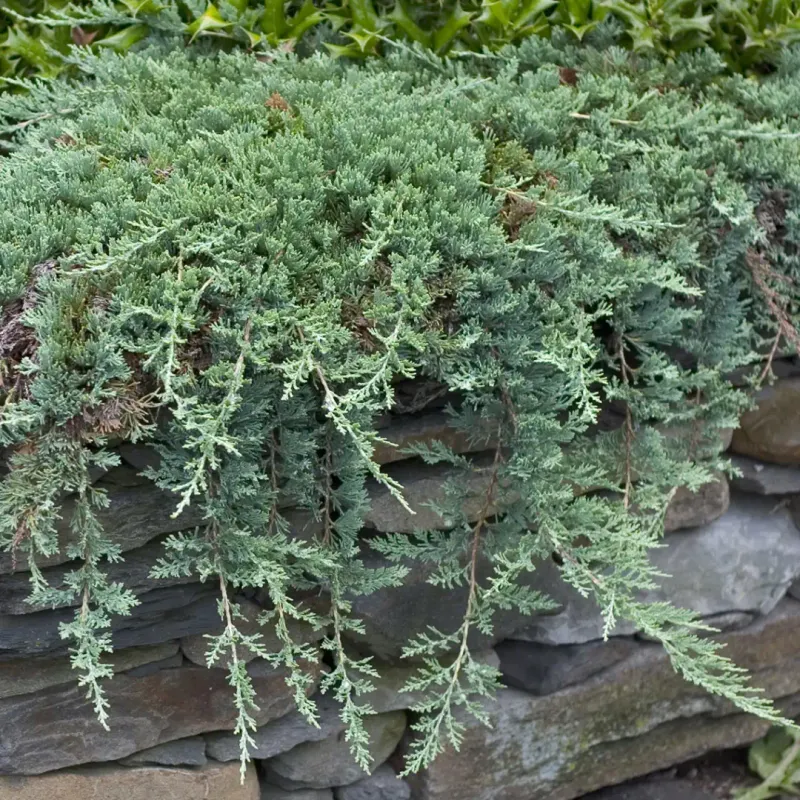
Silvery blue branches spilling over a box edge look like a little frozen waterfall on a snowy day. Creeping Juniper, or Juniperus horizontalis, rarely grows taller than a few inches but spreads wide over time.
Blue Rug, also called Wiltonii, is a favorite variety with soft silvery foliage that hugs the ground. In winter, some types take on a purple or plum tint, which adds an unexpected twist of color.
Hardiness ratings start around zone 3, so it handles harsh winters across nearly the whole state. It is also native to parts of the northern United States, which earns it extra points from me.
Full sun keeps the branches dense and healthy, while too much shade makes them thin and patchy. Well-drained soil matters a lot, because junipers struggle quickly when their roots sit in wet potting mix.
Once established, it handles dry spells better than most window box plants you could choose for winter. Still, check the soil during thaws, since container plants lose moisture faster than plants growing in garden beds.
I love placing it along the front edge, where trailing stems soften the hard lines of the box. Taller evergreens or holly branches behind it create a layered look that feels full and natural.
You might notice the needles feel a bit prickly, so gloves make planting more comfortable for your hands. Trim long stems in spring if they start reaching too far down the side of the house.
7. Pansies
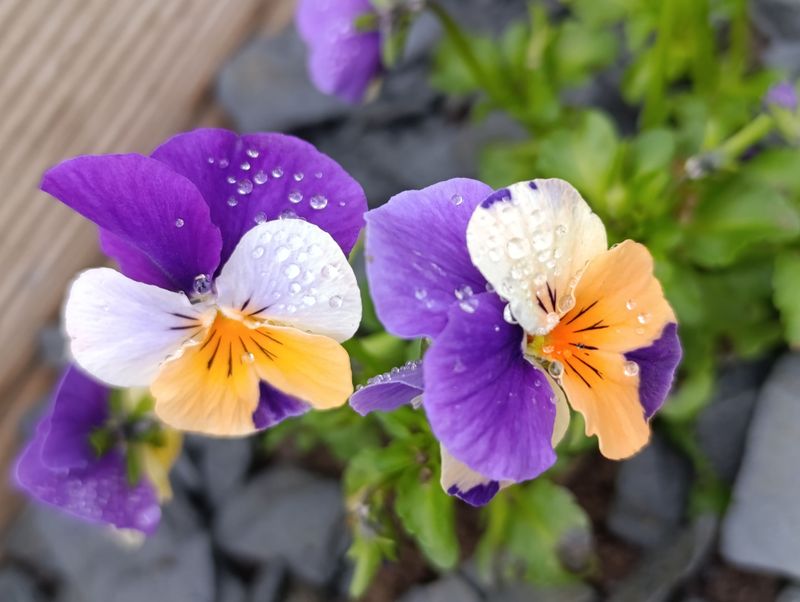
Few flowers look as stubborn as a pansy peeking through a thin layer of melting snow. Their little faces droop on freezing nights, then perk up again as soon as the sun warms them.
Pansies, or Viola x wittrockiana, are cool-season plants that dislike summer heat but love crisp autumn air. Series like Cool Wave and Sorbet violas were bred with extra cold tolerance in mind for gardeners.
Honestly, winter performance depends a lot on where you live and how harsh that particular season becomes. Downstate boxes may keep flowering through mild spells, while upstate plants often pause and return in spring.
Plant them in early fall so roots settle before the soil freezes, ideally several weeks before hard frost. Full sun or light shade works well, along with rich potting mix that drains water quickly.
Personally, I snip off faded blooms every week or so to encourage more flowers to open. Water during dry autumn weather, but let the soil drain well so roots do not sit cold and soggy.
A light layer of evergreen boughs over the box during deep freezes helps protect plants from harsh wind. Remove the boughs once the cold snap passes, so the flowers can enjoy sunlight again.
Purple and yellow pansies look fantastic tucked between darker evergreens or silvery trailing junipers in a box. Violas, their smaller cousins, offer the same cheerful charm with tinier flowers and often even tougher constitutions.
8. Hellebore
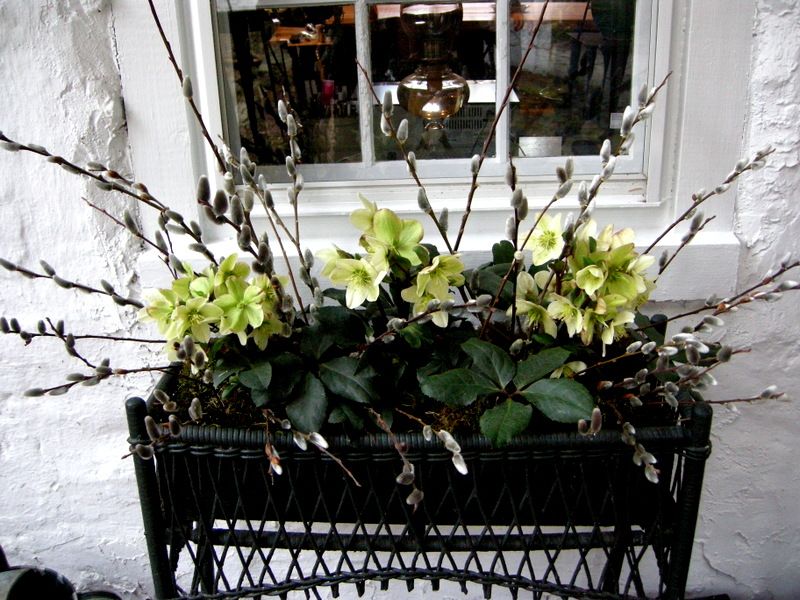
Blooming in late winter seems almost rebellious, yet hellebores open their nodding flowers while most plants still sleep. Some gardeners call them Christmas roses or Lenten roses, depending on when the flowers appear.
The Christmas rose, Helleborus niger, can bloom from early to late winter in mild conditions. Lenten rose types usually flower closer to early spring, often in March across colder parts of the state.
Their leathery leaves often stay green through winter, giving your box structure even before flowers arrive. Most types are rated for zones 4 through 8, making them reliable choices for many northern gardens.
Hellebores prefer partial shade, so boxes on north or east facing windows suit them quite nicely. Rich potting soil with compost helps them thrive, as long as water drains away easily after watering.
Container roots need extra protection, so wrap the box or slide pots closer to the house in deep cold. I like adding a light layer of shredded leaves on top to insulate the soil surface.
You’re in for a big surprise when you tip a flower upward and see the detailed center inside. Many blooms last for weeks, because the colorful parts are actually sepals rather than delicate petals.
All parts of the plant are toxic if eaten, so keep them away from pets and small children. Wearing gloves while trimming old leaves also helps, since the sap can irritate sensitive skin for some people.
9. Rosemary
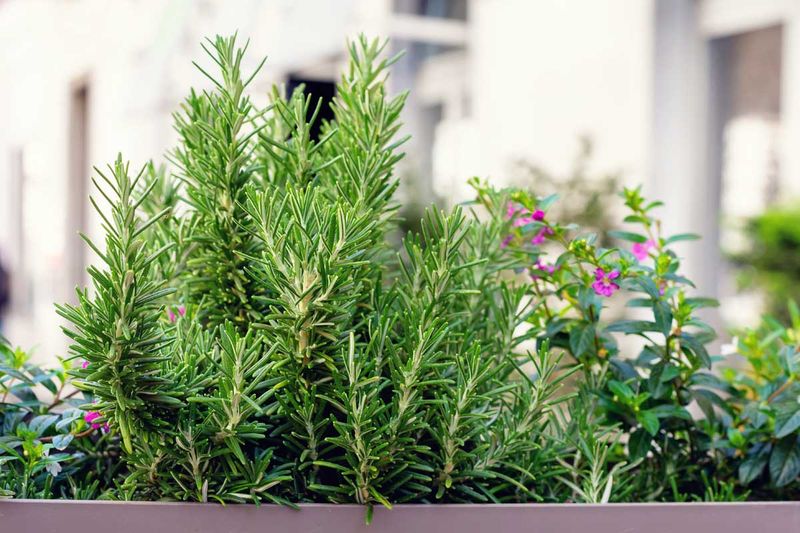
Brushing past rosemary on a cold day releases a piney scent that instantly makes the air feel warmer. It is a Mediterranean herb, so winter hardiness is a real challenge in northern window boxes.
Most rosemary survives only to about zone 7 or 8, which leaves upstate gardeners with limited outdoor options. Arp and Madeline Hill are often listed as hardier varieties that can handle colder temperatures with protection.
New York City and Long Island gardeners have the best shot at keeping rosemary outside through winter. A sunny box against a south facing brick wall gives roots extra warmth during cold nights.
I have to admit that even with care, some winters prove too harsh for outdoor plants. Many gardeners grow rosemary in a removable pot inside the box, then bring it indoors during deep freezes.
Indoors, a cool bright window works best, along with careful watering that lets the soil dry slightly. Rosemary dislikes soggy roots, so use gritty potting mix and a container with plenty of drainage holes.
Outdoors, it needs six or more hours of sun to stay compact and healthy through the season. Wind protection helps too, since dry winter gusts pull moisture from those narrow, needle-like leaves quite quickly.
You can snip a few sprigs for winter soups while enjoying the plant as a fragrant decoration. That double duty makes rosemary one of my favorite experiments for sheltered city window boxes each year.
10. Coral Bells
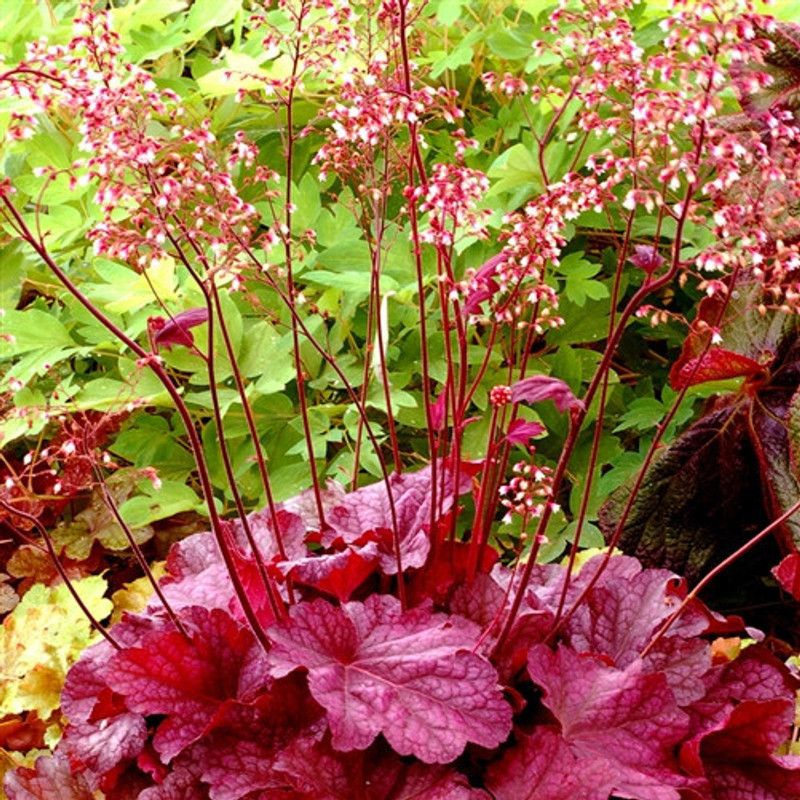
Leaves in caramel, burgundy, and lime shades make coral bells look like a box of fancy winter candy. Heuchera, the scientific name, is native to North America and comes in hundreds of colorful varieties.
Many types keep their foliage through winter, though leaves may look tattered after harsh cold or ice. Most are rated for zones 4 through 9, so they handle much of the state with a little care.
I love how a dark purple heuchera makes nearby silver or green plants look extra bright in winter. Varieties like Palace Purple and Caramel are easy to find and hold their color well into the season.
Partial shade suits them best, especially boxes that avoid strong afternoon sun during the warmer months. Use well-drained potting mix with compost, because wet roots in winter cause more trouble than cold.
Freezing and thawing cycles can push young plants upward, exposing roots to cold air and wind. Check them after thaws and gently press the crowns back into the soil if they start lifting.
A light layer of mulch or shredded leaves helps insulate roots and reduce that heaving problem a lot. Wrapping the box or moving pots near the house also helps during long stretches of bitter cold.
Trim away tired leaves in early spring, and fresh growth will soon fill the box again. Hummingbirds visit the tall flower spikes later in summer, which feels like a sweet reward for winter patience.