Why Squirrels Bury Acorns All Over Florida Lawns in November (And Forget Half of Them)
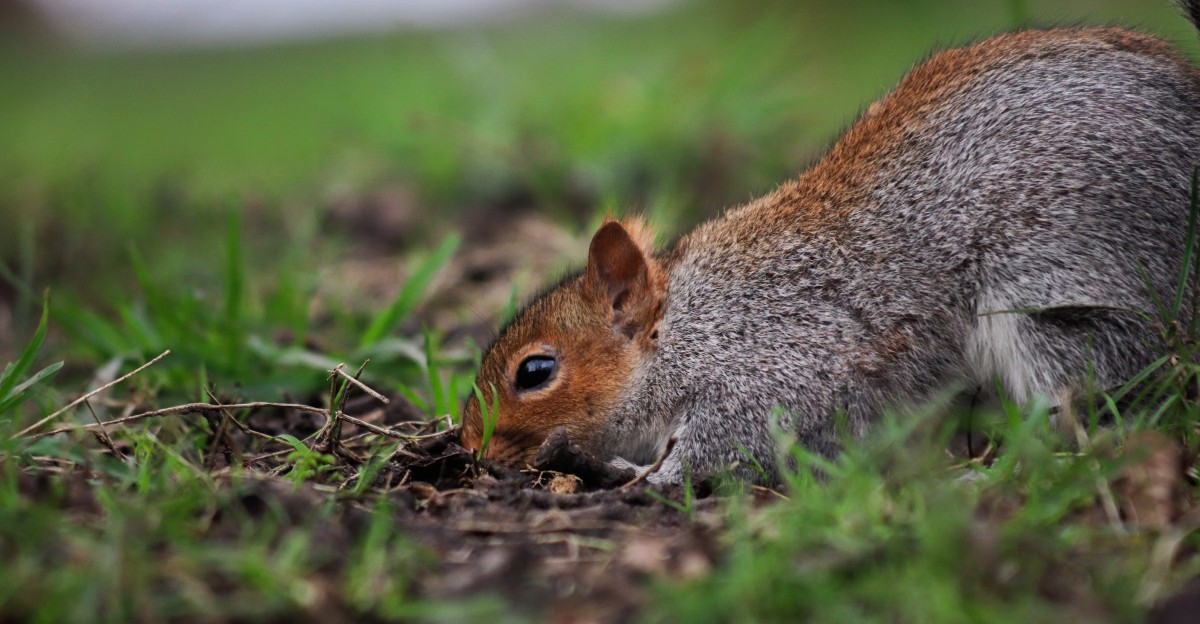
A single squirrel can bury thousands of nuts in one season, and each one goes into its own tiny hole. All that nonstop digging can leave a Florida lawn looking like a tiny, very determined construction crew just passed through.
That busy little digger in your yard is not being random. Scientists have watched squirrels fake-bury food when another animal is watching, then sneak the real snack somewhere else.
I love that kind of sneaky brainpower. In Florida, late fall turns many lawns into a patchwork of small holes and scattered oak nuts, and you have probably stepped on a few yourself.
You may also have noticed tiny oak sprouts popping up in odd spots come spring. Those seedlings are clues to a bigger story about memory, hungry neighbors, and a habit that quietly plants future forests.
So what really happens to all those buried snacks, and why do so many stay in the ground?
Those Scattered Acorn Holes in Your Lawn Follow a Clever Plan
Watch a gray squirrel for five minutes and you will see a tiny engineer at work. It digs, drops an acorn, pats the soil down with its front paws, and then darts off to a totally new spot.
Biologists call this scatter-hoarding. Instead of stuffing every nut into one big pile, the squirrel hides each acorn in its own separate hole. Your lawn becomes a giant map dotted with hundreds of little pantries.
Why go to all that trouble? One big stash is easy to lose. A raccoon, blue jay, or rival squirrel could raid it in a single visit. Spreading food out means a thief might find a few acorns but rarely gets the whole supply.
Squirrels also take care to hide what they are doing. Researchers have seen them pretend to bury an acorn when other animals are watching. They dig a hole, cover it up, and keep the real nut tucked in their mouth for a safer spot.
So those small holes you notice each morning are not random mischief. Each one is part of a careful, spread-out savings plan. Once you know the pattern, you start seeing it everywhere, from flower beds to the edges of your driveway.
Falling Oak Acorns Kick Off the November Burying Rush
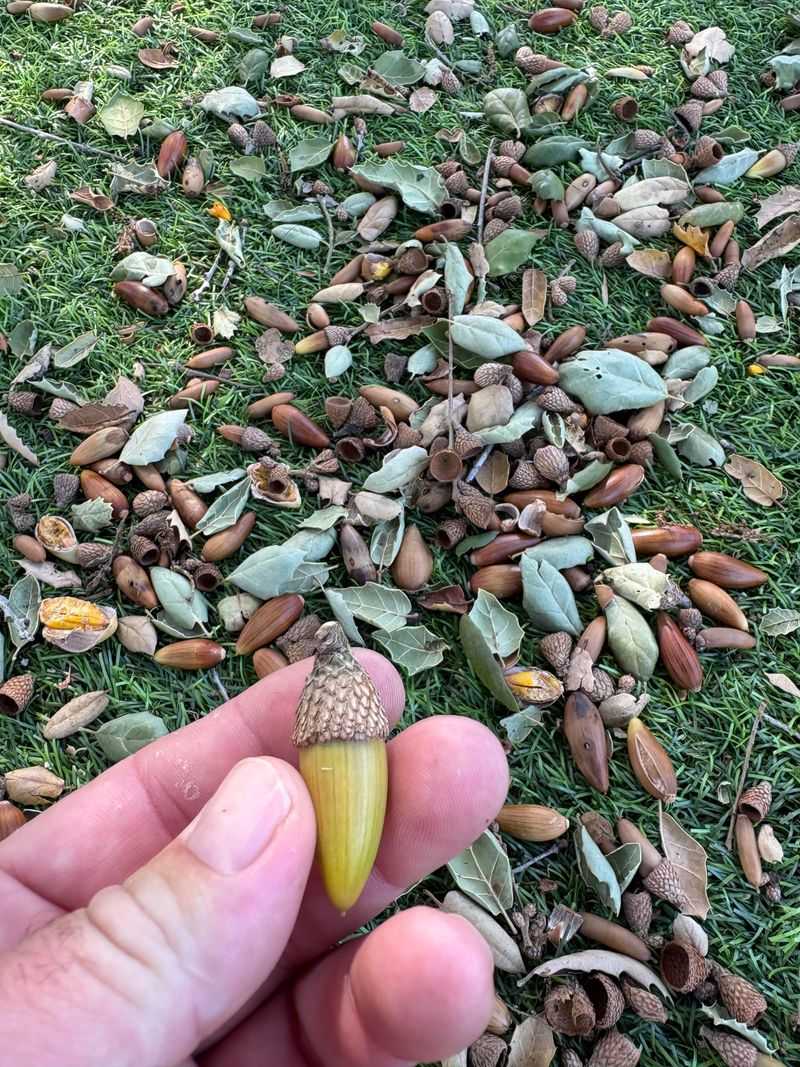
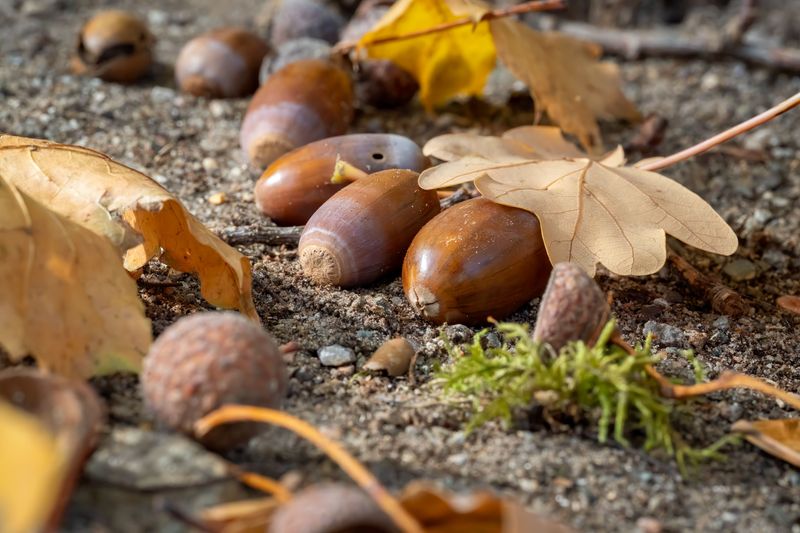
November in much of Florida brings a quiet rain of acorns. Many oaks across the state drop their nuts in fall, and squirrels treat that sudden supply like a once-a-year sale.
Eastern gray squirrels, the ones you most often see in yards, do not hibernate. They stay active all winter, so they need food they can reach when trees are bare of fresh nuts. Acorns are packed with fats and carbohydrates, which makes them ideal energy bars.
Timing matters too. Acorns are only available for a short window, so squirrels collect as many as they can while the ground is covered. That is why the digging seems to explode almost overnight once the oaks start shedding.
Florida has plenty of oak variety. Live oaks, laurel oaks, water oaks, and turkey oaks are common in many neighborhoods, and each species drops acorns on its own schedule. A yard with several oak types can keep squirrels busy for weeks.
If you have a big oak shading your lawn, you will probably notice the most activity right under its branches. Squirrels often start close to the tree and then carry acorns farther out to spread their stash.
Squirrels Remember More Buried Acorns Than You Might Guess
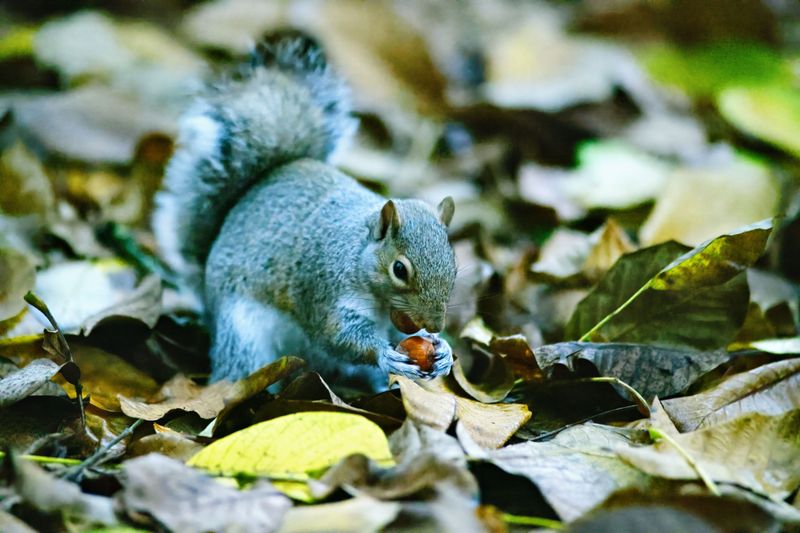
Here comes the twist. Squirrels are not the forgetful goofballs many cartoons suggest.
Studies show gray squirrels have strong spatial memory. They use landmarks like tree trunks, fence posts, and garden edges to remember where they hid food. Their noses help too, picking up the scent of buried nuts just under the soil.
So the idea that they forget half their acorns is a bit of a stretch. Research numbers vary a lot. Some studies suggest only a small share of buried nuts goes unrecovered, while others report much higher figures depending on the habitat and year.
A lot of missing acorns are not forgotten at all. Other animals find them first. Blue jays, mice, raccoons, deer, and neighboring squirrels happily dig up a free meal. Some acorns also rot or get eaten by insects before winter is over.
Another reason is simple abundance. When oaks produce a huge crop, squirrels bury more than they could ever eat. Leftovers stay in the ground because the squirrel had plenty of other food. Thinking of it as surplus rather than forgetfulness gives these animals the credit their busy brains deserve.
White Oak and Red Oak Acorns Get Very Different Treatment
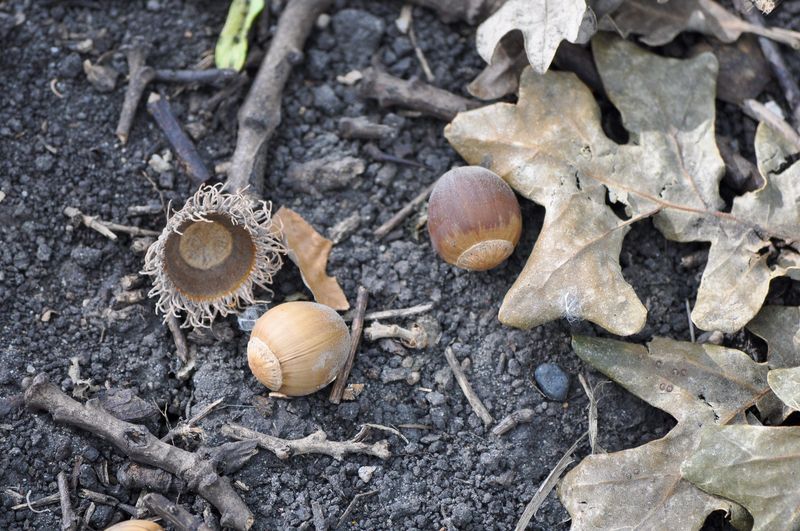
Did you know squirrels can be picky eaters with a plan? They often sort acorns based on which oak group they come from.
White oak group acorns, including those from live oaks, tend to have fewer tannins. Tannins are bitter compounds, so these nuts taste milder. The catch is that many white oak acorns sprout soon after falling, which uses up the food stored inside.
Because of that, squirrels tend to eat white oak acorns right away. Researchers have even observed squirrels nipping out the tiny embryo of some acorns to slow sprouting before storing them.
Red oak group acorns, like those from laurel and water oaks, carry more tannins and usually stay dormant until spring. That makes them better for long-term storage. Squirrels are more likely to bury these and come back for them later.
For you, this helps explain what pops up in your yard. Oak seedlings in your lawn may often trace back to buried acorns that never got eaten. Learning to tell oak types apart can be a fun backyard project. Check the leaves, too, since red oak types usually have bristle tips while many white oaks do not.
Tiny Oak Seedlings Popping Up Are the Squirrels’ Leftovers
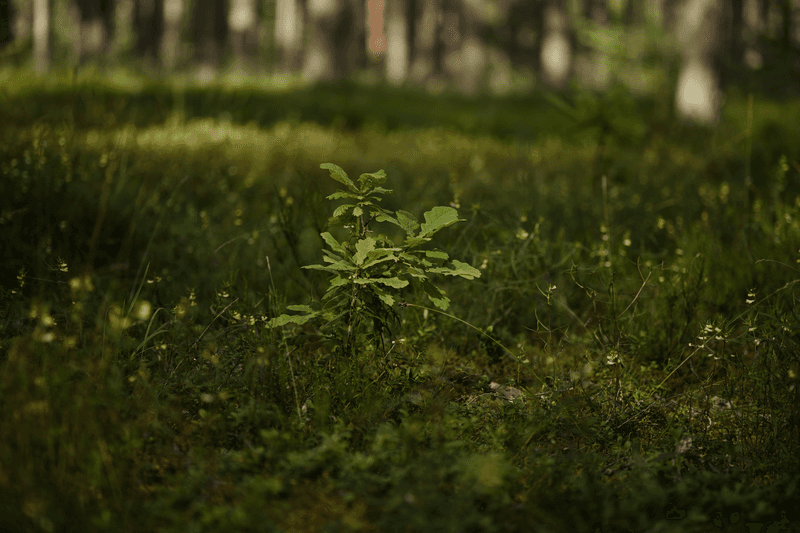
Last spring, I counted eleven baby oaks sprouting in one flower bed. Not one was planted by a human.
Those little seedlings are a direct result of acorns that stayed buried. A squirrel tucks a nut an inch or two into the soil, which happens to be a great depth for sprouting. Add some rain and Florida warmth, and a new oak gets its start.
You will often spot them in spring, though some white oak types can sprout in fall or winter. Look for a thin stem with a few small leaves, often in mulch, garden beds, or along fence lines.
Pulling them early is easy. When seedlings are young, they slide out of moist soil with a gentle tug. Wait a year or two, and the strong taproot makes removal much harder.
Not every sprout has to go, though. If one pops up in a roomy spot, you might let it grow and transplant it later. A native oak can become a wonderful shade tree and wildlife magnet. Just keep it well away from your house, pipes, and power lines.
A Thick Carpet of Acorns Can Stress Your Grass
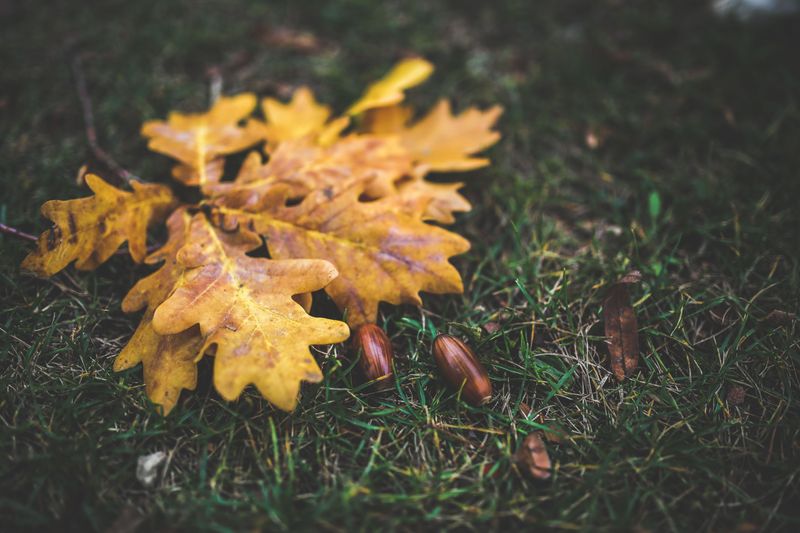
Squirrel holes are one thing. A lawn buried under a pile of acorns is another.
When oaks have a heavy year, nuts can blanket the grass beneath them. A thick layer blocks sunlight and traps moisture, which can leave turf weak and patchy. St. Augustine grass, common across Florida, already struggles in deep oak shade, so an acorn carpet adds extra pressure.
Acorns are also rough on mowers and bare feet. They can shoot out from blades like little pebbles, so clearing them before you mow is a smart safety step.
A few easy tools make cleanup faster. A sturdy leaf rake works for small areas. Rolling nut gatherers, which pick up acorns as you push them, are a back-saver for bigger yards.
Do not stress about getting every last one. Squirrels and birds will gladly take care of plenty. Aim to clear the heaviest piles every week or so during peak drop. Your grass gets light and air, and you still leave some food for wildlife. Toss collected acorns into a compost pile or a wooded corner instead of the trash.
Easy Ways to Share Your Yard With Busy Digging Squirrels
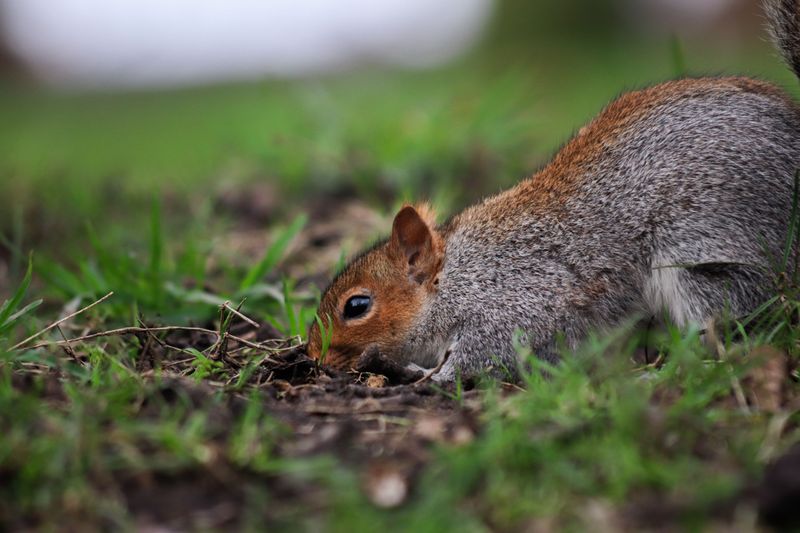
Squirrels and gardeners can get along just fine with a few tricks. Peace is easier than you might expect.
Start with your most precious spots. Lay hardware cloth or chicken wire over freshly planted beds and bulbs, then cover it lightly with mulch. Squirrels cannot dig through, but plants still grow up through the openings.
Fill holes as you find them. A quick step or pat with your foot smooths most lawn divots, and healthy turf fills in fast during warmer months.
Skip the urge to feed squirrels on purpose. Extra food can draw more of them into your yard and raise the odds of chewed wires or attic visits. Florida also has rules about feeding certain wildlife, so a natural food supply is the safest bet.
Planting native shrubs and keeping a few leafy corners gives squirrels other places to dig. They often prefer loose soil or mulch near trees anyway.
Above all, keep expectations realistic. A yard near oaks will see some squirrel activity every fall. A little patience goes a long way, and you get front-row seats to one of nature’s busiest shows.
Every Buried Acorn Helps Grow Florida’s Next Oak Forest
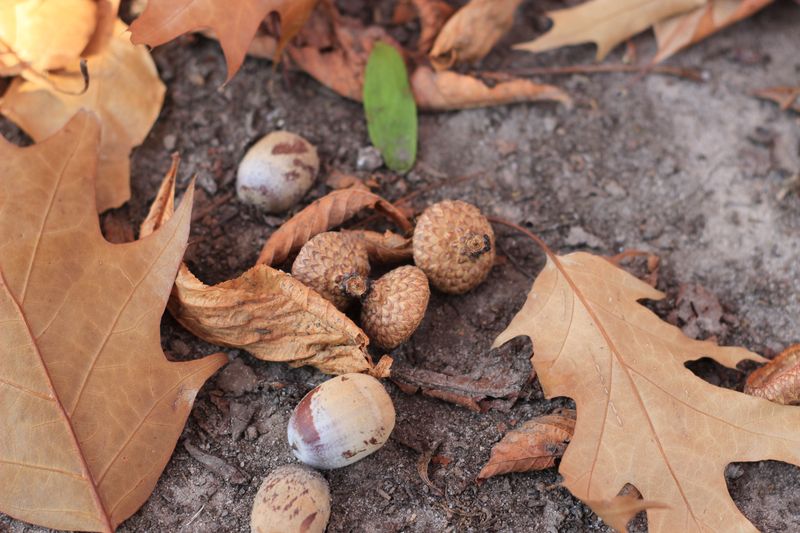
Some of the grandest live oaks in the South may have started as a squirrel’s snack that never got eaten. That thought makes me smile every time I walk under a big oak.
Oaks cannot move their seeds very far on their own. Acorns are heavy and mostly drop straight down, where young trees struggle in their parent’s shade. Squirrels solve that problem by carrying nuts away and burying them in fresh ground.
Scientists see this as a partnership. The squirrel gets food, and the oak gets planted. Leftover acorns become the next generation of trees, which later feed squirrels, birds, deer, and countless insects.
Jays help too. Blue jays carry acorns long distances and bury them, adding to the planting work.
So next November, when holes dot your lawn, try seeing them differently. Each one is a small bet on the future. Clean up what bothers you, protect your favorite beds, and let a few sprouts grow where there is room.
Your yard is part of a much larger story. Those busy little diggers are helping keep native oaks thriving for decades to come.