The Forgotten Texas Tree That Produces Berries Birds Love In Late Fall
Opossums helped name one of the prettiest winter trees in Texas. The critters gobble its fruit, and early settlers noticed. I still grin every time I remember that fun bit of history.
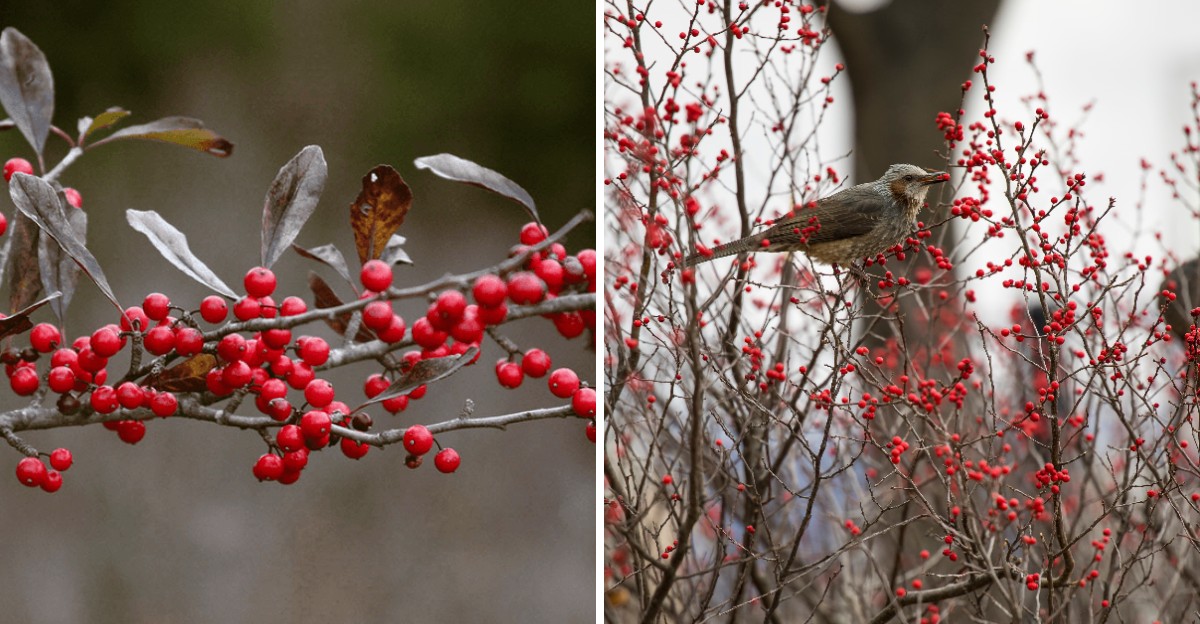
In late fall, this small native tree drops its yellow leaves and reveals bare gray branches loaded with glossy red fruit. The display can last until March. Cedar waxwings, robins, and bluebirds treat it like a winter snack bar.
Personally, I can’t understand why more yards don’t have one. It handles heavy clay, summer heat, and dry spells better than many fussy shrubs. You’re in for a treat if you’ve only grown evergreen hollies.
Yet most nurseries tuck it in a back corner, and plenty of gardeners walk right past it. So what makes this overlooked beauty such a bird magnet, and could your yard be missing out?
1. Those Bare Branches Covered In Red Berries Hide A Story
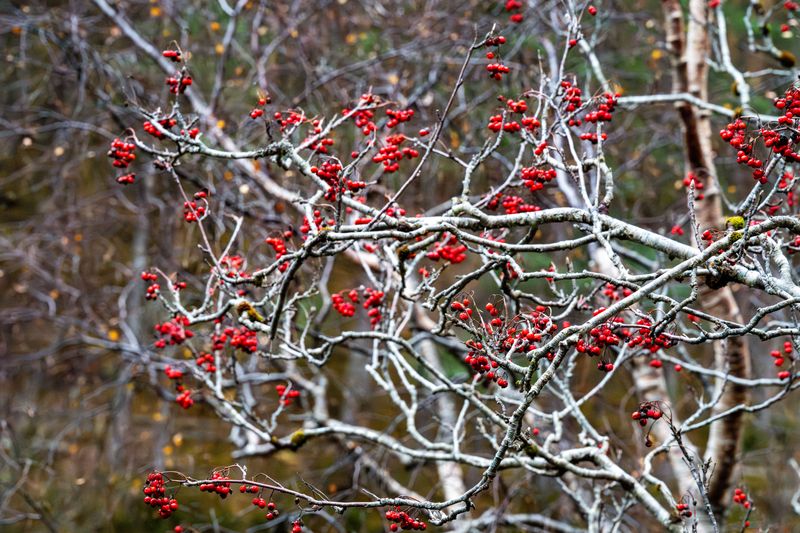
Plenty of folks spot this tree in winter and assume it is a strange leafless bush that forgot to bloom.
In reality, it is possumhaw holly, known to botanists as Ilex decidua. Unlike the shiny evergreen hollies most of us know, this one drops its leaves every fall.
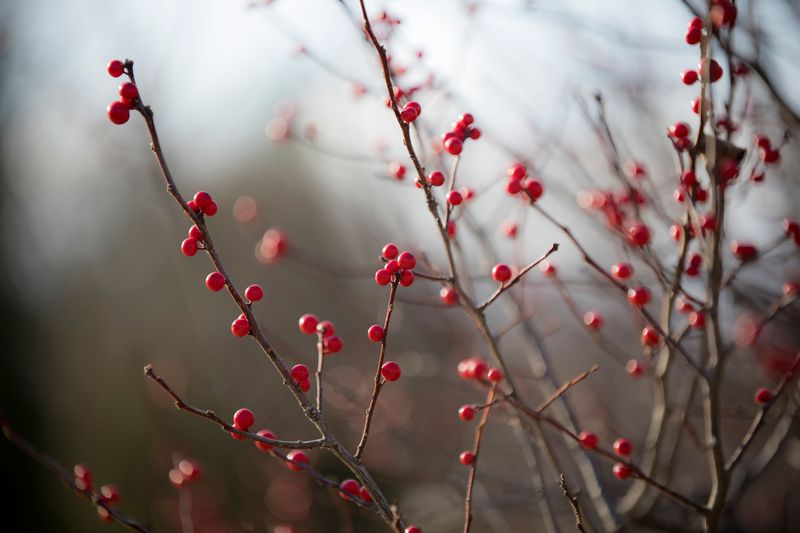
That leaf drop is the secret to its charm. Once the yellow foliage falls in late autumn, the bright red or orange-red fruit stands out against silver-gray bark. You can see it from across a pasture or down the street.
The name has a fun backstory. Opossums eat the fruit, and haw is an old word linked to hedges and hawthorn-like fruit. Other nicknames include deciduous yaupon, meadow holly, and swamp holly.
Possumhaw grows wild across a broad stretch of Texas, from the eastern woods to Central Texas, the Hill Country, and the Dallas area. It shows up along creeks, river bottoms, and even dry woods.
So why call it forgotten? Native plant groups often describe it as underused in home landscapes. Many gardeners simply never learned its name, so it rarely makes their shopping list.
2. Cedar Waxwings And Robins Flock To Possumhaw Fruit When Food Runs Low
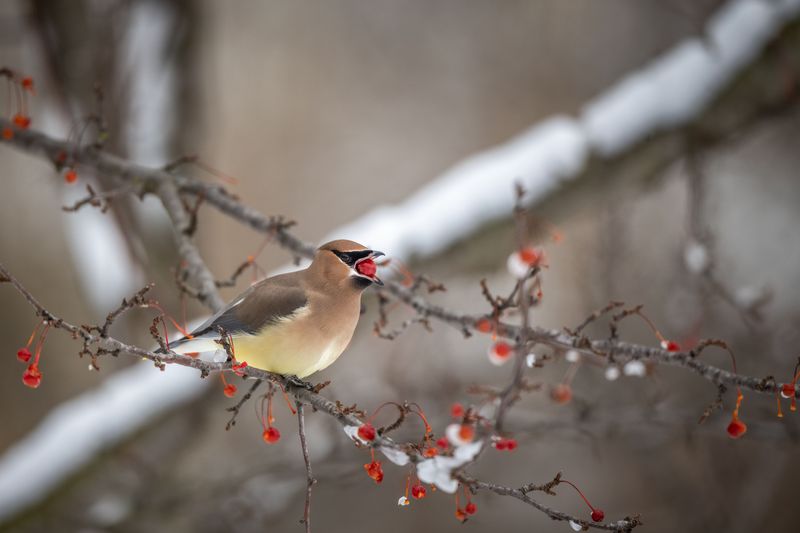
Birds have impeccable timing, and possumhaw fruit fits their schedule beautifully. The berries ripen in fall and often hang on the branches until late winter, sometimes into March.
That long shelf life matters when insects vanish and other fruit gets eaten up. More than 35 bird species are reported to eat these berries.
Cedar waxwings, American robins, northern mockingbirds, and eastern bluebirds are regular visitors. Wild turkeys and northern bobwhite quail enjoy them too in rural areas.
I love watching a flock of waxwings swoop in. They often strip a branch in minutes, passing berries along like guests at a buffet. Robins tend to come in noisy groups after cold fronts.
Birds are not the only fans. Opossums, raccoons, and squirrels munch on the fruit as well, which explains that famous name.
The fruit is technically a drupe, about one-third inch across. Each one holds small seeds, and birds spread them as they travel. That is one way new possumhaw shrubs pop up along fence lines.
One quick caution for families. Holly berries are not a people snack and can upset stomachs, so keep little ones from sampling them.
3. Only Female Possumhaw Shrubs Grow Berries So Buy Smart
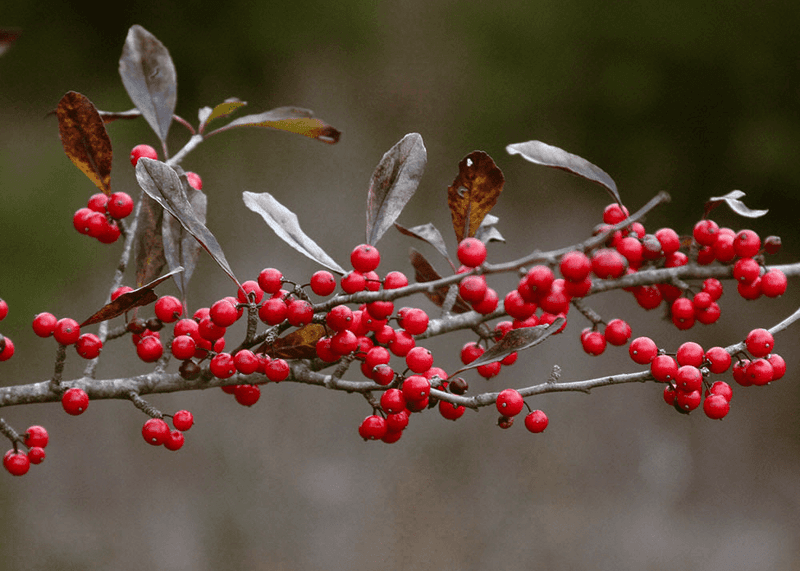
Here comes the part that trips up many gardeners. Possumhaw holly is dioecious, which means each plant is either male or female. Only the females produce berries.
A male plant still has an important job. Bees carry pollen from male flowers to female flowers in spring, and that leads to fruit. Experts generally suggest a male within about 50 feet for a strong crop.
You might get lucky without planting one. Wild males growing nearby in woods or along creeks can sometimes supply enough pollen. If you live near natural areas, check before buying extras.
Shopping in fall is my favorite trick. Pick a plant already covered in berries, and you know it is female. Ask the nursery staff if they have a male labeled to go with it.
Several named varieties exist, such as Warren’s Red and Pocahontas, which are known for heavy fruit. Availability changes from store to store, so call ahead.
One male can often serve several females. Tuck him in a less visible spot, since he will not offer the same winter show. Your birds and your berry count will thank you.
4. Plant Your Possumhaw Holly In Fall For A Strong Start
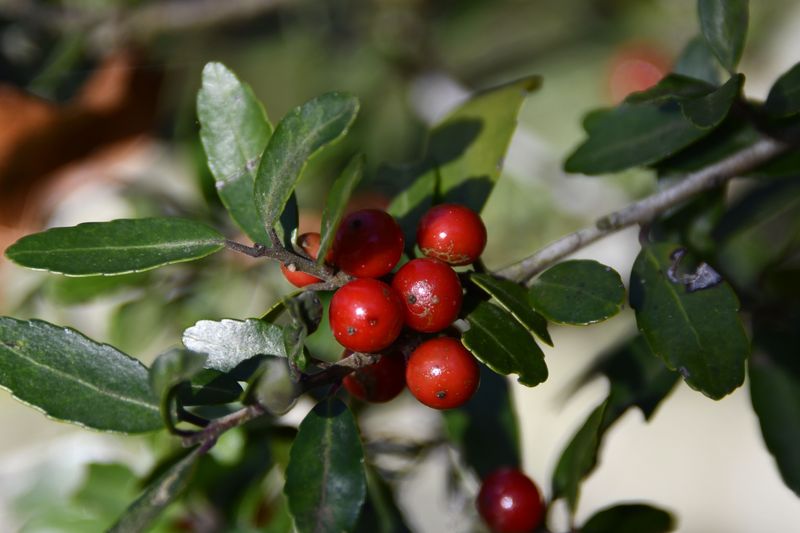
Fall is prime planting time across most of Texas. Cooler air lets roots settle in before the summer heat arrives. Winter rains help too.
Choose a spot with full sun to partial shade. At least four to six hours of direct sun usually means more berries. This holly handles more shade than many relatives, but fruit gets thinner in deep shade.
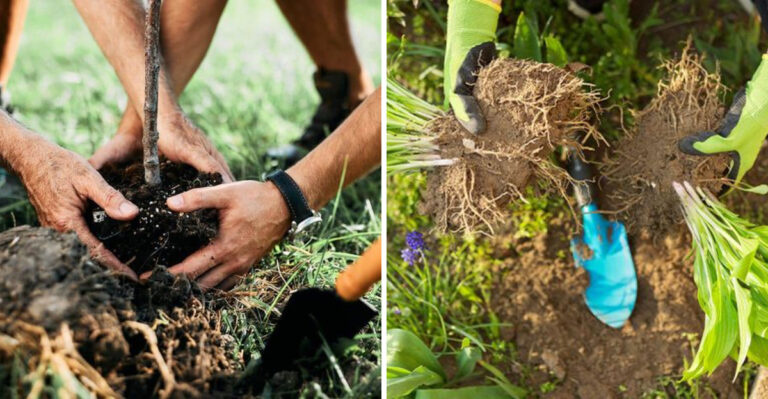
Dig a hole about twice as wide as the root ball and no deeper. Set the plant so the top of the roots sits level with the ground. Fill with the native soil and water well.
Spread two to three inches of mulch around the base, keeping it a few inches away from the trunk. Mulch holds moisture and keeps weeds in check.
Water deeply once or twice a week during the first year, depending on rain. After it settles in, possumhaw becomes fairly drought tolerant.
Give it room to grow. Mature plants often reach 12 to 25 feet tall and 8 to 15 feet wide. I like placing one where I can see it from a kitchen window on chilly mornings.
5. Heavy Clay And Wet Spots Rarely Bother This Tough Native Holly
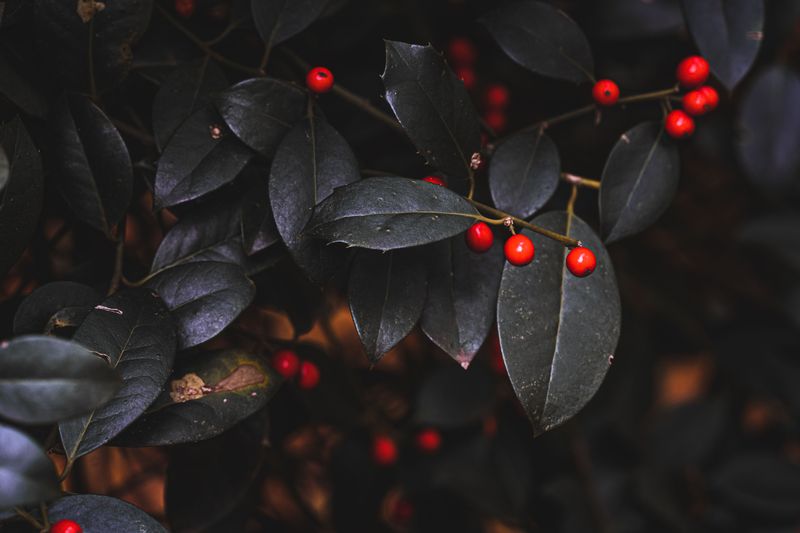
Clay soil can make Texas gardeners groan. Possumhaw shrugs it off. It grows in sandy, loamy, and heavy clay soils with surprising ease.
In the wild, you will often find it along river bottoms and soggy creek banks. That means it tolerates wet feet better than many landscape shrubs. A low spot that floods after storms could be a fine home.
Yet it also handles dry woods and limestone areas in parts of its range. Gardeners in Central Texas often report it holding up well through hot summers once established.
Soil pH matters a bit. It prefers slightly acidic to neutral ground. Very limy, chalky soils can cause yellow leaves, so mix in compost if your yard sits on caliche.
Hardiness is another plus. Possumhaw grows in USDA Zones 5 through 9, which covers most of the state.
A practical tip I swear by is to watch your yard after a heavy rain. Notice where water lingers for a day or so.
Instead of fighting that spot, try a native that likes a little extra moisture. Possumhaw may solve two problems at once.
6. Tiny Spring Flowers On Possumhaw Feed Busy Bees
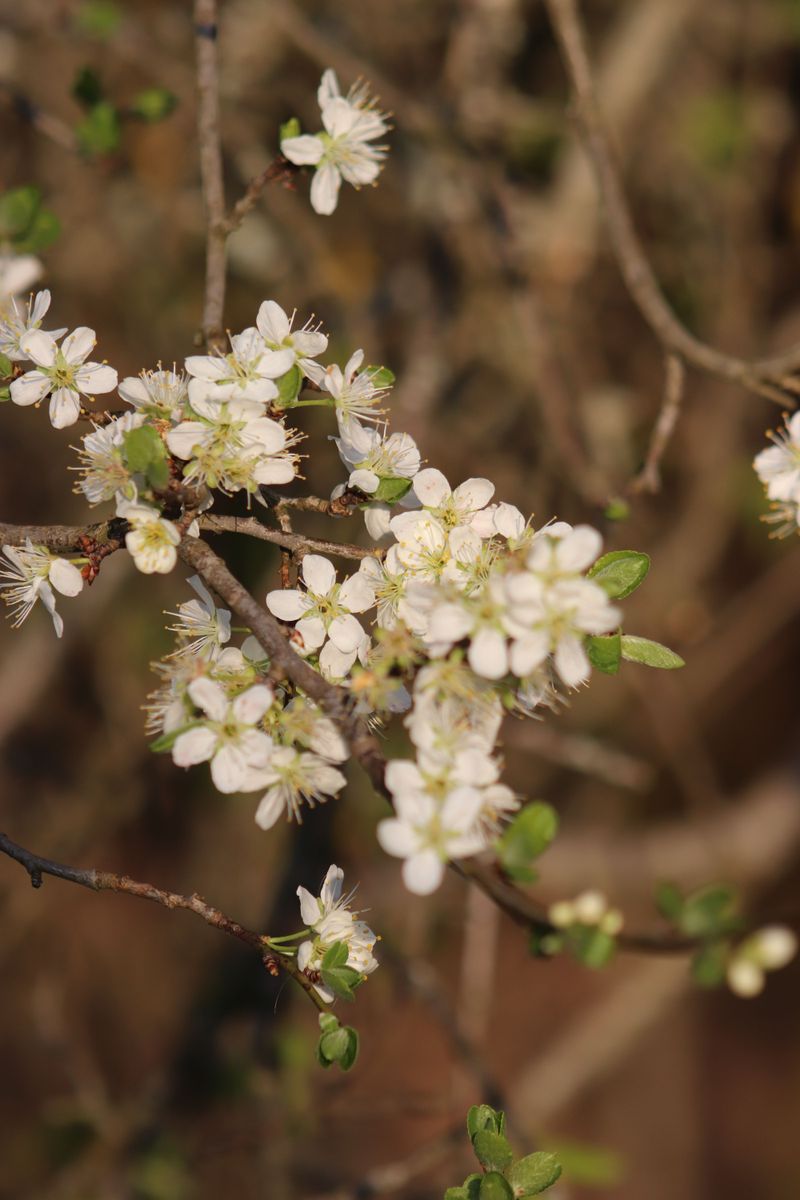
Blink and you might miss the blooms. Possumhaw flowers are small, whitish, and four-petaled, and they open in spring. They will not win a beauty contest, but pollinators adore them.
Bees and some beetles visit to sip nectar and gather pollen. That activity is exactly what turns female flowers into fall berries. No bees, no berry show.
So go easy on pesticides around your holly in spring. Broad sprays can harm the very insects you need. Hand-pick problem bugs or use targeted methods only when truly necessary.
The leaves deserve some love too. They are simple, oval, and glossy dark green, often with softly rounded teeth along the edges. In late fall they turn yellow before dropping.
I enjoy how the plant changes through the year. Spring brings quiet flowers, summer offers green shade for small birds, and fall glows yellow before the berries take center stage.
Pair possumhaw with spring-blooming natives like coral honeysuckle or salvia nearby. You will create a steady buffet for pollinators that lasts beyond the holly’s short bloom window. More visitors in spring often means a heavier crop later.
7. Pruning Possumhaw Branches Too Hard Can Cost You Berries
Less is more with this shrub. Possumhaw needs very little pruning to look good. Its natural, multi-trunked shape is part of its appeal.
Berries form on growth from the previous season. If you shear the plant heavily, you may remove many of next year’s fruiting spots. That is a quick way to end up with a plain green bush.
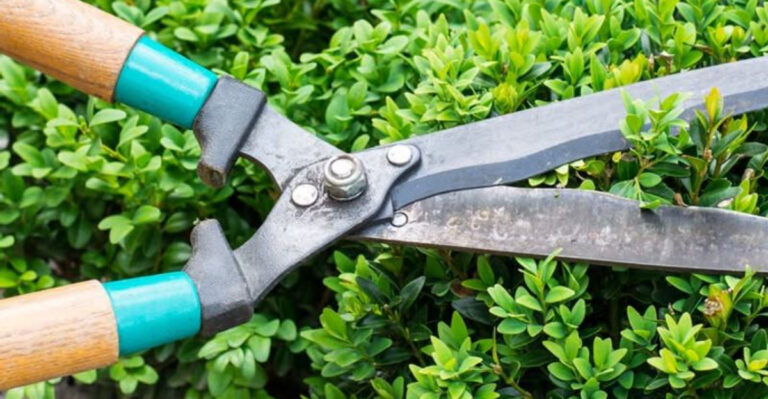
Focus on simple tasks. Remove broken, rubbing, or crossing branches. Trim suckers at the base if you want a tree form instead of a thicket.
Late winter is a sensible time for light shaping, after the birds finish most of the fruit. Clean, sharp pruners make smooth cuts that heal faster.
Want to bring some cheer indoors? Snipping a few berry-covered branches for a vase is fine. Possumhaw branches look lovely in holiday arrangements, and they hold their color for a while.
Fertilizer needs are low as well. Too much nitrogen can push leafy growth at the expense of fruit. A layer of compost each year usually provides plenty.
Think of your role as a light editor, not a sculptor. The plant does most of the work on its own.
8. A Backyard Possumhaw Can Turn Your Winter Garden Into A Bird Haven
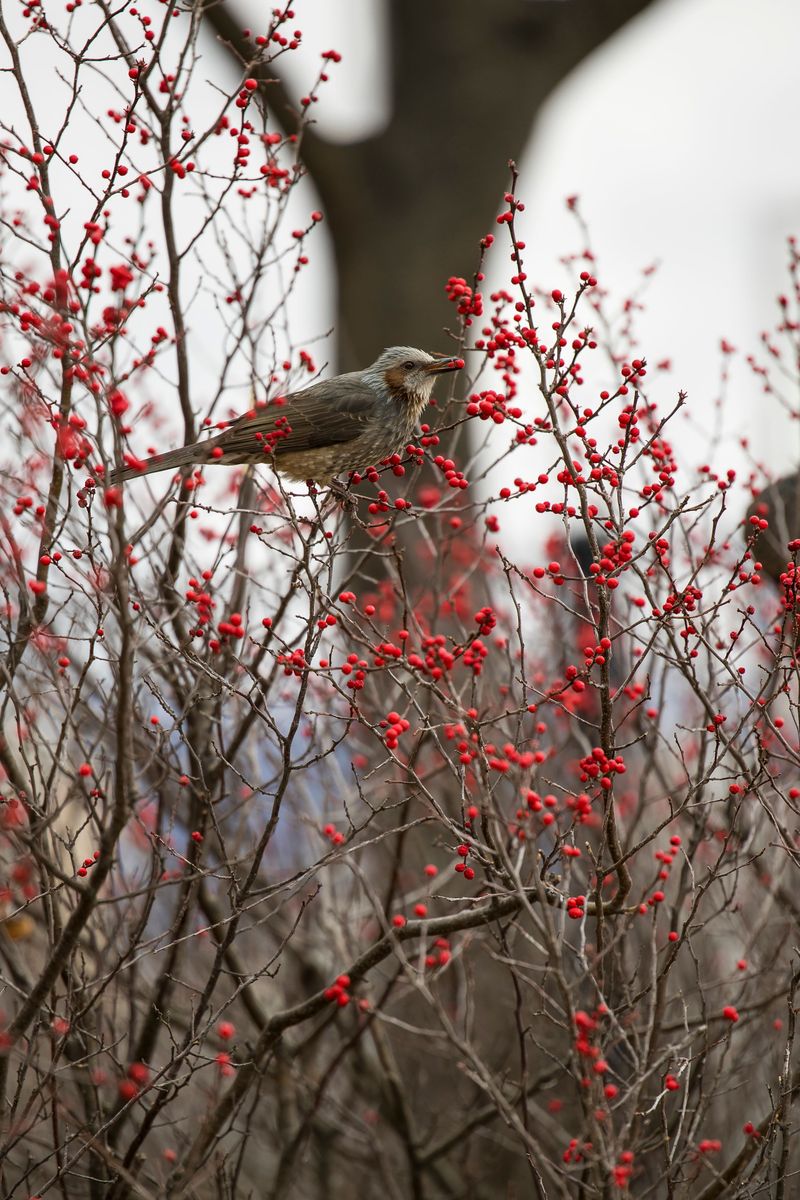
Winter gardens in Texas can feel a little sleepy. One possumhaw holly can change that mood fast. Red berries, visiting birds, and silver bark give you something to enjoy on gray days.
Start by picking a female plant with berries this fall. Add a male nearby if no wild ones grow close. Place them where you can watch the action from inside.
Boost the habitat with a few extras. A shallow bird bath gives thirsty waxwings and bluebirds a reason to linger. Nearby evergreen shrubs like native yaupon offer shelter from cold winds.
Skip invasive options like nandina, Chinese privet, and Chinese tallow. They spread aggressively, and nandina berries can be harmful to cedar waxwings. Possumhaw gives birds a safer, native food source.
Keep a simple notebook or phone log of the birds you see. It is a fun family project, and you might be surprised by the variety. Many people report robins arriving right after cold fronts.
Planting natives also helps the bigger picture. Local birds, bees, and small mammals evolved alongside this holly. Give it a spot this season, and your yard becomes part of the neighborhood food web.