15 Fast-Spreading Perennials Virginia Gardeners Plant Before Winter
Roots keep growing underground until soil cools to roughly 40 degrees, even after the leaves upstairs look tired. That hidden autumn work is why so many smart gardeners in Virginia save their best planting for fall.
Cool air means less stress on young plants, while warm soil still pushes fresh roots deeper each week. Autumn rain usually helps too, so you spend far less time dragging a heavy hose across the yard.
I skipped fall planting for years and wondered why my spring beds looked so sparse and patchy. After I tested a few eager spreaders in October, my bare spots filled in by the next June.
You build your garden faster when plants arrive early and settle in before the first hard freeze. So which tough, friendly spreaders deserve a sunny or shady spot in your Virginia beds this season?
1. Creeping Phlox
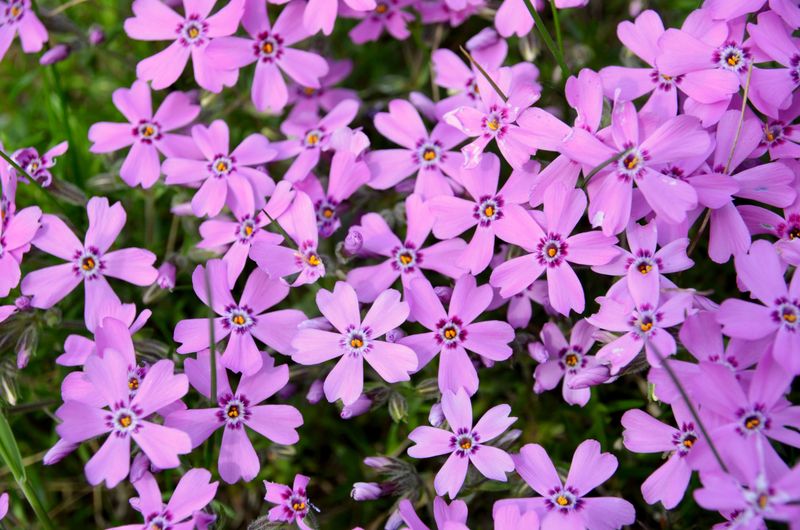
Every April, a hillside of creeping phlox looks like someone spilled a giant can of pink paint across the rocks. I still stop the car when I spot one of those glowing slopes along a quiet country road.
Moss phlox, or Phlox subulata, forms tight mats of needle-like leaves that stay green through most of the year. Its cousin Phlox stolonifera, a native woodland type, creeps along by stolons and handles more shade.
Plant both in early autumn so the roots can grip the soil well before the ground freezes hard. Give them well-drained soil, because soggy winter roots often lead to rot and thin, patchy mats.
Deer usually leave these plants alone, which feels like a small miracle in many suburban yards. Trim lightly after spring flowers fade, and you will encourage denser growth for next year’s colorful show.
2. Goldsturm Black-Eyed Susan
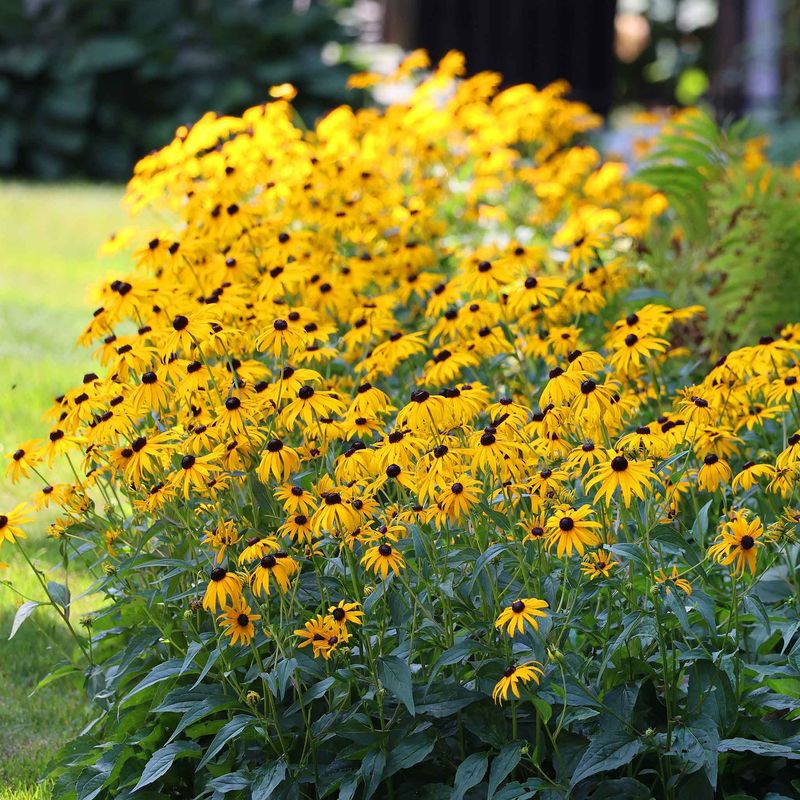
Golden petals around a chocolate center make Goldsturm black-eyed Susan one of the cheeriest faces in late summer. I like how a single clump quietly turns into a glowing patch within two or three seasons.
Rudbeckia fulgida spreads by short rhizomes and also drops seeds, so new plants pop up around the parent. The species is native to the eastern United States, and it handles hot, humid summers with ease.
Fall planting works nicely, giving roots months to settle before blooms return from midsummer into mid-autumn. Choose a sunny spot with well-drained soil, though a little afternoon shade will not slow it down.
Leave the seed heads standing through winter, because goldfinches love picking at them on chilly mornings. Divide crowded clumps every few years and share the extras with friends who admire your bright border.
3. Zagreb Threadleaf Coreopsis
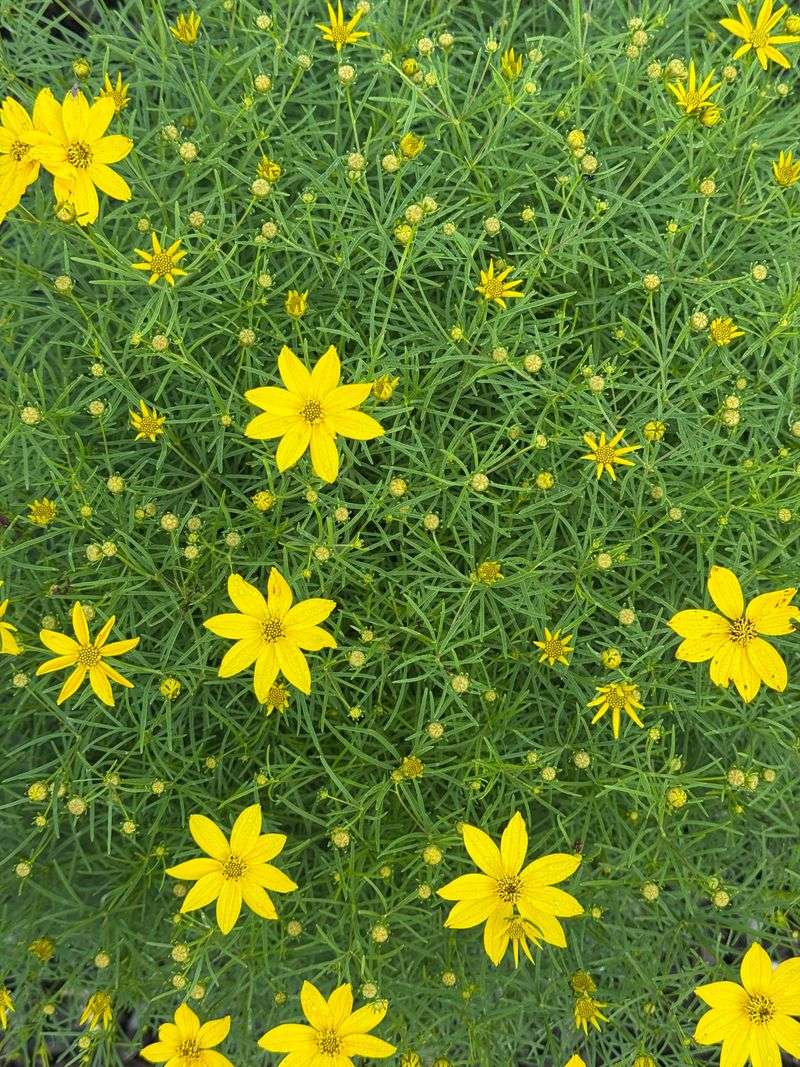
Run your hand over Zagreb coreopsis and the leaves feel as soft and fine as a feathery green cloud. Starry yellow flowers sit on top like tiny sunbursts, and they keep coming for weeks at a time.
Coreopsis verticillata is native to the Southeast, so heat and humidity rarely bother this tough little plant. It spreads by rhizomes and sometimes by seed, especially in richer soil, yet stays easy to contain.
Poor, sandy ground suits it surprisingly well, as long as water drains away quickly after summer storms. Plant it in fall in full sun, then water during dry spells until the roots take hold.
Shear the plants back by about a third after the first flush, and you may enjoy a later rebloom. Butterflies visit often, while deer usually walk right past those skinny, threadlike leaves without a second look.
4. Wild Stonecrop
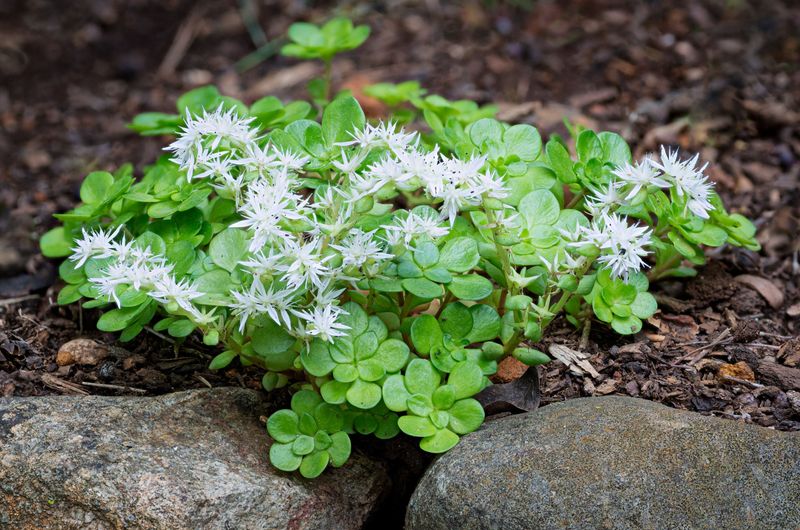
Tiny white stars cover wild stonecrop each spring, sparkling against fleshy green leaves arranged in neat little whorls. I first noticed it tucked between mossy rocks on a woodland trail and wanted it immediately.
Sedum ternatum is native to Virginia and much of the eastern United States, which makes it a smart choice. Stems root wherever they touch the ground, so a few small plants knit together into a living carpet.
Unlike many sun-loving sedums, this one handles partial shade and looks lovely along shaded paths or stone walls. Well-drained soil matters most, because waterlogged roots struggle once cold, wet weather settles in for months.
Fall is a great time to plant or divide clumps, since cool weather helps the stems root quickly. Rabbits and deer tend to ignore it, leaving you a tidy groundcover that asks for very little.
5. Catmint
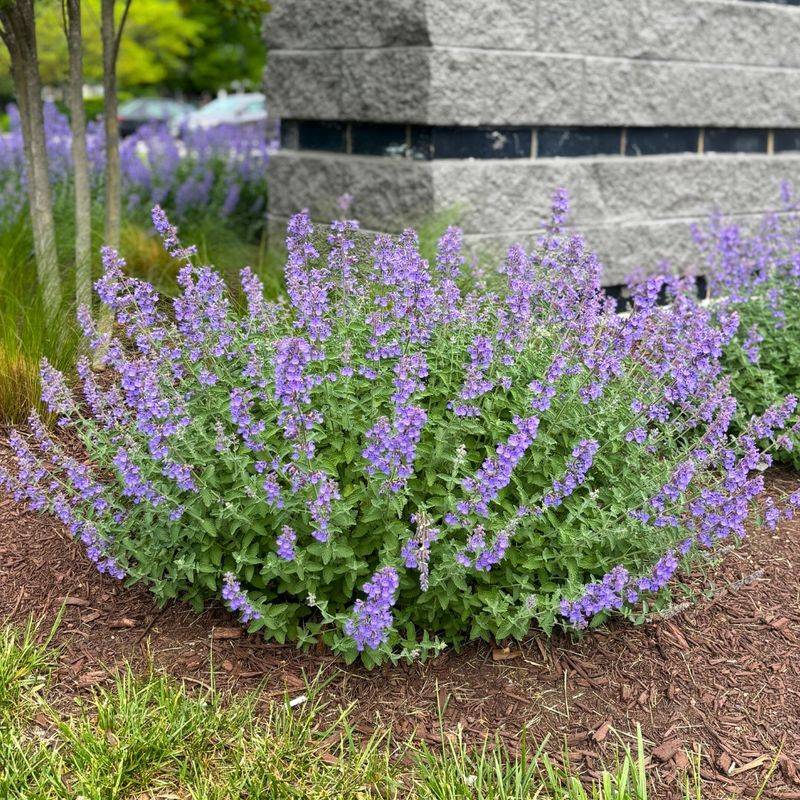
Brush past a catmint mound on a warm afternoon and a sharp, herby scent drifts up around your ankles. Clouds of lavender-blue flowers follow, and bees seem to hum louder whenever I walk by the bed.
Nepeta x faassenii forms wide, spreading mounds that fill gaps fast, often doubling in width within a season or two. Many popular hybrids set little viable seed, so you rarely deal with unwanted babies popping up everywhere.
Plant it in full sun during early fall, and the roots will be well anchored by next spring. Poor soil and dry spells hardly faze it, though heavy clay that stays wet can cause problems.
Cut the stems back by half after the first big bloom, and a fresh wave of flowers usually follows. Neighborhood cats may roll in it happily, so a sturdy wire cage over young plants can help.
6. Bee Balm
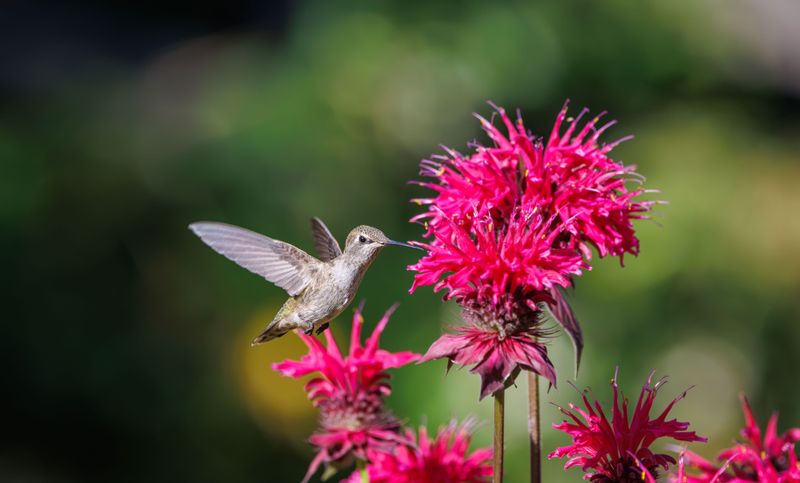
Hummingbirds treat scarlet bee balm like a roadside diner, zipping in for nectar from those shaggy red flower heads. Watching them hover there on a July morning is one of my favorite summer garden moments.
Monarda didyma and its lavender cousin Monarda fistulosa are both native here, spreading by shallow rhizomes into thick colonies. Crush a leaf between your fingers and you will smell a bright, minty fragrance that lingers for minutes.
Fall is a perfect window for planting new clumps or dividing older ones that have crowded their neighbors. Full sun to part shade works, but moist, well-drained soil keeps these plants happiest through hot summers.
Powdery mildew can dust the leaves gray, so space plants generously and choose resistant cultivars when you shop. Every few years, dig and divide the clumps to keep them vigorous and politely inside their assigned space.
7. Bigroot Geranium
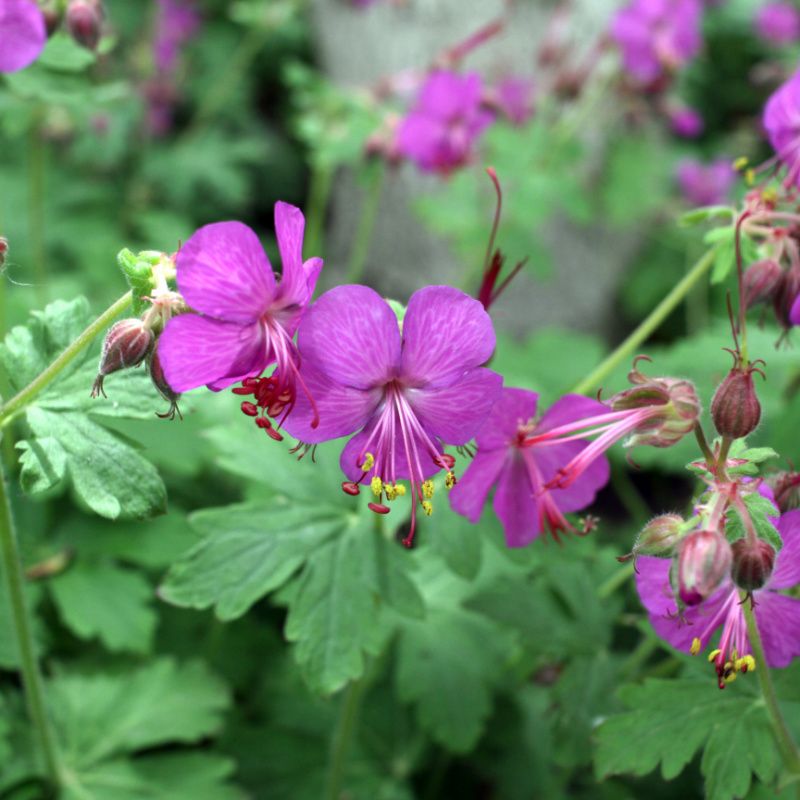
Few groundcovers smell as interesting as bigroot geranium, whose leaves release a spicy, almost citrusy scent when touched. I planted three small pots under a maple, and they slowly marched outward until the bare patch disappeared.
Geranium macrorrhizum spreads by thick, creeping rhizomes, forming a dense mat that crowds out many annoying weeds. It handles hot, humid summers better than most hardy geraniums, which matters in our muggy climate.
Dry shade under trees, a tough spot for most plants, rarely slows it down once the roots are established. Plant in fall in sun or part shade, and water regularly through the first few weeks.
Purple-pink flowers appear in late spring, and the foliage often turns handsome shades of red as autumn arrives. Deer and rabbits usually skip it, probably because that strong fragrance is not their idea of dinner.
8. Short-Toothed Mountain Mint
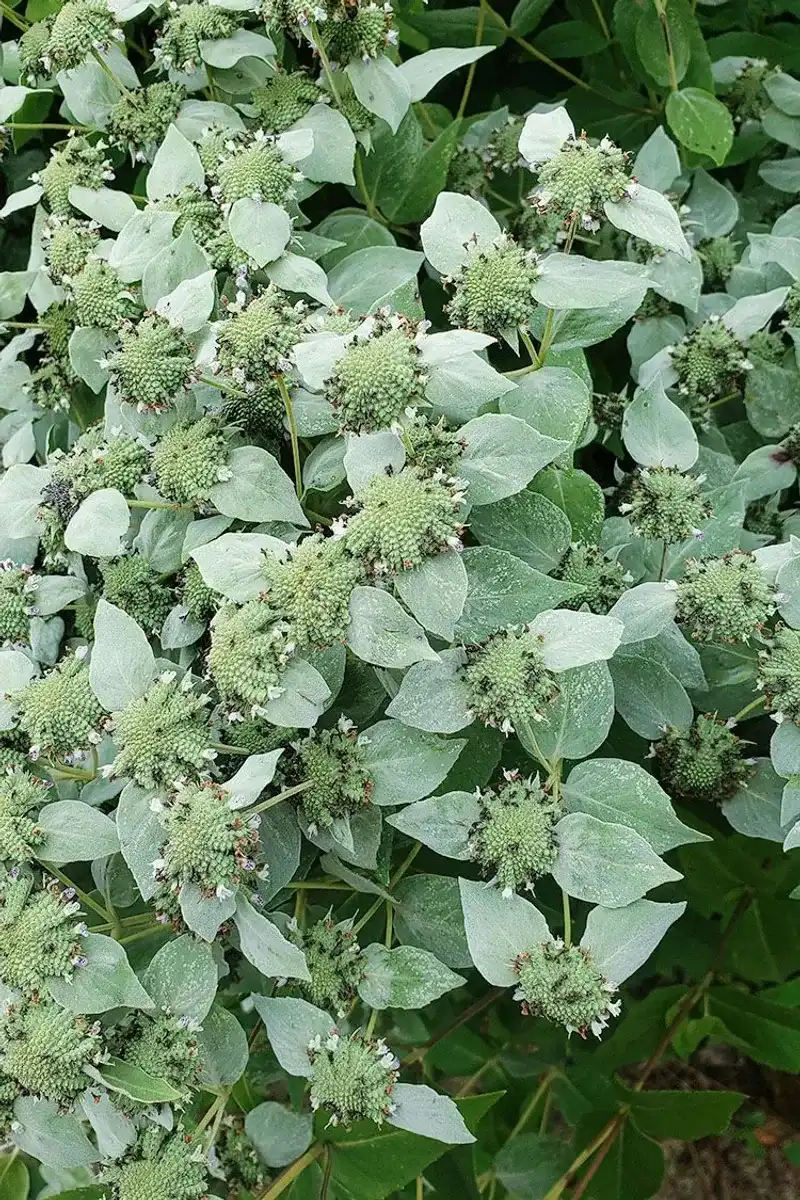
Stand beside short-toothed mountain mint in August and you will hear a steady buzz from dozens of pollinators. Honestly, it is one of the most crowded pollinator plants I have ever grown in my yard.
Pycnanthemum tenuifolium is a Virginia native with narrow leaves and clusters of small white flowers from July to September. Its spreading habit forms colonies over time, so give it room where it can roam without crowding delicate neighbors.
Plant it in fall in full sun or light shade with well-drained soil, then water until it settles. Once established, it tolerates dry stretches surprisingly well and asks for almost no fussing or extra fertilizer.
Unlike true mint, it spreads more slowly and is easier to pull back when it wanders too far. The leaves smell refreshingly minty, and deer generally avoid browsing on plants with such a strong aroma.
9. New England Aster
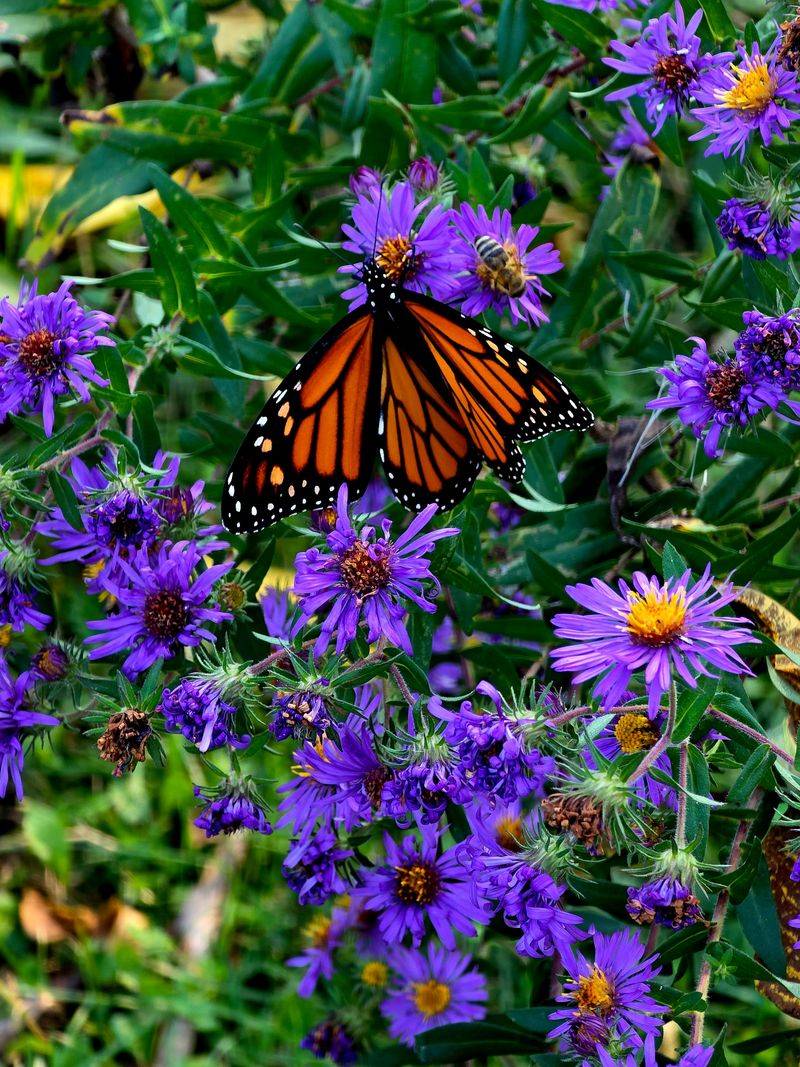
Monarchs heading south in autumn often stop to refuel on New England aster, and the timing feels almost planned. I love seeing purple petals crowded with butterflies when most other flowers have already called it quits.
Symphyotrichum novae-angliae is native across much of eastern North America, including our state, and handles cold winters easily. It spreads by rhizomes and seeds, so clumps widen steadily and new seedlings appear nearby each year.
Fall planting gives roots time to grow, and nursery plants are often in bloom right when you buy them. Full sun and moist, well-drained soil keep stems strong and help reduce the floppy look tall asters sometimes get.
Pinch the stems back by about half in early summer, and you will get bushier plants with more flowers. Pull unwanted seedlings in spring if they pop up where you prefer something else growing in their place.
10. Common Yarrow
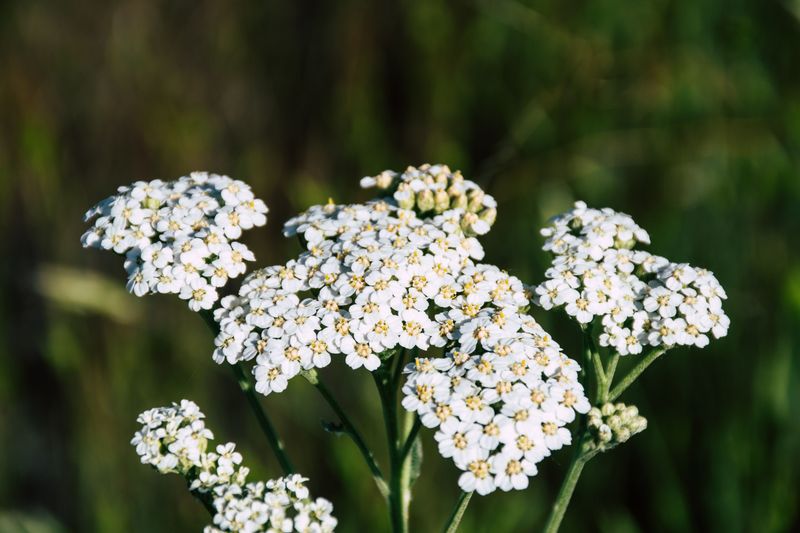
The name millefolium means a thousand leaves, a fitting label for yarrow’s lacy, finely cut foliage. Rub a leaf and you get a sharp, earthy fragrance that reminds me of a summer meadow after rain.
Achillea millefolium spreads by rhizomes and seeds, sometimes quite quickly in rich soil, so placement deserves a little thought. Poor, dry ground slows it down and keeps the stems sturdy, which is the opposite of many perennials.
Plant in fall or spring in full sun with sharp drainage, and skip the fertilizer for the best results. Flat clusters of white, yellow, or pink flowers bloom from early summer into fall, inviting butterflies and bees.
Snip spent flower heads to limit self-seeding and encourage another round of blooms later in the season. Deer and rabbits rarely nibble yarrow, making it a reliable choice for exposed beds near woods or fields.
11. Japanese Anemone
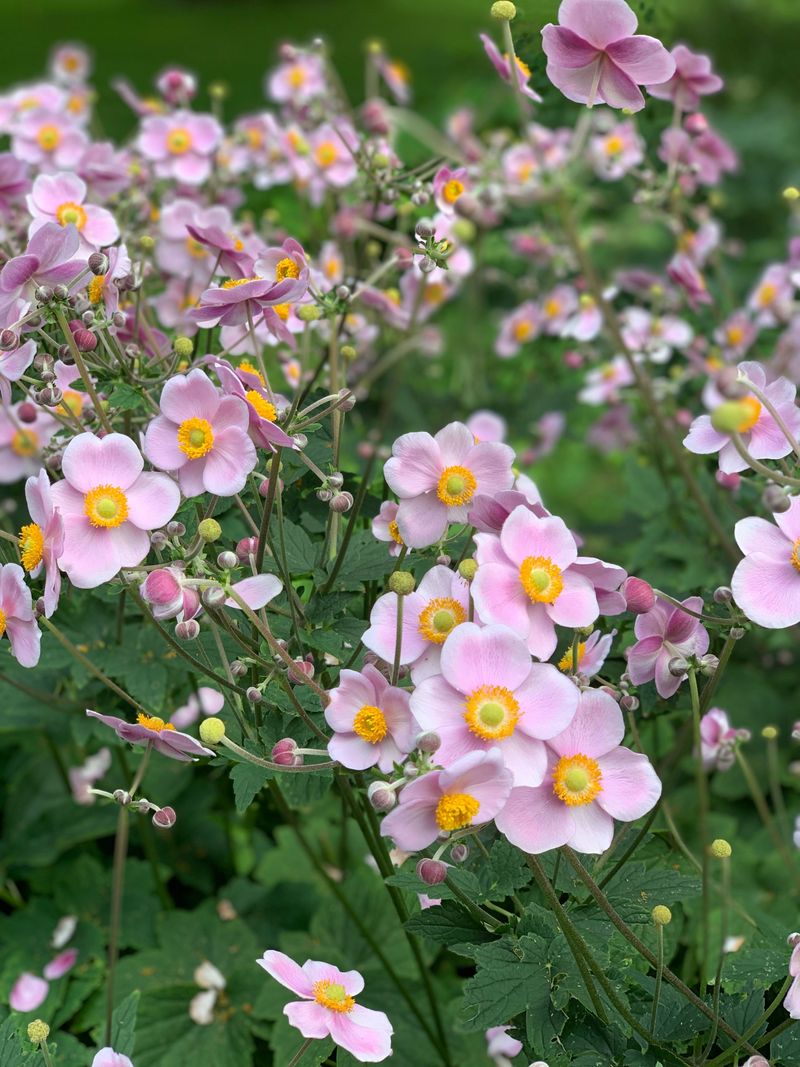
Just as summer gardens start looking tired, Japanese anemones rise on tall, wiry stems with flowers that sway like dancers. Their soft pink and white petals wrap around bright golden centers that catch the low afternoon light.
Anemone x hybrida spreads by underground rhizomes, and once happy, it can push outward more boldly than you expect. Some gardeners call it aggressive, so plant it where pulling a few wandering sprouts each spring is easy.
In warmer regions like ours, partial shade works best, especially protection from harsh afternoon sun in July. Moist, fertile, well-drained soil keeps the leaves lush, while soggy winter ground can cause roots to rot.
Plant in early fall so the rhizomes settle in before cold weather, and expect slow growth the first year. The second season usually brings a burst of new shoots, and that is when the real spreading begins.
12. Lamb’s Ear
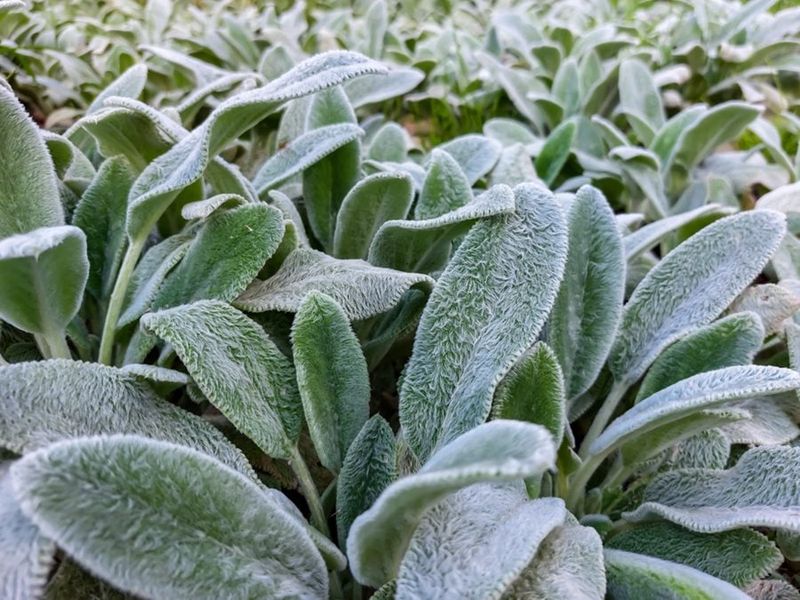
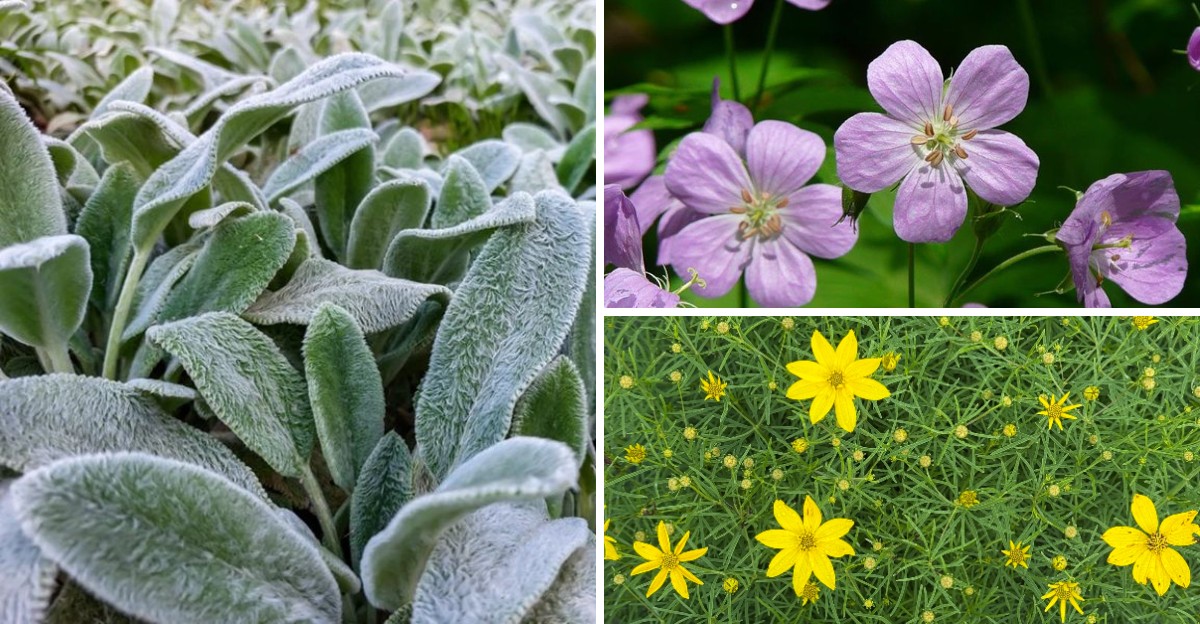
Kids cannot resist petting lamb’s ear, and honestly, neither can I every time I walk past the silvery border. Those thick, fuzzy leaves feel exactly like a soft little lamb, which explains the sweet common name.
Stachys byzantina spreads by creeping stems that root as they go, quickly forming a dense, silvery carpet. It can self-sow too, though many gardeners remove the flower stalks to keep the planting neat and leafy.
Plant in early fall in full sun or light shade, with well-drained soil that dries out between waterings. Heavy, wet clay is its biggest enemy, since moisture trapped in those woolly leaves invites rot during humid weather.
Clear out mushy leaves in spring, and fresh silver growth will quickly cover the gaps left behind. Deer and rabbits seem to dislike the fuzzy texture, so this plant holds up well near open lawns.
13. Fireworks Goldenrod
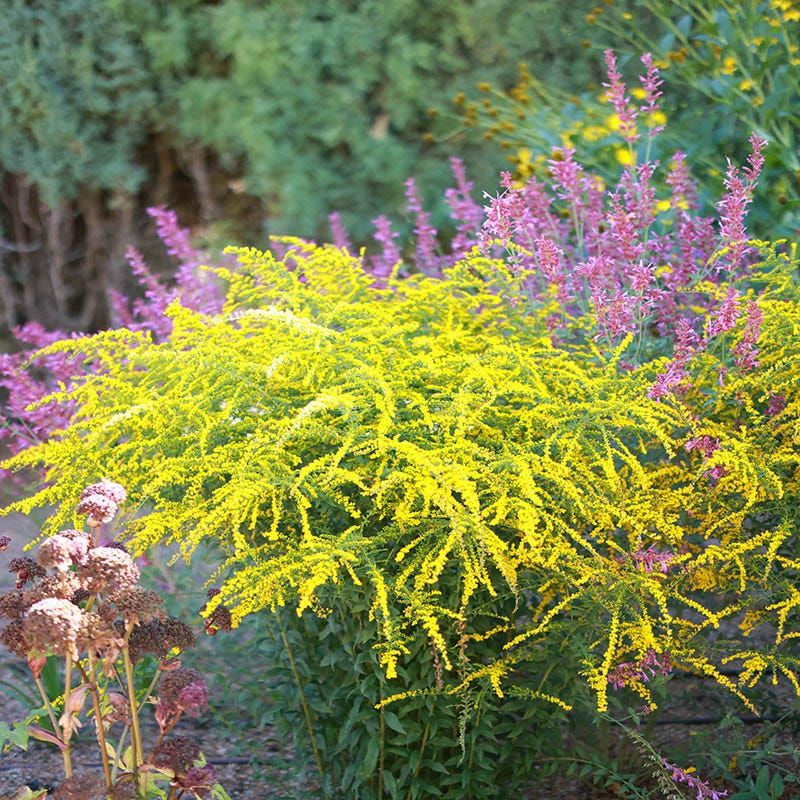
Goldenrod gets blamed for fall allergies, but the real troublemaker is usually ragweed, which blooms at the same time. Goldenrod pollen is heavy and sticky, so it travels on insects instead of floating around in the breeze.
Fireworks, a selection of Solidago rugosa, sends out arching sprays of yellow flowers that truly resemble a bursting rocket. The species is native to eastern North America, and this cultivar spreads steadily by rhizomes without running wild.
Plant it in fall in full sun or light shade, using average soil that drains well after heavy rain. Rich soil can make the stems floppy, so skip extra compost and let this native do its own thing.
Late-season butterflies and bees depend on goldenrod nectar when few other flowers remain open in the garden. Pair it with purple asters, and you get a classic autumn color combination that looks wonderful in October.
14. Wild Geranium
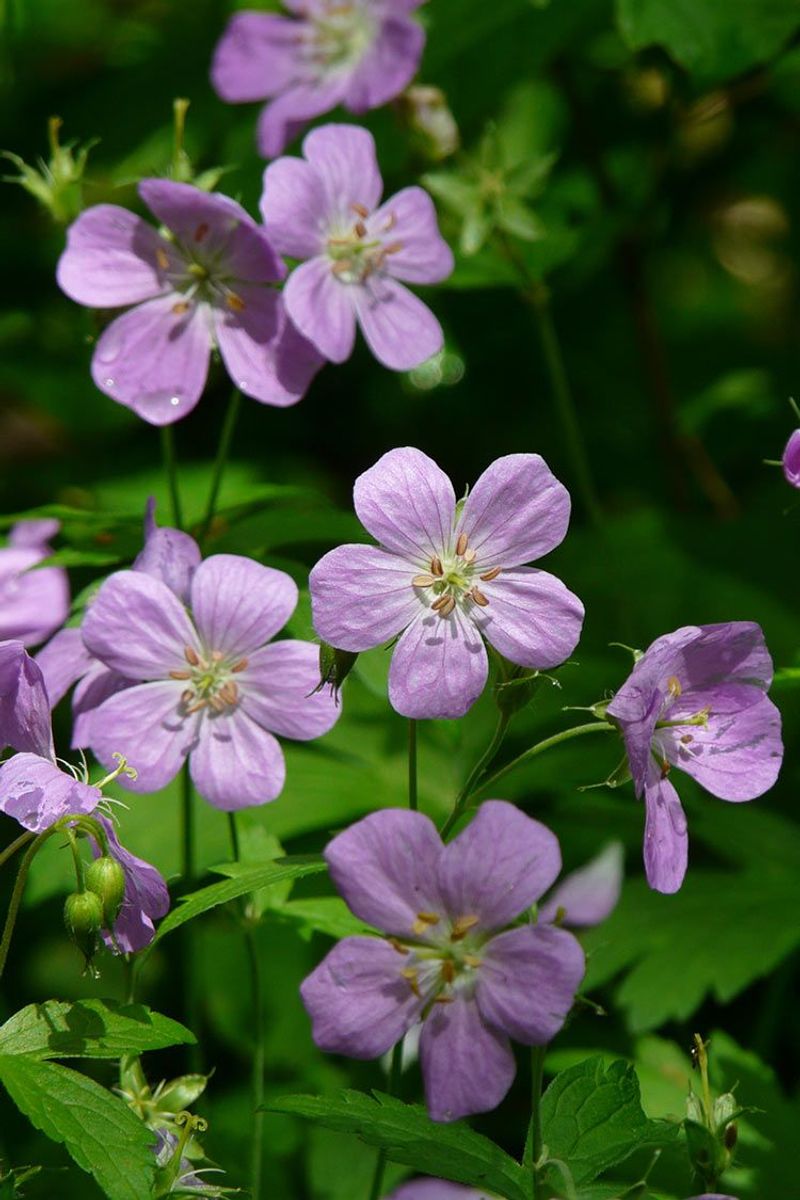
Wild geranium seeds launch themselves from the plant when their beak-shaped pods dry and spring open with surprising force. That clever trick helps colonies spread across woodland floors, and I love finding new seedlings in surprising places.
Geranium maculatum is native to Virginia and much of the East, blooming in soft pink or lavender each spring. It also spreads by underground rhizomes, slowly building a loose, leafy patch without becoming invasive or hard to manage.
Partial to full shade suits it best, along with rich, moist soil loaded with leaf mold or compost. Fall is a fine time to plant nursery pots or scatter fresh seeds directly where you want them.
Bees and other pollinators visit the open, five-petaled flowers, which offer easy access to nectar and pollen. The deeply lobed leaves look handsome all season, making a natural companion for ferns along a shady path.
15. Golden Ragwort
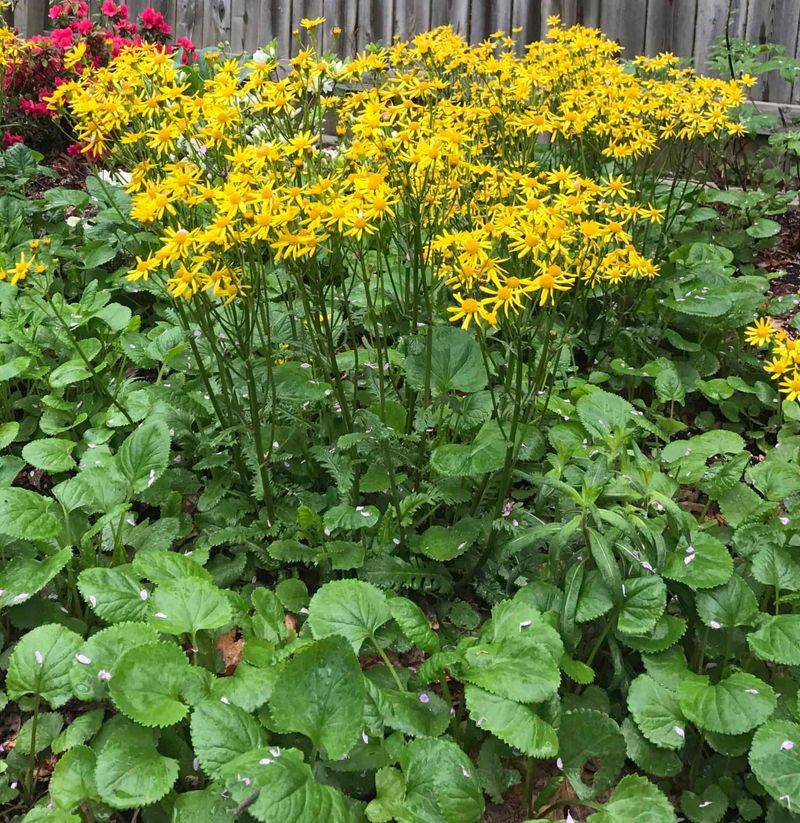
Golden ragwort blooms so early in spring that its bright yellow daisies often appear before many trees have leafed out. I treasure that splash of sunshine in shady corners when the rest of the garden still looks sleepy.
Packera aurea is native across the eastern United States and spreads by creeping stems into a dense, low carpet. Its rounded basal leaves often stay green through mild winters, sometimes picking up a pretty purple tint underneath.
Plant it in fall in part shade with moist soil, and it will fill gaps quickly by the next season. It handles wet spots and even clay better than many groundcovers, making it great for rain gardens.
Early bees and small flies visit the flowers, giving them an important food source after a long winter. Snip seed heads if you want less self-sowing, and pull extras easily since the roots stay fairly shallow.