The Venomous Species Every Connecticut Hiker Should Know
Some baby snakes in New England wiggle bright yellow tail tips like tiny worms to lure hungry frogs closer. I learned that odd trick last winter, and it changed how I look at every rocky trail.
Connecticut woods hold more stinging, biting neighbors than most hikers expect, and many wake up as soil warms. Some sleep in rocky dens all winter, while others start brand new paper homes once the weather turns mild.
I skipped learning about them for years, and a surprise sting near a stone wall finally changed my mind. You build real confidence outdoors when you know which critters deserve a wide berth and which just need respect.
Turns out most of these animals want nothing to do with us, which feels oddly comforting on a quiet trail. So which Connecticut residents should you recognize before your boots hit the trail again?
1. Copperheads Hide In Plain Sight On Leafy Rock Ledges
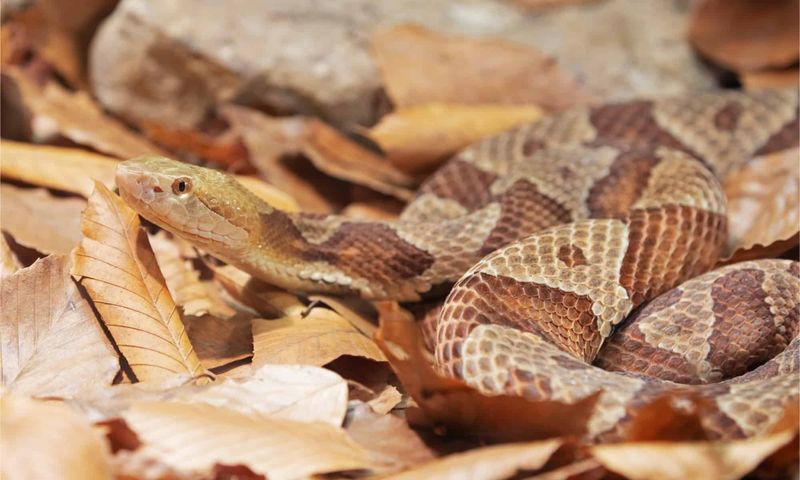
Fallen oak leaves and copperhead scales share almost the same coppery shades, which makes spotting one surprisingly tricky. I once stepped right past a coiled one on a sunny ledge before my hiking buddy pointed it out.
Eastern copperheads, Agkistrodon contortrix, carry dark hourglass bands that look narrow on top and wide along the sides. Their heads are broad and coppery, and babies flash those famous yellow tail tips I mentioned earlier.
In Connecticut, they mostly live in the southern and central parts of the state, especially around traprock ridges. Rocky hillsides and woodland edges near streams are favorite hangouts, and some even turn up near suburban yards.
Copperheads usually leave their winter dens around mid to late April, then bask on warm rocks for several weeks. After leaving their dens, they move mostly during the day, but summer heat often pushes their hunting into the evening.
Their calm reputation is earned, since they often freeze and rely on camouflage instead of striking right away. Bites still hurt a lot, causing swelling and tissue damage, so get medical care quickly if one happens.
Sturdy boots and long pants make a big difference when you hike rocky trails during warm afternoons. Look before you sit on logs or reach into crevices, because a sunning snake may be tucked inside.
Giving a copperhead a few feet of space usually ends the encounter peacefully for both of you. I like to admire those hourglass patterns from a safe distance and then quietly pick a different route.
2. Timber Rattlesnakes Guard Rugged Rocky Ridges
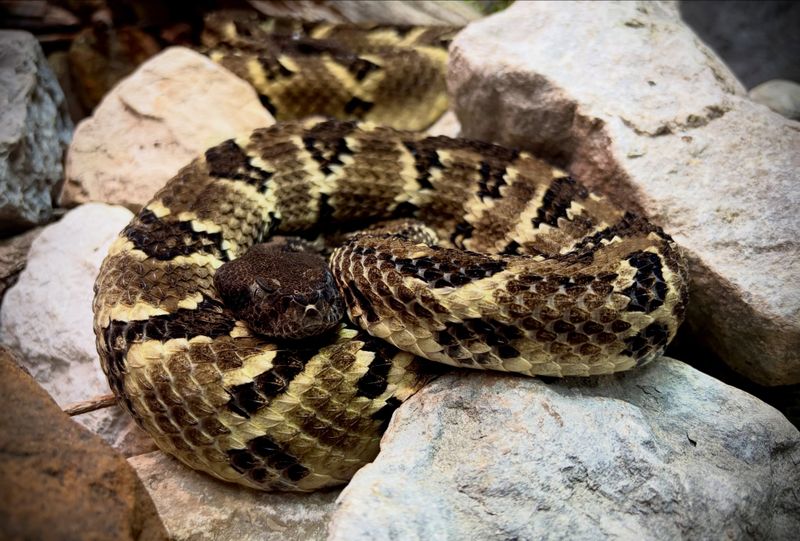
Hearing a timber rattlesnake buzz in the wild sounds a bit like a sprinkler hissing from somewhere in the rocks. Most hikers here go their whole lives without that experience, because these big snakes are truly rare.
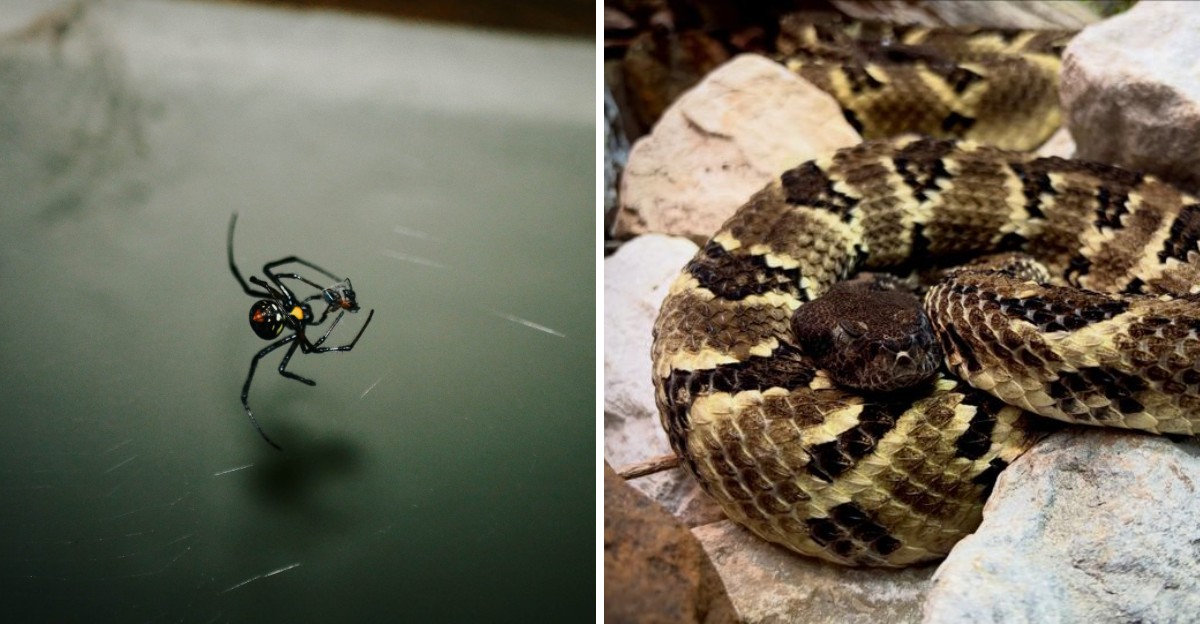
Crotalus horridus is a heavy-bodied pit viper that can stretch past four feet, with dark V-shaped crossbands. Some wear yellowish tones while others look nearly black, but the segmented rattle at the tail gives them away.
Connecticut lists the timber rattlesnake as state endangered, and only a few isolated populations remain in rugged hills. Harming or collecting one is illegal, so the best move is to back off and enjoy the rare moment.
These snakes spend winter in communal dens on sunny, rocky slopes, often returning to the same spots for many years. They usually come out around late April and soak up sunshine near the den before spreading into the forest.
Timber rattlesnakes are famously patient, often staying still or rattling a clear warning rather than lunging at people. If you hear that buzz, stop first, find the snake with your eyes, and then step slowly away.
Their venom is medically serious, so any bite calls for a trip to the emergency room without delay. Keep calm and still, and skip old tricks like cutting the wound or packing it with ice.
Spotting one is honestly a privilege, and state biologists appreciate reports that help them track these shrinking populations. I would happily trade a dozen ordinary hikes for one safe, respectful glimpse of this ridge-top legend.
3. Northern Black Widows Lurk Under Logs And Stone Walls
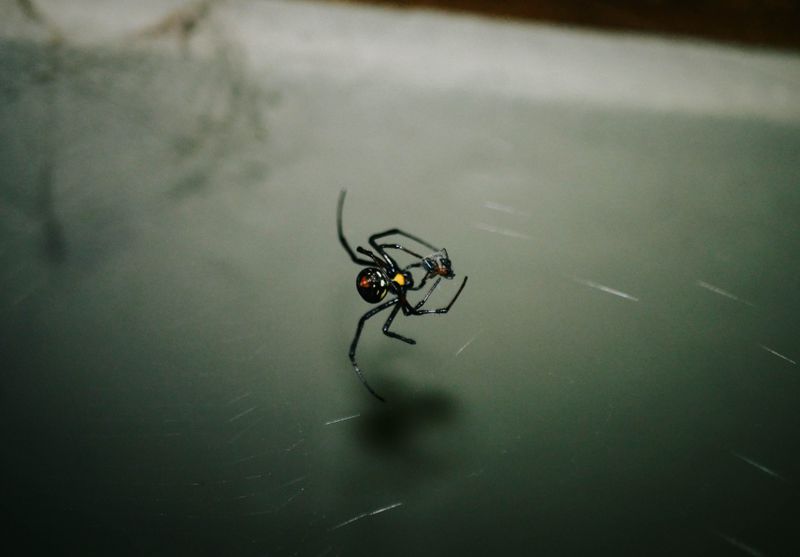
Flip a forgotten board in a woodpile and you might spot a glossy black spider with a red mark below. That shiny little lady is a northern black widow, and she is far more shy than her reputation suggests.
Latrodectus variolus females measure about half an inch long, with round bodies that gleam like polished buttons. Their red hourglass is often split into two pieces, and many also show red spots along the back.
On the trail, these spiders favor hollow logs and old stone walls with plenty of dark, quiet gaps. They weave messy, tangled webs close to the ground rather than the neat wheel shapes you see on porches.
Black widows rarely bite unless they get pressed against skin, like when someone grabs a rock without looking first. Stored gloves and boots left in sheds are classic hiding places, so give them a good shake before use.
Their venom affects nerves and can trigger painful muscle cramps and stomach pain within about an hour. Serious outcomes are uncommon with modern treatment, but any suspected bite deserves a prompt call to a doctor.
I keep a pair of leather gloves in my pack for moving branches or clearing a spot to rest. It feels a little fussy, yet that small habit has spared me more than one surprise in dark corners.
Cool weather slows these spiders down, but they can still hide in sheltered spots, so stay alert when handling firewood, gloves, and stored gear. A flashlight helps when peeking into shadowy spots, and it lets you admire that shiny body safely.
4. Yellow Sac Spiders Roam At Night Without Webs
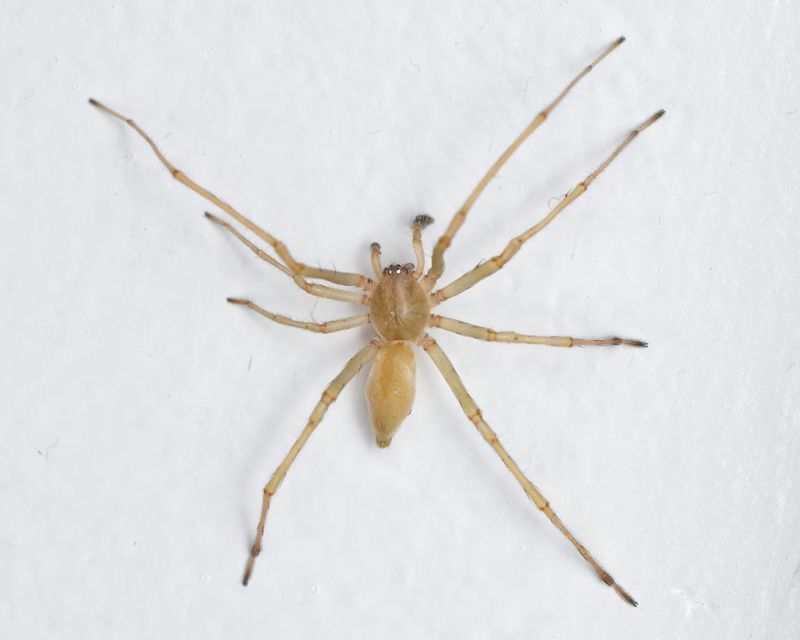
Some spiders hunt like tiny cats, prowling at night instead of waiting patiently in a sticky web. Yellow sac spiders belong to that roaming crowd, and I find their pale, almost glowing color oddly charming.
Connecticut hosts two common types, Cheiracanthium mildei and Cheiracanthium inclusum, both pale yellow to light beige in color. They measure roughly a quarter inch long, and their front legs stretch noticeably longer than the rest.
During the day, they rest inside small silk sacs tucked into rolled leaves, bark crevices, or folded fabric. At night they wander off to grab small insects, which is why people sometimes bump into them unexpectedly.
Bites usually happen when a spider gets trapped against skin, such as inside a jacket or sleeping bag. Campers who leave gear open overnight give these wanderers a cozy spot to crawl into before morning.
Older stories blamed sac spiders for nasty skin wounds, but newer research shows most bites cause milder symptoms. Expect stinging pain and some redness that usually fades within a few days for most healthy adults.
Clean the bite with soap and water, then use a cool cloth to calm the sting and swelling. Seek medical help if redness keeps spreading or the pain grows worse instead of slowly getting better.
My favorite trick is zipping tents and packs shut, then shaking out clothes before pulling them on each morning. It takes ten seconds, and honestly it beats discovering a startled eight-legged roommate halfway up your sleeve.
5. Eastern Yellowjackets Build Hidden Nests Underground
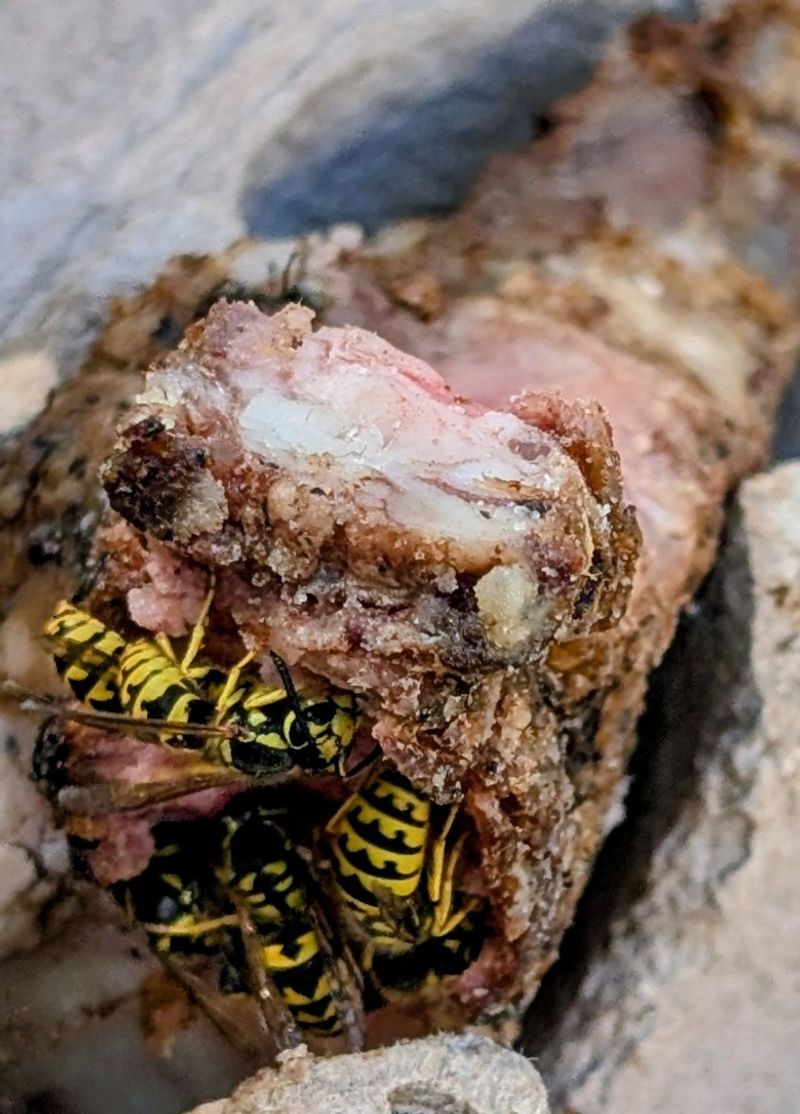
One misplaced boot over a hidden burrow can send a buzzing cloud of yellowjackets swirling around your ankles. I learned that lesson near a sunny trail edge, and my sprint downhill was not my proudest moment.
Eastern yellowjackets, Vespula maculifrons, are smooth, shiny wasps with bold black and yellow bands and narrow waists. Unlike fuzzy bumblebees, they look slick and fast, and they can sting more than once without losing their stinger.
Most colonies live underground, often inside old rodent burrows along sunny trail edges and open grassy clearings. Workers zip in and out of a small hole, which is often the only clue that a nest sits below.
Once the weather warms, a lone queen wakes from winter shelter and starts building a tiny paper nest by herself. By late summer, that colony may hold thousands of workers, and they defend their home with real enthusiasm.
Stings cause sharp pain and swelling for most people, but allergic folks can face a serious reaction. Anyone with known allergies should carry prescribed epinephrine and make sure hiking partners know how to use it.
Watch for steady wasp traffic near the ground before you sit down for a snack or set your pack down. Sweet drinks and open food attract them, so keep lids closed and wrap leftovers tightly in your bag.
If you disturb a nest, walk away quickly and keep going, since swatting usually stirs up even more defenders. Winter is the quiet season for these wasps, which makes it a great time to learn their tricks.
6. Bald-Faced Hornets Hang Gray Paper Nests In Trees
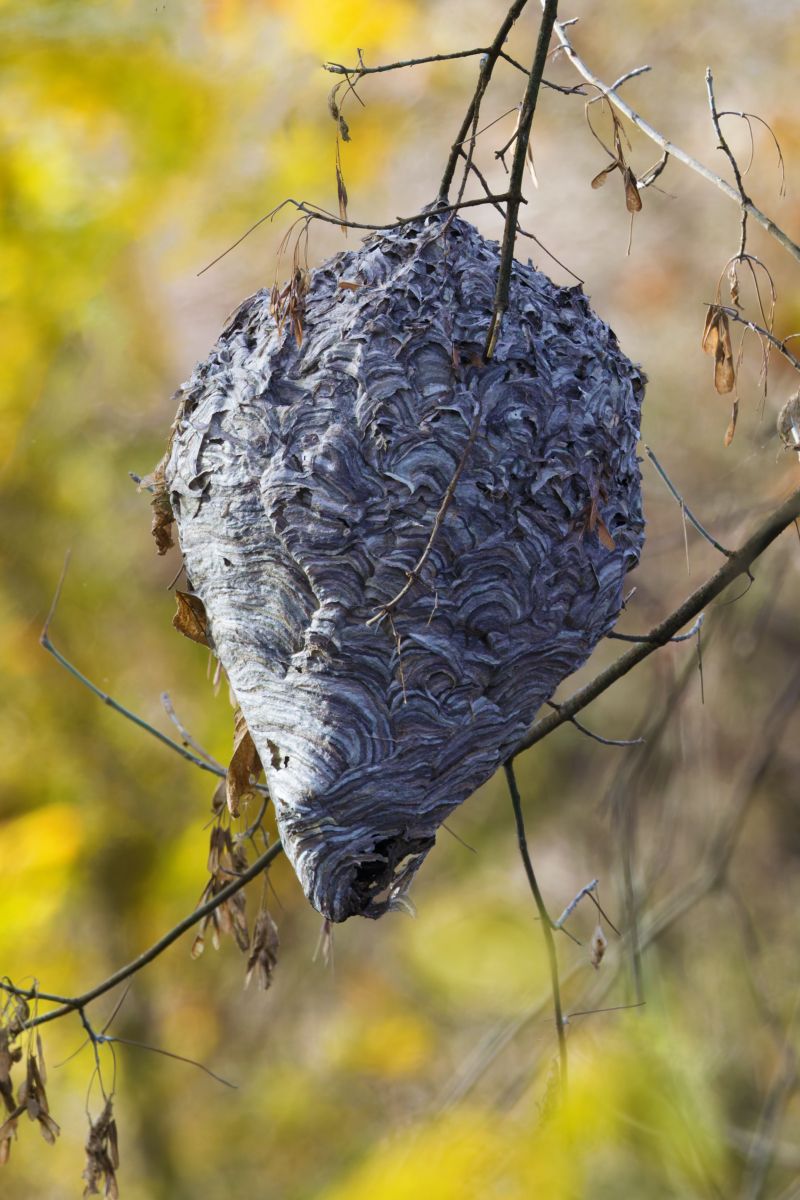
Gray paper footballs dangling from branches look like art projects, but they belong to bald-faced hornets. I once admired one for ten minutes before realizing dozens of white-faced guards were watching me right back.
Dolichovespula maculata is actually an aerial yellowjacket, not a true hornet, despite its popular and catchy common name. These wasps are black with creamy white markings on the face and near the tip of the abdomen.
Their nests can grow larger than a basketball by late summer, hanging from tree limbs or shrubs. Colonies start small each year, when a single queen chews wood fibers into the first few papery cells.
Bald-faced hornets defend their homes fiercely and can sting repeatedly when someone bumps or shakes a branch nearby. Some even squirt venom toward the eyes of intruders, which is a startling defense worth remembering.
Stings are painful and often swell for a day or two, and allergic reactions call for emergency care. A cold pack and an antihistamine help many people, though you should follow your doctor’s advice first.
On warm-weather hikes, glance upward now and then, especially when trails squeeze through dense shrubs or low branches. Early nests are only the size of a golf ball, so they are easy to miss without a quick look.
Admire these clever builders from a respectful distance and enjoy their papery handiwork from the trail. They also eat plenty of flies and other insects, so they quietly help keep pesky bugs in check.
7. European Hornets Buzz Around Porch Lights At Night
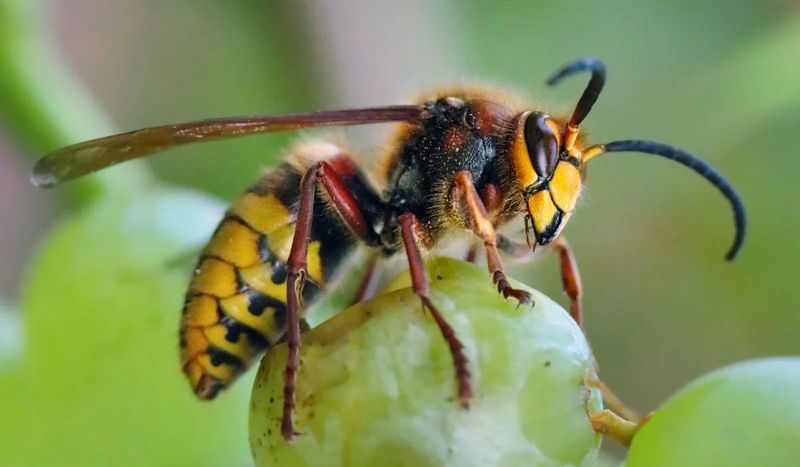
Big brown hornets thumping against a lit window at night often startle people who expect wasps to sleep after sunset. European hornets break that rule, and their low, heavy buzz sounds almost like a tiny helicopter outside.
Vespa crabro first reached New York in the 1800s and is now the main true hornet in eastern North America. Workers reach about an inch long, with reddish brown bodies and yellow abdomens striped with dark brown bands.
These hornets prefer hidden cavities like hollow trees and wall spaces rather than nests out in the open. They also strip bark from lilac and birch branches, sometimes leaving shrubs looking scraped and stressed.
European hornets are usually less fussy than yellowjackets, though they will defend a disturbed nest with painful stings. Their larger size means each sting can feel intense, and allergic folks should take extra precautions outdoors.
Queens begin new colonies each year once the weather warms, so nests start small and grow to a few hundred workers by late summer. Evening campers may notice them visiting lanterns, since bright lights draw these night flyers in from the woods.
Switching to warm yellow bulbs or dimming lights at camp can reduce the hornet traffic around your picnic table. Keep sweet foods covered too, because these hornets happily snack on fallen fruit and sugary spills.
If you find a nest near your home, call a pest professional instead of trying to remove it yourself. Out on the trail, a hollow tree with steady hornet traffic is simply a spot to admire and avoid.
8. Saddleback Caterpillars Wear Tiny Green Saddles
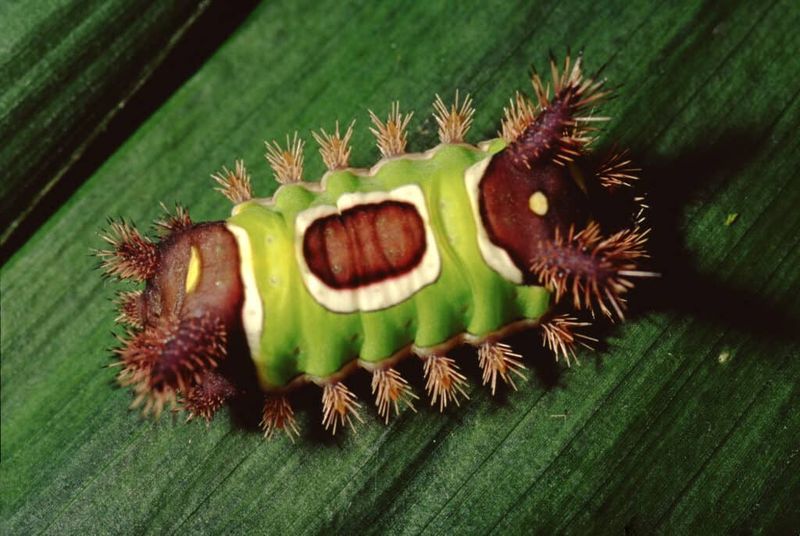
A bright green caterpillar wearing a brown saddle looks like a cartoon, but touching it feels like a wasp sting. I nearly brushed one off a leaf once, and I am still grateful my glove got there first.
Acharia stimulea grows to about an inch long, with a brown saddle-shaped patch outlined in white on its back. Fleshy horns at both ends bristle with hollow spines that release venom when they break against your skin.
This species is more common farther south, yet its range reaches into southern New England, including parts of Connecticut. Sightings here are uncommon, which makes knowing its look even more useful when you finally do spot one.
Saddlebacks munch on many trees and shrubs, including oaks and maples along sunny forest edges and garden borders. They often rest on the undersides of leaves, so they can surprise hands reaching for berries or branches.
In northern areas, most caterpillars appear in mid to late summer, long after the hiking season begins. Still, learning their look now prepares you for warmer months, when kids and curious hikers grab interesting leaves.
A sting brings burning pain and raised red welts that usually fade within a day for most people. Press clear tape over the spot to lift out broken spines, then wash gently with soap and water.
Call a doctor if swelling spreads, and seek emergency care immediately if breathing feels difficult, since some people react more strongly than others. My rule is simple now, and I happily admire fuzzy or spiky caterpillars with my eyes only.