That Fast Many-Legged Bug In Your New Jersey Basement Is Venomous, But It’s Free Pest Control
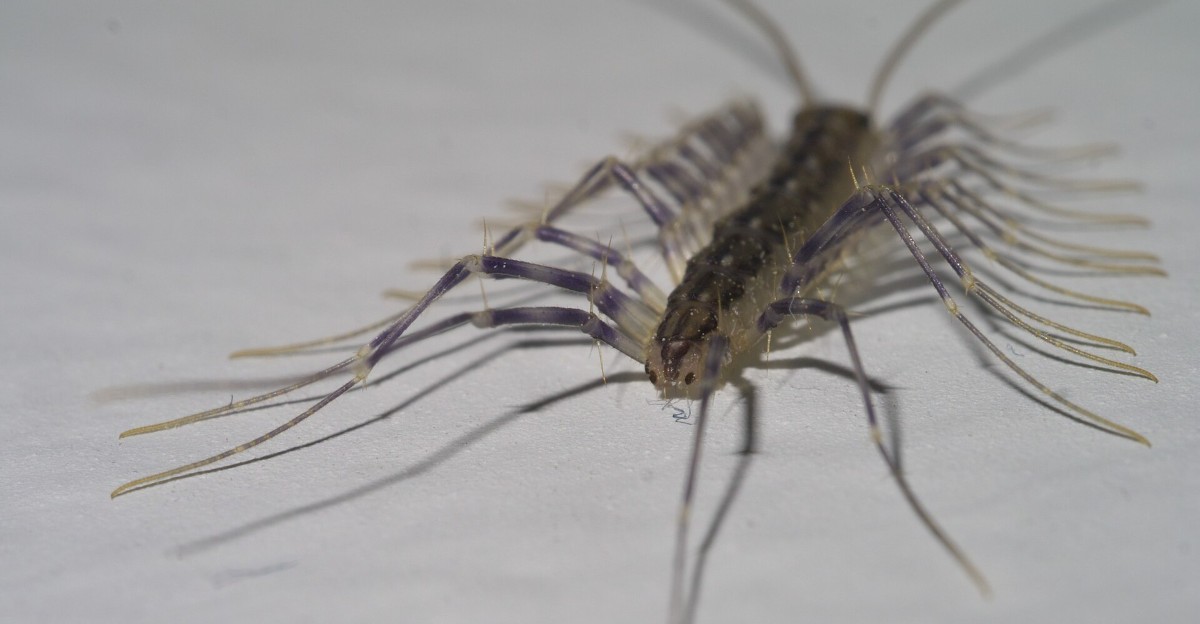
Fifteen pairs of legs can carry one small hunter across a basement floor at roughly 1.3 feet per second. That speed is impressive for a body barely longer than a paperclip.
I saw one zip past my laundry basket last fall in my New Jersey home, and I nearly dropped a stack of towels. My heart pounded, and my first instinct was to grab a shoe. A little reading gave me a reason to set that shoe back down.
This critter carries venom, uses its back legs like a lasso, and hunts at night in the dampest corners of your home.
Plenty of New Jersey homeowners spot it in basements, bathrooms, and crawl spaces. Few realize how much work it quietly does down there.
So what exactly is racing around under your stairs, and should you be grateful or worried? The answer surprised me more than the bug itself.
That Leggy Blur Under Your Basement Stairs Has A Name
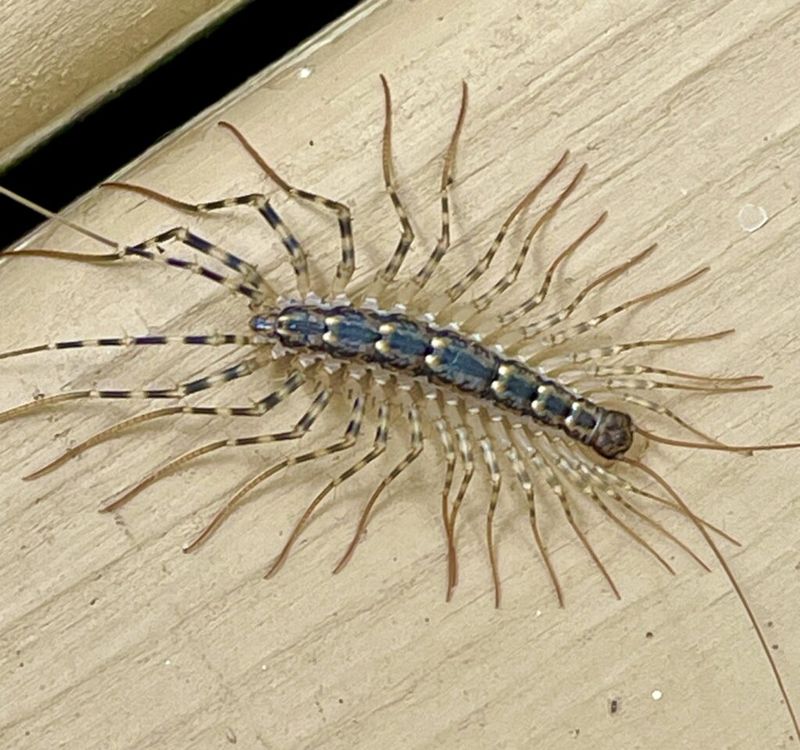
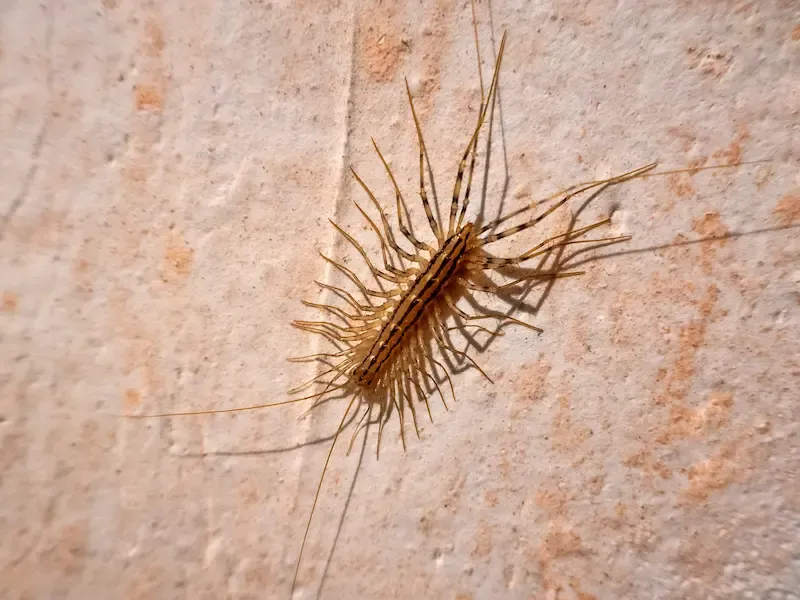
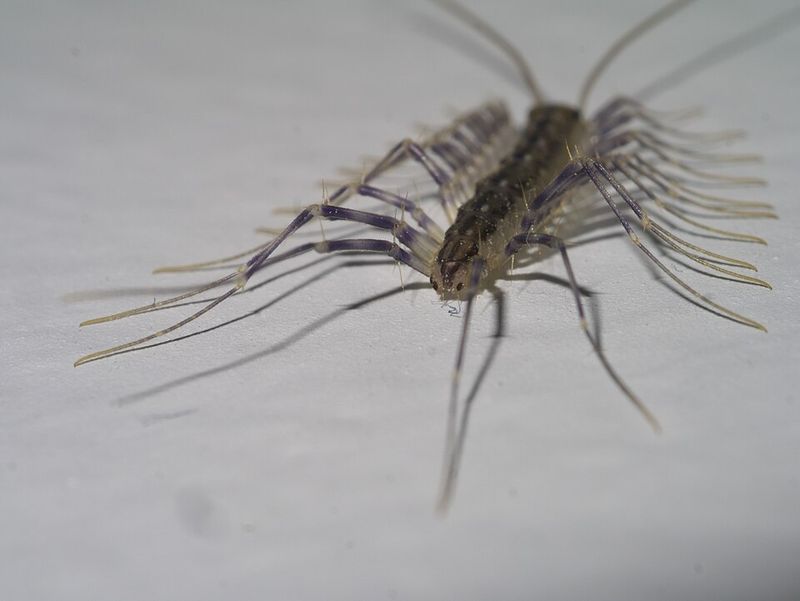
Meet the house centipede, known to scientists as Scutigera coleoptrata. Its body measures only about 1 to 1.5 inches long. Those long legs and antennae make it look closer to three or four inches.
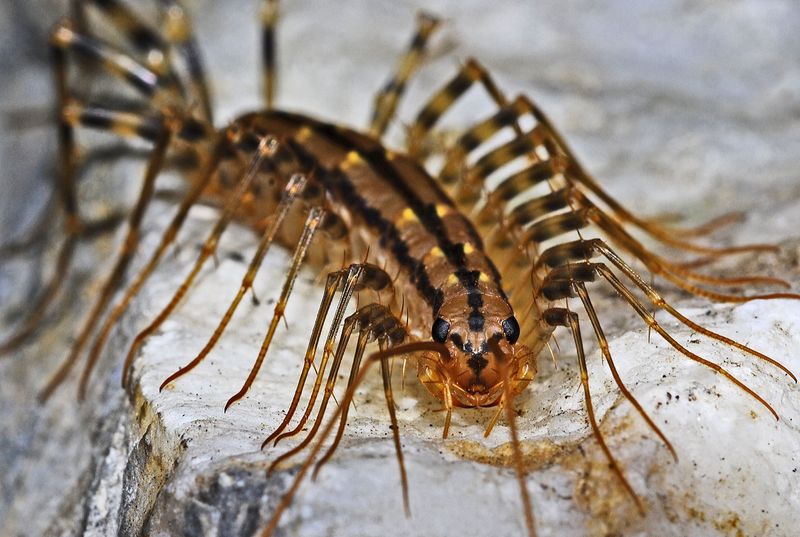
You can spot one by its yellowish-gray color and three dark stripes running down its back. The legs have light and dark bands, almost like tiny candy canes.
Adults carry 15 pairs, and the back pair stretches extra long to look like a second set of antennae.
Penn State Extension notes that this species likely came from the Mediterranean region. It has spread across much of the United States and does well inside heated buildings.
In colder climates like New Jersey, it can live its whole life indoors. Speed is its big trick. A house centipede can dash across a floor or up a wall faster than most people can react.
That is why sightings in New Jersey homes usually feel like a startled glimpse instead of a calm look.
Cockroaches And Silverfish Are On This Centipede’s Dinner Menu
Silverfish nibbling your old books? Cockroaches near the floor drain? A house centipede wants to meet them, and not for a friendly chat.
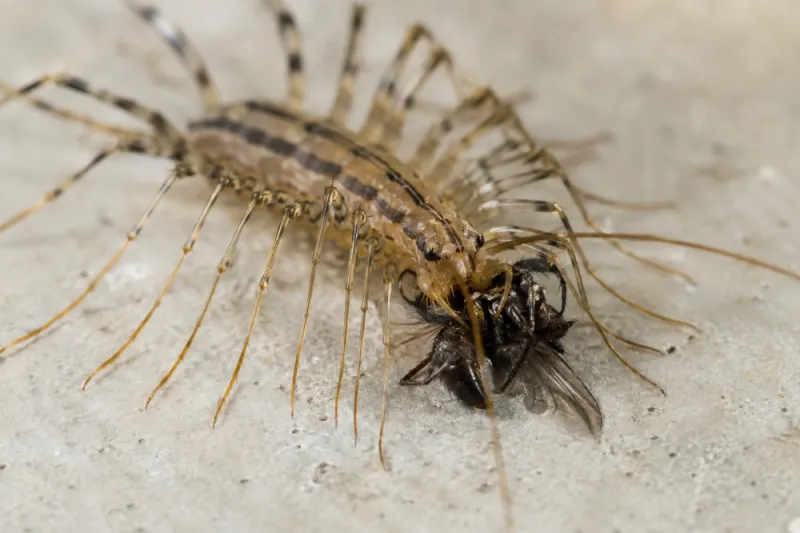
Extension experts and pest professionals agree that these centipedes feed on many household pests. Their menu includes silverfish, cockroaches, spiders, flies, moths, bed bugs, termites, and carpet beetle larvae.
They hunt mostly at night, when those pests are active too. The hunting style is clever. A house centipede often wraps prey in its legs, a move some biologists compare to lassoing.
It then uses venom to subdue the meal quickly before eating. I find that oddly comforting. Every centipede patrolling your basement is doing work you would otherwise handle with traps or sprays.
It doesn’t charge a fee, and it rarely chews anything in your home. House centipedes don’t damage wood, food, fabric, or furniture. They are not known to spread disease to people either.
Their only real offense is looking alarming when they sprint past your feet. Still, they can’t remove a full infestation on their own. Think of them as a helpful backup crew, not a replacement for good pest management when a problem grows large.
Venom In Those Front Legs Is Mostly Meant For Tiny Prey
Yes, the title is accurate. House centipedes are venomous, and they deliver that venom through a special pair of front legs called forcipules.
Those forcipules work like small pincers near the head. They are not true fangs, but they do the same job. The venom paralyzes insects and spiders so the centipede can eat them.
For people, the risk stays low. These centipedes rarely bite, and most bites happen when someone picks one up or presses it against skin. Their forcipules often struggle to break through human skin at all.
When a bite does happen, health sources describe it like a mild bee sting. You might feel a quick pinch, some redness, and slight swelling. The discomfort usually fades within a few hours.
Wash the spot with soap and water, then use a cold pack to calm the sting. Watch for signs of infection over the next day or two. People with allergies to insect stings should keep an eye out for unusual reactions.
Seek medical care if you see swelling that spreads, trouble breathing, or hives. Those reactions are uncommon, but they matter. For most folks, a centipede bite is more surprising than serious.
Damp Basements And Bathrooms Are Centipede Magnets
Moisture is the big draw. House centipedes lose water easily through their bodies, so they search out humid hiding places to stay comfortable.
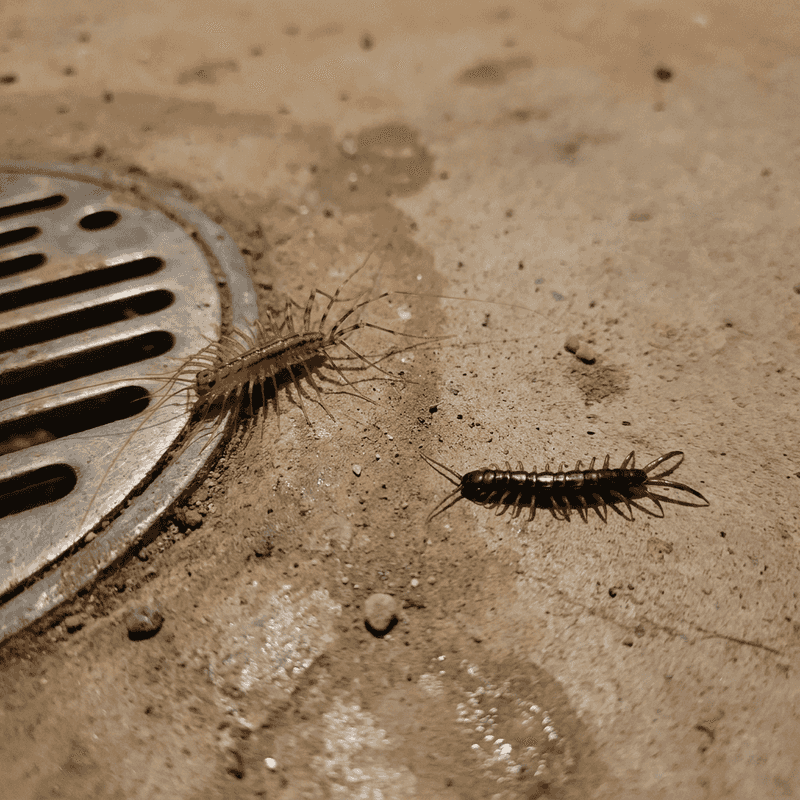
That’s why you often find them in basements, crawl spaces, bathrooms, and laundry rooms. Floor drains, sump pits, and stacks of damp cardboard look like a resort to them. Spots under sinks also work well.
New Jersey’s humid summers make basements extra muggy. Older homes with stone or block foundations can hold even more dampness.
Many homeowners notice more activity as the season warms and moisture builds. Centipedes also follow food. Silverfish, spiders, and other small pests love damp corners too.
So a humid basement often feeds the whole chain, from tiny insects up to the leggy hunter chasing them.
You might see one in a bathtub and wonder how it climbed in. Usually it wandered in looking for moisture and couldn’t climb the slick sides back out.
It did not crawl up from the drain. Pay attention to where you spot them. Those locations are clues. A frequent visitor near the washer or water heater might point to a leak or a humidity problem worth checking.
Seeing Several Centipedes Hints At A Bigger Bug Buffet
One centipede every few weeks is pretty normal. A crowd of them is a message worth reading.
House centipedes stay where they can eat. If you see several regularly, your home may be hosting a healthy population of silverfish, spiders, roaches, or other small pests.
The centipedes are simply responding to the supply. A simple test helps. Place a few sticky traps along basement walls, behind the furnace, and near drains. After a week, check what got caught.
If the traps fill with silverfish or cockroaches, you have found the root issue. Treating those pests usually leads to fewer centipedes over time. Less food means fewer reasons to stick around.
House centipedes can also live for several years, which surprises many people. Females lay eggs in damp soil or hidden cracks. Young ones start with only four pairs of legs and gain more as they grow.
I tried the sticky trap trick in my own laundry room. The results showed more silverfish than I expected, tucked near an old box of paperback books. Clearing that clutter made a noticeable difference within a month.
A Dehumidifier Can Make Your Basement Far Less Centipede Friendly
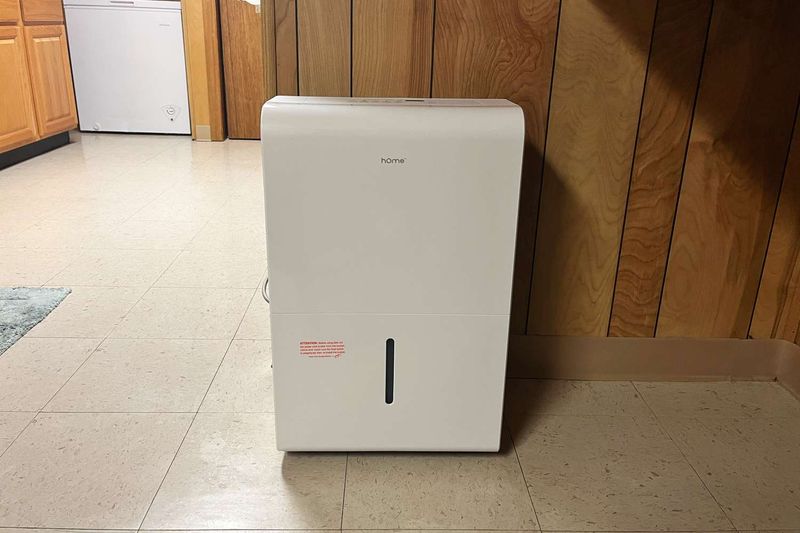
Drying things out is the most effective step you can take. Without moisture, both centipedes and their prey struggle to settle in.
A dehumidifier is a great place to start. Many experts suggest keeping indoor humidity around 50 percent or below.
A cheap hygrometer helps you track the level so you’re not guessing. Look for leaks next. Dripping pipes, sweaty water lines, and a leaky washer hose all add moisture.
Fixing them helps your home, not just your bug situation. Outside matters too. Make sure gutters drain away from the foundation and downspouts empty several feet from the house.
Soil should slope away from walls so rain doesn’t pool near the basement. Good airflow also helps. Run bathroom exhaust fans during and after showers. Vent your clothes dryer to the outdoors.
Clutter gives centipedes cozy hideouts. Swap cardboard boxes for sealed plastic bins and keep items off the basement floor when you can.
Mulch, leaf piles, and firewood stacked against the house create damp shelter, so move them back a bit.
These small fixes add up. Your basement will feel fresher, and the leggy visitors will have fewer reasons to call it home.
Sealing Foundation Cracks Keeps Outdoor Centipedes From Wandering In

Grab a tube of caulk and a flashlight. A little detective work around the edges of your home can block many uninvited guests.
House centipedes often live outdoors under rocks, mulch, and logs. When weather turns hot and dry or cold in fall, some move inside through small openings. Sealing those gaps reduces traffic.
Check foundation cracks, gaps around pipes and wires, and spaces under basement doors. Window wells and dryer vents deserve a close look too.
Silicone caulk works for small cracks, and weatherstripping helps around doors. Screens matter as well. Repair torn window screens and add covers to floor drains if pests seem to appear there.
Basement windows that don’t close tightly are common entry points. Some people reach for sprays right away. Penn State Extension notes that insecticides are rarely needed for house centipedes indoors.
Moisture control and exclusion usually work better and last longer. If you want one out of a room, a jar and a sheet of paper do the job. Release it outdoors away from the house. Quick hands help, though, because this bug won’t wait politely for you.
Letting A Few House Centipedes Stay Might Be The Smart Move
Honestly, my feelings about these bugs changed once I understood them. I still jump when one darts past, but now I nod at it too.
A few house centipedes in a basement usually signal a balanced space. They keep small pests in check, rarely bite, and don’t harm your belongings. That’s a pretty fair trade for the occasional startle.
Your comfort level matters, though. If you find them in bedrooms or see many each week, focus on moisture and the pests feeding them. Call a licensed pest professional if a larger infestation shows up.
Families with small children can relax a bit. A curious kid who touches one may feel a small sting at most. Teaching kids to look but not grab works well with most creepy crawlers.
Here’s a handy plan for New Jersey homes. Run a dehumidifier in muggy months, seal entry gaps before fall, and check sticky traps a few times a year. Those steps keep numbers reasonable.
So next time that blur of legs zips under the stairs, give it a little credit. It might be the hardest working tenant in your house, and it never asks for rent.