That Mud-Like Patch On Your New Jersey Fence Is Hiding Dozens Of Tiny Invaders
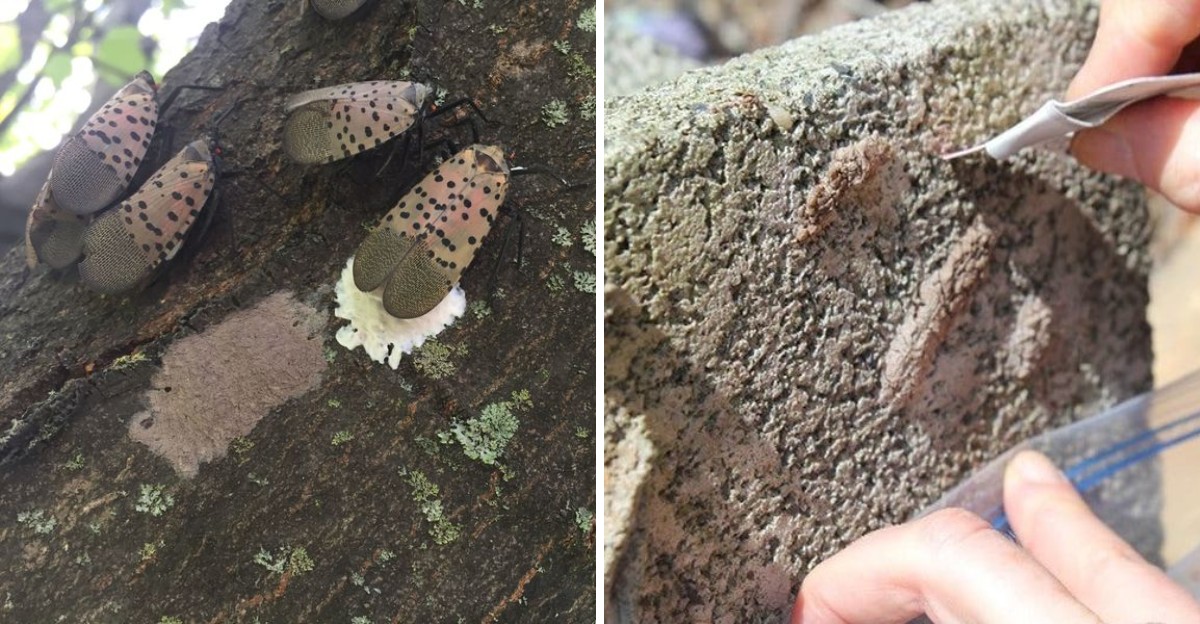
A gray smear the size of my thumb turned out to hold more than 30 eggs. I found it on a fence post in my New Jersey backyard last fall and nearly brushed past it like old dried mud.
The patch looked boring, almost like someone had wiped a dirty glove on the wood. Turns out that plain look is the whole trick. The mother insect coats her eggs in a waxy paste that hardens and cracks just like dried clay.
Folks across New Jersey are spotting these smudges on fences, sheds, trees, and even patio chairs. I am surprised by how many neighbors walk right past them.
You might notice one tucked under a rail or on the shady side of a post. What exactly hatches out of that crusty little patch in spring? The answer explains why gardeners keep scraping fences in the cold.
That Crusty Gray Smear On The Fence Rail Is Actually A Nest
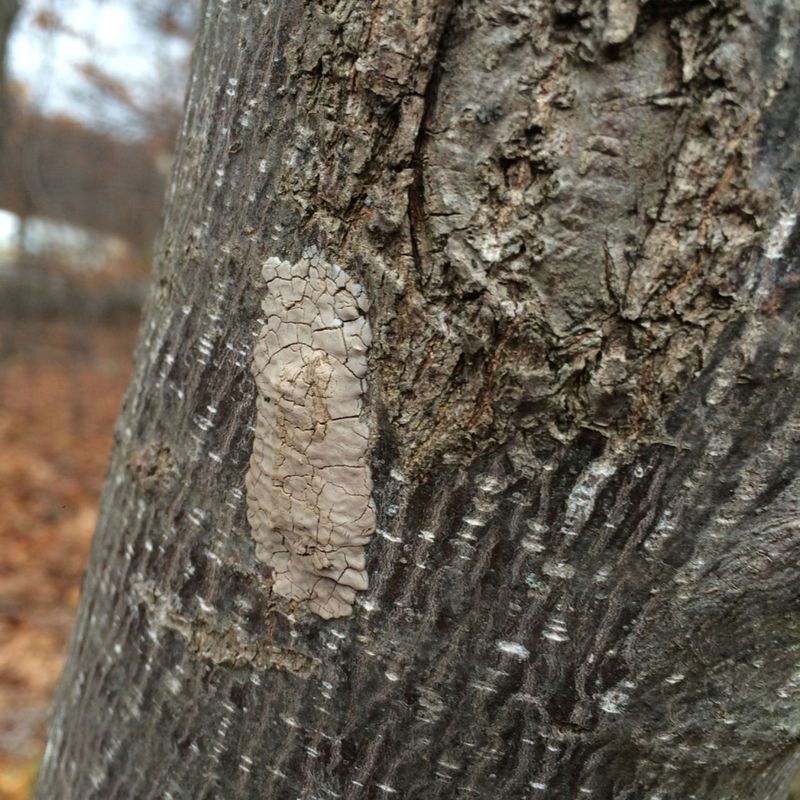
Run a fingernail across one of these patches and it feels oddly like dried putty. Fresh ones look smooth and grayish, a bit like a smear of wet cement. Older ones crack and fade, which makes them even easier to mistake for plain dirt.
Under that crust sits a neat surprise. Rutgers Cooperative Extension describes these as egg masses, with rows of tiny seed-like eggs lined up side by side.
Each mass usually holds about 30 to 50 eggs, so one small smudge can mean dozens of new insects come spring.
Size gives you a helpful clue. Most masses measure roughly an inch to an inch and a half long and close to an inch wide. The shape often looks like a stretched oval rather than a random splash.
Sometimes the waxy coating wears off over winter. Then you can see the eggs themselves, which look like little brown seeds packed in columns.
Hatched masses show tiny holes or empty slits at the top of each row. I keep a mental checklist when I spot one. Is it gray and putty-like, oval, and about an inch long? If so, the odds are high you are looking at a hidden nursery rather than leftover mud.
Spotted Lanternflies Are The Moms Behind Those Mud Patches
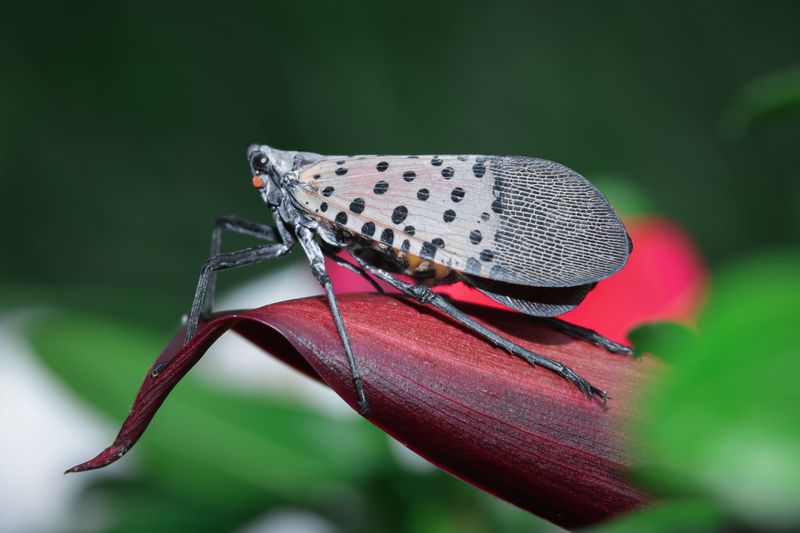
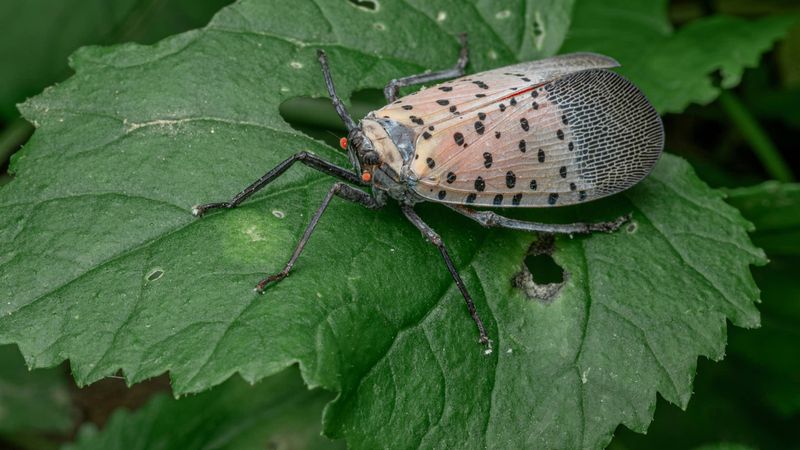
Bright red underwings, black polka dots, and a sneaky hop make this insect hard to forget. The spotted lanternfly is a planthopper native to parts of Asia. It first showed up in Pennsylvania in 2014 and spread into New Jersey a few years later.
Adult females do the egg laying. They start in late summer and keep going through fall until hard frosts end the adult season. Each female can lay one or two masses, and she covers them with that gray protective goo.
Fun fact for your next garden chat. Despite the name, this bug is not a fly at all, and it does not glow like a lantern. It belongs to the same broad insect group as cicadas and aphids.
Adults do not survive the winter. Only the eggs carry the population forward, which makes those fence smudges the main bridge between one year and the next.
That detail changes how I look at fall cleanup. When the colorful adults disappear in December, the job is not over.
The next generation is sitting quietly on posts, rocks, and tree trunks, waiting for warmer days to arrive.
Scraping Egg Masses Into A Bag Is Your Easiest Win
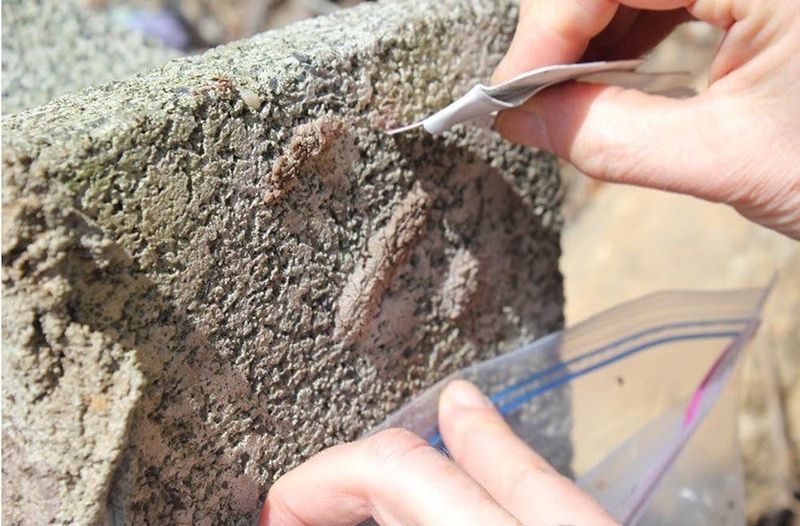
An old gift card turned into my favorite winter garden tool. Scraping egg masses is simple, cheap, and one of the most useful things a home gardener can do about this pest.
Hold a sealable plastic bag right under the patch. Then press a plastic card or putty knife against the surface and scrape downward so the eggs drop straight into the bag.
Rutgers and the state Department of Agriculture suggest adding rubbing alcohol or hand sanitizer to the bag first.
Squish the bag so every egg gets coated. Seal it tightly and toss it in the trash. You may hear tiny pops as eggs crack, which is oddly satisfying on a cold afternoon.
Timing matters. Scraping works best from fall through early spring, before hatching starts around late April or May. Once the eggs open, the empty mass is just a leftover shell.
Wear gloves if the surface is rough or splintery. On tall trees, a long-handled scraper helps, but skip any spot you cannot reach safely.
Every mass you remove means up to 50 fewer hungry nymphs climbing your plants next season, and that adds up quickly.
Fences Are Just The Start Of Their Favorite Egg Spots
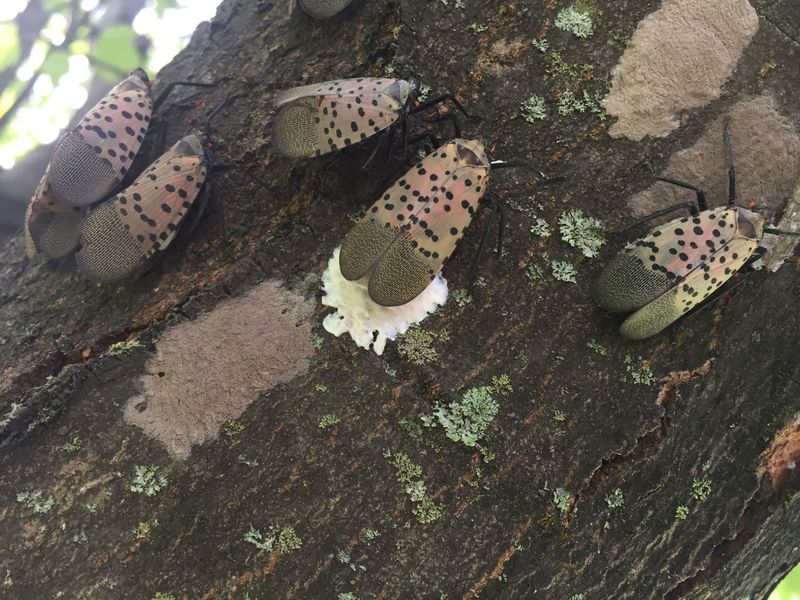
Once I started looking, I found them everywhere, not just on the fence. These insects will lay eggs on almost any flat, sturdy surface outdoors.
Tree trunks rank high on the list, especially maples, black walnut, willows, and the invasive tree-of-heaven. Females also like the undersides of branches, where the masses stay out of direct weather.
Rocks, bricks, and stone walls work just fine for them too. Human stuff counts as well. Check patio furniture, grills, sheds, play sets, trailers, stacked firewood, and outdoor equipment.
Even car bumpers and wheel wells can carry a mass if a vehicle sat outside during egg season.
My trick is to look low and look under. Many masses sit near the ground or on the shady, protected side of an object. A quick walk with a flashlight on a gray day helps the patches stand out.
Do not stress about finding every single one. Some masses hide high in tree canopies where you cannot reach them.
Focus on the spots around your home and garden, because those are the ones most likely to affect your plants and travel with your belongings.
Grapevines And Maples Feel It When The Nymphs Hatch

Tiny black nymphs with white dots look almost cute in May. Give them a few weeks, though, and they start crowding stems and sipping sap from your favorite plants.
Spotted lanternflies feed by piercing plant tissue and drinking sap. Penn State and Rutgers report they feed on more than 70 kinds of plants.
Grapevines take the biggest hit, and vineyards have seen serious losses when numbers run high.
Maples, birches, willows, black walnut, and fruit trees also get visited. Most healthy shade trees handle the feeding without major long-term harm.
Still, heavy feeding can stress plants, slow growth, and leave them weaker against other problems.
The nymphs change as they grow. Early stages are black with white spots, and the last stage turns bright red with black and white markings. Adults usually appear by midsummer.
If you grow grapes, keep a close eye on your vines from late spring onward. Hops and some vegetable plants can draw young nymphs too.
Catching the population early, back at the egg stage, means far fewer sap-sippers lined up on your vines once summer heats up.
Sticky Honeydew And Black Sooty Mold Follow The Swarm
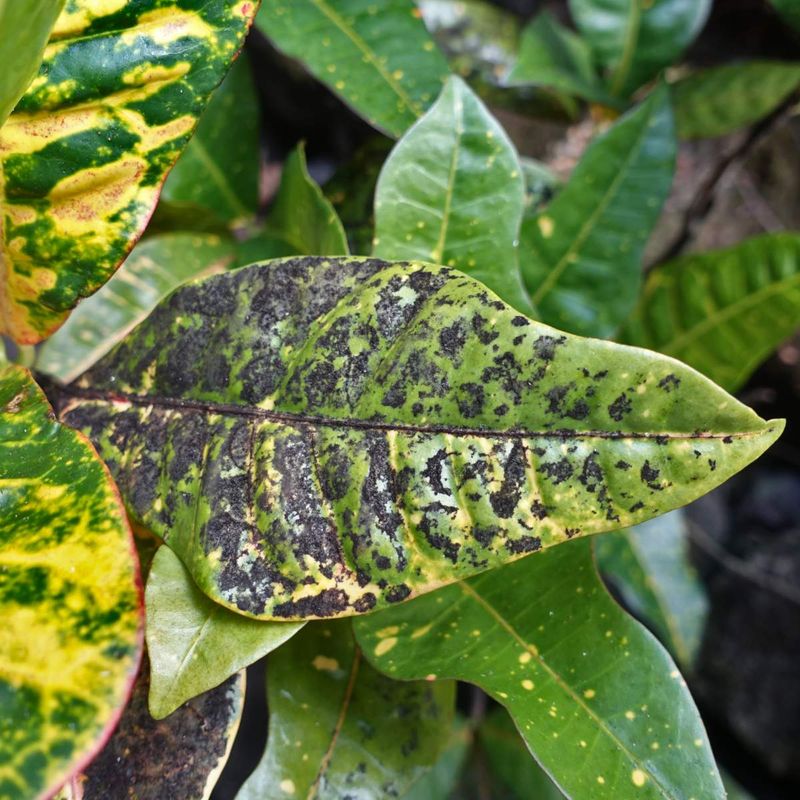
My patio table once felt like someone spilled soda on it overnight. The culprit was a crowd of lanternflies in the maple above.
While feeding, these insects release a sugary liquid called honeydew. It drips onto leaves, decks, chairs, and parked cars. Bees, wasps, and ants often show up to collect the sweet mess.
Then comes the dark part. A fungus called sooty mold grows on the honeydew and coats surfaces in a black, powdery film. On leaves, it blocks sunlight and can reduce how well plants make food.
Sooty mold does not infect plants directly. It sits on the surface, so it often washes off with water and mild soap on outdoor furniture. Rain also helps clear leaves over time.
Fewer egg masses in winter usually means less honeydew in summer. That connection keeps me motivated when I am out scraping in chilly weather.
A cleaner deck, shinier leaves, and fewer buzzing wasps make the effort feel worth it. If your understory plants look sooty, look up for the feeders above them.
Check Your Firewood And Car Before Heading Out Of Town

Hitchhiking is this pest’s real superpower. Adults cannot fly very far on their own, but egg masses ride along on whatever people move.
That explains why New Jersey has had a spotted lanternfly quarantine since 2018. The quarantine now covers much of the state, and businesses moving regulated items need permits. Homeowners are asked to inspect anything they carry out of an infested area.
Before a road trip, walk around your car and look at bumpers, wheel wells, and roof racks. Check firewood, camping gear, kayaks, outdoor furniture, and moving boxes stored outside. Scrape any mass you find before loading up.
Firewood deserves extra care. Buy it near where you plan to burn it rather than hauling it long distances. That habit also helps slow other forest pests.
The New Jersey Department of Agriculture keeps an updated quarantine map online. A quick look tells you whether your county is included.
Small habits like these protect gardens in places that do not yet have lanternflies, which feels like a pretty good favor to fellow growers down the road.
A Few Spring Habits Keep Lanternfly Numbers Down In Your Yard
Spring brings a second chance, even if you missed a few egg masses. Smart habits now can keep numbers manageable all season.
Circle traps are a favorite of mine. These funnel-shaped mesh traps wrap around tree trunks and catch nymphs as they climb.
Skip sticky bands, because Penn State Extension notes they can also trap birds, squirrels, and helpful insects. Tree-of-heaven deserves attention too. It is an invasive tree and a top lanternfly host.
If you have it, talk with a local arborist or Rutgers Cooperative Extension about safe removal, since cut stumps tend to resprout.
Hand removal works on small plants. Knock nymphs into a bucket of soapy water, or squish them if you are quick.
Insecticides are an option for valuable plants, but read labels carefully and protect pollinators.
My biggest takeaway is simple. Winter scraping, spring trapping, and careful travel habits each chip away at the problem.
Report new sightings in uninfested areas to the state. Next fall, take a slow walk along your fence, and you may spot that mud-like patch before it ever hatches.